
Reviewed · TOURS IN OSAKA
Osaka: Traditional Japanese Ceramics Private Experience
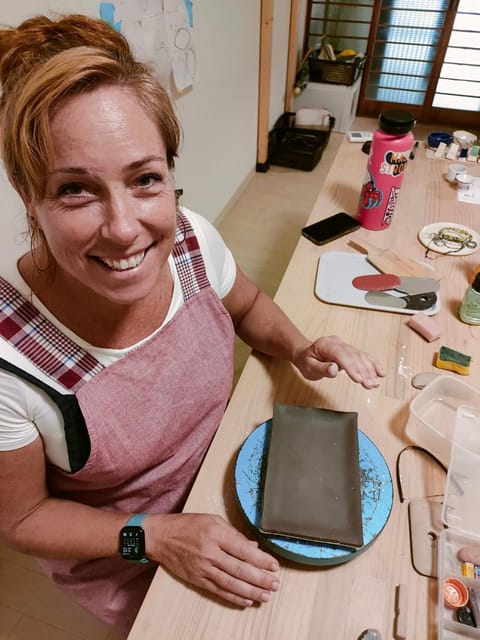
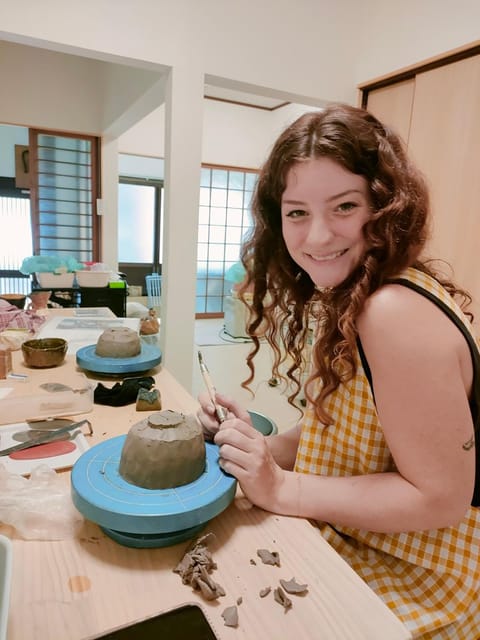
Osaka’s best cultural moments often happen away from the big sights. Here, you meet Anna at Teradachō Station, walk past local food shops, and enter a century-old two-story house for a private pottery lesson. You shape Shigaraki clay into a sake set, sushi set, or chawan, then choose a traditional Japanese glaze.
I like the personal pace and the setting. Anna teaches in English, Spanish, Catalan, or Japanese, and she adjusts her guidance for beginners or people who have worked with clay before. I also like that the class connects pottery with everyday Japanese food and tea, rather than treating ceramics as a museum subject.
The main drawback is practical: your finished piece is not ready on the day. It takes about a month and a half to ship, and postage is extra. If you are moving quickly around Japan, you will need to provide a reliable home address and accept that your souvenir arrives after the trip.
Key points to know before booking
- A private class in a real Osaka neighborhood: Meet at JR Teradachō Station, then walk out of the main tourist areas to the studio.
- Three useful choices: Make a small sake bottle and glass, a sushi plate with chopstick holder, or a tea bowl called a chawan.
- Shigaraki clay and Japanese glazes: The clay comes from one of Japan’s traditional pottery areas, and the colors are chosen to suit Japanese ceramics.
- Anna teaches with patience: She studied ceramics in Osaka and Barcelona and can give simple guidance to first-timers or more experienced potters.
- A keepsake is included: You receive a small patterned dish and a Sakura-shaped chopstick holder made by the instructor.
- Plan for delayed delivery: Your pottery takes roughly six weeks to arrive, with shipping costs paid separately.
Why this Osaka pottery class feels personal
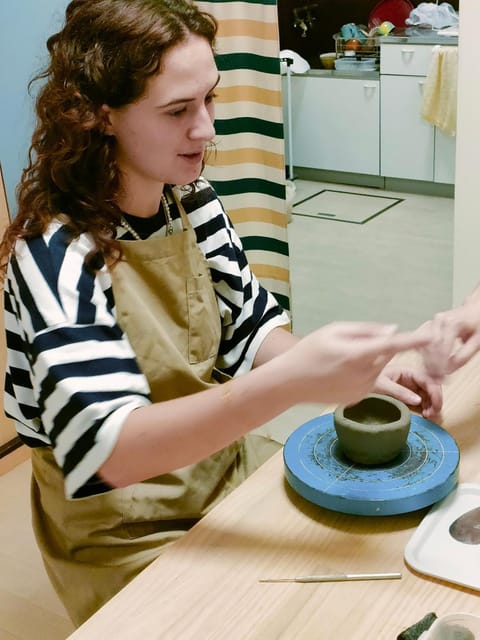
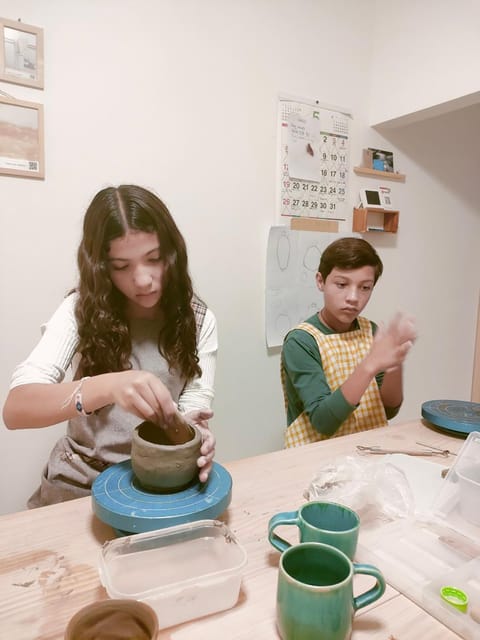
This is not a large workshop where you sit in a room with dozens of people and copy a demonstration from across the table. It is a private group experience, so Anna can watch how you handle the clay and step in when you need help.
That matters if you are new to pottery. Several stages can feel less obvious than they look, especially when you are trying to keep a wall even or shape a useful vessel without flattening it. Anna’s teaching style is patient and practical. She demonstrates, lets you try, and corrects your technique without taking the piece away from you.
If you already make pottery, the class can be adjusted. One participant with previous experience received more advanced instruction, while beginners were guided through each stage in plain language. I would consider this a good choice for mixed groups, since one person does not need to be an expert for the class to work well.
The private format also gives you time to talk. The class includes discussion of Japanese culture, pottery traditions, food, tea, and local recommendations for Osaka. It feels less like a fixed performance and more like an afternoon or evening spent learning from someone who knows the subject.
Other experiences people book in Osaka:
- Osaka Go Karting Tour with Funny Costume
★ 5.0 · 2,658 reviews - Osaka Castle: Museum and Tower Entry Ticket
★ 4.5 · 2,380 reviews - Osaka: Shinsekai Food Tour with 13-15 Dishes at 5 Eateries
★ 4.8 · 2,204 reviews
From Teradachō Station to a Showa-era home
Your meeting point is the north exit of JR Teradachō Station. Look for the guide holding a sign marked Ceramics Tocoton. The station pickup is included, but transportation to Teradachō is not, so you need to arrange your own train journey.
The walk to the studio is part of the appeal. You leave the most tourist-focused parts of Osaka and pass a street lined with shops selling local food. The setting gives you a glimpse of an older, everyday side of the city before the pottery begins.
The studio is in a century-old, two-story house that also serves as Anna’s family home. This is not a polished commercial gallery designed for passing tour groups. The home setting makes the activity feel grounded in ordinary Osaka life, though visitors who expect a large professional ceramics center should set their expectations differently.
Arrive on time. If you will be more than 15 minutes late, contact the provider. More than 15 minutes late is treated as a no-show, so allow extra time to find the correct station exit and guide.
Choosing between a sake set, sushi set, and chawan

At the start, Anna explains the three projects and the cultural use of each. Your choice shapes both the work and the final souvenir.
Sake set
The sake option includes a small bottle and a glass. It is a good pick if you want two related pieces and like the idea of using your pottery for a Japanese drink at home.
The bottle may appeal to people who want a more demanding form, since a vessel with a narrow opening requires care while shaping. The set also gives you a matched pair, though you should remember that handmade pieces may not look perfectly identical.
Same base, a different sort of day:
- Osaka Food Tour: 13 Dishes at 5 Local Eateries
★ 5.0 · 2,149 reviews - Hungry Osaka Street Food Tour:15 Tastings & 3 Drinks with a Local
★ 5.0 · 1,727 reviews - Osaka: teamLab Botanical Garden Entry Ticket
★ 4.5 · 1,710 reviews - Osaka: Tea Ceremony Experience
★ 4.9 · 1,426 reviews
Sushi set
The sushi option includes a plate and chopstick holder. This is a natural choice if Japanese food is a major part of your trip or you want a practical serving piece for meals at home.
The plate gives you room to think about shape and decoration, while the chopstick holder adds a small functional detail. The instructor’s parting gift also includes a small sushi dish and a Sakura-shaped chopstick holder, so this option gives you a chance to make a larger piece in a similar food-related style.
Chawan
A chawan is a Japanese tea bowl. It is the simplest choice in terms of the number of pieces, but the form has plenty of character. A bowl must feel comfortable in the hands, and its shape affects how it looks when used for tea or displayed on a shelf.
I would choose the chawan if you want to focus on one object and enjoy the calm, tactile side of pottery. It is also a strong choice for anyone interested in Japanese tea culture.
The activity includes instruction and construction of one of these options. Ask Anna at the beginning exactly what your selected set includes, especially if you are attending with several people and hope to make different numbers of pieces.
Working with Shigaraki clay and Japanese glazes
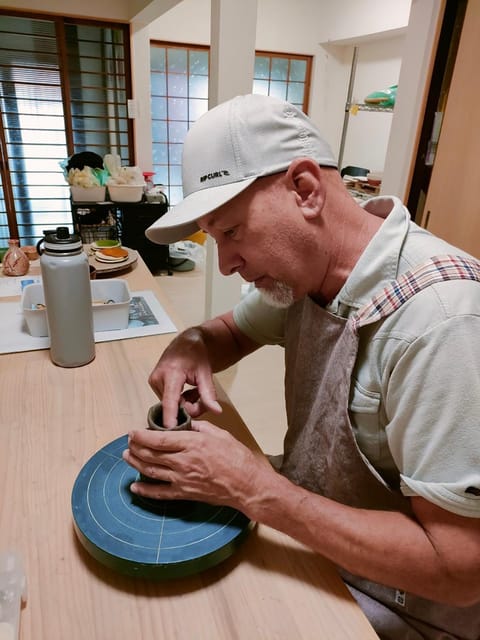
The clay comes from the Shigaraki area, one of Japan’s traditional pottery production centers. That detail gives the class a real connection to Japanese ceramics rather than using generic craft material with a Japanese theme added afterward.
You work by hand, shaping and refining the clay with Anna’s help. The process is slow enough to be relaxing but active enough that you feel responsible for the result. You are not simply decorating a ready-made cup or watching the instructor make the difficult parts.
The clay is forgiving enough for beginners, yet it still teaches you to pay attention. Small changes in pressure can alter a rim, curve, or wall. You will likely see why potters spend years refining basic movements.
After shaping, you choose from typical Japanese glaze colors and finishes. Anna explains the relationship between the object, the design, and Japanese food or tea culture. The final appearance depends on the firing process, so the piece you receive may have a little visual difference from what you imagine at the table.
That uncertainty is part of handmade pottery, but it is also worth knowing before you book. You can choose the general colors and style, not guarantee every detail of the finished surface.
Anna’s teaching style and the pace of the two hours
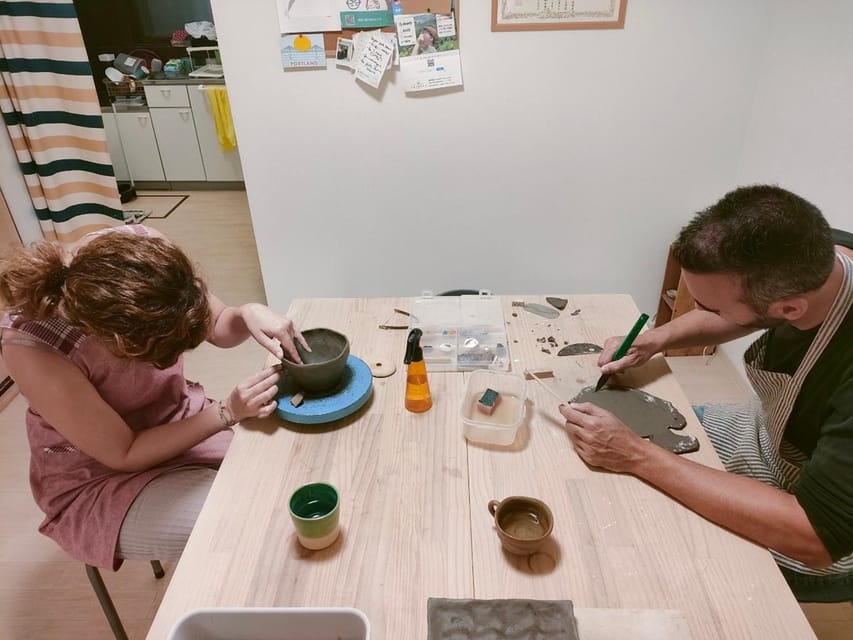
Anna has studied ceramic making in Osaka and Barcelona. Her background helps her explain both the practical technique and the cultural side of the craft. Instruction is available in English, Catalan, Spanish, and Japanese, making this one of the more useful options in Osaka for visitors who do not speak Japanese.
The two-hour format is focused. You receive an introduction to Japanese ceramics, see the available objects, select your project, and work through the construction with guidance. There is also time for conversation, questions, cleaning up, and deciding on the glaze.
I would not book this expecting a long professional ceramics course. You will not master every pottery technique in two hours. You will, however, learn enough to make a meaningful piece and understand more about the materials and forms used in Japan.
The pace is helped by the private setting. You do not need to wait for a large group to catch up, and Anna can spend more time on a tricky section. Families and couples can work together without the pressure of strangers watching every attempt.
Children under five cannot join. Older children can take part, and the private format may be especially helpful for families because the instructor can adjust her explanation and pace. Keep in mind that clay work still requires patience and careful listening.
A souvenir with a long delivery time
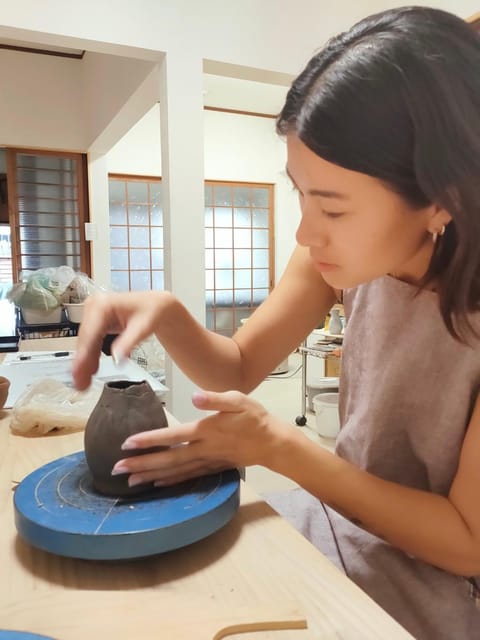
The finished pottery is included in the activity, but you do not take the main piece home immediately. It needs to be completed and shipped after the workshop. Delivery takes about one and a half months, and shipping is not included in the price.
This delay is easy to overlook when planning a Japan itinerary. If you are staying in Japan for several weeks, ask whether delivery to your accommodation is possible. Otherwise, use a permanent home address where someone can receive the package.
The delayed arrival can also be a nice part of the memory. You return home with the smaller handmade gifts, then receive the larger piece later and remember the quiet time in Osaka. Still, if you need a souvenir in your luggage on departure day, this is not the right activity for that purpose.
The included gifts are a small dish with a traditional Japanese pattern and a chopstick holder shaped like a Sakura flower. They are made by Anna, not mass-produced items added to a gift bag. They give you something tangible to take away even while your own pottery is being fired and prepared.
Pack carefully for the walk and class. Clay work can be messy, and comfortable clothing is more useful than anything delicate. The studio is described as clean, and heating is available in winter, but you should still dress for the walk from the station.
Is $96 a fair price?
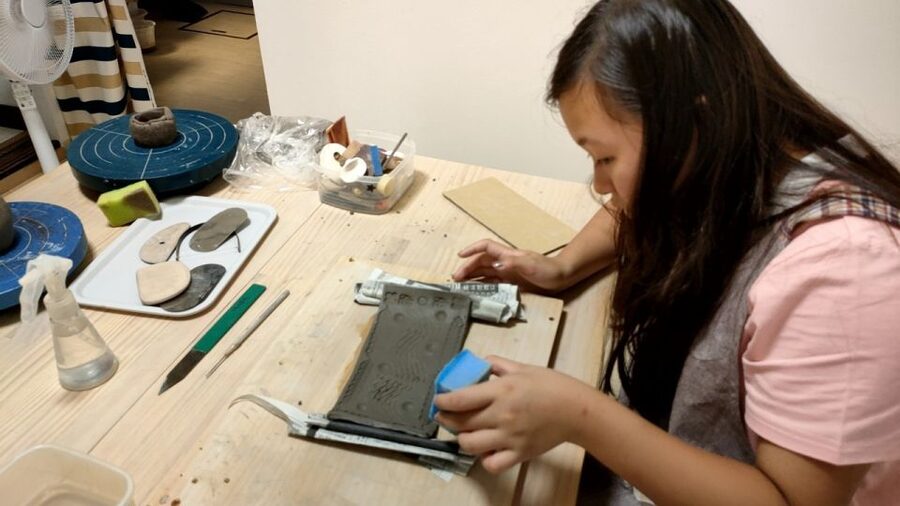
At $96 per person, this is not the cheapest craft activity in Osaka. The value comes from the private format, the two-hour instruction, the materials, the finished pottery, the station pickup, and the cultural conversation built into the lesson.
You are also paying for access to a personal studio and an instructor who can give one-to-one help. In a large group class, a low price may come with less individual attention and fewer chances to ask questions. Here, the private structure is the main reason the cost makes sense.
Shipping is the extra charge to watch. The listed price does not cover sending your pottery home, and the delivery takes around six weeks. Add that cost to your budget before deciding.
I think the price is reasonable for a couple, family, or small private group that wants a hands-on cultural activity rather than another sightseeing stop. It is less attractive if you are only looking for a cheap souvenir or if your schedule cannot accommodate the delayed delivery.
Who will enjoy this most?
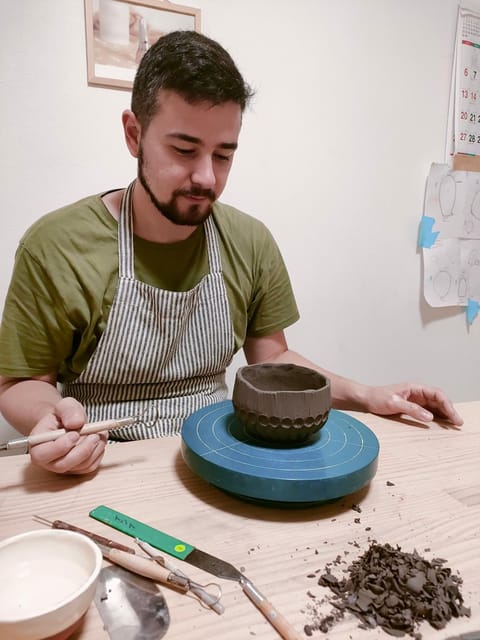
I would recommend this class to first-time pottery makers who want clear instruction and a finished object with a personal story. It also suits experienced potters who want to compare their technique with Japanese hand-building methods.
It is a particularly good break from a packed Osaka itinerary. The work is quiet and focused, and the private room gives you time away from crowds and train stations. You still learn about Japan, but through clay, food, tea, and conversation rather than a standard guided walk.
Couples can make matching or different pieces. Families with children over five can share a creative activity, though younger participants may need help with careful shaping. Solo visitors can also benefit from the private format, since Anna has time to talk and tailor the lesson.
I would think twice if you dislike hands-on work, want a polished factory-perfect object, or need to carry your finished pottery home that day. The class gives you a handmade result, and handmade means that small irregularities are part of the point.
Practical details for a smooth visit
Book a starting time that leaves room to reach Teradachō Station. The meeting point is the north exit, and the guide will carry the Ceramics Tocoton sign.
Cancellation is free up to 24 hours before the activity for a full refund. You can also reserve and pay later, which helps if your Osaka schedule is still changing.
The activity lasts two hours, but allow extra time for the walk from the station and any conversation afterward. Anna has sometimes offered local suggestions or accompanied a participant to a shop they discussed, but that should be treated as a personal courtesy rather than a guaranteed part of the program.
Select your language when booking, with English, Catalan, Spanish, and Japanese available. If your group has different experience levels, mention that in advance so the instruction can be adjusted.
Should you book the Ceramics Tocoton workshop?
Book it if you want to make something yourself, meet a local instructor, and see a quieter side of Osaka. The best parts are the private attention, the century-old home studio, the use of Shigaraki clay, and the link between pottery and Japanese food culture.
I would choose the chawan for a simple, focused project, the sake set for a matched pair, and the sushi set for a practical serving piece. Just remember that your main pottery arrives about six weeks later and that postage costs extra.
For a relaxed two-hour activity with a real sense of place, this is a strong choice. It gives you more than a souvenir. It gives you the memory of making one.
FAQ
Where does the pottery class meet?
Meet at the north exit of JR Teradachō Station. Look for the guide holding a sign with the studio name, Ceramics Tocoton.
How long does the experience last?
The workshop lasts two hours. Check the available starting times when booking.
What can I make during the class?
You can choose one of three projects: a small sake bottle and glass, a sushi plate with chopstick holder, or a chawan tea bowl.
Which languages are available?
Instruction is available in English, Catalan, Spanish, and Japanese.
Can I take my finished pottery home that day?
No. The pottery takes about one and a half months to ship. Shipping costs are not included, so you will need to pay the delivery fee separately.
Is the activity suitable for young children?
Children under five cannot join the experience. The activity is a private group class.
Just added in Osaka
- Private arrival transfer from Kansai International airport to Kyoto City★ 5.0 · 32 reviews
- (Ticket Included) Explore Osaka Castle & Museum of History★ 4.8 · 21 reviews
- Hidden Osaka – Yukaku Red Light Tour & Culinary Adventure★ 4.8 · 96 reviews
- Osaka: Walking Tour and Top Highlights★ 4.8 · 104 reviews
- Pickleball in Osaka, Kobe & Kyoto with Locals!★ 4.7 · 80 reviews
- Osaka: Private Ceramic Painting Workshop★ 5.0 · 13 reviews
- Osaka:SUMO BEATS SHOWCASE: Taiko Drum and Wagyu burger!★ 4.2 · 37 reviews
- Eat Like a Local in Osaka – Private Custom Street Food Tour★ 4.3 · 33 reviews
Tours in Osaka, compared.

Osaka Food Tour: 13 Dishes at 5 Local Eateries
Read our review →
Hungry Osaka Street Food Tour:15 Tastings & 3 Drinks with a Local
Read our review →


Hotspots & Hidden Gems Walking Tour Private or Group
Read our review →Browse the lists this tour appears in