
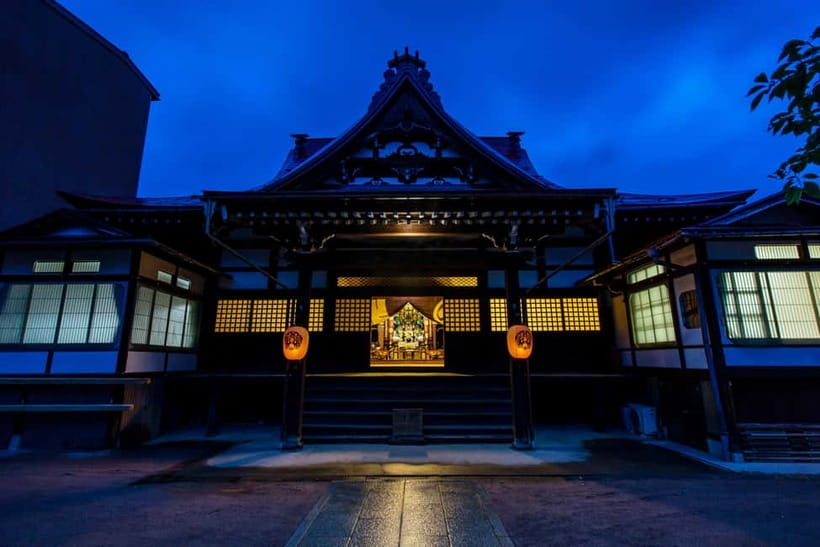
Reviewed · TEMPLE & SHRINE TOURS
Takayama: Onigiri and miso soup making at a buddhist temple
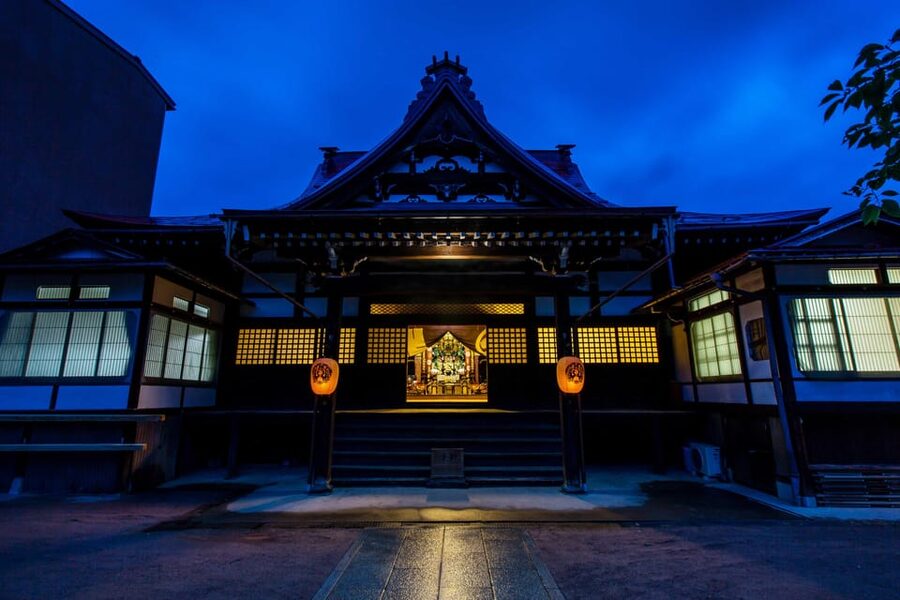
Making a Japanese meal inside a Buddhist temple gives this one-hour class more weight than a standard cooking lesson. At Takayama Zenkoji Experience Center, you’ll work in the kuri, the temple kitchen, preparing onigiri and miso soup with guidance from English-speaking instructors such as Kazuki and Tama.
I like the small-group feel and the way cooking is tied to Buddhist ideas about gratitude, respect, and mindful eating. I also like the value: for $25, you get instruction, a filling meal, and a cultural experience that fits neatly into a morning or lunch break.
The main limitation is the short time. One hour is enough to learn the basic steps, but not enough for a long discussion of Japanese food traditions. The temple is also not suitable for wheelchair users or children under 10, and you should confirm parking before arriving.
Key points at a glance
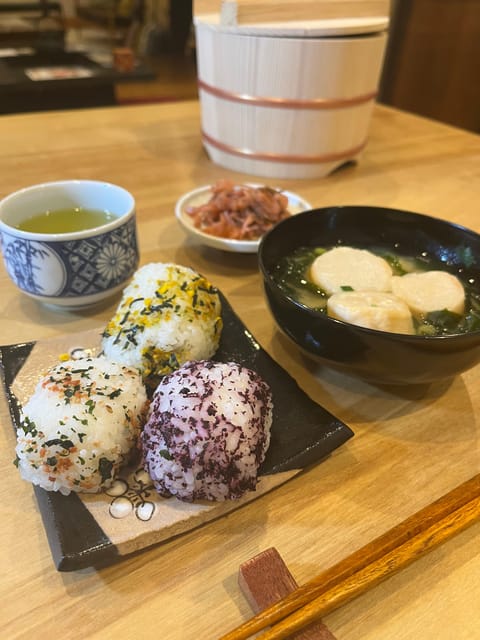
- Cook in a temple kitchen: Prepare onigiri and miso soup in the kuri, a working kitchen space within the temple.
- English instruction: Guides including Kazuki and Tama explain the food, preparation, and cultural meaning in English.
- A meal you make yourself: Your rice balls and miso soup become breakfast or lunch at the end of the class.
- Buddhist context: The experience can include prayer or a brief expression of respect before eating.
- Good value at $25: The price covers the class, ingredients, and the meal, with vegetarian-friendly choices available.
- Easy to fit into a Takayama day: The activity lasts one hour, though you should arrive 10 minutes early.
Why a temple kitchen changes the experience
Onigiri is simple food: seasoned rice shaped by hand, often with fillings or toppings. That simplicity is the point. You are not learning a complicated restaurant recipe with hard-to-find equipment. You are learning a practical Japanese staple that you can try again at home.
The setting gives the lesson its special character. Instead of sitting in a modern cooking school, you enter through one of the two temple gates, walk toward the entrance, and make your way to the kuri. The cooking takes place within a quiet religious setting, so the mood is calm rather than hurried.
That atmosphere affects how you approach the meal. You are encouraged to think about the ingredients, the work behind them, and the act of eating. Buddhist ideas about gratitude and restraint may be woven into the instruction, giving you a clearer sense of why food can carry spiritual meaning in Japan.
This is not a temple tour with a cooking activity tacked on. The food is the main event, but the temple setting gives it context.
Other places of worship worth the walk in Takayama:
- Kyoto: Tea Ceremony Ju-An at Jotokuji Temple
★ 4.9 · 3,207 reviews - Tokyo: Meiji Shrine, Asakusa, Skytree Bus Tour and Cruise
★ 4.7 · 1,986 reviews - Tokyo: Asakusa Walking Tour with Sensoji Temple Visit
★ 4.8 · 1,583 reviews
The one-hour schedule, step by step
You should arrive 10 minutes before the start time. The meeting point is marked by two gates in front of the temple. Enter through the gate closer to the traffic lights, then walk straight to the entrance and follow the directions.
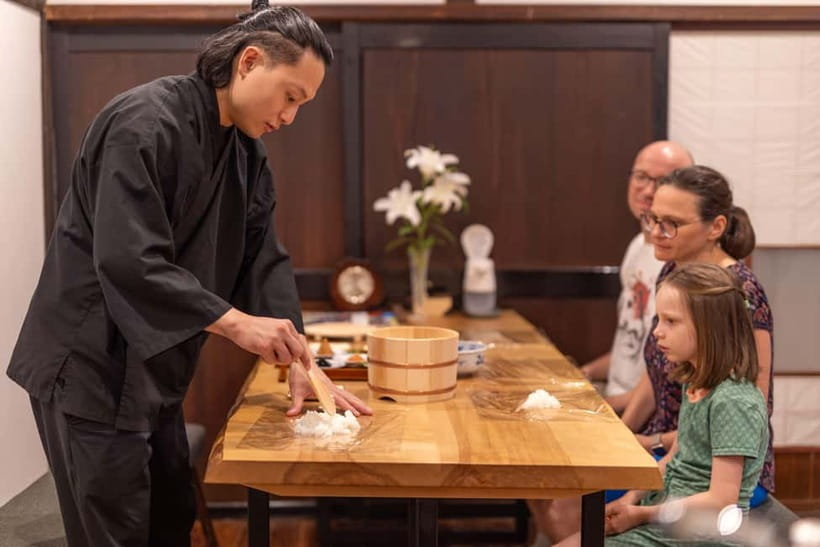
Once inside, your instructor introduces the kitchen, the ingredients, and the dishes you will prepare. The class is conducted in English, and the instructors are expected to guide you through each stage rather than simply demonstrate from a distance.
The first part centers on rice and onigiri. You learn how to handle the rice and shape it into a compact rice ball. This sounds easy, but the texture and pressure matter. Too little pressure and the rice falls apart. Too much and the rice becomes heavy.
You may prepare more than one variation. The precise ingredients can change with the season, but the lesson focuses on fresh ingredients and traditional Japanese preparation. Some sessions have included several variations of rice-based sweets or mochi as well, though the core meal remains onigiri and miso soup.
The soup follows. You learn how miso is used to build flavor and how the ingredients come together in a basic Japanese meal. The instruction is practical and step by step, so you can follow along even if Japanese cooking is new to you.
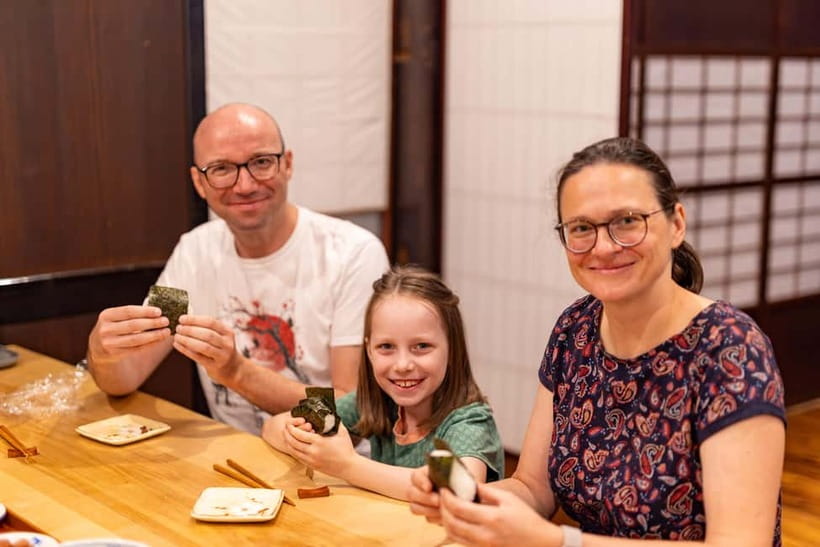
The final stage is the best part for many people: you sit down and eat what you made. The class is billed as breakfast or lunch, making it useful as well as enjoyable. You are not leaving with a tiny sample after paying for a lesson. The meal is part of the experience.
Onigiri is simple, but the lesson is useful
Onigiri is often treated as a snack, but it can be a portable meal and a familiar part of everyday Japanese food culture. Learning to make it gives you a recipe that does not require advanced cooking skills.
The method also leaves room for personal taste. You can learn the basic shape and then adjust fillings, seasoning, and size at home. The class has provided a recipe to take away, which makes it easier to repeat the meal after your trip.
I would not book this expecting a chef’s masterclass. You are not likely to spend an hour on elaborate knife work or restaurant plating. The strength lies in learning a useful dish, handling the ingredients yourself, and understanding why the meal is prepared with care.
The miso soup adds balance. Rice balls alone could feel like a snack, but soup turns the food into a complete light meal. The cooking is approachable, and the final result should appeal even if you have little experience in the kitchen.
Buddhist ideas served with the meal
The class connects cooking with Japanese spirituality without requiring you to be an expert in Buddhism. You may hear about respect for ingredients, gratitude before eating, and the way food fits into temple life.
Some sessions have begun with a prayer or a moment of paying respects to the temple’s patron. That small act helps explain why the meal feels different from a casual food workshop. You are not simply preparing something and rushing away. You are being asked to pause and notice the setting.
The cultural discussion depends partly on your instructor and the time available. Kazuki has been praised for explaining the food, ingredients, and wider ideas clearly. Tama has been described as friendly and helpful, with a warm approach to teaching.
The English instruction is a real advantage. You can ask about the food, Japanese customs, and the temple without relying on a translation app. One hour does not allow for every question, but the class creates an opening for useful conversation.
If cultural context is your main reason for booking, keep your expectations measured. The lesson gives you a thoughtful introduction, not a full study of Buddhism or Japanese cuisine. One visitor felt the class could have offered more time and background. That is a fair point, especially if you want a long temple talk along with the meal.
Same base, a different sort of day:
- Kanazawa: World Heritage Shirakawa-go Morning Guided Tour
★ 4.9 · 988 reviews - Kanazawa: World Heritage Shirakawa-go & Two Local Experience
★ 4.9 · 274 reviews - Kanazawa/Takayama: Shirakawago & Takayama Private Day Tour
★ 4.8 · 172 reviews - From Takayama: Guided Day Trip to Takayama and Shirakawa-go
★ 4.9 · 113 reviews
The instructors make the difference
A hands-on class works only when the instructor gives clear directions and pays attention to each person. This experience receives its strongest praise for friendly, patient teaching.
Kazuki has led sessions described as welcoming and well organized. His instruction covers the preparation process while leaving room to talk about ingredients and where to find similar items. Tama has also guided the class, offering personal help and an easygoing manner.
You may meet a temple staff member, chef, or instructor connected with the temple lodging. The exact teacher can vary, so do not book expecting one particular person unless your confirmation says so.
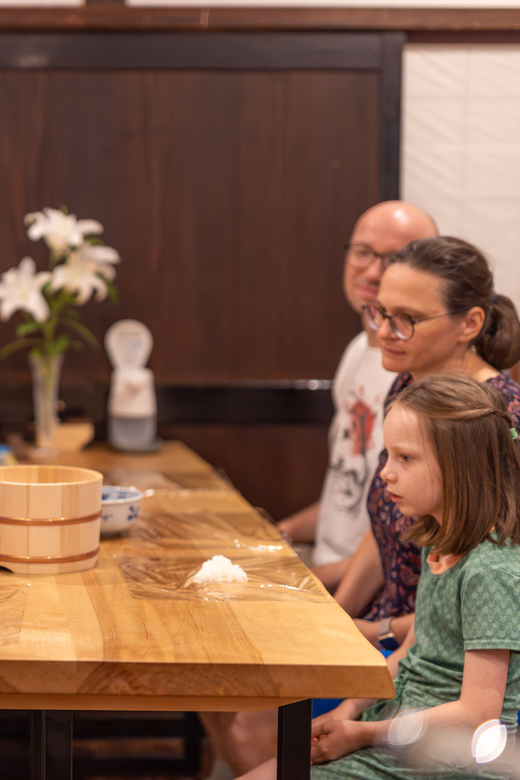
The best feature of the teaching style is its practicality. You get a step by step approach, not a lecture. You handle the food, ask questions, shape the rice, and eat the result. That format works well for solo visitors and couples, especially when the group is small.
Small groups also make the meal feel more personal. You can receive attention while shaping the onigiri, and the quiet setting gives you space to talk with the instructor. Group size is not specified, so you should not assume every session will be private. Still, some classes have been intimate enough for close guidance.
What the $25 price really buys
At $25 per person, this is good value if you want more than a meal. You are paying for instruction, ingredients, cultural explanation, and the food you prepare. The one-hour duration also makes it easy to add to a day of sightseeing in Takayama.
If you judge the price only by the amount of food, you may find cheaper options in town. A convenience store can sell you onigiri for very little. That comparison misses the point, though. Here, you learn how to prepare the food and gain access to a temple kitchen.
The price is especially sensible for food lovers who plan to cook Japanese dishes at home. The method is simple enough to repeat, and the recipe gives you a practical reminder after your trip.
Vegetarian-friendly options are available, which makes the activity more useful for people who need meat-free food. You should still explain your dietary needs when booking or on arrival, since the available ingredients and fillings may vary.
Transportation is not included. You must make your own way to the temple, and personal expenses are extra. Parking deserves special care: one booking was affected by incorrect parking information, so I would not rely on having a space at the temple without confirming directly.
Who will enjoy this most
This class is a strong choice for you if you like food, local customs, and activities that feel personal rather than polished for a large crowd. It also works well for a free morning or lunch break because the class takes only an hour.
It suits:
- First-time visitors who want an easy introduction to Japanese food
- Couples looking for a shared activity
- Solo visitors who enjoy conversation and hands-on learning
- Vegetarians seeking a suitable Japanese meal
- Anyone interested in the relationship between food and Buddhism
- Cooks who want a recipe they can repeat at home
Younger children are not a fit because the activity is not suitable for children under 10. The experience is also not suitable for wheelchair users, so check access needs carefully before booking.
The reference to altitude sickness in the restrictions is unusual for a temple cooking class. If that condition affects you, follow the stated guidance and ask the provider for clarification before reserving.
Practical arrival advice in Takayama
The meeting instructions are simple but worth following closely. Look for the two gates in front of the temple, choose the one nearer the traffic lights, and walk straight to the entrance.
Arrive 10 minutes early. That gives you time to find the correct gate, remove any arrival stress, and begin the class on time. Since the activity lasts only one hour, a late start would take a noticeable bite out of your cooking time.
Transportation is your responsibility. The supplied information does not give a specific walking time or transit route, so use your map app before leaving and allow extra time to locate the entrance.
I would also avoid planning a tight connection immediately afterward. The official class lasts one hour, but you may want a few extra minutes to finish eating, collect the recipe, and leave the temple respectfully.
Free cancellation is available up to 24 hours before the activity for a full refund. You can also reserve now and pay later, which helps if your Takayama schedule is still changing.
The limits of a short temple cooking class
The hour passes quickly. You will learn the core steps, but you will not cover every regional style of onigiri, the full process of making miso, or the complete role of temple cuisine in Japanese history.
The amount of cultural explanation may also depend on the instructor and the size of your group. If you want detailed teaching about Buddhism, ask questions early rather than waiting until the final meal.
Another point is that the activity is not built around sightseeing inside the temple. The setting matters, but the focus is cooking. If you want a long guided visit through temple buildings, this is not the right choice.
The class also offers limited flexibility for mobility needs. Wheelchair users are specifically excluded, and access details are not supplied. Contact the provider before booking if you have any concern about steps, kitchen layout, or seating.
These are fair limits for a $25, one-hour activity. They do not cancel out the value, but they help you book for the right reasons.
Should you book the Takayama temple cooking class?
I would book this if you want a quiet, useful cultural activity rather than a formal restaurant meal or a long sightseeing tour. The strongest reasons are the temple kitchen, clear English guidance, friendly instructors such as Kazuki and Tama, and the chance to eat food you prepare yourself.
It is also a smart pick for a first Japanese cooking lesson. Onigiri and miso soup are accessible dishes, and the recipe can travel home with you. The Buddhist setting adds meaning without making the class difficult to follow.
Skip it if you need wheelchair access, are traveling with children under 10, or want a detailed half-day study of Japanese food and religion. Also confirm parking and allow time to find the correct gate.
For most food-minded visitors, $25 is a sensible price for one hour of cooking, conversation, and a temple meal. You leave with more than a full stomach: you leave with a simple skill and a better understanding of the care behind everyday Japanese food.
FAQ
How long does the onigiri and miso soup class last?
The activity lasts one hour. You should arrive 10 minutes before the scheduled starting time.
How much does the experience cost?
The price is $25 per person. The cost includes the cooking instruction, ingredients, and the onigiri and miso soup meal.
Is the class taught in English?
Yes. The instructor conducts the experience in English. Instructors named in the activity information and participant feedback include Kazuki and Tama.
Is the meal vegetarian-friendly?
Yes. Vegetarian-friendly options are available. Tell the provider about your needs when booking or at the start of the class.
Where do I meet the instructor?
Look for the two gates in front of the temple. Enter through the gate closer to the traffic lights, walk straight to the entrance, and follow the directions there.
Can I cancel the booking?
You can cancel up to 24 hours before the activity for a full refund. Reserve now and pay later is also available.
Just added in Takayama
- Gifu Samurai Sword Town;Japanese Damascus Knife Making Experience★ 5.0 · 27 reviews
- Private Afternoon Cycling Tour in Hida-Furukawa★ 5.0 · 109 reviews
- Private-group Morning Cycling Tour in Hida-Furukawa★ 5.0 · 105 reviews
- Short Morning Cycling Tour in Hida★ 5.0 · 17 reviews
- Explore Kiso Valley : Magome – Tsumago Mountain Trail Walk★ 5.0 · 33 reviews
- Magome & Tsumago Nakasendo Trail Day Hike with Government-Licensed Guide★ 5.0 · 38 reviews
- Frozen fall trekking★ 5.0 · 21 reviews
- Magome & Tsumago Nakasendo Full-Day Private Trip with Government-Licensed Guide★ 5.0 · 20 reviews
Temple & Shrine Tours, compared.

Meiji Shrine, Asakusa, Skytree Bus Tour and Cruise
Read our review →
Asakusa Walking Tour with Sensoji Temple Visit
Read our review →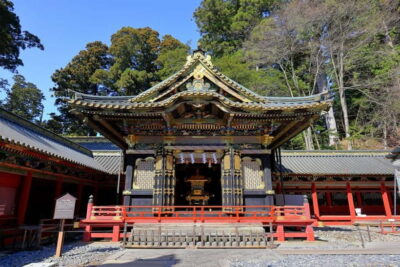
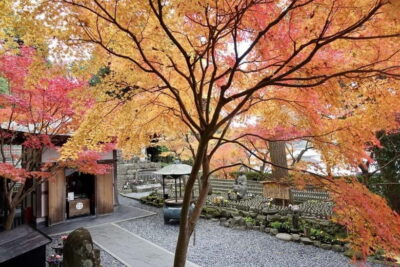
Kamakura & Enoshima Day Trip including Temple Tickets
Read our review →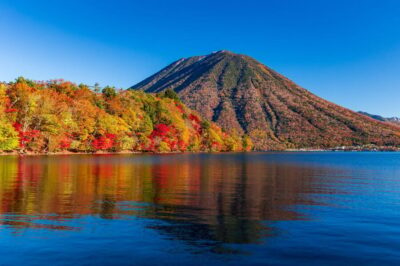
Nikko Toshogu Shrine and Kegon Waterfall Tour
Read our review →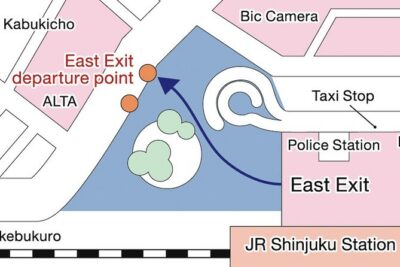
Tokyo Panoramic 1 Day: Meiji Shrine, Asakusa, Odaiba and SKYTREE®
Read our review →
1-Day Snow Monkeys, Zenko-ji Temple & Sake in Nagano
Read our review →Browse the lists this tour appears in