
Reviewed · FUSHIMI INARI TOURS
From Osaka: Nara, Kiyomizu-dera & Fushimi Inari Trip
Nara’s free-roaming deer, Kyoto’s wooden temple stage, and Fushimi Inari’s long tunnel of red gates make this a big cultural day in a small package. You get three of Japan’s most recognizable sights without arranging separate trains, buses, and admission tickets.
I like the strong mix of nature, temple architecture, and shrine tradition, and I like that the guides explain what you are seeing rather than simply pointing out photo stops. The main catch is time: traffic and the number of stops can leave Nara feeling rushed, while Kiyomizu-dera may receive a longer visit than some people need.
Key points at a glance

- Three major sights in one day: Visit Nara Park, Kiyomizu-dera, and Fushimi Inari from Osaka.
- Two languages available: The tour is offered with an English or Spanish-speaking guide.
- Kiyomizu-dera entry included: Your admission to the Kyoto temple is covered in the $49 price.
- Long walking day: Bring comfortable shoes, water, sunscreen, and patience for stairs and crowded paths.
- Guides with useful site knowledge: Angeles and Alejandro have explained religion, architecture, and construction in clear detail.
- A fixed meeting point: Meet at the corner of the Osaka Mode Gakuen building, then return there at the end.
Three famous sights without three separate journeys
This day trip links Nara and Kyoto, two places that can easily take up several days on their own. You begin in Osaka, travel by coach with a guide, and spend the day moving between deer, temples, old streets, and a Shinto shrine.
At $49 per person, the value comes mainly from convenience. Transportation between the stops and admission to Kiyomizu-dera are included, so you avoid planning several rail connections and buying one important ticket separately. Food, drinks, and hotel transfers are not included, so you should budget for those on your own.
The tradeoff is a busy schedule. This is not a slow temple retreat. You will spend a fair amount of time on the bus, and the order of the stops can change because of traffic, weather, local events, or other operating problems.
I would choose this trip if you have one free day from Osaka and want a broad introduction to the area. If you are staying in Kyoto and want long, quiet visits at each site, visiting independently may suit you better.
Other shrine walks around Osaka:
- Full Day Kyoto Tour : Bamboo Forest, Golden Temple, Fushimi Inari
★ 5.0 · 84 reviews - Kyoto: Immersive Arashiyama & Fushimi Inari by Private Car
★ 5.0 · 35 reviews - From Osaka: Kyoto, Nara, Fushimi Inari & Arashiyama Day Tour
★ 4.4 · 19 reviews
Meeting in Osaka and setting off
The starting point is at the corner of the Osaka Mode Gakuen building. Look for the guide holding an Amigo Tours sign, and arrive at least 10 minutes before departure for check-in.
This is a street meeting point rather than a hotel pickup. You need to make your own way there, and the tour also finishes back at the same location. Build in extra time for finding the building, especially if you are unfamiliar with central Osaka.
The guide may speak English or Spanish. Angeles and Alejandro have led the experience and are particularly good at explaining religious meaning, architectural style, and how the buildings were constructed. That kind of explanation matters here because the sites can otherwise blur together into a series of beautiful roofs and gates.
The coach makes the day easier than handling the transport yourself, but it does not remove the travel time. Bring water and something small to eat if you prefer an early snack, since food and drinks are not part of the tour.
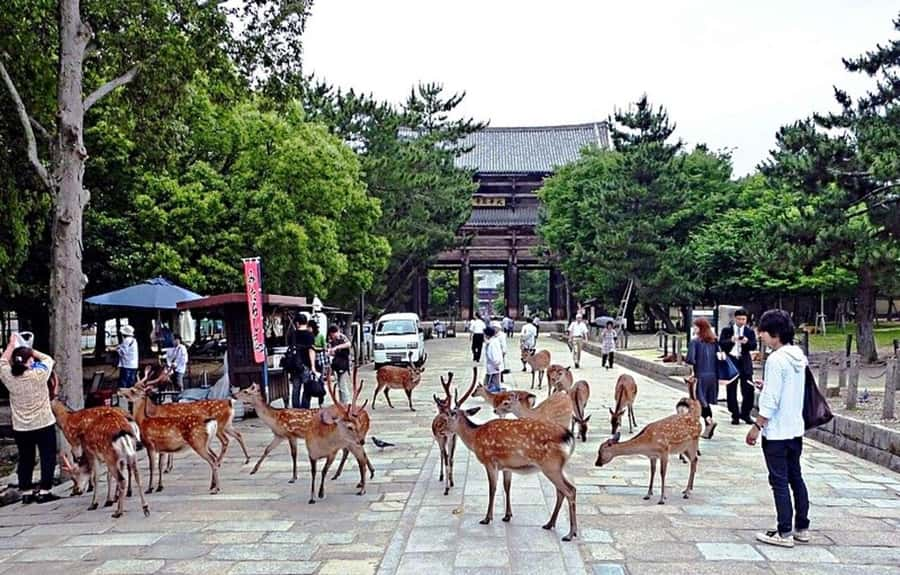
Nara Park and its free-roaming deer
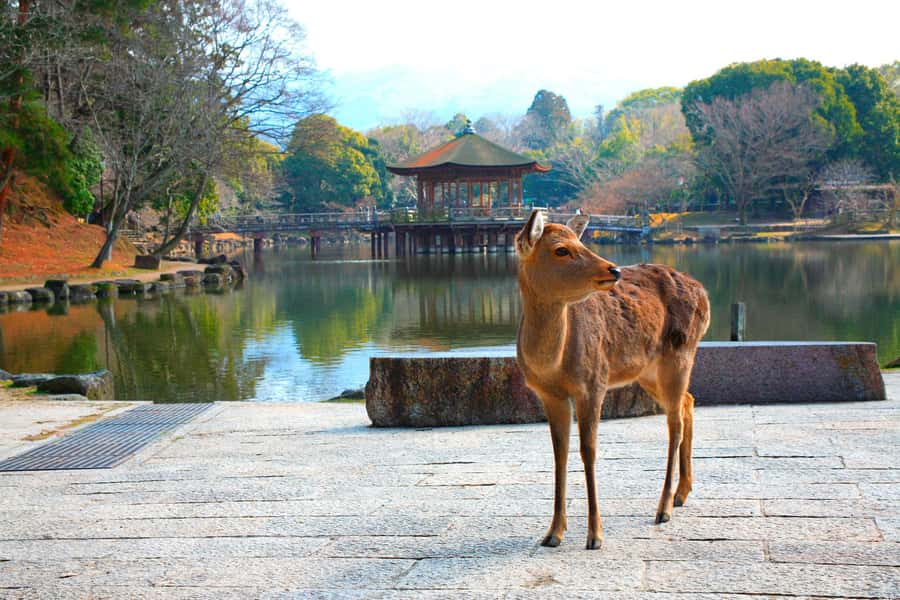
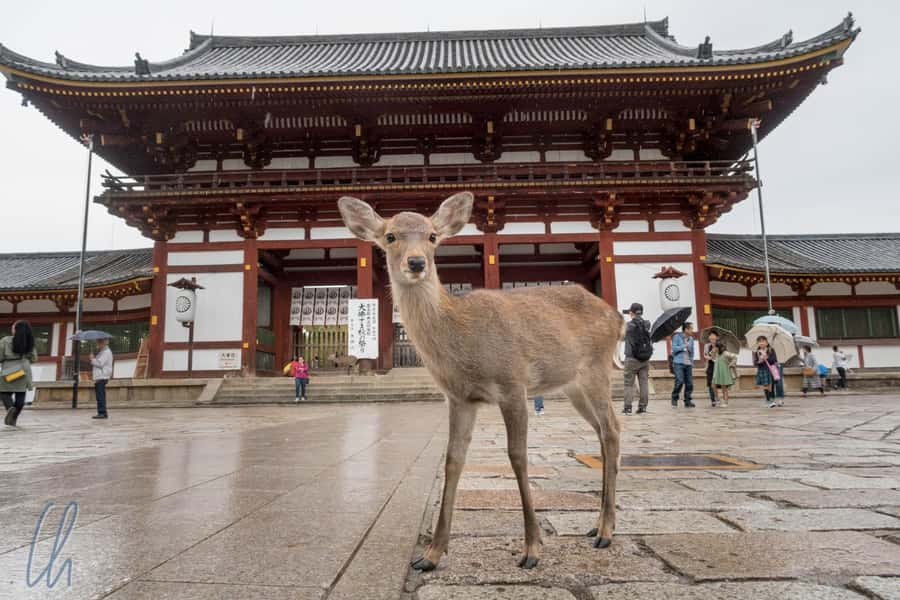
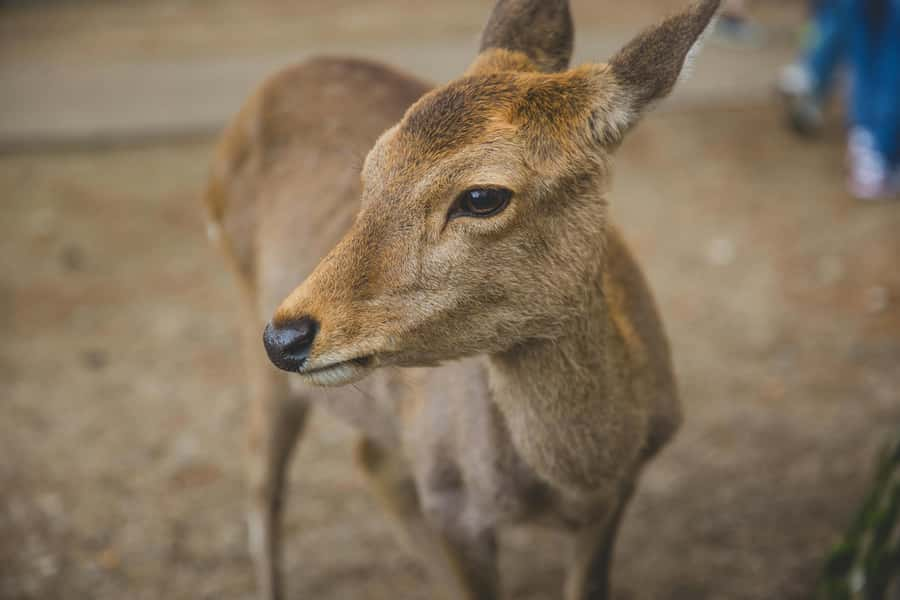
Nara Park gives the day its most playful start. Hundreds of deer move freely through the park, so you are not looking at animals behind fences or waiting for a formal wildlife presentation. You can watch them at close range and interact with them while walking through the park’s open surroundings.
The deer are the main draw, but the setting is just as important. Nara Park gives you a softer introduction to Japan’s religious and cultural sites before the more structured temple visits in Kyoto.
If you feed the deer, pay attention to your guide and the animals around you. Deer can be calm one moment and eager for food the next. Keep your belongings secure and give yourself time to enjoy the encounter rather than treating it as a quick photo stop.
The difficulty here is the amount of time available. A reported schedule gave Nara about an hour and a half, which can feel short once you allow for walking, photos, deer encounters, and gathering the group. You may need to choose between lingering with the animals and seeing more of the park.
This is one of the places where the tour format helps and limits you at the same time. Your guide keeps the group moving and adds context, but you will not have unlimited freedom to explore every path.
Kiyomizu-dera and Kyoto from the wooden stage
Kiyomizu-dera is the day’s major temple visit and the only admission included in the price. The temple is listed as a UNESCO World Heritage site, and its wooden stage gives you broad views across Kyoto.
The appeal is not just the view. The temple’s architecture, hillside setting, and religious purpose give you several things to notice at once. A guide can help explain why the buildings look the way they do and how the site fits into Japanese Buddhist practice.
You will also visit Otowa Waterfall, whose sacred waters are associated with wish granting. The stop adds a hands-on detail to the temple visit, though lines and crowd levels can affect how much time you spend there.
One practical point is the length of this visit. On one altered schedule, Kiyomizu-dera received about two and a half hours in the morning. That gave plenty of time to see the temple, waterfall, streets, and shops, but it was too long for some people, especially before lunch.
Your ideal amount of time depends on how you travel. If you enjoy temple architecture, taking photos, and browsing old streets, the longer stop may feel generous. If your main aim is to see the famous stage and move on, it can feel slow.
The site involves walking and may include slopes or stairs. The tour is not suitable for wheelchair users, and anyone with limited mobility should think carefully about the physical demands before booking.
Other day trips out of Osaka:
- Ancient Capital Tour: Kyoto and Nara Highlights from Kyoto/Osaka
★ 4.5 · 332 reviews - From Osaka: Nara Private Tour with Meet-Up at Your Hotel
★ 5.0 · 49 reviews - From Osaka: Nara Deer & Kyoto Kiyomizudera Sightseeing Tour
★ 4.2 · 27 reviews - Osaka: Kyoto & Nara & Uji Historical and Scenic One-Day Tour
★ 4.7 · 21 reviews
Sannenzaka and the old streets below the temple
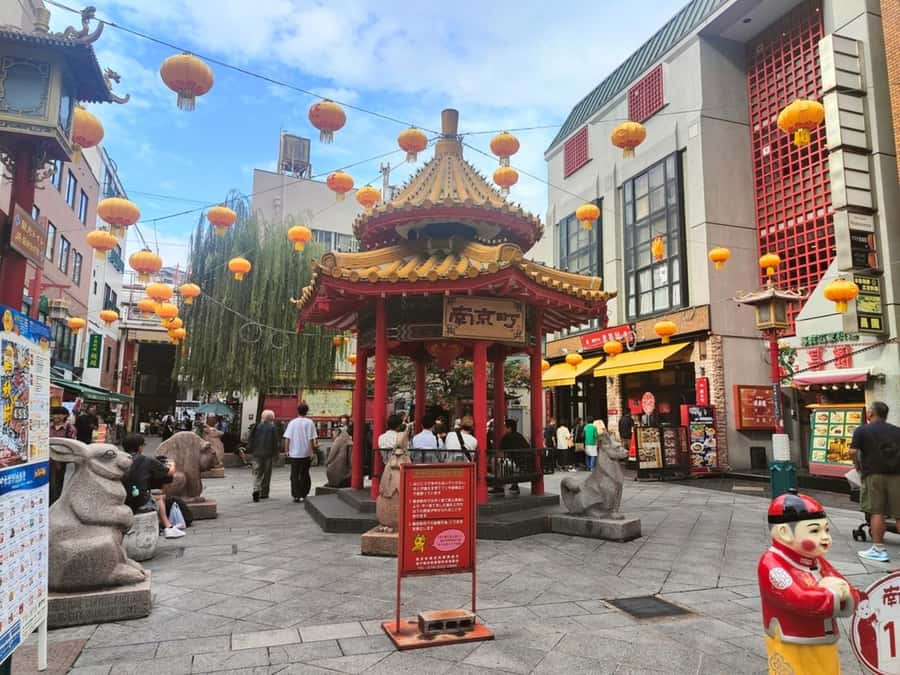
The walk around Kiyomizu-dera includes Sannenzaka, one of Kyoto’s best-known preserved streets. Narrow, cobbled lanes pass traditional wooden buildings, small shops, and tea houses.
This part of the day helps connect the temple to everyday Kyoto. Instead of seeing Kiyomizu-dera as an isolated monument, you get a sense of the old neighborhood that grew around it.
Sannenzaka is also a useful place to slow down for a few minutes. Look at the wooden facades, shop displays, and small details rather than rushing from one landmark to the next. You may find the streets busy, but the architecture gives the area its character.
The main caution is that this is still a group tour. You will have some time to walk and browse, but you should keep track of the meeting instructions. A shop visit that runs long can create stress later, especially when the schedule has already been affected by traffic.
The old streets are also part of the reason comfortable shoes matter. Combined with Nara Park and Fushimi Inari, this becomes a full day on foot.
Fushimi Inari’s red torii paths
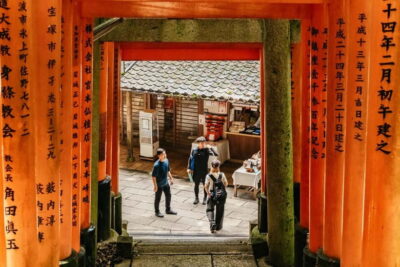
The final major stop is Fushimi Inari Taisha, famous for its long paths of red torii gates climbing Mount Inari. The gates create one of Japan’s most recognizable views, but the place is more than a colorful corridor for photographs.
Walking beneath the torii gives the visit a steady, reflective rhythm. The gates mark a sacred route, and the repeated pattern changes as you move farther along the path. Even a shorter walk gives you a taste of the site’s atmosphere.
You do not need to complete every path to appreciate Fushimi Inari. The shrine extends up the mountain, and the tour’s timing may only allow part of the route. Use the time to walk at a comfortable pace, take in the smaller shrine details, and avoid turning the stop into a race.
Fushimi Inari comes at the end of a demanding day, so your energy level matters. By then, you may already have walked through Nara and Kiyomizu-dera. Good shoes and water make a real difference.
The order can change. Fushimi Inari may not always be the final stop if traffic or other conditions require a different plan. The advertised stops remain the focus, but the exact timing is not fixed.
How the schedule affects your experience
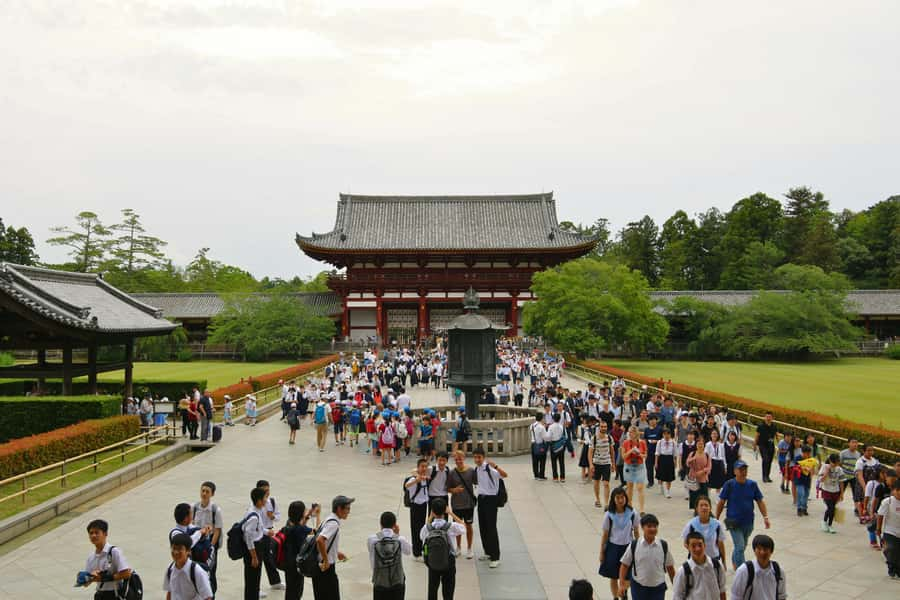
The day’s biggest strength is its range. In a single outing, you see animals in a public park, Buddhist temple grounds, a traditional Kyoto neighborhood, and a major Shinto shrine.
The biggest weakness is the clock. You are covering long distances between Osaka, Nara, and Kyoto, and some of that time is spent on the bus. Traffic can shift the plan and change how long you have at each location.
A rearranged schedule can produce an uneven day. Two and a half hours at Kiyomizu-dera may be ideal for one person and excessive for another, while one and a half hours at Nara Park may leave you wanting more. The company says the order and schedule may change, but the full itinerary will be completed whenever possible.
I suggest treating this as an overview rather than a slow study of each site. You will see the headline places and receive explanations, but you may need a return visit if one stop captures your interest.
What the $49 price really covers
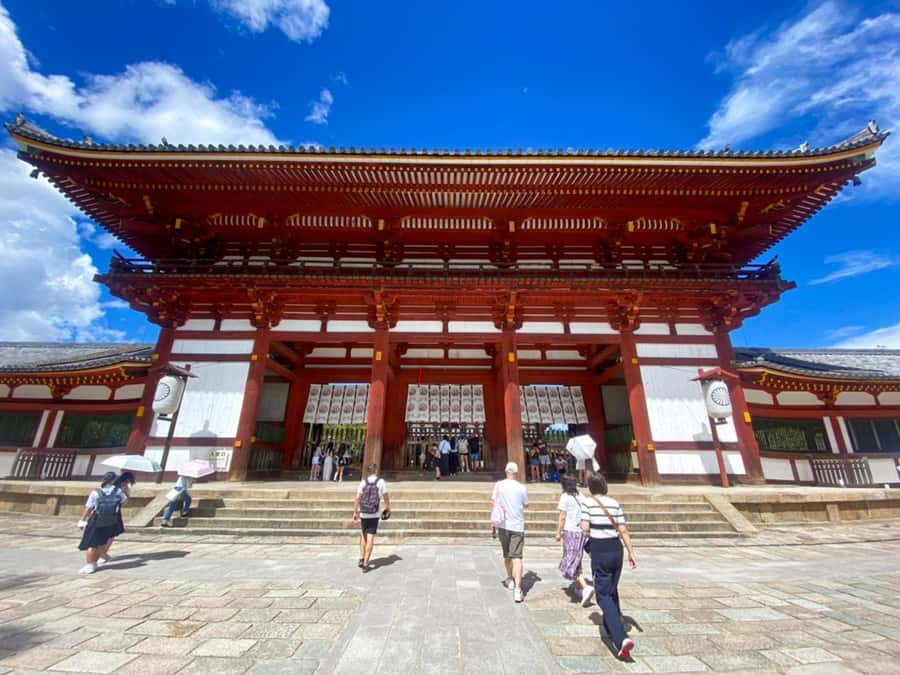
The $49 price is fair for a guided day that combines transport and Kiyomizu-dera admission. It is especially useful if you would rather avoid working out the route between Osaka, Nara, and Kyoto.
The price does not cover lunch, drinks, hotel pickup, or hotel drop-off. You should arrive at the Osaka meeting point independently and plan to return there after the tour. Bring water, and consider carrying food if you do not want to wait for a meal opportunity during the schedule.
The value is strongest for first-time visitors with limited time. You get a guide who can put the temples and shrine into context, plus the practical benefit of group transport.
The value is weaker if you already know the train routes and want complete control over your time. Independent travel may let you stay longer in Nara, leave Kiyomizu-dera sooner, or spend half a day walking deeper into Fushimi Inari.
Who will enjoy this day trip most
I would recommend this tour to first-time visitors based in Osaka who want to see major sights beyond the city without managing the transport themselves. It also suits people who prefer explanations in English or Spanish and like having a clear plan.
It works well for couples, families with older children, and friends who want a broad sightseeing day. The deer provide an easy point of interest, while the temples and shrine give the day more substance than a simple photo tour.
You should think twice if you dislike fixed schedules, long bus rides, or busy walking days. It is also a poor fit for wheelchair users, and anyone who needs a slow pace should ask detailed questions before booking.
The guides are an important part of the experience. Angeles and Alejandro have been praised for clear, detailed explanations of religion, building design, and construction. That depth can make a major difference at sites where the symbols and customs are not immediately obvious.
Practical tips for a smoother day
Wear shoes that are comfortable for extended walking. You will move through park paths, temple grounds, old streets, and shrine routes, so fashion-first footwear is a bad bargain here.
Carry water and sunscreen. The tour information specifically recommends both, along with a camera. Weather and walking conditions can affect your comfort, even when the schedule goes as planned.
Keep your day flexible. Traffic, weather, local events, and other operating conditions can change the order or timing. Do not book a hard-to-miss evening appointment immediately after the return time unless you have plenty of room for delay.
Arrive 10 minutes early at the Osaka meeting point. The guide waits with an Amigo Tours sign, and starting the day calmly is better than searching for the building at the last moment.
You can cancel for a full refund up to 24 hours before departure, and the reserve-now, pay-later option lets you hold a place without paying immediately. Those terms are useful if your Osaka plans are still taking shape.
Should you book it?
Book this tour if you want an efficient first look at Nara and Kyoto from Osaka, value a guide’s explanation, and accept that each stop will have a time limit. The combination of deer, Kiyomizu-dera, Sannenzaka, and Fushimi Inari gives you a strong range of experiences for $49.
Skip it if your priority is lingering at one temple, hiking far up Mount Inari, or setting your own timetable. The day is busy, the coach rides take time, and Nara may feel short if you want to explore the park in depth.
For most first-time visitors with only one free day, I see this as a practical sampler. You get the major sights, useful cultural context, and transport handled for you, with the fair warning that convenience comes at the cost of freedom.
FAQ
How much does the tour cost?
The tour costs $49 per person.
Where does the tour start?
Meet the guide at the corner of the Osaka Mode Gakuen building. The guide will hold an Amigo Tours sign.
How early should I arrive?
Arrive at least 10 minutes before departure for check-in.
Where does the tour finish?
The tour ends back at the original meeting point in Osaka.
Are hotel pickup and drop-off included?
No. Hotel pickup and drop-off are not included.
Is food included?
No. Food and drinks are not included.
Which languages are available?
The tour is available with an English or Spanish-speaking guide.
Is admission to Kiyomizu-dera included?
Yes. Access to Kiyomizu-dera is included in the tour price.
Is the tour suitable for wheelchair users?
No. The tour is listed as not suitable for wheelchair users. Comfortable shoes are recommended because the distances are long and the day includes substantial walking.
Just added in Osaka
- Private arrival transfer from Kansai International airport to Kyoto City★ 5.0 · 32 reviews
- (Ticket Included) Explore Osaka Castle & Museum of History★ 4.8 · 21 reviews
- Hidden Osaka – Yukaku Red Light Tour & Culinary Adventure★ 4.8 · 96 reviews
- Osaka: Walking Tour and Top Highlights★ 4.8 · 104 reviews
- Pickleball in Osaka, Kobe & Kyoto with Locals!★ 4.7 · 80 reviews
- Osaka: Private Ceramic Painting Workshop★ 5.0 · 13 reviews
- Osaka:SUMO BEATS SHOWCASE: Taiko Drum and Wagyu burger!★ 4.2 · 37 reviews
- Eat Like a Local in Osaka – Private Custom Street Food Tour★ 4.3 · 33 reviews
Fushimi Inari Tours, compared.
Fushimi Inari Hidden Hiking Tour (Private Option Available)
Read our review →
Kyoto/Osaka: Nara, Fushimi Inari Taisha, Arashiyama Bus Tour
Read our review →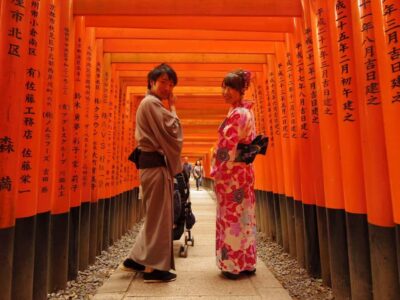
Osaka/Kyoto: Arashiyama, Nara & Fushimi Inari Shrine w/Lunch
Read our review →
Nijo Castle, Kiyomizu & Fushimi Inari Guided Tour
Read our review →
Nijo, Kinkaku-ji, Arashiyama, Kiyomizu & Fushimi Inari
Read our review →
Kyoto Early Bird English Tour: Fushimi-Inari and Arashiyama
Read our review →Browse the lists this tour appears in