
Reviewed · NARA & THE DEER PARK
Osaka: Kyoto & Nara & Uji Historical and Scenic One-Day Tour
Nara’s deer, Uji’s matcha shops, and Kyoto’s endless red torii gates make this a big day in a small package. You’ll cover four historic places from an Osaka base, with an English or Chinese-speaking guide handling the roads, parking, and timing. The deer feeding is the most playful stop, while Fushimi Inari Taisha supplies the day’s most famous photographs.
I like the round-trip vehicle transport, especially if train changes and Japanese station signs are not your idea of a holiday. I also like the range: Nara gives you temples and deer, Uji gives you river walks and tea culture, and Fushimi Inari brings a major Kyoto shrine. The trade-off is clear: you spend a fair amount of the day on the road, and some stops are short.
Key points at a glance
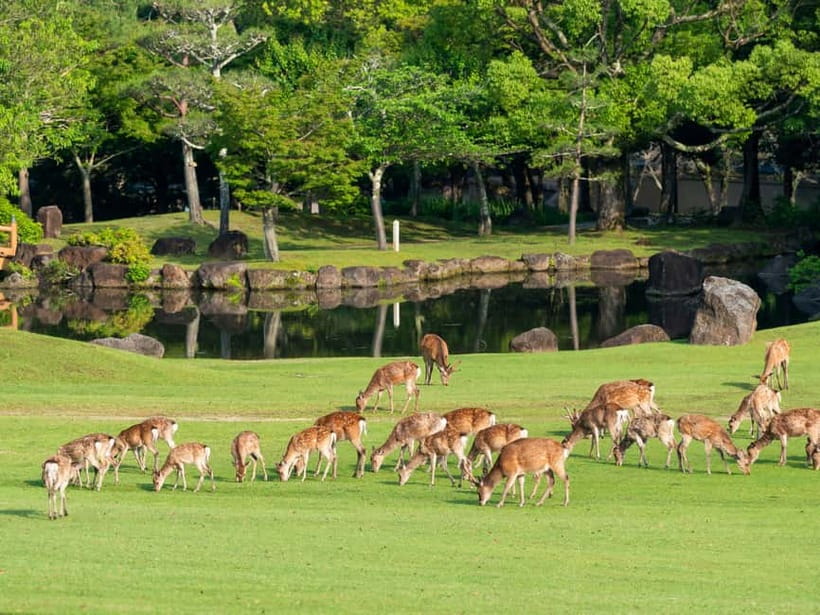
- Feed Nara’s wild deer: Spend about 45 minutes in Nara Park, with time for photos and deer snacks.
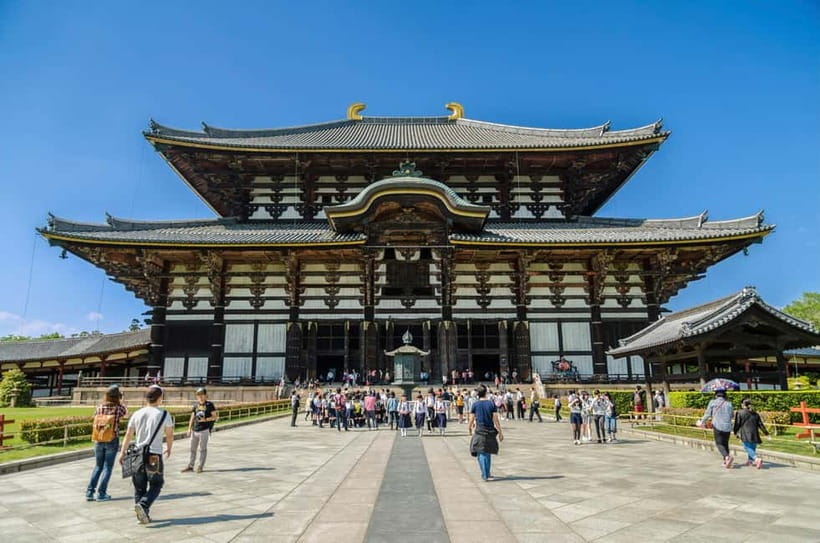
- See Todaiji’s giant Buddha: The temple visit lasts about 30 minutes, and admission is not included.
- Taste Uji’s matcha culture: You get around two hours for the river, Byodoin area, shops, and matcha sweets.
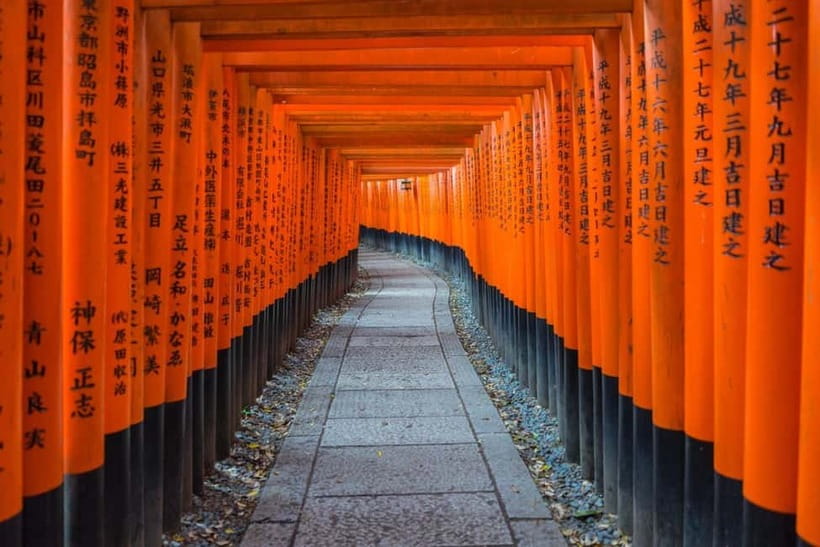
- Walk through Fushimi Inari: About 70 minutes allows for the lower shrine grounds and a section of the torii route.
- Ride instead of navigating: Transport, fuel, tolls, parking, and the guide are included in the $56 price.
- Plan for a full day: The schedule runs 8 to 10 hours and can change with traffic or weather.
Is this Osaka day trip worth the $56?
At $56 per person, this tour is priced for convenience rather than leisurely sightseeing. You are paying for an air-conditioned vehicle, an English or Chinese-speaking guide, fuel, tolls, parking, and round-trip transport. That can be a sound deal when you want to connect several places that are awkward to fit together in one day.
The price does not include admission to Todaiji or Byodoin Temple. Food, drinks, deer snacks, and other personal spending are also extra. I would set aside money for those costs before you leave, since Uji in particular is a tempting place for matcha desserts and tea-flavored treats.
The main question is not the price. It is your preferred pace. If you want to see a lot and are happy with a quick look at each place, the value is good. If you want quiet temple time, a long tea tasting, or a full walk through Fushimi Inari, this schedule may feel too tight.
A past participant named Mia received special praise for her clear explanations and useful local shopping tips. Another guide was described as humorous and detailed, helping make the long day easier to follow. Guide assignments can change, so you should not book expecting a particular person.
Other day trips out of Osaka:
- Ancient Capital Tour: Kyoto and Nara Highlights from Kyoto/Osaka
★ 4.5 · 332 reviews - From Osaka: Nara Private Tour with Meet-Up at Your Hotel
★ 5.0 · 49 reviews - From Osaka: Nara Deer & Kyoto Kiyomizudera Sightseeing Tour
★ 4.2 · 27 reviews
Nara Park: deer, crackers, and a busy 45 minutes
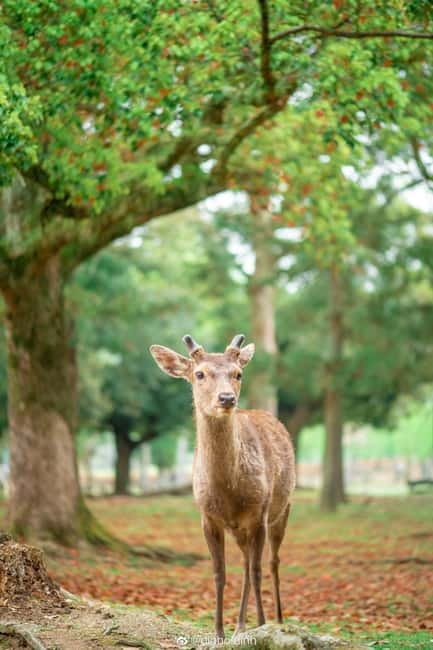
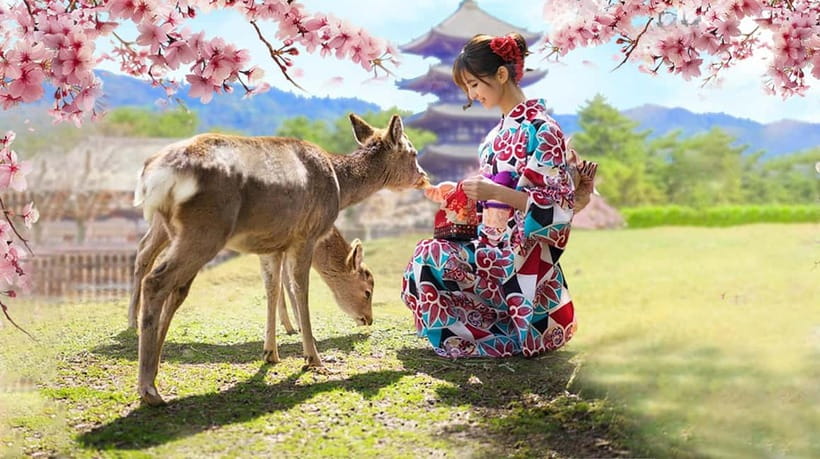
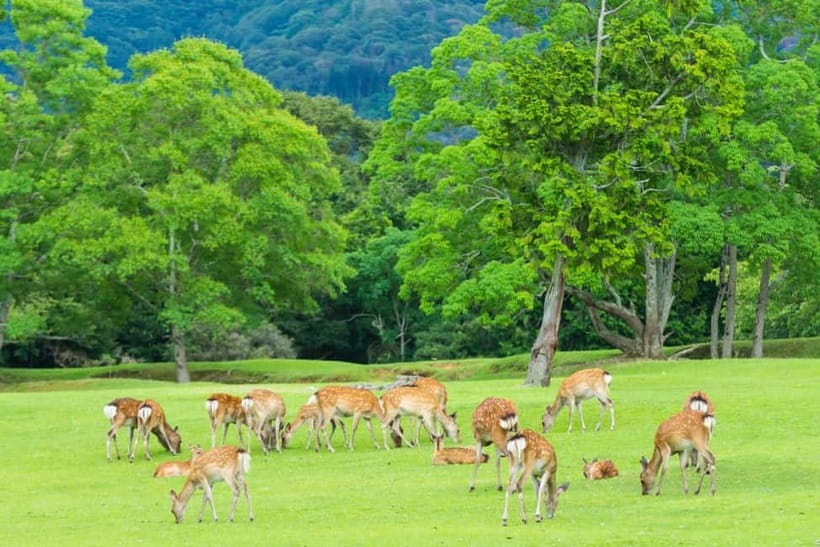
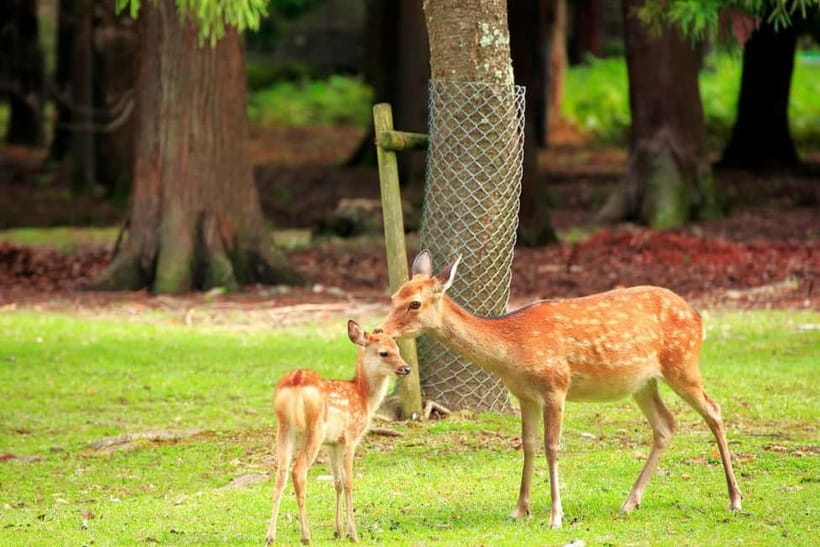
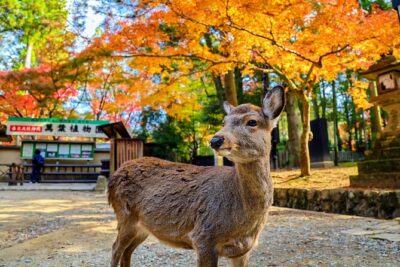
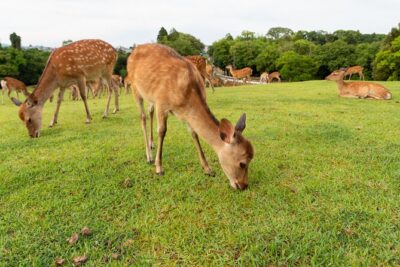
Nara Park is the tour’s easiest place to enjoy without much explanation. You can walk among the famous deer, take photographs, and offer them a snack. The deer are wild animals, not tame pets, so follow the guide’s instructions and keep your hands clear once the food is gone.
The stop lasts about 45 minutes. That is enough for a first meeting with the deer and a quick look around, but not enough for a slow visit across the whole park. If you want a longer, quieter time with the animals, you may find this portion brief.
The deer are part of what makes Nara feel different from Osaka and Kyoto. They are woven into the city’s public life and religious setting, rather than kept behind fences. The experience is simple, direct, and often funny. Deer can be gentle one moment and pushy the next, so water, comfortable shoes, and a little patience help.
I would keep your phone ready before buying or accepting food. Once a deer spots a snack, your photo opportunity may become a small negotiation. Do not tease the animals or feed them anything other than the approved food.
Todaiji and the great bronze Buddha
Todaiji is one of Japan’s major Buddhist sights, and the central draw is its enormous bronze Vairocana Buddha. The temple’s scale gives this stop real force, even if you know little about Buddhist art before arriving.
You have about 30 minutes for sightseeing. That makes this more of a focused introduction than a full temple visit. Admission is not included, so bring extra money and expect the guide to keep the group moving to protect the rest of the schedule.
I like the contrast between Nara Park’s casual deer encounters and Todaiji’s solemn interior. Within a short walk, the mood changes from playful to quiet and ceremonial. The temple is a good place to pause, look up, and appreciate how much timber, craft, and religious purpose went into the complex.
The short visit also explains the tour’s limits. You cannot expect a detailed study of the temple buildings, gardens, and Buddhist treasures in half an hour. For many people, though, it offers the essential sight without requiring a separate Nara day.
Uji River and the world of matcha
Uji receives the longest block, about two hours, and it is the day’s most varied stop. You can walk along the Uji River, look for the statue of Murasaki Shikibu, visit the Byodoin area, and browse Byodo-in Omotesando for food and matcha products.
Uji is closely linked with Japanese tea culture, so this is the right place to try matcha in more than one form. You might find matcha sweets and drinks along the food street, with flavors ranging from pleasantly bitter to very sweet. Meals and beverages are not included, so choose your purchases according to your appetite and budget.
The river walk gives the stop some breathing room after the road journey. You can slow down, take photographs, and see a side of Uji that is not limited to temple interiors. The statue of Murasaki Shikibu adds a literary note, connecting the area with one of Japan’s best-known classical writers.
The practical issue is that two hours goes quickly. If you buy food, walk beside the river, enter Byodoin, and browse the shops, you will need to watch the clock. One participant wished for more time here, and I understand why. Uji rewards a slower pace, but this tour must still reach Fushimi Inari and return to Osaka.
Same base, a different sort of day:
- Osaka Go Karting Tour with Funny Costume
★ 5.0 · 2,658 reviews - Osaka Castle: Museum and Tower Entry Ticket
★ 4.5 · 2,380 reviews - Osaka: Shinsekai Food Tour with 13-15 Dishes at 5 Eateries
★ 4.8 · 2,204 reviews - Osaka Food Tour: 13 Dishes at 5 Local Eateries
★ 5.0 · 2,149 reviews
Byodoin Temple and the Phoenix Hall
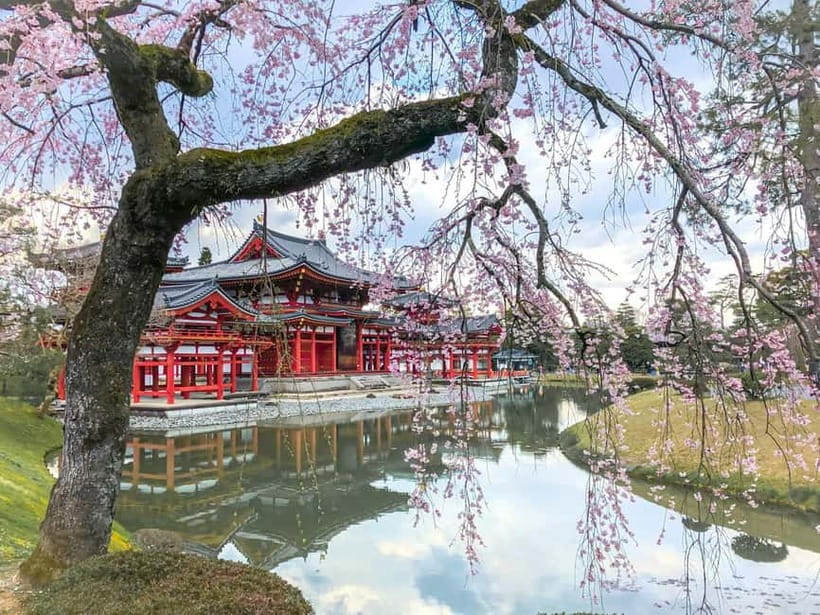
Byodoin is one of Uji’s essential sights. Its setting near the river and its quiet temple grounds offer a calmer experience than the crowded approach to many famous Kyoto sites. The temple is known for its historic buildings, with the Phoenix Hall as the most recognizable feature.
Admission is not included in the tour price. The schedule lists Byodoin as part of the Uji sightseeing period, rather than assigning it a separate long visit. Ask your guide how much time is available on the day, since traffic and group timing can affect the balance.
I would treat Byodoin as the thoughtful center of the Uji stop. Nara gives you a giant Buddha and close contact with deer. Uji gives you a chance to look across still water, notice the temple’s balance, and connect the scenery with Japan’s courtly and religious past.
The surrounding Omotesando street is useful for a quick snack or souvenir. It is not simply a route to the temple. You can browse matcha sweets and local food, but do not let shopping make you late for the meeting point.
Fushimi Inari’s red torii gates
The final major sight is Fushimi Inari Taisha, Kyoto’s famous shrine with long corridors of red torii gates. The gates create a strong visual effect as they climb through the wooded grounds. Even with limited time, walking beneath them gives you one of the clearest images of Kyoto’s shrine culture.
The tour allows about 70 minutes here for a break, photographs, free time, and walking. That is enough to explore the lower section and take memorable pictures. It is not enough for a complete climb through every torii route, especially if the group must leave on time.
Fushimi Inari can be crowded, and the narrow passages make it easy to lose sight of your group. Keep the guide’s contact details close. One useful feature of the guiding style described for this tour is the use of WhatsApp to keep the group connected. Confirm how your guide plans to communicate before you walk off for photographs.
The shrine is also a place for respectful behavior. Keep voices low in worship areas, avoid blocking the gates for photos, and follow posted instructions. The red torii are not just decoration. They represent donations and form part of an active religious site.
The real cost of seeing four places in one day
The tour covers Osaka, Nara, Uji, and Kyoto in a single outing, but the route involves long stretches in the vehicle. Traffic can be heavy, and the return time may shift. A participant rated the day lower because there was too much road time and not enough time at the sights. That is the central warning I would give you.
Still, driving has clear advantages. You do not need to work out several train routes, locate the right platforms, or figure out how to connect Nara with Uji and Fushimi Inari in one day. The vehicle also covers tolls, parking, fuel, and the return to Osaka, all of which would otherwise take time and planning.
The schedule has eight listed drop-off areas in Osaka, including Chuo Ward, Kita Ward, Fukushima Ward, Nishi Ward, Nishinari Ward, and Naniwa Ward. Kyoto Station Hachijo Entrance Square is also listed as a drop-off point. Your pickup and return location depend on the option you book, so check the exact choice before paying.
Pickup details and the guide’s arrival time are sent by 8:00 pm the evening before. If pickup is arranged at your hotel, wait in the lobby 10 minutes early. If you are meeting at a fixed point, arrive 15 minutes before departure.
Who will enjoy this busy route?
I would recommend this tour to a first-time Japan visitor based in Osaka who wants a broad introduction to the Kansai area. It is also useful for anyone who dislikes changing trains or wants a guide to explain what they are seeing.
Families may like the mix of animals, temples, river scenery, and snacks. The day does involve a moderate amount of walking, though, and the tour is not suitable for wheelchair users. People with animal allergies should also avoid it because of the deer stop.
Bring comfortable walking shoes and water. Tell the operator at booking if you have an infant, stroller, or large luggage. Japanese traffic rules count babies as passengers, so accurate information matters for vehicle capacity.
Pregnant people and those aged 70 or above are asked to sign a travel waiver on arrival. The itinerary can change because of weather, traffic, or other conditions, and return times may move later than planned.
My verdict: book it for range, not slow sightseeing
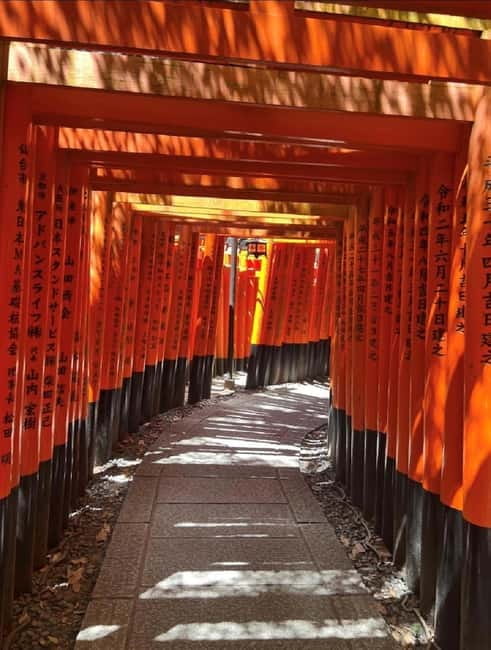
Book this tour if your goal is to sample the Kansai region in one full day without handling the transport yourself. The deer in Nara, Todaiji’s giant Buddha, Uji’s matcha streets, Byodoin, and Fushimi Inari give you a strong mix of nature, religion, food, and photography for $56 before admissions and meals.
Skip it if you already know these places or want to spend a whole morning at one temple. The itinerary is ambitious, and the time on the road is the price of seeing so much. For the right visitor, that trade is worthwhile: you return to Osaka tired, but with a clear first look at three historic cities and Uji’s tea country.
Free cancellation is available up to 24 hours before departure, and you can reserve now and pay later. Those terms help if your Osaka plans are still shifting.
FAQ
How long does the tour last?
The tour lasts 8 to 10 hours. The exact starting time depends on availability and the option you book.
What languages are available?
The tour offers live guiding in English and Chinese.
Is hotel pickup included?
Pickup is optional and depends on the option booked. The meeting point may vary, and pickup details are sent by 8:00 pm the evening before.
Are temple admission fees included?
No. Admission to Todaiji Temple and Byodoin Temple is not included.
Are meals and drinks included?
No. Meals, beverages, deer snacks, and other personal expenses are not included.
Is the tour suitable for wheelchair users?
No. The experience is listed as unsuitable for wheelchair users. It is also unsuitable for people with animal allergies because the itinerary includes close contact with Nara’s deer.
What should I bring?
Bring comfortable walking shoes and water. Arrive 15 minutes early at a meeting point, or wait in your hotel lobby 10 minutes before pickup if hotel pickup is arranged.
Just added in Osaka
- Private arrival transfer from Kansai International airport to Kyoto City★ 5.0 · 32 reviews
- (Ticket Included) Explore Osaka Castle & Museum of History★ 4.8 · 21 reviews
- Hidden Osaka – Yukaku Red Light Tour & Culinary Adventure★ 4.8 · 96 reviews
- Osaka: Walking Tour and Top Highlights★ 4.8 · 104 reviews
- Pickleball in Osaka, Kobe & Kyoto with Locals!★ 4.7 · 80 reviews
- Osaka: Private Ceramic Painting Workshop★ 5.0 · 13 reviews
- Osaka:SUMO BEATS SHOWCASE: Taiko Drum and Wagyu burger!★ 4.2 · 37 reviews
- Eat Like a Local in Osaka – Private Custom Street Food Tour★ 4.3 · 33 reviews
Nara & the Deer Park, compared.
World Heritage Kyoto & Nara Uji Authentic Matcha Experience
Read our review →
Kyoto/Osaka: Nara, Fushimi Inari Taisha, Arashiyama Bus Tour
Read our review →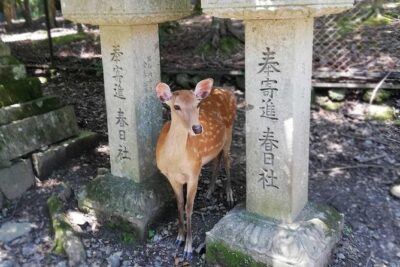
Nara Half Day Trip Walking Tour (Private Option Available)
Read our review →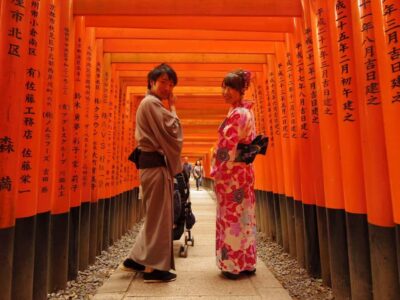
Osaka/Kyoto: Arashiyama, Nara & Fushimi Inari Shrine w/Lunch
Read our review →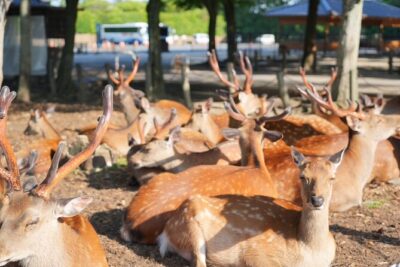
Nara Early Morning Tour (Kyoto or Osaka Departure Available)
Read our review →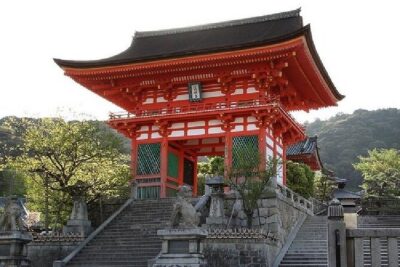
Full Day Guided Tour to Kyoto and Nara from Osaka by Van
Read our review →
Browse the lists this tour appears in