
Reviewed · FUSHIMI INARI TOURS
Full Day Kyoto Tour : Bamboo Forest, Golden Temple, Fushimi Inari
Kyoto packs centuries of Japan into one long day, and this tour gives you the big three: Arashiyama’s bamboo, Kinkakuji’s Golden Pavilion, and the red torii gates of Fushimi Inari. You ride between sites in an air-conditioned vehicle instead of sorting out Kyoto’s trains and buses on your own.
I like the small maximum of 11 people and the included entry fees, bottled water, and WiFi. I also like that guides such as Taka, Woody, Jin, and Toru have been praised for keeping the day informative, friendly, and well organized. The tradeoff is a demanding schedule with hills, stairs, and plenty of walking, plus roughly three hours in the vehicle between Osaka and Kyoto.
Key points at a glance
- Three famous Kyoto sights in one day: Arashiyama, Kinkakuji, and Fushimi Inari are all covered.
- Small vehicle, maximum 11 people: This feels more personal than a large coach tour.
- About nine hours from Osaka: The day starts at 9:45 a.m. and returns to the original meeting area.
- Lunch is flexible: You have time in Arashiyama to choose local food or browse stalls and shops, but lunch costs extra.
- Walking is central to the experience: Expect hills, stairs, shrine paths, and long stretches on foot.
- Strong guide element: English- and Mandarin-speaking conductors are available, with past departures led by Taka, Tom, Woody, Jin, and Toru.
A practical Kyoto day trip from Osaka
This is a sightseeing-heavy day designed for you if you have limited time in Osaka and want to see several headline attractions in Kyoto without planning every connection. The route uses a private air-conditioned vehicle, with an advertised maximum of 11 people. That is a useful middle ground: more personal than a big bus, but less expensive and less formal than hiring a private car just for your party.
The price is $105.71 per person. That covers the vehicle, guide, entry fees, taxes, WiFi, and bottled water. You still pay for lunch and gratuity, but the price is reasonable if you value door-to-door transport from Osaka and want help making sense of each site.
The day begins at 9:45 a.m. You meet at either Shinsaibashi or Umeda DT Tower, then ride about 1 hour and 20 minutes to 1 hour and 30 minutes to Kyoto. At the end, you return to Osaka and can get off near Shinsaibashi RIMOWA or Umeda DT Tower.
You do not receive an extra hotel pickup or drop-off service. Confirm your exact meeting point before departure, especially if you selected that you would decide later. Traffic and weather can change the schedule, so think of the timetable as a guide rather than a promise.
Other temples and shrines in Osaka people book:
- Osaka: Minoh, Katsuoji Temple, & Minoh Falls Full-day Tour
★ 4.9 · 172 reviews - Osaka Temple Cool Foot Bath & Matcha Experience〈45min〉
★ 4.9 · 82 reviews - Osaka: Mind & Spirit Balance Temple Reiki Healing
★ 5.0 · 41 reviews
Togetsukyo Bridge and the first look at Arashiyama
Your first Kyoto stop is Togetsukyo Bridge, the familiar stone and wooden crossing over the Katsura River. You have about 50 minutes here, including time to cross the bridge and walk into Arashiyama.
The appeal is simple: a river valley, wooded hills, and a pleasant first look at one of Kyoto’s most scenic districts. The bridge itself is not a long attraction, but it gives you a useful sense of place before you enter the bamboo area.
This is also where the tour begins to feel like a walking day rather than a photo-stop circuit. You move through the town on foot toward the Bamboo Forest Trail. Wear shoes that can handle uneven ground and keep your hands free if possible, since you will be walking for much of the morning.
Walking the Arashiyama Bamboo Forest
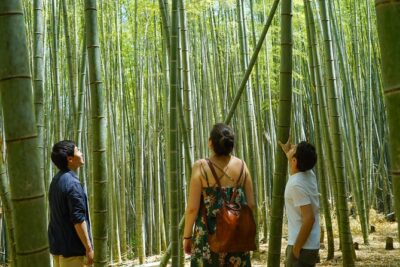
The Bamboo Forest Trail gets about 50 minutes. Tall bamboo rises on both sides of the path, creating one of Kyoto’s most recognizable scenes. The area has been culturally important for more than 1,000 years, and bamboo cultivated during the Heian period still grows here.
The path is beautiful, but you should set realistic expectations. This is a famous public attraction, not a quiet private garden. The tour gives you a chance to walk through the main bamboo area, yet the experience depends on the crowds and the pace of the group.
I like the fact that the bamboo is paired with the bridge and Arashiyama town rather than treated as the entire morning. You get several different views of the district: river, hills, town streets, and bamboo. The drawback is that 50 minutes can feel short if you want unhurried photographs, especially when the path is busy.
After the forest, you have about an hour in Arashiyama for lunch and shopping. This is a useful pause after the morning walk. You can choose local food or pick something up from a stall, then browse for souvenirs.
Lunch is not included, so the amount you spend depends on your choice. The open break also means you are not locked into one restaurant, though you should keep an eye on the time and meeting instructions. One past schedule placed too much time around the bamboo and lunch compared with Fushimi Inari, so you may want to use this hour efficiently if you hope to spend longer at the shrine later.
Kinkakuji, Kyoto’s Golden Pavilion
After Arashiyama, the vehicle takes about 25 minutes to Kinkakuji, the Golden Pavilion. You have about 1 hour and 30 minutes at the temple, and the entry ticket is included.
Kinkakuji is famous for its gold-covered pavilion set beside a pond and garden. The view is highly composed: the building, water, trees, and surrounding grounds are meant to be seen together. The pavilion is the main draw, but the garden walk gives you more than a single stop for a photograph.
The longer time allocation works well here. You can see the pavilion, follow the marked route, and pause in the grounds without having to rush through the entire visit. Your guide can also explain the meaning and background of the site, which helps turn a quick architectural view into a more useful cultural stop.
Still, Kinkakuji is a popular attraction, and the visit follows an established route. You are not wandering freely through every part of the temple grounds. If your main goal is quiet contemplation, the crowds may test your patience. If your goal is to see one of Kyoto’s most recognizable sights efficiently, the included admission and 90-minute stop do the job.
Other shrine walks around Osaka:
- Kyoto: Fushimi Inari, Kinkakuji, Bamboo Grove 1 Day Bus Tour
★ 4.8 · 4,316 reviews - Fushimi Inari Hidden Hiking Tour (Private Option Available)
★ 5.0 · 1,750 reviews - Kyoto/Osaka: Nara, Fushimi Inari Taisha, Arashiyama Bus Tour
★ 4.7 · 1,275 reviews - Osaka/Kyoto: Arashiyama, Nara & Fushimi Inari Shrine w/Lunch
★ 4.4 · 754 reviews
Fushimi Inari and the red torii gates
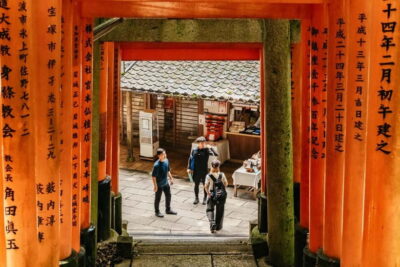
The final major stop is Fushimi Inari Taisha, reached by about a 50-minute drive. The shrine was founded more than 1,300 years ago for Inari Okami, associated with the peaks of Mount Inari. Its long rows of red torii gates are donated by worshippers and businesses, creating the tunnel-like paths that make the shrine so memorable.
You have about two hours here, the longest walking stop of the day. That sounds generous, but Fushimi Inari can easily absorb much more time. The gates continue up the mountain, and the route includes stairs and hills. You can walk as far as your energy and schedule allow, then return to the meeting point.
This is the part of the tour where fitness matters most. You do not need to complete the entire mountain route, but you should be comfortable walking uphill and on stairs. The tour specifically warns that it is not suited to people who cannot walk long distances.
I would treat the two hours as a chance to experience the lower shrine paths and climb farther if you feel strong, not as a promise that you can reach every upper section. One useful planning point is to avoid lingering too long over lunch if Fushimi Inari is your priority. A past schedule felt rushed here, even though the shrine received two hours.
Fushimi Inari also brings a different mood from Kinkakuji. The Golden Pavilion is a polished garden visit. Fushimi Inari is a working shrine route with repeated gates, stone paths, wooded slopes, and a stronger sense of movement. The contrast makes the day more varied.
What the guide adds to the day
The guide is important because the schedule moves quickly and each site has its own customs and background. English- and Mandarin-speaking conductors are available, and the company may assign a multilingual guide.
Past departures have included Taka, Tom, Woody, Jin, and Toru. Taka has been praised for mixing detailed explanations with humor and for helping the group move through crowded Kyoto with confidence. Woody has been appreciated for site explanations and restaurant suggestions, including a recommendation for okonomiyaki. Jin has been described as giving clear detail without making the day feel rushed.
These names do not guarantee who will lead your departure, but they give you a useful sense of the guiding style to expect: practical help, historical context, and conversation during the long rides. The driver and conductor may be separate people, as in departures led by Taka with Tom or Toru driving.
The vehicle includes WiFi and bottled water. That matters on a day with several road transfers, though I would still bring your own water if you drink often. General travel time between Osaka and Kyoto can be affected by traffic, so a good guide can help make those stretches feel less like dead time.
Walking, timing, and comfort
The tour lasts about eight to nine hours. The planned timing adds up to a full day:
- About 1 hour and 30 minutes from Osaka to Kyoto
- About 50 minutes at Togetsukyo Bridge
- About 50 minutes in the bamboo forest
- About 1 hour in Arashiyama for lunch and shopping
- About 1 hour and 30 minutes at Kinkakuji
- About 2 hours at Fushimi Inari
- About 1 hour back to Osaka
That is a lot of activity. You will walk through town, on shrine paths, across bridges, and up hills and stairs. Comfortable footwear is essential. This is not a good match if you need frequent seated breaks or want a slow, quiet day.
The small group helps with movement. A vehicle holding no more than 11 people can spend less time loading than a large coach, and the guide can communicate more directly with you. It is still a group tour, so you cannot customize the route or skip stops. The tour does not offer a private itinerary built around your interests.
Weather can change the experience. Rain affects bamboo paths, shrine steps, and the views around Togetsukyo Bridge. If poor weather causes cancellation, you can receive another date or a full refund. The same applies if the minimum number of two people is not reached.
Who gets the best value
This tour suits you if you are staying in Osaka, have one day for Kyoto, and want the major sights with transport arranged. It is especially useful if navigating Japanese train connections feels like work you would rather avoid.
You get good value from the fixed price if you would otherwise pay separately for several train or taxi rides, entrance fees, and a guide. The included Kinkakuji ticket is helpful, while the free-entry stops keep the cost focused on transport and guiding.
It also suits couples, families with older children, and small groups who want a structured day. Most people can participate, and service animals are allowed. But the walking requirement should guide your decision more than the sightseeing list. If you prefer relaxed cafés, long meals, or independent wandering, this route may feel too packed.
The tour is less suitable if you want to explore Kyoto’s quieter neighborhoods or choose your own temple stops. You see three major attractions, but you do not get much free time beyond the Arashiyama lunch break.
Small details that make the booking easier
The tour requires at least two people per booking and has a maximum of 11. The start time is 9:45 a.m., and the activity ends back at the meeting area in Osaka.
The meeting choices are Shinsaibashi and Umeda DT Tower. At the end, you can tell the conductor whether you want to leave at Shinsaibashi RIMOWA or Umeda DT Tower. Since there is no extra pickup service, allow enough time to reach your selected starting point.
English and Mandarin guiding are listed, and the tour can be operated by a multilingual guide. Confirmation is normally sent at booking, though bookings made within one day of departure depend on availability.
Cancellation is free up to 24 hours before the start time. Changes or cancellations made inside that window are not refunded. The cut-off uses local time, so check the timing carefully.
Should you book this Kyoto tour?
Book it if you want Kyoto’s three headline sights in one organized day and you are comfortable walking for hours. The small group, included Kinkakuji admission, air-conditioned transport, and strong guide focus make $105.71 a fair price for a day from Osaka.
Think twice if you dislike fixed schedules or have trouble with hills and stairs. Fushimi Inari can feel rushed if you spend too long in Arashiyama, and the long road transfers leave less time for lesser-known parts of Kyoto.
My pick for the right customer is someone with limited time, a good pair of walking shoes, and a clear desire to see bamboo, gold, and red torii gates in one sweep. For that purpose, this is a well-planned introduction to Kyoto, with enough guide support to make a busy day manageable.
FAQ
Where does the tour start?
You meet at either Shinsaibashi or Umeda DT Tower at 9:45 a.m. No extra pickup or drop-off service is provided.
Where does the tour end?
The activity returns to Osaka. You can tell the tour conductor whether you want to get off at Shinsaibashi RIMOWA or Umeda DT Tower.
How long does the tour last?
The tour lasts approximately eight to nine hours, including the drives between Osaka and Kyoto.
Is lunch included?
No. Lunch is not included. You have about one hour in Arashiyama to choose local food, visit food stalls, or shop for souvenirs.
Are entrance fees included?
All fees and taxes are included, and the Kinkakuji admission ticket is specifically included. Togetsukyo Bridge, the Bamboo Forest Trail, and Fushimi Inari are listed without an admission charge.
How many people are in the group?
The tour requires a minimum of two people per booking and has a maximum of 11 travelers.
Is the tour suitable for people who cannot walk long distances?
No. The day includes walking, stairs, hills, and long paths at the three main areas. It is not recommended for people who cannot walk long distances.
What happens if the weather is poor?
If poor weather causes the experience to be canceled, you will be offered another date or a full refund.
More temples and shrines elsewhere in Japan
- Kyoto: Tea Ceremony Ju-An at Jotokuji Temple
★ 4.9 · 3,207 reviews - Tokyo: Meiji Shrine, Asakusa, Skytree Bus Tour and Cruise
★ 4.7 · 1,986 reviews - Tokyo: Asakusa Walking Tour with Sensoji Temple Visit
★ 4.8 · 1,583 reviews - Nikko: Kegon Falls, Lake Chuzenji & Toshogu Temple
★ 4.6 · 1,577 reviews
More Arashiyama tours in Osaka
- Osaka/Kyoto:Kinkakuji,Arashiyama,FushimiInariShrine,NaraPark
★ 4.1 · 1,596 reviews - Kyoto Arashiyama Walking Tour: Bamboo, Monkeys, Gardens & Secrets
★ 5.0 · 1,216 reviews - Arashiyama Bamboo, Temple, Monkeys, or Secret Sake Brewery
★ 4.8 · 886 reviews - Kyoto: Arashiyama Bamboo Forest, Monkeys, Matcha & Temple Tour
★ 5.0 · 759 reviews
Just added in Osaka
- Osaka Temple Cool Foot Bath & Matcha Experience〈45min〉★ 4.9 · 82 reviews
- Osaka: Mind & Spirit Balance Temple Reiki Healing★ 5.0 · 41 reviews
- OSAKA NIGHT FUSION Japanese Taiko Kabuki Samurai Dance Show★ 4.8 · 155 reviews
- Osaka: A Modern Samurai, Kabuki, Taiko, & Dance Show★ 4.5 · 66 reviews
- Osaka: Samurai Training Experience KENDO in Osaka★ 5.0 · 111 reviews
- Osaka: Minoh, Katsuoji Temple, & Minoh Falls Full-day Tour★ 4.9 · 172 reviews
- Ramen and Gyoza Cooking Class in Osaka★ 5.0 · 202 reviews
- Osaka E-Bike Tour with a Local Guide★ 5.0 · 219 reviews
Fushimi Inari Tours, compared.
Fushimi Inari Hidden Hiking Tour (Private Option Available)
Read our review →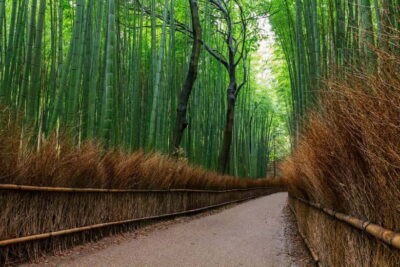
Kyoto/Osaka: Nara, Fushimi Inari Taisha, Arashiyama Bus Tour
Read our review →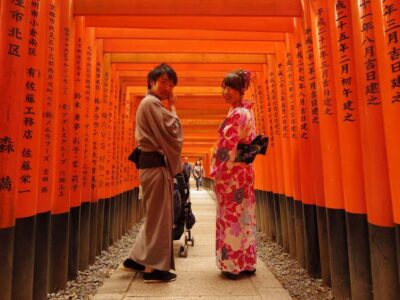
Osaka/Kyoto: Arashiyama, Nara & Fushimi Inari Shrine w/Lunch
Read our review →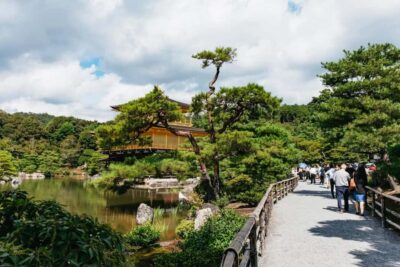
Nijo Castle, Kiyomizu & Fushimi Inari Guided Tour
Read our review →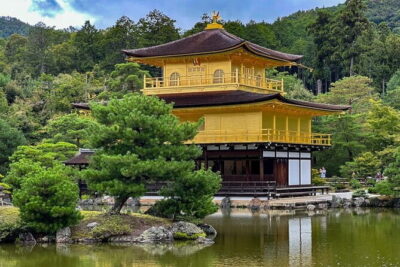
Nijo, Kinkaku-ji, Arashiyama, Kiyomizu & Fushimi Inari
Read our review →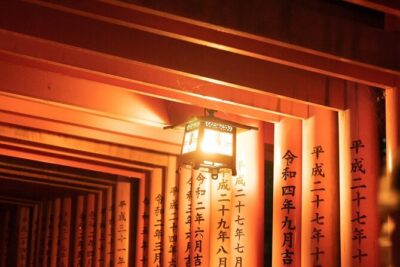
Browse the lists this tour appears in