
Reviewed · JDM CAR MEET TOURS
Tokyo: Daikoku JDM Car Meet & Night Car Culture Tour
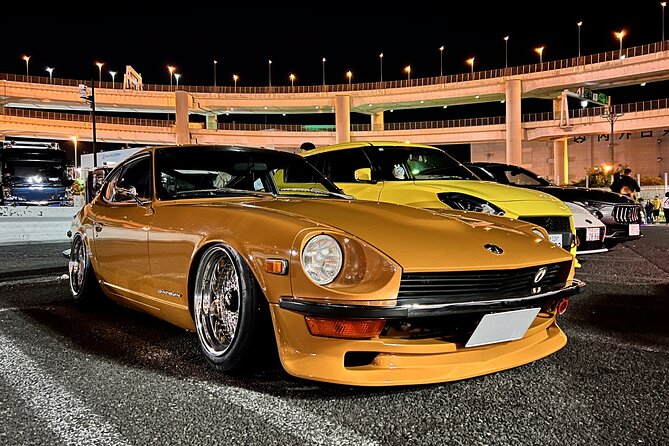
Tokyo’s car scene comes alive after dark, when the roads glow, Rainbow Bridge frames the skyline, and Daikoku Parking Area can turn into a huge open-air car show. This four-hour tour takes you there with a local enthusiast, rather than leaving you to guess which parking areas are active or how to reach them.
I like Daikoku’s one-hour stop, which gives you time to look around instead of making a rushed photo stop. I also like the mix of car culture and city sightseeing, from APIT Autobacs and Tatsumi 1st PA to Tokyo Tower and the illuminated waterfront. The main catch is simple: no one can promise which cars will appear, and Daikoku may close without notice.
Key points to know before booking
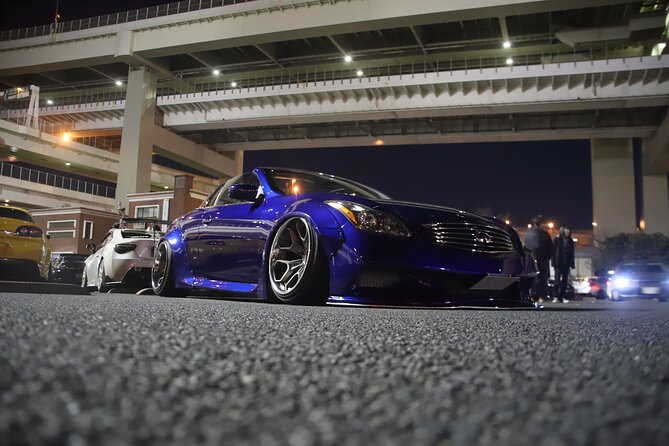
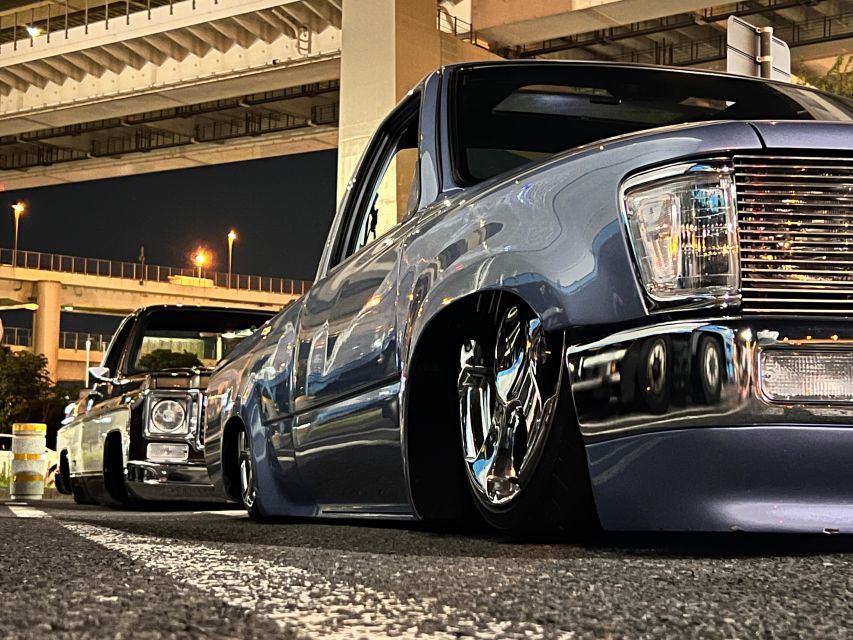
- Daikoku Parking Area is the main event: You may see tuned JDM cars, classic Skylines, European exotics, luxury cars, and American models.
- The route is more than a car meet: Rainbow Bridge, Tokyo Skytree, Tokyo Tower, Haneda, Yokohama, and Tokyo’s night roads all add context.
- Guides bring real car knowledge: Michael, Mori, Jason, Karim, and Julian are among the guides named in recent tour experiences.
- The mood is legal and respectful: Expect responsible driving and car appreciation, not drifting, racing, or noisy street battles.
- Vehicles vary: You could ride in a van, sedan, Nissan Skyline, RX-7, Lexus LS, or another selected vehicle, depending on availability and group size.
- The group stays small: The tour accepts up to 10 people, though a larger party using the van option may be split between two vans.
Why Daikoku is worth the late-night drive
If films and games introduced you to Japanese car culture, Daikoku Parking Area is where the screen image becomes a real place. It is not a race track or a private club. It is a public rest stop, and its appeal comes from seeing owners bring carefully built cars into the same space.
The atmosphere can change from quiet to packed depending on the night. On a busy Friday or Saturday, the parking area may feel like a giant, informal motor show. On a slower weekday, you could see fewer cars, but you may have more room to look and talk.
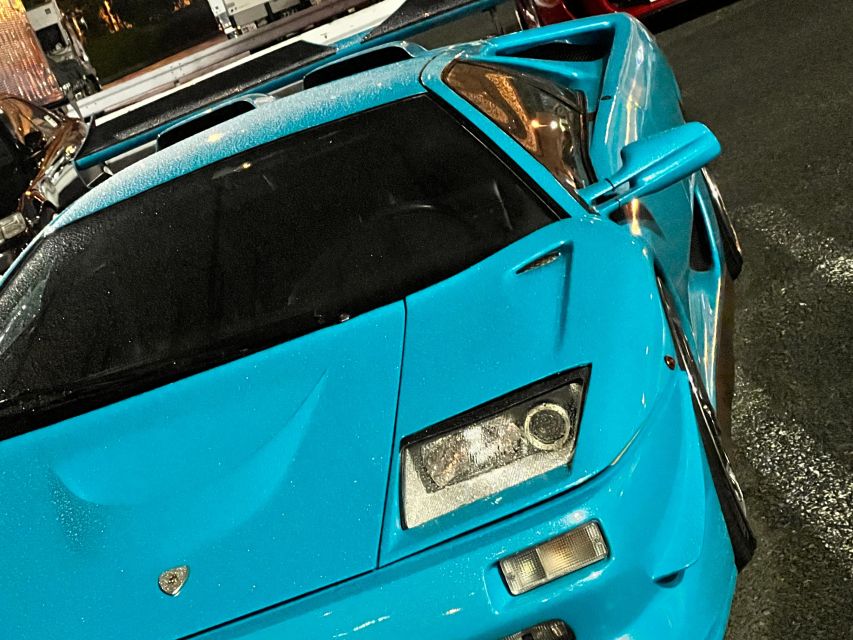
That uncertainty is part of the deal. You might find several generations of Nissan GT-R and Skyline, modified Japanese cars, Ferraris, Lamborghinis, or even a Lexus LFA. You might also arrive during a quieter period. The tour cannot control the turnout, so you should book this for access, transport, and local guidance, not for a guaranteed list of dream cars.
The guide helps make the stop worthwhile even when the car count is modest. Michael is praised for explaining the scene, city roads, games, films, and automotive details. Mori is described as a friendly guide who adds background about Tokyo as well as the cars. Jason has led tours in an RX-7 and a Nissan Skyline, while Karim and Julian are also named as attentive hosts.
Other nights out with the car scene around Tokyo:
- GT-R35 800hp Club Membership – secret underground car meet
★ 4.8 · 998 reviews - Tokyo: Fast & Furious Tokyo Drift 3 Experience (Kaila Yu SP)
★ 4.8 · 947 reviews - Secret Car Meet: R34 Skyline Car Club Membership
★ 4.8 · 494 reviews
From Shibuya to the Rainbow Bridge
The usual meeting area is around Dogen-zaka in Shibuya, though the exact starting point can depend on the option you book. From there, the drive becomes part of the experience.
You may pass Roppongi Hills before heading toward Rainbow Bridge. At night, this gives you an early look at Tokyo’s scale: towers, traffic, and reflected city light moving past the windows. The route is not a high-speed thrill ride. It is a guided drive through the city, with the car scene discussed along the way.
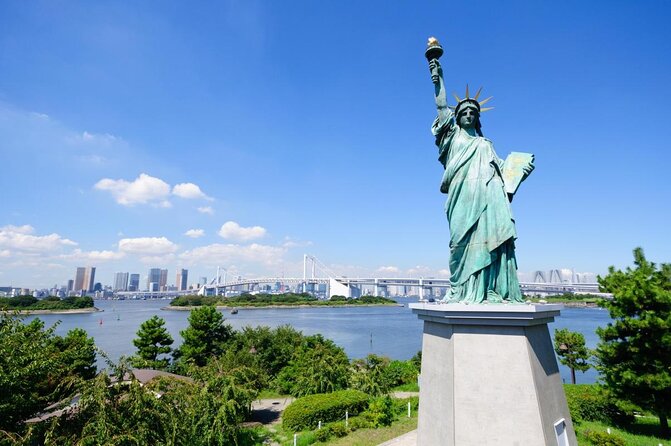
Rainbow Bridge is one of the best visual moments. You cross the span with Tokyo illuminated around you, and the view helps explain why this tour is more useful than simply taking a taxi to a parking area. You are seeing the roads and waterfront settings that give Tokyo’s car culture its character.
The route can also include the Tokyo Skytree, central Tokyo, Haneda Airport, Yokohama, and Tokyo Tower. These are generally pass-by views rather than long sightseeing stops, so keep your expectations clear. You will have time to look and photograph at selected stops, but this is not a full city sightseeing tour.
APIT Autobacs: the practical car-lover stop
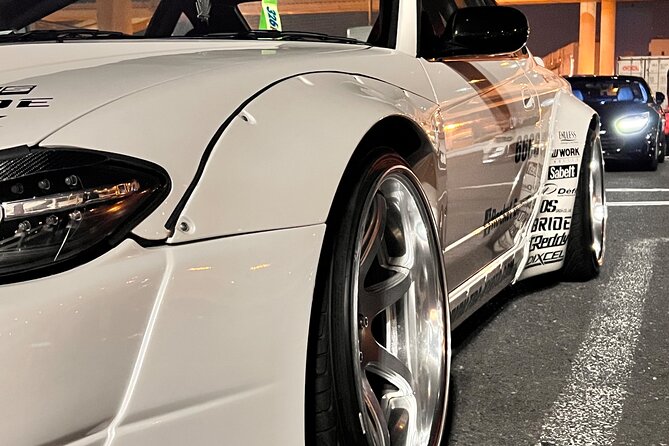
APIT Autobacs Shinonome is usually a 25-minute stop, though exact timing can shift with traffic and the day’s route. This is Japan’s giant automotive retail world in one place, with tuning parts, accessories, merchandise, memorabilia, and impressive cars.
Even if you are not shopping for parts, APIT gives you a useful look at how car enthusiasm is packaged in Japan. You can browse items that are difficult to find outside the country, and the store adds a daytime, retail side to the meet culture.
The drawback is time. Twenty-five minutes passes quickly, especially if you want to inspect products or buy souvenirs. One person described wishing for more time in the shop, which is understandable. I would treat APIT as a focused stop, not a leisurely shopping visit.
Food and drinks are not included, and food and beverages are not allowed in the vehicle. If you are tempted to spend too much on car merchandise, set a budget before you walk in.
Tatsumi 1st PA and the changing route
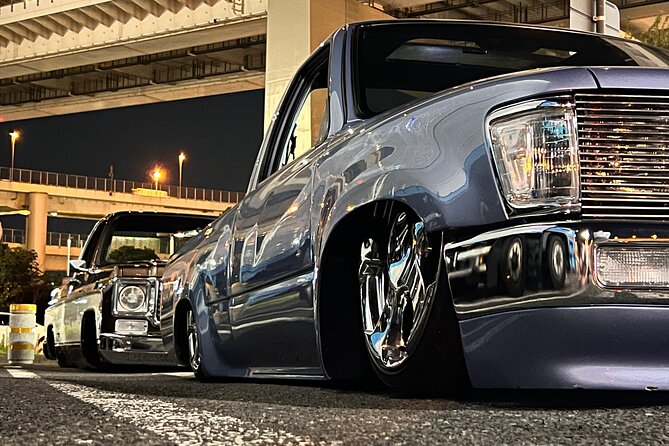
Tatsumi 1st Parking Area is usually scheduled for about 15 minutes. It is another place where you may see interesting cars and get a feel for the informal side of Japanese motoring culture.
The stop is short, so it works best as a quick look rather than a full meet. The schedule can change by weekday, weekend, and starting time. The provider says that the tour makes at least three stops, with Daikoku included, while the other locations may be selected from Tatsumi, Umihotaru, APIT Autobacs, and Gaienmae.
That flexibility matters. A location that is active earlier may be quiet later. Another meet may have ended before you arrive. One experience included a drive past a second meet after it had shut down, but the guide still made the detour useful.
You should see the printed itinerary as a plan, not a fixed timetable. Traffic, weather, weekend timing, and local conditions can all change the order or choice of stops.
Same base, a different sort of day:
- Mt Fuji and Hakone 1-Day Bus Tour Return by Bullet Train
★ 5.0 · 26,383 reviews - 1-Day Tokyo Bus Tour
★ 5.0 · 14,250 reviews - Tokyo: TOKYO SKYTREE® Admission ticket
★ 4.5 · 11,192 reviews - Tokyo: teamLab Planets TOKYO Digital Art Museum Entry Ticket
★ 4.6 · 9,779 reviews
The Daikoku stop, your main hour of car watching
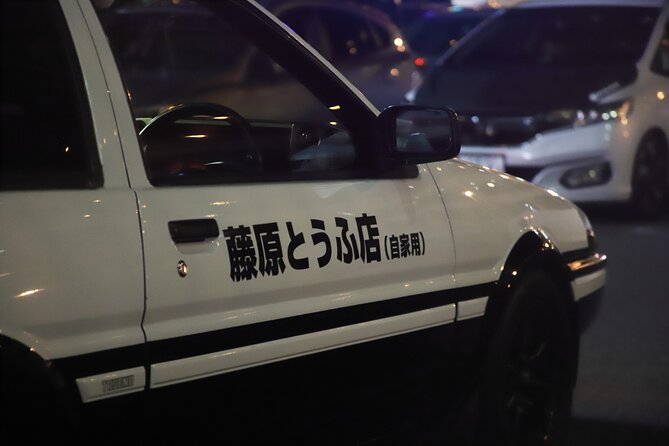
The tour allows about one hour at Daikoku Parking Area, making this the part to protect when traffic slows the route. You can leave the vehicle, look around, take photos, and ask questions about the cars and local customs.
A good night may bring a wide spread of styles. Expect the possibility of older and newer JDM builds, tuned Nissan models, European performance cars, luxury vehicles, and American cars. The appeal is not only the machinery. It is seeing how owners present their cars and how different groups share the same public space.
The atmosphere is enthusiastic but generally respectful. The tour makes clear that this is not a Hollywood street-racing show. There is no promise of drifting, illegal racing, rev battles, or reckless driving. That may disappoint someone seeking a Fast & Furious reenactment, but it is good news if you want an authentic and safe look at the culture.
Daikoku can close without notice because it is a public facility. If that happens, the host changes the route and provides another car-related experience. You should accept this possibility before booking. The tour’s value is strongest when you enjoy the roads, the stories, and the people as well as the final parking area.
What riding in the vehicles is really like
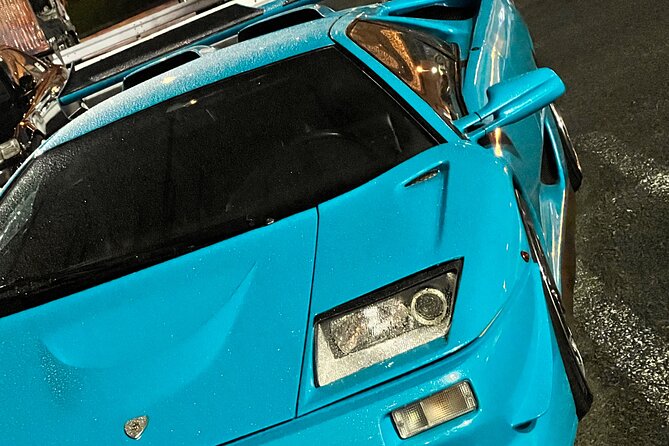
The provider uses a mix of JDM, European, and luxury vehicles. Options can include spacious vans, sedans, factory performance cars, and vehicles customized by the team. The exact vehicle depends on availability, group size, and the option selected.
Some specific rides have made a strong impression. Jason has hosted in an RX-7, and another tour included a Nissan Skyline. Other experiences mention a Lexus LS and a sedan upgrade from the van option. These examples show the range, but they are not a guarantee that you will receive a particular model.
If you are tall or sensitive to rear-seat space, ask about the vehicle before booking. One person found the rear seat of an RX-7 manageable at 5 feet 4 inches, but small. The van is likely the more practical choice for space, while a performance car may provide the more memorable setting.
Groups using the van option may be split between two vans if the party is large or seats are limited. That is worth checking if your group wants to stay together. The group limit is 10 people, which keeps the ride more personal than a large coach excursion.
The guides make the difference
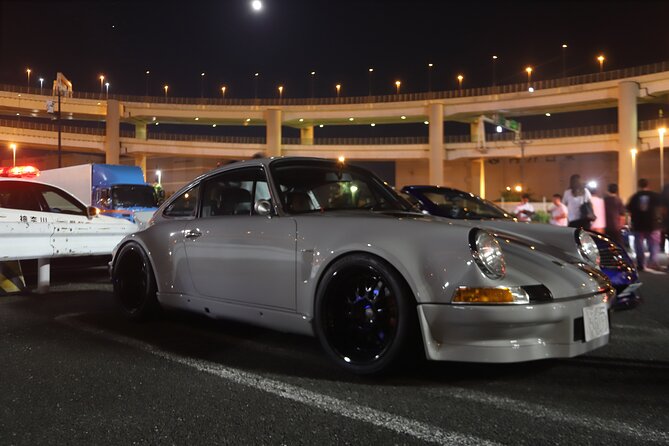
A car meet can be visually exciting but confusing if you do not know what you are seeing. The guide turns rows of modified cars into a conversation about Japanese brands, tuning, city roads, and the social rules of the scene.
Michael is often singled out for his car knowledge and calm driving. Mori combines car information with details about Tokyo and the places along the route. Jason is described as both entertaining and careful, while Karim is praised for making families and first-time visitors feel safe. Julian is known for giving people enough time at stops without making the evening feel rushed.
The company is led by an auto-industry insider with more than 25 years of work involving Japanese, European, and American brands. Guides host in English by default, with Japanese, Polish, Italian, and German available when the right guide is assigned.
Because the guide assignment can vary, do not book based on one person alone. The useful question is whether you want a local enthusiast who can explain the scene, rather than a driver who simply follows a route. This experience is built around that personal connection.
Price, timing, and what you receive for $98
At $98 per person, the tour sits in a reasonable range for a four-hour private-style city outing with transport, a small group, a live guide, and several stops. You are paying for access and local know-how as much as for the cars themselves.
A taxi or rental car could get you toward some of these locations, but driving to Daikoku at night would be inconvenient if you do not know the roads. The tour also removes the need to work out parking-area access, route changes, and timing on your own.
The value is best for someone who would otherwise spend hours trying to find the car scene independently. It is less compelling if you only want a guaranteed ride in a specific supercar or a guaranteed lineup of GT-Rs. Those promises are not part of the experience.
The tour lasts four hours, and starting times vary. Night departures offer the strongest city views and the best chance of seeing the meet at its most active, though daytime versions may run depending on conditions. Tours usually operate in ordinary weather, but heavy rain can lead to cancellation.
Free cancellation is available up to 24 hours before departure, and you can reserve now and pay later. Bring a passport or ID card. Children under five are not accepted, wheelchair users cannot be accommodated, and you should contact the provider ahead of time if a child aged five to seven needs a booster seat.
Who should book this Tokyo car tour
I would recommend it first to car enthusiasts who want more than a museum or rental-car experience. It also works for curious visitors who are not serious gearheads but enjoy city drives, unusual local culture, and a guide who can explain what is happening.
Families can enjoy it, especially with older children. One eight-year-old had a good time, and another family continued enjoying the tour despite rain. Still, remember that this is a late-night car outing, not a child-focused attraction.
It is also a good birthday surprise or a break from temples, shopping, and food tours. A partner who knows little about cars can still enjoy the skyline and the sense of occasion, though the strongest value goes to anyone who wants to ask detailed questions about builds and brands.
You should skip it if you need wheelchair access, dislike riding in vehicles for several hours, or expect street racing. You should also reconsider if your entire decision depends on seeing one exact model.
Should you book the Daikoku JDM tour?
Book it if you want a safe, guided way to reach Tokyo’s car-meet world and you can accept a little uncertainty. The best parts are the night drive, the Rainbow Bridge views, the APIT Autobacs stop, the guide’s stories, and the chance to spend an hour at Daikoku when the site is open.
At $98, it offers good value for a small-group outing that combines transport, city views, and access to places that are awkward to handle alone. Just keep your expectations grounded. You are buying a well-run introduction to Japanese car culture, not a guaranteed supercar parade or a movie stunt.
FAQ
How long is the Tokyo Daikoku car tour?
The experience lasts four hours, including the city drive, car-related stops, and time at Daikoku Parking Area.
How much does the tour cost?
The price is $98 per person.
Is Daikoku Parking Area always open?
No. Daikoku is a public rest stop and may close without notice. If it is closed, the host adjusts the route and provides another experience.
What cars will I see?
There is no guaranteed type or number of cars. You might see JDM builds, Skylines, GT-Rs, European performance cars, luxury vehicles, and American cars, depending on the night.
Is this a drifting or street-racing tour?
No. The experience does not include illegal drifting, street racing, reckless driving, or loud rev battles. Driving follows local laws.
What stops are included?
The route can include APIT Autobacs Shinonome, Tatsumi 1st Parking Area, Daikoku Parking Area, Rainbow Bridge, Tokyo Tower, Tokyo Skytree, Haneda Airport, Yokohama, and other Tokyo views. The exact route can change.
What type of vehicle will I ride in?
Vehicles may include vans, sedans, JDM cars, European cars, luxury vehicles, factory performance models, and vehicles customized by the team. The choice depends on availability and group size.
How many people can join?
The small-group tour is limited to 10 participants. A group using the van option may be divided between two vans if needed.
What languages are available?
English and Japanese are offered, with Polish, Italian, and German available when the appropriate guide is assigned.
Can children join the tour?
Children under five cannot join. If a child aged five to seven needs a booster seat, contact the provider before the tour date.
What should I bring?
Bring a passport or ID card. Smoking, alcohol, food, and drinks are not allowed inside the vehicle.
Just added in Tokyo
- Wagyu & Sake Pairing in Shinjuku – Steak, Shabu-Shabu & More★ 5.0 · 112 reviews
- Small-Group Wagyu Beef and 7 Japanese Dishes Tokyo Cooking Class★ 5.0 · 190 reviews
- Nikko: Edo Wonderland Edomura Cultural Theme Park Ticket★ 4.3 · 205 reviews
- 《MEMBERS-ONLY-BAR-HOPPING》Discover Your Special Whiskey in Tokyo!★ 5.0 · 29 reviews
- Japanese Whisky Hunting《HIGH-QUALITY-ONLY》Rare Tasting Class★ 5.0 · 20 reviews
- Luxury Tokyo Sake, Cocktail, Whisky and Pairing Tour★ 5.0 · 18 reviews
- From Tokyo: Private Tour to Fuji/Hakone – Onsen, Art, Nature★ 5.0 · 116 reviews
- Tokyo: KABUKI Show at Kabukiza Theatre Admission Ticket★ 4.8 · 152 reviews
JDM Car Meet Tours, compared.
GT-R35 800hp Club Membership – secret underground car meet
Read our review →
Fast & Furious Tokyo Drift 3 Experience (Kaila Yu SP)
Read our review →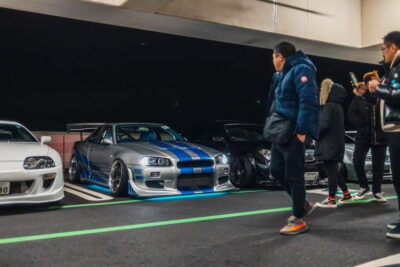
Secret Car Meet: R34 Skyline Car Club Membership
Read our review →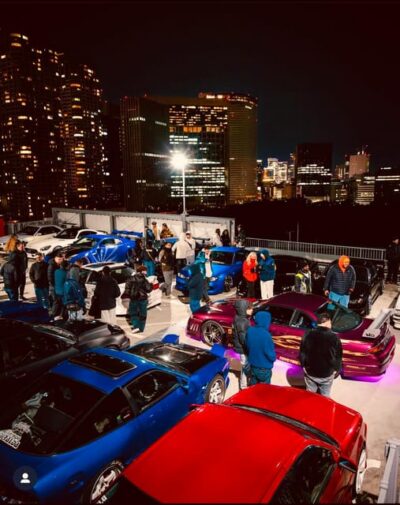
EVO, WRX, Skyline – JDM Night Run to Daikoku Car Meet
Read our review →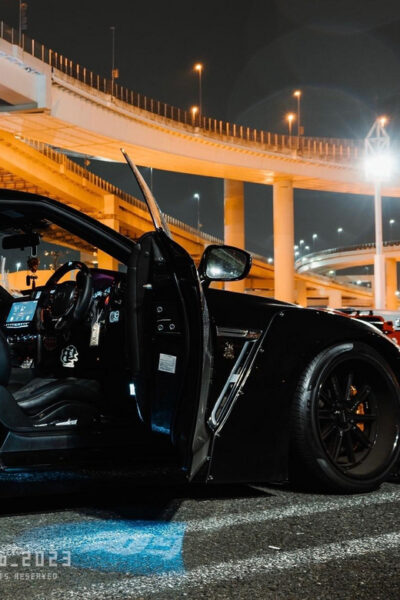
Tokyo Drift: Daikoku PA Supreme Car Experience 大黒PA
Read our review →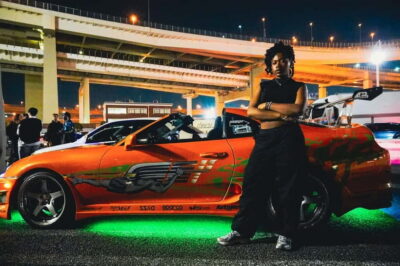
Go Daikoku PA Fast & Furious 3 Sports Car Meetup
Read our review →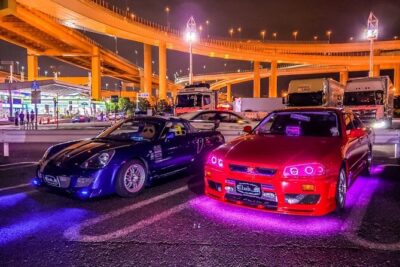
Browse the lists this tour appears in