Reviewed · TOURS IN TOKYO
Small Town in the Big City: Tasting Tokyo’s Kichijoji
Kichijoji gives you a different Tokyo: not the neon-and-skyscraper version, but a neighborhood where people shop for dinner, grab yakitori after work, and know the family that has made senbei for generations. This six-hour food walk uses local eating spots to show you how everyday Japanese food fits together.
I like the tiny group of six and the wide range of stops, from a polished department-store food hall to old-school counters and street stalls. I also like that guides such as Ken, Michelle, Elly, and Diana have been praised for their warm storytelling and personal connections with local shop owners.
The main consideration is the $195 price, which is high for a food tour. You are paying for a long, carefully arranged experience with lunch, drinks, snacks, and several tastings, but the schedule may feel long if you prefer a quick meal or have limited stamina for walking and standing.
Key points to know before booking
- Kichijoji instead of central Tokyo: See an appealing residential and shopping district that many first-time visitors might skip.
- A food hall is the opening lesson: Start with a depachika, where traditional foods and modern Japanese snacks share the same aisles.
- Many styles of eating in one day: Expect sushi, yakitori, octopus balls, senbei, snacks, tea, coffee, and alcoholic drinks.
- Maximum six people: The small group suits readers who want more conversation and easier access to local shops.
- Six hours at a measured pace: This is a full food-and-neighborhood experience, not a short tasting circuit.
- Free cancellation up to 24 hours ahead: Changes or cancellations made inside that window are not accepted, and the tour requires a minimum number of bookings.
Why Kichijoji makes a smart food-tour setting
Tokyo can overwhelm you with choice. Every station seems to offer another noodle shop, sushi counter, bakery, izakaya, or department-store basement. Kichijoji makes that choice manageable by giving the day a clear focus: one neighborhood, explored through the foods people actually buy and eat.
The area combines shopping streets, long-running family businesses, department stores, street food, and places for a casual drink. That mix matters. You are not only sampling dishes. You are seeing how Japanese food works at several levels, from carefully presented department-store products to quick food eaten beside a shopping street.
I especially like the idea of concentrating on one district. A citywide food tour can spend too much time moving from place to place. Here, the walking route helps you notice small changes in the neighborhood and understand how the food businesses fit into daily life.
The tour is operated by Culinary Backstreets and is limited to six people. That cap should make it easier to hear the guide, ask questions, and enter small venues without the awkwardness of a large group. It also means availability may be limited, so booking roughly a month ahead is sensible. The average booking lead time is 31 days.
Other experiences people book in Tokyo:
- Mt Fuji and Hakone 1-Day Bus Tour Return by Bullet Train
★ 5.0 · 26,383 reviews - 1-Day Tokyo Bus Tour
★ 5.0 · 14,250 reviews - Tokyo: TOKYO SKYTREE® Admission ticket
★ 4.5 · 11,192 reviews
Starting at Kichijoji Station
You meet at Kichijoji Station, at 1 Chome-6 Kichijoji Minamicho, Musashino, Tokyo 180-0003. The activity returns to the same meeting point, and private transportation is not included.
That arrangement is useful. You do not need to learn a complicated transfer between several Tokyo neighborhoods, and you finish where you started. Still, plan your day around the station meeting point. The tour lasts about six hours, so you should not schedule a distant attraction immediately afterward.
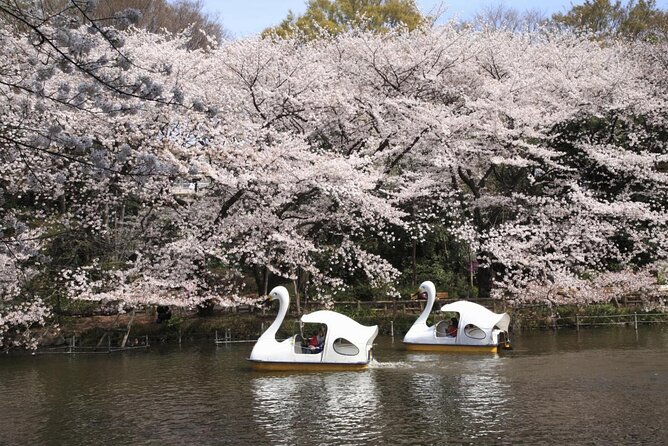
The route includes Kichijoji and Inokashira Onshi Park. The food-focused details center on the shopping streets, food hall, restaurants, and vendors, while the park adds a change of pace from the commercial streets. The available information does not promise a particular park activity, so think of it as part of the neighborhood setting rather than a separate guided attraction.
Your guide may be Elly, Michelle, Ken, or Diana. The specific guide is not guaranteed, but the experience depends heavily on the person leading it. Elly has been praised for clear English and an ability to keep conversation moving while you eat. Michelle is described as energetic, engaging, and well connected with local businesses. Ken has a reputation for careful organization and useful explanations, while Diana has been noted for her warm rapport with shop owners.
The depachika: Japanese food shopping in miniature
The day begins in a depachika, the food floor beneath or within a Japanese department store. This is one of the best places to see how Japan treats food as both everyday shopping and fine presentation.
You pass displays of prized pickles, carefully presented fruit, Japanese sweets, prepared dishes, and the aisle devoted to familiar snack foods. A depachika can feel polished and expensive, but it is also practical. People use these food halls to buy lunch, gifts, ingredients, and treats for the train or the office.
This opening stop gives your guide plenty to explain. You can learn the basics of Japanese flavors and food customs before tasting your way through smaller neighborhood businesses. The contrast is useful: the department store shows the national standard of presentation, while later stops show more personal, local forms of cooking.
The itinerary includes a sushi stop described as a favorite among local customers. The exact restaurant and menu can change, so do not book expecting a particular fish or set. The important point is that sushi appears as part of a broader day of eating, not as the entire theme.
Kichijoji’s shopping streets and quick bites
From the department store, the route moves along Kichijoji’s shotengai, or covered shopping street. These streets are central to ordinary Japanese town life. You may see people buying household goods, picking up food for dinner, and stopping for a quick snack rather than sitting down for a formal meal.
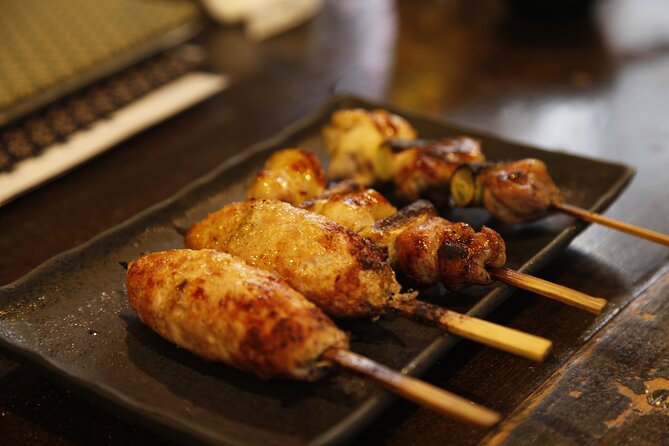
This is where the tour shifts from explanation to action. You taste foods such as yakitori and octopus balls served from street-side vendors. Yakitori gives you a direct lesson in the appeal of grilled food: small portions, strong flavor, and a format that works equally well as a quick snack or with a drink. Octopus balls bring a different texture and style, with hot, soft centers and a preparation designed for eating on the go.
The portions are described as manageable rather than excessive. That matters over six hours. You want enough food to understand each stop, but not so much that the afternoon becomes a test of endurance. Even so, arrive ready to eat. This is lunch plus repeated tastings, not a walking tour with one token sample.
You will also spend time learning how Japanese cuisine connects to shopping habits. A good guide can explain what makes an ingredient prized, why certain foods are sold in particular settings, and how locals use the shopping street. Guides such as Ken and Michelle have been praised for adding stories about food, culture, and life in Tokyo rather than simply naming each dish.
Same base, a different sort of day:
- Tokyo: teamLab Planets TOKYO Digital Art Museum Entry Ticket
★ 4.6 · 9,779 reviews - Mt Fuji & Hakone Cruise, Drum Show Bullet Train 1 Day from Tokyo
★ 4.0 · 7,413 reviews - Tokyo: Sumo Show Experience with Chicken Hot Pot and a Photo
★ 4.8 · 6,678 reviews - Tokyo: Shinjuku Food Tour (13 Dishes at 4 Local Eateries)
★ 5.0 · 6,603 reviews
Family-made senbei and the value of local connections
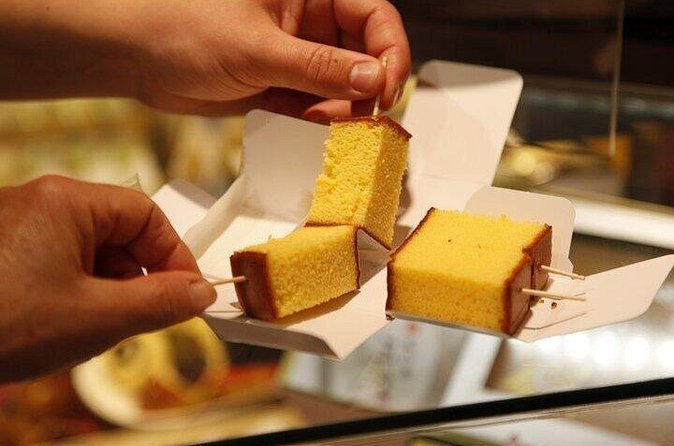
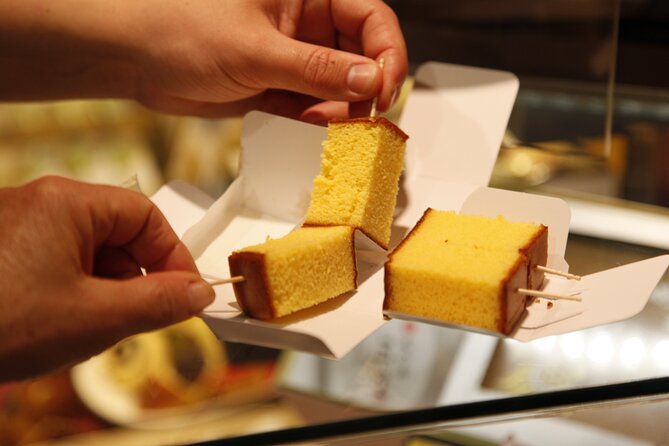
One of the most distinctive elements is a visit with three generations of a family that makes artisanal senbei. Senbei are Japanese rice crackers, but that simple label hides a wide range of shapes, seasonings, textures, and methods.
A family business gives you a chance to see food as a craft passed between generations. It also provides a useful counterpoint to the department store. The depachika presents food in a finished, highly polished retail setting. The senbei maker connects that food to people, skill, and a continuing neighborhood business.
The local relationships are a major part of the tour’s appeal. The guide is not simply directing you to anonymous restaurants. Guides have been described as knowing the owners and introducing the people behind the food. That can make a short tasting feel more meaningful, especially if you enjoy meeting makers and hearing how a business fits into its neighborhood.
Do keep expectations practical. The available details do not promise a full cooking class or a hands-on workshop. Treat this as a visit and tasting with cultural context, not as a formal lesson in senbei production.
Old-school yakitori, taverns, and a changing food scene
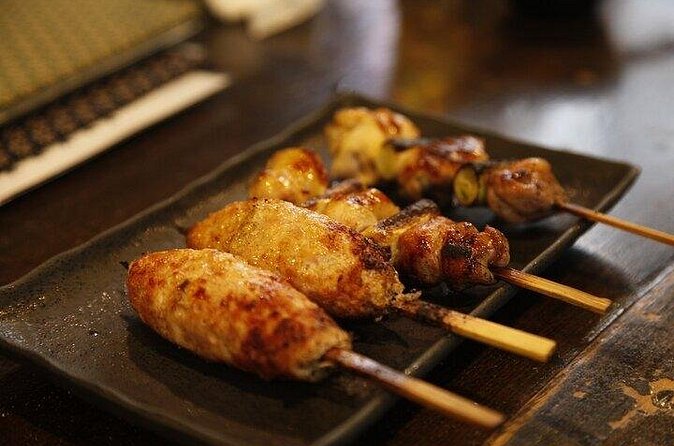
Kichijoji’s food identity is not limited to traditional shops. The route also includes old-school yakitori places and avant-garde taverns. That contrast helps explain why the tour feels broader than a standard Japanese food sampler.
An old-school yakitori stop gives you a look at a durable style of casual dining. The atmosphere is likely to be more informal than the department store, with small servings designed for sharing and conversation. You may rub shoulders with people using the same places as part of their normal routine.
The avant-garde tavern adds a newer note. The supplied details do not identify the exact dishes, so the menu may depend on the day and the business. What you can count on is variety: the route is designed to show both established food customs and newer ways of eating and drinking.
Alcoholic beverages are included, along with coffee and tea. That is helpful for a long afternoon, though you should tell the guide about your preferences and pace. The tour includes enough different food and drink categories that it can suit a mixed group, but it may be less appealing if you do not drink or have strict dietary needs. No specific dietary accommodations are provided in the information available, so ask before booking.
What the $195 price really covers
At $195 per person, this is not a bargain meal. It costs more than simply visiting Kichijoji and ordering food on your own. You are paying for the guide, planning, introductions, several food stops, lunch, snacks, coffee or tea, and alcoholic drinks over about six hours.
The value improves if you want someone else to choose the stops and explain what you are eating. Kichijoji has plenty of places to wander into, but the point of this tour is access and interpretation. You get a planned route through several types of businesses instead of spending half the day deciding where to go.
The small group also matters. A maximum of six allows the guide to keep the conversation personal and makes small restaurants more workable. If you are traveling with family or friends, the cost may feel easier to justify because you receive a full day of shared activity rather than only a single restaurant booking.
I would not choose it solely for quantity. The price is not about piling up food. It is about eating in several settings and understanding why Kichijoji feels like a real neighborhood rather than a collection of tourist stops.
Who will enjoy this six-hour food walk
This tour suits you if you want food to lead you into local life. It is a good match for first-time visitors who want a clear introduction to Japanese food, as well as repeat visitors who have already seen the major Tokyo sights.
It should work particularly well for:
- Couples and families who want a full day activity with plenty to discuss
- Food-focused readers who enjoy tasting several categories rather than ordering one large meal
- People who prefer a small group and direct access to a guide
- Visitors curious about local businesses, food makers, and shopping customs
- Anyone willing to spend most of the day walking, standing, tasting, and talking
It may not suit you if you want a fast, inexpensive food crawl, a private tour, or a fixed menu with every dish listed in advance. It is also worth thinking about the pace. Six hours is long for any food activity, even when portions are controlled.
The tour is near public transportation, and most people can participate according to the supplied information. Still, the route includes walking through shopping streets and stopping at several food venues, so comfortable shoes are a sensible choice.
Booking, cancellations, and a small reliability warning
Confirmation is provided when you book, and the experience is offered with a mobile ticket. Free cancellation is available if you cancel at least 24 hours before the local start time. Inside that period, the amount paid is not refunded and changes are not accepted.
The tour requires a minimum number of people. If that minimum is not reached, you are offered another date or experience, or a full refund. There have also been reports of repeated cancellations creating planning problems, so I would avoid building an inflexible day around this booking until your plans are firm.
That point does not erase the tour’s strong overall rating of 4.8 from 16 ratings and a 94 percent recommendation figure. It does mean you should keep a little flexibility, especially during a short Tokyo stay.
Should you book the Kichijoji food tour?
Book it if you want a guided look at the everyday side of Tokyo and are happy to pay for a long, food-filled introduction to one neighborhood. The combination of a depachika, sushi, yakitori, street food, senbei, local businesses, and Kichijoji streets gives you far more context than a single restaurant meal.
I would give this tour priority early in your Tokyo visit if you want food customs and neighborhood life to shape the rest of your trip. If $195 feels steep, or if you prefer to make your own restaurant choices, you can explore Kichijoji independently. But you will miss the guide’s connections, the planned sequence, and the explanations that tie the stops together.
For most food-minded readers, the best reason to book is not any one dish. It is the chance to see how a small part of a huge city eats, shops, works, and keeps older food traditions alive.
FAQ
Where does the Kichijoji food tour start?
It starts at Kichijoji Station, at 1 Chome-6 Kichijoji Minamicho, Musashino, Tokyo 180-0003, Japan.
Where does the tour end?
The activity ends back at the meeting point.
How long does the experience last?
The tour lasts approximately six hours.
How many people can join the tour?
The maximum group size is six travelers.
What food and drinks are included?
Meals, lunch, snacks, coffee or tea, and alcoholic beverages are included.
Is private transportation included?
No. Private transportation is not included.
Can I cancel for a full refund?
Yes, if you cancel at least 24 hours before the experience start time. Cancellations or changes made less than 24 hours before the start time are not accepted for a refund.
Just added in Tokyo
- The 10 Tastings of Tokyo With Locals: Private Street Food Tour★ 5.0 · 48 reviews
- Small Town in the Big City: Tasting Tokyo’s Kichijoji★ 5.0 · 195 reviews
- EXCLUSIVE Tokyo Secret: Kichijoji Small-Group Food & Bar Hopping★ 5.0 · 29 reviews
- Explore Kichijoji: Walk Through One of Tokyo’s Beloved Districts★ 5.0 · 21 reviews
- :Tokyo,Shibuya/ Pro Photography in Kimono / English-Friendly★ 5.0 · 26 reviews
- 【R34】Tokyo:Private Daikoku tour in Modified R34★ 4.9 · 92 reviews
- Tokyo:Calligraphy &Make your original folding fan in Asakusa★ 5.0 · 62 reviews
- Tokyo: Allstar Food Tour★ 4.7 · 29 reviews
Tours in Tokyo, compared.
Mt Fuji and Hakone 1-Day Bus Tour Return by Bullet Train
Read our review →

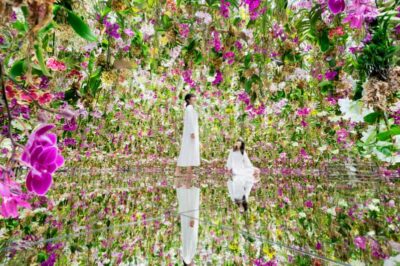
teamLab Planets TOKYO Digital Art Museum Entry Ticket
Read our review →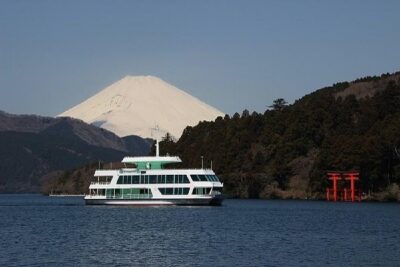
Mt Fuji & Hakone Cruise, Drum Show Bullet Train 1 Day from Tokyo
Read our review →
Sumo Show Experience with Chicken Hot Pot and a Photo
Read our review →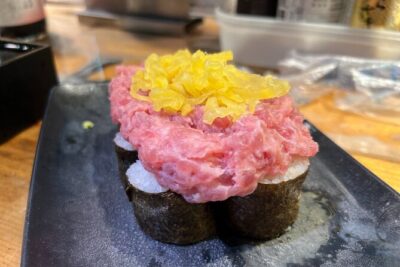
Shinjuku Food Tour (13 Dishes at 4 Local Eateries)
Read our review →