Reviewed · TOURS IN TOKYO
Small Town in the Big City: Tasting Tokyo’s Kichijoji
Kichijoji gives you a useful change of pace from Tokyo’s famous central districts. This six-hour food walk stays in one neighborhood and uses its food halls, shopping streets, old yakitori counters, street stalls, and family businesses to show you how locals eat. The most memorable detail is the visit to a three-generation senbei maker, where a simple rice cracker becomes a window into family craft.
I like the small group limit of six because a food tour works best when you can ask questions and get close to the vendors. I also like the range: sushi, yakitori, octopus balls, fruit, pickles, snacks, and coffee or tea give you a broad taste of Japanese food rather than one long meal.
The main consideration is the price: $195 per person is a serious spend for a neighborhood walk. You are paying for six hours, several tastings, lunch, a guide, and access to places you may not notice alone, but budget-minded eaters may prefer a shorter self-guided visit.
Key points to know before booking
- Kichijoji is the focus: You explore one Tokyo neighborhood in detail instead of racing between distant sights.
- The food range is wide: Expect sushi, yakitori, octopus balls, senbei, Japanese snacks, pickles, fruit, and more.
- The group is capped at six: This makes conversation and shared tasting easier than on a large bus-style food tour.
- A local guide shapes the day: Phoebe is one guide associated with the experience, and her enthusiasm for Japanese food comes through clearly.
- Lunch and drinks are included: Coffee or tea, bottled water, snacks, and lunch are part of the package.
- The tour begins and ends at Kichijoji Station: You arrange your own way there, and private transportation is not included.
Why Kichijoji makes a smart food-tour base
Tokyo can overwhelm you with choice. One street offers noodles, the next has department stores, and a side lane may hide a tiny counter serving one specialty. A tour that tries to cover all of Tokyo often leaves you with a blur of dishes and train platforms.
This experience takes the opposite approach. It treats Kichijoji as a small town inside the capital, letting you see how several kinds of food fit together in one neighborhood. You move through formal retail, casual street food, traditional production, and local dining rather than checking off famous restaurants.
That matters because Japanese food culture is not limited to restaurant meals. A department-store food hall can display careful sweets, prized fruit, pickles, prepared dishes, and snack foods. A shopping street shows what people buy for ordinary meals. A family senbei business connects food to hands-on craft and long-term local work.
You should expect a walking-based day around Kichijoji, with tastes spread over several stops. The schedule lists about four hours for the main portion and roughly six hours for the full experience, so you will want comfortable shoes and enough room in your appetite for repeated small portions.
Other experiences people book in Tokyo:
- Mt Fuji and Hakone 1-Day Bus Tour Return by Bullet Train
★ 5.0 · 26,383 reviews - 1-Day Tokyo Bus Tour
★ 5.0 · 14,250 reviews - Tokyo: TOKYO SKYTREE® Admission ticket
★ 4.5 · 11,192 reviews
Starting at the Kichijoji Station meeting point
The tour starts at Kichijoji Station, at 2 Chome-1 Kichijoji Minamicho in Musashino, Tokyo. This is a practical meeting place because the neighborhood is easy to reach by public transportation, but the tour does not include private transfers.
Plan your arrival carefully. Confirmation is provided when you book, and the mobile ticket makes it easier to keep the booking details with you. Since the experience begins and ends at the meeting point, you do not need to arrange a separate pickup or worry about finding your way back from another part of Tokyo.
The station area is more than a place to gather. It sets up the tour’s central idea: Kichijoji is lively and well connected, yet the food experience is rooted in local streets and neighborhood businesses rather than major Tokyo landmarks.
The tour has a maximum of six people. That is a meaningful feature here. At a sushi counter, snack stall, or small shop, a large group can feel awkward and can make conversation with the guide difficult. Six people still give you company, but the format remains small enough for individual questions and shared tasting.
The department-store food hall and Japanese shopping culture
One of the first major food experiences is a depachika, the food hall found in a Japanese department store. This is one of the tour’s strongest choices because it shows how Japanese food can be both everyday shopping and refined presentation.
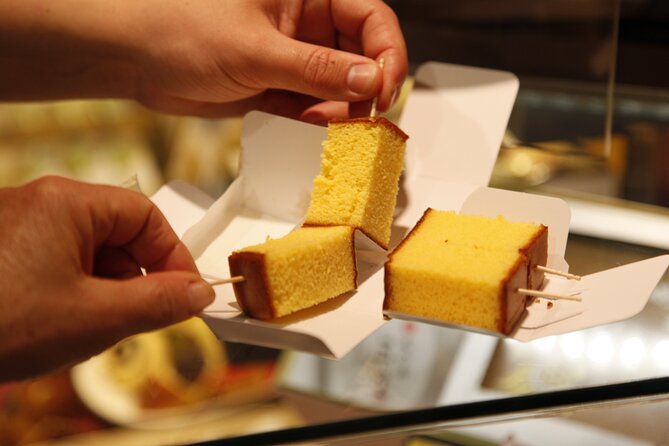
You pass displays of highly prized pickles, carefully presented fruit, Japanese sweets, prepared foods, and aisles of packaged snacks. The range helps explain an important part of local food culture: quality and presentation matter even when you are buying something to take home.
You are not simply looking at attractive shelves. The guide can help explain the basics of Japanese cuisine through the items in front of you. Pickles, rice-based snacks, sweets, and prepared foods become easier to understand when you see how they are sold and how they fit into ordinary shopping.
The fruit section should be especially interesting for anyone who has noticed how much care Japanese retailers give to presentation. The tour description points to fruit fit for a king, which signals the premium end of the market. You may find prices and packaging surprising, but that contrast is useful. It shows why a department-store food hall is not just a grocery stop.
The possible drawback is sensory overload. A depachika can offer more choices than you have time to study, and the food hall may feel less intimate than a family-run shop. Still, it gives the day a strong opening by placing traditional food beside modern retail.
Sushi with the locals
The food-hall route leads to a sushi bar favored by local customers. Sushi is familiar to many international visitors, but the setting matters. Eating at a place chosen for regular neighborhood use gives you a better sense of how sushi fits into the city’s daily food life.
You can expect sushi to be one of the more substantial tastings, but the exact menu is not specified. That is worth keeping in mind if you have a particular fish, style, or dietary need in mind. The experience promises sushi, not a fixed list of individual pieces.
This stop also balances the more casual foods that follow. Sushi shows precision and restraint. Later, yakitori and octopus balls bring smoke, sauce, skewers, and street-side energy. Taken together, the sequence gives you more useful context than a tour built around only one kind of food.
A guide such as Phoebe can make a difference here. Her enthusiasm and patience were singled out in the experience feedback, which suggests that this tour benefits from a guide who is willing to explain unfamiliar foods without rushing you. That is particularly helpful if you are unsure how to approach a dish or want to understand why a local favorite matters.
Same base, a different sort of day:
- Tokyo: teamLab Planets TOKYO Digital Art Museum Entry Ticket
★ 4.6 · 9,779 reviews - Mt Fuji & Hakone Cruise, Drum Show Bullet Train 1 Day from Tokyo
★ 4.0 · 7,413 reviews - Tokyo: Sumo Show Experience with Chicken Hot Pot and a Photo
★ 4.8 · 6,678 reviews - Tokyo: Shinjuku Food Tour (13 Dishes at 4 Local Eateries)
★ 5.0 · 6,603 reviews
Kichijoji’s shotengai and street-side snacks
The route continues along Kichijoji’s shotengai shopping street. This is where the tour shifts from polished food retail to the daily rhythm of neighborhood shopping. You walk alongside people buying ordinary goods and stop to taste foods prepared for quick eating.
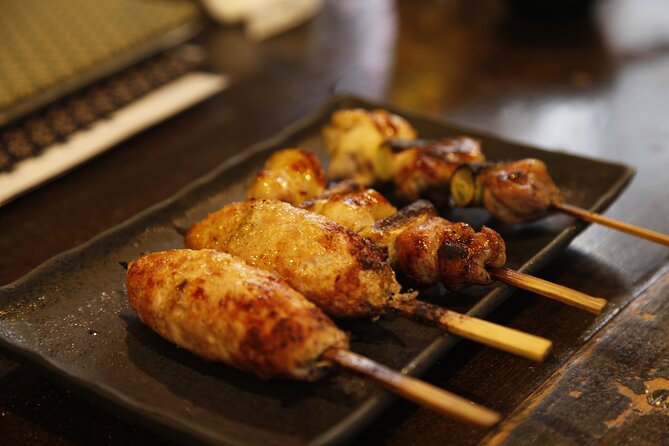
Yakitori is one of the key tastings. These grilled skewers are a good fit for a walking tour because they are easy to share, strongly flavored, and tied to casual Japanese dining. The description points to old-school yakitori joints, so you should expect a traditional, unfussy part of the day rather than a formal restaurant meal.
Octopus balls are another street-side stop. They add a different texture and show how Japanese snack food can be served hot and casually while still requiring careful preparation. The combination of yakitori and octopus balls gives you two very different examples of food eaten on the move or in a relaxed neighborhood setting.
This part of the walk may be the most enjoyable for you if you like watching a neighborhood function. You are not only tasting food. You are seeing shopping streets, small vendors, and daily errands unfold around you.
There is also a practical point: repeated tastings can add up quickly. Even if each sample is modest, six hours of food requires pacing. Eat a light breakfast, but do not arrive hungry enough to rush through the first stops. The tour includes lunch, snacks, and drinks, so you should think of it as a steady tasting day rather than a single large meal.
Meeting the three-generation senbei maker
The senbei stop adds the clearest human story to the route. You meet three generations of a family that makes artisanal rice crackers. That detail gives the experience a sense of continuity that you will not get from a standard restaurant crawl.
Senbei may look simple, but the family setting helps you pay attention to the work behind a familiar snack. Rice crackers are tied to Japanese food traditions, and a small maker can show you how a product becomes part of a neighborhood’s identity.
This is also the point where the tour moves beyond eating and into food production. You can compare the family-made senbei with the packaged snacks seen earlier in the department-store food hall. One stop shows retail variety and modern presentation. The other shows a direct connection between makers, family, and local customers.
The information provided does not specify how many senbei varieties you taste or whether you see the production process in detail, so keep your expectations measured. The important feature is the family business and the chance to encounter a traditional food in a personal setting.
For me, this kind of stop helps justify the tour’s higher price more than another generic snack would. You are paying for access to a local food story, not only for calories.
Inokashira Onshi Park and the shape of the route
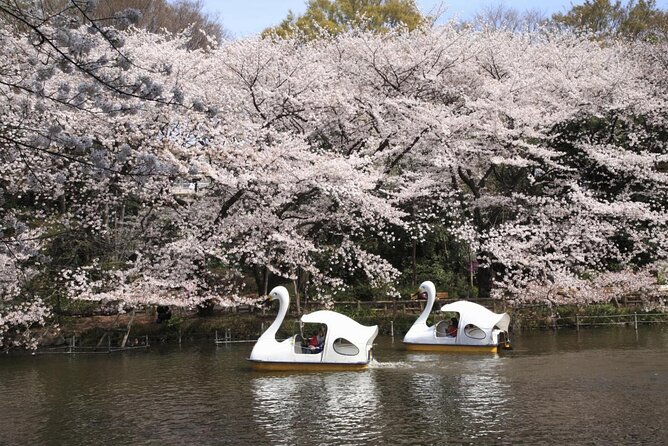
Inokashira Onshi Park is listed as a stop, but the available description gives far more detail about the food route than about activities inside the park. You should therefore treat the park as part of the Kichijoji setting rather than assume a specific park program.
The tour’s main value is clearly culinary. The park may provide a change of scenery or help connect different parts of the neighborhood, but no particular walking route, landmark, or activity there is promised. If you are booking mainly for gardens, sightseeing, or a long park visit, this may not be the right experience.
If you want food with a sense of place, the park listing still makes the route feel broader than a series of indoor tastings. You get a neighborhood day that includes retail, streets, family food production, and a well-known local green space, even though the food stops remain the main event.
What the $195 price really covers
At $195 per person, this is not a casual snack crawl. The value depends on how much you want a guide to organize the day and explain the food.
The price includes lunch, snacks, bottled water, coffee or tea, and the tastings built into the route. It also covers about six hours with a group of no more than six people. If you paid separately for several small meals and drinks, the food cost would account for part of the fee, though the exact number and size of tastings are not listed.
The stronger value is the structure. You do not need to decide which department-store foods to try, locate a sushi counter, find a yakitori shop, or identify a family senbei maker. The guide turns those separate choices into one planned neighborhood experience.
The price is harder to justify if you are comfortable ordering food alone, already know Kichijoji, or prefer to spend $195 on several full restaurant meals. It is easier to justify if you want context, a very small group, and a broad introduction to Japanese food beyond the most famous dishes.
The tour is booked an average of 83 days ahead, so popular dates may disappear early. That does not guarantee every date will sell out, but it is a useful signal to reserve ahead if your Tokyo schedule is fixed.
Who will enjoy this food walk most
I would recommend it most to first-time or second-time Tokyo visitors who want a food-centered day outside the standard central sightseeing circuit. It suits people who enjoy trying several foods, asking questions, and walking through ordinary commercial areas.
It is also a strong match for anyone curious about the difference between food sold in a department store, food prepared at a street stall, and food made by a family business. The range is the point.
Families and mixed-experience groups may appreciate the variety because no single dish defines the day. People who already know Japanese food may still find value in the local context and the senbei maker, but the price will make more sense if you want stories and introductions rather than just new menu items.
This may not suit you if you want a fast two-hour tasting, a nightlife-focused izakaya crawl, a formal fine-dining meal, or a tour built around one specialty. It also may not be ideal if you need a fully specified menu before booking, since the available details do not list every dish.
Practical details that affect your decision
The tour is available with a mobile ticket and confirmation arrives at booking. It starts and ends at Kichijoji Station, so you need to handle your own transportation to the meeting point.
Most people can participate, and the activity is near public transportation. The group maximum is six, which is one of the clearest practical advantages.
Cancellation is free if you cancel at least 24 hours before the start time. Changes or cancellations inside that window are not refunded. The experience requires good weather and a minimum number of participants. If poor weather or low enrollment cancels the tour, you are offered another date or experience, or a full refund.
Those rules matter because the tour includes outdoor walking between food stops. Keep your schedule flexible enough to handle a weather-related change.
Should you book Small Town in the Big City?
Book it if you want a full neighborhood food day, not just a meal. The combination of a department-store food hall, sushi, yakitori, octopus balls, senbei, street shopping, and a small group gives you a broad and grounded look at Kichijoji.
I especially like the three-generation senbei stop and the six-person limit. Those details make the experience feel more personal than a standard food checklist. Phoebe’s patient, enthusiastic style also appears to suit the tour well.
Skip it if $195 feels high for food tastings, if you prefer to explore independently, or if you need a fixed dish-by-dish menu. For everyone else, this is a thoughtful way to spend six hours tasting the everyday side of Tokyo, with enough variety to make the price worth considering.
FAQ
Where does the tour start?
It starts at Kichijōji Station, at 2 Chome-1 Kichijoji Minamicho, Musashino, Tokyo 180-0003, Japan.
Where does the tour end?
The activity ends back at the meeting point at Kichijōji Station.
How long does the experience last?
The tour lasts approximately six hours. The listed main portion of the itinerary takes about four hours.
How much does the tour cost?
The listed price is $195 per person.
How many people can join the tour?
The experience has a maximum of six participants.
Is lunch included?
Yes. Lunch is included, along with snacks, bottled water, and coffee or tea.
What foods are included?
The tour includes tastings such as sushi, yakitori, octopus balls, senbei, Japanese snacks, pickles, fruit, and other food-hall or neighborhood specialties. A complete dish list is not provided.
Is private transportation included?
No. Private transportation is not included. You make your own way to Kichijoji Station, which is near public transportation.
Is the tour suitable for most people?
Yes. The activity information says most people can participate. It is also near public transportation.
Can I cancel for a full refund?
Yes, if you cancel at least 24 hours before the experience start time. Cancellations or changes made less than 24 hours before the start are not refunded. Weather or minimum-participant cancellations may result in another date, another experience, or a full refund.
Just added in Tokyo
- The 10 Tastings of Tokyo With Locals: Private Street Food Tour★ 5.0 · 48 reviews
- Small Town in the Big City: Tasting Tokyo’s Kichijoji★ 5.0 · 16 reviews
- EXCLUSIVE Tokyo Secret: Kichijoji Small-Group Food & Bar Hopping★ 5.0 · 29 reviews
- Explore Kichijoji: Walk Through One of Tokyo’s Beloved Districts★ 5.0 · 21 reviews
- :Tokyo,Shibuya/ Pro Photography in Kimono / English-Friendly★ 5.0 · 26 reviews
- 【R34】Tokyo:Private Daikoku tour in Modified R34★ 4.9 · 92 reviews
- Tokyo:Calligraphy &Make your original folding fan in Asakusa★ 5.0 · 62 reviews
- Tokyo: Allstar Food Tour★ 4.7 · 29 reviews
Tours in Tokyo, compared.
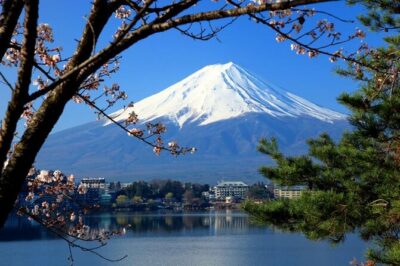
Mt Fuji and Hakone 1-Day Bus Tour Return by Bullet Train
Read our review →

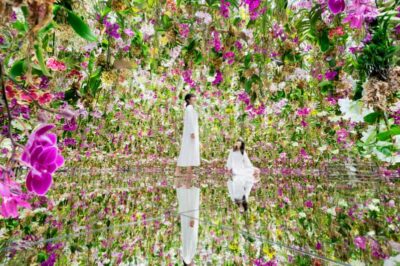
teamLab Planets TOKYO Digital Art Museum Entry Ticket
Read our review →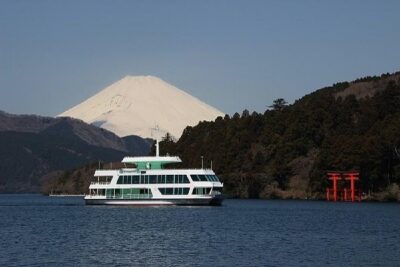
Mt Fuji & Hakone Cruise, Drum Show Bullet Train 1 Day from Tokyo
Read our review →
Sumo Show Experience with Chicken Hot Pot and a Photo
Read our review →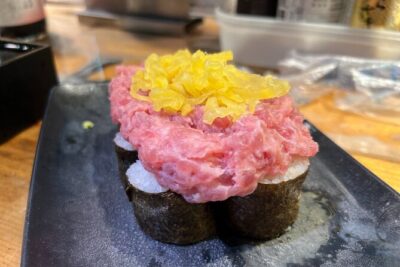
Shinjuku Food Tour (13 Dishes at 4 Local Eateries)
Read our review →