
Reviewed · FOOD TOURS
The 10 Tastings of Tokyo With Locals: Private Street Food Tour
Kichijoji gives this food walk a welcome change of pace from central Tokyo. You move through shopping streets, small food stops, Inokashira Park, and local landmarks while trying 10 Japanese dishes, not just one sit-down meal. I like the private format and the chance to ask a guide such as Abu, Sena, Ai, or Carlos about food and culture as you go.
I also like that the route includes foods you might skip on your own, from menchi-katsu and taiyaki to takoyaki and sake. The main consideration is price: at $199.54 per person, this is a costly way to eat, especially if you are traveling alone or already know Tokyo’s food scene well.
Key points at a glance
- Kichijoji setting: Explore a local-feeling Musashino neighborhood rather than spending the whole tour in Tokyo’s best-known central districts.
- Ten tastings: Expect a broad sample of fried snacks, dumplings, sweets, noodles or drinks, sushi, grilled chicken, takoyaki, and sake.
- Private guide: Only your group and your local guide take part, so the pace and questions can be more personal.
- Food plus sightseeing: The route passes Kichijoji Art Museum, Musashino Hachimangu, Inokashira Onshi Park, and the Hanako elephant statue.
- Dietary flexibility: Alternatives are offered for dietary restrictions, though you should explain your needs when booking.
- Best practical tip: Arrive hungry. The food is spread across several stops, and one family described the amount as generous enough to make a light breakfast wise.
Why Kichijoji makes a good food-tour base
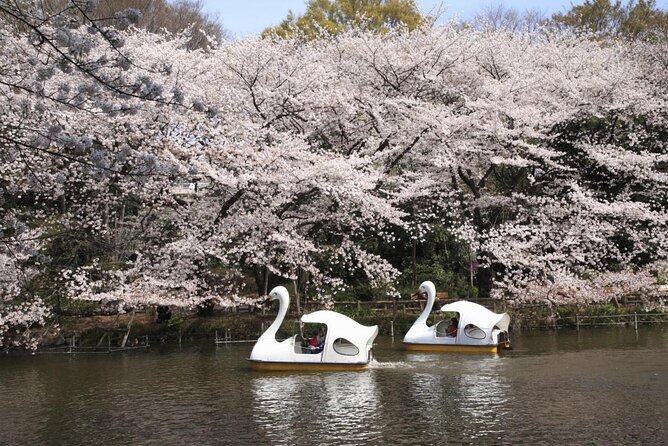
Kichijoji is a useful choice for a food walk because the experience is not limited to a single market or restaurant. You get a picture of everyday eating around Musashino, with food stops mixed into streets, shopping areas, a shrine setting, a park, and a small sake bar.
I especially like that the route gives you reasons to keep moving. The food is the main event, but the places between tastings help explain the neighborhood. You pass Kichijoji Parco, Atre Kichijoji, Coppice Kichijoji, and Harmonica Yokocho, each offering a different feel.
The tour lasts about three hours and ends where it begins, at 1 Chome-15 Kichijoji Honcho. Since the route includes several short stops, you should expect a steady walk rather than a long meal with plenty of sitting. A moderate level of fitness is recommended.
The private setup matters here. You are not trying to keep up with a large group, and you can ask for more explanation about a dish, Japanese eating customs, or places to visit later in Tokyo. Past guides have included Abu, Sena, Ai, and Carlos. The individual guide assigned to you may differ, but the experience is designed around one local host and your group alone.
Other food tours in Tokyo people book:
- Tokyo: Shinjuku Food Tour (13 Dishes at 4 Local Eateries)
★ 5.0 · 6,603 reviews - Tokyo: Shinjuku Food Tour (15 Dishes and 4 Eateries)
★ 4.9 · 2,033 reviews - Best of Shinjuku: Izakaya Food Tour (4 Stops, 14+ Tastings)
★ 5.0 · 1,863 reviews
The first bites: fishcake and tapioca near local landmarks
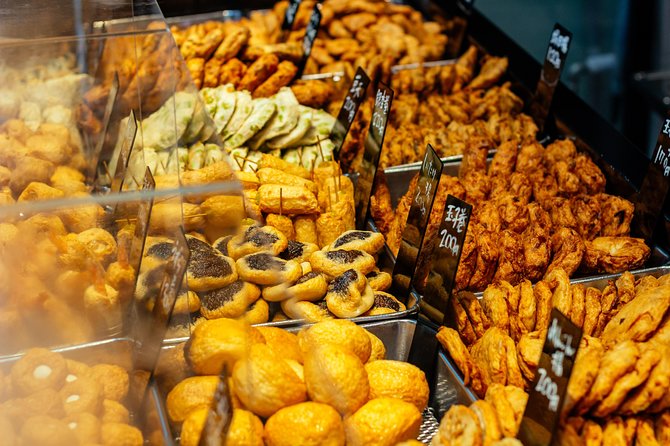
The opening meet-and-greet takes place on Kichijoji Street. From there, the first food stop is near Kichijoji Art Museum, where you try a Japanese fried fishcake described as a healthier local snack.
That wording may raise a question. Fried food and healthy food do not always seem like close friends, so treat this as a chance to learn about a less familiar Japanese bite rather than as a health-food stop. The tasting is short, around 15 minutes, which suits a food walk where you need room for nine more samples.
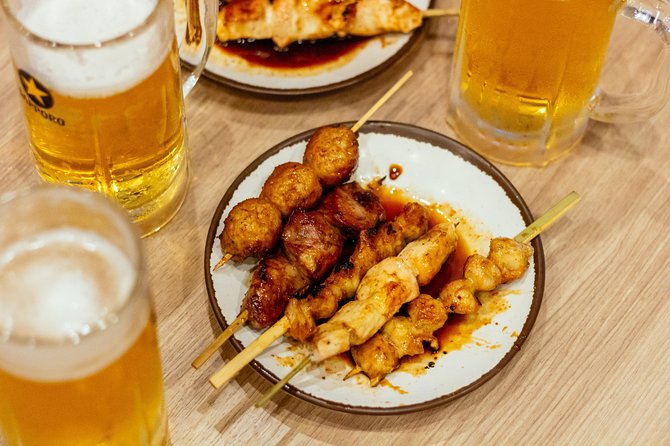
The next stop takes you around Musashino Hachimangu, where you try a tapioca drink. In Japan, these drinks often combine flavored tea with tapioca pearls, giving you something cool and sweet after the fried fishcake.
This stop adds variety to the route. You are not simply eating ten versions of the same snack. The drink gives your palate a break and shows how Japanese food culture has adopted and adapted popular international trends.
The shrine surroundings also make the stop more than a transaction at a counter. You get a landmark along with your drink, and the guide can put the area into context. If you are sensitive to sweetness or have a drink preference, this is a good time to ask what alternatives may be available.
Dumplings and taiyaki around Kichijoji’s shopping streets
Near Kichijoji Parco, the tour turns to dumplings filled with minced meat and vegetables. Dumplings are familiar to many visitors, but this tasting still gives your guide a chance to explain how the dish fits into Japanese casual eating.
The stop is scheduled for around 20 minutes. That is long enough to eat at an unhurried pace and ask questions, but not long enough for a full restaurant meal. Keep your expectations in line with the format: these are selected tastings that build into a meal, not separate courses with extended service.
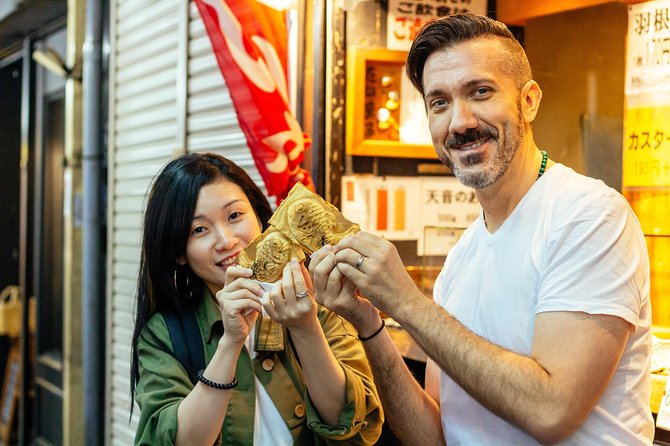
Atre Kichijoji brings taiyaki, the fish-shaped pancake filled with azuki bean paste. This is one of the most recognizable Japanese street snacks on the route, and the shape makes it easy to remember. The warm cake and sweet red bean filling also create a clear change from the savory dumpling.
Taiyaki can be filling, especially when combined with several fried foods later. You may want to share some tastings if your group includes light eaters, although the tour is clearly intended to be taken with a healthy appetite. The stop lasts about 20 minutes, giving you time to enjoy it rather than swallow and hurry on.
Harmonica Yokocho and the appeal of menchi-katsu
Harmonica Yokocho Kichijoji supplies one of the tour’s most distinctly casual bites: menchi-katsu. This is minced meat covered in breadcrumbs and deep-fried. It is hearty, crisp, and exactly the kind of snack that can be easy to miss if you only visit major sights.
The stop is brief, about 10 minutes, so do not expect a long pause in the alleyway. Its value comes from the setting and the food itself. Harmonica Yokocho is associated with small local drinking and eating spots, which gives the tasting a more neighborhood feel than a standard sightseeing lunch.
By this point, you have already had several foods, including a drink and sweet taiyaki. If you are prone to filling up early, pacing matters. Take smaller bites, avoid arriving after a large meal, and remember that the schedule still includes chicken, sushi, takoyaki, and sake.
More eating your way round Tokyo:
- Tokyo Night Foodie Tour in Shinjuku – Seasonal Sushi, Wagyu Beef
★ 5.0 · 1,161 reviews - Eat and Drink Like a Local: Tokyo Ueno Food Tour-Taverns&Ramen
★ 5.0 · 957 reviews - Tokyo: Shibuya Food Tour (13 dishes and 4 Eateries)
★ 5.0 · 770 reviews - Tsukiji Fish Market: Street Food & Culture Walking Tour
★ 5.0 · 669 reviews
Inokashira Onshi Park brings a slower pause
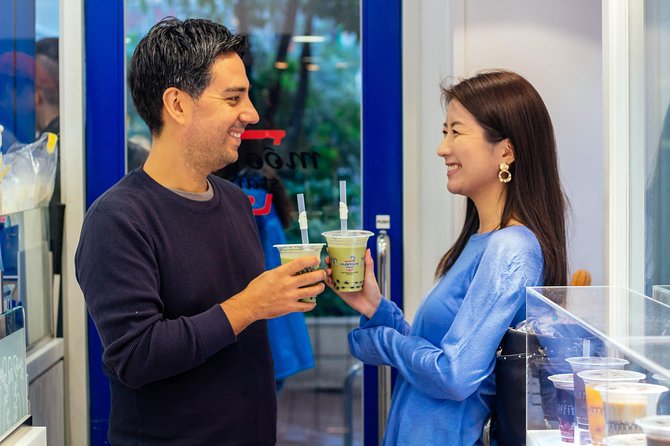
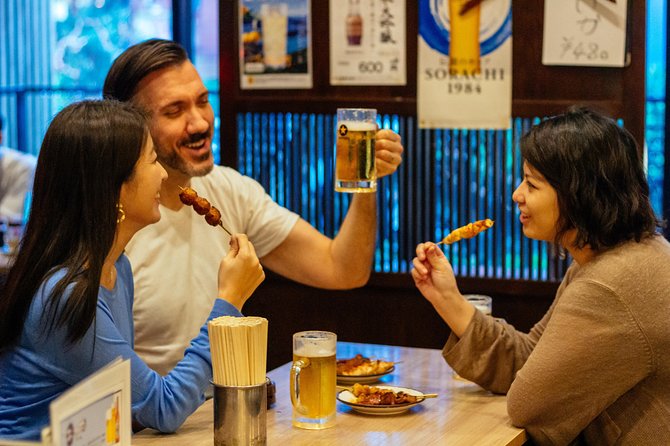
The route then reaches Inokashira Onshi Park for grilled chicken skewers. These are commonly paired with cold beer in Japan, and the park setting gives you a more relaxed break after several compact street-food stops.
The planned time here is around 30 minutes, one of the longer pauses on the route. That is useful because it creates room to enjoy the surroundings instead of treating the park as a quick photo stop.
I like this part of the tour because it changes the rhythm. A food tour can become tiring when every stop means standing at a counter for five minutes. The park gives your group a chance to slow down and talk with the guide.
The listing does not promise a beer tasting, so do not assume beer is included in the price. The confirmed tasting is grilled chicken skewers. If you want a drink alongside them, ask the guide what is available and what costs extra.
Sushi and sake show two sides of Japanese eating
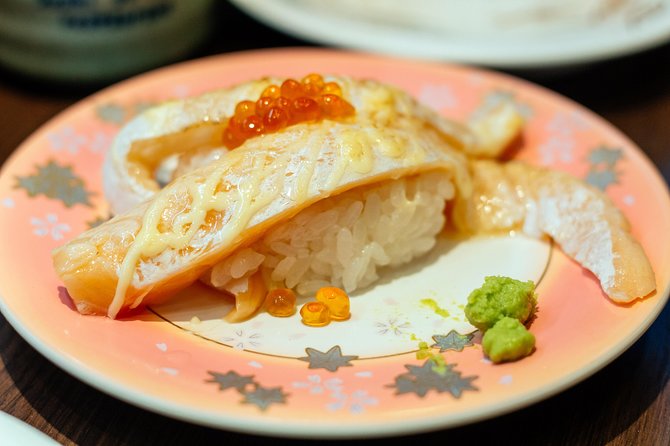
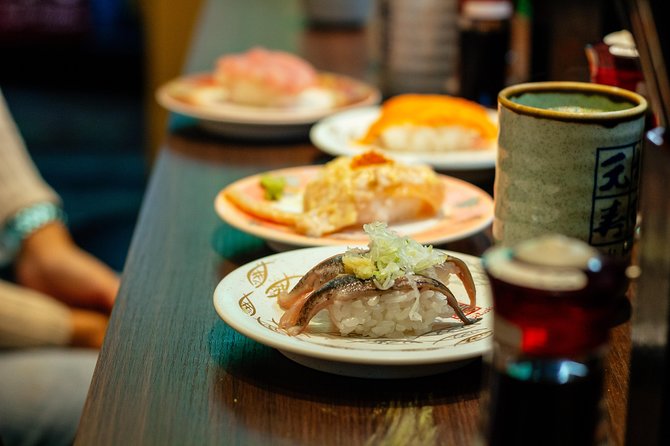
Around Kichijoji Daiyagai, you try sushi. The description calls it one of the most popular local Japanese foods, and its place on the route makes sense. Sushi is an essential part of any first taste of Japan, but here it appears as one sample among many rather than the entire focus of the experience.
That broad approach is one of the tour’s strengths. You get to compare the clean, compact character of sushi with the heavier fried foods earlier in the walk. The guide can also help you understand what you are eating, which is useful if you are not familiar with the ingredients or usual way to enjoy them.
The final tasting portion takes place near Kichijoji at a cozy local sake bar. You try traditional Japanese sake, adding a drink with a long place in Japanese food culture to the menu.
Again, the tour data does not say how much sake is served or what specific variety you will receive. If you do not drink alcohol, ask about an alternative before the visit. The tour does offer alternatives for dietary restrictions, but it does not specifically promise a nonalcoholic sake replacement.
The sake-bar stop lasts around 30 minutes. That gives the guide time to explain the drink and the setting, and it helps the tour finish with a slower, more social stop rather than another quick bite.
Takoyaki finishes the food route
Near Coppice Kichijoji, you sample takoyaki. These batter balls are cooked with fillings inside and are a familiar Japanese street-food favorite. Their soft center and hot filling can make them messy, so take care with the first bite.
Takoyaki is a fitting late stop because it brings the tour back to a classic street snack after the more varied middle section. The planned stop is around 15 minutes, enough for a tasting without turning into a full meal.
The route then passes the Zo no Hanako Statue, the famous elephant Hanako statue. This is not another food tasting, but it gives the walk a final landmark and helps round out the neighborhood experience.
The published stop times add up to more than three hours, but the activity is advertised as approximately three hours. Food availability, walking pace, and the time spent talking with your guide can affect the exact schedule. If you have a fixed booking afterward, allow some extra breathing room.
What the private format is worth at $199.54
At $199.54 per person, this is not a budget food crawl. You are paying for more than ten samples. The price also covers a private host, a walking route through several Kichijoji locations, local orientation, and the convenience of having someone guide you from one food stop to the next.
For a couple or family that wants personal attention, the value is easier to see. You can shape the conversation around your interests, ask for recommendations for the rest of your Tokyo stay, and avoid the awkwardness of joining a large mixed group. One family specifically found the guide helpful for planning the rest of their time in Tokyo.
The cost is harder to justify if your only goal is quantity. You could spend less by buying individual snacks yourself, especially if you are comfortable navigating Japanese food counters. The tour earns its price through access, explanation, and ease rather than through the raw number of calories.
Group discounts are available, which may improve the value for larger parties. Since the activity is private, you are not sharing the experience with unrelated participants. That makes it a good fit for families, couples, and friends who want one shared outing.
Who will get the most from this walk
I would choose this tour if you want a friendly introduction to Japanese food without having to research every stop yourself. It suits first-time visitors who want food, neighborhood sightseeing, and cultural explanation in one compact activity.
It also works well for families with older children and teenagers. One reported booking included a 15-year-old, and the wide mix of sweet, savory, fried, grilled, and liquid tastings gives younger diners plenty to discuss.
You should think twice if you dislike walking, need a long seated meal, or have strict dietary requirements. Alternatives are offered for dietary restrictions, but the available information does not list the exact substitutions. Contact the provider before booking if allergies or religious food rules are central concerns.
The tour also suits people who want restaurant and sightseeing ideas for later. Guides such as Abu have helped participants narrow down their Tokyo plans, while Carlos was praised for being friendly and helpful with a family group. The host is part food guide and part local sounding board.
Timing, meeting point, and cancellation advice
The meeting point is 1 Chome-15 Kichijoji Honcho, Musashino, Tokyo 180-0004, and the tour returns there at the end. The area is near public transportation, but you should still allow enough time to find the exact starting point.
Confirmation is provided when you book, and the activity is available with a mobile ticket. Since the tour is often booked 53 days ahead on average, reserve early if your Tokyo dates are fixed, especially if you need a particular day for a private group.
Free cancellation is available up to 24 hours before the local start time for a full refund. Changes or cancellations made less than 24 hours before the start are not accepted for a refund.
Should you book the Kichijoji food tour?
Book it if you want a private, guided introduction to Kichijoji with plenty of small tastings and a neighborhood setting. The strongest reasons are the range of food, the personal guide, and the chance to ask practical questions while you walk.
Skip it if $199.54 feels too high for food samples, or if you prefer to choose your own stalls and eat at your own pace. For most people who do book, I would suggest arriving very hungry, wearing comfortable shoes, and keeping the rest of your day flexible.
FAQ
Where does the tour start?
It starts at 1 Chome-15 Kichijoji Honcho, Musashino, Tokyo 180-0004, Japan.
Where does the tour end?
The activity ends back at the meeting point.
How long does the experience last?
The tour lasts approximately three hours.
Is this a private tour?
Yes. Only your group and your local guide participate.
What foods are included?
The route includes a fried fishcake, a tapioca drink, dumplings, taiyaki, menchi-katsu, grilled chicken skewers, sushi, sake, and takoyaki. The activity is described as offering ten tastings, although the supplied stop details group the food and drink stops across the route.
Are alternatives available for dietary restrictions?
Yes. Alternatives are offered for dietary restrictions. You should provide your requirements when booking so the provider can plan appropriately.
Can I cancel for a full refund?
Yes. You can cancel at least 24 hours before the experience start time for a full refund. Cancellations or changes made less than 24 hours before the start time are not accepted for a refund.
Just added in Tokyo
- Small Town in the Big City: Tasting Tokyo’s Kichijoji★ 5.0 · 195 reviews
- Small Town in the Big City: Tasting Tokyo’s Kichijoji★ 5.0 · 16 reviews
- EXCLUSIVE Tokyo Secret: Kichijoji Small-Group Food & Bar Hopping★ 5.0 · 29 reviews
- Explore Kichijoji: Walk Through One of Tokyo’s Beloved Districts★ 5.0 · 21 reviews
- :Tokyo,Shibuya/ Pro Photography in Kimono / English-Friendly★ 5.0 · 26 reviews
- 【R34】Tokyo:Private Daikoku tour in Modified R34★ 4.9 · 92 reviews
- Tokyo:Calligraphy &Make your original folding fan in Asakusa★ 5.0 · 62 reviews
- Tokyo: Allstar Food Tour★ 4.7 · 29 reviews
Food Tours, compared.
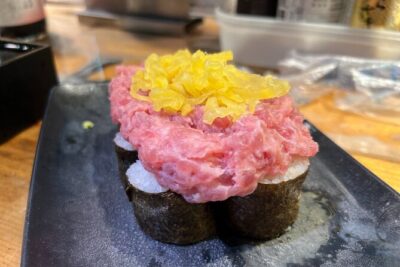
Shinjuku Food Tour (13 Dishes at 4 Local Eateries)
Read our review →
Osaka Food Tour: 13 Dishes at 5 Local Eateries
Read our review →
Best of Shinjuku: Izakaya Food Tour (4 Stops, 14+ Tastings)
Read our review →
Kyoto Night Foodie Tour in Gion (9+ dishes + 6 Sake tastings)
Read our review →
Hungry Osaka Street Food Tour:15 Tastings & 3 Drinks with a Local
Read our review →
Tokyo Night Foodie Tour in Shinjuku – Seasonal Sushi, Wagyu Beef
Read our review →
Osaka Local Foodie Walking Tour in Dotonbori and Shinsekai
Read our review →
Eat and Drink Like a Local: Tokyo Ueno Food Tour-Taverns&Ramen
Read our review →Browse the lists this tour appears in