
Reviewed · HIKING & TREKKING
Magome & Tsumago Nakasendo Trail Day Hike with Government-Licensed Guide
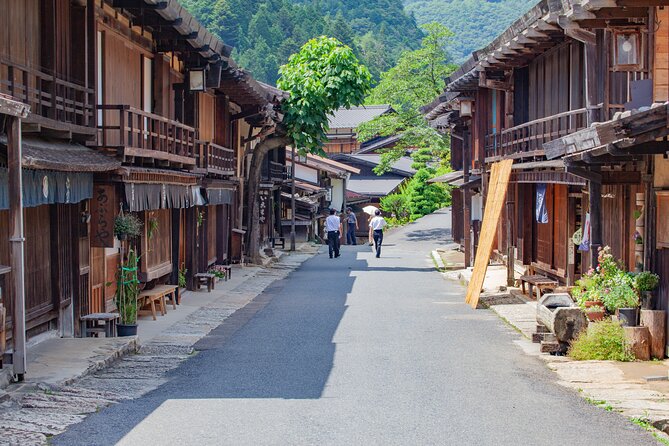
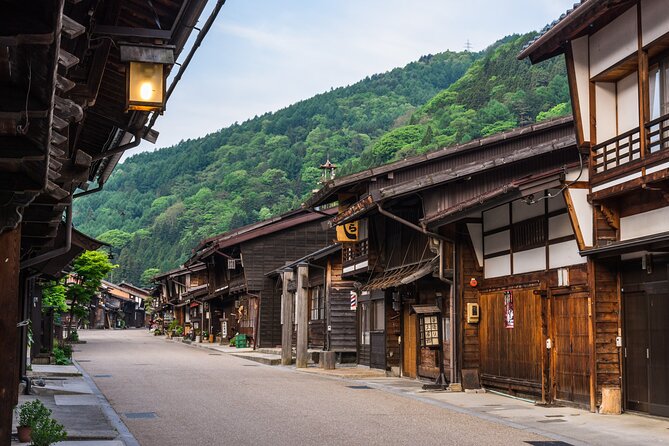
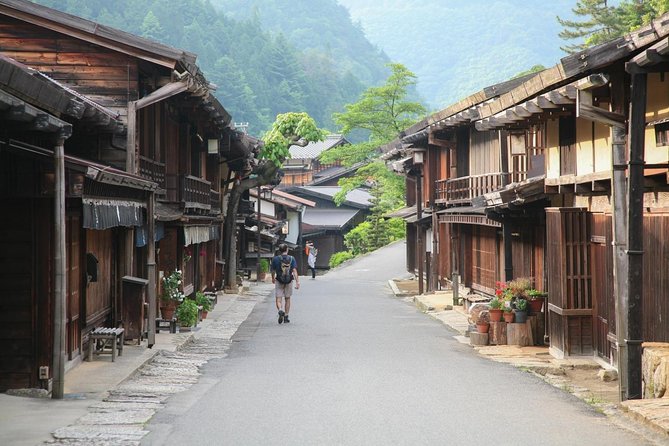
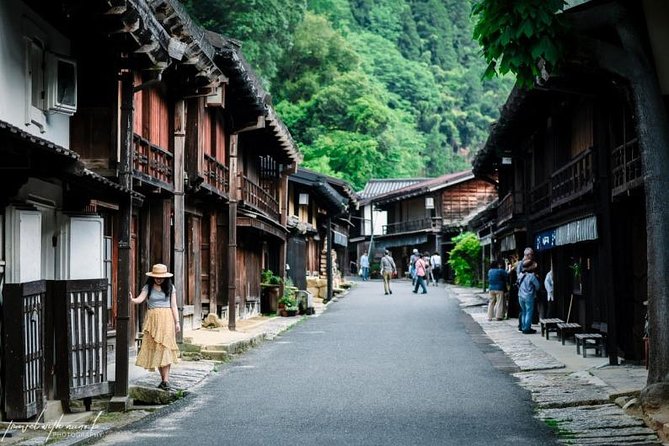
The best part of this experience is the chance to walk an old Japanese highway between two carefully preserved post towns, rather than simply stopping for a quick photo. Magome’s sloping stone streets lead to valley views, while Tsumago offers a quieter, flatter village with wooden inns, temples, and hidden utility wires.
I like the private format, which lets your guide adjust the pace and add stops such as a soba lunch, bento at an old tea house, or the Wakihonjin museum. I also like the moderate 8-kilometer route: it gives you a real day outdoors without demanding serious hiking skills. The main consideration is that transportation is not included, and the trail closes as a hiking option from December through February because of ice.
Key points to know before you book
- A manageable 5-mile walk: The route is described as an easy hike, though the stone paths and slopes still call for comfortable walking shoes.
- Two very different villages: Magome climbs a hillside with shops and valley views, while Tsumago is flatter and more subdued.
- Private guiding: Only your group participates, so the guide can respond to your pace and interests.
- Strong guide element: Hiroshi, Matt, Yumi, Elvis, and Kazue have led walks that included history, local food, museums, and practical help.
- Bring cash for transport: Bus or train costs, lunch, entry fees, and personal purchases are extra.
- Winter restriction: The hiking version is unavailable from December through February due to icy conditions.
Walking an old highway through the Kiso Valley
The Nakasendo was one of Japan’s historic inland routes, linking Kyoto and Edo, present-day Tokyo. The Magome to Tsumago section is one of the most accessible surviving stretches, giving you a direct feel for how people once moved between post towns, inns, temples, and mountain communities.
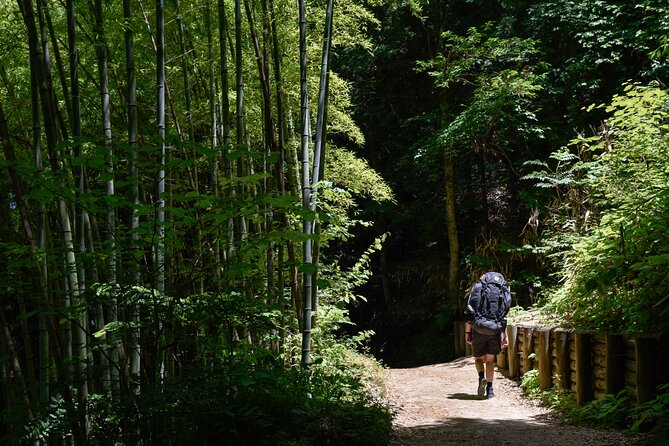
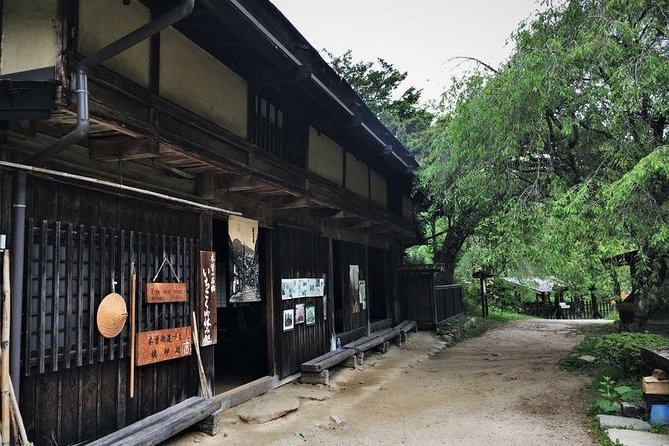
This is not a wilderness trek. Much of the appeal comes from the way the path connects living villages with forested sections, old stone paving, and small cultural sites. You get exercise, but the walk also gives shape to Japanese history. Instead of learning about the Nakasendo only inside a museum, you follow part of the route itself.
The advertised walking distance is about 5 miles, or 8 kilometers, and the hike takes around two hours within a tour lasting roughly six hours. The extra time allows for village visits, explanations, meal stops, and public transport. Your actual pace may vary, especially if you stop often for photographs or spend time inside museums and historic buildings.
The route is called easy, but do not read that as completely effortless. Magome sits on a slope, the trail includes stone sections, and weather can affect footing. You should be comfortable walking for several hours and bring shoes with a good grip. The tour is best for people who want a genuine walk, not for anyone seeking a strenuous mountain hike.
More walking routes from Takayama:
- Frozen fall trekking
★ 5.0 · 21 reviews - Fushimi Inari Hidden Hiking Tour (Private Option Available)
★ 5.0 · 1,750 reviews - Kyoto: 3-Hour Fushimi Inari Shrine Hidden Hiking Tour
★ 4.9 · 270 reviews
Magome: a hillside village with valley views
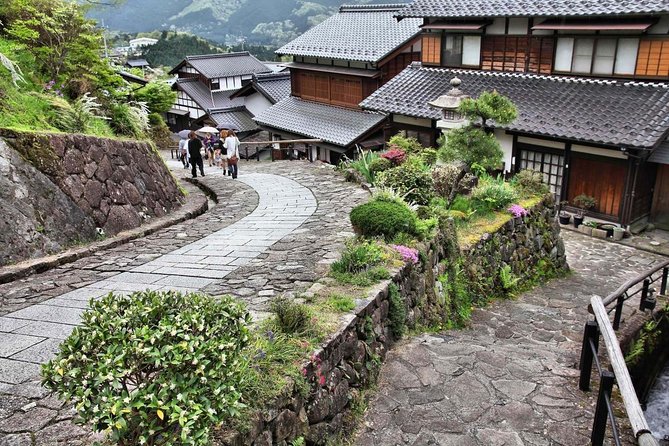
Magome is a strong starting point because its sloped setting gives the village a clear sense of place. A broad stone walkway runs through traditional houses, small craft shops, restaurants, and museums. The climb also opens views over the surrounding valley, something you do not get in the same way at flatter Tsumago.
The village has been preserved and restored in a style that differs from its neighbor. Magome feels more arranged around its rising main street, with buildings and shops following the slope. That makes it easy to explore, but it can also mean more uphill walking at the start.
I would plan a drink or light meal here if the timing works. Restaurants near the top offer views over the valley, while the lower section gives you a chance to see local businesses and speak with residents. Your guide can help you decide how much time to spend in the village before setting off.
The small museums add useful context. They cover the history of the town, local artists, and everyday life. Since admission fees are not generally included, ask your guide which sites fit your interests before paying to enter. The tour includes guide entry fees only for sights listed under the experience details, so do not assume every museum or building is covered.
Magome is also where the tour begins to feel less like a simple village visit and more like a journey along a route. You can see how the street was shaped for people moving through the post town, then leave the shops and head into the countryside.
The trail between the two post towns
The walk itself is the heart of the day. You move between Magome and Tsumago through the Kiso Valley, with the guide explaining the route’s purpose and pointing out details that are easy to miss when walking alone.
Several guides have made this history practical rather than academic. Hiroshi has been praised for giving an introduction to the Nakasendo before the walk, which helps you understand what you are seeing. Matt has explained the route’s role and arranged stops for a bento lunch or a traditional tea house. Yumi has led longer-paced walks with explanations of important places along the way.
The private setup matters here. You are not locked into the rhythm of a large group. If you want more time for photographs, a museum visit, or a food stop, your guide can shape the day around your group within the available time. If you are moving quickly, the guide may help you make better use of the six-hour schedule.
That said, communication about pace is important. One piece of feedback pointed out that a slower walker had trouble reaching the guide before explanations ended. If your group has different walking speeds, say so at the beginning and ask the guide to wait until everyone is together before speaking. A private tour should make this easier, but it still helps to be clear.
You might also encounter uneven or old stone paving. The route is manageable for most people who are accustomed to walking, but it is not a smooth city sidewalk. Rain can make stones slippery, and the experience is not offered as a hike during the icy winter period from December through February.
One viewpoint associated with waterfalls received mixed practical feedback because trees limited the view. Keep expectations sensible. The trail’s appeal comes from the full combination of woodland, historic paving, villages, and valley scenery, not from one guaranteed lookout.
Tsumago: a quieter vision of old Japan
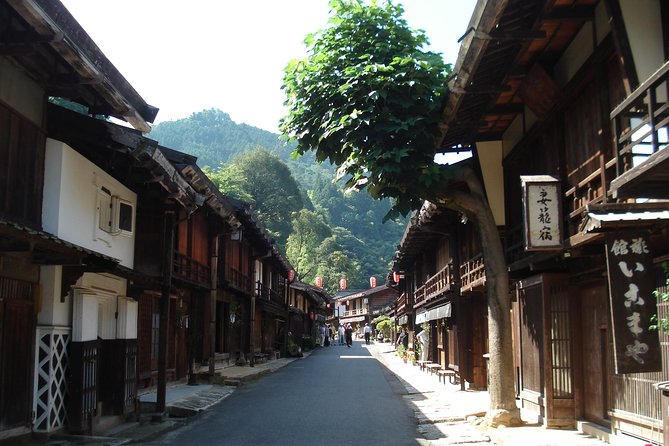
Tsumago feels different from Magome almost as soon as you arrive. It is flatter, more restrained, and especially known for its early preservation work. Unpaved streets and concealed cables help maintain an old-town atmosphere without the visual clutter of modern infrastructure.
The village retains several important buildings. The Honjin served as the main inn for high-ranking officials and merchants using the Nakasendo. The Wakihonjin was a secondary inn, and its museum offers a useful look at the lodging system that supported travel along the route.
You can also see an old notice board used for proclamations from the shogun and a Buddhist temple dating to the 16th century. These details make Tsumago more than a pretty street. They show how government, religion, lodging, and trade worked together in a post town.
Tsumago is at its most atmospheric after the day’s activity quiets down, when lanterns light the streets. This tour is a daytime experience, so you may not see the full evening mood described in the itinerary. Still, knowing about the lantern-lit setting helps explain why the village feels so carefully protected.
The tradeoff is that Tsumago can feel less lively than Magome. You will find fewer obvious commercial distractions, which is part of its charm, but visitors who want lots of shops or cafés may prefer Magome. I see the two villages as a useful pair: Magome gives you views and a more active street, while Tsumago gives you calm, old buildings, and a stronger sense of preservation.
Other tours with a licensed guide in Takayama:
- Magome & Tsumago Nakasendo Full-Day Private Trip with Government-Licensed Guide
★ 5.0 · 20 reviews - Tokyo 6hr Private Tour with Government-Licensed Guide
★ 5.0 · 3,902 reviews - Tokyo 4hr Private Tour with Government-Licensed Guide
★ 5.0 · 1,394 reviews - Kyoto 6hr Private Tour with Government-Licensed Guide
★ 5.0 · 1,369 reviews
What the guide adds to the day
You can walk this section independently, but a guide gives the route more meaning and removes much of the practical guesswork. The path connects several villages and transport points, and a government-licensed local English-speaking guide can help you understand what deserves your attention.
Hiroshi has guided visitors through the history before beginning the walk and is noted for speaking English well after living in the United States. Matt, also known as Enomoto Masatake, has been responsive before the tour and has helped groups choose between taking a bus or extending their walk after reaching Tsumago. Elvis has guided visitors through the countryside and helped them continue safely to their next destination.
These details point to the real value of a private guide. You are not paying only for directions. You are paying for interpretation, timing, local judgment, and help connecting the trail with food and transport. A guide may arrange a soba lunch, suggest a bento, or include a tea-house stop when the schedule allows.
The guide also acts as a safety net. You avoid the worry of missing a turn or misjudging the time needed to reach the next transport connection. Since public transport is extra and no private vehicle is supplied, that help can be especially useful.
Do not expect every guide to offer exactly the same stops. The experience is private, and the day can change with weather, walking speed, opening hours, and your interests. Tell the guide if you care most about architecture, local life, food, photography, or the history of the route.
Price, timing, and what you really pay for
At about $155.22 per person, this is not the cheapest way to see Magome and Tsumago. The price makes more sense if you value a private guide and want a focused half-day experience rather than arranging the route yourself.
Your payment covers a licensed local English-speaking guide and the guided walking experience. It does not cover public transport, meals, entrance fees, personal expenses, or a private vehicle. You meet the guide on foot at a designated point, so you need to plan your route to that meeting place.
The cost can be better value for a small private group because group discounts may be available. You cannot combine multiple tour groups, so this is designed as a private activity for your own party. Confirmation is provided at booking, and free cancellation is available up to 24 hours before the start time.
Bring cash. Transport costs extra, and small village shops, food stops, or entrance desks may not offer the same payment options you expect in a major city. The tour description does not provide a fixed transport price, so you should allow a separate budget for buses or trains.
This is also a seasonal purchase. The hiking version is not available from December through February because of icy conditions. If you want to visit during those months, a separate full-day private trip uses buses rather than the trail, and you will not be hiking the route.
Who will enjoy this hike most
I would choose this experience if you want one active day in rural Japan but do not have time for a long multi-day walk. It suits people who enjoy history, traditional architecture, village streets, and moderate exercise in the same outing.
It is also a good fit if you are nervous about handling the route and local transport alone. The guide can help connect the walking portion with buses and trains, and can explain the villages in clear English.
Couples, families with older children, and small groups should find the private format useful. The tour is described as suitable for most people, and service animals are allowed. Still, you should be comfortable walking for several hours on a route that includes stone paving and a slope.
I would be more cautious if you want a strenuous hike, a fully inclusive package, or a guaranteed set of scenic stops. This is not a private-driving tour, and lunch and entry fees are extra. It is also not a good winter hiking choice.
Should you book the Magome and Tsumago walk?
Book it if you want to connect two of Japan’s best-preserved post towns on foot and prefer an informed local guide to a self-guided day. The strongest reasons are the private pacing, the guide’s historical context, and the chance to add a local meal, museum, or tea-house stop.
Skip it if you would rather spend a full day sightseeing by vehicle, dislike uneven walking surfaces, or need every cost included in advance. Also check the season carefully, since the trail portion is unavailable from December through February.
For most active visitors with six hours to spare, this is a sensible way to experience the Nakasendo. You get a real walk, two distinct villages, and enough flexibility to make the day feel personal rather than packaged.
FAQ
How long is the tour?
The experience lasts approximately six hours. The walking route between Magome and Tsumago is around 5 miles, or 8 kilometers.
Is the hike difficult?
It is described as an easy hike suitable for most people. You should still expect a slope at Magome, stone walking surfaces, and several hours on foot.
Is this a private tour?
Yes. Only your group participates, and multiple tour groups cannot be combined.
Is public transportation included?
No. Transportation fees are extra, and you should bring cash to pay for public transport.
Is lunch included?
No. Lunch is not included. Guides may help arrange options such as soba or a bento when the schedule allows, but you pay for food separately.
Are entrance fees included?
Entrance fees are not generally included. Guide entry fees are covered only for sights listed under the tour details.
Can I take this hiking tour in winter?
No. The hiking version is unavailable from December through the end of February because of icy conditions. A separate full-day trip uses buses during that period, without the hike.
What happens if I need to cancel?
You can receive a full refund if you cancel at least 24 hours before the experience start time. Cancellations or changes made less than 24 hours before the start are not accepted for a refund.
Just added in Takayama
- Gifu Samurai Sword Town;Japanese Damascus Knife Making Experience★ 5.0 · 27 reviews
- Private Afternoon Cycling Tour in Hida-Furukawa★ 5.0 · 109 reviews
- Private-group Morning Cycling Tour in Hida-Furukawa★ 5.0 · 105 reviews
- Short Morning Cycling Tour in Hida★ 5.0 · 17 reviews
- Explore Kiso Valley : Magome – Tsumago Mountain Trail Walk★ 5.0 · 33 reviews
- Frozen fall trekking★ 5.0 · 21 reviews
- Magome & Tsumago Nakasendo Full-Day Private Trip with Government-Licensed Guide★ 5.0 · 20 reviews
- Takayama Private Custom Tour with Local Guide★ 5.0 · 31 reviews
Hiking & Trekking, compared.
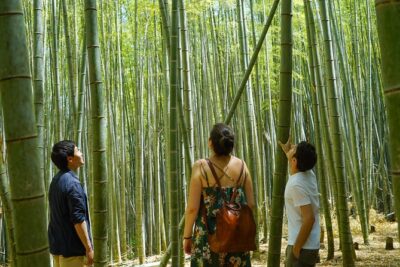
Fushimi Inari Hidden Hiking Tour (Private Option Available)
Read our review →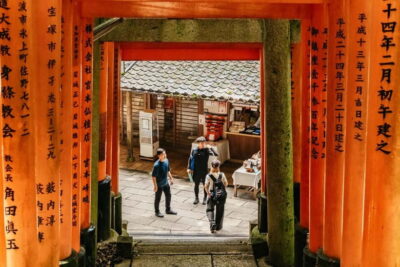
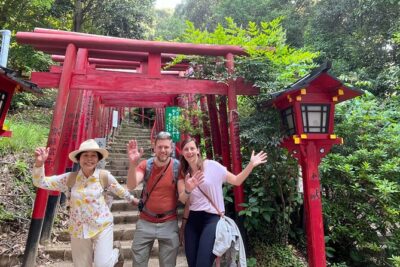
Hiroshima Local guided Hiking Tour&Open-air Tea Ceremony
Read our review →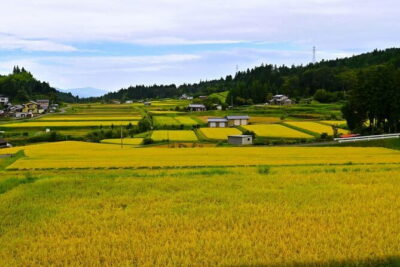
Hiking the Historic Nakasendo Trail [1 Day Tour from Nagoya]
Read our review →
Kyoto Hiking Tour: The Nature and Legends of Kurama and Kibune
Read our review →

Browse the lists this tour appears in