
Reviewed · HAKONE DAY TRIPS
Easygoing Nature Walk in Hakone Tour
Hakone is more than hot springs, lake views, and the usual mountain routes. This gentle nature walk takes you through wetlands, pampas grass, and forest-edge habitats where seasonal plants, birds, insects, and local wildlife are the main attractions. Guide Yoshi adds the local eye, pointing out details you could easily miss on your own.
I like two things right away: binoculars are provided for each person, and the group is limited to five. That makes it easier to stop for a bird, ask questions, or adjust the pace. The main consideration is weather. The tour needs good conditions, and even in fair weather you’ll want proper shoes, water, and rain protection.
Key points before you book
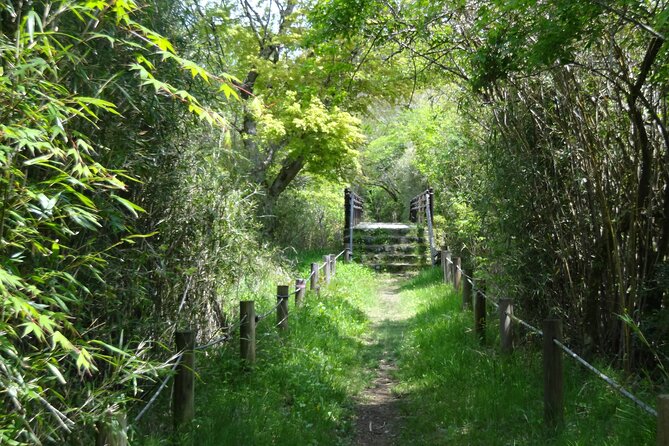
- A flat alternative to mountain hiking: Most of the walk focuses on relatively easy paths rather than steep climbs.
- Three very different settings: You’ll visit Hakone Botanical Garden of Wetlands, the Sengokuhara pampas grass fields, and Hakone Visitor Center.
- Yoshi is the key part of the experience: He covers Hakone’s plants, wildlife, geology, and history, and can help explain how to reach the meeting point from Tokyo.
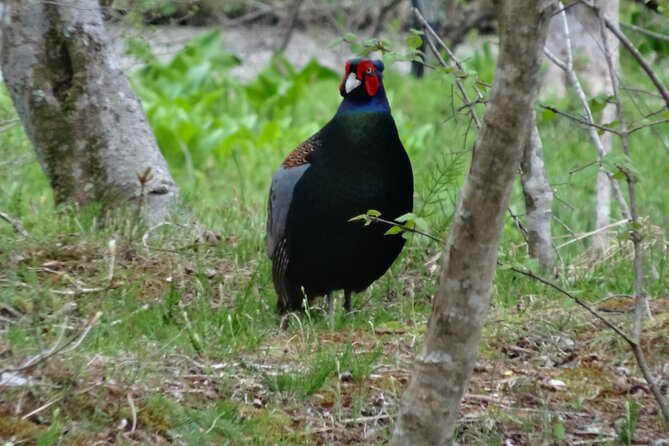
- Wildlife is possible, not promised: Expect seasonal plants and birdwatching, with a chance of seeing fish, insects, weasels, deer, foxes, or raccoon dogs.
- A practical end point: The walk finishes at Togendai Station, with buses, sightseeing boats, the ropeway, and taxis nearby.
- Good value for a small group: At $39.19 per person, the price includes the wetland garden ticket, binoculars, and an introductory handout.
A gentle way to see Hakone’s living side
Hakone often gets treated as a string of transport stops: train to Gora, cable car to the ropeway, boat across Lake Ashi, then back to the station. That route is useful, but it can make the area feel like scenery viewed through a window.
This experience slows things down. You walk through places where the details matter: a marsh plant growing in shallow water, a bird calling from cover, or a geological feature that makes more sense once Yoshi explains how Hakone was formed. You are not promised a parade of animals. You are given time and tools to notice what is already there.
The walk lasts about three and a half hours and begins at 9:00 a.m. The route is designed for nature lovers who want to avoid steep mountain hiking. It is still a walking tour, so you should be comfortable on outdoor paths, but the focus is on observation rather than exertion.
The small maximum of five people is important. Nature guiding works best when the group can stop quietly and listen. It also gives you room to ask about a plant, bird, or geological feature without holding up a large crowd.
Other hot-spring days out of Hakone:
- Hakone 6 hour Private Tour with Government-Licensed Guide
★ 5.0 · 218 reviews - Custom Private Tour in Hakone with a Certified Local Guide
★ 5.0 · 91 reviews - Hakone 8 hour Private Tour with Government-Licensed Guide
★ 5.0 · 63 reviews
The wetland garden: 1,700 plants in a compact start
The first stop is Hakone Botanical Garden of Wetlands, where the included admission covers your entry. The garden contains about 1,700 wild plants, including roughly 200 marsh plants. That variety gives the tour a strong beginning because Yoshi can introduce you to Hakone’s plant life in one organized setting before you continue into more open country.
This is not simply a flower garden arranged for decoration. The point is to understand wetland habitats and the plants adapted to them. Some species are seasonal, and some are associated with this part of Japan. The exact sights will change with the time of year, so you should expect a different experience in spring, summer, or autumn.
You’ll spend about an hour and a half here. That is a generous amount of time for a garden stop, but it makes sense if you enjoy close observation. You can use the handout to keep track of what you see, while Yoshi adds context about plant behavior, habitat, and local ecology.
The garden has also attracted attention from major botanical institutions, including Kew Gardens, and members of Japan’s imperial family have visited. That background is interesting, but the real value for you is more practical: this is a place where small plants are easy to see and discuss before you move on.
If your idea of nature is mainly dramatic mountain scenery, this stop may feel quiet. I see that as part of its purpose. You are learning to notice scale. A wetland plant or insect can be as interesting as a distant peak when someone shows you what makes it unusual.
Sengokuhara’s pampas grass fields and open views
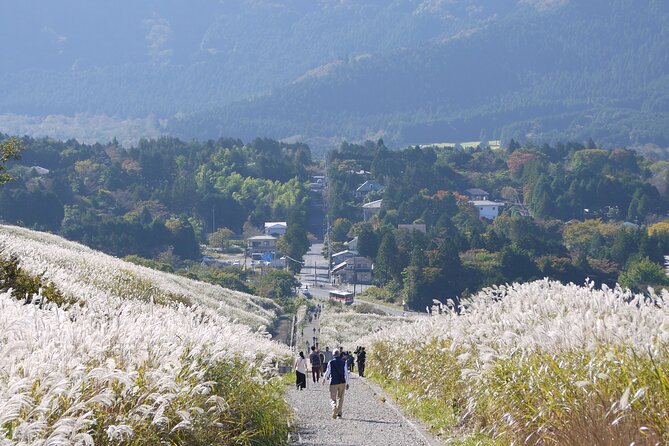
The second stop shifts the mood. Sengokuhara Susuki Grass Fields are open, spacious, and especially striking when the pampas grass catches the light. You’ll spend about 40 minutes here, taking in broad views across the Sengokuhara area.
Pampas grass has a practical place in Japanese rural life. It was once used for roof thatching and livestock feed, so this field is not just a pretty patch of grass. It reflects older ways of using the land, and it gives Yoshi a natural opening to discuss local customs and the relationship between people and the surrounding country.
This stop is likely to be the most immediately photogenic part of the walk. The grass changes character through the seasons, and the open setting gives you a break from the closer plant study at the garden. You may also appreciate the contrast between the soft grass and Hakone’s larger volcanic setting.
The drawback is that the grass field visit is fairly short. It is a scenic pause, not a long hike across the entire area. If you want a strenuous walk or a full-day route, this experience will feel too modest. If you want a calm stop with room to look around, the timing works well.
Hakone Visitor Center and the route toward Lake Ashi
The final stop is Hakone Visitor Center, where you’ll spend about an hour and 20 minutes. English introductory leaflets and short videos make this a useful stop for international visitors who want a clear introduction to Hakone’s natural setting.
The center also connects with trails around the area. That matters because the tour does not leave you at an isolated endpoint. It finishes at Togendai Station on the northern shore of Lake Ashi, a practical transport hub for continuing your day.
Togendai is served by public buses, sightseeing boats to the Hakonemachi and Motohakone areas, the ropeway toward Gora and Miyanoshita, and taxis. You can finish the nature walk and continue exploring without having to work out an entirely new base.
The Visitor Center stop may feel less wild than the garden or grass fields, but it gives the day a useful sense of place. You can connect what you saw outdoors with maps, short explanations, and information in English. For a first visit to Hakone, that extra context can help the area make sense.
Same base, a different sort of day:
- Private Tour – Hakone Day Trip! A Tour to Explore All Must-Sees!
★ 5.0 · 58 reviews - Private Hakone Half-day Car Tour with Hotel Pickup – Local Guide
★ 5.0 · 48 reviews - Hike Hakone Hachiri
★ 5.0 · 48 reviews - Hike Japan Heritage Hakone Hachiri with certified mountain guide
★ 5.0 · 46 reviews
What Yoshi adds to the walk
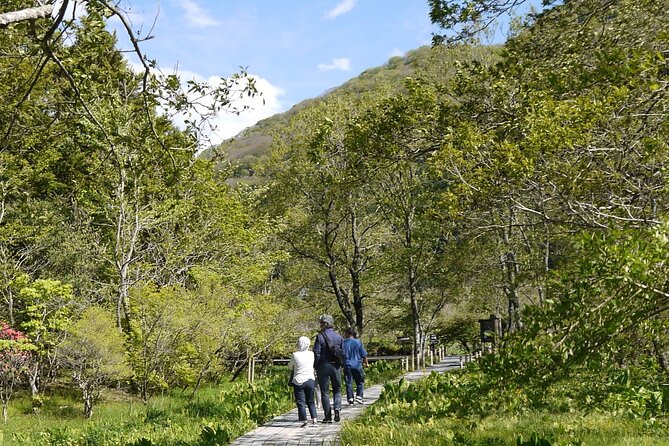
The guide is the main reason to choose this tour instead of visiting the three locations independently. Yoshi is a certified professional nature guide with a strong command of Hakone’s plants, birds, insects, fish, geology, and history.
You are not simply being led from one point to another. The tour is built around interpretation. Yoshi can help you understand why a plant grows in one place but not another, how to use the binoculars, and where to look for birds or distant geological features.
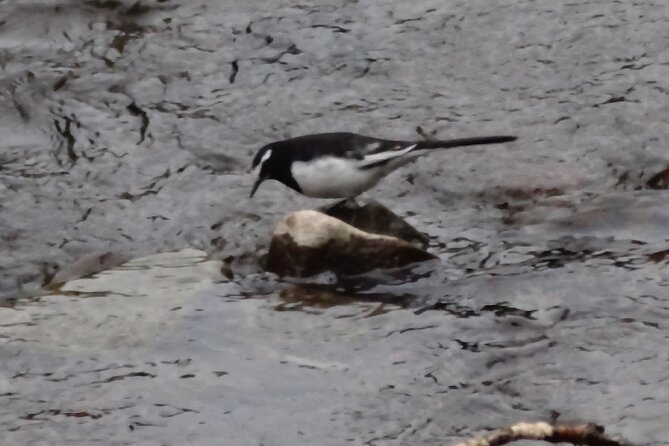
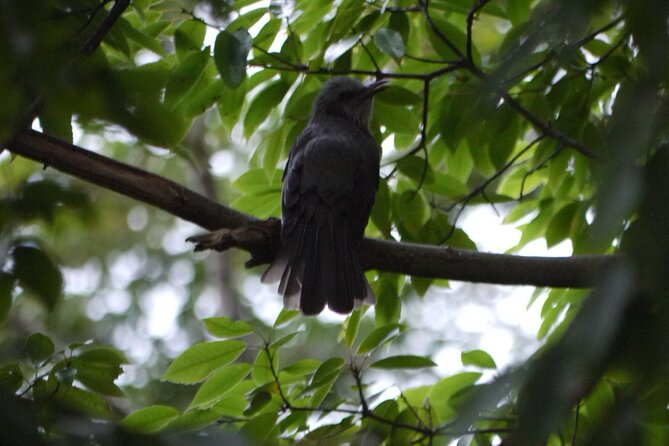
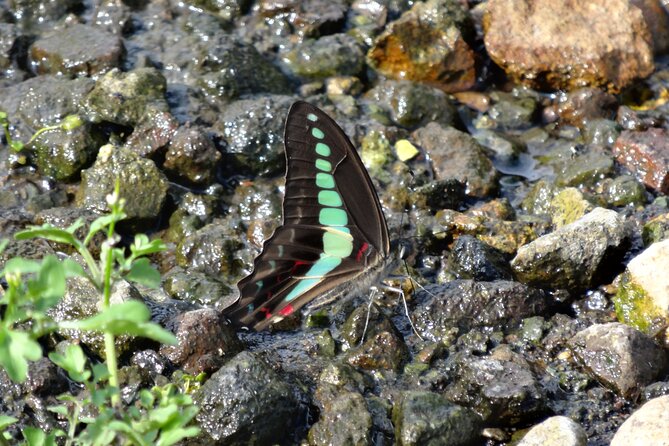
The binoculars are a smart inclusion. They give you a better chance of spotting wildlife without getting too close, and they help bring distant views into focus. You may see resident or migratory birds, insects, fish, and seasonal plants. Larger animals such as weasels, deer, foxes, and raccoon dogs are possible, but they should be treated as lucky sightings rather than expected stops.
Yoshi’s value also shows in the practical side of the tour. He has helped explain how to reach the meeting point from the Tokyo area, which can be useful if Hakone is part of a larger Japan trip. In wet weather, he can adjust parts of the route to make the outing easier, though the tour may be canceled if conditions are poor enough.
Price, group size, and what you receive
The price is $39.19 per person. For a three-and-a-half-hour guided experience, that is a fair price, especially because it includes admission to Hakone Botanical Garden of Wetlands, binoculars, and an introductory handout.
You are paying for more than entry tickets. The real value is the time and attention of a specialist guide in a group capped at five. A large group could make quiet wildlife spotting difficult. Here, you have a better chance to ask questions and pause when something catches your eye.
The price does not include private transportation, hiking shoes, an umbrella, or bottled water. You’ll need to arrange your own way to the wetland garden at 817 Sengokuhara and bring the basics for outdoor walking.
The walk ends at Togendai Station, which helps offset the lack of private transport. You can arrive by public transportation and continue from Togendai by bus, boat, ropeway, or taxi.
Who will enjoy this nature walk most
I would choose this tour if you like plants, birds, wildlife, or geology but do not want a demanding mountain hike. It also suits families with children who enjoy looking for creatures. The gentle pace and binoculars give children a job to do, and the short stops keep the day from becoming one long walk.
It is also a good fit for a first nature walk in Hakone. You do not need to arrive with a background in botany or birding. Yoshi supplies the explanations, and the different settings give you a broad introduction to the area.
Photographers may like the changing subjects: wetland plants at close range, open pampas grass, and distant views around Hakone. However, wildlife sightings cannot be guaranteed, and the tour is not designed as a dedicated wildlife photography outing.
You should think twice if you want steep trails, a fast pace, or a full day of hiking. You should also be ready for changing weather. The walk requires good conditions, and the route can be modified when rain makes certain sections less comfortable.
What to bring for a comfortable morning
The tour provides binoculars, but you should bring your own practical gear. Wear hiking shoes or sturdy sneakers, carry water, and pack an umbrella or rain jacket. These items are not included.
Dress for time outdoors rather than for a museum visit. Even a relatively flat route can feel tiring if your shoes are poor, and wet grass or rain can make ordinary footwear uncomfortable.
The 9:00 a.m. start gives you a full morning and early afternoon for other Hakone plans. Since the tour finishes at Togendai, you can continue by boat across Lake Ashi, take public transport toward other Hakone areas, or use a taxi.
Service animals are allowed, and the tour is near public transportation. Most people can participate, but you should still consider your comfort with several hours outside and walking between the three main stops.
My take: book it for insight, not animal guarantees
I recommend this tour if you want to understand Hakone’s nature rather than simply photograph its famous sights. The combination of the wetland garden, pampas grass fields, and Visitor Center gives you three different views of the area, while Yoshi supplies the local detail that is hard to gain on your own.
The strongest features are the small group, included binoculars, and the guide’s broad knowledge of nature and local history. The main limitation is that wildlife is unpredictable. You may see birds, insects, fish, and unusual plants, but a fox or deer would be a bonus, not part of the schedule.
At $39.19, the tour offers good value for a half-day introduction to Hakone’s natural side. Book it if you prefer a calm, observant walk and authentic local explanation. Skip it if you are looking for a challenging hike or a guaranteed wildlife encounter.
FAQ
How long does the Hakone nature walk last?
The experience lasts approximately 3 hours and 30 minutes, beginning at 9:00 a.m.
Where does the tour start?
The tour starts at Hakone Botanical Garden of Wetlands, 817 Sengokuhara, Hakone, Kanagawa 250-0631, Japan.
Where does the tour finish?
The tour ends at Togendai Station on the northern shore of Lake Ashi.
Are binoculars included?
Yes. Binoculars are provided for each person, along with an introductory handout.
Is transportation included?
No. Private transportation is not included. You are responsible for reaching the starting point and arranging any transportation during or after the tour.
What happens if the weather is poor?
The experience requires good weather. If it is canceled because of poor conditions, you will be offered a different date or a full refund. You can cancel for a full refund if you do so at least 24 hours before the start time.
Just added in Hakone
- Traverse Outer Rim of Hakone Caldera and Enjoy Onsen Hiking Tour★ 5.0 · 30 reviews
- Private Hakone Half-day Car Tour with Hotel Pickup – Local Guide★ 5.0 · 48 reviews
- Hike Hakone Hachiri★ 5.0 · 48 reviews
- Hike Japan Heritage Hakone Hachiri (Half Day)★ 5.0 · 18 reviews
- Hike Japan Heritage Hakone Hachiri with certified mountain guide★ 5.0 · 46 reviews
- Odawara: Guided Ninja & Samurai Tour of Odawara Castle★ 5.0 · 25 reviews
- Odawara: Odawara Castle Tenshukaku Entrance Ticket★ 4.2 · 30 reviews
- Kowakien Yunessun Hot Springs Entry Ticket★ 4.2 · 23 reviews
Hakone Day Trips, compared.
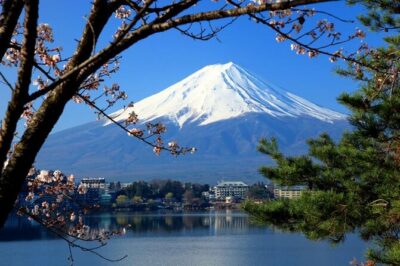
Mt Fuji and Hakone 1-Day Bus Tour Return by Bullet Train
Read our review →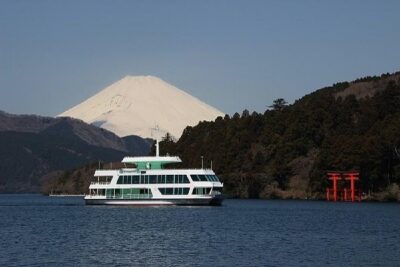
Mt Fuji & Hakone Cruise, Drum Show Bullet Train 1 Day from Tokyo
Read our review →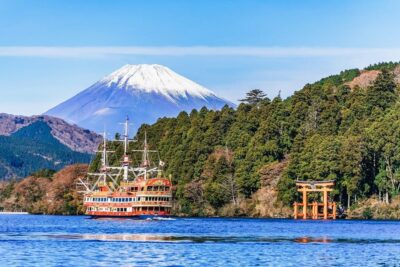
Tokyo Mt Fuji 5th St & Hakone Cruise Bus Tour w/Bullet Train
Read our review →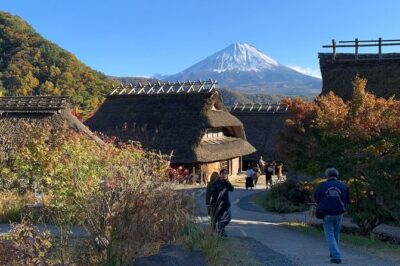
Private Tour to Mt. Fuji and Hakone (Fully Licenced Operator)
Read our review →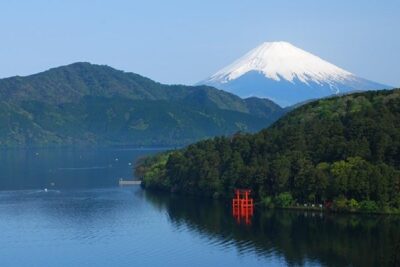
Mt Fuji & Hakone Cruise, Drum Show Bus 1 Day from Tokyo
Read our review →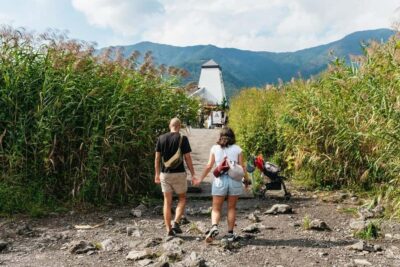
Mt. Fuji, Kamakura, Big Buddha, & Lake Ashi Day Trip
Read our review →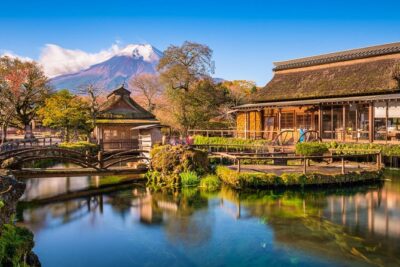
Mt. Fuji & Hakone Private Day Tour with English-Speaking Driver
Read our review →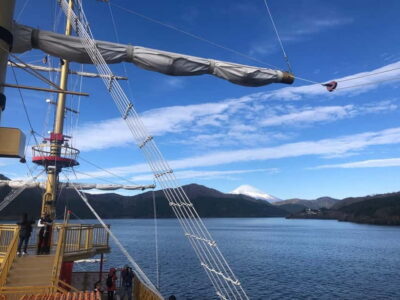
Hakone Fuji Day Tour w/ Cruise, Cable Car, Volcano
Read our review →Browse the lists this tour appears in