
Reviewed · HAKONE DAY TRIPS
Hakone 8 hour Private Tour with Government-Licensed Guide
Hakone is at its best when you mix its volcanic scenery with small cultural stops, and this private eight-hour tour lets you choose the balance. You might ride the Ropeway over steaming Owakudani, visit Hakone Shrine, taste the famous black eggs, or spend more time in an art museum. Guides such as Yoshi, Hide, Ryuta, and Fumiko have been praised for adjusting the day to suit families, weather, and personal interests.
I like the freedom to choose four or five sights instead of being dragged through every stop on a fixed schedule. I also like the local help with buses, boats, cable cars, restaurant choices, and even practical errands such as finding a pharmacy or catching a train.
The main catch is that this is described as a walking tour, not a chauffeured tour. Transport fares, admission fees, lunch, and the Hakone Freepass are extra, and crowded transport can eat up a large part of the day if the route is not planned carefully.
Key points at a glance
- Choose your own Hakone: Pick four or five places from a long list of shrines, museums, gardens, volcanic sites, and scenic stops.
- Private English-speaking guide: Only your group takes part, with a government-licensed local guide assigned to lead the day.
- Owakudani’s black eggs: See Hakone’s volcanic side and try eggs boiled in the area’s geothermal waters.
- Flexible transport planning: Cable cars, the Ropeway, trains, buses, and the Lake Ashi boat can form part of the day, but you pay the fares.
- Good in changing weather: Guides have shifted plans toward museums, shaded paths, or indoor stops when rain and heat made the original plan less comfortable.
- A full day for limited time: The tour can help you connect far-flung Hakone sights, though timing matters during crowded periods.
Why a private day helps in spread-out Hakone
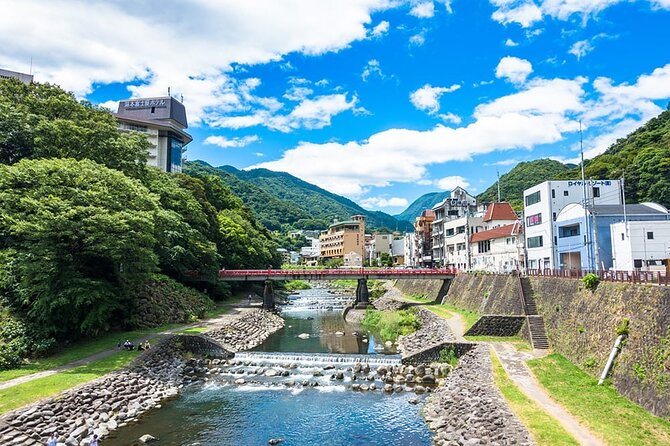
Hakone is not one compact sightseeing district. Its sights are scattered between Lake Ashi, the Gora hillside, Sengokuhara, and the Owakudani volcanic zone. The famous circuit uses several types of transport, including trains, cable cars, the Ropeway, buses, and a boat across Lake Ashi.
That makes a private guide useful for more than historical commentary. You can ask for help choosing an order, finding the right station, understanding local transport, and trimming the plan when queues grow. Several guides have helped with restaurant choices, station connections, luggage, and even a pharmacy stop.
The tour is built around four or five selected sites, not all sixteen places listed as possible stops. That is a strength. A day that includes the Open-Air Museum, Owakudani, the Ropeway, and Lake Ashi may feel full already. Trying to add several more museums and temples can turn the day into a race.
At roughly $201.46 per person, the value depends heavily on your group size and priorities. You are paying for a private licensed guide and planning help, not a vehicle or an all-inclusive day. For a family or small group that wants personal attention, the price can make sense. For a solo visitor mainly seeking transport, it may feel expensive once fares and entry tickets are added.
Other hot-spring days out of Japan:
- Mt Fuji and Hakone 1-Day Bus Tour Return by Bullet Train
★ 5.0 · 26,383 reviews - Mt Fuji & Hakone Cruise, Drum Show Bullet Train 1 Day from Tokyo
★ 4.0 · 7,413 reviews - Tokyo Mt Fuji 5th St & Hakone Cruise Bus Tour w/Bullet Train
★ 4.4 · 5,024 reviews
Start with the route, not the wish list
Before the day begins, be clear about what matters most. The available choices cover several different Hakone experiences:
- volcanic scenery and black eggs
- Lake Ashi views and Hakone Shrine
- art museums
- gardens and seasonal flowers
- Zen temples
- the old Tokaido route and cedar-lined walking
- cable cars, the Ropeway, and the boat circuit
- hot spring or onsen time, if arranged as part of your plan
This is where the guide’s local judgment matters. A family with children may prefer the Ropeway, boat, black eggs, and Open-Air Museum. An art-minded couple could focus on the Hakone Museum of Art, Pola Museum, Okada Museum, or Hakone Open-Air Museum. A person interested in quiet scenery might favor Choanji Temple, Sengokuhara, Gora Park, or a section of the old road.
Start times are offered in the morning, giving you some control over the day’s pace. Earlier is generally the safer choice if you want to combine major transport links, though the exact plan should be discussed with your guide. One disappointing experience involved long waits on transport and a difficult bus return, a useful warning that a pretty route can become tiring when the timing is poor.
Lake Ashi and Hakone Shrine: the classic opening
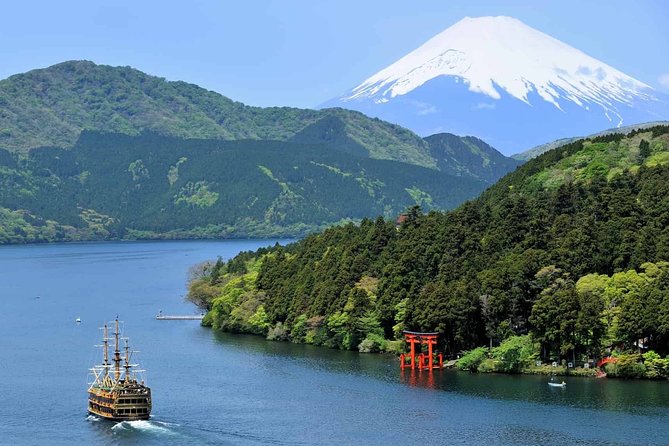
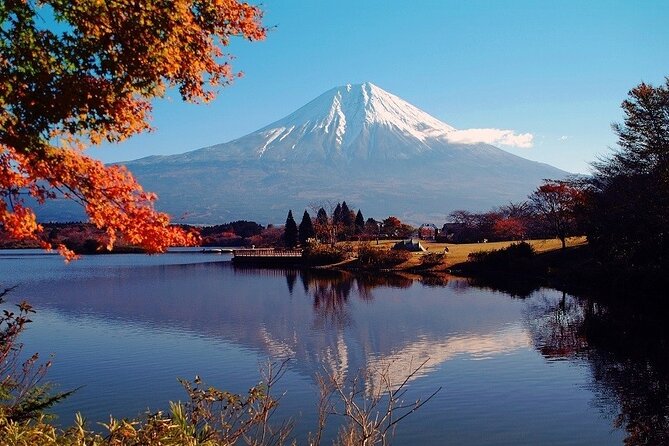
Lake Ashi, also called Ashinoko, sits in the old Mount Hakone caldera. It is the postcard image of the area, especially when Mount Fuji appears behind the water. Fuji is not guaranteed, however. Several well-planned days had clouds or rain, and even strong guides could not change that.
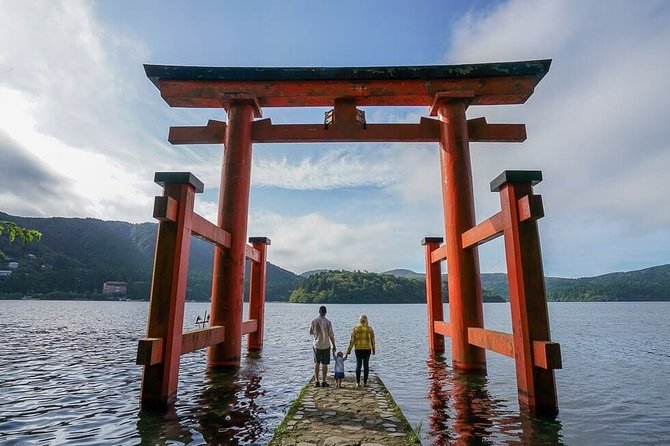
The lake is also the setting for Hakone Shrine, whose red torii gate in the water has become one of the area’s best-known photo spots. The shrine itself is a quieter place of worship in a forested setting, with more than twelve centuries of religious history. The buildings have been destroyed and rebuilt more than once.
Allow more than a quick photo if the torii gate is important to you. One account described a 30-minute wait for a picture, and the line may not fit comfortably into a packed day. Your guide can help decide if the shrine is worth the time on your chosen date.
The Lake Ashi boat is another popular option. One family enjoyed riding the pirate-style vessel, going onto the deck, and taking in the water and mountain views. It is a scenic ride, but it uses time and costs extra. If your group is made up of adults who prefer museums or walking, ask your guide if the boat deserves a place in the plan.
Owakudani: Hakone’s volcanic side
Owakudani gives the day a sharp change of mood. Instead of quiet water and shrine gates, you get an active volcanic area with geothermal steam and the smell of sulfur. The valley helps power nearby hot springs and is famous for black boiled eggs.
The eggs are cooked in the area’s volcanic waters, and local tradition says eating one adds seven years to your life. The tour can turn this simple snack into a useful lesson in local geology and food customs. One guide also explained the chemistry behind the eggs, a small detail that can make the stop more memorable.
The standard Owakudani visit is brief, listed at about 15 minutes, so it works well as part of a wider route. The Owakudani Nature Study Path is a different matter. It takes about 40 minutes, requires advance reservation, and has an entrance fee of 800 yen. Choose it only if volcanic activity is a main reason for your visit and you are willing to give it a larger share of the day.
Conditions can affect access and views, so ask about the current situation before setting your route. The volcanic area is one of Hakone’s most distinctive sights, but it should not be treated as a guaranteed Fuji-viewing point.
Other tours with a licensed guide in Japan:
- Tokyo 6hr Private Tour with Government-Licensed Guide
★ 5.0 · 3,902 reviews - Tokyo 4hr Private Tour with Government-Licensed Guide
★ 5.0 · 1,394 reviews - Kyoto 6hr Private Tour with Government-Licensed Guide
★ 5.0 · 1,369 reviews - Hiroshima / Miyajima Full-day Private Tour with Government Licensed Guide
★ 5.0 · 1,298 reviews
The Ropeway and Hakone’s famous round route
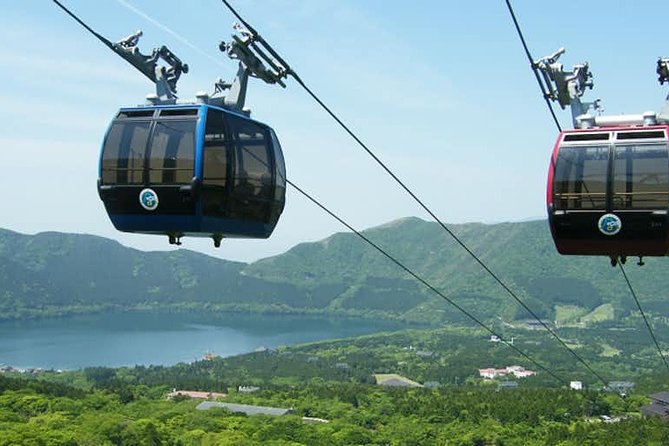
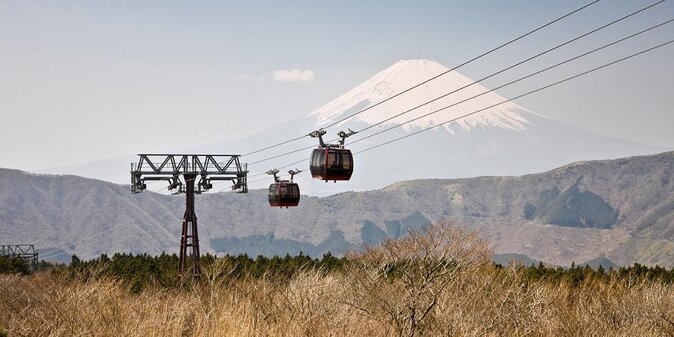
The Hakone Ropeway links Sounzan with Togendai and forms part of the area’s well-known circuit. It gives you a high view across the mountains and the volcanic zone, with a very different feel from the lake boat and shrine.
One highly praised family day combined the Gora cable car, Ropeway, Owakudani, the black eggs, the Lake Ashi boat, and a return cable-car ride. This is the sort of sequence the tour can make easier, especially when someone in the group needs a slower pace or a rest.
The catch is cost and crowding. Ropeway tickets are not included, and the same applies to the other transport used in the circuit. You also cannot assume that a private guide means private transport. This is a walking tour with an on-foot meeting and no vehicle supplied.
A guide can help you choose the right connections, but cannot remove every line. Build in breathing room. If the day is too tightly packed, you may see more stations than sights.
Gora’s art, gardens, and easy cultural stops
Gora is a practical base for art and gardens. The Hakone Open-Air Museum spreads sculpture through a large outdoor setting and combines art with mountain scenery. It is Japan’s first open-air museum and can easily fill more than a quick stop, especially if you want time for the works rather than a fast walk past them.
The Hakone Museum of Art offers Japanese art and a garden setting. Gora Park is a smaller, western-style garden on the slope above Gora Station, useful when you want a quiet pause between transport connections.
The Pola Museum of Art presents a private collection in a modern museum setting. The Okada Museum of Art covers works from antiquity through the modern period and is listed with a longer 30-minute visit. The Hakone Venetian Glass Museum has Italian-style buildings, a museum, shops, and a garden around a canal-like pond.
These are not interchangeable stops. Ask your guide to match the museum to your interests instead of choosing by name alone. If rain arrives, an art museum can rescue the day. One guide shifted the plan toward an indoor museum during cold, heavy rain, then returned to outdoor sights when conditions improved.
Sengokuhara, Choanji, and the quieter side of Hakone
Sengokuhara is known for its field of pampas grass, especially in autumn. It is a seasonal stop, so its appeal depends on timing and weather. The open field offers a change from museum interiors and transport stations, but it may not be the best use of time in heavy rain.
Nearby Choanji Temple belongs to the Soto school of Zen Buddhism. Founded in 1356, it sits in a quiet area at the base of a hill and has a small collection of stone figures. It is a good choice if you want a calmer religious site rather than a major photo stop.
The Hakone Botanical Garden of Wetlands, or Hakone Shisseikaen, protects plants found in the highlands of Fuji Hakone Izu National Park. It suits people who prefer gardens and plants to large museums. The Dollhouse Museum offers a more unusual subject, with old dollhouses from around the world.
These smaller stops are where customization can pay off. A standard sightseeing circuit tends to favor the most famous transport and photo points. A private guide gives you a better chance to build a day around a specific interest.
What the guides add to the day
The strongest part of this experience is the human element. Guides named in the feedback include Yoshi, Hide, Ryuta, Fumiko, Hiro, Atsushi, Shuji, Yukie, Mackie, Toshio, Ami, Kappa, and Coco. The assigned guide may differ, but the service is designed around a licensed local English-speaking guide.
Yoshi has been praised for answering questions about culture, history, and social customs, as well as helping with a pharmacy stop and transport. Hide has handled a mixed-age family with patience, helping one person rest at a café while the others visited a temple. Yukie met a family at its ryokan, helped with lunch, and escorted them to the station afterward.
Weather planning is another useful skill. Guides have shifted routes during rain, cold, and extreme heat. One group chose shaded portions of the old Tokaido path on a 95°F day. Another used a museum as a shelter before continuing outside.
The service is not perfect every time. One guide was difficult for a customer to understand and walked too far ahead. Another was criticized for limited local information. The practical lesson is simple: confirm your interests in advance, ask for a realistic route, and speak up if the pace is too fast.
Food, onsen, and small local moments
Lunch is not included, but the guide can help you choose a restaurant and work through a Japanese menu. One family enjoyed a meal that included freshly grated wasabi, followed by matcha shaved ice at a 400-year-old tea house.
A private day can also include onsen time if you request it and the schedule allows. One visitor found an outdoor bath a welcome finish after a long day. Since bathing facilities have their own rules and fees, ask early rather than treating an onsen stop as an automatic part of the tour.
These details show why the tour can be worth more than a simple sightseeing checklist. You get help with the small decisions that are harder to manage when you are tired, unfamiliar with Japanese food, or trying to connect several transport systems.
What is included, and what will cost extra
The price includes the licensed local English-speaking guide and the custom plan for four or five selected sights. The meeting is on foot within the designated Hakone area.
You pay separately for:
- trains, buses, boats, cable cars, and the Hakone Ropeway
- museum and garden admissions
- lunch and snacks
- personal purchases
- the Hakone Freepass
- the 800-yen Owakudani Nature Study Path, which also requires advance reservation
No private vehicle is included. You also cannot combine separate tour groups, so this is intended for your own party only.
Free cancellation is available until 24 hours before the local start time. Changes or cancellations inside that window are not accepted for a refund.
Who should book this Hakone tour?
I would choose this tour if I had one full day in Hakone and wanted help fitting several different sights together. It is especially useful for families, older relatives, mixed-interest groups, and anyone who wants to ask questions throughout the day rather than follow a large group.
It is also a good match if you care about a specific theme, such as Japanese art, volcanic geology, gardens, temples, food, or hot springs. The guide can help you avoid spending the whole day on sights that do not interest you.
I would hesitate if you want a private car, dislike public transport, or expect every ticket to be bundled into the price. I would also avoid an overstuffed plan. Four or five well-chosen stops will usually make a better day than trying to visit every museum, garden, and transport attraction listed.
Should you book it?
Book it if personal planning and local help matter more to you than an all-inclusive price. The best use of the day is a carefully balanced route, perhaps Owakudani and the Ropeway with Lake Ashi, or an art-focused plan around Gora.
Before booking, send your guide a short priority list and mention mobility needs, children, weather concerns, lunch preferences, and whether you want a boat, onsen, or longer walk. If you accept the extra fares and the fact that this is not a vehicle tour, the experience can turn a complicated Hakone day into a much more manageable one.
FAQ
How long does the Hakone private tour last?
The tour lasts approximately eight hours and offers several morning start times.
How many sights can I choose?
The custom plan includes four or five sites chosen from the available Hakone attractions.
Is transportation included?
No. Transportation fees are not included, and no private vehicle is provided. The experience is described as a walking tour with an on-foot meeting point, though your route may use Hakone trains, buses, boats, cable cars, or the Ropeway at your own expense.
Are admission tickets included?
No. Entrance fees for museums, gardens, and other paid attractions are extra. The 800-yen Owakudani Nature Study Path also requires advance reservation.
Is the Hakone Freepass included?
No. You must arrange and pay for the Hakone Freepass separately if you decide to use one.
Can I cancel for a full refund?
Yes, if you cancel at least 24 hours before the experience starts, based on local time. Cancellations or changes made less than 24 hours before the start time are not accepted for a refund.
Just added in Japan
- 1 Day Tour: Snow Monkeys & Snow Fun in Shiga Kogen★ 5.0 · 52 reviews
- From Matsumoto/Nagano: Nakasendo Trail Walking Tour★ 4.9 · 33 reviews
- Private Fukuoka Tour with a Local, Highlights & Hidden Gems 100% Personalised★ 5.0 · 143 reviews
- Nagasaki Half-Day Private Tour with Government-Licensed Guide★ 5.0 · 53 reviews
- Best of Himeji Castle: 3hr Tour with Licensed Guide★ 5.0 · 186 reviews
- Custom Private Tour in Hakone with a Certified Local Guide★ 5.0 · 91 reviews
- [Otaru & Yoichi] Let’s go to Otaru Canal, Sakaimachi Street, Music Box Hall, and Yoichi Nikka Whiskey by private car (arriving and departing from Sapporo)★ 5.0 · 21 reviews
- Daikoku & Tokyo Private JDM Tour by 700HP R34 GT-R★ 4.9 · 101 reviews
Hakone Day Trips, compared.
Mt Fuji and Hakone 1-Day Bus Tour Return by Bullet Train
Read our review →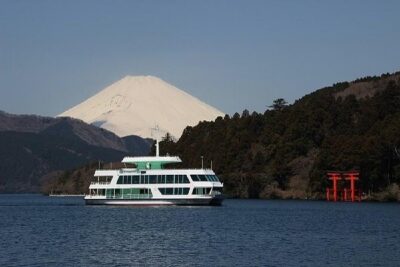
Mt Fuji & Hakone Cruise, Drum Show Bullet Train 1 Day from Tokyo
Read our review →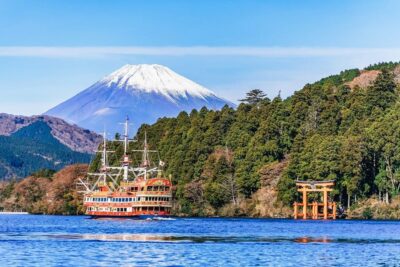
Tokyo Mt Fuji 5th St & Hakone Cruise Bus Tour w/Bullet Train
Read our review →
Private Tour to Mt. Fuji and Hakone (Fully Licenced Operator)
Read our review →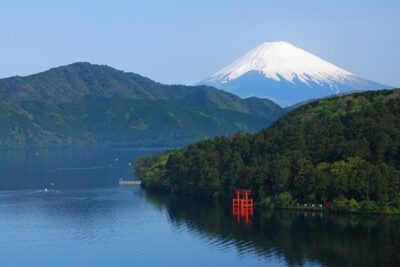
Mt Fuji & Hakone Cruise, Drum Show Bus 1 Day from Tokyo
Read our review →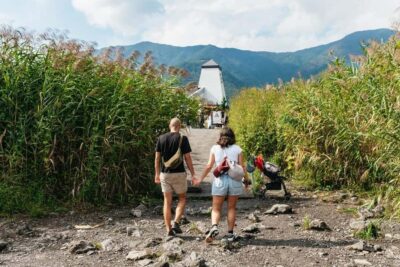
Mt. Fuji, Kamakura, Big Buddha, & Lake Ashi Day Trip
Read our review →
Mt. Fuji & Hakone Private Day Tour with English-Speaking Driver
Read our review →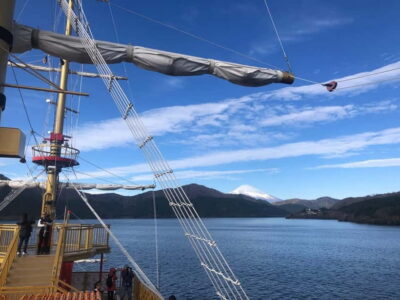
Hakone Fuji Day Tour w/ Cruise, Cable Car, Volcano
Read our review →Browse the lists this tour appears in