
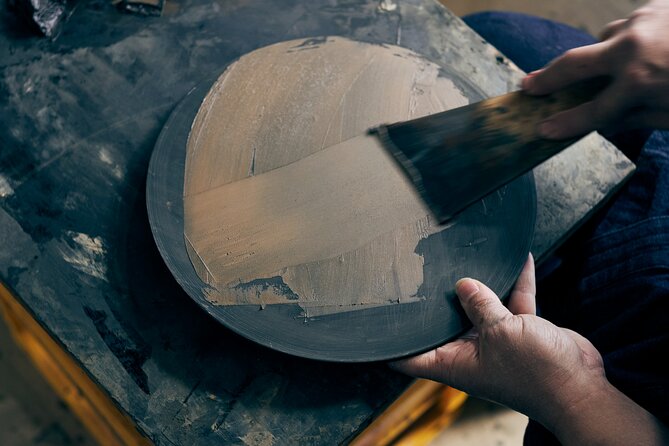
Reviewed · HIROSHIMA & MIYAJIMA DAY TRIPS
Hiroshima:Private lacquer workshop experience tour(gift included)
Hiroshima’s lacquer tradition comes alive in a small studio where artist Naoya Takayama explains how Buddhist altar craftsmanship is being adapted for everyday tableware. You learn the story, watch the technique, and then try lacquer painting yourself. The hands-on work and the chance to see award-winning pieces make this more than a standard craft demonstration.
I like the direct connection with Hiroshima’s Buddhist altar tradition, and I like that the session does not treat craft as a museum relic. You also receive a work made by the instructor, a useful reminder of the visit rather than a generic souvenir. The possible drawback is the price: at $287.41 per person for about two hours, this is a premium activity best suited to people who care deeply about art, Japanese craft, or small-group instruction.
Key points to know before booking
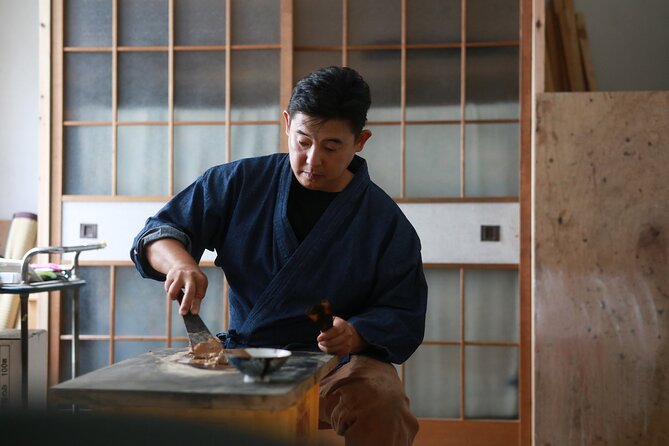
- Meet artist Naoya Takayama: Learn from a lacquer specialist whose work has received awards and was chosen as a G7 Summit gift.
- Try lacquer painting yourself: The session includes practical work, not only a talk or studio visit.
- See Buddhist altar craftsmanship in a new setting: The traditional methods are connected to tableware used in daily life.
- Keep an artisan-made gift: A piece made by the instructor is included in the price.
- Small group of up to six: This format should allow a more personal look at the tools, materials, and techniques.
- Plan for two hours at 2-17 Horikawachō: The activity begins and ends at the same Hiroshima meeting point.
Why Hiroshima lacquer makes this workshop special
This experience focuses on urushi, the natural lacquer used in Japanese craft. Here, that work is tied to Hiroshima Buddhist altars, an important local tradition that requires patience, precision, and a polished eye for surface texture.
Naoya Takayama learned traditional Kyoto lacquer painting techniques and later developed his own approach. He also uses the roiro, or wax color, technique to produce pieces with a distinctive finish. That combination matters because you are not only seeing an old method repeated. You are seeing an artist work within a tradition while finding new uses for it.
The workshop also addresses a practical problem facing traditional crafts: decline. You hear about the techniques, the ideas behind them, and the challenge of keeping this kind of work alive. That discussion gives the painting session more weight. Your small piece of hands-on work becomes part of a larger question: how can a demanding craft remain useful and valued today?
Other long days west of Hiroshima:
- Peaceful Hiroshima & Miyajima UNESCO 1 Day Bus Tour
★ 5.0 · 5,309 reviews - Hiroshima: Hiroshima and Miyajima UNESCO Sites 1-Day Tour
★ 4.9 · 2,330 reviews - Hiroshima / Miyajima Full-day Private Tour with Government Licensed Guide
★ 5.0 · 1,298 reviews
Meeting Naoya Takayama and seeing the studio work
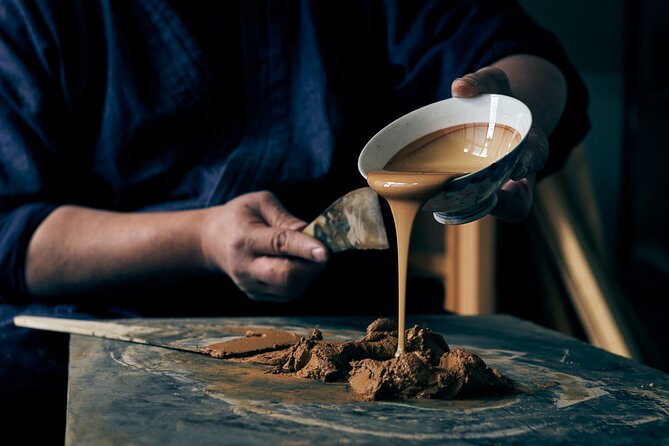
The session takes place with Naoya Takayama, an artist who inherited traditional skills and the spirit of the company founded by Kiyoshi Takayama. The information provided does not promise a long tour of a large workshop, so you should expect a focused studio encounter rather than a full factory visit.
That is a good fit for a two-hour activity. You can concentrate on the details of lacquer work instead of spending much of the time moving between rooms. The small maximum group of six should also help you see the demonstration and ask questions without competing with a crowd.
Takayama’s background adds useful context. He studied Kyoto lacquer painting, then refined his skills and incorporated the roiro technique into original pieces. His works have received awards and were selected as gifts for the G7 Summit. Those honors do not replace the value of seeing the work up close, but they help explain why this is a specialist-led workshop rather than a casual souvenir-making class.
A guide named Michi is also associated with the experience. One detailed account praised Michi’s kindness and professional manner, so you may have support from a guide as well as instruction from the craft artist.
Understanding Buddhist altar craftsmanship
One of the first parts of the session covers the origins and techniques of Hiroshima’s traditional Buddhist altar craft. This is important preparation. Without it, lacquer painting could feel like a pretty surface exercise. With it, you can see how the materials, finish, and careful handling connect to religious furnishings and local workmanship.
The craft has a history shaped by specialized skill. The exact sequence of every lacquer step is not specified, so you should not expect a technical apprenticeship in two hours. Instead, the workshop offers an introduction to the process and the thinking behind it.
I like this approach because it gives you a way to look at lacquerware after you leave Hiroshima. You may notice the smoothness of a finished surface, the depth of color, or the difference between a factory-made coating and work shaped by hand. The session is short, but it gives you a useful lens for seeing Japanese craft elsewhere.
From Buddhist altars to everyday tableware
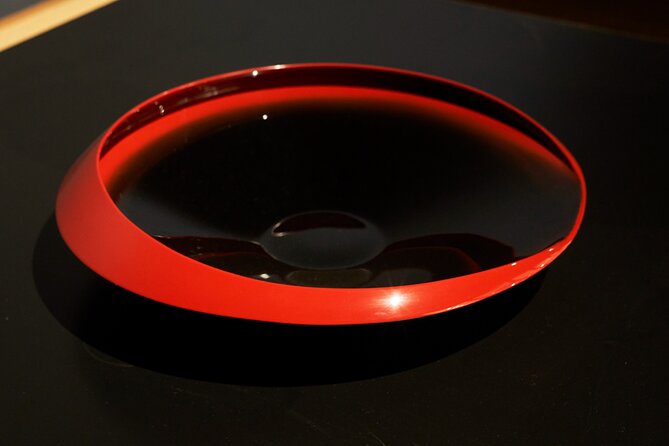
Takayama’s work applies altar-making skills to tableware used in daily life. That shift is central to the experience. It shows how a traditional craft can move beyond formal or religious objects and become part of ordinary routines.
The tableware uses natural materials and aims for a refined lacquer texture. You are not simply looking at decorative objects. You are seeing how the artist tries to make traditional craftsmanship practical for modern use.
This also gives the discussion about craft decline a clear purpose. If old techniques are used only for special objects that few people buy, they can become difficult to sustain. Applying them to daily tableware creates another path, though the price of handmade work remains a consideration.
The pieces may appeal to you if you prefer objects with visible human labor and a clear connection to place. If you mainly want a quick, inexpensive souvenir, the workshop will probably feel costly. The experience is built around process and craft value, not bargain shopping.
Same base, a different sort of day:
- Hiroshima Historical Walking Tour – Why A-Bomb was Dropped
★ 4.8 · 893 reviews - Hiroshima Peace (Heiwa) Walking Tour at World Heritage Sites
★ 5.0 · 872 reviews - Hiroshima in a Nutshell: Morning Bike Adventure
★ 5.0 · 524 reviews - Hiroshima City 4hr Private Walking Tour with Licensed Guide
★ 5.0 · 437 reviews
The lacquer painting session
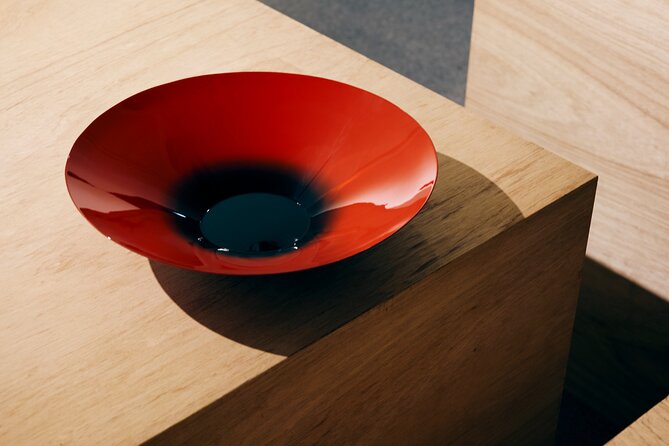
The hands-on section is the heart of the visit. After learning about the tradition and seeing Takayama’s work, you get to try lacquer painting yourself. The available information does not specify the exact item you paint, the design choices, or how long the practical portion lasts, so you should keep your expectations flexible.
What is clear is that you are not limited to watching. You use some of the techniques under instruction, which makes the work easier to understand. Lacquer can look simple when viewed on a finished surface. Trying even a small part of the process shows why skilled craftsmen spend years refining control, timing, and finish.
A two-hour session cannot turn you into a lacquer artist. It can, however, give you a better feel for the patience and precision involved. I find that this kind of short practical work often stays with you longer than a demonstration alone, because your hands become part of the lesson.
You should also remember that natural lacquer is a serious craft material, and the provided information does not explain every safety or handling detail. Follow the instructor’s directions closely and ask questions if you are unsure about any step.
What the included gift adds
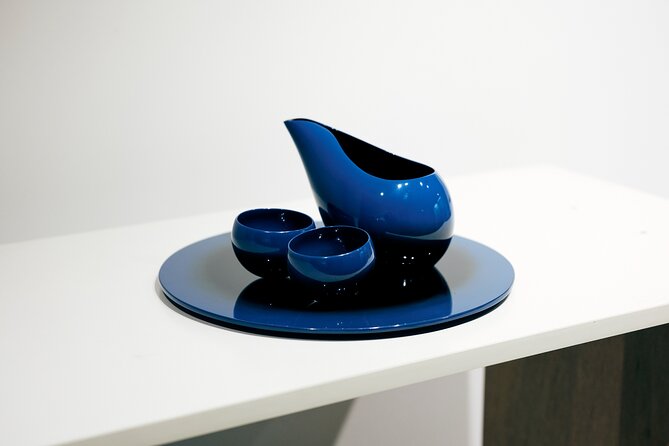
The instructor provides a gift made by the artist. This is one of the strongest practical benefits of the booking, especially at a premium price.
The gift is not the same as taking home the piece you paint, since the details do not say that your own work becomes the final souvenir. You should think of it as a separate artisan-made keepsake that gives you a finished example of the craft.
That distinction matters. Your painted piece represents your attempt and the lesson. The instructor’s gift shows the level of finish that a trained artist can achieve. Keeping both, if your painted item is included for you, would give you a useful comparison between practice and professional work. The exact format of the gift is not specified, so confirm details if its size or type is important to your packing plans.
How much value do you get for $287.41?
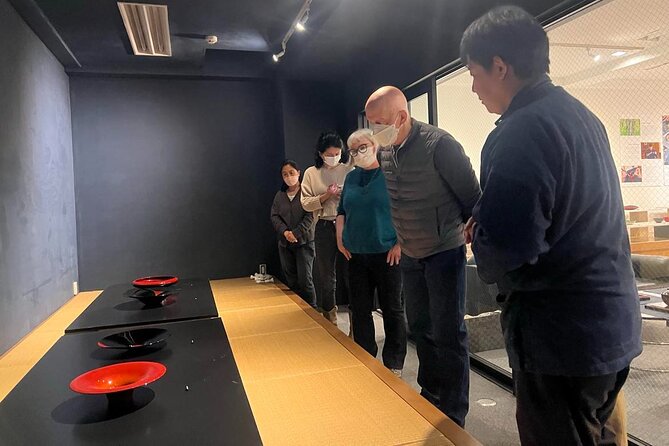
At $287.41 per person, this is expensive for a two-hour activity. The cost is easier to justify if you value private-feeling instruction, access to a recognized craft artist, a small group, and an artisan-made gift.
The group limit of six is important here. You are not paying for a large class where the instructor must rush from person to person. The format should give you a better chance to see the demonstration and take part in the technique.
The artist’s awards and G7 Summit connection add credibility, but they should not be your only reason to book. The real value is the combination of local craft context, direct instruction, hands-on work, and the finished gift.
I would compare this price with other special-interest activities in your Hiroshima schedule. If you already plan to spend on food tours, private guides, or high-end craft shopping, this may fit your budget. If your Japan trip is built around low-cost sightseeing, the workshop could feel out of proportion to its length.
The experience has received a 5 out of 5 rating from 13 published ratings, with 100 percent recommending it. The strongest praise centers on the stunning lacquer work, the chance to try techniques, the welcoming studio setting, and the quality of the cultural and artistic insight. Those points match what the activity is designed to provide.
Timing, location, and group size
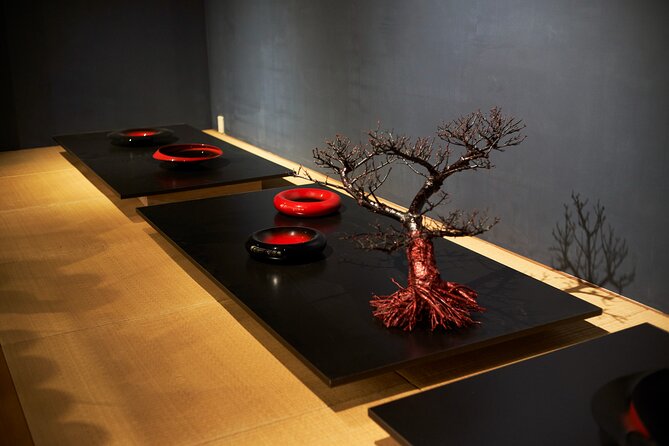
The activity lasts about two hours and starts at 2-17 Horikawachō, Naka Ward, Hiroshima, postal code 730-0033. It ends back at the same meeting point, so you do not need to arrange a separate return transfer through the activity.
The location is near public transportation, which makes it practical to fit into a Hiroshima sightseeing day. Still, allow enough time to reach the meeting point without rushing. A craft session benefits from arriving calm and ready to listen, especially if the start time is fixed.
A mobile ticket is accepted, and confirmation is provided when you book. Most people can participate according to the supplied information. The group maximum is six, a useful detail if you prefer quieter instruction or want to avoid a large commercial class.
The meeting point format also makes planning easier. You can pair the workshop with other Hiroshima activities before or after it, but keep in mind that the session ends where it begins and lasts approximately two hours. The exact amount of time spent on each section may vary.
Who will enjoy this most
I would recommend this workshop to you if you have a strong interest in Japanese art, natural materials, traditional techniques, or the future of local craft. It is particularly suitable if you want more than photographs and sightseeing stops.
It also works well for people who like meeting specialists. Naoya Takayama’s background gives the experience a personal focus, and the small group keeps the subject from feeling like a general cultural lecture.
Families and mixed-interest groups may find it less predictable. The activity is not described as a children’s class, and the price may be hard to justify for someone who has little interest in lacquerware. Most participants can take part, but the practical details do not specify special accessibility arrangements.
Art students, designers, collectors, and serious craft shoppers should find the session especially useful. You may not leave with enough instruction to repeat the process independently, but you will have a better sense of the material, finish, and labor behind Japanese lacquerware.
Cancellation and planning advice
Free cancellation is available up to 24 hours before the experience’s start time. Canceling less than 24 hours before the start time does not qualify for a refund, and changes within that period are not accepted.
The cut-off uses Hiroshima local time. This matters if you are booking from another time zone or changing plans during a busy Japan itinerary. Since the group is limited to six and the session includes specialist instruction, book only when your schedule is reasonably firm.
The experience is booked, on average, 39 days ahead. That figure suggests you should not leave it until the last day if this is important to your trip, particularly if you want a specific date.
Should you book this Hiroshima lacquer workshop?
Book it if you want a close look at a serious Hiroshima craft and are willing to pay for a short, specialized session. The artist-led format, six-person limit, practical painting, and included gift give the two hours real substance.
Skip it if you want a cheap souvenir activity, a long production tour, or a broad introduction to many parts of Japanese culture. The focus is narrow, and the $287.41 price is high for the duration.
For the right audience, this is a memorable way to connect Hiroshima with living craftsmanship. You will learn where the lacquer tradition comes from, see how Naoya Takayama adapts it for daily use, try a technique yourself, and leave with an artist-made reminder of the visit.
FAQ
How long does the Hiroshima lacquer workshop last?
The experience lasts approximately two hours.
Where does the activity start?
It starts at 2-17 Horikawachō, Naka Ward, Hiroshima, 730-0033, Japan.
Where does the activity end?
The activity ends back at the meeting point.
Who leads the lacquer workshop?
The workshop is led by lacquer artist Naoya Takayama. The company’s traditional skills were founded by Kiyoshi Takayama, and a guide named Michi is also associated with the experience.
What will I learn during the session?
You will learn about the origins and techniques of Hiroshima Buddhist altar craft, the decline of traditional crafts, ideas for sustaining them, and Takayama’s lacquer techniques.
Can I try lacquer painting myself?
Yes. The activity includes a lacquer painting experience where you can try some of the techniques under instruction.
Is a gift included?
Yes. You receive a gift made by the instructor.
How many people can join the workshop?
The activity has a maximum of six participants.
Can I cancel for a full refund?
Yes, if you cancel at least 24 hours before the experience’s start time. Cancellations made less than 24 hours before the start time are not refunded, and changes during that period are not accepted.
Just added in Hiroshima
- Iya Valley BROMPTON Slow Cycling Tour★ 5.0 · 28 reviews
- Iya Valley All Must-Sees Private Chauffeur Full-day Tour with a Driver★ 5.0 · 20 reviews
- Shore Excursion from Hiroshima Port : Private Tour in Hiroshima★ 5.0 · 17 reviews
- Hiroshima & Miyajima All-Inclusive Tour w/Licensed guide Pancho★ 5.0 · 54 reviews
- The Peace Memorial to Miyajima : Icons of Peace and Beauty★ 4.5 · 31 reviews
- Okunoshima Rabbit Island Cycling Tour with Local Guide★ 4.5 · 17 reviews
- Private Full Day Hiroshima Tour★ 4.5 · 29 reviews
- Hiroshima Saijo Sake Tasting Tour with visit to 7 Breweries★ 5.0 · 104 reviews
Hiroshima & Miyajima Day Trips, compared.
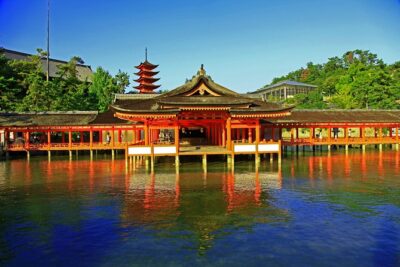
Peaceful Hiroshima & Miyajima UNESCO 1 Day Bus Tour
Read our review →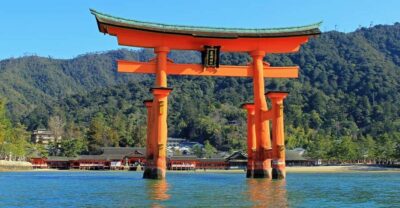
Hiroshima and Miyajima UNESCO Sites 1-Day Tour
Read our review →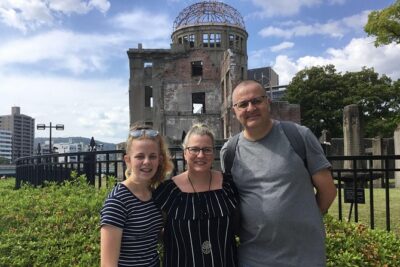
Hiroshima / Miyajima Full-day Private Tour with Government Licensed Guide
Read our review →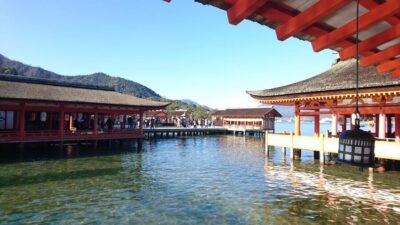
Osaka/Kyoto: Hiroshima Miyajima Bus Tour & Shinkansen Ticket
Read our review →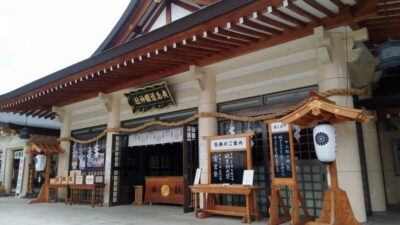
Hiroshima Historical Walking Tour – Why A-Bomb was Dropped
Read our review →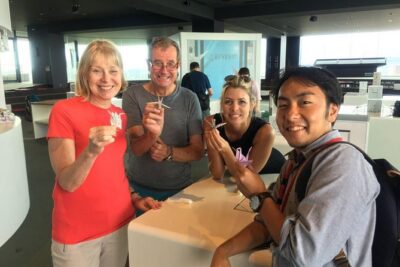
Hiroshima Peace (Heiwa) Walking Tour at World Heritage Sites
Read our review →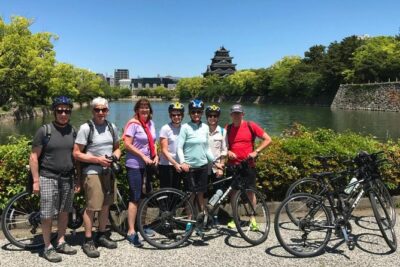
Hiroshima in a Nutshell: Morning Bike Adventure
Read our review →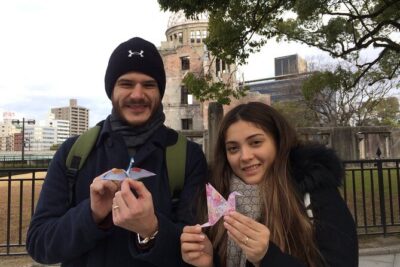
Hiroshima City 4hr Private Walking Tour with Licensed Guide
Read our review →Browse the lists this tour appears in