
Reviewed · SAKE TASTING
Kyoto: Insider Sake Experience with 7 Tastings and Snacks
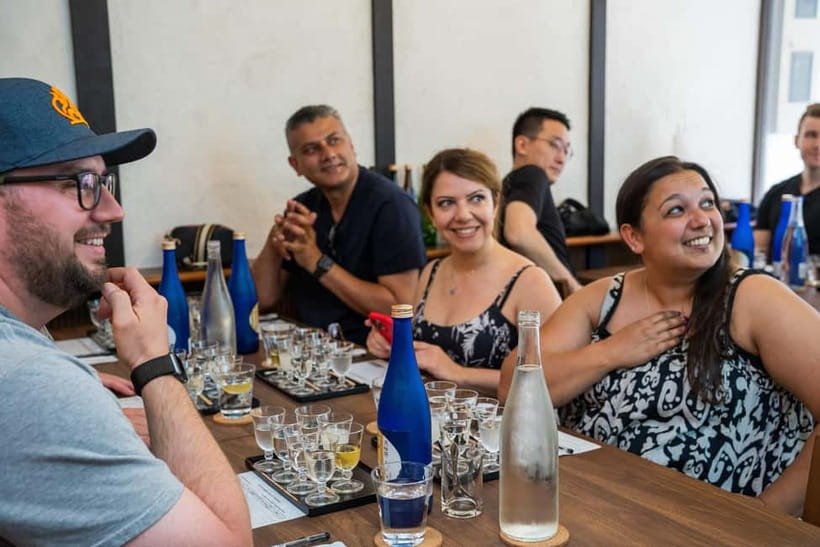
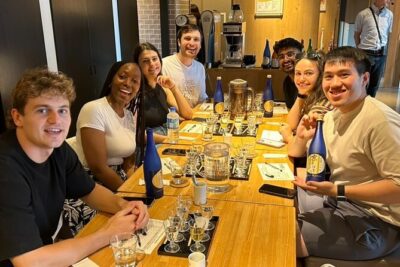
The clever part of this Kyoto experience is that it teaches you how to choose sake, not just how to drink it. You compare styles side by side, learn what rice polishing and brewing do to flavor, then test each pour with Japanese snacks. The bottle-reading lesson is especially useful when menus are written in Japanese or packed with unfamiliar terms.
I like the friendly, small-room feel and the practical tasting card you can use later in Japan. I also like how the food pairing changes your opinion of some sakes. The main drawback is simple: seven generous pours in 90 minutes can be a lot, especially if you arrive hungry, tired, or unused to sake.
Key points at a glance
- Seven generous tastings: Compare dry, crisp, sweet, fruity, and other sake styles side by side.
- A lesson you can use later: Learn how to read labels and order from a sake menu with less guesswork.
- Food changes the flavor: Traditional otsumami show why the same sake can taste different with food.
- Friendly English-speaking teachers: Guides including Mayo, Kotaro, Kiyomi, Greg, and Shogo make the class relaxed and easy to follow.
- A useful take-home aid: Keep the sake cheat sheet and tasting notes for restaurant and shop visits.
- A compact Kyoto activity: The 90-minute session fits neatly into a day of sightseeing and does not require transport.
Why this sake class is more useful than a simple flight
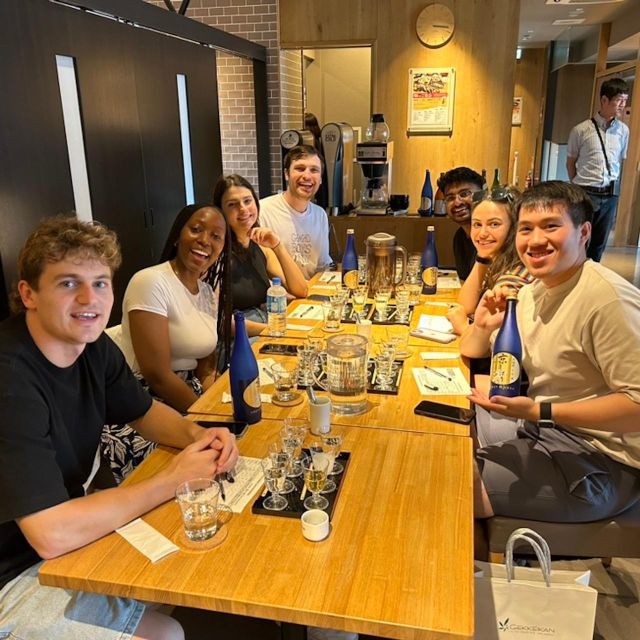
A standard sake flight gives you several glasses and a chance to pick a favorite. This experience adds the missing part: a way to understand what is in the glass and why you like it.
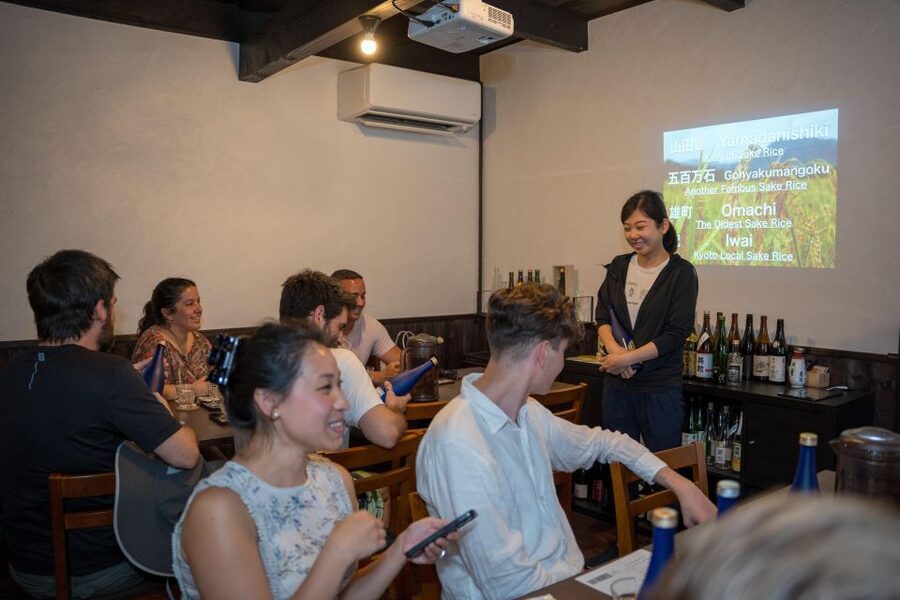
You begin with the basic building blocks of sake. The guide explains the brewing process, the role of rice, and how polishing affects the final drink. You also learn why some bottles taste clean and sharp while others are soft, sweet, aromatic, or fruity.
That matters because sake labels can feel like a code. Terms about polishing, dryness, brewing style, region, and serving temperature are not much help until someone shows you what they mean in the glass. Here, you taste the differences instead of trying to memorize a vocabulary list.
I like this approach for first-time drinkers. You do not need a trained palate. The point is not to identify obscure aromas or impress the person beside you. It is to work out what you enjoy, then remember enough to order it again.
Other tasting rooms and breweries in Kyoto:
- Kyoto Night Foodie Tour in Gion (9+ dishes + 6 Sake tastings)
★ 5.0 · 1,762 reviews - 3-Hour Kyoto Insider Sake Brewery Tour with Tastings & Pairings
★ 5.0 · 917 reviews - Arashiyama Bamboo, Temple, Monkeys, or Secret Sake Brewery
★ 4.8 · 886 reviews
What happens during the 90-minute tasting
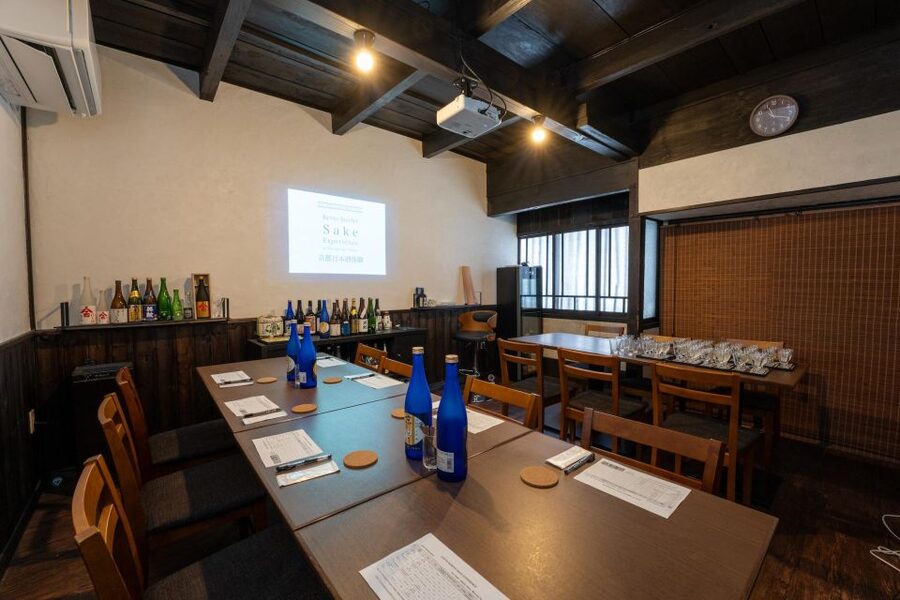
The session takes place in a dedicated tasting room. You should speak with the staff at the counter when you arrive, then settle in for a guided class rather than a walk through Kyoto.
The exact order may vary with the guide, but the experience follows a clear teaching pattern. First comes an explanation of sake and how it is made. You then taste several styles, compare them, and record your reactions on a tasting note.
The tasting is designed to move from simple comparisons to more practical decisions. You may start by noticing broad differences such as dry against sweet or light against full. Later, the guide helps you connect those impressions with production details and bottle information.
That structure is one of the best reasons to book this instead of simply ordering a random bottle at dinner. You get time to pause, compare, ask questions, and reconsider your first reaction.
A 90-minute session is long enough to teach something useful but short enough to fit between major Kyoto sights. It is also a sensible length for alcohol. Still, the pours are described as generous, so you should pace yourself and avoid treating the class like a race.
Seven pours that show sake’s range
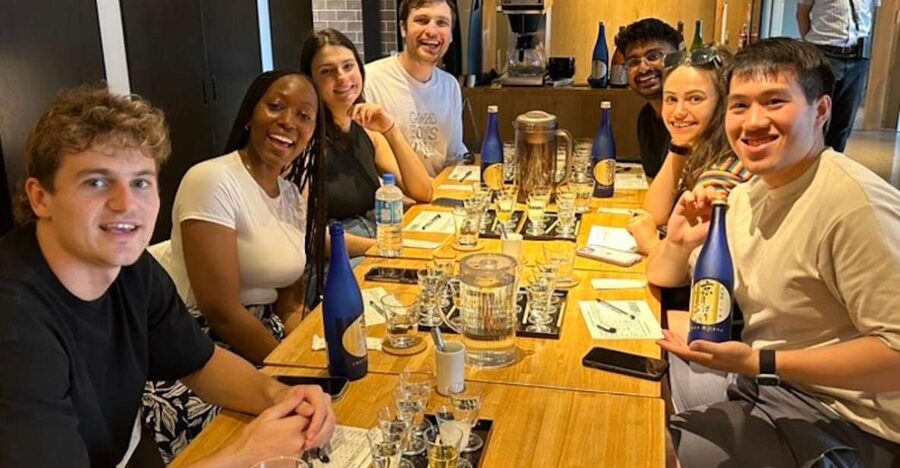
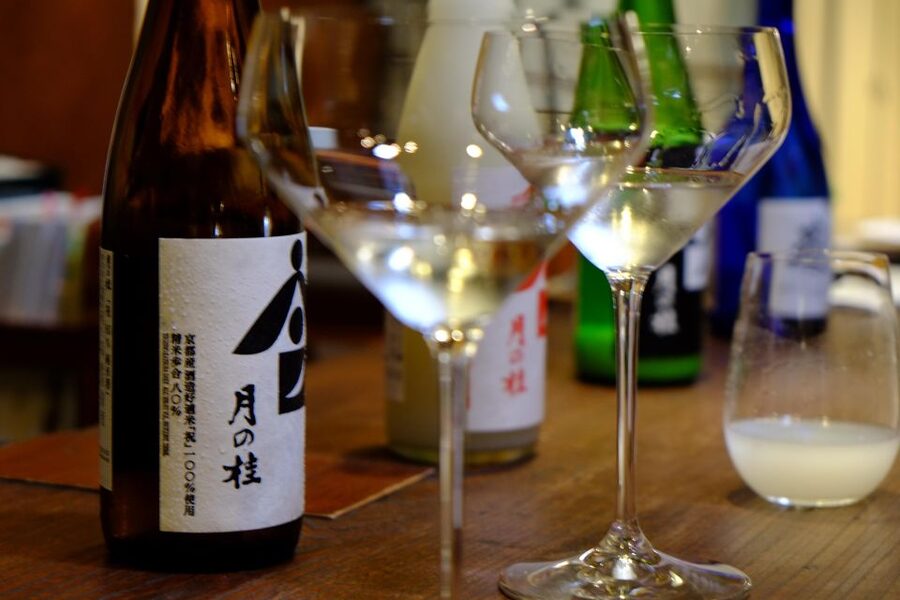
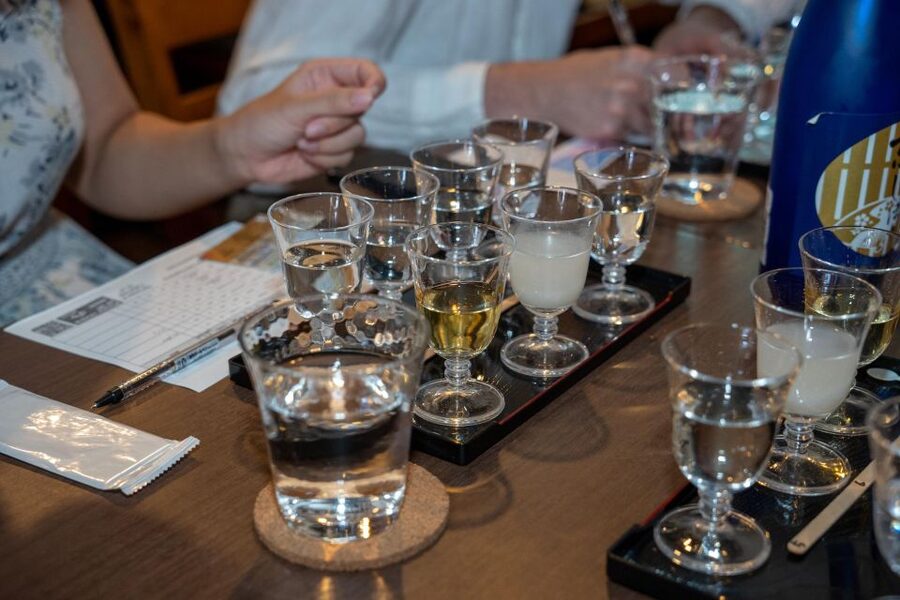
The heart of the experience is the tasting flight. You compare more than one kind of sake, including dry and crisp examples alongside sweeter or fruitier styles.
This side-by-side format is important. If you taste one sake at lunch and another several hours later, it is hard to know whether you prefer the drink or simply the meal, mood, or temperature. Here, the differences are fresh in your mind.
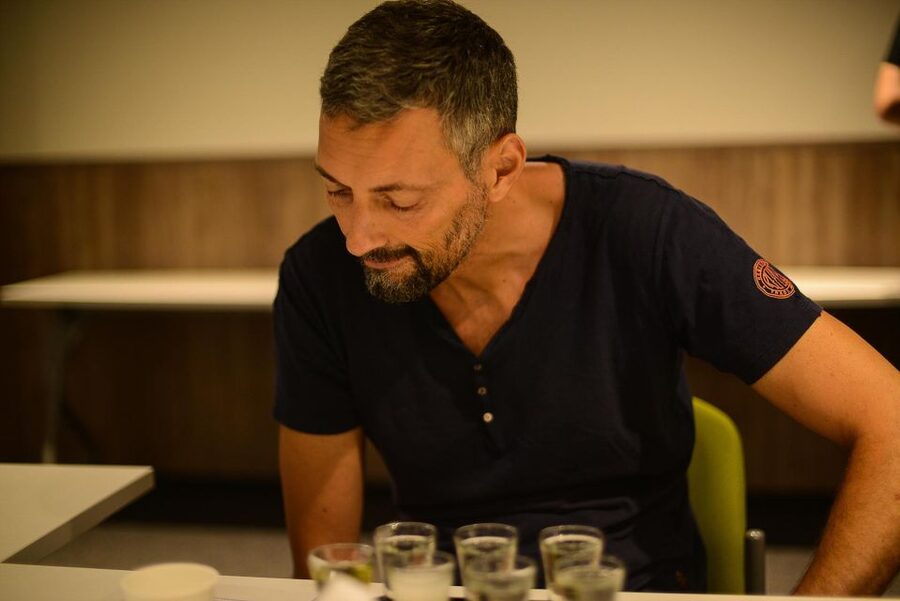
You use a tasting card to note what you like. That small exercise can be surprisingly helpful. One person may prefer a clean, dry pour, while another may enjoy a soft, aromatic sake. There is no correct answer, and the class is built around finding your own preference.
The session also shows how brewing choices affect taste. Rice polishing is part of the lesson, and you may see examples of how much of the rice grain has been removed. The point is not to turn you into a brewer. It is to help you connect a bottle detail with something you can actually taste.
The supplied details describe seven tastings, while the sake selection is drawn from a larger set of 10 or more types chosen by a certified sake sommelier. In practice, that means the pours are selected to show a useful spread of styles rather than offer the same profile seven times.
The food pairing is part of the lesson
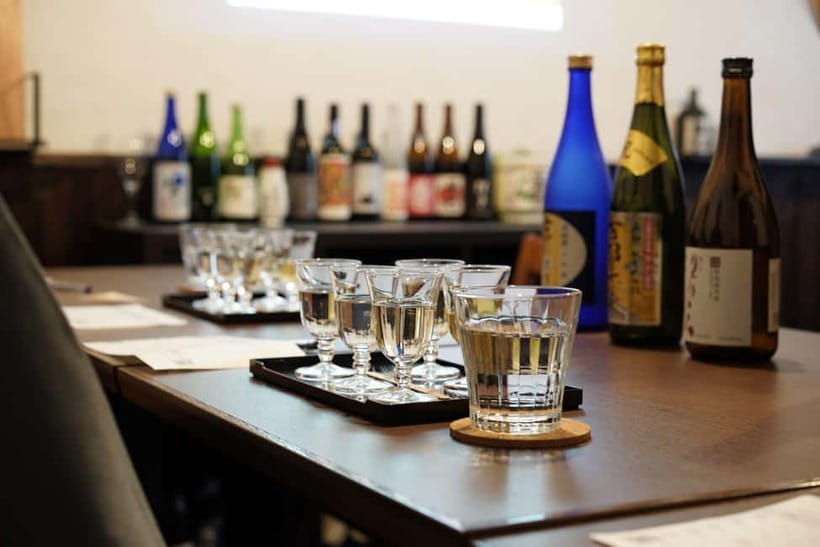
Small Japanese appetizers, called otsumami, accompany the sake. Think of this as a tasting with snacks, not a meal. One earlier participant specifically advised eating beforehand, a sensible suggestion if you want to focus on flavor rather than hunger.
The pairing is not just a bonus plate. You first taste the sake on its own, then see how food changes it. A sake that seems too sharp or plain by itself may work much better with a savory bite. Another may become sweeter, rounder, or less noticeable.
This is one of the most practical lessons in the class. You are not choosing sake in a vacuum. In Japan, you will often drink it with sushi, grilled food, tofu, pickles, or other small dishes. The best bottle for a quiet sip may not be the best bottle for dinner.
Food preferences can be handled if you tell the guide at the venue. Vegetarian replacements have worked well for participants who requested them. Allergies and other dietary needs should be mentioned before the tasting begins, since the food is part of the planned experience.
Same base, a different sort of day:
- PERFECT KYOTO 1-Day Bus Tour
★ 5.0 · 13,518 reviews - Kyoto: Fushimi Inari, Kinkakuji, Bamboo Grove 1 Day Bus Tour
★ 4.8 · 4,316 reviews - Kyoto: Tea Ceremony in a Traditional Tea House in Kiyomizu
★ 4.9 · 3,519 reviews - Kyoto Geisha Walking Tour: Gion District & Hidden Gems
★ 4.7 · 3,273 reviews
Learning to read the bottle and menu
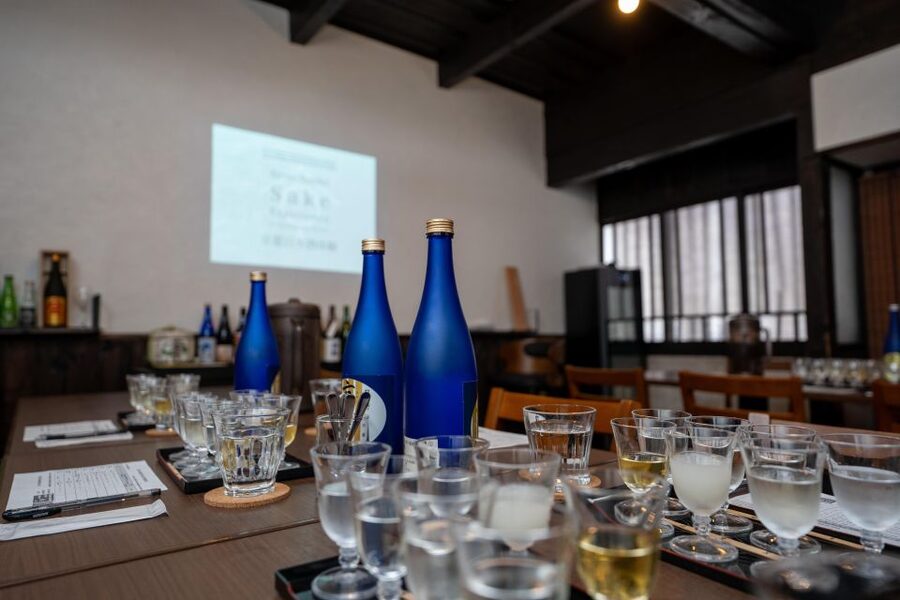
Many visitors enjoy sake in Japan but choose by price, bottle design, or a familiar English description. That is understandable, but it leaves much of the decision to chance.
This class gives you a more useful system. You learn which details on the label can help you predict the taste, then practice finding information on an actual bottle. One particularly hands-on version of the class gave each person a bottle to examine and locate key information.
You also receive a sake cheat sheet and tasting notes. Keep them. They are the sort of modest travel aid that earns its space in your day bag, especially when you visit a shop with dozens of bottles and no clear English explanation.
The lesson does not promise that one label will tell you everything. Sake is still shaped by rice, water, yeast, brewing choices, serving temperature, and food. But you should leave with enough confidence to ask better questions and recognize the styles you prefer.
Hot, cold, and food-friendly sake
A useful part of the class is learning when to serve sake hot or cold. The answer is not simply a matter of personal taste. Different styles can show themselves better at different temperatures, and the guide explains how to think about that choice.
You also learn basic pairing advice, including which kinds of sake can work with sushi. This is valuable because many first-time drinkers assume sake is one single category, much as a newcomer might treat all wine as interchangeable.
The lesson stays practical. You are not expected to remember a technical lecture word for word. The goal is to leave knowing that serving temperature and food can change the experience, and that you can ask for a recommendation based on the meal in front of you.
The guides make the difference
The teaching style appears to be a major strength. Guides named in the supplied details include Mayo, Kotaro, Kiyomi, Greg, Shogo, Rieko, Yui, and Mai.
Mayo is repeatedly described as lively, clear, and funny. Kotaro is noted for a friendly teaching style and an easygoing manner. Kiyomi receives praise for combining strong explanations with plenty of humor. Greg is described as patient and thorough, which may suit you if this is your first sake tasting.
Shogo’s presentation used a clear structure and hands-on bottle reading. Rieko guided a session with a logical progression between tastings. These details suggest that the class is not built around one memorized speech alone. The personality of the instructor adds warmth, while the format keeps the lesson on track.
That variety can be a small uncertainty when booking. You may not know which guide will lead your session. The good news is that the teaching format appears consistent: English instruction, broad comparisons, food pairing, and time for questions.
Is $66 a fair price?
At $66 per person, this is not the cheapest way to sample sake in Kyoto. You can always order one or two glasses at a restaurant for less.
The value comes from the amount of comparison and instruction packed into the session. You receive seven pours, traditional snacks, an expert-led explanation of brewing, label practice, serving advice, and a take-home cheat sheet. You are paying for guidance as much as alcohol.
I see it as good value if you expect to eat and drink in Japan several more times. The class can prevent a string of uninspiring sake choices later, and it may help you select a bottle to take home. Some participants have purchased favorite bottles afterward, though buying sake is not part of the stated inclusion.
The calculation is less favorable if you only want a quick drink or a large meal. This is a tasting portion, not lunch, and the instructional part takes up a meaningful share of the 90 minutes.
Who will get the most from it
This is aimed at adults who like Japanese food, feel uncertain about sake, or want a better way to order during a Japan trip. It works especially well for first-time drinkers because the guide explains the basics without requiring previous knowledge.
You do not need to already like sake. One useful feature is the range of styles, which increases the chance that you will find at least one profile that suits you. Even people who rarely drink sake can use the comparison to work out what they prefer.
It also suits couples, parents traveling with adult children, and small groups who want a quiet indoor activity. One session with only four participants felt particularly personal, though the official group size is not provided, so you should not assume every time slot will be that small.
This is not a good choice for children, pregnant women, or anyone under the legal drinking age. Japan’s legal drinking age is 20. People under 20 receive only non-alcoholic drinks, and children without reservations cannot simply join the session.
Practical details before you book
The activity lasts 90 minutes and is conducted in English by a live guide. There is no hotel pickup or transport, so you make your own way to the tasting room and check in at the counter.
Arrive on time. If you are more than 20 minutes late, the booking is canceled. The room has a relaxed, intimate feel, but strong fragrances are not allowed, and bicycles are not suitable for this activity.
For safety and legal reasons, alcohol will not be served if you arrive by car or bicycle. Non-alcoholic drinks are available, but there is no refund if you cannot take part in the sake tasting for that reason.
The cancellation rule is fairly strict but clear: you can cancel up to seven days in advance for a full refund. Check the available start times when booking, since the exact schedule is not fixed in the basic activity details.
My call: book it if you want confidence, not just alcohol
I would book this if you want one Kyoto activity that improves the rest of your food trip. The combination of seven pours, snack pairing, bottle reading, and serving advice gives you something to use after the class ends.
Book it early in your Kyoto stay if possible. That way, you can apply the lesson at restaurants and shops during the rest of your visit. Eat a light meal beforehand, avoid strong fragrances, and plan a little time afterward rather than stacking this immediately before a rushed appointment.
Skip it if your main goal is a full meal, a brewery visit, or a casual drink with no teaching. For everyone else, especially a first-time sake drinker, $66 buys a useful introduction and a clearer idea of what to order next.
FAQ
How long does the Kyoto sake experience last?
The experience lasts 90 minutes.
How many sake tastings are included?
The experience includes seven tastings. The selection is drawn from 10 or more sake types chosen by a certified sake sommelier.
Is the tasting conducted in English?
Yes. A live English-speaking guide leads the session.
What food is served?
The tasting includes otsumami, traditional Japanese appetizers used for food pairing. This is a tasting with snacks, not a full meal.
Can dietary preferences or allergies be accommodated?
You should tell the guide at the site about food preferences or allergies. Vegetarian replacements have been provided for participants who requested them.
Can someone under 20 take part?
People under 20 are served only non-alcoholic drinks. The activity is not recommended for children, and children without reservations are not allowed to join.
What happens if I arrive more than 20 minutes late?
Your booking will be canceled if you are more than 20 minutes late.
Just added in Kyoto
- Kyoto: Private Photoshoot Service★ 5.0 · 158 reviews
- Kyoto Rickshaw Tour★ 5.0 · 210 reviews
- Kyoto: Arashiyama Bamboo, Temple, Matcha, Monkeys & secret spots★ 5.0 · 219 reviews
- Izakaya Style Cooking Class★ 5.0 · 219 reviews
- Kyoto: Traditional Concert at Townhouse or Bathhouse★ 4.9 · 224 reviews
- Ninja 2-hour Hands-on Lesson by Japanese master in Kyoto -Medium★ 5.0 · 218 reviews
- Kyoto: Afternoon Japanese Izakaya Cooking Class★ 4.9 · 241 reviews
- Samurai Training with Modern day Musashi in Kyoto★ 5.0 · 256 reviews
Sake Tasting, compared.
Kyoto Night Foodie Tour in Gion (9+ dishes + 6 Sake tastings)
Read our review →
1-Day Snow Monkeys, Zenko-ji Temple & Sake in Nagano
Read our review →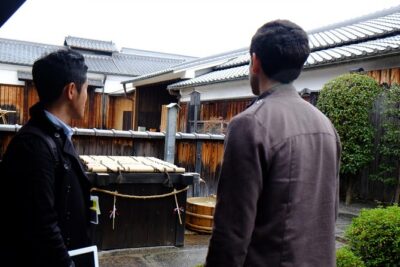
3-Hour Kyoto Insider Sake Brewery Tour with Tastings & Pairings
Read our review →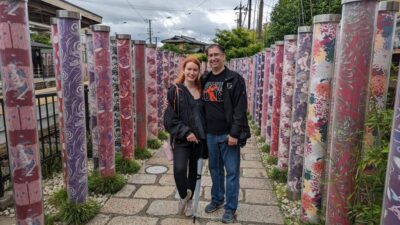
Arashiyama Bamboo, Temple, Monkeys, or Secret Sake Brewery
Read our review →
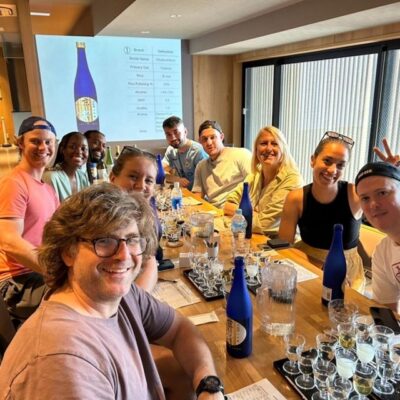
Insider Sake Brewery Tour with Sake and Food Pairing
Read our review →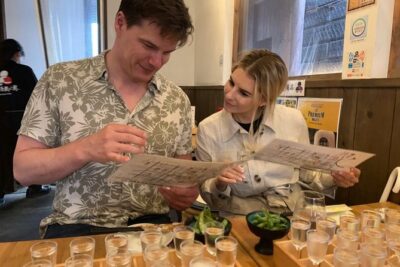
1.5-Hour Kyoto Insider Sake Experience with 7 Tastings & Pairings
Read our review →Browse the lists this tour appears in