
Reviewed · TEA CEREMONY EXPERIENCES
Kyoto: Tea Ceremony in a Traditional Tea House in Kiyomizu
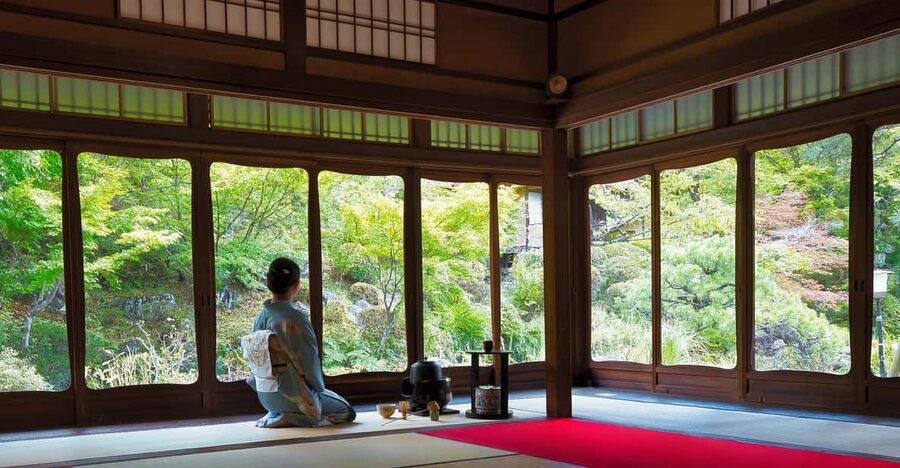
Kyoto’s most memorable tea experience may be the quietest one. At Sakaguchian, a traditional tea house sits just off busy Sannenzaka, with a garden by Ogawa Jihei VII providing a calm setting for a 45-minute lesson and ceremony. You watch a tea master work, then make your own bowl of matcha.
I like the small-group feel, which keeps the demonstration easy to follow. I also like the balance between watching and doing: you see the formal preparation, then whisk your own tea and try the sweet served with it. English guidance, a garden photo, and a clear introduction to the ceremony add real value.
The main consideration is time. Forty-five minutes gives you a polished introduction, not a full study of tea practice. At $49, it is reasonable for a cultural activity in the Kiyomizu area, but travelers seeking a long, highly formal ceremony may want something more extensive. Kimono rental is not included.
Key points to know before you book
- A peaceful tea house off Sannenzaka: The activity takes place near Kiyomizu-Dera, but the garden helps shut out the noise of the busy street.
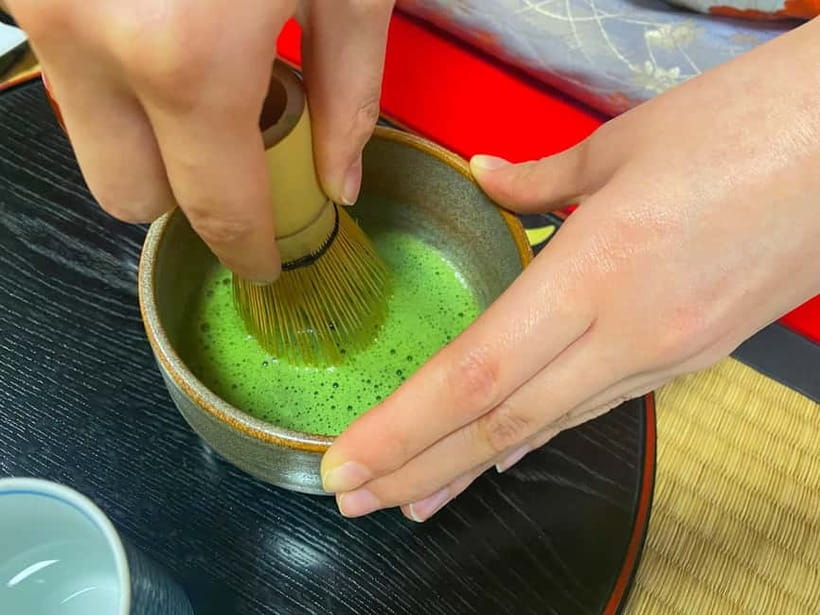
- A tea master performs before you participate: You first watch the careful preparation, then learn to whisk your own matcha.
- Two cups of matcha are included: One is prepared for you, and the other is part of your own tea-making lesson.
- English explanations keep the ritual approachable: The host introduces the ceremony, its meaning, and its 500-year history.
- The garden photo is part of the experience: You can pose with your group among the greenery at the end.
- Plan for a 45-minute cultural pause: It fits neatly between sightseeing stops around Kiyomizu, but it is not a long ceremonial session.
A quiet room beside Kyoto’s busiest hill
Sannenzaka is one of Kyoto’s most popular walking streets. The approach near Kiyomizu-Dera can be crowded, lined with souvenir shops and food stalls, so the entrance to Sakaguchian can be easy to miss. Look for the large gate on the right as you go down Sanneizaka, about 50 meters from the Kiyomizu-Dera area. A long lane with lanterns leads you away from the street.
Inside the gate, continue about 10 meters and pass through the white gate on the left. The tea house is called Sakaguchian. The garden is visible from the entrance, which helps confirm that you have found the right place.
This contrast is one of the activity’s best features. You do not need to travel across Kyoto to find a rural temple or remote tea house. You can combine the ceremony with Kiyomizu-Dera, Sannenzaka, and Ninenzaka, then step into a setting that feels far removed from the crowds.
The garden was created by Ogawa Jihei VII, a famous Japanese garden designer. You are not taking a garden tour, but its presence matters. The tea room looks onto carefully arranged greenery, and that view gives the ceremony a calm visual focus.
Other tea ceremonies in Kyoto people book:
- Kyoto: Tea Ceremony Ju-An at Jotokuji Temple
★ 4.9 · 3,207 reviews - Kyoto: 45-Minute Tea Ceremony Lesson Experience
★ 4.3 · 2,378 reviews - Kyoto: Table-Style Tea Ceremony at a Kyo-Machiya
★ 4.9 · 1,211 reviews
The welcome and the story behind tea practice
The session begins with a greeting and a short introduction. The English-speaking host explains the setting and gives you some background on the tea ceremony’s 500-year history. The purpose is not to turn you into a tea scholar. It is to give meaning to the gestures you are about to see.
That context helps. Without it, the movements of a tea master can seem precise but mysterious. With a little explanation, you begin to notice that the ceremony is built around attention, order, hospitality, and respect for the people sharing the room.
Several visitors singled out the host’s clear English and lively delivery. May was praised by name for making the experience easy to follow and adding depth without making the introduction heavy. Other sessions have also been described as friendly, patient, and entertaining.
I would keep your expectations in the right place. This is a concise introduction rather than a long lecture. One visitor wanted more historical detail, and that is a fair point if tea culture is your main reason for visiting Kyoto. For most people, though, the short format works well after a morning of sightseeing.
Watching the tea master work
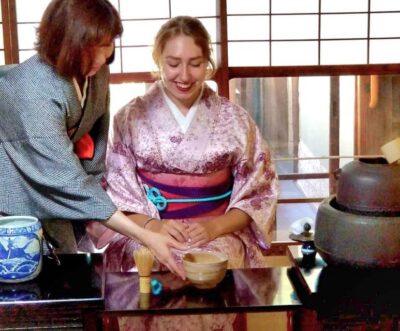
The heart of the visit is the demonstration. A tea master prepares matcha with controlled, deliberate movements while the host explains what is happening. The performance is formal, but it is not stiff or difficult to understand.
You will notice the care given to each stage: the handling of the utensils, the measured addition of tea and water, and the whisking that turns the powder into a smooth drink. The point is not speed. The rhythm asks you to slow down and pay attention.
The tea master’s movements are a major reason to choose this activity instead of simply ordering matcha at a café. You are seeing a practiced form with its own etiquette, not just watching a drink being made. Several people described the tea master as graceful and highly skilled, and some noted that the demonstration felt almost like a performance.
You should also respect the quiet while the ceremony is taking place. One useful piece of advice is not to walk around during the demonstration. Stay seated, listen to the explanation, and let the tea master work without interruption. That small bit of courtesy makes the room more pleasant for everyone.
Making your own bowl of matcha
After watching the demonstration, you get to prepare your own tea. This is where the activity becomes more than a cultural show. You handle the tools, follow the instructions, and whisk your own bowl of matcha.
The process is taught step by step, so you do not need prior experience. The host explains how to make a smooth bowl and offers practical tips on whisking. You will not be expected to reproduce every formal movement perfectly. The goal is to give you a feel for the method and let you take part.
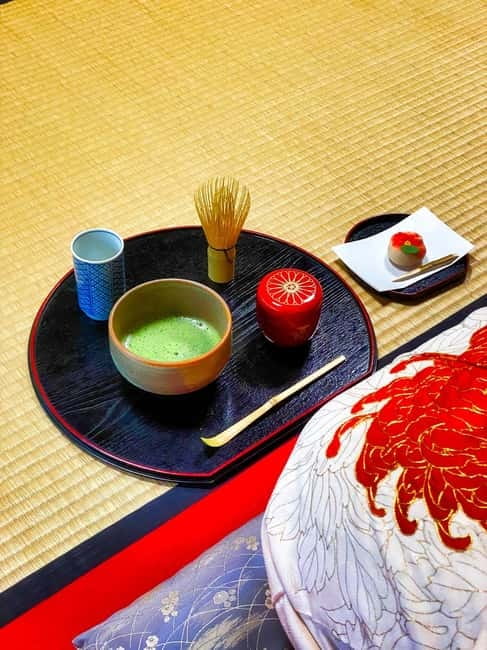
The included package provides two cups of matcha. The tea master prepares one for you, and you make another yourself. That comparison is useful. You can taste the finished tea before trying the process, then see how your own technique affects the texture and flavor.
Matcha can be bitter, especially if you are used to sweetened drinks. Here, the traditional sweet helps balance the tea. Some people arrive unsure about matcha and leave with a new appreciation for it. Others may still find the flavor strong, but the lesson gives you a better idea of why the tea is prepared and served in this way.
Other tea rooms and ceremonies in Kyoto:
- Kimono Tea Ceremony at Kyoto Maikoya, NISHIKI
★ 5.0 · 911 reviews - Kyoto: Arashiyama Bamboo Forest, Monkeys, Matcha & Temple Tour
★ 5.0 · 759 reviews - Kyoto: Tea Museum Tickets and Matcha Grinding Experience
★ 4.9 · 739 reviews - Kyoto: Kimono Tea Ceremony at Orizuruya Gion
★ 4.9 · 618 reviews
The Japanese sweet and the garden setting
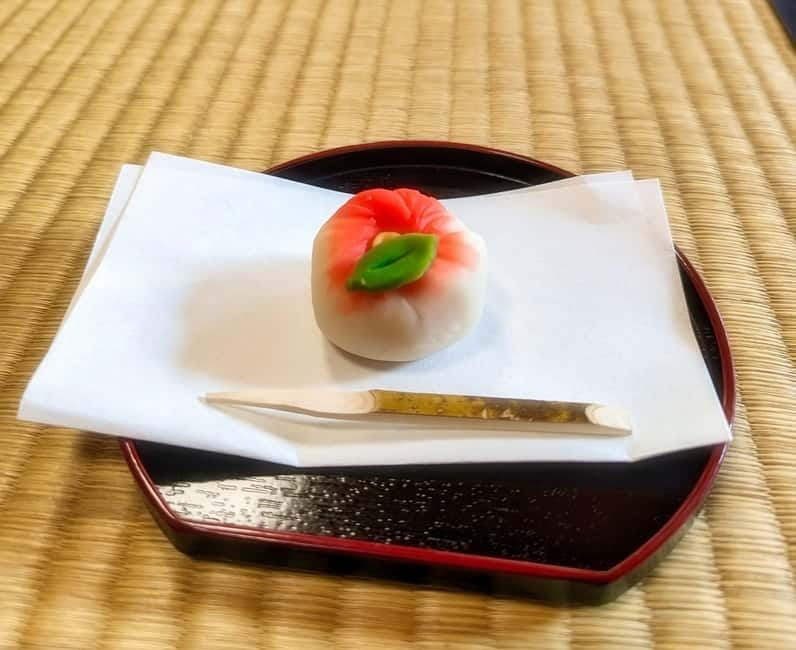
A customary Japanese sweet accompanies the tea. It is a small detail, but it plays an important part in the experience. The sweetness prepares your palate for the matcha and gives you a taste of the traditional pairing.
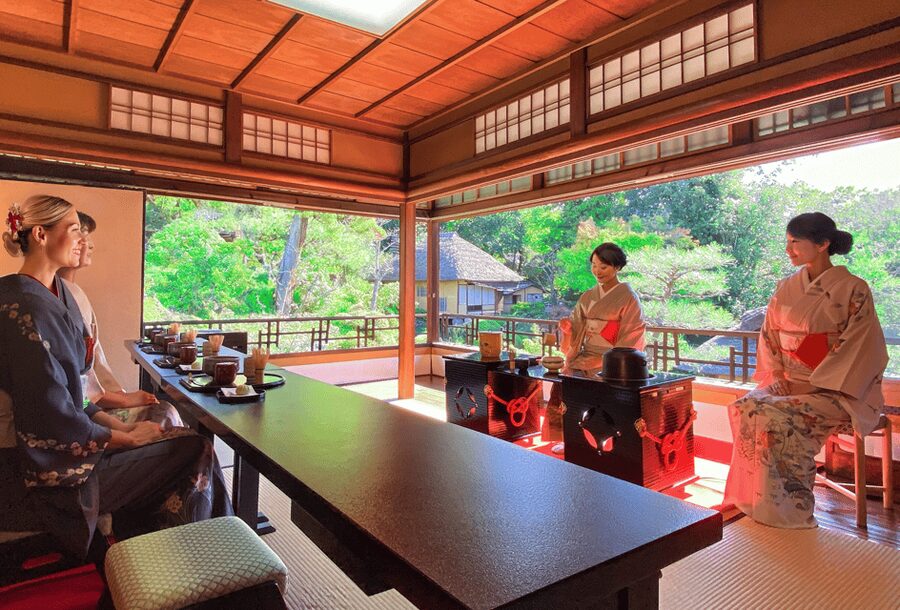
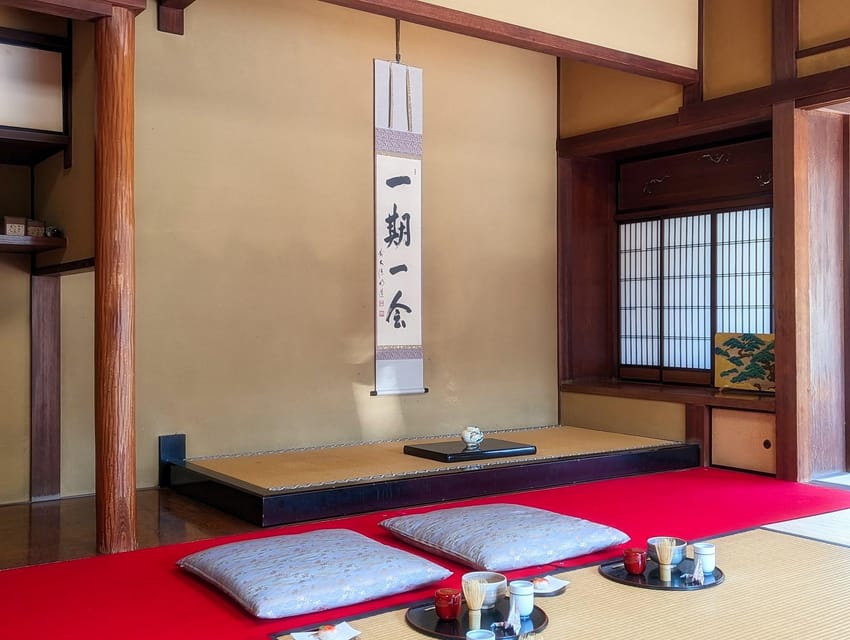
The setting does just as much work as the food. The tea room looks toward the garden, and the view remains a quiet backdrop while you drink. The garden is particularly appealing for people who have spent the day moving through crowded streets and temple grounds.
I like that the garden is not treated as a separate attraction you must rush through. It is simply there while you sit, listen, and drink. The activity uses the setting well without overloading the schedule with extra stops.
At the end, you can pose for a photo with your group. The garden provides a natural background, and the staff helps take the picture. It is a simple souvenir, but it records the experience without requiring you to buy anything else.
What $49 gets you
The price is $49 per person. That includes the ceremony, two cups of matcha, a traditional sweet, and a photo. It does not include kimono rental, so you should not expect a costume or dressing session as part of the booking.
For value, the key question is what you want from Kyoto. If you only want to drink matcha, $49 is a lot compared with a café visit. If you want an English-guided introduction, a formal demonstration, your own tea-making lesson, a traditional setting, and a garden photo, the price is easier to justify.
The location adds practical value. You can pair the session with Kiyomizu-Dera and the historic lanes around it, rather than spending extra time and money crossing the city. It also works well as a restful pause between temples and shops.
The 45-minute duration keeps the cost and time commitment under control. You can fit the activity into a busy day, but do not book it expecting a lengthy ceremony with extended quiet time. The format is polished and efficient.
Who will enjoy this tea ceremony most
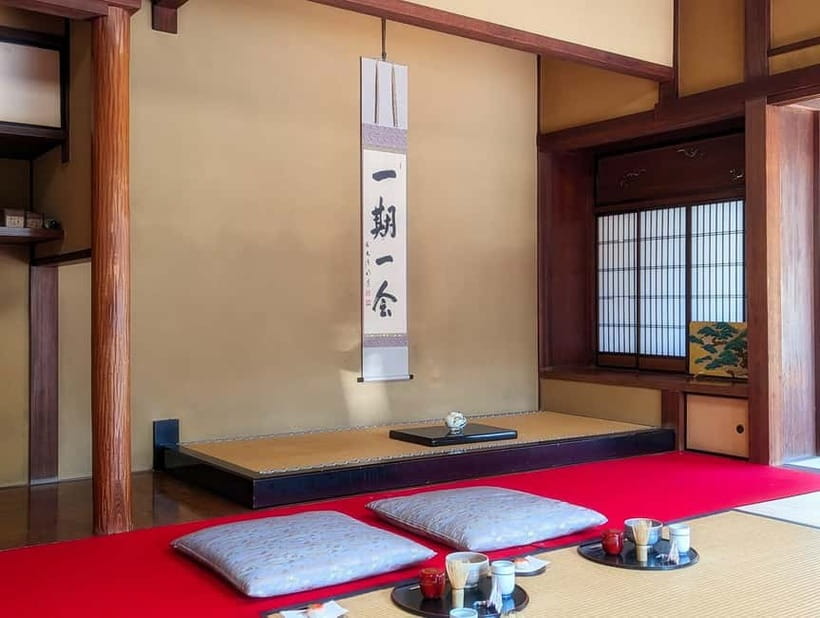
This is a strong choice for a first tea ceremony in Kyoto. The English introduction removes much of the uncertainty, and the chance to make your own matcha gives you something active to do.
Couples will appreciate the calm setting and the shared photo. Families can also enjoy it, especially with older children. Children under seven are not suitable for the activity, while children aged nine and thirteen have enjoyed taking part. Younger visitors may find the quiet and formal parts harder to handle.
It also suits people who want cultural context without committing to a full-day class. You learn why the ceremony matters, see a skilled performance, taste the tea, and try the basic technique yourself.
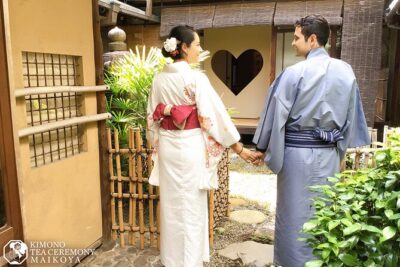
You may want to reconsider if you dislike matcha, find seated demonstrations difficult, or want to wear a kimono. The activity does not include kimono rental, and the focus is tea rather than costume photography.
Timing, meeting point, and useful planning tips
The activity runs in all weather, so rain does not cancel the ceremony. The garden may look different on a wet day, but the tea house still provides a sheltered setting.
Do not bring luggage or large bags. This is especially important if you are checking out of a hotel or moving between neighborhoods. Leave larger items elsewhere before arriving.
Give yourself extra time to find the entrance. Sannenzaka is busy, and the tea house is set behind gates rather than directly on the main path. The large gate, lantern-lined lane, and white inner gate are the useful markers.
By taxi, ask the driver to head toward Kodaiji Temple and get out at the intersection of Sanneizaka and Ishin-no-michi. The Japanese address is Kyoto-shi Higashiyama-ku Kiyomizu 3-334. The meeting point is close to the Kiyomizu-Dera area, but the final walk still requires attention.
You can cancel up to 24 hours before the activity for a full refund, and a reserve-now, pay-later option is available. Check the available start times when planning your temple visits.
Should you book it?
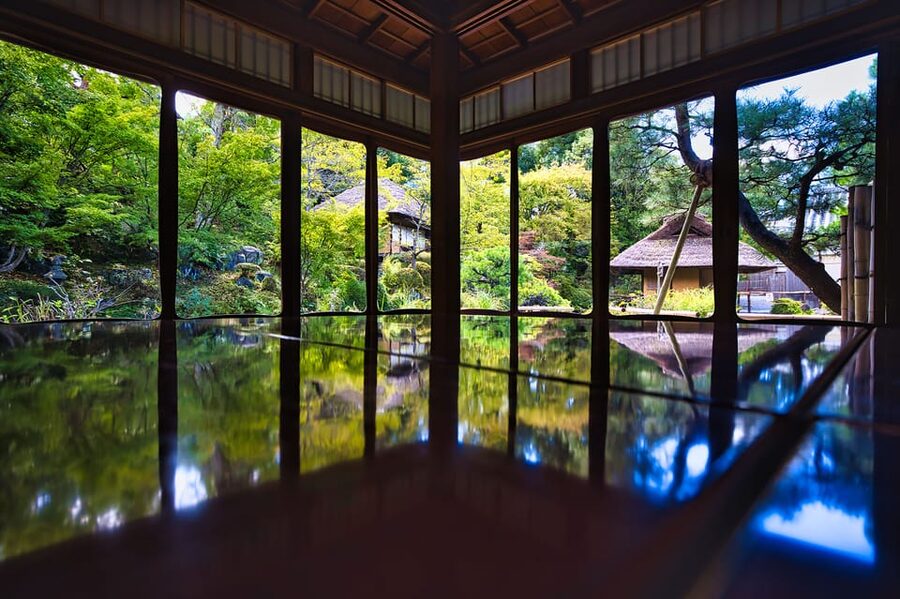
I would book this tea ceremony if you want a clear, friendly introduction to Japanese tea practice in a beautiful setting. The strongest elements are the tea master’s formal demonstration, the chance to make your own matcha, and the surprising quiet of the garden beside Sannenzaka.
At $49, it is not the cheapest way to drink tea, but it is fair for a guided cultural activity that includes two cups, a sweet, and a photo. The short duration is a benefit for a packed Kyoto itinerary, though it limits the amount of history and ceremony you can cover.
Choose it especially if you are visiting Kiyomizu-Dera, traveling with older children, or looking for a peaceful break from Kyoto’s crowded lanes. Skip it only if you want a longer, more formal tea study or a kimono-based experience. For most first-time visitors, this is an easy and worthwhile way to connect a simple bowl of matcha with the traditions behind it.
FAQ
How long does the tea ceremony last?
The activity lasts 45 minutes.
How much does the experience cost?
The listed price is $49 per person.
Is the activity conducted in English?
Yes. The instructor and explanations are in English.
What is included in the booking?
The booking includes the tea ceremony, two cups of matcha, traditional Japanese sweets, and a photo.
Is kimono rental included?
No. Kimono rental is not included.
Where does the tea ceremony take place?
It takes place at Sakaguchian, a traditional tea house near Sannenzaka and Kiyomizu-Dera in Kyoto.
Are children allowed to join?
Children under seven are not suitable for this activity. Older children can take part.
Can I cancel the booking?
Yes. You can cancel up to 24 hours in advance for a full refund. A reserve-now, pay-later option is also available.
Just added in Kyoto
- Kyoto Rickshaw Tour★ 5.0 · 210 reviews
- Kyoto: Private Photoshoot Service★ 5.0 · 158 reviews
- Izakaya Style Cooking Class★ 5.0 · 219 reviews
- Kyoto: Traditional Concert at Townhouse or Bathhouse★ 4.9 · 224 reviews
- Ninja 2-hour Hands-on Lesson by Japanese master in Kyoto -Medium★ 5.0 · 218 reviews
- Kyoto: Arashiyama Bamboo, Temple, Matcha, Monkeys & secret spots★ 5.0 · 219 reviews
- Kyoto: Kimono Tea Ceremony with Matcha and Sweet★ 4.9 · 249 reviews
- South Kyoto in a Nutshell: Gentle Backstreet Bike Tour!★ 5.0 · 225 reviews
Tea Ceremony Experiences, compared.
World Heritage Kyoto & Nara Uji Authentic Matcha Experience
Read our review →
Arashiyama Bamboo Forest, Monkeys, Matcha & Temple Tour
Read our review →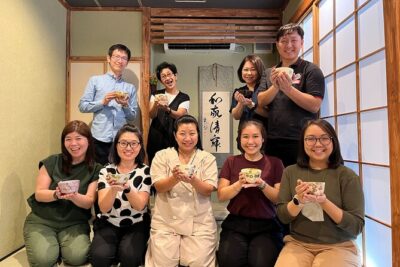
Browse the lists this tour appears in