
Reviewed · CALLIGRAPHY & CRAFT WORKSHOPS
Make your own kitchen knife with a master blacksmith in Shimanto
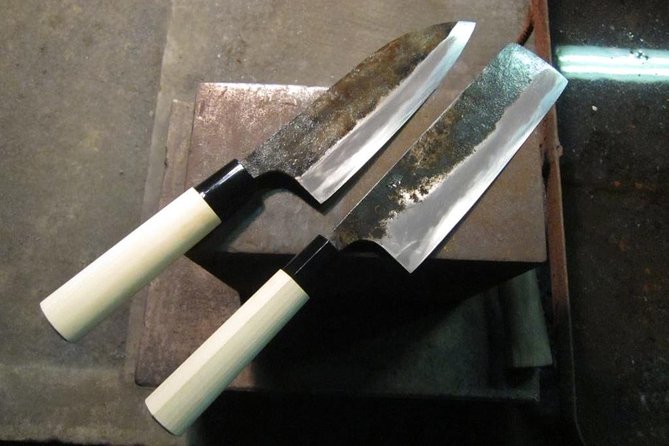
Making a Japanese kitchen knife from heated steel is the heart of this experience. At Workshop Kurogane, master blacksmiths including Hayashi-san guide you through the work while you heat, hammer, shape, and finish your piece. This is not a quick demonstration. You take part.
I like the real hands-on work and the setting near the Shimanto River, where mountains and river country replace the usual city sights. I also like that you can make a practical object, not just watch one being produced, and may add an engraving afterward.
The main drawback is the price, $407.26 per person, and the remote location. You need a full day, a 9:00 am start, and a plan for getting there. Bring lunch, and wear clothes you do not mind smelling of smoke or possibly catching a small burn hole.
Key points at a glance
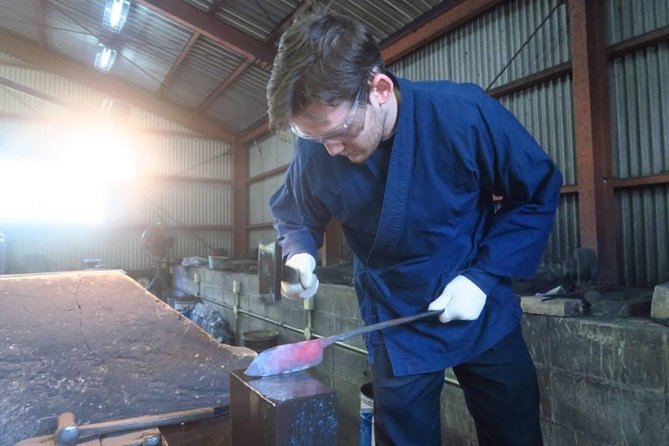
- Forge a useful object: Choose a kitchen knife, scissors, or another tool, then work the steel with traditional blacksmithing methods.
- Learn beside a master: Hayashi-san and other instructors provide close guidance, with English teaching included.
- Spend the day in rural Shimanto: The workshop sits among the mountains and river wilderness of Kochi Prefecture.
- Plan for eight hours: This is a serious day of work, not a short tourist stop.
- Bring your own lunch: Food and drinks are not included, and the workshop can be remote.
- Add a personal mark: Engraving is available, making the finished item suitable as a wedding keepsake or travel memento.
The real attraction: making a knife from steel
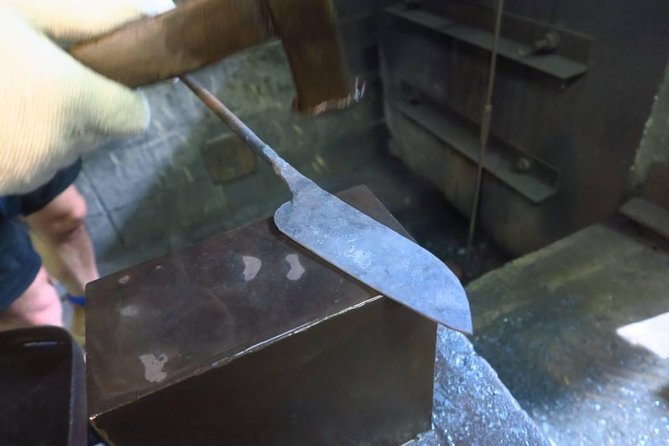
Many Japanese craft experiences let you watch a skilled maker perform the difficult parts. This one gives you a working role. Under supervision, you heat steel in the fire and use the tools of the forge to shape it into cutlery, a knife, scissors, or another tool.
That distinction matters. A blacksmith will still guide the process and help keep the finished object on track, but you are not simply standing behind a barrier. The appeal is the physical work: heat, hammering, repeated correction, and the gradual change from raw material to something you can use.
You should arrive ready to listen carefully. Metalwork requires timing and control, and the instructor’s guidance is part of what you are paying for. The result is not only a souvenir. It is a reminder of the work involved in making an everyday kitchen object.
The experience is offered as a private activity for your group. That gives the day a more personal feel than a large class, though the information provided does not specify the maximum group size. If you are traveling with a partner or a small family group, you can expect the attention to be focused on your party rather than a crowd.
Other things to make with your hands in Japan:
- Chopstick Making Workshop in Ginza
★ 4.8 · 1,366 reviews - Kyoto : Chopsticks Making Workshop in Gion with Engraving Option
★ 5.0 · 958 reviews - Tokyo Chopstick Making Workshop with Artisan
★ 5.0 · 466 reviews
Workshop Kurogane and the Shimanto River setting
Workshop Kurogane, also identified as Tatara Iron & Steel Forging Workshop Kurogane, is in Nishitosakuchiyanai, Shimanto, Kochi Prefecture. Its address is 944 Tennozan, Shimanto, Kochi 787-1324.
The area is part of the Shimanto River region, known here for mountains and river wilderness. The setting adds something important to the day. You are not visiting an urban craft studio between shopping stops. You are heading into a quieter part of Shikoku for a traditional trade practiced with fire and hand tools.
The isolation can be part of the charm, but it is also a practical issue. Hotel pickup and drop-off are not included. Pickup from Shimanto City may be available for an extra fee, so ask about that before you commit to the date. Otherwise, you are responsible for transportation to and from the workshop and any other stops.
Several people have found renting a car useful for reaching the area. That is a sensible option if you are already touring Kochi by road, but do not treat the workshop as an easy add-on from the major tourist centers. The experience is booked an average of 95 days ahead, so allow time to arrange both the reservation and your transport.
What happens during the eight-hour day
The stated start time is 9:00 am, and the full experience lasts about eight hours. The exact order of the work may depend on the item you choose and the pace of your group, but the basic process centers on traditional forging.
You begin with the supplied raw material and safety equipment. Work clothes and protective glasses are included, along with the tools needed for the session. That reduces the amount of preparation you must do, although you still need sensible personal clothing.
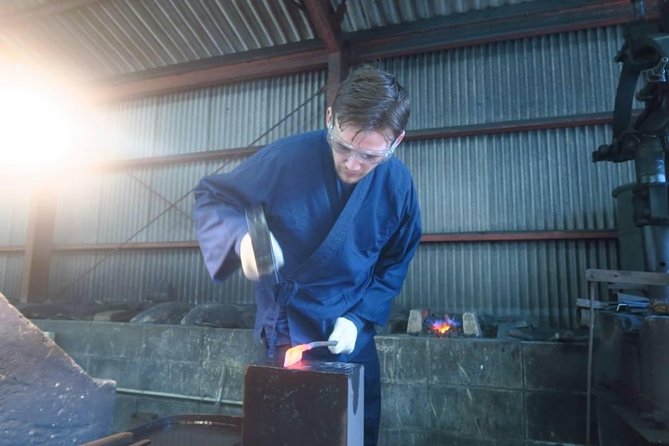
The steel is heated in the flames until it can be worked. You then use the blacksmithing tools to shape it. The work is physical, and the changing metal gives you an immediate lesson in how heat affects steel. The instructor corrects your technique and helps you make progress without turning the session into a staged performance.
The finished piece may be a kitchen knife, scissors, cutlery, or another tool. The description does not promise that every participant can choose any item without restriction, so confirm your preferred project when booking. A kitchen knife is the natural choice for many people, but a different tool may suit you better if you already have plenty of knives at home.
An engraving can be added after the main work. Think about the wording before you arrive, especially if you are marking a wedding, anniversary, or important trip. Short text will likely be easier to fit, but the available information does not specify the exact engraving limits or cost. Ask the provider in advance if the engraving is central to your plans.
The four stops and what they add
The itinerary names four stops: the Shimanto River, Workshop Kurogane, Kachima Chinka Bridge, and Iwama Chinka Bridge.
Workshop Kurogane is the main event. The river and the two Chinka Bridges frame the day with the local setting. The word Chinka refers to low-water bridges designed to sit close to the river, but the supplied details do not state how long you stop at each bridge or whether the schedule includes a formal sightseeing visit. Think of these locations as part of the route and regional context rather than guaranteed guided tours with a set amount of free time.
The Shimanto River gives the experience its sense of place. You are working with fire and steel in a river region rather than an anonymous workshop. If you care about seeing a quieter side of Kochi, that setting is a strong reason to make the trip.
The bridge stops may appeal to photographers and anyone interested in rural infrastructure. Still, the knife-making session takes up most of the day. Do not book this expecting a broad sightseeing tour of Shimanto with long stops at every attraction. The craft work is the focus.
Same base, a different sort of day:
- Mt Fuji and Hakone 1-Day Bus Tour Return by Bullet Train
★ 5.0 · 26,383 reviews - 1-Day Tokyo Bus Tour
★ 5.0 · 14,250 reviews - PERFECT KYOTO 1-Day Bus Tour
★ 5.0 · 13,518 reviews - Tokyo: TOKYO SKYTREE® Admission ticket
★ 4.5 · 11,192 reviews
What to wear, pack, and expect at lunch
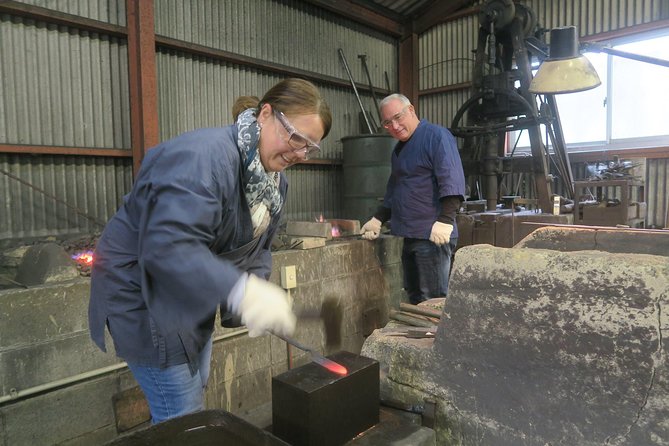
Wear clothes you can sacrifice. Smoke smell may cling to fabric, and the workshop environment carries a small risk of sparks or a burned hole. The safety equipment helps, but it does not turn the forge into a clean indoor studio.
Protective glasses and work clothes are provided. Raw materials and the necessary tools are also supplied. You do not need to arrive with specialist blacksmithing equipment.
Pack lunch and drinks. They are not included, and one useful planning tip is to buy food at a convenience store the night before or early on the morning of the workshop. Since the session lasts about eight hours, skipping lunch would make a long physical day harder than it needs to be.
You should also plan for time at the meeting point before 9:00 am. The activity ends back there, so you will need a return plan if you arrange your own transportation. If you are relying on a pickup from Shimanto City, confirm the extra fee, pickup time, and return details directly.
English guidance and the level of participation
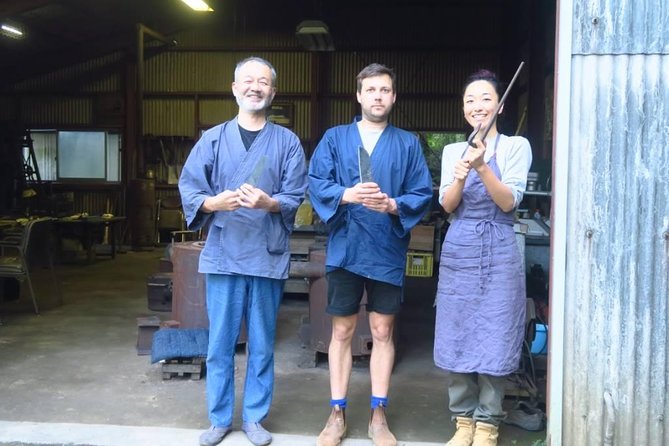
English teaching is included. That is valuable in a craft where small instructions about positioning, timing, and tool use matter. The instructors named in connection with the experience include Master Hayashi, Nobuya-sensei, Takeshi, and Jesse.
The tone appears personal and patient, with close help throughout the making process. You still need to follow directions carefully. This is not a casual activity where you can work independently with hot metal.
Most people can participate, according to the supplied information, and service animals are allowed. No specific fitness level is listed. Even so, you should be comfortable with a full day in a workshop and with hands-on physical work. If you have concerns about heat, standing, or using tools, ask the operator before booking.
The private format is useful here. You can take your time asking questions, and the instructor can focus on your group’s progress. It also means the price is easier to understand for a small party than for a single person, since the experience is built around direct instruction.
Is $407.26 a fair price?
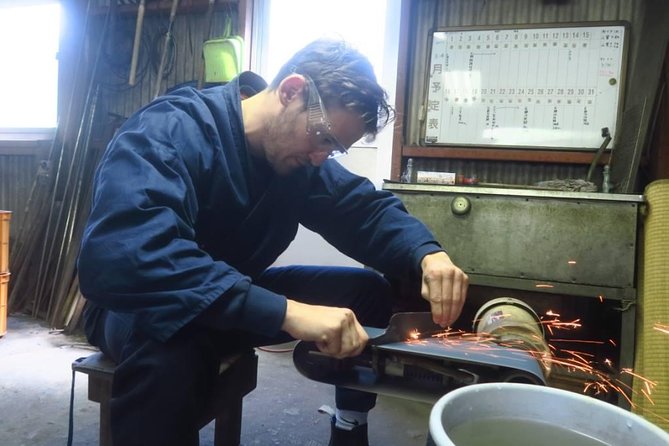
At $407.26 per person, this is expensive compared with a short cooking lesson or a standard museum visit. The value comes from the length of the session, the private format, the English teaching, the materials, the safety equipment, and the chance to produce a finished object under a master blacksmith’s direction.
You are also paying for access to a traditional process that is not easy to arrange independently. A knife made during the session has personal value because you took part in its creation. If you plan to engrave it, the object becomes an even more specific reminder of your time in Shimanto.
The price is harder to justify if you want only a quick introduction to Japanese crafts, if you dislike heat and repetitive work, or if you are already planning a tightly packed Kochi itinerary. The experience demands nearly a full day and additional transport planning.
I see the strongest value for people who care about craftsmanship, cooking, tools, or meaningful souvenirs. It is also a good choice for a special occasion. The price may feel reasonable for a wedding memento or a once-in-a-trip project, but it is not a casual impulse booking.
Who should book this experience
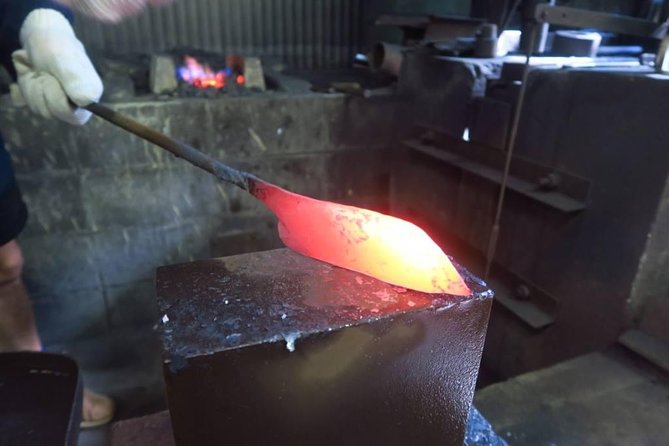
I would choose this for a craft-minded person who prefers doing over watching. It suits couples, families with older children who can follow safety instructions, and anyone interested in Japanese tools or traditional metalwork.
It also suits repeat visitors to Japan who have already seen the main city sights. Shimanto offers a different pace, and the workshop gives you a clear reason to make the journey.
I would hesitate to recommend it to anyone with only a few hours in the area. The eight-hour duration, 9:00 am start, and remote setting leave little room for other major attractions that day.
Before booking, decide what you want to make, how you will reach the workshop, and what you will eat. Confirm your reservation with the operator as well, since one participant had believed the booking was complete but later found that direct confirmation was needed. The provider was able to accommodate that person, but it is better not to rely on last-minute luck.
Free cancellation is available up to 24 hours before the start time. Changes or cancellations inside that window are not accepted for a refund, and the cutoff follows local time.
Should you book it?
Book it if you want a serious, hands-on craft day and a useful object with a story behind it. The strongest features are the direct guidance, the rural Shimanto setting, the English instruction, and the chance to engrave the finished piece.
Skip it if you want a short demonstration, dislike smoke and heat, or cannot spare most of a day. For the right person, this can become the most personal souvenir of a Japan trip. For everyone else, the price and travel time may be too much for one knife.
FAQ
Where does the knife-making experience take place?
It takes place at Workshop Kurogane in Nishitosakuchiyanai, Shimanto, Kochi Prefecture. The address is 944 Tennozan, Shimanto, Kochi 787-1324.
What time does the experience start?
The start time is 9:00 am.
How long does the workshop last?
The experience lasts approximately eight hours.
What can I make during the workshop?
You can make a kitchen knife, scissors, cutlery, or another tool, depending on the project arranged for the session.
Is instruction available in English?
Yes. English teaching is included.
Is safety equipment provided?
Yes. Work clothes, protective glasses, raw materials, and the necessary workshop tools are provided.
Is lunch included?
No. Food and drinks are not included. You should bring your own lunch and drinks.
Is transportation included?
No. Transportation to and from the attractions is not included. Hotel pickup and drop-off from Shimanto City may be available for an extra fee.
Is the activity private?
Yes. Only your group participates in the private activity.
Can I cancel for a full refund?
Yes, if you cancel at least 24 hours before the local start time. Cancellations or changes made less than 24 hours before the start time are not accepted for a refund.
Just added in Japan
- Nagasaki Private Customizable Half Day Tour★ 5.0 · 16 reviews
- Nagasaki Full Day Tour with Licensed Guide and Vehicle★ 5.0 · 27 reviews
- Nagasaki Private Tour with a Local – Highlights & Hidden Gems★ 5.0 · 24 reviews
- Nagasaki WW2 History and Culture Tour★ 5.0 · 19 reviews
- Nagasaki Like a Local: Private & Custom Experience (2-3 hrs)★ 5.0 · 14 reviews
- Snow Monkeys, Hokusai & Sake: A Perfect Day in Nagano★ 5.0 · 19 reviews
- Wasabi Farm Walking Tour & Lunch★ 4.5 · 20 reviews
- Nagasaki Street Food Adventure: Private Walking Tour with a Local★ 5.0 · 26 reviews
Calligraphy & Craft Workshops, compared.
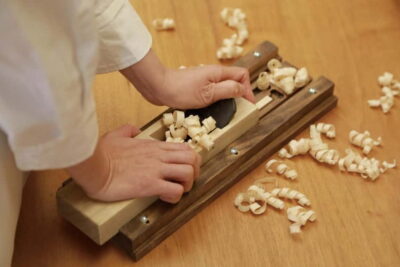
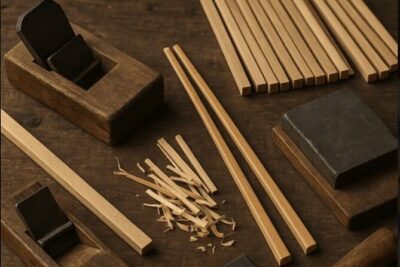
Chopsticks Making Workshop in Gion with Engraving Option
Read our review →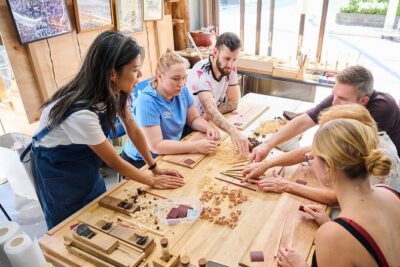


Matcha Making Experience with Mochi Sweets in Asakusa
Read our review →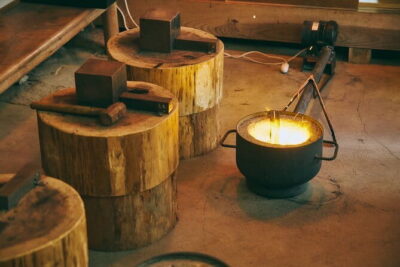
Authentic knife making experience at a blacksmith in Kyoto
Read our review →
Calligraphy class at Buddhist temple in city center
Read our review →Browse the lists this tour appears in