
Reviewed · CALLIGRAPHY & CRAFT WORKSHOPS
Tokyo Chopstick Making Workshop with Artisan
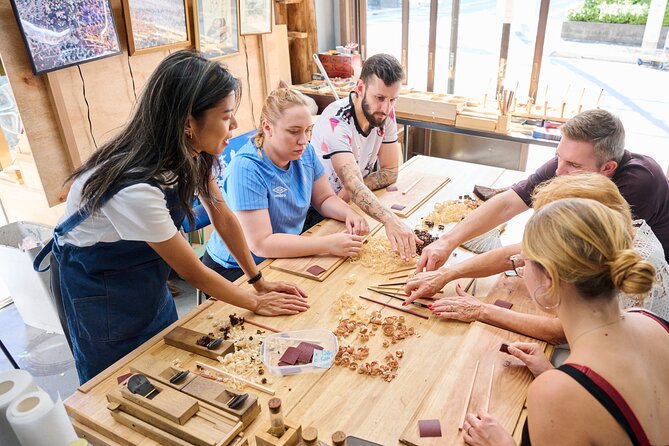
The best part of this Tokyo workshop is that you do not just buy a souvenir, you make one. At a small craft space in Taito City, you choose wood, plane it by hand, smooth the surface, and leave with chopsticks you can actually use. I especially like the hands-on work and the fact that your finished pair is wrapped to take home the same day. The staff, including Angie, Kaana, Rasmus, Sakura, and Sensei, help make the process easy for first-timers.
I also like the small class size, capped at 10 people, since you can get help without waiting long. Families with children have found the activity a hit, and it works well as a one-hour break from sightseeing. The main consideration is physical effort: planing can feel like an arm workout, and harder or more expensive woods may take longer. The advertised time is about an hour, but some people need closer to two hours to finish.
Key points to know before you book
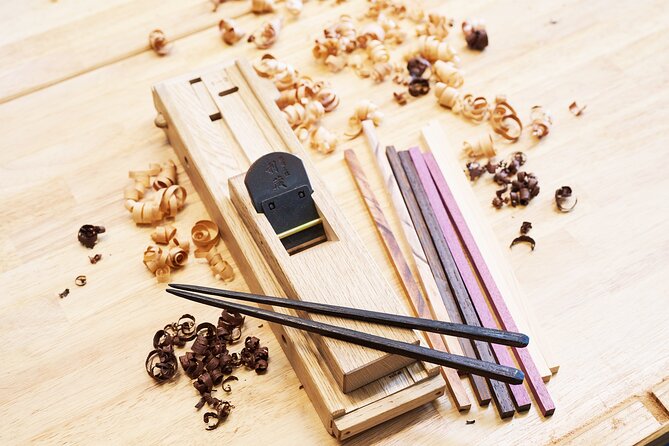
- You make a usable souvenir: Shape, smooth, and finish your own wooden chopsticks instead of purchasing a ready-made pair.
- The class is small: A maximum of 10 people allows for personal help in the compact workshop.
- Wood choice affects the price and effort: Basic options are included in the experience price, while nicer woods cost extra.
- Engraving is optional: You can add a personal touch for an additional fee.
- The workshop can take longer than one hour: Planing speed and wood choice may push the session closer to two hours.
- The location fits a Taito sightseeing day: The meeting point is near public transportation and within walking distance of Ryogoku Kokugikan, according to the supplied directions.
Making chopsticks instead of buying another souvenir
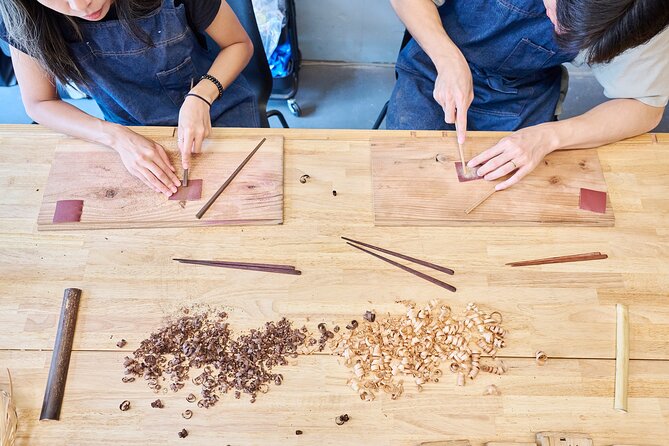
Tokyo is full of tempting souvenirs, but many are easy to forget once you return home. This workshop gives you something more personal. You handle the wood yourself, make visible decisions about its shape, and take away a pair with a story attached.
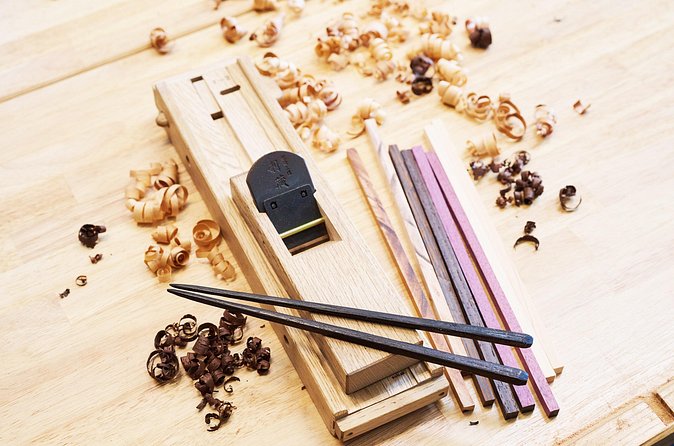
The work follows a simple path. You select a piece of wood, use traditional tools to shape it, smooth the surface, and finish the chopsticks. A local artisan shows you how to work safely and how to keep the pair even. You do not need previous woodworking experience, and the activity is designed for beginners.
That simplicity is part of the appeal. You are not trying to become a professional woodworker in one hour. You are learning enough to understand the care behind an ordinary Japanese object. Chopsticks may look simple, but making two matching pieces requires patience and a steady hand.
The finished product is wrapped beautifully, so it can go straight into your luggage as a gift or personal memento. If you want something more distinctive, engraving is available for an extra charge. That can turn a practical souvenir into a birthday gift, family keepsake, or reminder of your Tokyo trip.
Other things to make with your hands in Tokyo:
- Chopstick Making Workshop in Ginza
★ 4.8 · 1,366 reviews - Tokyo: Matcha Making Experience with Mochi Sweets in Asakusa
★ 4.9 · 388 reviews - Kyoto : Chopsticks Making Workshop in Gion with Engraving Option
★ 5.0 · 958 reviews
What the one-hour workshop is really like
The advertised duration is about one hour, which makes this easy to fit between larger plans. You can schedule it as a short indoor activity on a hot or rainy day, or use it as a change of pace after museums and temples.
Allow some flexibility, though. The work is done by hand, and the type of wood you choose affects how quickly you progress. One participant needed closer to two hours and was not rushed, so you should avoid placing a tight reservation immediately afterward.
The first stage is choosing your wood. There are several types available, with more expensive woods costing extra. This gives you some control over the final price, but it also means the advertised rate is not necessarily the final amount if you want a premium material.
Next comes the main physical task: shaping the wood with a plane. If you have never planed wood, the motion may feel unfamiliar. The work is not extreme, but it can tire your arms, especially with a harder wood. I would choose a simpler option if you want a relaxed session or if children are taking part.
After the rough shape is ready, you smooth the surface and refine the ends. The staff guide you through each step rather than leaving you to figure it out alone. The help matters here because small adjustments affect whether the chopsticks feel comfortable and match one another.
At the end, your chopsticks are finished and wrapped. You can also pay extra for engraving if you want your name, a date, or another personal mark. The available information confirms engraving as an optional paid service, but it does not specify the exact designs or characters offered, so ask on arrival if that detail matters to you.
The craft setting in Taito City
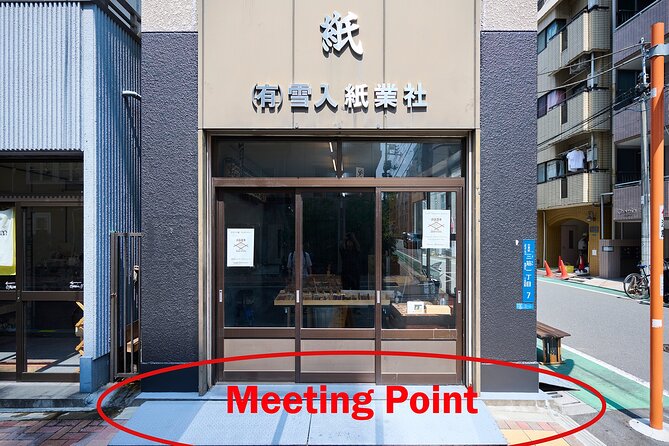
The workshop meets at 1-chōme-7-1 Misuji, Taito City, Tokyo 111-0055. This is a useful address for a day focused on old craft districts and local making traditions rather than major city sights.
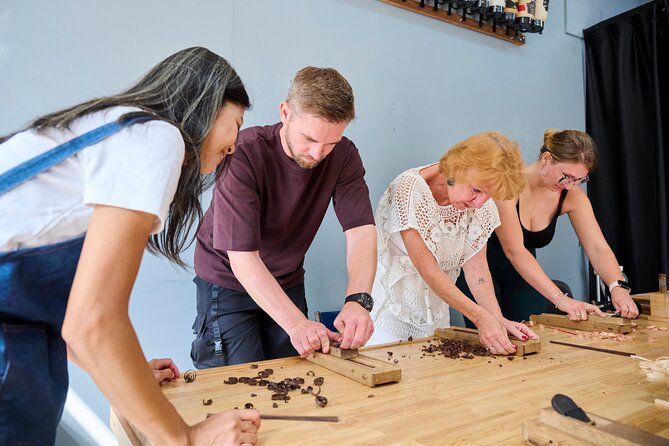
The space is described as small, with room for up to 10 people at a time. That limits the size of the class, but it also keeps the activity personal. You are not sitting in a large room watching a demonstration from the back. Staff can stand close by, check your technique, and help with the tricky parts.
The location is near public transportation. One helpful detail is that the workshop is walkable from Ryogoku Kokugikan, making it possible to pair with a visit in the Ryogoku area. The supplied information does not give a travel time or a specific station, so check the exact route before you set off.
The neighborhood setting adds value without turning the class into a sightseeing tour. You come for the chopsticks, but the address places you in a part of Tokyo associated with traditional trades and working craft spaces. Keep your expectations in check: you are not promised a guided neighborhood walk or a full lecture on local history.
The staff make the difference
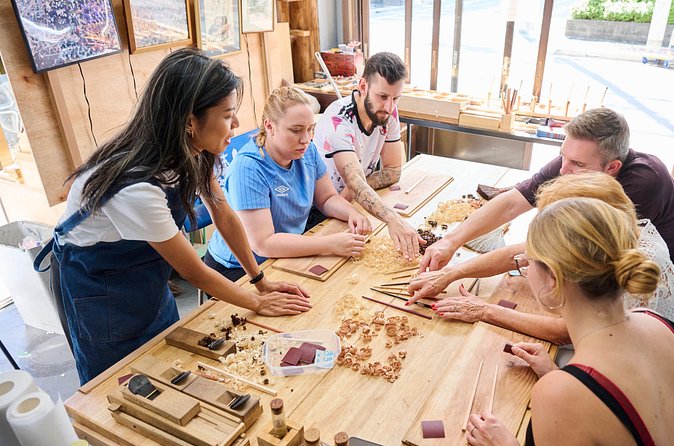
Hands-on activities depend heavily on instruction. Here, the staff are repeatedly described as kind, helpful, and encouraging. Angie is praised for making the process easy and welcoming. Kaana has been especially good with families, and Rasmus and Sakura have helped explain the steps and keep the mood relaxed.
Sensei is also mentioned alongside Angie at the workshop. The available information does not assign formal roles to each person, so you should think of these as members of the local team rather than expect one named instructor at every session.
The teaching style appears practical. You are shown what to do, then allowed to work with guidance nearby. That is the right balance for this activity. Too much instruction would make the session feel like a lecture, while too little would leave beginners unsure how much wood to remove.
The workshop may not satisfy you if you want a long, detailed lesson on the history of chopstick-making. The cultural side is present, including an explanation of the importance of chopsticks in Japan, but the main focus is making your own pair. If historical background is your top priority, treat that part as an introduction rather than a full class in Japanese material culture.
Same base, a different sort of day:
- Mt Fuji and Hakone 1-Day Bus Tour Return by Bullet Train
★ 5.0 · 26,383 reviews - 1-Day Tokyo Bus Tour
★ 5.0 · 14,250 reviews - Tokyo: TOKYO SKYTREE® Admission ticket
★ 4.5 · 11,192 reviews - Tokyo: teamLab Planets TOKYO Digital Art Museum Entry Ticket
★ 4.6 · 9,779 reviews
Choosing wood and managing the extra costs
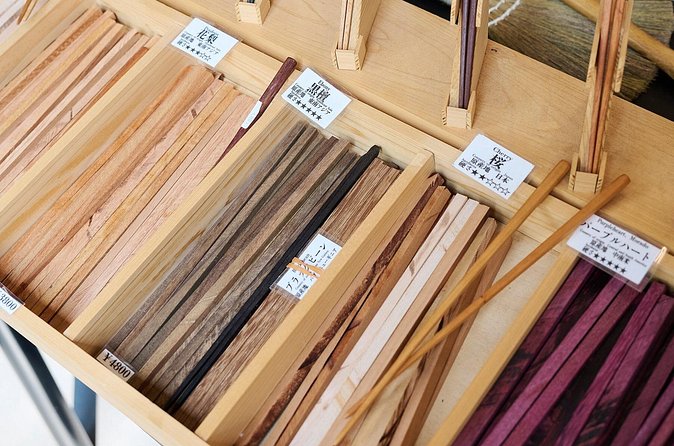
The base price is about $26.53 per person. For a one-hour craft activity with instruction and a souvenir to take home, that is a fair price, especially if you value experiences more than another shop-bought item.
The final cost can rise. Nicer woods require an additional payment, and engraving also costs extra. You should decide before starting how much you want to spend, particularly if you are making several pairs as gifts.
The wood choice is not only about appearance. A harder or more demanding piece may take more effort to shape. If your aim is a smooth, relaxed activity, select an easier wood and keep the focus on learning the process. If you enjoy manual work and want a more distinctive final product, paying for a premium option may feel worthwhile.
There is one practical price point to check before booking. A supplied comment says walk-ins may be accepted at a lower price, with visitors selecting wood and following written instructions at the workshop. That may depend on availability, staffing, or the conditions on the day. A reserved place gives you more certainty, while checking the direct walk-in price could save money if your schedule is flexible.
A good choice for families and first-time crafters
This is one of the easier Tokyo craft activities to recommend to families. Children around 10 and 12 have enjoyed it, and the one-hour format is short enough to hold attention. Parents should still expect some hands-on help, especially during planing and smoothing.
It also suits solo visitors. The small setting gives you access to staff, and the task naturally fills the hour without requiring a partner. You leave with a useful object rather than a temporary activity that disappears as soon as you walk out.
Friends can make matching pairs or choose different woods. Couples can add engraving and turn the finished chopsticks into a shared souvenir. The activity works best for people who enjoy making something with their hands, even if the result is not perfectly uniform.
I would be less likely to suggest it to someone who dislikes manual tasks or wants a passive cultural presentation. The work requires repeated hand movements, and the end result depends on your patience. It is gentle craft work, but it is still work.
What makes the souvenir worth keeping
A pair of chopsticks is small, light, and practical. That matters in Japan, where luggage space can disappear quickly after a few shopping days. You do not need to protect it like fragile pottery, and you can use it at home rather than store it in a drawer.
The personal labor gives the souvenir its value. You will notice the marks of the making process, even after the wood is smoothed and finished. If you add engraving, the pair becomes easier to identify and more meaningful as a gift.
The workshop also gives you a story to tell. You can explain which wood you chose, how much effort the planing required, and where in Tokyo you made them. That is more memorable than saying you purchased a pair from a department store.
The finished chopsticks are available the same day. You do not have to arrange shipping or return to the shop later, which is especially useful near the end of a Japan trip.
Planning your visit
Confirmation is provided at booking, and the activity ends back at the meeting point. The ticket is mobile, so you can keep the booking on your phone rather than print it.
Arrive with enough time to find 1-chōme-7-1 Misuji. Since the space is small, avoid assuming that a large shopfront or major attraction will mark the entrance. Use the full address and allow extra time if you are coming from another Tokyo neighborhood.
Wear something comfortable for a seated or standing craft activity. The information does not list a formal dress code, but planing and smoothing are physical tasks, so practical clothing makes sense.
Most people can take part. The activity is near public transportation, and the maximum group size is 10. Specific accessibility details are not provided, so contact the provider if you need information about seating, step-free access, or other arrangements.
The cancellation terms are straightforward: you can receive a full refund if you cancel at least 24 hours before the local start time. Cancellations or changes made within 24 hours are not accepted for a refund.
Who should book this chopstick workshop?
I would book this if you want a short, personal activity that produces a useful souvenir. It is especially good for families, couples, solo visitors, and anyone who likes artisan classes. The $26.53 starting price is reasonable, as long as you remember that premium wood and engraving cost extra.
I would also choose it on a rainy day or when you need a break from Tokyo’s larger attractions. The workshop is compact, friendly, and easy to fit into a broader Taito or Ryogoku plan.
Think twice if you have a very tight schedule, dislike repetitive hand work, or want a long lesson about Japanese chopstick history. The class is focused on making, not on an extended cultural talk. Also allow more than the advertised hour if you want careful results or choose a harder wood.
For most visitors, this is a good-value Tokyo experience because you leave with both a practical object and a memory of making it. Check the walk-in price if you have flexibility, decide whether engraving is worth the extra cost, and keep your afternoon open enough to work at your own pace.
FAQ
Where does the chopstick workshop take place?
The meeting point is 1-chōme-7-1 Misuji, Taito City, Tokyo 111-0055, Japan.
How long does the workshop last?
The stated duration is approximately one hour. Depending on your pace and wood choice, finishing may take closer to two hours.
What will I make during the activity?
You will make a pair of wooden chopsticks using traditional tools and techniques, then take them home after finishing.
Is the workshop suitable for beginners?
Yes. The activity is designed for beginners, and local staff guide you through shaping, smoothing, and finishing the wood.
How many people can join?
The workshop has a maximum of 10 participants.
Can I choose the type of wood?
Yes. You can choose from different kinds of wood. More expensive wood options require an additional payment.
Is engraving available?
Yes. Engraving is available for an extra cost.
Can I take the chopsticks home on the same day?
Yes. Your personalized chopsticks are finished and wrapped for you to take home at the end of the activity.
What is the cancellation policy?
You can cancel at least 24 hours before the local start time for a full refund. Cancellations or changes made less than 24 hours before the start time are not refunded.
Just added in Tokyo
- Japanese Whisky Hunting《HIGH-QUALITY-ONLY》Rare Tasting Class★ 5.0 · 20 reviews
- Luxury Tokyo Sake, Cocktail, Whisky and Pairing Tour★ 5.0 · 18 reviews
- Wagyu & Sake Pairing in Shinjuku – Steak, Shabu-Shabu & More★ 5.0 · 112 reviews
- Small-Group Wagyu Beef and 7 Japanese Dishes Tokyo Cooking Class★ 5.0 · 190 reviews
- Nikko: Edo Wonderland Edomura Cultural Theme Park Ticket★ 4.3 · 205 reviews
- 《MEMBERS-ONLY-BAR-HOPPING》Discover Your Special Whiskey in Tokyo!★ 5.0 · 29 reviews
- From Tokyo: Private Tour to Fuji/Hakone – Onsen, Art, Nature★ 5.0 · 116 reviews
- Tokyo: KABUKI Show at Kabukiza Theatre Admission Ticket★ 4.8 · 152 reviews
Calligraphy & Craft Workshops, compared.
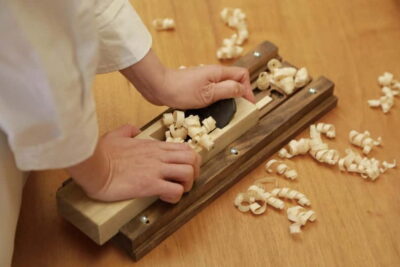
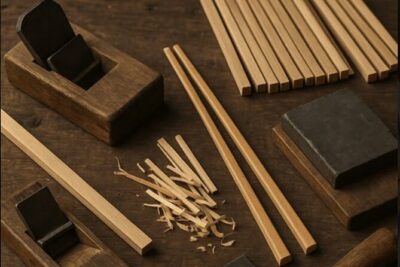
Chopsticks Making Workshop in Gion with Engraving Option
Read our review →

Matcha Making Experience with Mochi Sweets in Asakusa
Read our review →
Authentic knife making experience at a blacksmith in Kyoto
Read our review →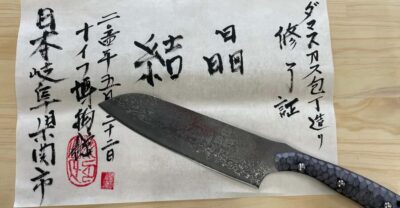
Seki: Samurai Knife Making Experience at the Knife Museum
Read our review →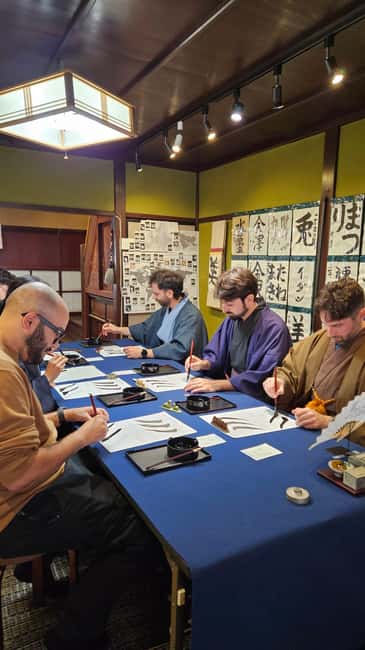
Try Mindful Calligraphy Near Kanazawa’s Ninja Temple
Read our review →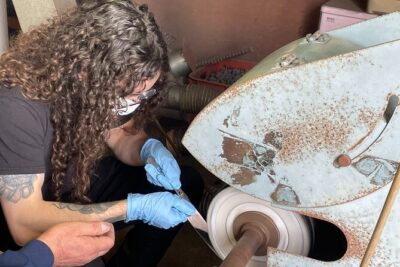
Browse the lists this tour appears in