
Reviewed · SAKE TASTING
Kyoto: Insider Sake Brewery Tour with Sake and Food Pairing
Kyoto’s Fushimi Sake District gives this experience a useful edge: you don’t just sip sake, you learn how to make sense of it. The museum explains brewing in plain terms, then the tasting puts that knowledge to work with 10 or more styles, from dry and crisp to fruity and full-bodied.
I especially like the practical label-reading lesson and the side-by-side food pairing. By the end, you can identify the styles you enjoy and order with less guesswork. The catch is that the first half includes about 90 minutes of walking and standing, so this is not the right pick if you need a mostly seated activity.
Key points at a glance
- Fushimi setting: Visit one of Japan’s best-known sake-producing districts at the Gekkeikan Okura Sake Museum.
- A real tasting lesson: Compare 10 or more sakes and learn what rice polishing, brewing, and style mean in the glass.
- Food changes the flavor: Taste selected sakes with traditional otsumami and see how pairing shifts aroma and taste.
- Useful Japanese skills: Learn how to read sake labels and menu terms, then keep the advice on a small sake cheat sheet.
- Strong guide-led format: Guides such as Kyoko, Miyuki, Momo, and Chika are praised for clear explanations, humor, and enthusiasm.
- Plan carefully: The tour lasts three hours, includes alcohol, and requires guests to meet at the museum. Transportation is not provided.
Why Fushimi is the right place to learn about sake

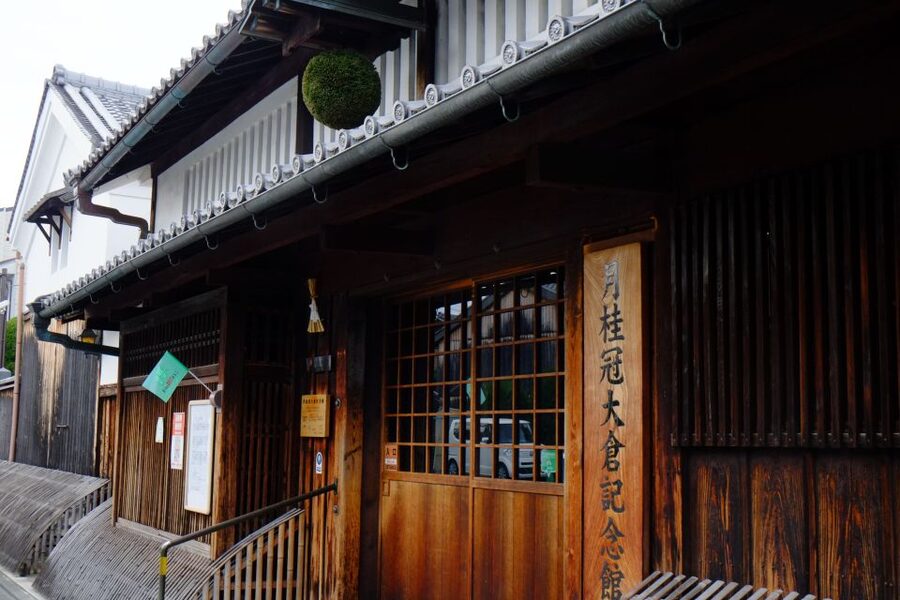
Fushimi is not a random backdrop for a tasting. It is one of Japan’s famous sake-producing areas, and the district’s brewery tradition gives the lesson a sense of place. You meet your guide inside the entrance of the Gekkeikan Okura Sake Museum at 697 Motozaimokuchō, Fushimi Ward, Kyoto.
That meeting point matters. You are already at the subject of the tour, not in a general bar where the brewing story has to be added later. If the museum is unexpectedly closed, the visit may move to another historic brewery in Fushimi.
The English-speaking guide sets the tone. Names vary by date, but the experience has been led by certified sake experts including Kyoko, Miyuki, Momo, Chika, Mayo, and others. The best guides turn technical points into useful drinking advice. You do not need to arrive with a vocabulary of Japanese rice varieties or brewing terms. Curiosity is enough.
The tour is also a good choice if you have tried sake before but keep ordering whatever has the most attractive label. Sake bottles can be hard to read, and menu descriptions do not always tell you what the drink will taste like. This experience helps connect the words on the bottle with the flavors in the glass.
Other tasting rooms and breweries in Kyoto:
- Kyoto Night Foodie Tour in Gion (9+ dishes + 6 Sake tastings)
★ 5.0 · 1,762 reviews - 3-Hour Kyoto Insider Sake Brewery Tour with Tastings & Pairings
★ 5.0 · 917 reviews - Arashiyama Bamboo, Temple, Monkeys, or Secret Sake Brewery
★ 4.8 · 886 reviews
Inside the Gekkeikan Okura Sake Museum
The museum visit takes roughly the first hour, according to the tour format described by participants. You learn the basic brewing process and the role of rice, water, yeast, and polishing. The explanations also cover the history of the Gekkeikan family and the brewery itself.
I like this part because it gives you a framework for the tasting. Instead of hearing that one sake is fruity and another is dry, you learn that style comes from choices made before the drink reaches the bottle. The amount of rice polishing is one example. Several people found it especially helpful to taste how different polishing levels affect the final drink.
This is not a hands-on brewing workshop. You are touring and listening, with some walking and standing. The museum section is best viewed as a clear introduction rather than a long technical study of every step.
The pacing seems to be one of the experience’s strengths. Guides such as Miyuki and Kyoko have been praised for making the material lively without rushing it. The presentation may include large visual explanations so everyone can follow, along with a small cheat sheet you can use later in a restaurant or shop.
Bring comfortable shoes. The first half includes about 1.5 hours on your feet, and the tour is not designed for wheelchair users or people with a low level of fitness.
Comparing 10 or more sake styles

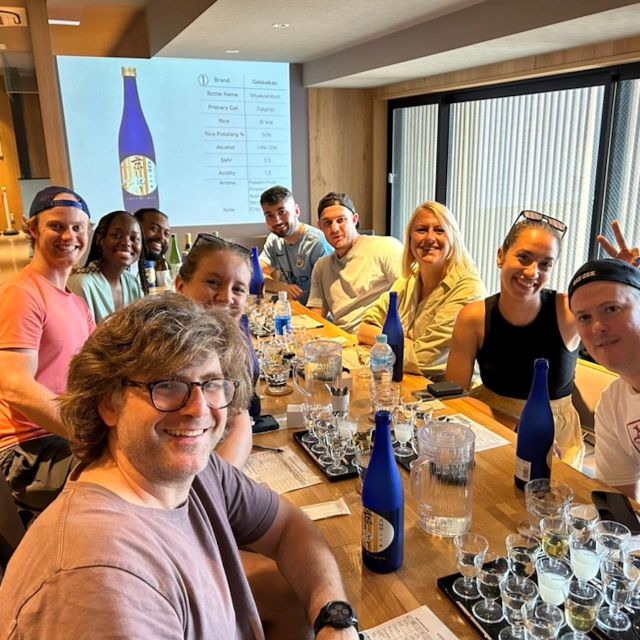
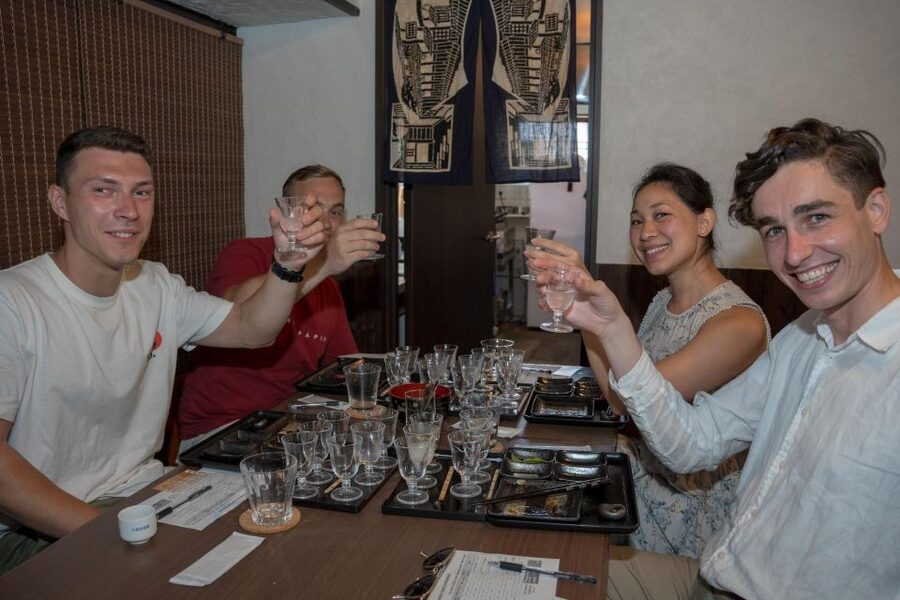
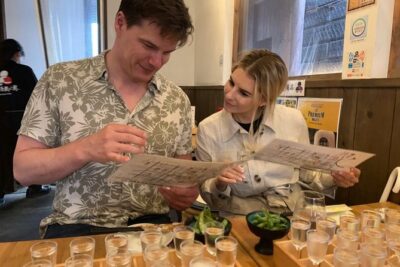
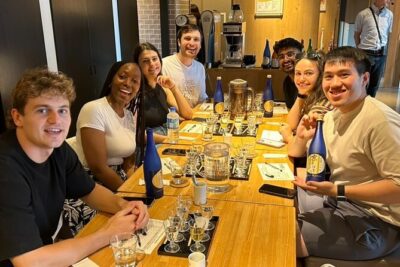
The second part moves to a dedicated tasting room. This is where the tour becomes especially useful. You taste at least 10 sakes selected by a certified sake sommelier, comparing them rather than treating each glass as an isolated sample.
That comparison is the key. A single sake can be difficult to judge when you have nothing beside it. With several styles in front of you, you can notice the difference between clean and dry, fruity and fragrant, or fuller and more rounded sake. You are encouraged to work out what you personally like, not memorize a list of correct answers.
The tasting also introduces Nihonshu, the Japanese term often used to distinguish sake from other alcoholic drinks. You learn how to read important information on labels, including the style and grade clues that can help you choose a bottle.
The point is not to become a sake judge in three hours. It is to give you enough confidence to ask better questions and make a reasonable choice. You may leave preferring a style you did not expect, or discover that the sake you thought you liked was actually a particular flavor profile rather than a particular brand.
The guide’s role makes a large difference here. Momo, Momo and other named guides have been singled out for answering questions and keeping the tasting relaxed. Kyoko is often described as both funny and patient, while Miyuki has been praised for explaining brewing details and food pairings clearly. Your guide will vary, but the format is designed around a live expert rather than a printed tasting card alone.
Why the food pairing is more than a snack break
Otsumami are traditional Japanese appetizers served with drinks. Here, they are used as tasting tools. You first try the sake by itself, then taste it with selected foods. That simple sequence shows how a drink can change when it meets salt, richness, sweetness, or savory flavors.
This is one of the strongest parts of the experience. You are not just told that sake pairs well with Japanese food. You can notice the contrast directly. A sake that seems light on its own may feel more rounded with food, while a rich style may work better with a stronger savory bite.
The pairings also help if you are new to sake. Some people find sake difficult to describe, but food gives you another point of reference. You can say that a certain style works for you with a meal, even if you cannot yet name every aroma.
The food is otsumami, not a full lunch or dinner. Eat something before the tour, particularly because the tasting includes 10 or more samples. One useful bit of advice is not to schedule an important activity immediately afterward. You will want time to sit, process what you learned, and continue your evening at an easy pace.
Vegetarian and vegan options are available. Tell the guide at the site about food preferences or allergies.
Same base, a different sort of day:
- PERFECT KYOTO 1-Day Bus Tour
★ 5.0 · 13,518 reviews - Kyoto: Fushimi Inari, Kinkakuji, Bamboo Grove 1 Day Bus Tour
★ 4.8 · 4,316 reviews - Kyoto: Tea Ceremony in a Traditional Tea House in Kiyomizu
★ 4.9 · 3,519 reviews - Kyoto Geisha Walking Tour: Gion District & Hidden Gems
★ 4.7 · 3,273 reviews
Learning how to order sake in Japan
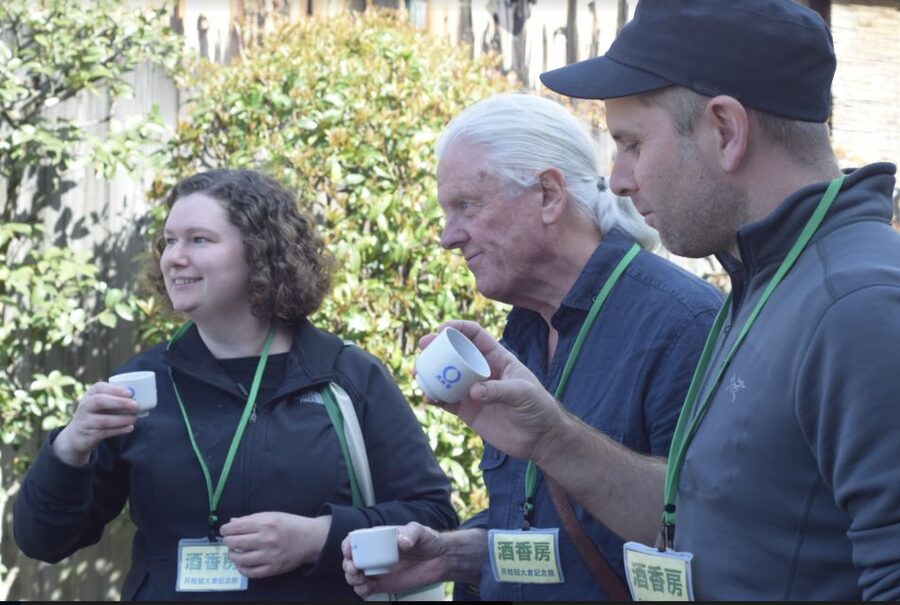
For many people, the most valuable takeaway is not the tasting itself. It is the confidence to order later.
The guide explains how to read sake bottles and menus, including the terms that hint at style and flavor. You also learn when sake is commonly served hot or cold and which kinds can work with sushi. This is practical information you can use at an izakaya, sushi restaurant, department-store food hall, or sake shop.
The small sake cheat sheet is a smart touch. You can keep it in your wallet or day bag and use it when a menu feels confusing. It will not replace a full sake dictionary, but it gives you a starting point when you are standing in front of a wall of bottles.
I would pay attention to the questions the guide asks about your taste. Do you prefer crisp drinks, fruitier aromas, a richer mouthfeel, or something gentler with food? The goal is to leave with your own preferences in clear terms. That is far more useful than simply remembering the name of one bottle served during the tour.
The lesson also helps you avoid a common mistake: assuming that more expensive or more highly polished automatically means better. The tour focuses on what changes flavor and what suits you, which is a saner way to choose.
Is $87 a fair price?
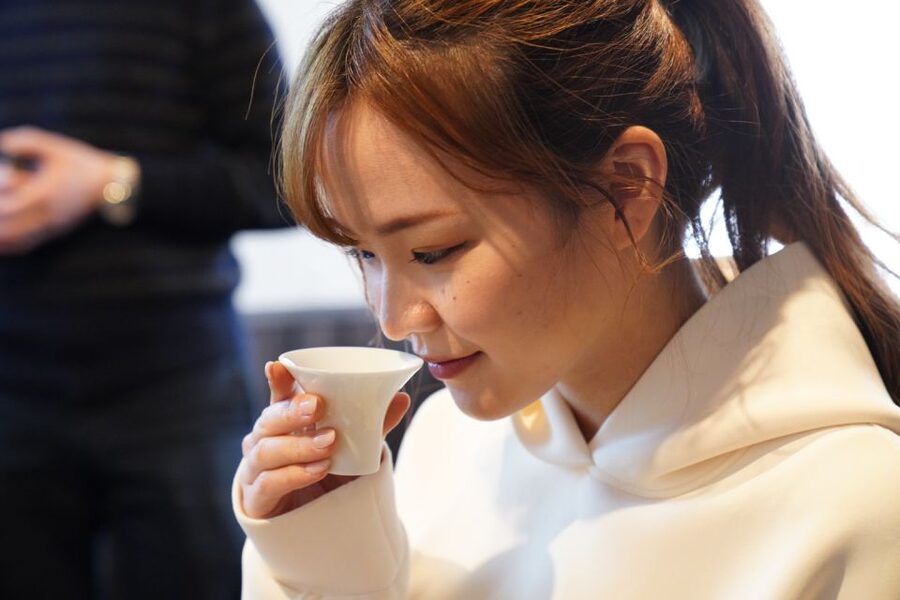
At $87 per person, this is not a cheap tasting at a Kyoto bar. But the fee includes museum admission, a guided museum visit, a certified sake expert, 10 or more samples, otsumami, a dedicated tasting room, and the printed tasting materials.
The value depends on how you use the lesson. If you only want one drink and a quick photo, this is too much time and money. If you plan to eat and drink around Japan, the label-reading and ordering advice can pay off repeatedly during the rest of your trip.
The museum visit gives you context, while the tasting gives you practical experience. You are also paying for someone to select a broad range of sake and explain the differences in English. That is hard to reproduce by ordering random bottles on your own.
There are limits. Transportation to and from the attractions is not included, and hotel pickup is not provided. You must make your own way to the museum. The tasting is also not a full meal, so budget for food before or after.
The format has earned a very high rating, with 704 reviews showing a five-star average at the time of the supplied information. The praise is especially consistent around the guides, the number of samples, the food pairing, and the practical bottle-reading lesson. Those are the parts that make the price easier to justify.
Who should book this Kyoto sake tour?
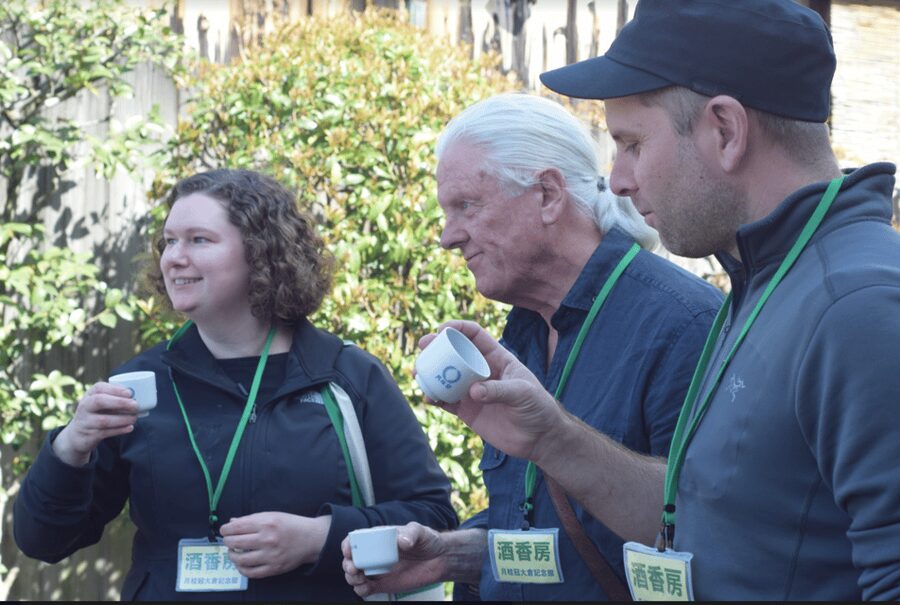
I would recommend it most strongly to adults who enjoy food and drink but do not yet understand sake. It also suits people who have tasted sake before and want to compare styles in a more organized way.
You will get the most from it if you:
- Want to order sake with more confidence in Japan
- Enjoy learning through side-by-side tasting
- Care about how drinks work with food
- Like cultural background but do not want a long academic lecture
- Can comfortably walk and stand for about 1.5 hours
- Are happy to meet at the museum rather than use hotel pickup
It is not recommended for children, pregnant people, wheelchair users, people under 19, or anyone with low fitness. Japan’s legal drinking age is 20, and anyone under 20 receives non-alcoholic drinks. People under 12 and under 3 are listed as unsuitable, and children without their own reservation cannot join.
Do not arrive by car or bicycle if you want to drink. For safety and legal reasons, alcohol will not be served to people who arrive by either, and there is no refund if you cannot take part in the tasting. Strong fragrances and chewing gum are also not allowed, since both can interfere with tasting.
Timing, meeting point, and small practical details
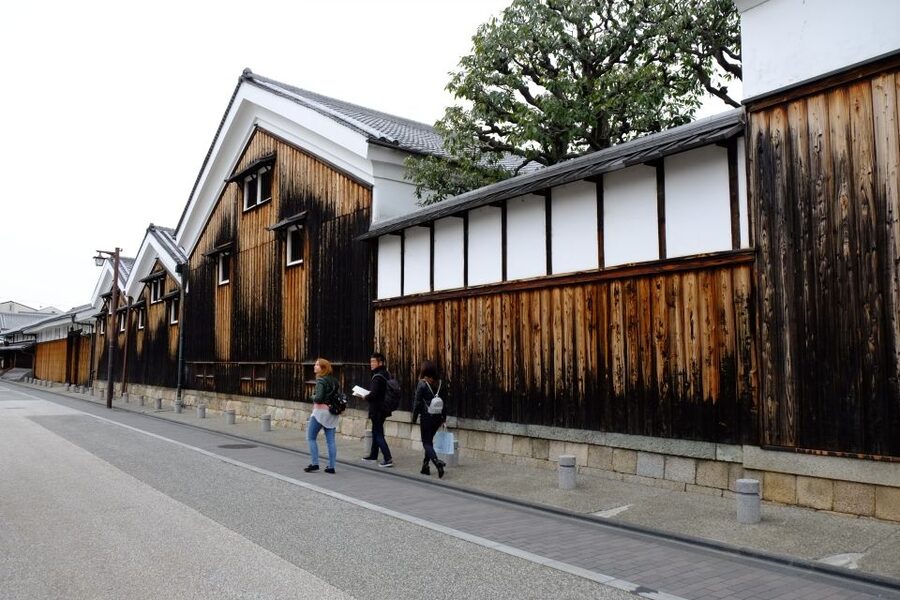
The experience lasts three hours, with starting times available on the booking calendar. Meet your guide inside the entrance of the Gekkeikan Okura Sake Museum, using the address 697 Motozaimokuchō, Fushimi Ward, Kyoto, 612-8043.
Arrive early. If you are more than 20 minutes late, the booking will be canceled. You should also leave room in your schedule afterward rather than racing to another appointment.
Cancellation is free up to seven days in advance for a full refund. The tour is conducted in English, and every participant, including non-drinkers and children, needs a reservation.
Should you book it?
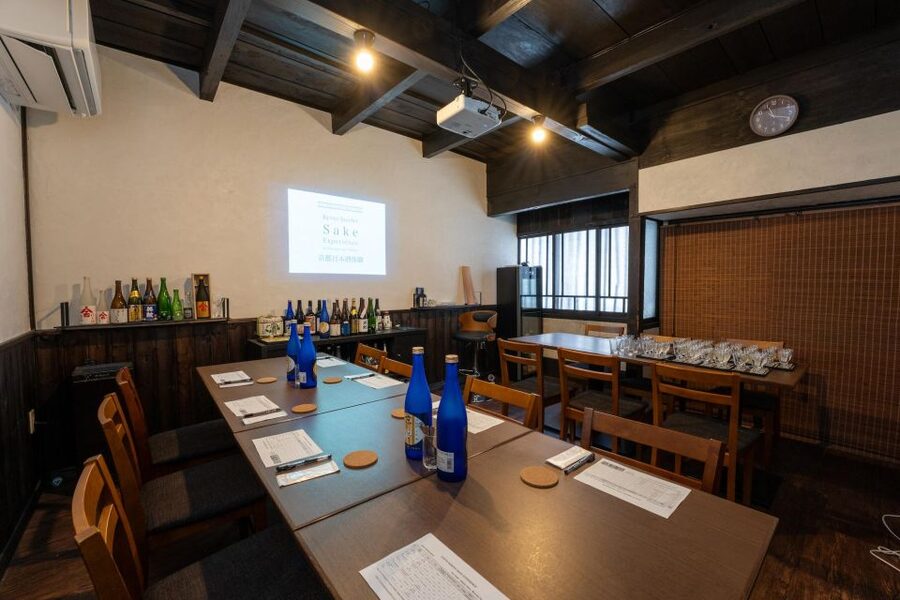
Book this experience if you want sake to make more sense for the rest of your time in Japan. The best payoff is practical: you taste enough styles to find your preferences, learn how food changes the drink, and gain a simple method for reading bottles and menus.
Skip it if you want a quick tasting, a full meal, or a mostly seated activity. For everyone else, the combination of Fushimi’s brewery setting, a museum introduction, 10 or more tastings, and guided food pairing makes this one of Kyoto’s more useful food-and-culture activities.
FAQ
Where does the sake tour meet?
Meet your English-speaking guide inside the entrance of the Gekkeikan Okura Sake Museum at 697 Motozaimokuchō, Fushimi Ward, Kyoto, 612-8043, Japan.
How long does the experience last?
The experience lasts three hours.
How many types of sake will I taste?
You will taste 10 or more types selected by a certified sake sommelier.
Is food included?
Yes. Traditional Japanese otsumami are included for food pairing. Vegetarian and vegan options are available if you tell the guide about your needs at the site.
Is the museum admission included?
Yes. Entry to the Gekkeikan Okura Sake Museum and a guided museum visit are included. If the museum is unexpectedly closed, the visit may take place at another historic brewery in Fushimi.
Can people under 20 drink sake on the tour?
No. Japan’s legal drinking age is 20. People under 20 will only be served non-alcoholic drinks.
Can I join if I arrive by car or bicycle?
You may join the activity, but alcohol will not be served to anyone who arrives by car or bicycle. Non-alcoholic drinks are available, and there is no refund if you cannot take part in the sake tasting.
Is the tour suitable for people who do not walk easily?
The first half includes about 1.5 hours of walking and standing. The tour is not suitable for wheelchair users or people with a low level of fitness.
How late can I arrive, and when can I cancel?
Arriving more than 20 minutes late results in cancellation of the booking. You can cancel up to seven days in advance for a full refund.
Just added in Kyoto
- Kyoto: Private Photoshoot Service★ 5.0 · 158 reviews
- Kyoto Rickshaw Tour★ 5.0 · 210 reviews
- Izakaya Style Cooking Class★ 5.0 · 219 reviews
- Kyoto: Traditional Concert at Townhouse or Bathhouse★ 4.9 · 224 reviews
- Ninja 2-hour Hands-on Lesson by Japanese master in Kyoto -Medium★ 5.0 · 218 reviews
- Kyoto: Arashiyama Bamboo, Temple, Matcha, Monkeys & secret spots★ 5.0 · 219 reviews
- Kyoto Geisha District Walking Tour in Gion★ 5.0 · 232 reviews
- The right way to know Kyoto★ 5.0 · 257 reviews
Sake Tasting, compared.
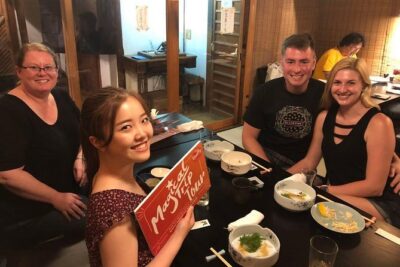
Kyoto Night Foodie Tour in Gion (9+ dishes + 6 Sake tastings)
Read our review →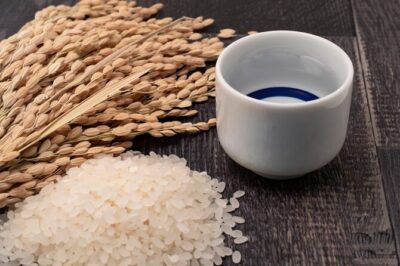
1-Day Snow Monkeys, Zenko-ji Temple & Sake in Nagano
Read our review →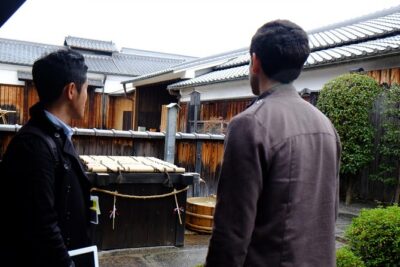
3-Hour Kyoto Insider Sake Brewery Tour with Tastings & Pairings
Read our review →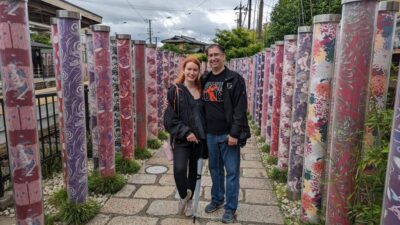
Arashiyama Bamboo, Temple, Monkeys, or Secret Sake Brewery
Read our review →
1.5-Hour Kyoto Insider Sake Experience with 7 Tastings & Pairings
Read our review →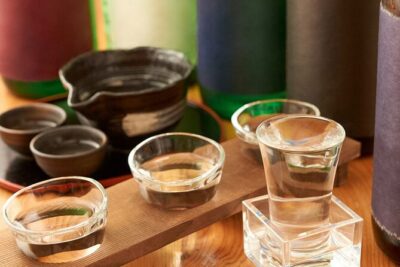
Ramen and Sushi Cooking Class with Sake Pairing Set in Tokyo
Read our review →Browse the lists this tour appears in