
Reviewed · WAGYU & KAISEKI DINING
Kyoto Food Tour of 10 Tastings with Wagyu, Mochi & More Surprises
Kyoto’s food story unfolds one bite at a time on this Karasuma-to-Gion walking tour, with stops for pork cutlet, yuba tofu, wagyu sushi, fishcakes, mochi, sake, beer, and tea. I like the route because it connects eating with seeing the city, especially Nishiki Market, the Kamo River, Pontocho, and Gion.
I also like the small group limit of ten and the mix of proper restaurant dishes with quick market tastes. The main caution is value: at $142 per person, you are paying for the guide, route, drinks, and convenience, not simply the retail cost of ten small portions. Some food-focused visitors may also find the menu too fried, while quiet English delivery can reduce the detail.
Key points to know before booking
- Ten Kyoto-style tastings: Expect katsudon, yuba tofu, okonomiyaki, wagyu sushi, fishcakes, daifuku mochi, a secret dish, beer, sake, and Japanese tea.
- A useful city route: Begin near Karasuma Oike and finish by Minami Gion, close to Gion Shijo Station and Yasaka Shrine.
- Nishiki Market gets the most time: About 90 minutes are set aside for food, local trades, and explanations along the 400-meter market street.
- Small groups keep the walk manageable: The maximum is ten people, though group discounts may be available.
- Good guides can shape the experience: Yuma and Tomoro have earned specific praise for being friendly and easy to spend time with, but guide style and English detail can vary.
- Plan for a full walk: The tour lasts about three and a half hours and requires comfortable shoes.
Starting near Karasuma Oike
The meeting point is in front of the Starbucks across from Exit 5 of Karasuma Oike Subway Station. That is a practical place to begin because the station is easy to find, and the orange umbrella identifies the guide.
The opening briefing takes about ten minutes. You receive an introduction to the route and the food stops before heading toward the first meal. I appreciate this kind of clear start in Kyoto, where a well-marked station meeting point saves time and prevents the usual pre-tour wandering.
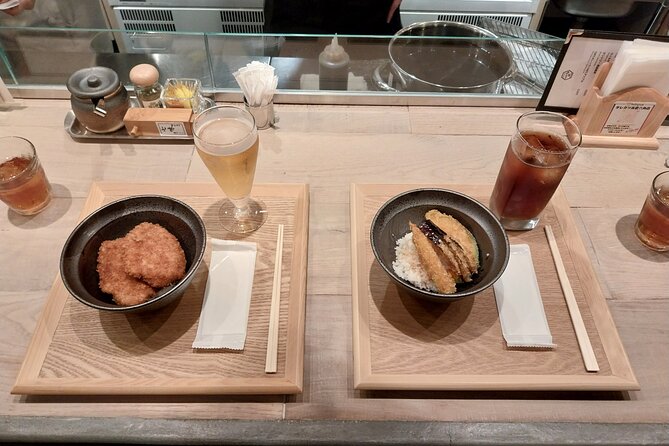
The first restaurant is Kyoto Tonkatsu Katsuda Shijo Kawaramachi. Here, you begin with a traditional Japanese dish and a local flavor twist. The supplied menu describes this tasting as katsudon with a sweet Kyoto-style touch, though the exact preparation can change.
This is more than a token sample. The stop lasts about 30 minutes, so you get a proper first bite before moving into the market portion. If you prefer savory food with a substantial start, this works well. If you hoped for a light introduction with raw fish or vegetables, the fried pork and rice may feel heavy so early in the walk.
Other long dinners in Kyoto:
- Kyoto Evening Gion Food Tour Including Kaiseki Dinner
★ 5.0 · 62 reviews - Tokyo Night Foodie Tour in Shinjuku – Seasonal Sushi, Wagyu Beef
★ 5.0 · 1,161 reviews - Tokyo: Wagyu and 7 Japanese Dishes Cooking Class
★ 4.9 · 273 reviews
Nishiki Market, Kyoto’s food corridor
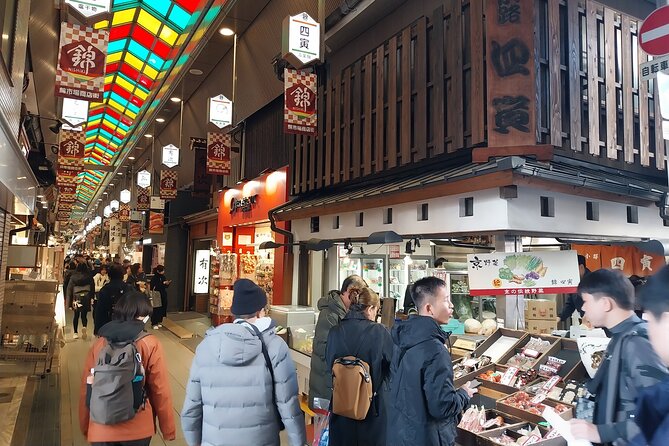
Nishiki Market is the center of the tour. You spend roughly an hour and a half along the 400-meter covered street, learning about local artisans and tasting small portions from different sellers.
The market is a useful place to have a guide. It has many shops packed close together, and a first visit can become a blur of skewers, sweets, pickles, seafood, and kitchen goods. The tour gives you a route through that crowd rather than leaving you to guess which stalls fit Kyoto’s food traditions.
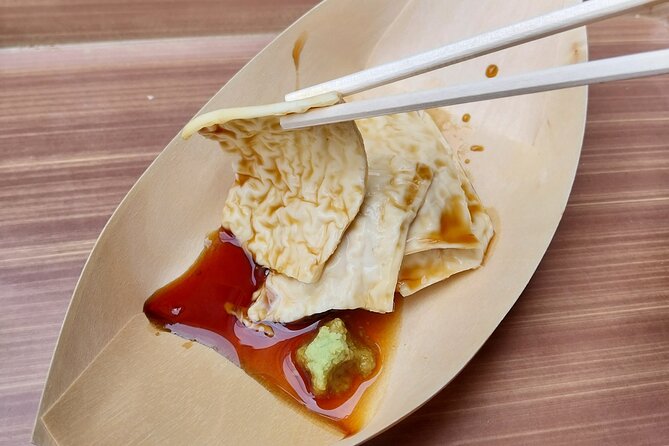
One featured tasting is yuba tofu, the delicate film that forms on the surface of simmering soy milk. Kyoto is strongly associated with yuba, and the tour includes a presentation showing how it is made. This is one of the more distinctive inclusions because it connects the food with a local preparation method, rather than treating Kyoto as a place for generic Japanese snacks.
You also sample fresh fishcakes in several flavors. These are handmade, flavorful, and easy to eat while walking or standing. A tasting like this gives you a sense of the market’s everyday food culture, though it will not satisfy someone looking for a full seafood meal.
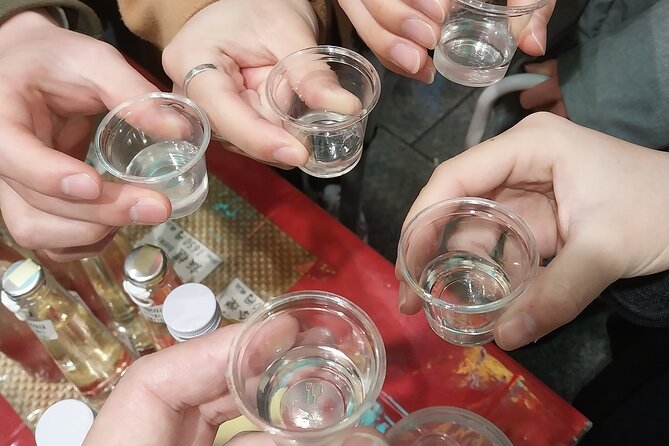
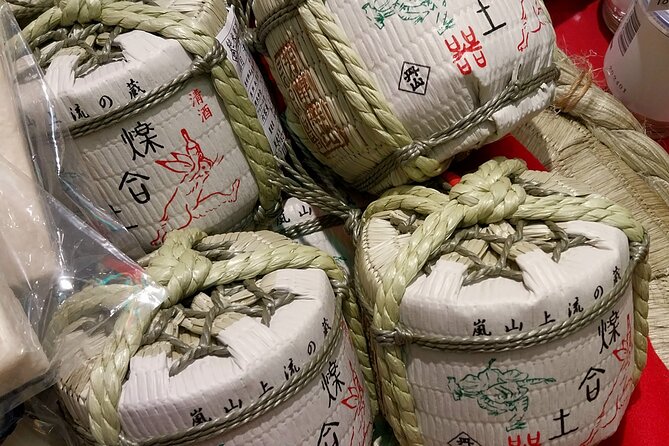
The market portion includes a tasting of Kyoto sake. The wording allows for various sakes rather than one fixed pour, so you may compare more than one style. A glass of draft beer is also included during the tour. These drinks help make the meal feel varied, but keep in mind that this is a walking food experience, not a dedicated sake seminar.
The market stop is likely the best part for first-time visitors who want orientation. It combines food with small details about the people who make and sell it. Still, market food is often fried, salty, sweet, or served in modest pieces. Two lower-rated experiences specifically found the selection too fried or too much like street food for the price. That criticism is fair to consider before booking.
Wagyu sushi and the value of small portions
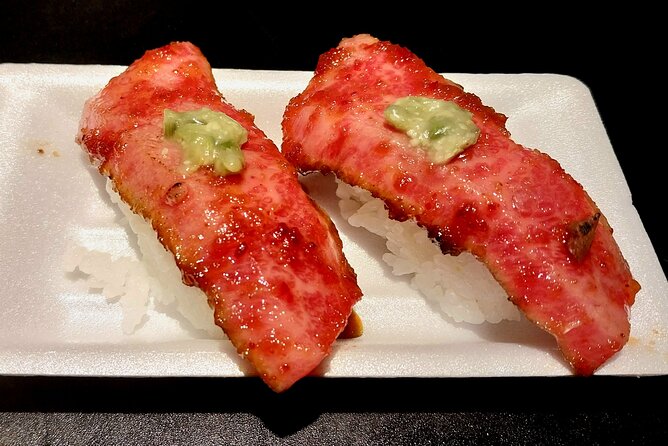
Wagyu sushi is one of the tour’s headline tastings. The beef is seared, then served sushi-style. It is a striking bite and gives the menu a luxurious note, but one piece should be understood as a taste, not a wagyu dinner.
This distinction matters at $142. The price includes several stops, a guide, alcoholic drinks, tea, and the convenience of moving directly between selected places. You are also paying for the time spent explaining the food and handling the route through central Kyoto.
If you priced each snack on its own, you could almost certainly spend less. One criticism of the tour was that the food could be bought independently for a lower total. I would not choose this experience if your only goal is the cheapest way to eat ten items.
I would choose it if you want a planned introduction and prefer not to research Nishiki Market, decide what to order, or work out how to connect Karasuma with Gion. The value rises for someone visiting Kyoto for a short time, especially if the cultural context and easy pacing matter as much as the food itself.
From Pontocho to the Kamo River
After Nishiki Market, the route turns toward Gion. The walk includes views of Pontocho and the Kamo River before reaching the Gion area. This is an important feature because you are not spending three and a half hours inside restaurants.
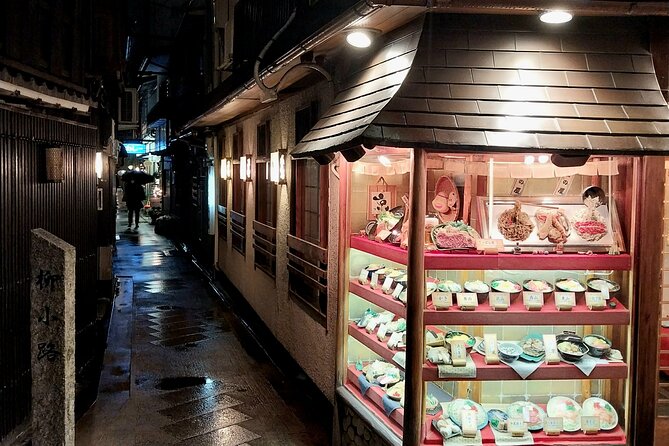
Pontocho is one of Kyoto’s best-known dining lanes, while the Kamo River provides a quieter break from the narrow streets. The route lets you see how the city’s food districts connect, from market stalls to restaurant alleys and traditional streets.
You should expect steady walking rather than a sightseeing tour with long stops. The food remains the main purpose, and the guide’s commentary may vary depending on the person leading your group. Some guides, including Yuma and Tomoro, have been singled out for being friendly and pleasant company. Other experiences found a guide too quiet and not detailed enough about the dishes or local background.
That difference is worth taking seriously. If you need polished food history and long explanations at every stop, ask about the guide and language support before booking. If you are comfortable with a relaxed walk and simple explanations, the format may suit you well.
More eating your way round Kyoto:
- Kyoto Night Foodie Tour in Gion (9+ dishes + 6 Sake tastings)
★ 5.0 · 1,762 reviews - Kyoto: Gion Food Tour 13 Dishes at 4 Eateries
★ 5.0 · 408 reviews - Kyoto Foodie Night Tour
★ 5.0 · 376 reviews - Kyoto: Gion & Pontocho Food Tour with 13 Dishes
★ 4.9 · 235 reviews
Okonomiyaki in Gion
In Gion, you get a chance to sit down for Kyoto-style okonomiyaki. This savory pancake is prepared with a mixture of ingredients and cooked as a hearty meal. The stop lasts about 30 minutes and provides a needed pause after the market and city walk.
The Gion setting gives the dish a sense of place, but the food remains casual. You should not expect a formal dining room or a long restaurant service. The appeal is the contrast between the earlier market bites and a warm, filling dish served in a small, quaint restaurant.
This is also where the pacing makes sense. A sequence of tiny samples can leave you hungry, especially after walking. The okonomiyaki gives the tour a more substantial middle or late meal.
The menu is not fixed in stone. Locations, weather, availability, and other conditions can lead to changes. Dietary requirements should be sent in advance so the operator can see what can be accommodated. Do not wait until the meeting point to mention allergies or restrictions.
Matcha and the final stop near Minami Gion
The final tasting centers on Japanese tea, with hot or cold tea from a well-known matcha venue. Kyoto is closely tied to tea ceremony, so ending with tea gives the route a calmer finish after the market, alcohol, meat, and savory dishes.
The tea stop lasts about 20 minutes. You may receive a selection depending on the season, but the precise choices can change. The tour ends at the entrance to the Minami Gion district, only a few minutes from Gion Shijo Station on the Keihan Line and close to Yasaka Shrine.
This is a convenient finish. You can continue exploring Gion, visit Yasaka Shrine, or take the train without returning to the starting point. The end location also makes the tour useful as an afternoon introduction to eastern Kyoto.
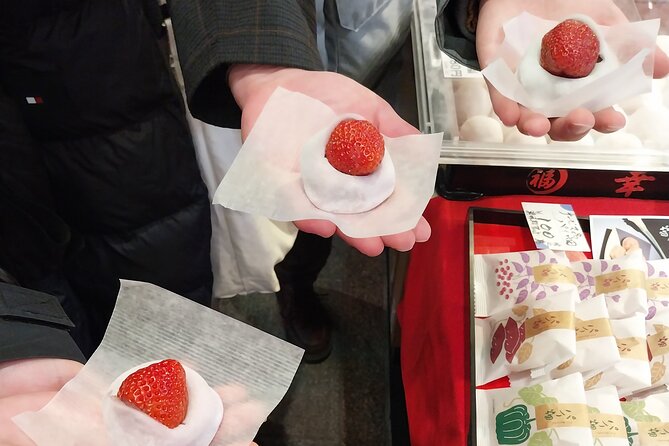
The included daifuku mochi adds a sweet note to the menu. It comes with a seasonal fruit filling, so the flavor depends on the time of year. Mochi can be filling despite its small size, and it provides a welcome change from fried dishes and savory pancakes.
What the ten tastings really mean
The advertised ten tastings are a mix of food and drink, not ten full plates. The package includes:
- Yuba tofu, with a presentation
- Katsudon with a local sweet twist
- Kyoto-style okonomiyaki
- Seared wagyu sushi
- Fresh handmade fishcakes
- Daifuku mochi with seasonal fruit
- One secret dish
- A glass of draft beer
- A tasting of Kyoto sakes
- Hot or cold Japanese tea
This is a broad menu. You get meat, soy, seafood, rice, batter, sweets, alcohol, and tea. It is a good introduction if you want variety, but the range also means no single dish receives much attention.
The secret dish adds a little surprise, although its identity is not provided in advance. Since the menu can change, you should treat the list as a guide rather than a guarantee. The strongest parts for food-focused visitors are likely to be the yuba presentation, wagyu sushi, and market tastings. The weaker point may be the overall balance if you prefer fresh produce and lighter food.
Group size, guides, and communication
The maximum group size is ten people. That is small enough for a guide to keep the group together through Nishiki Market, where a larger party could become awkward. It also makes it easier to hear explanations and ask questions, assuming the guide speaks clearly.
Guide quality is central to this experience. Yuma and Tomoro have received specific praise for being friendly and for making the market walk enjoyable. At the same time, some experiences found the guide soft-spoken, with only moderate English and limited food background.
I would treat this as a relaxed local food walk rather than a professional culinary lecture. You may get useful explanations about ingredients, preparation, and neighborhoods, but the depth can depend on the person leading your group.
The overall rating is 4.9 from 85 ratings, with 96 percent recommending the experience. That points to strong satisfaction overall, while the lower scores reveal a consistent concern about price, fried food, and guide communication. Both sides are useful. The tour clearly works very well for many people, but it is not the right match for every eating style.
Walking, timing, and practical planning
The experience lasts about three hours and 30 minutes. Wear comfortable shoes because the route runs from Karasuma through Nishiki Market and onward to Gion. There is no hotel pickup or drop-off, so you must reach the Starbucks meeting point yourself.
The tour is near public transportation at both ends. Start at Karasuma Oike Station, and finish near Gion Shijo Station. That makes it easy to fit into a day of sightseeing without arranging a taxi.
Allow room in your schedule for a changing menu and a steady pace. The stated stop times add up to several hours, but market conditions and restaurant service can affect the exact rhythm. Bad weather can also cause cancellation, in which case you are offered another date or a full refund.
Free cancellation is available until 24 hours before the start time. Within 24 hours, the payment is not refunded, and changes are not accepted. Confirmation is sent within 48 hours of booking, subject to availability.
Who should book this Kyoto food walk?
I would recommend it to a first-time Kyoto visitor who wants a guided route through central food districts. It suits someone who likes trying many small portions, enjoys a drink with food, and wants to finish near Gion rather than return to the starting point.
It also works for people who enjoy a mix of food and sightseeing. The route includes Nishiki Market, Pontocho, the Kamo River, and Gion, so you get more than a series of restaurant tables.
I would be cautious if you are vegetarian, have strict dietary needs, dislike fried food, or expect a formal culinary lesson. Dietary requests may be accommodated if sent ahead, but the menu includes pork, beef, fishcakes, dairy or egg-based possibilities, alcohol, and changing market items.
The price may also feel high if you are happy ordering snacks on your own. You are paying for access, organization, tastings, and company. That is worthwhile for some people, but not for everyone.
Should you book it?
Book this tour if you want an easy, social introduction to Kyoto food with a maximum of ten people and a route that finishes in Gion. The yuba presentation, wagyu sushi, sake, mochi, and matcha give the menu plenty of variety, while the walk adds useful city context.
Skip it if you want large portions, a low-cost food crawl, or detailed culinary teaching from a specialist. Before booking, wear good shoes, send dietary needs in advance, and accept that the guide’s speaking style and the menu may vary. For the right eater, it is a convenient way to connect Kyoto’s markets, restaurants, drinks, and neighborhoods in one afternoon.
FAQ
How long does the Kyoto food tour last?
The tour lasts approximately three hours and 30 minutes.
Where does the tour start?
It starts in front of the Starbucks across from Exit 5 of Karasuma Oike Subway Station, at the Kyoto Sanjo Karasuma Building.
Where does the tour finish?
It finishes at the entrance to the Minami Gion district, near Gion Shijo Station on the Keihan Line and close to Yasaka Shrine.
What food and drinks are included?
Included tastings are yuba tofu, katsudon, Kyoto-style okonomiyaki, wagyu sushi, fresh fishcakes, seasonal fruit-filled daifuku mochi, one secret dish, draft beer, Kyoto sake, and hot or cold Japanese tea.
How many people can join the tour?
The maximum group size is ten people.
Is hotel pickup included?
No. Hotel pickup and drop-off are not included, so you need to reach the meeting point and arrange your own return transportation.
Can I cancel for a refund?
You can cancel at least 24 hours before the start time for a full refund. Cancellations or changes made less than 24 hours before the start time are not refunded or accepted.
Just added in Kyoto
- Private Cooking Class Udon in Kyoto Japan★ 5.0 · 23 reviews
- Your Private Vacation Photography Session In Kyoto★ 5.0 · 110 reviews
- Kyoto: Zen Meditation at a Private Temple with a Monk★ 5.0 · 25 reviews
- Private Pewter Sake Cup Experience with a Kyoto Artisan★ 5.0 · 31 reviews
- Kyoto Wagashi(Japanese sweets) Cooking Class near Fushimiinari★ 5.0 · 60 reviews
- Kyoto:Family-Friendly Kimono & Yukata Experience at WARGO★ 5.0 · 147 reviews
- Private Guided Traditional Buddhist Cooking in Japan★ 5.0 · 16 reviews
- Kyoto: Gion Geisha District & Sake-in-Hand Walking Tour★ 5.0 · 37 reviews
Wagyu & Kaiseki Dining, compared.
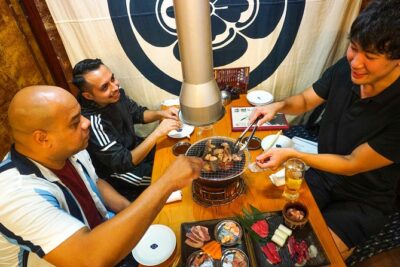
Tokyo Night Foodie Tour in Shinjuku – Seasonal Sushi, Wagyu Beef
Read our review →
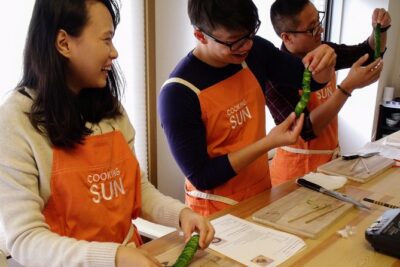
Small-Group Wagyu Beef and 7 Japanese Dishes Tokyo Cooking Class
Read our review →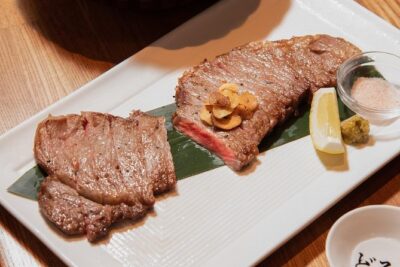
Wagyu & Sake Pairing in Shinjuku – Steak, Shabu-Shabu & More
Read our review →
Kyoto Evening Gion Food Tour Including Kaiseki Dinner
Read our review →
SUMO BEATS SHOWCASE: Taiko Drum and Wagyu burger!
Read our review →
Scuba Diving Tour with Wagyu Lunch and English guide
Read our review →
Kawagoe Japanese Food Tour : Unagi Kaiseki and Sake near Tokyo
Read our review →Browse the lists this tour appears in