
Reviewed · GEISHA & GION DISTRICT TOURS
Kyoto Evening Gion Food Tour Including Kaiseki Dinner
Gion looks best as evening settles in, when lanterns glow on wooden machiya houses and the Kamo River terraces fill with local life. This tour links that atmospheric walk with a 10-course kaiseki dinner, giving you both Kyoto scenery and a formal meal in one three-hour outing.
I like the route through Gion Shirakawa and Pontocho, where a guide can explain what you are seeing instead of leaving you to guess. I also like the small tastings along the way, including Kyoto sweets and matcha treats. The main drawback is price: at $276 per person, dinner needs to feel special for this to be good value, and a few people have found the meal less filling or refined than expected.
Key points to know before booking
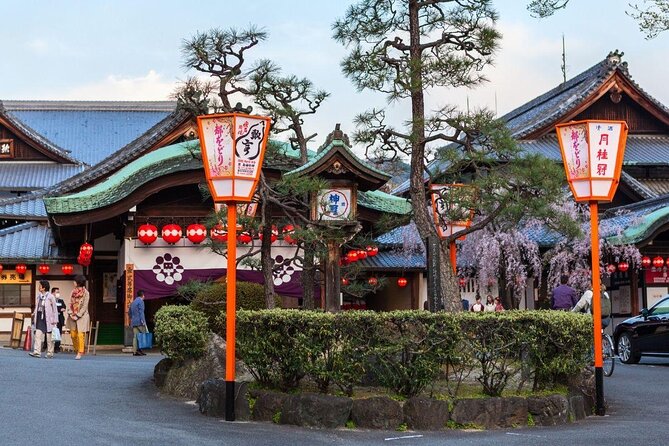
- The walk covers Gion, Gion Shirakawa, Pontocho, and the Kamo River, with stops tied to Kyoto’s traditional arts and food.
- Dinner is a 10-course kaiseki meal, with green tea, dessert, and one included drink.
- The group is capped at 10 people, though some departures may feel almost private.
- Guides are central to the experience, with past guides including Yoshiko, Akari, Thomas, Sae, Bernard, Rosalia, and Zae.
- You will walk for much of the evening, so comfortable shoes and a reasonable level of fitness matter.
- The $276 price pays for context and access to a set dining experience, not simply for a meal.
Starting beside the Japan Kanji Museum at 5 p.m.
The meeting point is the Japan Kanji Museum and Library at 551 Gionmachi Minamigawa. The tour begins at 5 p.m., a useful time for seeing Kyoto shift from afternoon sightseeing to evening dining.
You meet your local guide and small group here, then set out on foot. Hotel pickup is not included, and you pay your own transportation to the starting point. The tour ends in the Pontocho area, so plan your evening around arriving in Gion and leaving from central Kyoto later.
That point-to-point design is practical. You do not spend the evening retracing your steps, and Pontocho gives you plenty of options for continuing the night after the tour. The guide also helps you orient yourself in an area that can feel confusing after dark, with narrow lanes branching off the main streets.
The group limit is 10 people. That matters in Gion, where a large crowd can make narrow streets awkward and make conversation with the guide difficult. Some departures have been small enough to feel like a private family outing, while others include another family or a few couples.
Other evenings in the old entertainment quarters of Kyoto:
- Kyoto Geisha Walking Tour: Gion District & Hidden Gems
★ 4.7 · 3,273 reviews - Kyoto: Gion Magical Night Walking Tour with Geisha Trivia
★ 4.9 · 2,393 reviews - Kyoto: Gion Geisha District Walking Tour – Stories of Geisha
★ 4.7 · 2,187 reviews
Crossing the Kamogawa and reading the riverfront
One of the first visual pleasures is the walk toward the Kamogawa River. You cross the bridge and follow the terraces along the water, where locals gather for an evening pause.
This is not a major monument stop. Its value is in seeing Kyoto behave like a living city. The riverfront offers a break from temple schedules and packed sightseeing streets, and your guide can point out how the area fits into the city’s social life.
You will also stop for tastings along the way. The exact shops and samples can change, but the food stops have included Kyoto sweets, matcha cookies, and a plum shop. These are small samples rather than a full meal, so think of them as introductions to local flavors before dinner.
I like this part because it gives the tour a sense of discovery without asking you to plan every stop yourself. You might walk past these shops on your own, but without a guide you may not know which products have a connection to Kyoto or how they fit into local food customs.
Pontocho, Kyoto’s narrow dining lane
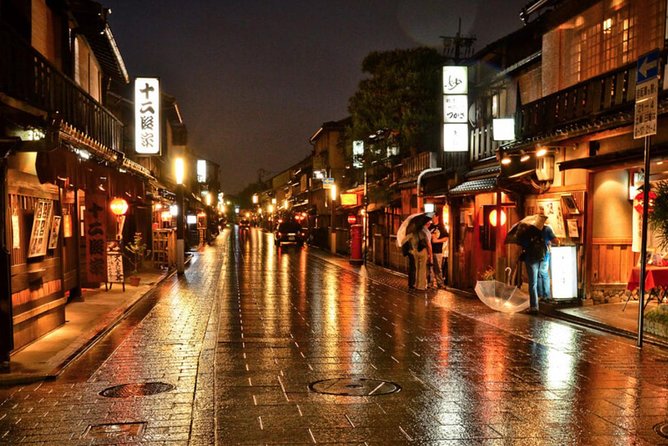
From the river, the route heads into Pontocho. This slender entertainment district has long been linked with teahouses, geiko, and traditional dining.
The lane is famous, but it is not a museum. Restaurants and teahouses continue to operate here, many behind plain doors and subtle signs. A guide can explain the difference between what you are seeing from the street and what you can realistically enter as an independent visitor.
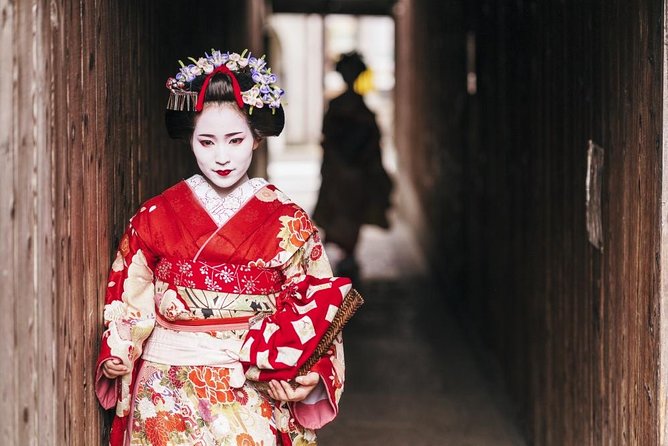
You may see a geiko or maiko moving between appointments, though no sighting is guaranteed. If you do, the right approach is simple: keep your distance, do not block the lane, and do not treat the person as a photo opportunity. The tour’s value is partly that it gives you cultural context before you encounter this traditional profession.
Pontocho can also feel crowded, especially in the evening. The guide’s route and timing help, but this is still a narrow public district with active restaurants. Do not expect a quiet, empty old lane from a postcard.
Gion and the wooden streets of Shirakawa
The tour then moves into Gion, Kyoto’s best-known traditional entertainment district. Here, wooden buildings, teahouses, restaurants, and small shrines sit close together.
The walk includes Gionmachi, Gion Corner, Gion Shirakawa, Tatsumi Bridge, Hanamikoji Street, and the area around Tatsumi Daimyojin Shrine. The route also points toward landmarks such as the Statue of Izumo-no-Okuni, Yasaka Pagoda, Hokanji Temple, and Kiyomizu Temple.
Not every named place functions as a full sightseeing stop. Some are points along the walking route, and the three-hour schedule leaves limited time for extended visits. Still, the collection gives you a useful picture of Gion: the formal theater and arts side, the shrine-lined lanes, the old wooden architecture, and the dining streets.
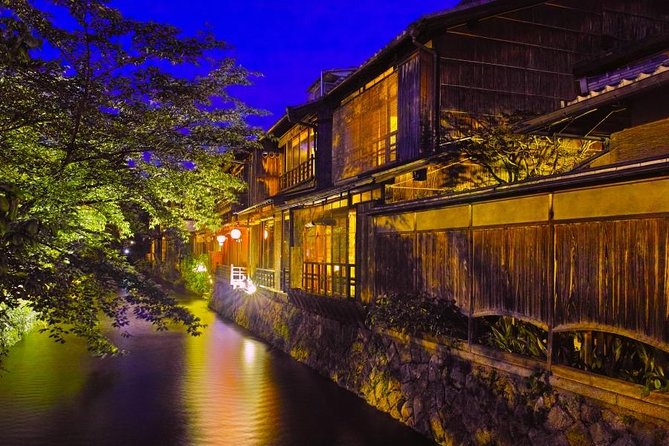
Gion Shirakawa is especially attractive. The canal, bridges, willow-lined paths, and traditional buildings create the kind of Kyoto scene people hope to find. It is also a good place for the guide to discuss geiko and maiko, including how the entertainment district works and how these artists train and perform.
Past guides have included Yoshiko, Akari, Thomas, Sae, Bernard, Rosalia, Zae, Russ, G, and Sabreena. The experience can vary with the individual guide, but the strongest sessions seem to share the same traits: clear explanations, warmth, patience with questions, and a genuine interest in Kyoto’s food and customs.
Other long dinners in Kyoto:
- Kyoto Food Tour of 10 Tastings with Wagyu, Mochi & More Surprises
★ 5.0 · 85 reviews - Tokyo Night Foodie Tour in Shinjuku – Seasonal Sushi, Wagyu Beef
★ 5.0 · 1,161 reviews - Tokyo: Wagyu and 7 Japanese Dishes Cooking Class
★ 4.9 · 273 reviews - Small-Group Wagyu Beef and 7 Japanese Dishes Tokyo Cooking Class
★ 5.0 · 190 reviews
What the guide adds to Gion
You can walk through Gion independently, but signs are limited and much of the area’s meaning is not visible. The guide explains why certain streets matter, how the tea-house system works, and what separates a preserved traditional building from a modern restaurant dressed in old-style design.
The best guides keep the talk connected to the street. You hear about geiko and maiko while standing near the places where they work, and you learn about sweets while holding or tasting one. That makes the information easier to remember than a long lecture delivered away from the subject.
Several guide names appear in the tour’s past leadership: Yoshiko is noted for her warm approach to Kyoto’s traditions, Akari for giving useful information without turning the walk into a classroom, and Thomas for explaining both the geisha system and the food. Bernard has also been praised for keeping the evening enjoyable in heavy rain.
That does not mean you can select a specific guide at booking. It does mean the guide is not a minor extra here. If you want only dinner, you can find a restaurant for less. This tour makes more sense if you want someone to interpret the neighborhood as you walk.
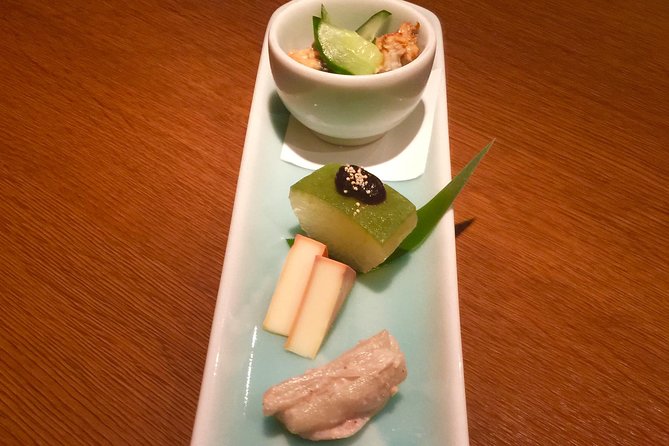
The 10-course kaiseki dinner
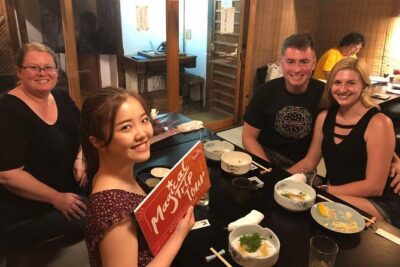
The evening ends at a restaurant in the Pontocho area, at Pontocho Idumoya, 173-2 Kashiwayacho. Here you sit down to a 10-course kaiseki meal.
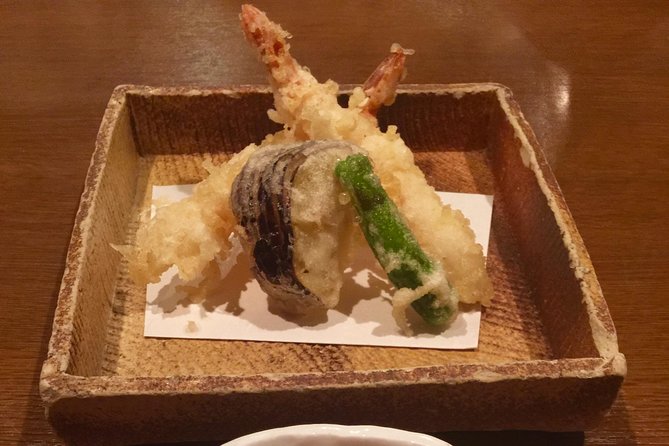
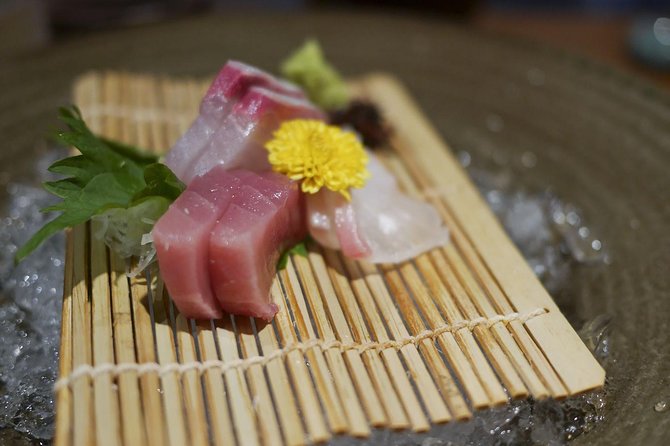
Kaiseki is built around seasonality, balance, careful preparation, and presentation. The meal is not one large plate of food. Instead, you receive a progression of small dishes, each intended to contribute a particular taste, texture, or visual note.
Your guide explains the meal as it arrives. That help matters because kaiseki can be unfamiliar, and the portions may look modest if you are expecting a standard Western dinner. One person described the meal as substantial enough that you should arrive hungry, while another found the quantity and quality below expectations for the price.
That mixed reaction is important. The dinner is a cultural experience as much as a way to fill up, but $276 is a serious charge. You are paying for the guide, the small-group walk, the tastings, the restaurant setting, the meal, and the convenience of having the evening organized. If the food itself is your only priority, you may find better value by choosing your own restaurant.
The included package covers the 10 courses, green tea, dessert, and one drink. Additional drinks and food cost extra. The precise menu can change with the season, restaurant schedule, and other conditions, so you should not book expecting a specific dish.
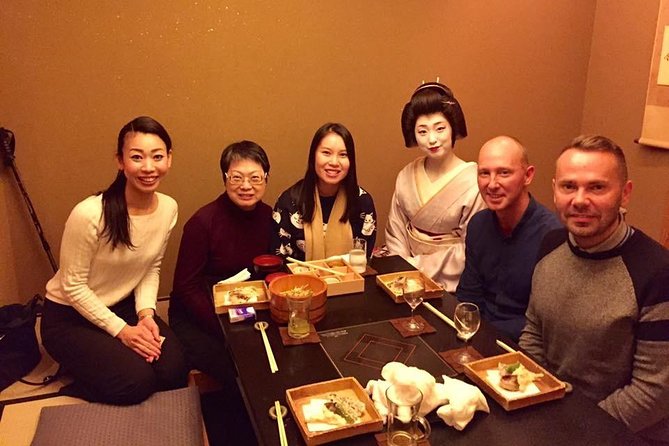
The traditional setting is part of the appeal. You sit down after walking through Gion and encounter the food in the same cultural frame the guide has been explaining. Families have also used the experience successfully, including a group with a baby and another with two young children, although you should still expect a long meal with many courses.
Price, value, and the right expectations
At $276 per person, this is not a budget food walk. It is closer to a guided cultural evening that includes a formal dinner.
I would judge the price in three parts:
- The walking tour: You receive a guide for Gion, Gion Shirakawa, Pontocho, and nearby sights.
- The food experience: You receive tastings, a 10-course dinner, green tea, dessert, and one drink.
- The convenience: You do not need to research suitable shops, decode the geisha district, or arrange a kaiseki booking yourself.
The value improves if you have one evening in Kyoto and want a clear introduction to traditional food and entertainment districts. It also improves for first-time visitors who would otherwise walk through Gion without understanding what they are seeing.
The value weakens if you have already had several high-end kaiseki meals in Kyoto or Tokyo and are comparing this directly with a carefully chosen restaurant. The tour’s dinner has received both strong praise and some criticism, especially around quality relative to cost. Go in expecting an informative evening with a formal meal, not a guaranteed top-tier culinary event.
Walking, weather, and food restrictions
The tour lasts about three hours and requires a strong level of physical fitness. You will walk across the river, through main roads and back alleys, and between several Gion areas before sitting down to dinner.
Wear shoes you can use comfortably for an evening stroll. Weather can affect the experience, since much of the tour is outside. Rain has not always spoiled the evening, but it can make the stone streets and narrow lanes less pleasant. If poor weather causes cancellation, you are offered another date or a full refund.
Vegetarian, pescatarian, and gluten-free needs are listed as supported. You should provide accurate dietary information when booking and confirm any serious allergy directly. Food substitutions may be needed, and restaurant schedules or holidays can also lead to changes in stops.
Children must be accompanied by an adult. The minimum drinking age is 21, and children aged 10 and above require a copy of passport information. For solo bookings, email the provider before reserving.
Who should book this Kyoto evening
I would recommend it most strongly to a first-time Kyoto visitor who wants a guided introduction to Gion without spending a separate day arranging food stops and a dinner reservation.
It also suits you if you enjoy asking questions. The small group and meal setting give you time to ask about geiko, Japanese dining customs, local sweets, and the parts of Kyoto you have already seen.
Families can fit well, especially when children are comfortable walking and sitting through a multi-course meal. Couples may appreciate the evening setting, though the group is shared unless your departure happens to be very small.
I would be more cautious if you are a serious food enthusiast with strict expectations about luxury dining. At this price, the dinner must be judged carefully. You may prefer to book an acclaimed kaiseki restaurant on your own and hire a separate guide, though that takes more planning.
Should you book the Gion food tour?
Book it if you want one organized evening that combines Gion, Pontocho, local tastings, and a formal Japanese dinner. The guide is the heart of the experience, and the strongest guides turn a pretty walk into a useful lesson about Kyoto’s traditional arts and food.
Skip it if $276 feels too high for a meal that may not match your previous kaiseki experiences. You can explore Gion independently for free and put the savings toward a restaurant of your choice.
For most first-time visitors with limited time, I see the tour as a convenient, well-planned introduction rather than a bargain. Arrive hungry, wear good shoes, keep your expectations realistic about seeing geiko or maiko, and book only if the cultural explanation matters as much to you as the dinner.
FAQ
Where does the Kyoto evening Gion food tour start?
It starts at the Japan Kanji Museum and Library, 551 Gionmachi Minamigawa, Higashiyama Ward, Kyoto, at 5 p.m.
Where does the tour end?
The tour ends in the Pontocho area at Pontocho Idumoya, 173-2 Kashiwayacho, Nakagyo Ward, Kyoto.
How long does the tour last?
The experience lasts approximately three hours.
What food and drinks are included?
The price includes a 10-course kaiseki dinner, green tea, dessert, and one drink. Additional food and drinks are not included.
Is the tour suitable for dietary restrictions?
The tour is listed as vegetarian, pescatarian, and gluten-free friendly. Restaurant substitutions may apply, so provide your dietary needs when booking.
What happens if I need to cancel?
You can cancel at least 24 hours before the local start time for a full refund. Changes or cancellations made less than 24 hours before the start are not accepted for a refund.
More food tours elsewhere in Japan
- Kyoto Night Foodie Tour in Gion (9+ dishes + 6 Sake tastings)
★ 5.0 · 1,762 reviews - Kyoto: Gion Food Tour 13 Dishes at 4 Eateries
★ 5.0 · 408 reviews - Kyoto Foodie Night Tour
★ 5.0 · 376 reviews - Kyoto: Gion & Pontocho Food Tour with 13 Dishes
★ 4.9 · 235 reviews
Just added in Kyoto
- Private Cooking Class Udon in Kyoto Japan★ 5.0 · 23 reviews
- Your Private Vacation Photography Session In Kyoto★ 5.0 · 110 reviews
- Kyoto: Zen Meditation at a Private Temple with a Monk★ 5.0 · 25 reviews
- Private Pewter Sake Cup Experience with a Kyoto Artisan★ 5.0 · 31 reviews
- Kyoto Wagashi(Japanese sweets) Cooking Class near Fushimiinari★ 5.0 · 60 reviews
- Kyoto:Family-Friendly Kimono & Yukata Experience at WARGO★ 5.0 · 147 reviews
- Private Guided Traditional Buddhist Cooking in Japan★ 5.0 · 16 reviews
- Kyoto: Gion Geisha District & Sake-in-Hand Walking Tour★ 5.0 · 37 reviews
Geisha & Gion District Tours, compared.

Kyoto Geisha Walking Tour: Gion District & Hidden Gems
Read our review →
Gion Geisha District Walking Tour – Stories of Geisha
Read our review →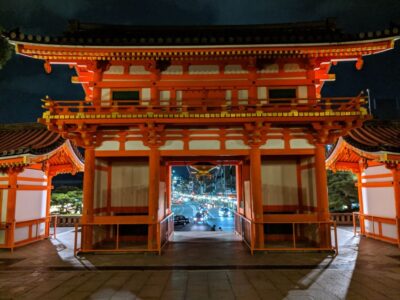
Best of Kyoto: Gion, Geisha, Pagodas & Cobblestones
Read our review →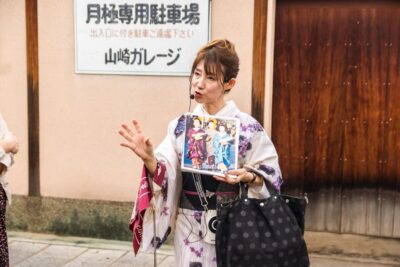
Kyoto Night Foodie Tour in Gion (9+ dishes + 6 Sake tastings)
Read our review →
Kyoto Gion: 2-Hour Geisha Culture & History Walking Tour
Read our review →
Chopsticks Making Workshop in Gion with Engraving Option
Read our review →
Browse the lists this tour appears in