
Reviewed · WAGYU & KAISEKI DINING
Small-Group Wagyu Beef and 7 Japanese Dishes Tokyo Cooking Class
The best part of this three-hour Tokyo cooking class is its range. You do not spend the morning making one dish and watching someone else handle the rest. You begin with dashi, the basic stock behind much Japanese cooking, then work through as many as eight dishes before sitting down to eat. I like the small class limit of eight and the chance to cook with Wagyu beef, a treat that can make an ordinary lesson feel distinctly Japanese.
I also like the practical focus. Aya, Hidemi, Kaori, Megumi, Yoko, and other English-speaking instructors explain ingredients, knife work, seasoning, and presentation in a relaxed way. The main drawback is finding the building at 18-39 Shinanomachi, so allow extra time and follow your map carefully.
Key points at a glance
- Start with dashi: Learn the soup stock that forms the base of many Japanese dishes.
- Cook a full meal: Prepare seven dishes, or as many as eight, from appetizers through dessert.
- Taste Wagyu beef: The main dish features tender Japanese beef, with sukiyaki praised as a highlight.
- Small and active: The class has a maximum of eight people, so you are not simply watching a demonstration.
- Take the lesson home: Recipes and practical cooking tips help you repeat the dishes later.
- Plan your arrival: The studio can be tricky to locate, despite being near public transportation.
What happens at Cooking Sun Tokyo
Your morning begins at 9:30 am at Cooking Sun Tokyo, in Shinanomachi, Shinjuku City. The activity ends at the same place, and there is no hotel pickup or drop-off, so you will need to make your own way there.
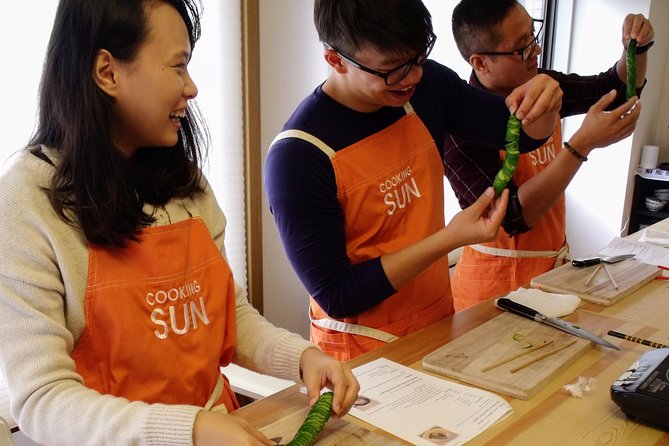
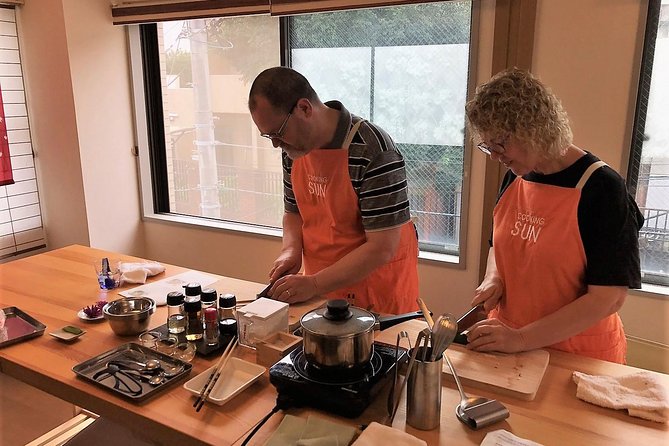
The setting is described as clean, homey, and comfortable rather than formal. That matters here. Japanese cooking can look exacting, especially when you see careful cuts and neat presentation, but the class is designed to make the process approachable. You receive an apron and towel, and all ingredients and cooking supplies are provided.
The group size is the real practical advantage. With no more than eight people, the instructors can correct a cutting technique, explain a seasoning, or answer a question without leaving you at the back of a crowd. Two instructors may be working with the group, which helps keep the pace moving while still allowing personal help.
Other long dinners in Tokyo:
- Tokyo Night Foodie Tour in Shinjuku – Seasonal Sushi, Wagyu Beef
★ 5.0 · 1,161 reviews - Tokyo: Wagyu and 7 Japanese Dishes Cooking Class
★ 4.9 · 273 reviews - Wagyu & Sake Pairing in Shinjuku – Steak, Shabu-Shabu & More
★ 5.0 · 112 reviews
Dashi first, because it explains Japanese flavor
The class begins with dashi. This is not just an opening recipe to tick off the list. Dashi is the foundation of many Japanese soups, sauces, and simmered dishes, so starting here gives you a useful key to the rest of the meal.
Your instructor also introduces common Japanese seasonings and explains how they are used. This is one of the most valuable parts for home cooks. Instead of treating soy sauce, miso, or other staples as interchangeable salty liquids, you begin to see how each one shapes a dish.
The teaching style is short, practical, and tied to what you are cooking. Instructors explain ingredients, techniques, and small tricks as the meal takes shape. That format should suit you if you learn best by doing rather than sitting through a long lecture.
Seven dishes, several techniques, and plenty to do
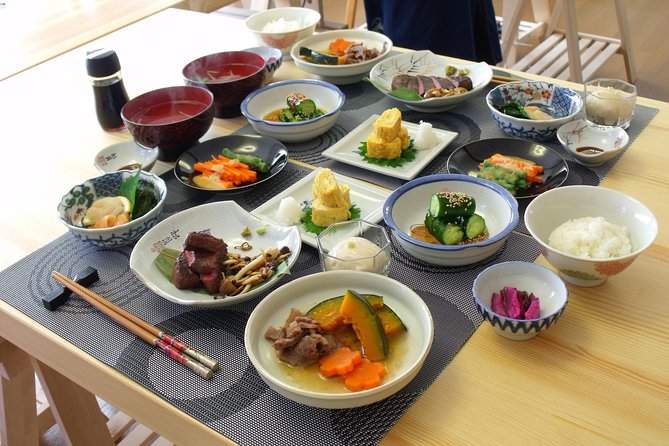
After the dashi, you move through a series of Japanese recipes. The exact menu may include seven dishes, with the full meal described as up to eight dishes, covering appetizers, vegetables, soup, a main course, and dessert.
You can expect to work with Japanese vegetables and traditional seasonings, along with modern touches and careful food presentation. The class also introduces elaborate cutting techniques, which are part of the visual appeal of Japanese food. You may not become a restaurant chef in three hours, but you will leave with a better sense of why Japanese dishes look so orderly.
The pace is one of the class’s strengths. Several people have found it possible to prepare a large meal within the allotted time, and the instructors keep the explanations clear and focused. This is useful in a short class, but it also means the session is active. If you want a slow, highly detailed lesson on one recipe, this is probably not the right format.
There is one fair limitation to understand. Much of the work may involve chopping ingredients and mixing dressings while the staff handles certain items, such as miso soup, rice, or potatoes. Some prepared components may also be ready before you begin. You still take part in the cooking, but the experience is not an entirely hands-on restaurant kitchen session from start to finish.
The Wagyu main course is the reward
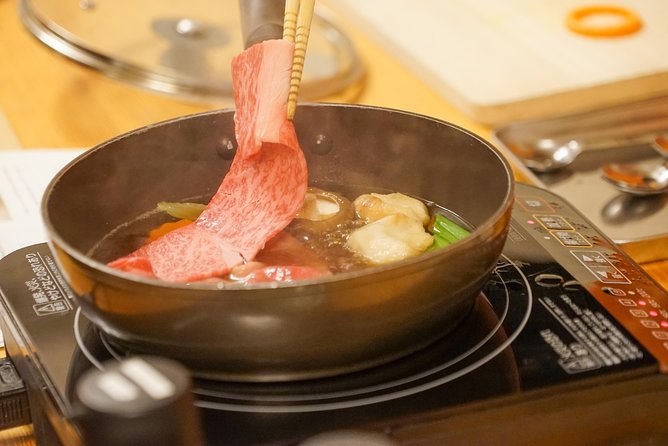
Wagyu is the star ingredient, and the lesson explains the word itself: wa means Japanese and gyu means beef. The class uses this famous ingredient as the main dish, giving you a chance to prepare and taste something that is often expensive in restaurants outside Japan.
Sukiyaki is singled out as a favorite dish from the meal. Its appeal is easy to understand: tender Wagyu, a savory-sweet seasoning, and the pleasure of eating a warm dish you helped prepare. The value here is not only the beef itself. You also learn how it fits into a Japanese meal and how the surrounding vegetables and seasonings balance it.
Keep your expectations sensible. This is a cooking lesson with a Wagyu component, not a dedicated beef tasting. You will prepare a broad meal rather than spend the entire session comparing cuts, grades, or cooking temperatures.
More cooking in Tokyo:
- Ramen & Gyoza Cooking Class in Tokyo with Local Supermarket Visit
★ 5.0 · 823 reviews - Ramen and Sushi Cooking Class with Sake Pairing Set in Tokyo
★ 5.0 · 291 reviews - Tokyo Washoku 4-hour Cooking Class: From Market to Table
★ 5.0 · 253 reviews - Professional Ramen & Gyoza with Ramen Chef in a restaurant!
★ 5.0 · 223 reviews
From cutting to presentation
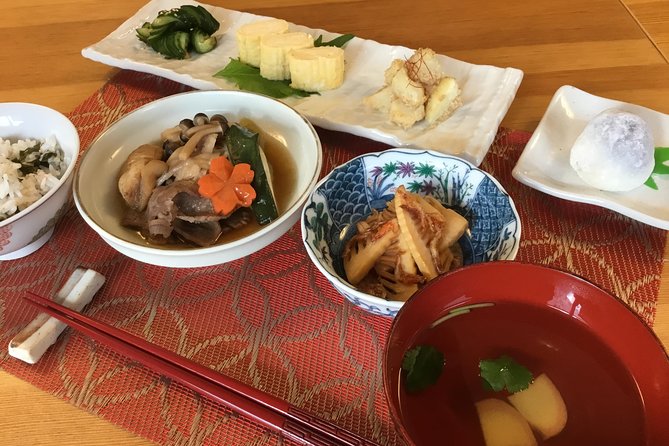
Japanese food places importance on appearance, and this class gives you some practice with that idea. Your instructors cover ways to cut vegetables, arrange dishes, and present the finished food attractively.
That can be especially useful if you normally cook quickly at home. A simple salad or vegetable dish can look more intentional with the right cut and arrangement. The class connects presentation to everyday cooking rather than treating it as decoration reserved for high-end restaurants.
The dishes are also useful beyond the holiday or travel setting. Several recipes are based on familiar home-style Japanese food rather than restaurant-only creations. That gives you a better chance of using the techniques after you return home, especially if you can find the required seasonings and ingredients.
Sit down for the meal you helped make
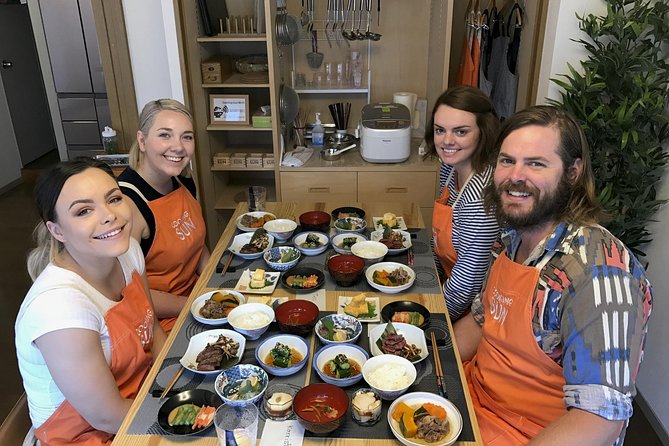
Once the cooking is complete, the class turns into lunch. You sit down and eat the dishes together, following the Japanese custom of saying Itadakimasu before the meal.
The meal is described as accompanied by sake and green tea. The food is the main focus, but the shared table adds a social side that a standard sightseeing stop cannot provide. You are eating the results of several hours of work, not simply being served a finished dish.
The finished meal can be substantial. You may be surprised by how much food comes together in a three-hour session, particularly when the menu includes several small dishes, a main course, and dessert. If you are booking this as a morning activity, it should function as a proper lunch rather than a quick snack.
English-speaking instructors keep it friendly
The instructors are local, English-speaking cooks, and their teaching style is a major part of the experience. Aya and Hidemi are specifically noted for clear guidance, while Kaori, Megumi, and Yoko are also described as patient and helpful in the kitchen.
The class is built around explanation rather than performance. You hear stories about recipes and ingredients, learn why certain methods are used, and receive help as you work. That makes the experience suitable for a first cooking class as well as for someone who already cooks at home.
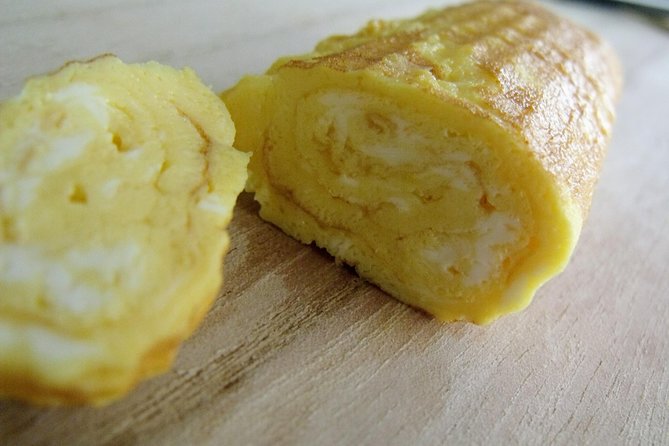
You do not need advanced kitchen skills. The format is intended for a range of abilities, including people who rarely cook. Still, you should be ready to take part. You may chop, mix, cook an egg, sear a prepared lotus root dish, and help with other steps, but you will not be a passive observer.
The class also has a cultural side. You learn about staple ingredients, meal structure, seasoning, and the difference between food prepared at home and dishes commonly seen in restaurants. That context gives the recipes more meaning and helps you understand Japanese food beyond sushi and ramen.
Price and value at $72.96
At $72.96 per person, this is not the cheapest meal you will find in Tokyo. It is a reasonable price for a three-hour activity that includes an instructor, ingredients, recipes, an apron and towel rental, a full multi-dish meal, and an ingredient that can cost more when ordered separately.
The strongest value comes from the number of dishes and the take-home recipes. A class focused only on Wagyu might offer a more detailed lesson on beef, but this one gives you a broad introduction to Japanese home cooking. You are paying for instruction, food, cultural context, and lunch in one package.
The value is less clear if you want constant individual cooking time. Some parts are prepared by the staff, and some cooking steps are shared across the group. That is normal for a short class covering seven or eight dishes, but it is worth knowing before you book.
A 99 percent recommendation rate and a five-star score from 190 ratings point to consistently strong satisfaction, especially with the instructors, food, cleanliness, and friendly atmosphere. The main practical complaint is not the cooking itself. It is the difficulty of locating the building.
Finding the studio in Shinanomachi
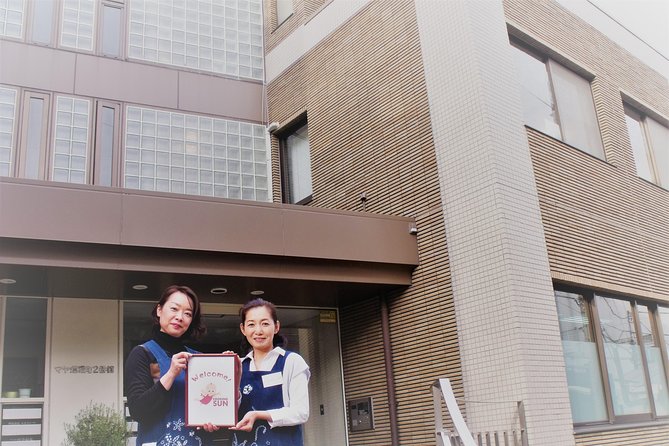
Give yourself extra time to reach 18-39 Shinanomachi. The area is near public transportation, and some people find the walk pleasant, with trees and a quiet setting near a large park. Even so, the building entrance can be hard to spot.
Use Google Maps and check the address before leaving your hotel. If you take a taxi, show the full address rather than relying only on the activity name. This small bit of planning can prevent a stressful start to an otherwise relaxed morning.
The activity starts at 9:30 am, lasts about three hours, and returns you to the meeting point. Since there is no hotel transfer, the class fits best into a morning plan based around Shinjuku or nearby areas. You will still have time afterward for sightseeing, but allow enough travel time before the start.
Who should book this class?
I would choose this class if you want to understand Japanese food through its ingredients and methods, not just eat it. It suits couples, families, solo visitors, and small groups, particularly if everyone is comfortable sharing a kitchen.
It is also a good choice for cooks who want recipes they can repeat at home. The dashi lesson, seasoning tips, vegetable preparation, and presentation advice offer more lasting value than a one-off demonstration.
Families can enjoy it too, though the experience requires active participation and a reasonably steady three-hour schedule. People with little cooking experience should not feel intimidated, since the instructors explain each step and help as needed.
Vegetarian options are available, but you must request one when booking. You should also provide details of any allergies or dietary needs in advance. The class can accommodate specific requirements, but the information supplied does not promise every possible substitution, so early notice is important.
Who may want a different experience?
You may want another activity if your priority is a long, technical lesson on one dish. This class covers a lot in a short time, and the broad menu means some steps are simplified or prepared ahead.
It may also disappoint someone expecting a formal kaiseki restaurant meal. The class teaches kaiseki-inspired cooking and presentation, but the setting is casual and homey. The point is to learn and eat together, not to receive a highly choreographed restaurant service.
Finally, do not book it at the last minute if your schedule could change. Cancellation is free up to 24 hours before the 9:30 am start time. Within 24 hours, the payment is not refunded, and changes are not accepted.
Final verdict: a useful Tokyo food lesson
I recommend the Cooking Sun Tokyo class for anyone who wants a broad, friendly introduction to Japanese cooking. The small group, English instruction, Wagyu main course, dashi lesson, recipes, and full lunch make the $72.96 price fair.
Go in expecting a busy session with some shared or prepared cooking steps, not three hours of solo kitchen work. Plan carefully for the hard-to-find building, mention dietary needs early, and you should get a practical food experience that stays useful long after your Tokyo visit.
FAQ
How long is the Wagyu cooking class?
The class lasts approximately three hours and starts at 9:30 am.
Where does the class meet?
It meets at Cooking Sun Tokyo, 18-39 Shinanomachi, Shinjuku City, Tokyo 160-0016, Japan. The activity ends back at the same meeting point.
How many people are in the class?
The maximum group size is eight people.
Is the class taught in English?
Yes. The instructors are English-speaking local cooks, and the class includes explanations of ingredients, methods, recipes, and Japanese food culture.
Is a vegetarian option available?
Yes. A vegetarian option is available, but you must advise the provider when booking. You should also share any specific dietary requirements in advance.
What is included in the price?
The price includes a local cooking instructor, recipes, ingredients, an apron, and a towel rental. Hotel pickup and drop-off are not included.
Just added in Tokyo
- Nikko: Edo Wonderland Edomura Cultural Theme Park Ticket★ 4.3 · 205 reviews
- 《MEMBERS-ONLY-BAR-HOPPING》Discover Your Special Whiskey in Tokyo!★ 5.0 · 29 reviews
- Japanese Whisky Hunting《HIGH-QUALITY-ONLY》Rare Tasting Class★ 5.0 · 20 reviews
- Luxury Tokyo Sake, Cocktail, Whisky and Pairing Tour★ 5.0 · 18 reviews
- Wagyu & Sake Pairing in Shinjuku – Steak, Shabu-Shabu & More★ 5.0 · 112 reviews
- Mt. Fuji, Hakone Private Tour from Tokyo – Onsen, Arts and Nature★ 5.0 · 79 reviews
- Tokyo Cyberpunk Street Photo Tour★ 5.0 · 165 reviews
- From Tokyo: Private Tour to Fuji/Hakone – Onsen, Art, Nature★ 5.0 · 116 reviews
Wagyu & Kaiseki Dining, compared.
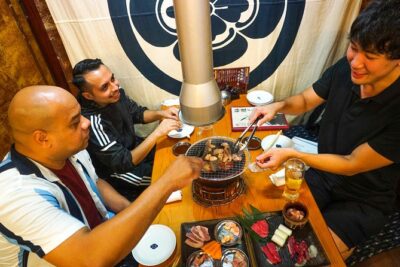
Tokyo Night Foodie Tour in Shinjuku – Seasonal Sushi, Wagyu Beef
Read our review →
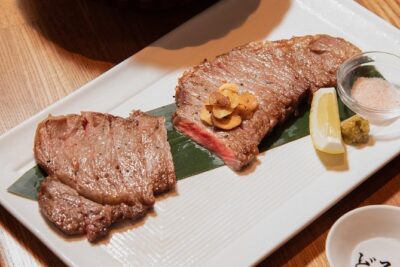
Wagyu & Sake Pairing in Shinjuku – Steak, Shabu-Shabu & More
Read our review →Browse the lists this tour appears in