
Reviewed · SAKE TASTING
Kyoto Sake Brewery Tour with Lunch
Kyoto’s Fushimi district has been making sake since the 1600s, and this small-group tour gives you a useful way to understand the drink beyond the usual tasting glass. You visit a small and a large brewery, stop at the Gekkeikan Okura Sake Museum, and sit down to a local yakitori lunch paired with sake.
I like the small-group limit of 10 people, which should make it easier to ask questions and keep up while walking through the district. I also like the food pairing, since yakitori gives you a practical sense of how sake works with a meal. The main drawback is that active brewing areas are off-limits, and one guide appeared to rely heavily on laminated sheets when explaining technical points.
Key points at a glance
- Fushimi’s brewery district: Walk through one of Kyoto’s best-known sake-making areas, with stops near local shops, temples, and old streets.
- Two scales of production: Compare a small brewery with a larger producer rather than seeing only one kind of operation.
- Gekkeikan Okura Sake Museum: Learn about traditional tools and methods, including the long story of sake production in Fushimi.
- Yakitori lunch with sake: A seasonal local meal is included, giving the tasting a more natural food-and-drink setting.
- Small group format: The maximum group size is 10, with an English-speaking local guide.
- Useful dietary flexibility: Vegan, vegetarian, pescetarian, and gluten-free requests are supported, but you should give the operator advance notice.
Why Fushimi is the right place to learn about sake
Fushimi is not just a convenient Kyoto neighborhood with a museum. It is one of Japan’s major sake districts, and its identity is tied to brewing, water, rice, merchants, and old production houses. That makes a walking tour here more useful than a tasting held in a hotel bar.
The experience begins at 11 a.m. in front of the SoftBank shop on Otesuji Shotengai. You meet at 4-chōme-291 Ryōgaemachi, close to Fushimi-Momoyama Station. This is a practical location if you are using public transportation, but hotel pickup is not provided, so you need to make your own way there.
The opening walk helps you get your bearings in Fushimi. Otesuji Shotengai is also a good place to notice the everyday side of the district, with local shops and businesses mixed into the historic sake area. The tour is not only about museum displays. It also gives you a look at the streets where sake remains part of the local character.
Several nearby places may feature in the walk, including Chokenji Temple, Fushimi Park, Teradaya, and the area around Daigo-ji. Fushimi Inari Taisha is also listed among the possible stops. The exact route can change because of restaurant schedules, public holidays, weather, and other local conditions, so you should treat these names as possible points of interest rather than guaranteed timed visits.
Other tasting rooms and breweries in Kyoto:
- Kyoto Night Foodie Tour in Gion (9+ dishes + 6 Sake tastings)
★ 5.0 · 1,762 reviews - 3-Hour Kyoto Insider Sake Brewery Tour with Tastings & Pairings
★ 5.0 · 917 reviews - Arashiyama Bamboo, Temple, Monkeys, or Secret Sake Brewery
★ 4.8 · 886 reviews
Comparing a small brewery with a large producer
One of the strongest ideas in this tour is the contrast between small and large-scale sake production. If you are new to sake, it is easy to assume every brewery works in the same way. Seeing different sizes of operation gives you a better frame for understanding production, branding, and distribution.
The tour includes visits to both a small brewery and a larger brewery. You can try sake and other local products as you move through the district. The point is not simply to collect samples. It is to see how the character of a producer may relate to its size and place in the local market.
Keep your expectations realistic. Active brewing areas are inaccessible, so you should not expect to walk through a working production floor or watch every stage of fermentation in real time. The experience is better understood as a guided introduction to the brewery district, supported by tastings and a museum visit.
That limitation matters at this price. A $227 tour should not be mistaken for a behind-the-scenes factory visit. Its value comes from combining several elements in one morning: a local guide, two brewery perspectives, tastings, a museum, and lunch. If direct access to machinery and active brewing is your top priority, this may feel less satisfying.
What you learn at the Gekkeikan Okura Sake Museum
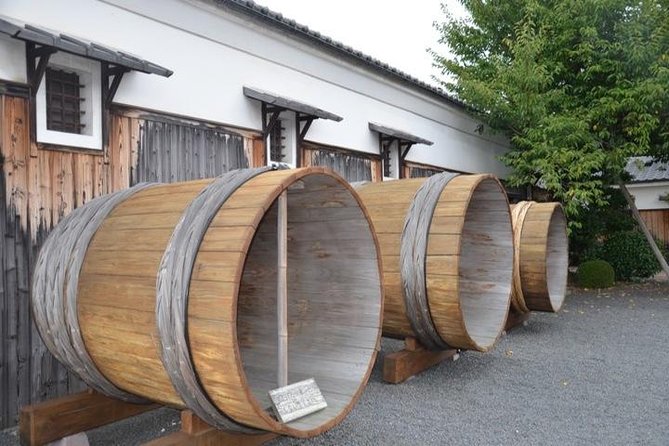
The Gekkeikan Okura Sake Museum is the clearest educational stop. Gekkeikan has been making sake since 1637, and the museum explains how Japanese rice wine was produced through earlier centuries. You get a look at traditional equipment and the techniques used to turn rice into sake.
The museum visit lasts about 30 minutes. That is enough time for a focused introduction, though not enough for every technical detail. You should leave with a better grasp of the broad process and the role of traditional tools, rather than expect a full brewing course.
This is where the quality of the guide matters most. Sake has its own vocabulary and production steps, and some concepts can be hard to explain clearly in English. One guide was pleasant and helpful but leaned too much on laminated sheets, with a few brewing ideas not translating smoothly. That is a fair warning if you want a highly technical presentation.
I would approach the museum with a few simple questions ready. Ask what separates one sake from another, how the tasting samples differ, and which part of the traditional process is still important today. A small group of no more than 10 gives you a better chance to ask those questions than a large coach group would.
Sake tastings that make the museum useful
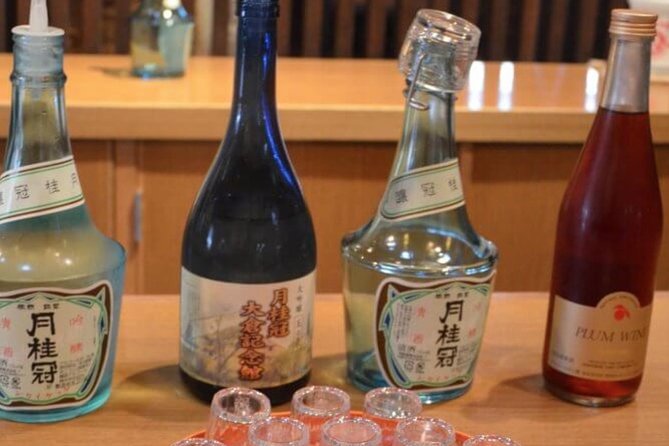
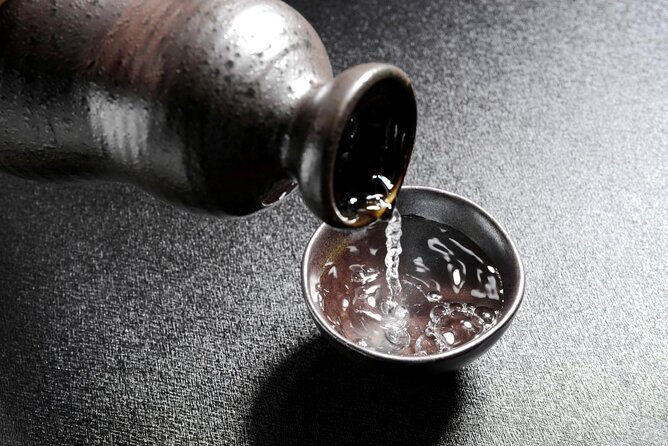
Several sake tastings are included. This is important because the museum’s production story becomes easier to understand when you can taste the finished drink afterward.
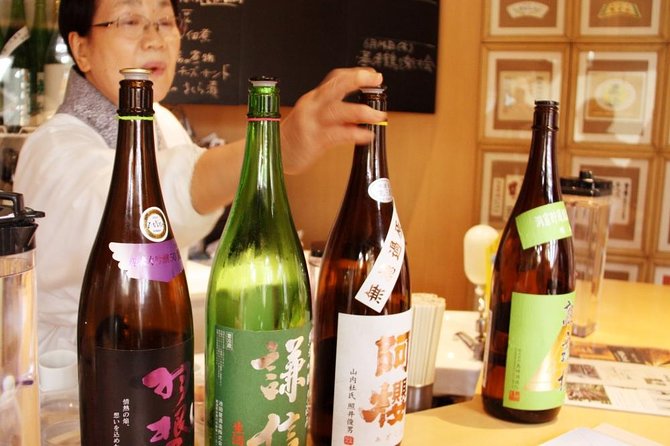
If you are new to sake, do not worry about arriving with expert knowledge. The tour is designed to explain the basics and remove some of the mystery. You will sample sake from the producers visited during the tour and can compare what you taste with what you have just learned about production.
The tastings are also part of the tour’s social rhythm. You walk, listen, taste, and then sit down for food. That is more comfortable than trying to absorb technical information in a single long lecture.
The minimum drinking age is 21. Sake tastings are included, but additional food or drinks beyond what the tour specifies are not. If you do not drink alcohol, the supplied details do not explain what nonalcoholic alternatives are available, so ask before booking.
Pace yourself. The tour lasts about three hours, and sake can seem light even when several samples are involved. Lunch is paired with sake, so this is not a quick tasting followed by an unrelated meal.
Same base, a different sort of day:
- PERFECT KYOTO 1-Day Bus Tour
★ 5.0 · 13,518 reviews - Kyoto: Fushimi Inari, Kinkakuji, Bamboo Grove 1 Day Bus Tour
★ 4.8 · 4,316 reviews - Kyoto: Tea Ceremony in a Traditional Tea House in Kiyomizu
★ 4.9 · 3,519 reviews - Kyoto Geisha Walking Tour: Gion District & Hidden Gems
★ 4.7 · 3,273 reviews
Yakitori lunch gives the tour its best local touch
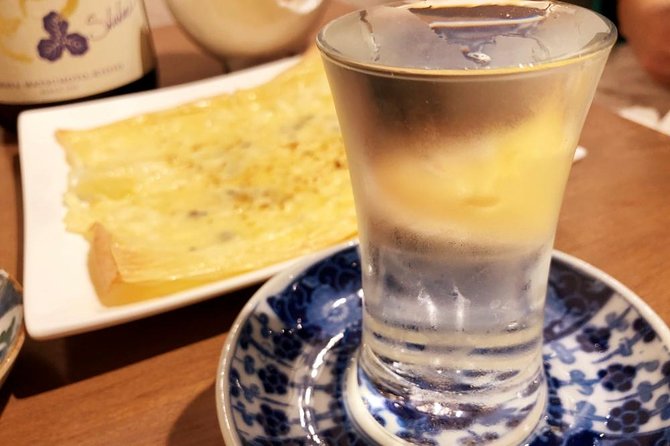
The included lunch is a seasonal meal at a local restaurant, with yakitori paired with sake. This is one of the most appealing parts of the experience because it moves the tour from explanation to everyday use.
Yakitori, with its grilled flavors and savory sauces, gives you a straightforward way to think about pairing. You do not need to know formal tasting terms. You can simply notice how the sake works with the meal, whether it feels dry or soft, and which sample you prefer alongside food.
The lunch also improves the value of the $227 price. Kyoto food can add up quickly, and a local meal is more useful than a generic snack between stops. Still, the price is high for a three-hour activity, so the meal needs to be part of your calculation. You are paying for the guide, tastings, museum admission, a brewery-focused walk, and lunch, not just for a plate of yakitori.
Dietary needs are taken into account. Vegan, vegetarian, pescetarian, and gluten-free options are listed as available. You should communicate your needs in advance, since the exact seasonal meal and restaurant arrangements may change.
The walking route, temples, and old Fushimi streets
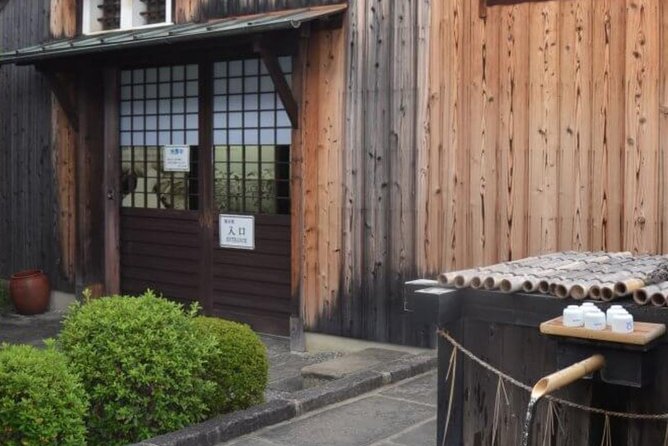
The tour uses the Fushimi district as more than a backdrop. Stops such as Chokenji Temple, Fushimi Park, and Teradaya add local context to the brewery visits. They help you see Fushimi as a real neighborhood rather than a single attraction.
Teradaya is associated with the area’s older streets and local history, while Chokenji Temple and Fushimi Park offer a change from the sake-focused stops. The route may also include views toward Fushimi Inari Taisha or Daigo-ji, depending on the day’s schedule. You should not assume this is a full tour of those major sights. The focus remains sake and Fushimi’s local character.
Wear comfortable shoes. The tour is only three hours, but it involves walking between stops and moving through streets, shops, and public areas. A moderate level of physical fitness is recommended.
The route can change for practical reasons. Restaurants may alter their schedules, public holidays may close a site, and weather can affect the plan. Substitutions may be made, so keep your schedule flexible rather than booking a tight connection immediately afterward.
How the small group affects the experience
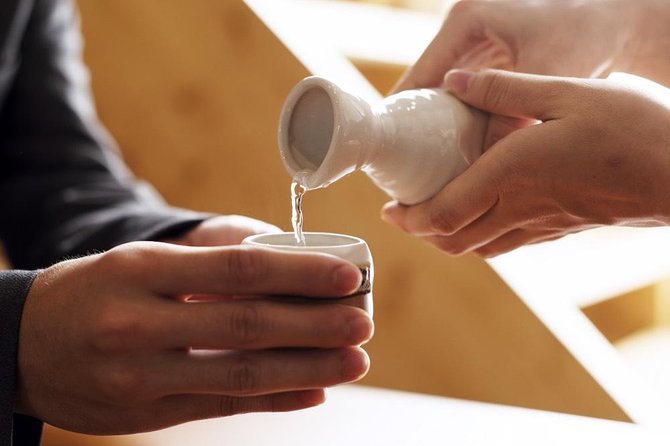
The maximum group size is 10 people. That is a sensible limit for a food-and-drink walking tour. You can hear the guide more easily, and a small group is less awkward inside a museum or restaurant.
The local English-speaking guide is central to the experience. A strong guide can connect the museum displays, brewery visits, tastings, and lunch into one clear story. A weaker explanation can make the production process feel like a list of facts, especially when technical words do not translate well.
The available feedback gives you a balanced picture: the guide was nice, and the sake and food were good, but the brewing explanation felt too dependent on printed sheets. I would book this for cultural context and tasting, not for a highly specialized sake seminar.
Solo visitors should contact the operator by email before booking. The supplied information specifically asks solo travelers to do this. That does not mean solo participation is impossible, but the arrangement should be confirmed ahead of time.
Is $227 a fair price for three hours?
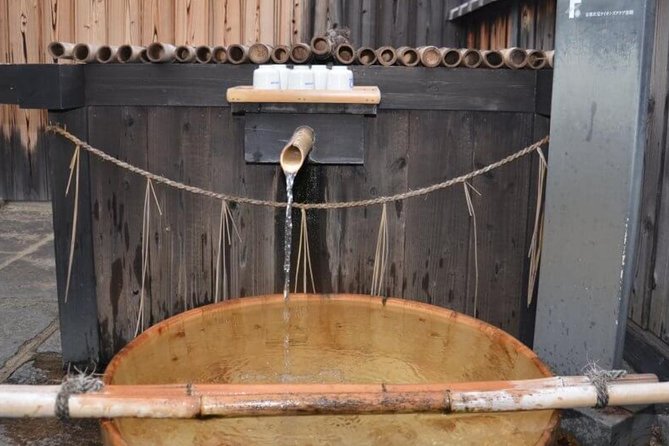
At $227 per person, this is a premium short tour. The price makes the most sense if you want several pieces arranged together and would otherwise need to organize brewery visits, tastings, a museum, and lunch on your own.
The included items are meaningful:
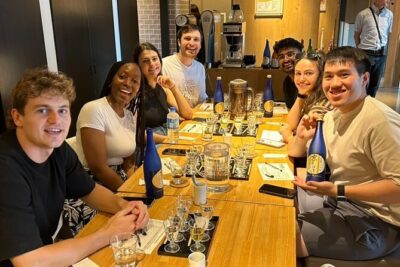
- Several sake tastings
- A local restaurant lunch
- An English-speaking local guide
- Visits connected with both small and large producers
- The Gekkeikan Okura Sake Museum
Transportation costs are not included. You also need to reach the meeting point yourself, and the tour does not include hotel pickup or drop-off. Since the start and end are both in the Fushimi-Momoyama Station area, the logistics are fairly simple once you arrive in the neighborhood.
I would compare this with the cost of a good lunch, museum entry, and several tastings in Kyoto. The tour offers convenience and interpretation, but it does not offer access to active brewing rooms. If you value a compact, guided introduction and do not want to arrange the pieces yourself, the price can be reasonable. If you mainly want to drink sake, cheaper tastings may suit you better.
Who should book this Fushimi sake tour?
This tour suits you if you are curious about sake but do not yet know how it is made. It is also a good fit if you want to pair food with tastings and spend time in a Kyoto district away from the city’s most crowded headline sights.
It works well for:
- First-time sake drinkers
- Visitors who want a short food-and-culture activity
- Couples and small groups
- People interested in traditional Japanese production methods
- Anyone who prefers a guided route with lunch already arranged
- Visitors comfortable with moderate walking and alcohol tastings
You may want to choose something else if you require a technical brewery tour, direct access to active production rooms, or a full visit to every named temple and attraction. The route is flexible, and the primary subject is sake.
The tour has a 4.7 rating from 12 reviews, which suggests a strong overall response, though the limited number of reviews means you should still read the details carefully. The most consistently useful parts are the food, sake, friendly guide service, and the chance to compare producers.
Final call: a good introduction, not a factory tour
I would book this if you want a well-organized introduction to Fushimi sake with lunch included. The small group, several tastings, museum visit, and comparison between small and large producers create a worthwhile half-day-style outing, even though the scheduled activity lasts about three hours.
I would skip it if $227 feels high for a short tour or if your main goal is to watch active brewing. The museum and tastings provide the strongest value, while the guide’s explanation may vary in clarity. For most curious first-time sake drinkers, though, this is a practical way to understand Fushimi, taste local sake, and enjoy a proper meal without piecing the day together yourself.
FAQ
How long does the Kyoto sake brewery tour last?
The tour lasts approximately three hours.
What time does the tour begin?
It begins at 11 a.m.
Where does the tour start?
The meeting point is in front of the SoftBank shop on Otesuji Shotengai at 4-chōme-291 Ryōgaemachi, Fushimi Ward, Kyoto.
Where does the tour end?
The end point is in the Fushimi-Momoyama Station area.
Is lunch included?
Yes. A seasonal local lunch at a restaurant is included, with yakitori paired with sake.
Are sake tastings included?
Yes. Several sake tastings are included in the tour.
Can people with dietary restrictions join?
Vegan, vegetarian, pescetarian, and gluten-free options are available. You should provide your dietary information in advance.
Can I enter the active brewing areas?
No. The active brewing areas are inaccessible. The tour instead includes brewery visits, tastings, and the Gekkeikan Okura Sake Museum.
Just added in Kyoto
- Private Cooking Class Udon in Kyoto Japan★ 5.0 · 23 reviews
- Your Private Vacation Photography Session In Kyoto★ 5.0 · 110 reviews
- Kyoto: Zen Meditation at a Private Temple with a Monk★ 5.0 · 25 reviews
- Private Pewter Sake Cup Experience with a Kyoto Artisan★ 5.0 · 31 reviews
- Kyoto Wagashi(Japanese sweets) Cooking Class near Fushimiinari★ 5.0 · 60 reviews
- Kyoto:Family-Friendly Kimono & Yukata Experience at WARGO★ 5.0 · 147 reviews
- Private Guided Traditional Buddhist Cooking in Japan★ 5.0 · 16 reviews
- Kyoto: Gion Geisha District & Sake-in-Hand Walking Tour★ 5.0 · 37 reviews
Sake Tasting, compared.
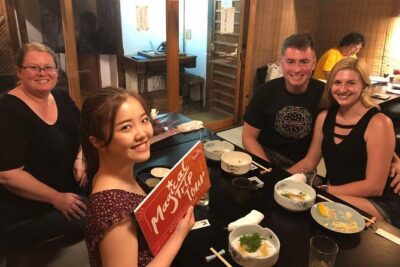
Kyoto Night Foodie Tour in Gion (9+ dishes + 6 Sake tastings)
Read our review →
1-Day Snow Monkeys, Zenko-ji Temple & Sake in Nagano
Read our review →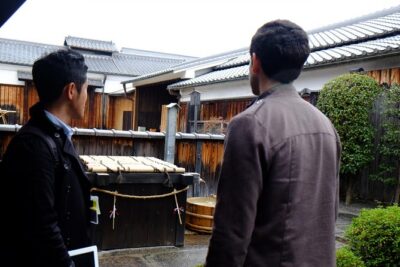
3-Hour Kyoto Insider Sake Brewery Tour with Tastings & Pairings
Read our review →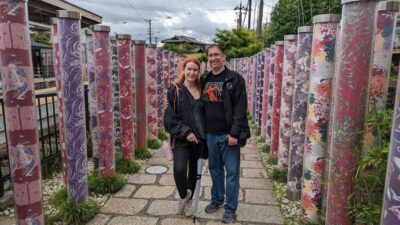
Arashiyama Bamboo, Temple, Monkeys, or Secret Sake Brewery
Read our review →
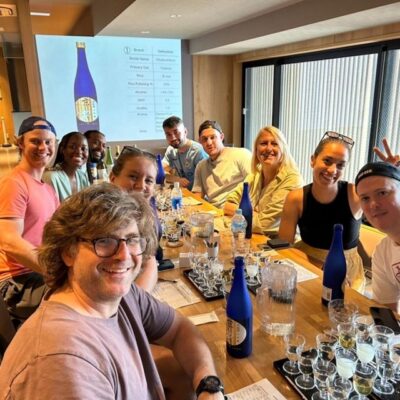
Insider Sake Brewery Tour with Sake and Food Pairing
Read our review →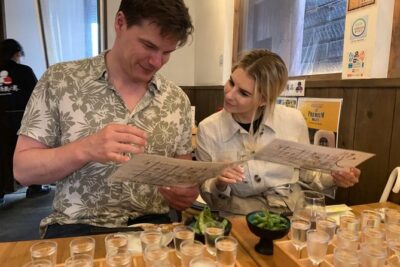
1.5-Hour Kyoto Insider Sake Experience with 7 Tastings & Pairings
Read our review →Browse the lists this tour appears in