
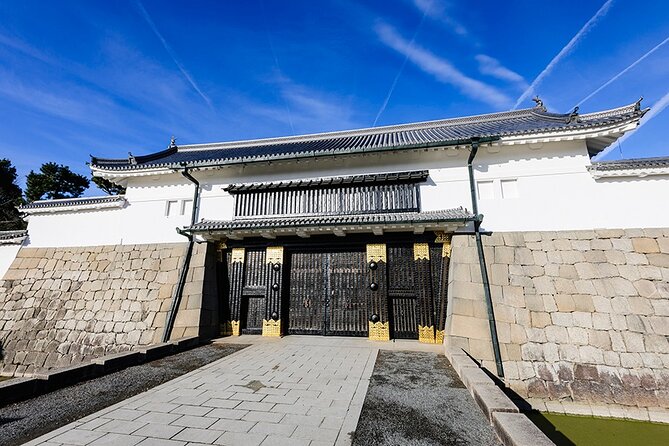
Reviewed · SAMURAI & NINJA EXPERIENCES
Nijo Castle Samurai Inside Story — Top-Rated Guide (Max 8)
Nijo Castle becomes far more interesting when you learn how its samurai world actually worked. Richard leads you through the castle grounds and explains the unspoken rules, secret roles, and protective systems that are easy to miss when you explore alone.
I like two things in particular: the small group, capped at eight, gives you room to ask questions, and the full castle admission is already included. The mid-tour green tea break is another thoughtful touch. The one drawback is that this is not a good choice for small children, and three hours may feel long if you prefer a quick look at the main sights.
Key points to know before you book
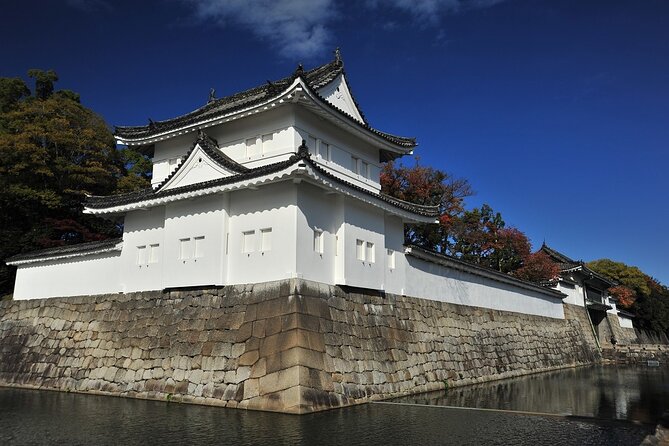
- Richard’s storytelling connects the castle to the shogun, emperor, samurai life, and Japanese customs.
- The group maximum is eight people, so you get more personal attention than on a large city tour.
- Nijo Castle admission is included, along with a green tea or coffee break.
- The tour begins at the large white gate on the west side of the castle, not at an unspecified city meeting point.
- The experience lasts about three hours and finishes back at the meeting point.
- The tour has a 5.0 rating from 20 reviews and a 100 percent recommendation rate, though no tour can guarantee the same guide experience for every group.
Why Nijo Castle makes a strong samurai-history stop
Kyoto is filled with temples and imperial sites, but Nijo Castle gives you a different view of power. This was not simply a beautiful residence. Its rooms, paths, gates, and defenses helped express authority and control.
That is where a guide earns the $98 price. On your own, you can admire the architecture and gardens, but the deeper meaning can slip past you. Richard explains the people who used the castle, the rules they followed, and the systems that helped protect those in power.
The focus is broader than weapons and battles. You learn about the social order around the samurai, the relationship between the shogun and emperor, and the customs that shaped daily life. This makes the visit useful even if you are more interested in Japanese culture than military history.
I especially like tours that explain what a building was designed to do. Nijo Castle is not just something to photograph. Its layout and formal spaces tell you how status was shown, how people moved, and how access was controlled.
Other swordplay and stealth sessions in Kyoto:
- Kyoto Samurai Experience
★ 5.0 · 1,294 reviews - Kyoto: Kendo and Samurai Experience with Uniform and Gear
★ 4.9 · 815 reviews - Kyoto: Samurai Sword Class by Experts in Traditional Arts
★ 4.9 · 657 reviews
Meeting Richard at the west gate
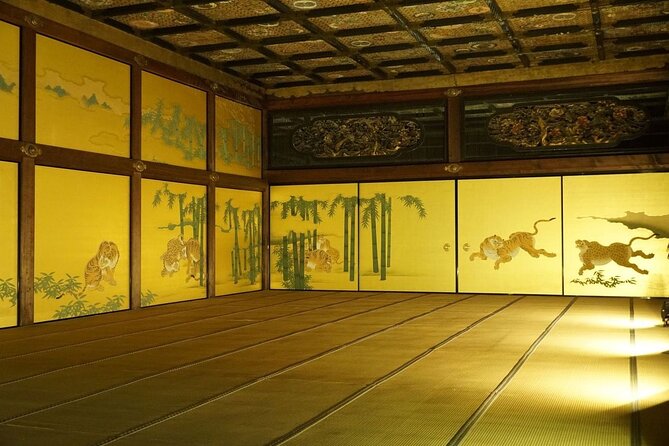
The meeting point is in front of the main gate, the large white gate on the west side of Nijo Castle. The address is 541 Nijojocho, Nakagyo Ward, Kyoto, 604-8301.
This detail matters. Nijo Castle is a sizeable site, and arriving at the wrong entrance could cost you time. Look for the west-side main gate and plan to arrive with enough time to get your bearings before the scheduled start.
Richard is the named guide for this experience. His strengths are clear from the tour material: strong English, enthusiasm for Japanese history, and a willingness to answer questions about the castle, Kyoto, and Japanese culture.
Several of the comments describe him as personable and easy to spend time with. That matters on a three-hour tour. You are not simply listening to a memorized speech. You can ask about customs, compare Nijo Castle with the Imperial Palace, or pause over a detail that catches your attention.
Richard also places Nijo Castle in the wider story of Kyoto. The Imperial Palace may come up as a comparison or part of the historical discussion, but you should book this expecting a Nijo Castle tour, not a separate Imperial Palace visit.
Walking the castle grounds for about three hours
The entire activity takes place at Nijo Castle, with admission for the full course included. The exact sequence of rooms and outdoor areas can vary, but the basic rhythm is clear: Richard guides you through the castle and grounds, explains what you are seeing, and adds the human stories behind the site.
The first advantage is simple navigation. Nijo Castle can feel confusing if you do not know which sections deserve your attention. A guide helps you move with purpose instead of wandering from one wall or garden to the next.
The second advantage is interpretation. Many historical sites give you dates and names, then leave you to connect the pieces. Richard focuses on the less obvious side of the castle: samurai responsibilities, hidden systems, social rules, and the way people lived and worked within this setting.
You should expect a steady walking experience rather than a fast checklist. Three hours allows time for explanation and questions, but it also means you will need comfortable shoes and enough energy for a longer visit.
The tour is not recommended for small children. That is partly a practical issue and partly a question of interest. The content centers on history, customs, and close attention to details, so older children and adults are likely to get more from it.
The samurai stories that make the visit worthwhile
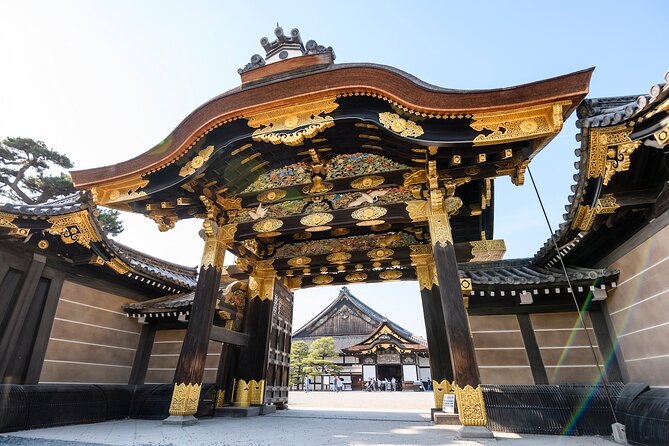
The strongest part of this experience is its focus on the parts of samurai life that are not always obvious. Popular images often reduce samurai to armor, swords, and dramatic battles. This tour looks at the wider system around them.
You learn about roles and expectations. Who could enter certain areas? How did people behave in the presence of powerful figures? What rules shaped daily conduct? These questions help you understand why the castle was arranged as it was.
The tour also explores protective systems and unspoken signals. Even when the details seem small, they can change the way you read the building. A doorway, corridor, or formal room becomes part of a carefully ordered world rather than just another stop on a sightseeing route.
Richard’s approach appears to suit people who want explanation rather than a string of dates. His style is described as clear, thorough, and enthusiastic. He also brings intelligent opinions to the subject, which can make the history feel less fixed and more open to thought.
That may not suit everyone. If you prefer to move at your own speed, take photographs without interruption, or spend most of your time in the gardens, a guided visit can feel structured. The tradeoff is that you come away with a far better grasp of what you saw.
Other castles reached from Kyoto:
- Kyoto: Nijo-jo Castle and Ninomaru Palace Guided Tour
★ 4.7 · 1,020 reviews - Kyoto: Nijo Castle, Kiyomizu & Fushimi Inari Guided Tour
★ 4.7 · 700 reviews - Kyoto: Nijo, Kinkaku-ji, Arashiyama, Kiyomizu & Fushimi Inari
★ 5.0 · 699 reviews - Kyoto: Imperial Palace & Nijo Castle Guided Walking Tour
★ 4.7 · 453 reviews
A green tea break in the middle
Coffee or tea is included, with green tea served during a break in the middle of the tour. This is a small feature, but it improves the pace of a three-hour visit.
A pause gives you time to rest, ask follow-up questions, and let the information settle. It also adds a modest cultural touch without turning the activity into a formal tea ceremony. You should see it as a refreshment break, not a separate tea experience.
I like this kind of pause because long historical tours can become tiring when every minute is filled with facts. The break divides the visit into manageable sections and gives you a chance to talk with Richard in a less formal setting.
How the small group changes the experience
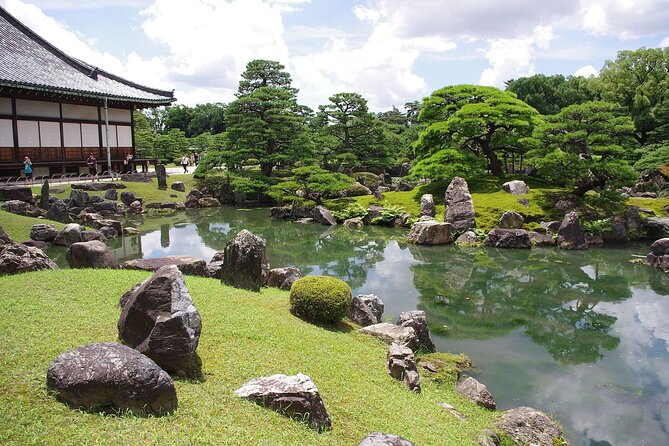
The maximum group size is eight. That is one of the clearest reasons to choose this tour instead of a large group option.
A small group makes it easier to hear the guide inside busy areas. It also gives you more freedom to ask questions. If you want to know how Nijo Castle compares with the Imperial Palace, or you are curious about samurai customs, you are less likely to feel you are holding up a crowd.
Small groups also make it easier for the guide to adjust the explanation. If everyone is interested in architecture, Richard can spend more time there. If the group is more curious about the shogun, emperor, or daily life, the conversation can move in that direction.
The limit is eight, not one. This is not necessarily a private tour, even though some descriptions call it private. If you need a completely private experience, confirm that point before booking. Still, eight people is a comfortable size for a guided castle visit.
Is $98 a fair price?
At $98 per person, this is not the cheapest way to see Nijo Castle. The value depends on what you want from the visit.
If you only want to enter, take photographs, and walk through at your own speed, the price may feel high. The admission ticket alone does not explain the cost.
If you want a detailed explanation in clear English, help finding the important parts of the site, and time for questions, the price is easier to justify. You are paying for about three hours of guidance, full-course castle admission, a small group, and the guide’s wider understanding of Japanese history and culture.
The green tea break adds a little value, but it is not the main reason to book. The real benefit is context. Richard’s explanations connect the physical castle to the political and social world around it.
This is especially useful early in a Kyoto trip. Once you understand the relationship among samurai power, the shogun, the emperor, and court life, other historical sites can make more sense.
Practical details that affect your day
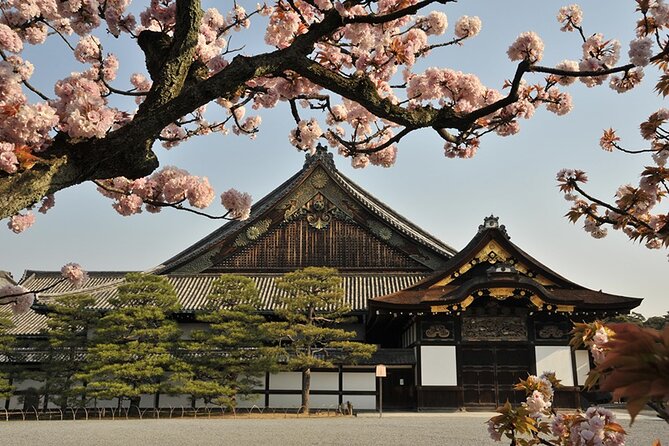
The meeting and ending point are both at Nijo Castle. There is no private transportation included, so you must make your own way to the west-side main gate. The castle is near public transportation, which makes the meeting point practical for a Kyoto sightseeing day.
A mobile ticket is provided. Confirmation arrives at booking, so keep the ticket accessible on your phone.
The experience requires good weather. If poor weather causes cancellation, you are offered another date or a full refund. You can cancel for a full refund up to 24 hours before the start time. Changes or cancellations made less than 24 hours before the start are not accepted for a refund.
Tips are optional. If Richard gives you the kind of thoughtful, personal tour described here, a gratuity is appreciated, but it is never required.
Who will enjoy this Nijo Castle tour most?
I would choose this experience if you want to understand what you are seeing rather than simply pass through the castle.
It suits:
- First-time visitors to Kyoto who want a clear introduction to Japanese political and social history.
- Adults interested in samurai life beyond swords and battles.
- People who prefer small groups and plenty of time for questions.
- Visitors who want strong English explanations.
- Anyone planning to see the Imperial Palace and looking for a useful point of comparison.
- History-minded couples, solo visitors, and small family groups with older children.
I would think twice if you have already studied Nijo Castle closely, prefer complete independence, or want a short visit. Small children may also find the three-hour format and historical focus difficult.
The tour is rated 5.0 from 20 reviews, with a 100 percent recommendation rate. That is an excellent record, though the guide relationship is personal, and your experience can depend on your interests and expectations.
Should you book Nijo Castle Samurai Inside Story?
Book it if you want the castle explained as a working center of power, not just presented as an attractive old building. Richard’s strongest contribution is the connection between the rooms, the samurai system, Japanese customs, and the larger story of the shogun and emperor.
The best reason to go is the combination of small-group access and serious historical explanation. Admission, a green tea break, and easy navigation make the day straightforward.
Skip it if you want to wander alone, avoid a three-hour commitment, or are mainly interested in gardens and photography. For most history-minded visitors, though, this is a useful and focused way to make Nijo Castle mean more than a series of impressive gates and rooms.
FAQ
How long does the Nijo Castle tour last?
The experience lasts about three hours, including the guided visit and the break.
Where does the tour meet?
The guide meets you in front of the main gate, the large white gate on the west side of Nijo Castle, at 541 Nijojocho, Nakagyo Ward, Kyoto.
Is Nijo Castle admission included?
Yes. Admission for the full Nijo Castle course is included in the tour price.
Is food or drink included?
A green tea or coffee break is included during the middle of the tour.
How large is the group?
The activity allows a maximum of eight travelers.
Can I cancel for a full refund?
Yes. You can cancel at least 24 hours before the experience start time for a full refund. Cancellations or changes made less than 24 hours before the start are not accepted for a refund.
Just added in Kyoto
- Private Cooking Class Udon in Kyoto Japan★ 5.0 · 23 reviews
- Your Private Vacation Photography Session In Kyoto★ 5.0 · 110 reviews
- Kyoto: Zen Meditation at a Private Temple with a Monk★ 5.0 · 25 reviews
- Private Pewter Sake Cup Experience with a Kyoto Artisan★ 5.0 · 31 reviews
- Kyoto Wagashi(Japanese sweets) Cooking Class near Fushimiinari★ 5.0 · 60 reviews
- Kyoto:Family-Friendly Kimono & Yukata Experience at WARGO★ 5.0 · 147 reviews
- Private Guided Traditional Buddhist Cooking in Japan★ 5.0 · 16 reviews
- Kyoto: Gion Geisha District & Sake-in-Hand Walking Tour★ 5.0 · 37 reviews
Samurai & Ninja Experiences, compared.

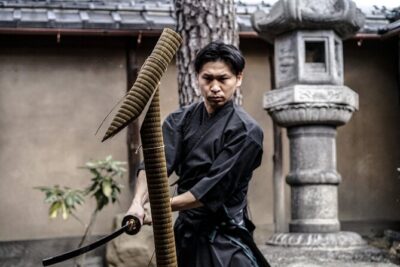
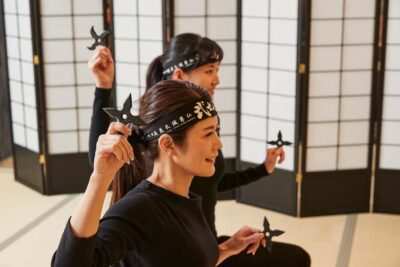
Samurai Ninja Museum Guided tour and Experience
Read our review →
Kendo and Samurai Experience with Uniform and Gear
Read our review →
Samurai Sword Class by Experts in Traditional Arts
Read our review →
Skip the lines Basic Ticket at SAMURAI NINJA MUSEUM KYOTO
Read our review →
Samurai Sword & Archery Class from Samurai Descendant
Read our review →
Browse the lists this tour appears in