
Reviewed · SAMURAI & NINJA EXPERIENCES
Tokyo: Samurai Restaurant Show Ticket with 2 Drinks
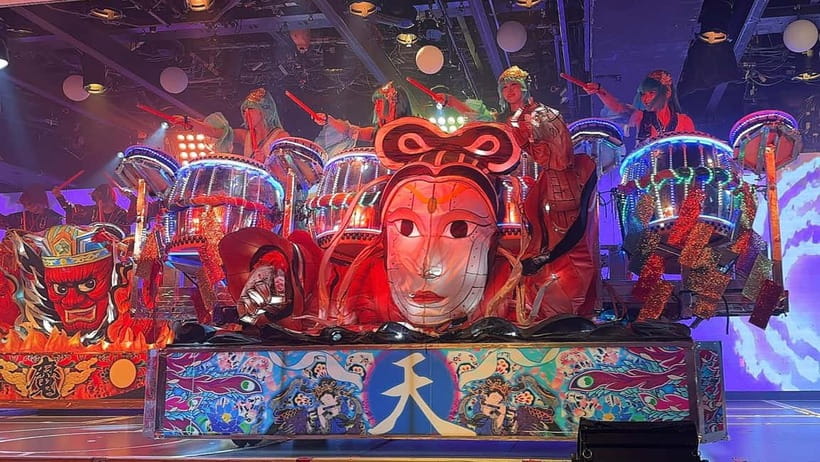
Tokyo’s Samurai Restaurant Show is less a lesson in Japanese history than a full-throttle stage spectacle. Inside a lavish Kabukicho venue said to have cost more than 10 billion yen, samurai, ninjas, dancers, costumes, neon light, and pounding music collide in one very unusual evening.
I like the huge visual production and the friendly staff, who help make the experience easy from the moment you enter. I also like the practical value: at $55, you get two drinks and about 90 minutes of high-energy entertainment in the center of Shinjuku.
The main drawback is the sensory overload. The music can be extremely loud, the plot may be hard to follow, and short pauses between scenes can interrupt the momentum. This is not a quiet cultural performance or a traditional theater night.
Key points to know before you book
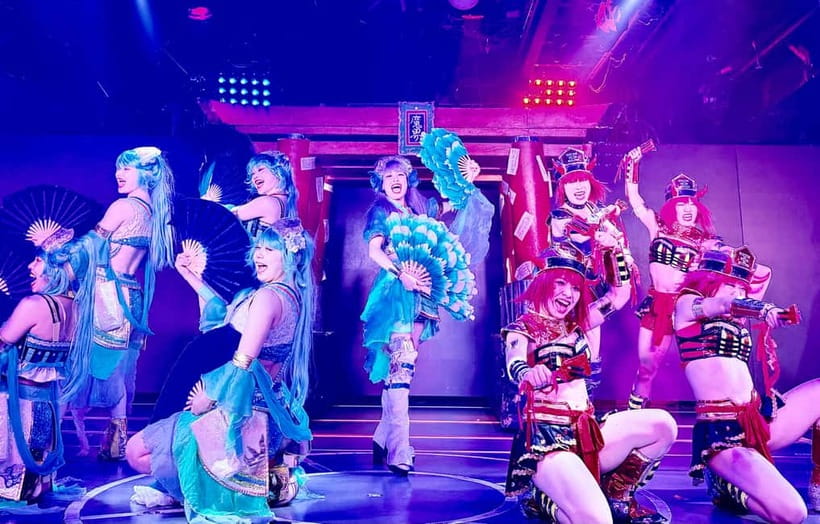
- A neon-heavy samurai spectacle: Expect dancers, ninjas, elaborate outfits, dramatic lighting, loud music, and fast stage action.
- Two drinks are included: Choose alcoholic or non-alcoholic drinks, with extra snacks and beverages available for purchase.
- The venue is in Kabukicho: You’ll be in the heart of Shinjuku’s entertainment district, an energetic area that may feel more adult than other parts of Tokyo.
- The show is for adults only: Children under 18 cannot enter, and intoxicated customers or people in cosplay may be refused.
- Bring earplugs if you are sensitive to sound: The stage is close, and several people found the volume intense.
- Plan dinner separately: Food is limited to snack-style choices, so eat before or after if you want a full meal.
What the Samurai Restaurant Show really is
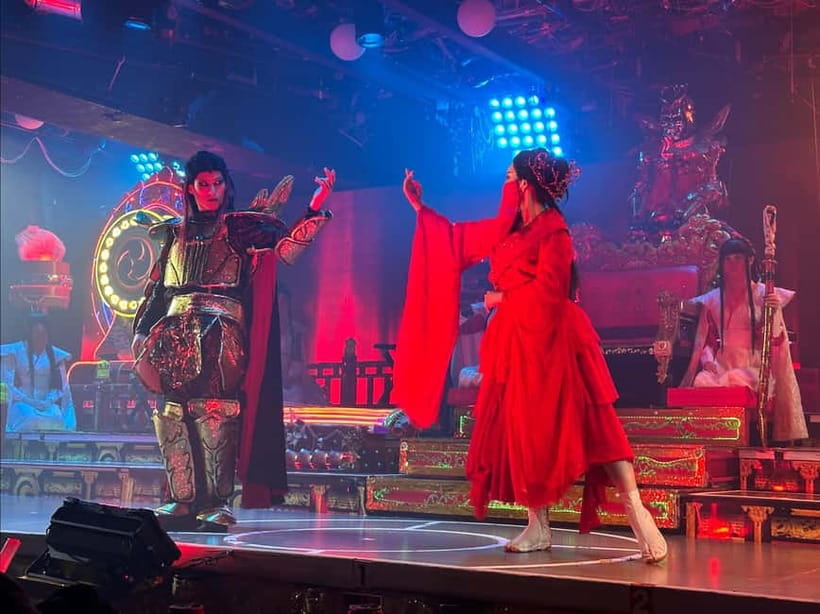
The name may lead you to expect a formal lesson in samurai culture. That is not quite what you get. This is a modern entertainment show that uses samurai imagery as a starting point, then adds dancers, ninjas, music, flashing lights, costume changes, and theatrical surprises.
I would describe it as a collision between a stage revue, a pop concert, and a fantasy version of old Japan. The show aims for excitement rather than historical accuracy. You may not always understand the story, but you will understand the mood: loud, colorful, playful, and deliberately over the top.
That distinction matters when you decide if it fits your plans. If you want a calm performance of traditional music or a serious look at Japanese martial culture, choose another activity. If you want a one-of-a-kind Tokyo night that keeps your eyes and ears busy, this is much closer to the mark.
The production is also unusually close to the audience. That helps you notice costumes, expressions, choreography, and stage effects, but it also makes the sound feel stronger. Sitting near the action can be exciting, while anyone sensitive to loud music should ask for earplugs or bring a pair.
Other samurai and ninja experiences in Tokyo people book:
- Tokyo: Samurai Ninja Museum Guided tour and Experience
★ 4.6 · 1,010 reviews - Tokyo: Samurai Sword & Archery Class from Samurai Descendant
★ 5.0 · 603 reviews - Best Samurai Experience in Tokyo
★ 5.0 · 458 reviews
Arriving in Kabukicho and entering the venue
The Samurai Restaurant is in Kabukicho, the famous entertainment district in Shinjuku. The meeting point is the reception inside the entrance, so you do not need to arrange hotel transportation or find a separate meeting spot elsewhere in Tokyo.
Give yourself time to reach the building and get oriented. Kabukicho is full of bright signs, nightlife venues, restaurants, and crowds, and the area can feel more intense than the polished streets around Tokyo’s major department stores. That setting is part of the experience, but it may surprise you if you expect a traditional theater tucked beside a quiet shrine.
Once inside, spend a few minutes looking around. The interior is one of the main reasons to arrive early. It is elaborate, theatrical, and designed to begin the spectacle before the performers take the stage. The venue’s reported construction cost of more than 10 billion yen helps explain why the rooms feel far more decorated than an ordinary dinner theater.
You will need a passport or identity card to enter. A copy is accepted. Keep it handy rather than packed at the bottom of your bag.
The rules are firm. Outside food and drinks are not allowed, professional cameras are prohibited, and you cannot enter while intoxicated. Costumes, cosplay, or unusual outfits are also not permitted. These restrictions may seem strict, but they keep the room focused on the performance and help staff manage a tight schedule.
The opening acts: samurai, ninjas, and dancers
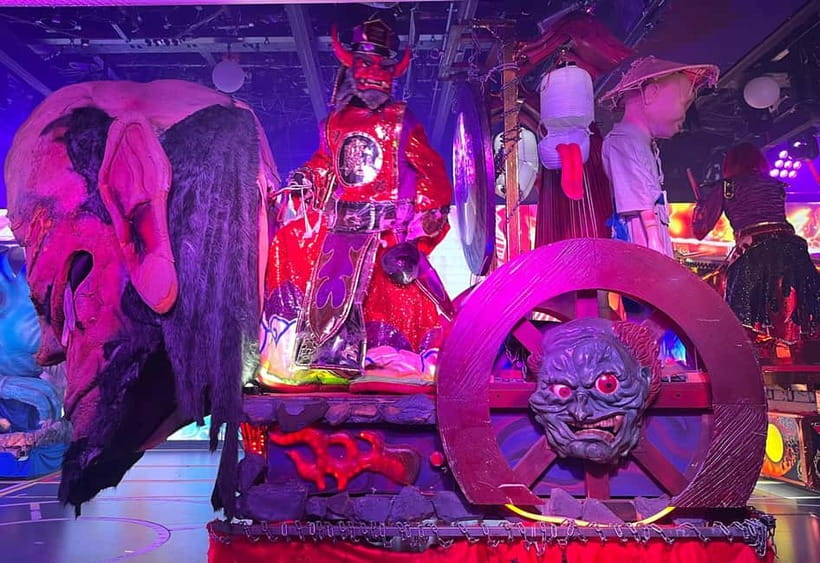
The show begins with the elements promised in the name: samurai and ninja characters, dancers, dramatic music, and large visual effects. The costumes do much of the storytelling. Even when the narrative is unclear, the performers’ movement, colors, and stage positions make it easy to follow the basic shifts in mood.
The strongest part of the production is its energy. The cast performs with a great deal of force and enthusiasm, and the short distance between stage and audience makes the action feel immediate. You are not watching a distant historical reenactment. You are watching a carefully staged fantasy designed to keep the room engaged.
The dancing is a major part of the show. You’ll see quick scenes, bold poses, theatrical gestures, and choreography built for strong visual impact. Several acts may feel more like music-video performance than theater, which is exactly why the production works for people who want something unusual.
Do not expect long spoken explanations in English. The host or greeter speaks English, and staff are described as friendly and helpful, but the performance itself relies heavily on music, movement, costumes, and visual cues. That makes it accessible even if you do not understand Japanese, though it also means the story can feel random.
Neon, music, and the famous sensory overload
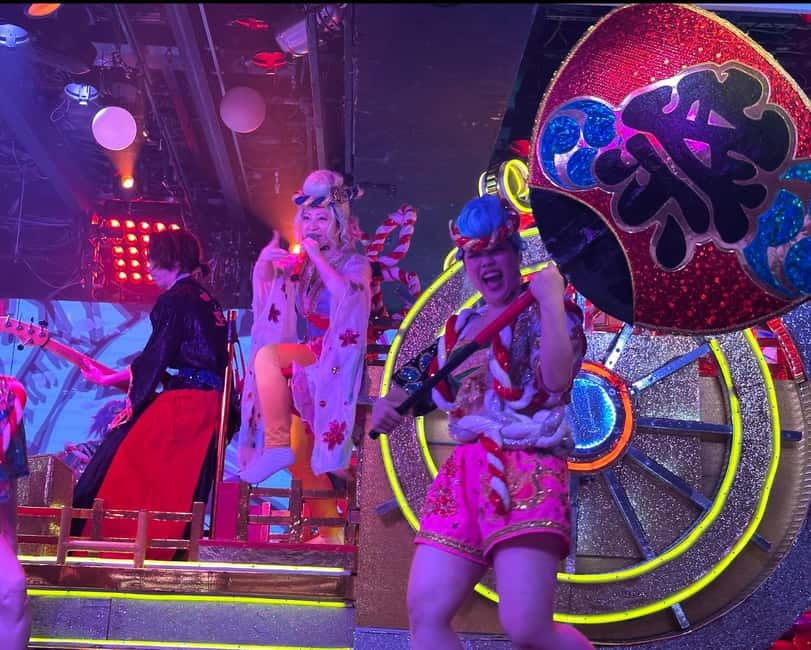
The lighting is not a small detail. Neon color, changing effects, and loud sound shape nearly every part of the show. The result can be thrilling, especially if you enjoy concerts, anime-inspired visuals, or theatrical productions that refuse to be subtle.
It can also be a lot. One person described the volume as intense, while another advised bringing earplugs. That is useful advice, especially because the stage is close and the sound reaches you directly. Earplugs will not ruin the show. They may make it easier to enjoy the music without feeling worn out afterward.
The visual effects can also be tiring for people who are sensitive to flashing lights. One booking account specifically warned that the show may not suit people with epilepsy. If you have a known sensitivity to strobe effects or loud sound, check with the venue before booking.
The production’s greatest strength is also its biggest weakness: it never tries to be restrained. You may leave delighted by the color and energy, or you may feel that the show is too loud and too busy. There is not much middle ground.
Other swordplay and stealth sessions in Tokyo:
- Ninja Experience (Family Friendly) at Samurai Ninja Museum TOKYO
★ 5.0 · 441 reviews - Tokyo: Samurai Entertainment Night Show in Kanda Shrine
★ 4.6 · 417 reviews - Tokyo Sword Experience – includes Museum Ticket/Ninja Experience
★ 5.0 · 314 reviews - Samurai Ninja Museum Asakusa: Samurai Sword Lesson & Tour
★ 4.8 · 306 reviews
Intermissions, snacks, and the two-drink value
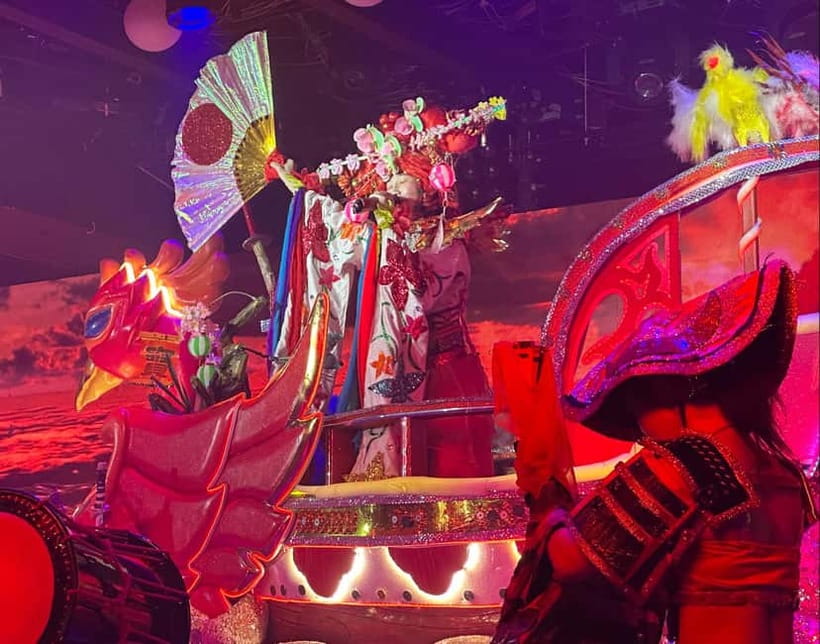
The performance includes pauses between scenes. These breaks allow the crew to change the stage setup and give you time to settle in, eat a snack, and use your included drinks. Some people find the stops a little choppy, but they are understandable in a compact venue with frequent changes in decoration and performance style.
Your ticket includes two alcoholic or non-alcoholic drinks. That is a useful perk at a $55 price point, particularly for an evening activity in central Tokyo. You can choose a non-alcoholic option if you prefer, and additional drinks are available for purchase.
Food is a different matter. The venue offers snack-style items such as popcorn and other small choices. Some accounts also mention cake and green tea appearing during the show, but you should not treat the experience as dinner. If you are hungry, eat beforehand or plan a proper meal afterward.
I see the two-drink arrangement as a bonus, not the reason to buy the ticket. The value comes from the combination of the production, the elaborate setting, and the central location. The drinks make the evening feel more generous, but you should budget separately for food and anything else you buy inside.
The later acts and the Kabuki-style finish
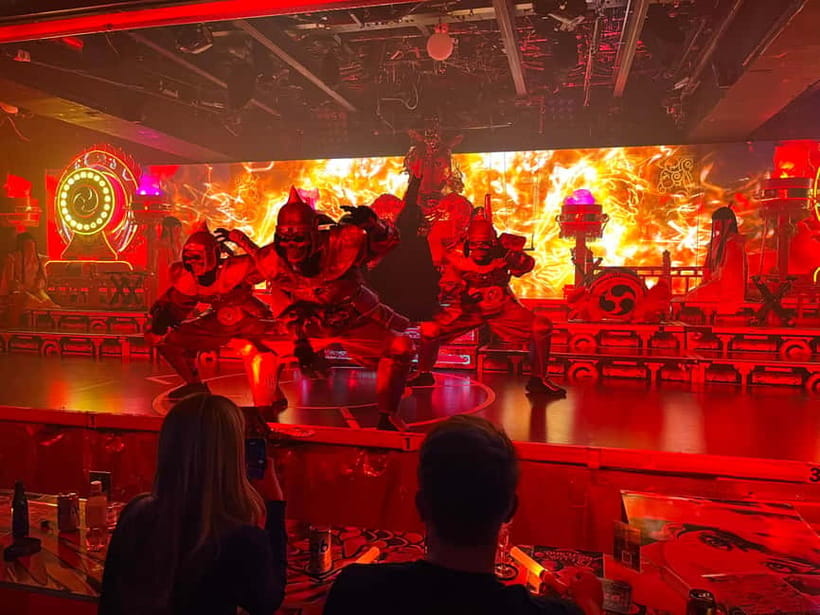
The show builds toward larger ensemble scenes and a final stretch with a Kabuki-inspired performance. This later section is especially useful if you want to see a clearer link between the modern spectacle and Japanese stage traditions.
Do not expect a full traditional Kabuki performance. The setting, timing, and overall production remain modern and theatrical. Still, the closing material gives the show a stronger cultural flavor than a simple dance-and-light show would have.
The contrast is part of the appeal. You might move from samurai action to colorful dance, from electronic-style sound to traditional visual references, then back to a large finale. The show does not always explain its connections, but it gives you a fast-moving sample of different ideas rather than one narrow performance style.
The ending is also where the production tends to feel most complete. Earlier scenes can seem like separate bursts of entertainment. The later acts pull those pieces into a more satisfying finish.
How the $55 ticket compares with the experience
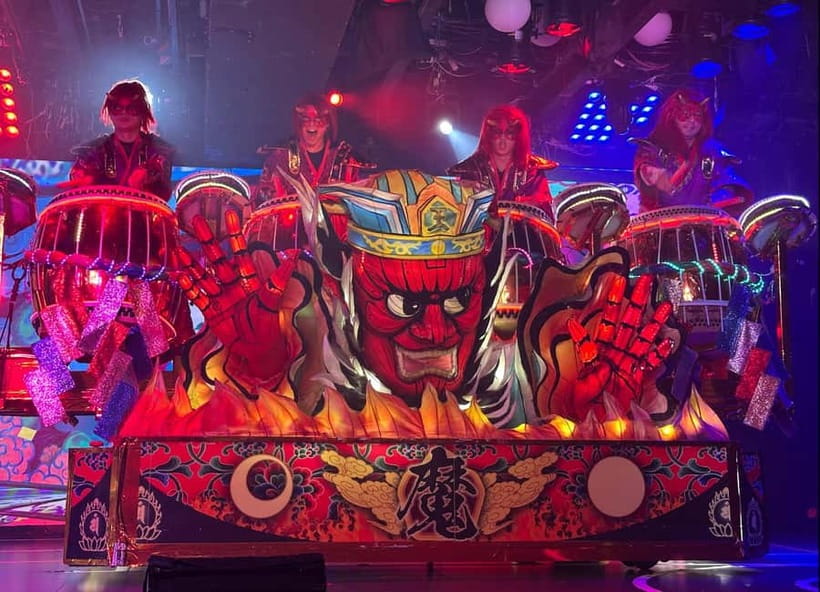
At $55 per person, this is not a bargain basement attraction, but it is fair value if you want a polished, adults-only evening show. You receive admission, roughly 90 minutes of entertainment, and two drinks. The venue itself adds a level of spectacle that you would not get from a basic theater ticket.
The value is strongest for first-time visitors who want something that feels distinctly connected to Tokyo’s modern entertainment culture. It is also a good choice for a group. The show is easy to enjoy as a shared night out because you do not need to follow every detail of the plot to have fun.
The value is weaker if you mainly want history, fine dining, or a quiet seat in a traditional performance hall. You will pay extra for a full meal, and you may find the show too loud or too loosely structured.
The flexible booking terms help reduce the risk. You can reserve now and pay later, and cancellation is allowed up to 24 hours before the start time for a full refund. Check the exact show time when booking, since the advertised activity length is 90 minutes, while the ticket description also refers to a two-hour show ticket. Allow enough time for the full visit rather than scheduling a tight connection afterward.
Who should book this Shinjuku night?
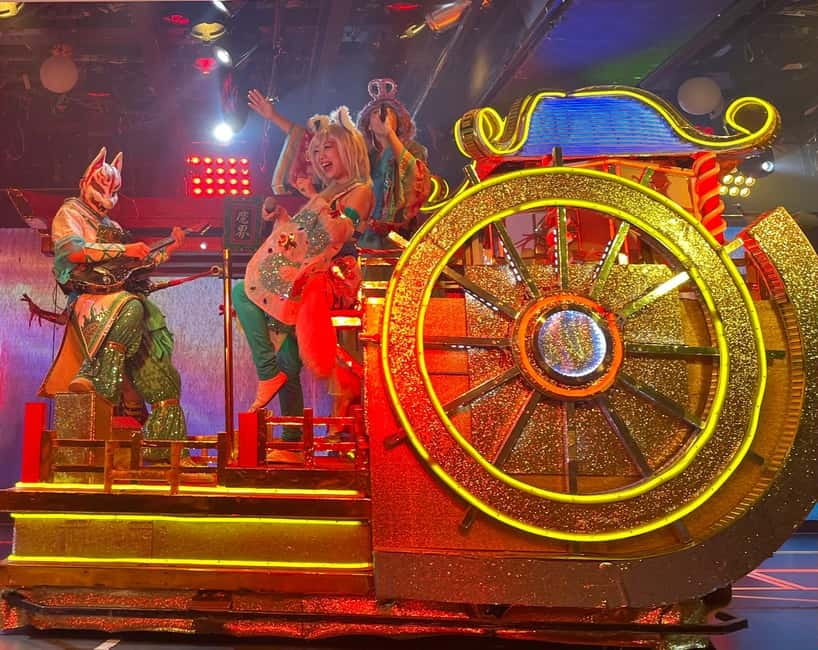
I would recommend it to adults who enjoy unusual entertainment, bold costumes, concerts, dance shows, and the playful side of Japanese pop culture. It works especially well for friends, couples, and groups who want a memorable night in Shinjuku rather than another temple or museum.
It also suits you if you are comfortable with a loose storyline. Several people enjoyed the performance without being sure what the plot meant. That is not a flaw if you treat the show as a visual event rather than a play that demands close attention.
You should think twice if you dislike loud music, flashing effects, theatrical exaggeration, or short pauses between scenes. The show is not subtle, and it does not aim to be. People with sound or light sensitivities should contact the venue before booking and consider bringing ear protection.
The location is adult-oriented, but the performance itself is described as free of mature content. Still, nobody under 18 can enter, so this is not an option for families with children.
Practical tips for a smoother visit
Arrive early enough to find the entrance and look around the interior before the show begins. You will also have time to present your identification and settle in without rushing.
Wear normal clothing rather than cosplay or a costume. Leave outside drinks and food behind, and do not arrive intoxicated. Professional cameras are not permitted, so use a permitted personal device only if staff allow it.
Bring earplugs if you are unsure about the volume. They are especially sensible because the stage is close and the music can become very loud.
Plan your meal around the show. Snacks may be available, but the included drinks do not turn this into a dinner experience. A meal before or afterward will make the evening more comfortable.
Finally, do not arrive late. If you miss the beginning, you may have to wait until intermission before staff seat you. That is a real inconvenience in a 90-minute performance, where every act takes up a noticeable share of the evening.
Should you book the Samurai Restaurant Show?
Book it if you want Tokyo at its most theatrical: samurai, neon, dancers, ninjas, loud music, and an interior built to impress. The production has strong energy, the staff are consistently described as welcoming, and two drinks make the $55 price easier to justify.
Skip it if you want a traditional cultural performance, a full meal, or a quiet evening. The story may be hard to follow, the sound is intense, and the pauses between acts can feel uneven.
For the right audience, this is one of those Tokyo activities that is more fun to experience than to explain. Go with an open mind, eat before or after, protect your ears, and let the spectacle do the work.
FAQ
Where is the Samurai Restaurant Show held?
It is held at the Samurai Restaurant in Kabukicho, Shinjuku, in the heart of Tokyo.
How long does the experience last?
The activity information lists a duration of 90 minutes. The ticket description also refers to a two-hour show ticket, so check the exact schedule when booking and allow extra time around the performance.
What does the ticket include?
The ticket includes admission to the samurai show and two alcoholic or non-alcoholic drinks of your choice.
Is food included?
No. Additional food and drinks are not included. Snack-style food may be available for purchase, but you should plan another meal if you want more than light refreshments.
Can children attend?
No. Children under 18 cannot enter, and the experience is for adults only.
What should I bring to the venue?
Bring your passport or identity card. A copy is accepted. Earplugs may also be useful because the show can be very loud.
What happens if I arrive late?
If you arrive after the show has started, you may need to wait until the intermission before being seated.
Just added in Tokyo
- Small-Group Wagyu Beef and 7 Japanese Dishes Tokyo Cooking Class★ 5.0 · 190 reviews
- Nikko: Edo Wonderland Edomura Cultural Theme Park Ticket★ 4.3 · 205 reviews
- 《MEMBERS-ONLY-BAR-HOPPING》Discover Your Special Whiskey in Tokyo!★ 5.0 · 29 reviews
- Japanese Whisky Hunting《HIGH-QUALITY-ONLY》Rare Tasting Class★ 5.0 · 20 reviews
- Luxury Tokyo Sake, Cocktail, Whisky and Pairing Tour★ 5.0 · 18 reviews
- Wagyu & Sake Pairing in Shinjuku – Steak, Shabu-Shabu & More★ 5.0 · 112 reviews
- From Tokyo: Private Tour to Fuji/Hakone – Onsen, Art, Nature★ 5.0 · 116 reviews
- Tokyo: KABUKI Show at Kabukiza Theatre Admission Ticket★ 4.8 · 152 reviews
Samurai & Ninja Experiences, compared.
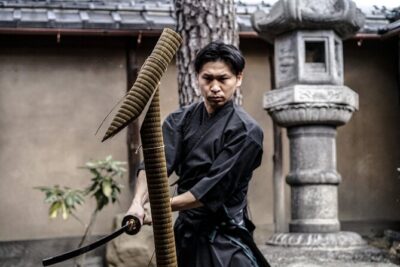
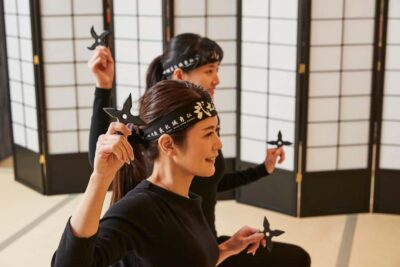
Samurai Ninja Museum Guided tour and Experience
Read our review →
Kendo and Samurai Experience with Uniform and Gear
Read our review →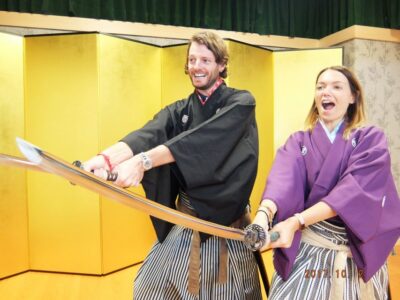
Samurai Sword Class by Experts in Traditional Arts
Read our review →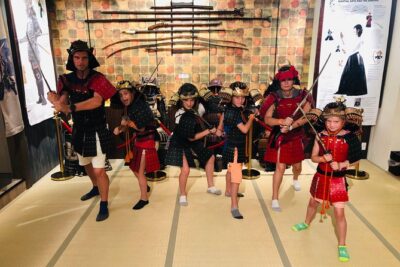
Skip the lines Basic Ticket at SAMURAI NINJA MUSEUM KYOTO
Read our review →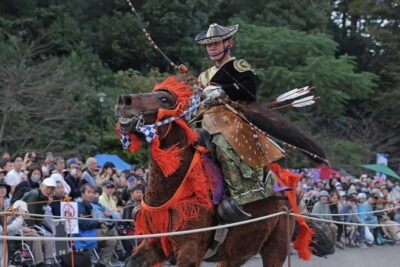
Samurai Sword & Archery Class from Samurai Descendant
Read our review →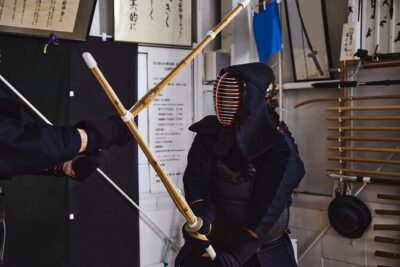
Ninja 1-hour Hands-on Lesson by Japanese master in Kyoto -Entry
Read our review →Browse the lists this tour appears in