
Reviewed · SAMURAI & NINJA EXPERIENCES
Kyoto: Kendo and Samurai Experience with Uniform and Gear
A 120-year-old Kyoto machiya is an unusual place to learn kendo. Behind its large gate, you change into traditional training clothes, handle a sword, and practice the controlled movements of Japan’s warrior tradition. This is more than a costume photo stop. You get instruction, footwork, etiquette, history, and a little partner sparring.
I like two things right away: the setting gives the class a genuine sense of place, and Taka-san brings plenty of patience, humor, and practical knowledge to the lesson. You also get the uniform, shoes, protective gear, instruction, and photo and video help for one price. The main drawback is location. The dojo is in a residential area and can take extra time to reach, while the old building may feel chilly and somewhat worn.
Key things to know before booking
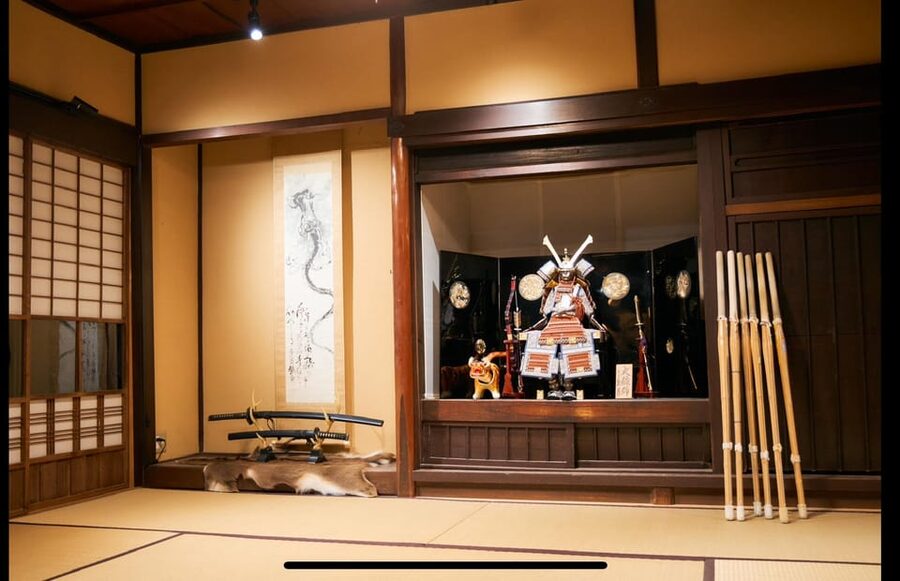
- Train inside an old Kyoto machiya: The traditional house and dojo give the activity a stronger sense of place than a modern studio.
- Taka-san leads with warmth and patience: His clear English, humor, and calm instruction work well for first-time students.
- You practice, not just pose: Expect basic sword movements, kendo drills, footwork, and partner work with safe training weapons.
- The full outfit is provided: Uniform, shoes, armor, and training equipment are included, so you do not need to prepare anything special.
- Photos and videos are part of the memory: Your instructor helps capture you in uniform during the session.
- Allow extra travel time: The dojo is away from the main tourist routes, and the building can be cold in winter.
Entering a 120-year-old Kyoto training house
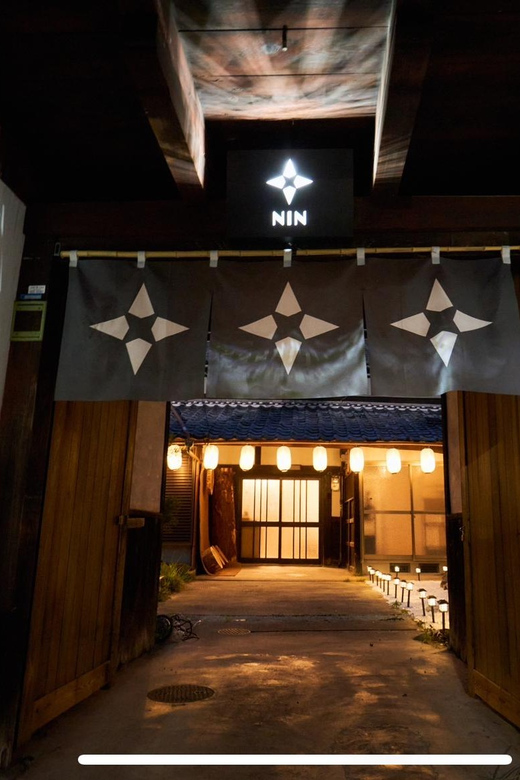
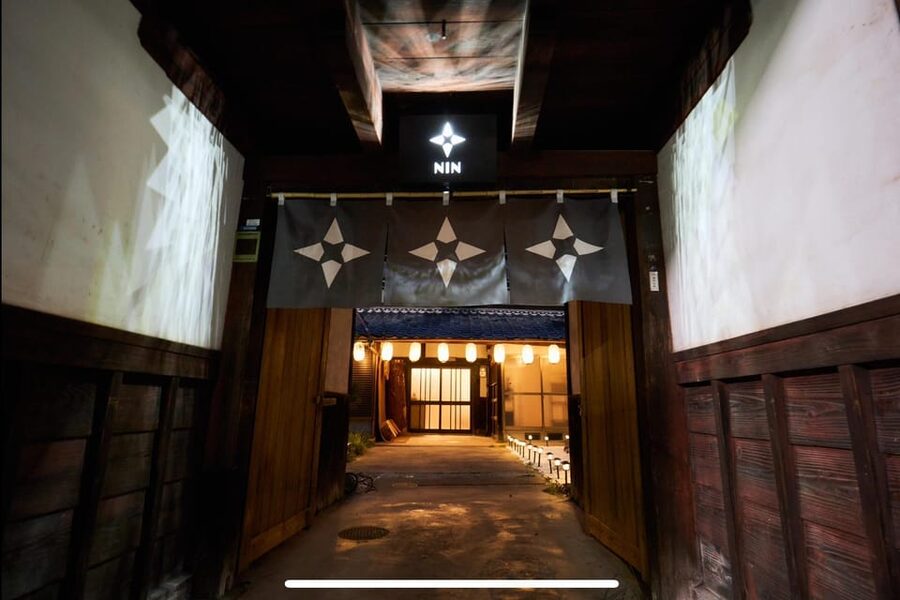
The meeting point is an old Japanese house marked by a large gate. This detail matters. You are not walking into a theatrical set built to look old. You are entering a traditional Kyoto building with the narrow, slightly mysterious approach that often makes the city’s residential streets so appealing.
The setting creates the right mood before the lesson even begins. The dojo and courtyard help you picture kendo as a discipline practiced in a real Japanese environment, rather than as a staged sword show. One session even included outdoor practice as snow began to fall, a memorable scene if you happen to visit in winter.
There is a tradeoff. Old buildings are not always polished. The room may feel dusty or worn, and cold weather can make the floor and indoor space chilly. I would wear a warm base layer and thick socks in the colder months. You may also practice outside, so dress for the season rather than for a warm indoor attraction.
The location takes planning. It sits in a residential area along winding paths, and the walk from public transport may be longer or less obvious than expected. Give yourself plenty of time, especially if you are unfamiliar with Kyoto’s side streets. A taxi from the station to the front gate can make arrival easier.
Other martial arts sessions in Kyoto:
- Tokyo: Samurai Sword & Archery Class from Samurai Descendant
★ 5.0 · 603 reviews - Samurai Training Experience KENDO in Osaka
★ 5.0 · 515 reviews - Japanesel Archery Experience HIROSHIMA CASTLE SHARAKU
★ 5.0 · 387 reviews
Changing into the uniform
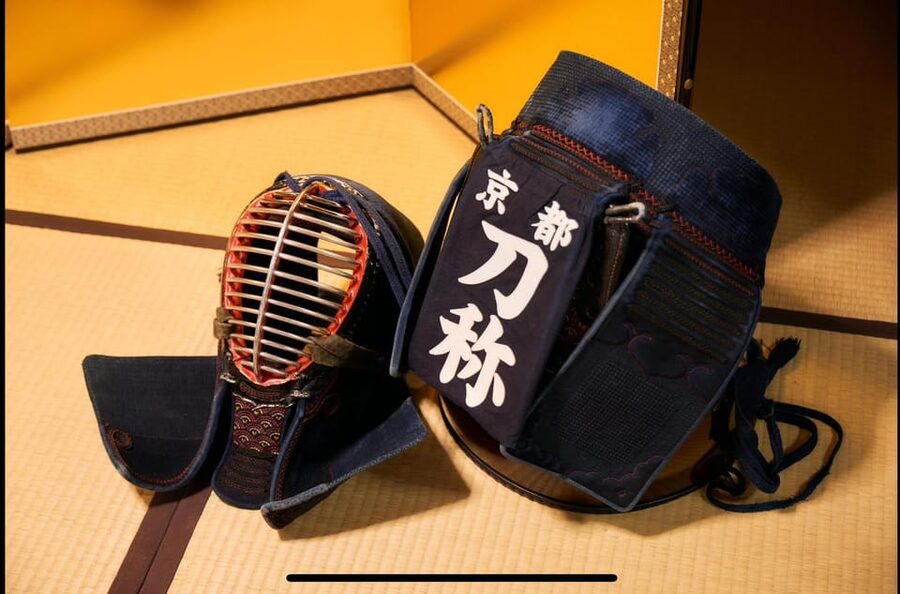
The activity begins with a practical transformation. You receive the training uniform, footwear, and equipment, then learn how the pieces fit together. Getting dressed is not simply a photo opportunity. It introduces the discipline and etiquette that go with kendo.
The clothing changes the way you move. A casual visitor in street clothes may swing a sword too quickly or stand awkwardly. Once you are dressed and shown the correct posture, the class becomes more focused. You begin to understand that the clothing, stance, bowing, and handling of equipment all form part of the practice.
The instructors take care with this stage. That is useful if you have never worn kendo clothing or protective equipment. You do not need previous martial arts training, and the class is designed for beginners. The guide explains what to do, demonstrates it, and gives you time to try.
The experience is suitable for families with children aged seven and older, though parents should consider whether their child will be comfortable wearing unfamiliar gear and following instructions. One family found the instructor especially patient with an autistic child, which suggests that the teaching style can be supportive when someone needs a little extra help.
Learning the samurai story before the sword work
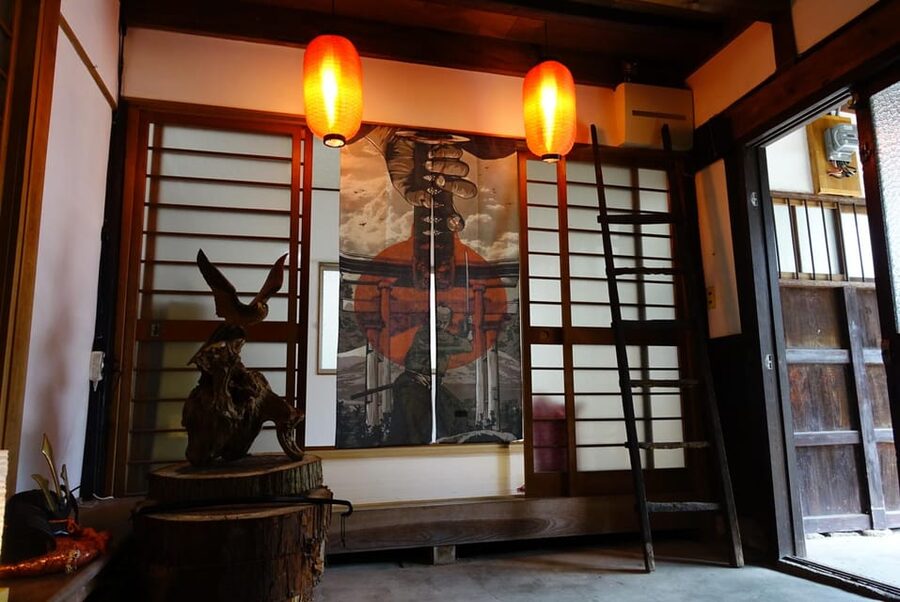
The history portion gives the physical practice some meaning. Taka-san explains the role of the samurai in Japanese history, the customs connected with the warrior class, and the development of kendo. You also learn about the etiquette and mindset behind the art.
This is where the activity differs from simple dress-up entertainment. The point is not only to look like a samurai. You learn why posture, respect, controlled movement, and attention matter. The lesson connects the sword to a wider code of conduct rather than treating it as a movie prop.
Taka-san’s teaching style is a major part of the experience. He speaks English very well, answers questions, and keeps the pace light with jokes and an easy manner. He is often described as patient and approachable, which helps when several people in the group have different levels of coordination or confidence.
The historical talk is not presented as a long lecture. It is mixed with demonstrations and practice, so you have something active to do while learning. That pacing works well during a two-hour class. You leave with a basic cultural framework without spending the whole session sitting still.
Handling bamboo, foam, and replica swords
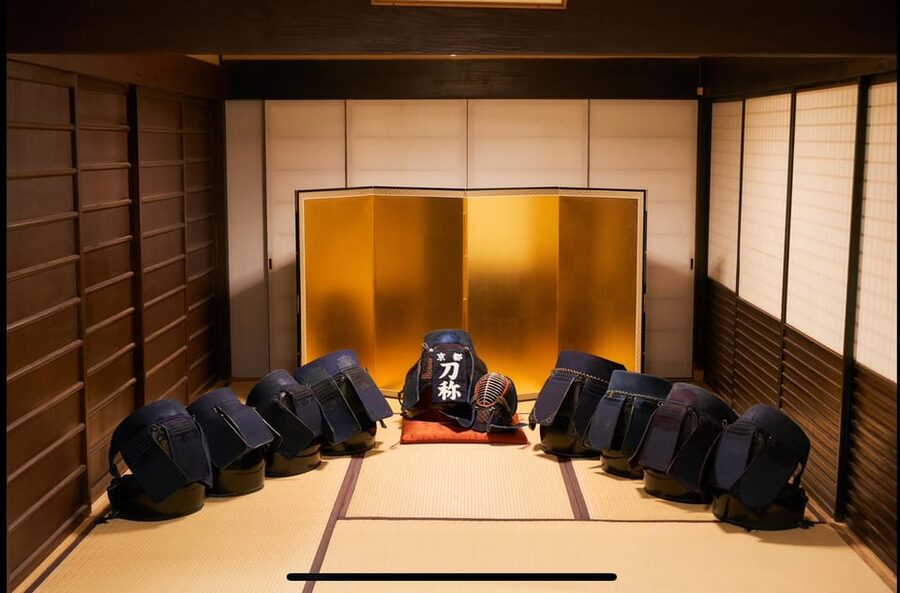
The sword work uses safe training equipment, with bamboo swords, foam swords, and other refined replica blades used for different parts of the lesson. You learn how to hold the sword, position your hands, stand correctly, and make basic movements.
The first strikes are usually about control rather than force. You work on the line of the cut, the position of your arms, the movement of your feet, and the way you return to a ready stance. The instructor corrects small details and demonstrates the motions repeatedly.
That close guidance is important. A sword can look simple to use, but even a basic movement involves timing and balance. You are not being trained to perform an advanced martial arts routine in one afternoon. You are learning enough fundamentals to appreciate the skill involved.
The class can include blocks, strikes, footwork, and partner drills. Several sessions also included a short foam-sword contest or friendly sparring exercise at the end. This is often the most playful part of the class, but it follows the earlier safety instruction rather than replacing it.
Do not book this expecting to cut tatami mats with a live katana. Tatami cutting is no longer part of the activity, and it is illegal. You can handle training swords and take part in controlled practice, but the focus is learning and safe participation.
Other swordplay and stealth sessions in Kyoto:
- Kyoto Samurai Experience
★ 5.0 · 1,294 reviews - Kyoto: Samurai Sword Class by Experts in Traditional Arts
★ 4.9 · 657 reviews - Skip the lines Basic Ticket at SAMURAI NINJA MUSEUM KYOTO
★ 4.5 · 632 reviews - Ninja 1-hour Hands-on Lesson by Japanese master in Kyoto -Entry
★ 5.0 · 489 reviews
The kendo lesson and partner practice
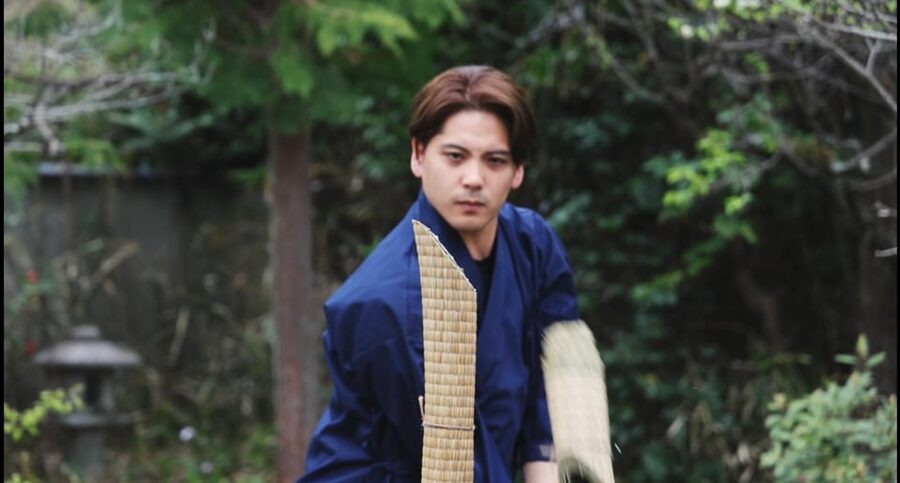
After the basic movements, the class becomes more interactive. You may practice with another participant using bamboo or foam training swords, applying the stance and techniques you have just learned.
This is where the lesson feels less like a demonstration and more like a workshop. You must pay attention to distance, timing, and the position of your partner. Even a short exercise makes it clear that kendo is not simply waving a sword at an opponent.
The partner work is carefully guided. The instructors explain what is allowed, keep an eye on the group, and make sure nobody is left out. First-time participants can take part without feeling they are holding up more experienced people, since the activity is built around basic movements.
The final competition or sparring round gives the class a clear finish. It is lighthearted, and the foam equipment keeps the mood friendly. If you prefer a quiet cultural lesson, this part may feel more energetic than expected. If you want to actually use what you learned, it is one of the best parts.
You will not become a kendo expert in two hours. That is not the promise. What you gain is a better feel for the discipline, a memory of the physical movements, and some respect for how much practice lies behind a polished performance.
Photos, videos, and the samurai moment
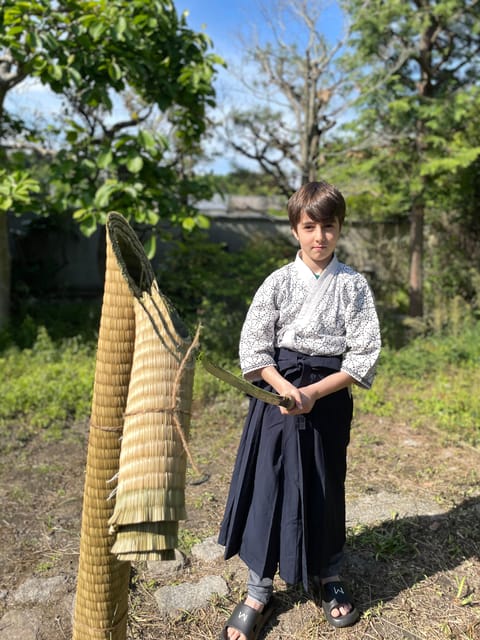
The photo session comes after you have learned how to stand and handle the equipment. That makes a difference. Instead of simply putting on a costume and facing a camera, you can pose with a little understanding of the stance and sword position.
The instructor takes photos and videos during the experience, helping you record the day in the dojo and, when conditions permit, around the traditional house or courtyard. The old architecture adds atmosphere without requiring a separate photo studio.
For many people, this is the most visible souvenir. You leave with images of yourself in uniform, holding a training sword, and taking part in a real lesson. The results will depend on the group and the flow of the session, so think of this as guided memory-making rather than a formal professional photo shoot.
If you are traveling with children or a group of friends, the photographs can be especially fun. The instructor can also help arrange poses and keep the mood relaxed. Some sessions include small personal touches, such as acknowledging a birthday, which can make the activity feel less routine.
Replica swords are not included for purchase. If you want to buy one, that is an additional cost, so do not assume the activity fee covers a souvenir blade.
What the two-hour schedule feels like
The class is compact but active. A typical flow looks like this:
- You arrive at the old house and change into the provided clothing.
- The instructor explains safety, etiquette, and the basic story of samurai culture and kendo.
- You learn grip, posture, footwork, and controlled sword movements.
- You practice strikes, blocks, and partner drills with safe training weapons.
- You take part in a playful sparring or competition exercise when included in the session.
- You pose for photos and videos in your uniform and gear.
- You change back, return the equipment, and leave with your images and new skills.
The exact balance between history, practice, and photography can vary with the group. The activity has enough explanation to feel cultural, but enough movement to avoid becoming a classroom talk.
A two-hour duration is about right. A shorter class would feel rushed once changing time and safety instruction are included. A much longer session might be tiring, especially in heavy gear or a cold dojo.
Is $103 a fair price?
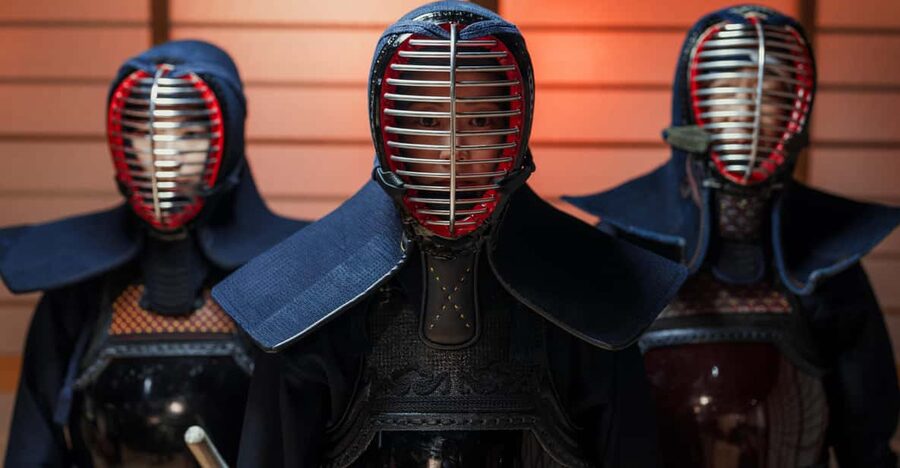
At $103 per person, this is not the cheapest costume activity in Kyoto. The value comes from the amount packed into the session. Instruction, uniform rental, shoes, equipment, gear, and photo and video assistance are included. You also receive direct English guidance in a traditional setting rather than watching a staged performance.
I think the price makes sense if you want an active cultural experience and would otherwise pay separately for a photo session, costume rental, and attraction entry. It is less appealing if your main goal is only to hold a katana for a quick picture.
The guide matters here. Taka-san’s energy, patience, and command of English help turn the equipment into an actual lesson. Without strong instruction, the activity would be little more than dress-up. With it, you get history, etiquette, technique, and a chance to practice.
The high overall rating reflects how consistently the class delivers those basics, but you should still set realistic expectations. This is a beginner workshop, not a formal kendo qualification, professional sword training course, or historical reenactment with live blades.
Who should book this Kyoto experience?
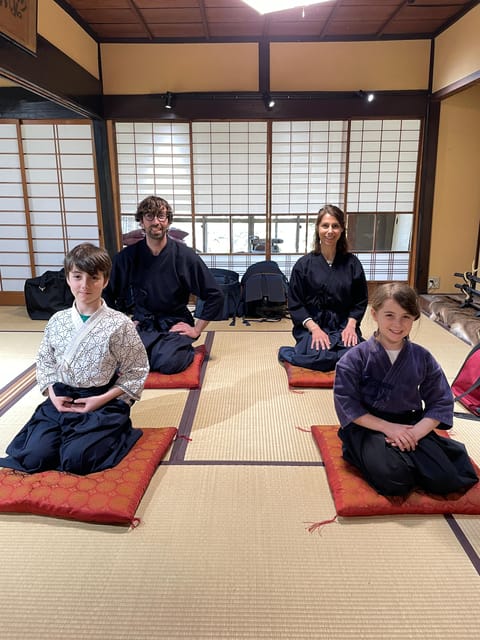
I would recommend it to you if you want something hands-on between temple visits. It suits people interested in Japanese culture, martial arts, history, photography, or unusual family activities.
It is also a good choice for solo visitors. You may be paired with other participants, and the instructor keeps the group involved. The welcoming style makes it easier to join even if you arrive alone.
Families with children seven and older can enjoy it, provided everyone can follow safety directions. The class is active but not described as physically extreme. Still, the gear, movements, and floor work may not suit anyone with mobility concerns, and specific accessibility details are not provided.
I would choose another activity if you want to use a sharpened katana, cut tatami, or receive serious combat instruction. That is not what happens here. The swords are used for safe practice, and the emphasis is on cultural learning and controlled movement.
Alcohol and drugs are not allowed. English is the stated teaching language, and no prior experience is required.
Final verdict: book it if you want to do, not just see
Book this experience if you want a real two-hour activity that combines samurai history, kendo basics, and traditional clothing. The old machiya, friendly English instruction, and final sparring exercise give it more substance than a quick photo stop.
Plan your route carefully, bring warm layers in winter, and arrive early. Accept that the building is old, the setting may feel chilly, and you will not be cutting mats with a katana. If those limits suit you, the $103 fee buys a memorable cultural lesson with plenty of movement and a useful set of photos to take home.
FAQ
How long does the Kyoto kendo experience last?
The activity lasts two hours.
What is included in the price?
Instruction, uniform rental, equipment rental, shoe rental, and gear rental are included.
Do I need previous kendo or martial arts experience?
No. The experience is designed for beginners, and the instructor teaches the basic grip, posture, footwork, and sword movements.
What language is the class taught in?
The instructor teaches in English.
Can children take part?
Children under seven are not allowed. The activity is suitable for children aged seven and older.
Can I cut tatami mats with a katana?
No. Tatami cutting is not part of the activity. You practice with safe training swords, including bamboo and foam swords. Replica swords may be available to purchase separately.
Just added in Kyoto
- Kyoto Rickshaw Tour★ 5.0 · 210 reviews
- Kyoto: Private Photoshoot Service★ 5.0 · 158 reviews
- Izakaya Style Cooking Class★ 5.0 · 219 reviews
- Kyoto: Traditional Concert at Townhouse or Bathhouse★ 4.9 · 224 reviews
- Ninja 2-hour Hands-on Lesson by Japanese master in Kyoto -Medium★ 5.0 · 218 reviews
- Kyoto: Arashiyama Bamboo, Temple, Matcha, Monkeys & secret spots★ 5.0 · 219 reviews
- Samurai Training with Modern day Musashi in Kyoto★ 5.0 · 256 reviews
- Kyoto: Kimono Tea Ceremony with Matcha and Sweet★ 4.9 · 249 reviews
Samurai & Ninja Experiences, compared.
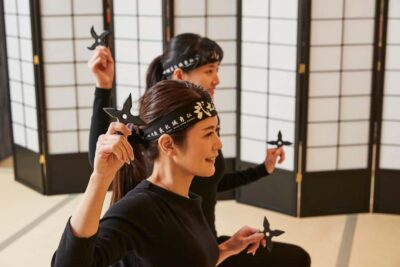
Samurai Ninja Museum Guided tour and Experience
Read our review →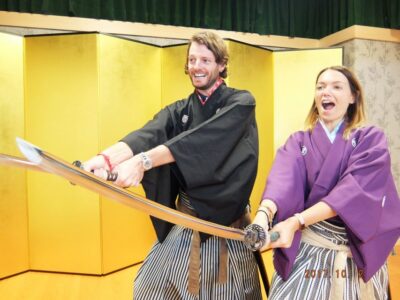
Samurai Sword Class by Experts in Traditional Arts
Read our review →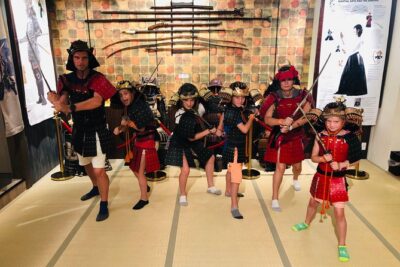
Skip the lines Basic Ticket at SAMURAI NINJA MUSEUM KYOTO
Read our review →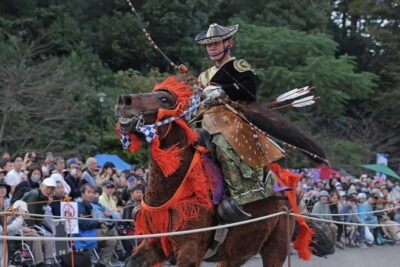
Samurai Sword & Archery Class from Samurai Descendant
Read our review →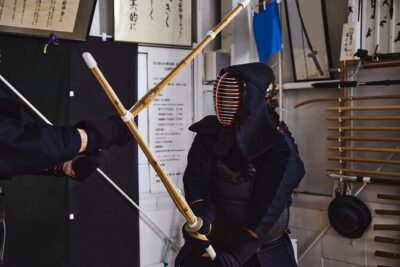
Ninja 1-hour Hands-on Lesson by Japanese master in Kyoto -Entry
Read our review →Browse the lists this tour appears in