
Reviewed · BAR HOPPING & NIGHT TOURS
EXCLUSIVE Tokyo Secret: Kichijoji Small-Group Food & Bar Hopping
Kichijoji gives you a very different Tokyo night: narrow lanes, tiny standing bars, family-run izakayas, and locals chatting over food instead of the familiar neon crowds of Shibuya or Shinjuku. Hibi leads you into four or five small spots around Harmonica Yokocho, places that can be hard to enter when you do not know the local rhythm.
I especially like the small group limit of seven, which matters when some bars are little more than a counter and a few stools. I also like the six to seven included food plates, since you can sample several local dishes without guessing at a Japanese menu. The main catch is that drinks are not included, and strict vegetarians, vegans, and people with severe gluten allergies may find the food options limited.
Key points to know before booking
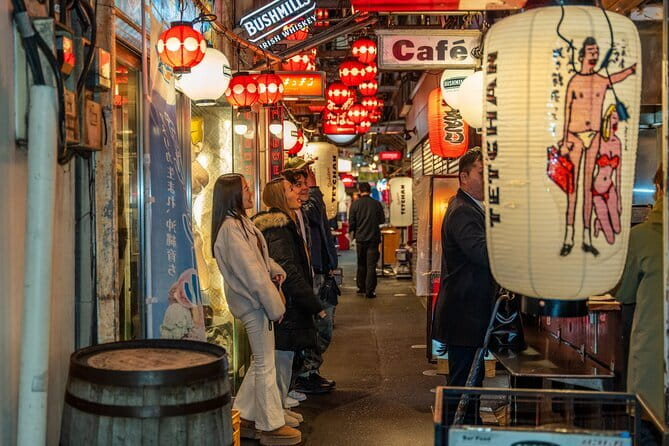
- Harmonica Yokocho after dark: Follow the narrow lanes of one of Kichijoji’s best-known food quarters, away from Tokyo’s main tourist routes.
- Four or five local stops: The night moves through small izakayas and bars, with each stop offering a different setting and selection.
- Six to seven food plates included: Dinner comes as a range of traditional izakaya dishes and street food.
- Hibi as your guide: Hibi leads the evening and helps explain local food, customs, and the social rules of the Japanese drinking table.
- Drinks cost extra: Plan on roughly 400 to 700 yen per drink at each bar.
- A maximum of seven people: The format suits anyone who wants personal attention and access to very small venues.
Why Kichijoji makes a better food tour setting
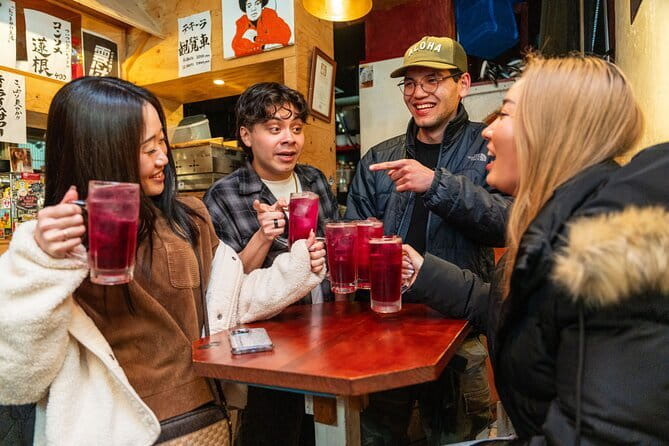
Kichijoji sits in Musashino, west of central Tokyo, and has a reputation as one of the city’s most desirable places to live. That mix gives the area a useful balance. You get the old Tokyo feel of narrow lanes and small storefronts, but also the easygoing energy of a modern neighborhood where people live, work, eat, and meet friends.
For you, that means the evening feels less like a checklist of famous sights and more like a look at ordinary Tokyo nightlife. The focus is not on grand landmarks. It is on how people use small spaces, order food, share dishes, and move from one bar to the next.
Harmonica Yokocho is the center of the experience. Its name comes from the close rows of narrow passageways, which resemble the slots of a harmonica. Once evening arrives, the lanes take on a social life of their own. Small counters and standing bars make the area lively without requiring a large venue or a formal dining room.
I like this setting for a food tour because the surroundings do much of the work. You are not simply seated at one restaurant while someone explains the menu. You walk between stops, change atmosphere, and see how different kinds of neighborhood businesses fit together.
Other bar hopping tours in Tokyo people book:
- Tokyo Bar Hopping Tour in Shinjuku (All-You-Can-Drink + Dinner)
★ 5.0 · 3,587 reviews - Best of Shinjuku: Izakaya Food Tour (4 Stops, 14+ Tastings)
★ 5.0 · 1,863 reviews - Tokyo: Shinjuku Local Bar and Izakaya Guided Walking Tour
★ 4.9 · 1,794 reviews
Starting at 6 pm near Kichijoji Station
The meeting point is outside Baskin Robbins at 1-chōme-4-18 Kichijōji Honchō. The tour starts at 6 pm, so you should arrive with enough time to find the exact spot without rushing.
The activity ends back at the meeting point. Private transportation is not included, so you will need to make your own way to Kichijoji and back afterward. The area is near public transportation, which makes the meeting point practical for an evening outing.
Starting at 6 pm is useful for two reasons. First, it gives you a full dinner during the three-hour outing. Second, you see Kichijoji change from early evening into a more social nighttime scene. You should still check your transport plans before setting out, especially if you are staying far from western Tokyo.
The tour is listed as approximately three hours. One itinerary description refers to a longer four-hour guided outing, but the stated tour duration and start-to-finish expectation are about three hours. I would plan on three hours and avoid booking a tight connection immediately afterward.
Walking into Harmonica Yokocho
The first part of the night takes you through Harmonica Yokocho’s narrow lanes. This is where the small-group format becomes important. A group of seven or fewer can move through tight spaces more easily than a large bus-sized food tour, and it has a better chance of fitting around a compact counter.
You may visit standing bars, intimate izakayas, or tiny family-run places. The exact businesses can vary, which is part of the point. This is not a fixed restaurant meal with a large dining room and a printed English menu. Hibi takes you to local places that are easy to miss if you are walking alone.
The area also gives you a useful lesson in Tokyo scale. A bar can be small but still have a strong identity. One place may be best for a particular dish, another for a drink, and another for conversation. You will not spend the whole night in one setting, so the pace has more variety than a standard dinner reservation.
That said, tiny venues can feel close and informal. If you prefer quiet, spacious restaurants, this may not be your ideal evening. The appeal comes from being near the counter, sharing food, and seeing the room as a neighborhood meeting place.
Four or five stops, each with a different role
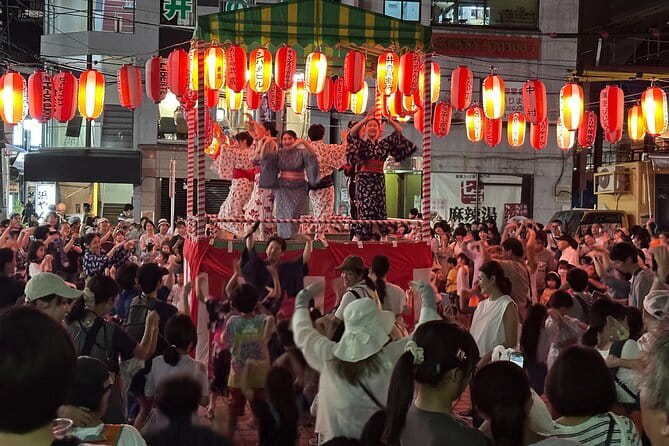
The tour visits four or five izakayas and bars. The supplied details do not name each establishment or promise a fixed dish at each one, so you should think of the route as a guided introduction to Kichijoji’s local drinking streets rather than a guaranteed menu.
At one stop, you might focus on a traditional izakaya dish. At another, you might try street food or a seasonal specialty. The value is in the range. Instead of committing to one unfamiliar restaurant, you get several small tastes and a clearer sense of how these places differ.
Hibi also explains the customs around the Japanese drinking table. That can include how food is shared, how drinks fit into the meal, and why people move between places during an evening out. These details help you understand the setting rather than simply consume it.
Past participants especially valued being taken to places they would not have entered alone. That is an important benefit here. The challenge of a tiny local bar is not only finding it. You also need to know when to enter, how to order, where to stand or sit, and how to avoid making the room awkward. A local guide removes much of that uncertainty.
The social side can be lively. One evening included spontaneous singing with people in the bars. That should not be treated as a guaranteed part of every departure, but it shows the kind of friendly, unplanned interaction that can happen in these compact neighborhood settings.
Other nights out in Tokyo:
- Shibuya Meltdown Nightlife Tour: All-You-Can-Drink Bar Hopping
★ 5.0 · 1,058 reviews - Tokyo: Pub Crawl and Bar Tour
★ 4.5 · 951 reviews - Tokyo: Shinjuku Local Bar & Izakaya Crawl Tour
★ 5.0 · 890 reviews - Tokyo After 5: Authentic Japanese Food & Drink Night Tour
★ 4.5 · 560 reviews
Six to seven plates make this a real dinner
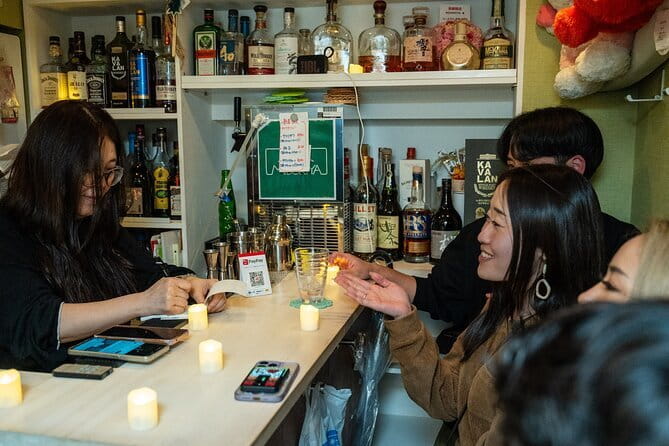
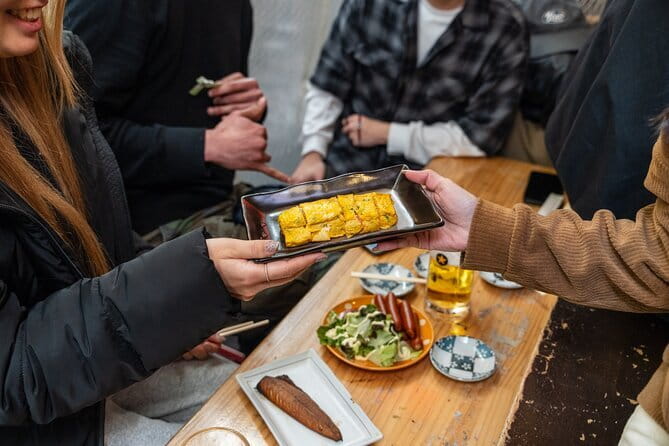
Food is included in the price, with six to seven plates of traditional izakaya dishes and street food. That is enough to count as dinner for many people, though you should remember that izakaya food is often served in small portions for sharing rather than as one large main course.
This format works well if you want variety. You can try several local specialties and seasonal offerings without ordering a full portion of every dish yourself. It also gives Hibi room to explain what you are eating and why it fits the setting.
I would arrive hungry but not starved. The evening moves through several stops, and food may arrive in stages. Eating a little beforehand could make sense if you need a large meal, but arriving after a full dinner would defeat one of the main reasons to book.
The food is traditional, and that limits flexibility. Strict vegan and vegetarian diets cannot be accommodated. Severe gluten allergies, including celiac disease, are also not suitable because of traditional kitchen methods. If you have less restrictive needs, tell the provider when booking and discuss what may be possible.
Do not assume every plate will appeal to you. The strength of the tour is trying a broad range of local food, not choosing every item from a familiar menu. If you are curious and open to small tastes, the arrangement offers good value. If you need full control over ingredients, order size, or preparation, choose a more specialized food experience.
Drinks are extra, so budget for the bar stops
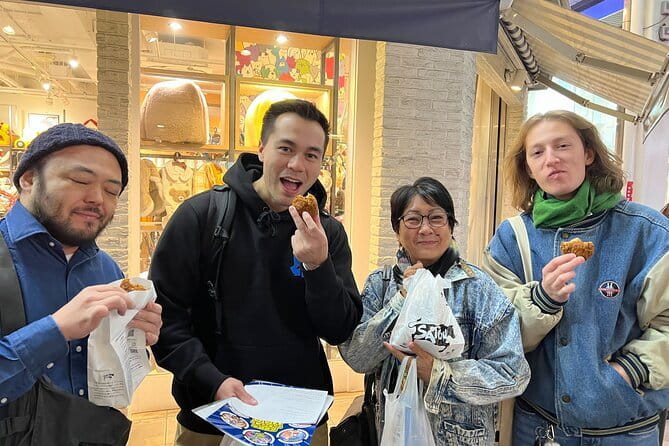
The tour price is $105.42 per person. That includes the food, but not alcoholic drinks. Drinks generally cost about 400 to 700 yen each, or roughly $2.50 to $5, with payment made separately at the bars.
That pricing structure is worth understanding before you book. You are paying for a guided route, the food, local interpretation, and access to a small group setting. Your final cost depends on how much you drink. A person who has one drink at several stops will spend more than someone who orders carefully.
Hibi provides recommendations at each bar, which makes the extra drink cost easier to manage. You can ask for help choosing something suitable rather than ordering at random. Still, bring a payment method that works for small local establishments and keep some room in your budget for drinks.
For me, the food inclusion makes the base price easier to judge. Six or seven plates across four or five venues would be expensive and logistically awkward to arrange alone, especially when some places may be difficult to identify or enter. The price is not a bargain dinner, but it is reasonable for a guided evening built around access and local context.
What Hibi adds to the experience
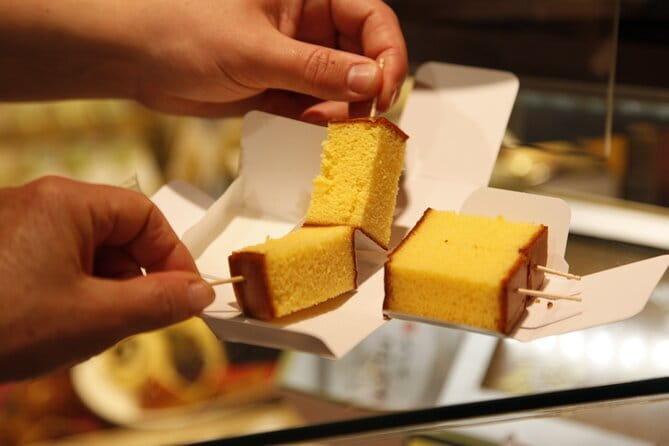
Hibi is identified as the guide for this experience. The guide’s role goes beyond pointing out restaurants. You get help with the route, food choices, bar etiquette, and the background of Kichijoji and Japanese drinking culture.
That guidance matters most in places that do not cater to international visitors. A guide can make ordering less stressful and help you understand what is happening around you. You can also ask questions as the evening unfolds, rather than trying to decode every dish or custom from your phone.
The tone appears to be social and enthusiastic. Hibi is described as knowing the area well and helping the group interact with local people. That may suit you if you enjoy conversation and informal moments. It may not suit you if you want a quiet tasting with long explanations at every stop.
Because the group is capped at seven, you should have a better chance to speak with the guide and ask about the neighborhood. The experience is still social, though, and the tiny venues leave little room for retreat if you need personal space.
Who should book this Kichijoji night
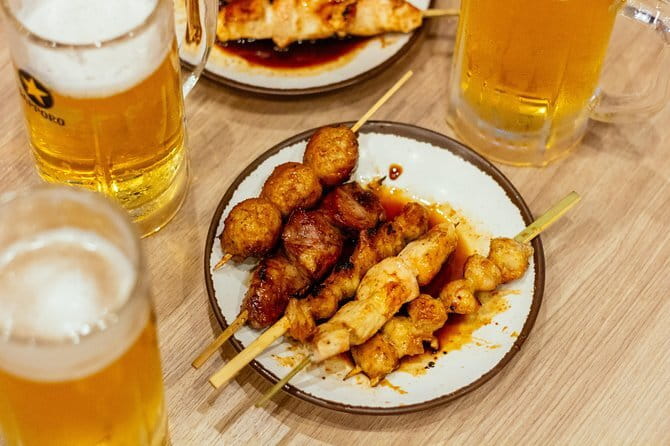
I would recommend this outing to you if you have already seen Tokyo’s major districts and want an evening based on local food and neighborhood life. It is also a strong choice for a first visit if you prefer personal guidance over famous sights.
The experience suits:
- Adults aged 20 and over on public tours
- Solo visitors who want an easy way to meet people over food
- Couples looking for a less formal night out
- Small groups interested in Japanese bar culture
- People who enjoy trying several dishes rather than ordering one meal
- Anyone nervous about entering tiny local bars alone
The tour is less suitable if you do not drink, need strict dietary control, or prefer a scheduled restaurant meal with guaranteed seating. Alcohol is not included, but the route is built around izakayas and bars, so the atmosphere remains centered on drinking culture even if you choose not to drink.
Public tours allow participants aged 20 and over. Private tours welcome all ages, according to the supplied conditions. Service animals are allowed, and most people can take part, but the narrow venues and walking-based format may not suit every mobility need.
Practical tips for getting the most from the evening
Wear comfortable shoes. The tour involves walking through narrow lanes and moving between venues, and comfort matters more than dressing formally.
Arrive early at the Baskin Robbins meeting point. Kichijoji is easy to reach by public transportation, but a busy station and unfamiliar street layout can cost you time.
Keep dinner expectations flexible. You will receive six to seven food plates, but the exact dishes and order of service may depend on the night and the seasonal offerings available.
Tell Hibi about dietary needs at booking. Flexible requests may be discussed, but strict vegan, vegetarian, or severe gluten-free requirements cannot be accommodated.
Plan the rest of your evening with some breathing room. The tour lasts about three hours and finishes at the meeting point, but moving through several small bars is not the kind of activity to squeeze between two exact train connections.
Cancellation is free if you cancel at least 24 hours before the 6 pm start. Cancellations or changes made later are not refunded or accepted, based on local time.
Should you book the Kichijoji food and bar tour?
Book it if you want Tokyo as a lived-in neighborhood rather than a string of famous districts. The best reasons are the small group, the four or five local stops, the six to seven included food plates, and Hibi’s help with places you might not enter on your own.
Skip it if you need a strict diet, dislike close quarters, or want drinks included in the advertised price. For everyone else, the $105.42 cost buys more than dinner. It buys a guided way into Kichijoji’s evening rhythm, with enough food to make it a meal and enough variety to make the night memorable.
FAQ
Where does the tour meet?
The meeting point is outside Baskin Robbins at 1-chōme-4-18 Kichijōji Honchō, Musashino, Tokyo 180-0004, Japan.
What time does the tour start?
The tour starts at 6 pm.
How long does the experience last?
The stated duration is approximately three hours.
Where does the tour end?
The activity ends back at the meeting point.
How many people can join the public tour?
The group has a maximum of seven people.
Is food included?
Yes. The price includes dinner with six to seven plates of traditional izakaya dishes and street food.
Are alcoholic drinks included?
No. Drinks are separate and typically cost 400 to 700 yen each.
What areas does the tour visit?
The main setting is Harmonica Yokocho in Kichijoji, along with nearby local izakayas and bars.
Can people with dietary restrictions join?
Strict vegan, vegetarian, and severe gluten allergy requirements cannot be accommodated. Flexible needs should be discussed when booking.
What is the cancellation policy?
You can receive a full refund if you cancel at least 24 hours before the experience start time. Later cancellations and changes are not accepted.
Just added in Tokyo
- The 10 Tastings of Tokyo With Locals: Private Street Food Tour★ 5.0 · 48 reviews
- Small Town in the Big City: Tasting Tokyo’s Kichijoji★ 5.0 · 195 reviews
- Small Town in the Big City: Tasting Tokyo’s Kichijoji★ 5.0 · 16 reviews
- Explore Kichijoji: Walk Through One of Tokyo’s Beloved Districts★ 5.0 · 21 reviews
- :Tokyo,Shibuya/ Pro Photography in Kimono / English-Friendly★ 5.0 · 26 reviews
- 【R34】Tokyo:Private Daikoku tour in Modified R34★ 4.9 · 92 reviews
- Tokyo:Calligraphy &Make your original folding fan in Asakusa★ 5.0 · 62 reviews
- Tokyo: Allstar Food Tour★ 4.7 · 29 reviews
Bar Hopping & Night Tours, compared.
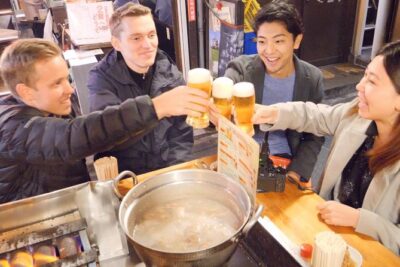
Tokyo Bar Hopping Tour in Shinjuku (All-You-Can-Drink + Dinner)
Read our review →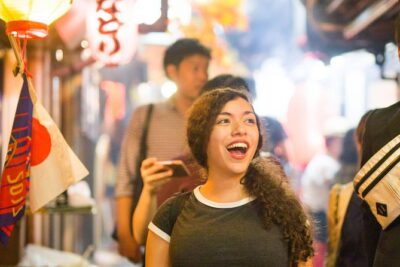
Best of Shinjuku: Izakaya Food Tour (4 Stops, 14+ Tastings)
Read our review →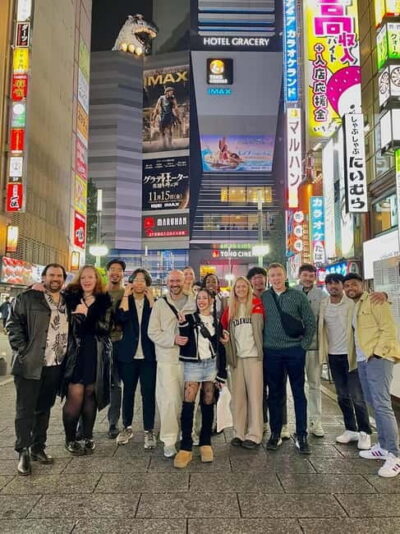
Shinjuku Local Bar and Izakaya Guided Walking Tour
Read our review →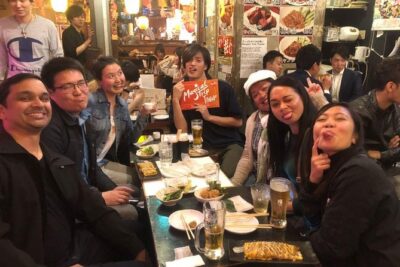
Shibuya Meltdown Nightlife Tour: All-You-Can-Drink Bar Hopping
Read our review →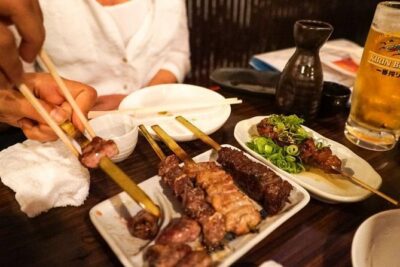
Osaka Bar Hopping Night Walking Tour in Namba (3 bars, 6 tastes)
Read our review →

Browse the lists this tour appears in