
Reviewed · GOVERNMENT-LICENSED GUIDE TOURS
Nagano All Must-Sees 4hr Private Tour with Licensed Guide
Nagano’s greatest strength is that its major sights are not packed into one tidy attraction zone. Zenko-ji Temple, samurai-era Matsushiro, and Hokusai-centered Obuse each offer a different side of the city. This private tour lets you choose one area and spend four hours seeing it with a local guide rather than racing through all three.
I like the freedom to shape the visit around your interests, and I like the guide’s role in explaining details you could easily miss, from temple customs to local food and Japanese history. Guides such as Emi, Amy, and Yoshi have been praised for clear English and practical help. The catch is simple: you must choose one area, and the tour uses walking and public transportation, not a private car.
Key points to know before booking
- Choose one of three districts: Focus on Zenko-ji, Matsushiro, or Obuse, then select two or three sites in that same area.
- Four hours means a focused visit: You can see key sights properly, but not tour every stop listed.
- The guide is government licensed: Expect an English-speaking local guide trained in Japanese culture and history.
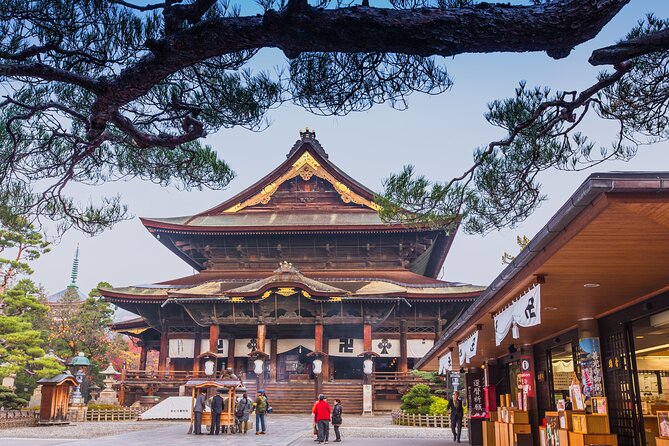
- Zenko-ji is the easiest choice: It is less than 20 minutes on foot from Nagano Station and has temples, shops, art, and city views nearby.
- Transport costs extra: The experience is walking and public transport only, with entrance fees, food, and fares paid separately.
- Private means personal pacing: Only your group takes part, so you can ask questions and adjust the emphasis within the chosen area.
Three Nagano districts, three very different tours
The central decision is not which two sights to visit. It is which part of Nagano deserves your four hours.
The Zenko-ji area is the most convenient and the best first introduction to Nagano. You get the city’s major Buddhist landmark, a traditional approach street, a sake brewery, an art museum, and a hilltop park. It is the logical pick if you arrive by train and want to keep transport simple.
Matsushiro gives you samurai residences, castle ruins, clan treasures, military education, and a sobering wartime site. It requires more attention to public transport and works best for you if Japanese history is your main reason for visiting.
Obuse is the choice for art, small-town streets, sake, chestnuts, and the late work of Katsushika Hokusai. It offers a softer, more leisurely day than Matsushiro, with several museums and temples close to the town’s main sights.
You can select two or three sites in one area. You cannot combine multiple areas, so do not expect to visit Zenko-ji in the morning and Obuse afterward within this booking. That rule is sensible. Nagano’s districts are spread out, and trying to cover them all would turn the tour into a transport exercise.
Other tours with a licensed guide in Nagano:
- Tokyo 6hr Private Tour with Government-Licensed Guide
★ 5.0 · 3,902 reviews - Tokyo 4hr Private Tour with Government-Licensed Guide
★ 5.0 · 1,394 reviews - Kyoto 6hr Private Tour with Government-Licensed Guide
★ 5.0 · 1,369 reviews
Zenko-ji: the strongest first choice
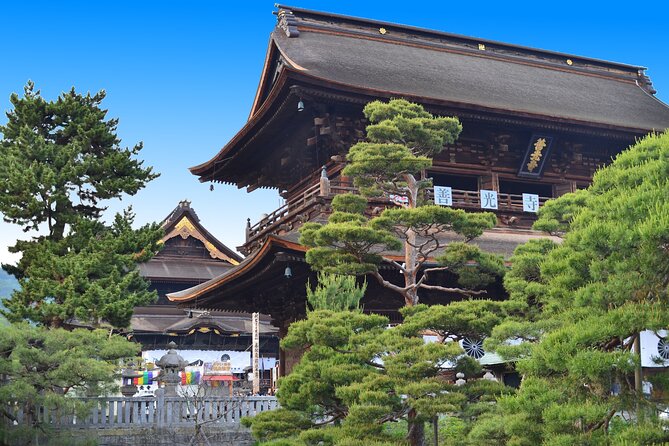
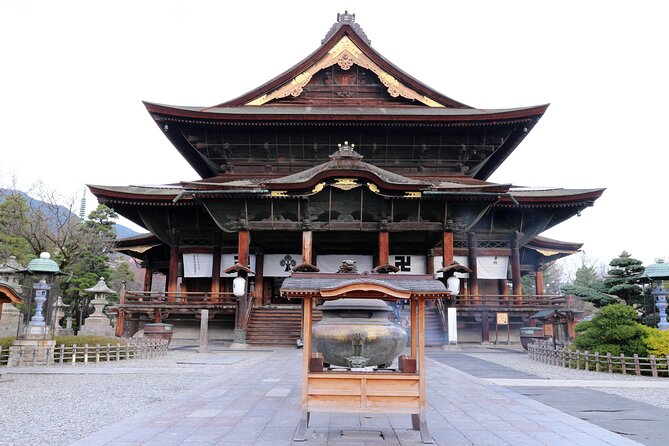
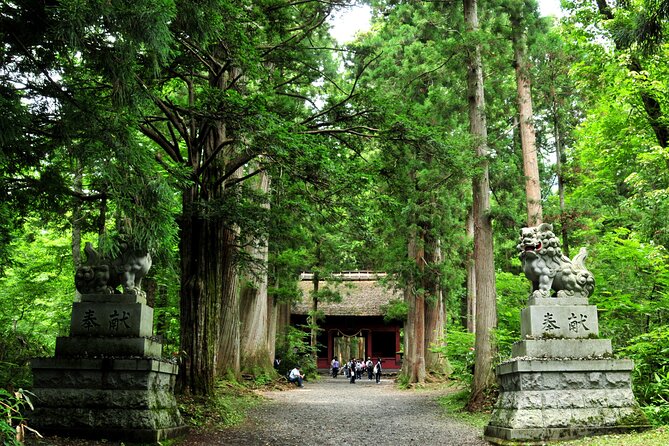
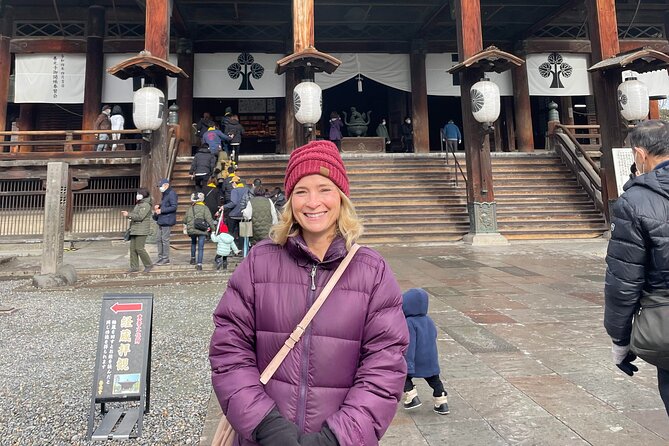
Zenko-ji was founded in 642 and is one of Japan’s oldest and most important Buddhist temples. Its approach from Nagano Station takes less than 20 minutes on foot, following the Omotesando route toward the temple.
The temple is not just a quick photo stop. This is the place where a guide earns the fee by explaining what you are seeing, how the approach works, and why Zenko-ji matters within Japanese Buddhist tradition. One guide, Emi, is particularly noted for taking time with the temple’s many details and connecting them to wider Japanese history.
The tour also suits you if you like learning through ordinary city life. On the walk, your guide can point out cultural sights and local foods, and help you decide what deserves a closer look after the tour. The experience is more useful than simply being led to a gate, handed a few facts, and sent on your way.
Nakamisedori and the temple approach
Zenko-ji Nakamise-dori is the stone-paved street extending from the Nio-mon Gate. About 7,777 stones are said to form the 450-meter approach, which gives the walk a sense of ceremony before you reach the main temple grounds.
This is a good pairing with Zenko-ji because it adds context. Shops, food, and traditional buildings make the temple visit feel connected to the town rather than isolated from it. If you want time to browse, sample something, or stop for photographs, tell your guide early. Four hours can disappear quickly around the approach street.
Nishi-no-Mon sake brewery
Nishi-no-Mon is a Nagano sake brewery with a gift shop, museum, and restaurant. You may tour the brewery and museum, see the production equipment, and learn about local sake making.
It is a particularly good choice if you want a taste of Nagano beyond temples. Admission is listed separately, so budget for that if you choose it. A brewery visit also depends more on opening arrangements and your pace than an outdoor temple or park, so confirm your priorities with the guide at the start.
Same base, a different sort of day:
- 1-Day Snow Monkeys, Zenko-ji Temple & Sake in Nagano
★ 5.0 · 1,020 reviews - Nagano: Snow Monkeys, Zenkoji Temple & Sake Day Trip
★ 4.9 · 833 reviews - From Tokyo: Snow Monkey 1 Day Tour with Beef Sukiyaki Lunch
★ 4.6 · 295 reviews - Tokyo: Snow Monkey & Nagano Customiseable Private Day Tour
★ 4.8 · 138 reviews
Shinano Art Museum and Higashiyama Kaii Gallery
Near Zenko-ji, the Nagano Prefectural Art Museum focuses on modern and contemporary work inspired by nature and Nagano’s surroundings. Its open, light-filled design provides a change of pace after temple grounds and stone streets.
The Higashiyama Kaii Gallery adds a strong local art connection. This is the right stop for you if museums help you understand a place, not just fill time indoors. Admission is not included, and choosing the museum means giving up one of the other nearby sites.
Joyama Park
Joyama Park sits on a hill near Zenko-ji and offers seasonal scenery. Cherry blossoms are the draw in spring, while autumn brings colorful foliage. Walking paths and elevated views give you a broader sense of Nagano after the enclosed temple spaces.
The park is free, but it still costs time and energy to include. It pairs well with Zenko-ji and the museum, especially if you want open air and views. It is less useful if your priority is a deep cultural explanation inside a paid attraction.
Matsushiro: samurai homes and wartime tunnels
Matsushiro offers the most history-heavy version of this tour. Its sites connect the Sanada clan, late Edo education, local scholarship, and the difficult memory of World War II.
Because the area has many possible stops, planning matters more here than in Zenko-ji. Choose two or three sites that fit your interests rather than trying to collect every name. A guide can help you link the sites so Matsushiro feels like one story, not a string of disconnected buildings.
Matsushiro Castle ruins
The castle site preserves the Sanada clan’s legacy through moats, stone walls, and reconstructed gates. You will not find a complete original castle, but the remaining layout helps you picture the power and structure of the Matsushiro domain.
The outdoor setting makes this a useful starting point. It gives you physical scale before you move into museums and residences. Admission is not included, so account for that when comparing the cost of different combinations.
Sanada Treasure Museum and Sanada House
The Sanada Treasure Museum contains samurai armor, weapons, documents, and artworks connected to the clan. It is the natural choice if you want objects that make the political and military past more concrete.
Sanada House shifts the focus to daily life and architecture. The late Edo residence has wooden construction, tatami rooms, and gardens associated with later generations of the Sanada family. Together, the museum and house create a better picture than either one alone: one shows possessions and records, the other shows how an elite family lived.
Zozan Shrine and the historic residences
Zozan Shrine honors Sakuma Shozan, a late Edo scholar who supported combining Western science with Japanese spirit. The shrine provides a quieter pause and a way to discuss the tension between tradition and outside influence.
The Former Yokota Residence and Jozan Yamadera Historic Residence offer more traditional houses and gardens. The Yokota home belonged to a high-ranking Sanada retainer. The Yamadera residence belonged to a scholar and strategist who served the clan. These are good picks if you enjoy architecture, rooms, gardens, and the lives of people below the level of a ruling family.
Matsushiro Literary and Military School
The Matsushiro Bunbu School trained samurai in literary and martial arts. Original buildings include classrooms and a dojo, giving you a clear look at how education served the samurai class.
This site is best for readers who want more than castles and armor. It explains the intellectual side of samurai life. Admission is separate, and you should avoid pairing too many indoor sites if you also want time for the castle or residences.
The Zozan Underground Bunker
The underground bunker was built during World War II as a secret military command center. Its tunnels were cut into the mountain and remain a serious reminder that Matsushiro’s story extends far beyond the Edo period.
This is not a light sightseeing stop. It adds difficult wartime history to an otherwise traditional itinerary. Choose it if you want the tour to address modern Japan as well as samurai culture. It is free, but the journey there still uses your walking and public transport time.
Obuse: Hokusai, sake, and chestnut-lined streets
Obuse is the most art-focused option. The town is associated with Katsushika Hokusai, who created important work there late in his life, and with a compact center of museums, shops, temples, and traditional buildings.
Hokusai-kan Museum
The Hokusai-kan Museum presents paintings and sketches from Hokusai’s later years. It is the key reason to choose Obuse, especially if you want to see work beyond the most familiar prints associated with the artist.
Admission is not included. Allow enough time for the museum rather than treating it as a five-minute photo stop. The guide can add useful context about Hokusai’s local connections and artistic life, though the exact amount of time available depends on which other sites you select.
Ganshoin Temple and Hokusai’s phoenix
Ganshoin Temple is known for a large phoenix painted on its ceiling by Hokusai when he was in his 80s. This is one of the most unusual pairings in Nagano: religious space, local temple tradition, and the work of a major artist in one stop.
The temple gives Obuse a spiritual side that keeps the visit from becoming only a museum outing. Admission is separate. If Hokusai is your priority, pair Ganshoin with Hokusai-kan and skip the more general museum options.
Kurino Komichi and the sake brewery
Kurino Komichi, or Chestnut Lane, is a picturesque street lined with chestnut trees, traditional buildings, cafes, shops, and museums. It is a pleasant place to walk between scheduled stops and gives Obuse its small-town character.
Matsubaya Honten is an Edo-period sake brewery in a 200-year-old building with a red-brick chimney. It produces local sake and offers a strong link between food, craft, and place. The stop is free, but tastings or purchases would be personal expenses.
Joko-ji, Obuse Museum, and Takai Kozan
Joko-ji Temple offers quiet grounds, old trees, and traditional architecture. It is a good counterpoint to the busier Hokusai-focused stops, though admission is not included.
The Obuse Museum presents local and contemporary art and connects with the Takai Kozan Memorial Museum. Kozan was a scholar, painter, and close friend of Hokusai. His preserved residence and studio contain art, calligraphy, and personal items, making this a thoughtful choice if you want to understand the circle around Hokusai rather than only the famous artist himself.
What four hours really buys you
At $120.84 per person, the value depends on your group size and your ability to use the guide well. You are paying for a private licensed English-speaking guide, local explanations, route planning within one area, and the freedom to ask questions. You are not paying for a vehicle, admission, lunch, or public transport fares.
For a couple or small private group, that can be worthwhile in a city where the most interesting details are spread among religious sites, homes, museums, and old streets. A guide can also help with train-station directions and onward transport. One guide has been especially praised for this practical help, which can matter when Nagano is one stop in a larger Japan itinerary.
The price is less attractive if you only want to photograph Zenko-ji and leave. You can reach that temple on foot from the station, and several outdoor sites are free. The tour earns its keep when you want interpretation, a tailored route, and conversation rather than simple directions.
Guide quality and how to get the best result
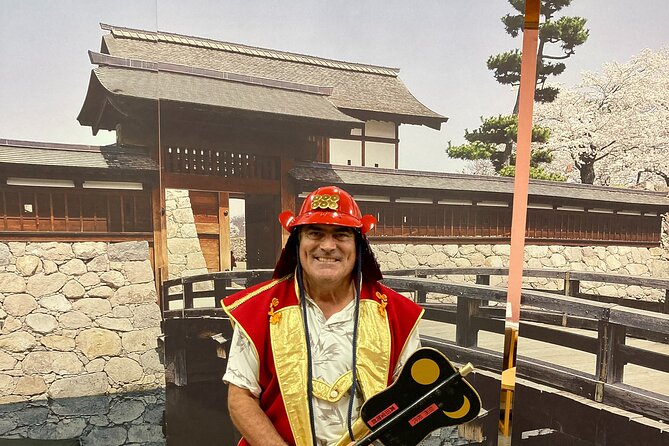
The guide is a government-certified licensed interpreter, with English-speaking local guides assigned according to the area they serve. Emi, also referred to as Amy, has received especially strong praise for her English, energy, explanations at Zenko-ji, and ability to connect the walk with food and local culture. Yoshi has also been singled out for showing sights outside central Nagano.
Guide quality can vary by assignment. One past booking lost time after the guide became unsure of the route, so I would send your preferred district and top two sites in advance and confirm them at the meeting point. The provider states that guides are permitted to tour areas where they have lived or currently live, but familiarity may still differ.
Use the first few minutes well. Tell the guide whether you care most about religion, architecture, food, art, samurai history, or wartime history. Then ask for a realistic two or three-site plan. The best private tours are shaped by clear priorities, not by trying to include every possible stop.
Walking, public transport, and practical limits
This is a walking and public transportation experience. Pickup means meeting the guide on foot within the designated Nagano area, not being collected in a private vehicle. Transportation fees are extra, and there is no private car included.
Most people can take part, and service animals are allowed. The tour is near public transportation, but the amount of walking varies by chosen area and sites. Wear comfortable shoes, particularly for Zenko-ji’s approach, Matsushiro’s outdoor grounds, and any route that links several residences.
Entrance fees are separate for the art museums, castle site, Matsushiro residences and school, Hokusai-kan, Ganshoin, and other paid attractions. Free cancellation is available up to 24 hours before the start time. Date changes are accepted up to two days before the tour, but a new guide or availability is not guaranteed.
Who should book this private Nagano tour?
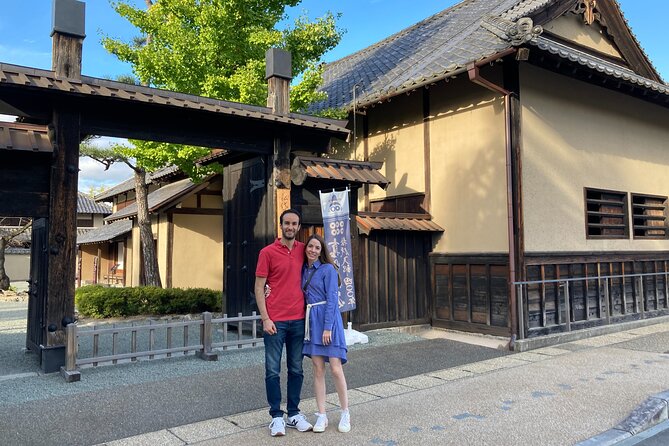
Book it if you want a local person to explain what you are seeing, you prefer a private pace, or Nagano is unfamiliar and you want help joining the dots. It is particularly useful for first-time visitors who want Zenko-ji without missing the streets, food, art, and views around it.
Choose Matsushiro if samurai houses, clan history, and wartime sites sound more appealing than major temple sights. Choose Obuse if Hokusai, museums, sake, and a small-town walk fit your interests.
Skip it if you want a vehicle, a full-day tour, or a checklist of all 20 stops. You should also think twice if you are comfortable planning your own short visit to Zenko-ji and do not need interpretation. For everyone else, the smartest booking is a focused one: choose one district, name your top two priorities, and let the fourth hour develop around them.
FAQ
How long is the Nagano private tour?
The tour lasts approximately four hours.
Which areas can I choose from?
You can choose one of three areas: the Zenko-ji area, Matsushiro, or Obuse.
How many sites can I visit?
You can select two or three sites within your chosen area. You cannot combine more than one area during the tour.
Is transportation included?
No. The tour uses walking and public transportation, but transportation fees are not included. A private vehicle is not provided.
Is the tour private?
Yes. Only your group participates in the private activity.
Is the guide licensed and English speaking?
Yes. The experience includes a licensed local English-speaking guide with Japanese Government National Government Licensed Guide Interpreter certification.
Are entrance fees included?
No. Entrance fees are generally paid separately. Guide entry fees are covered only for sights listed in the tour information.
Can I cancel for a full refund?
Yes. You can cancel at least 24 hours before the experience begins for a full refund. Cancellations or changes made less than 24 hours before the start time are not accepted for a refund.
Just added in Nagano
- Snow Monkeys, Hokusai & Sake: A Perfect Day in Nagano★ 5.0 · 19 reviews
- Wasabi Farm Walking Tour & Lunch★ 4.5 · 20 reviews
- 1-Day Tateyama-Kurobe Tour: Walking on the ‘Roof of Japan’★ 5.0 · 20 reviews
- Ski or Snowboard Lesson in Shiga Kogen (4Hours)★ 5.0 · 34 reviews
- Snow Monkey Park & Miso Production Day Tour from Nagano★ 5.0 · 18 reviews
- Snow Monkey & Shibu Onsen Afternoon Tour (Depart: Iiyama & Nozwa)★ 5.0 · 54 reviews
- Snow Monkey Park, Soba Lunch and Shibu Onsen Tour★ 5.0 · 12 reviews
- Nagano Private Two Day Tour★ 5.0 · 29 reviews
Government-Licensed Guide Tours, compared.
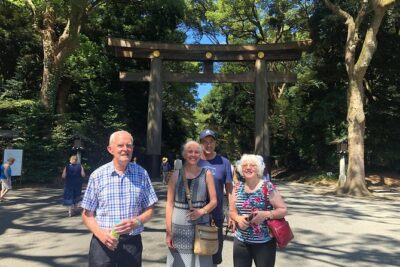
Tokyo 6hr Private Tour with Government-Licensed Guide
Read our review →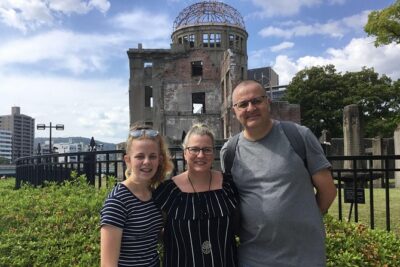
Hiroshima / Miyajima Full-day Private Tour with Government Licensed Guide
Read our review →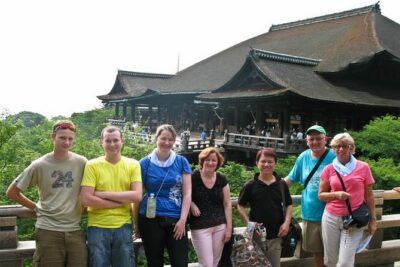
Kyoto 4hr Private Tour with Government-Licensed Guide
Read our review →
Hiroshima City 4hr Private Walking Tour with Licensed Guide
Read our review →
Private Kyoto Tour with Licensed Guide & Vehicle (Max 15 persons)
Read our review →
Nikko Full-Day Private Tour with Government-Licensed Guide
Read our review →
Himeji Half-Day Private Tour with Government-Licensed Guide
Read our review →Browse the lists this tour appears in