
Reviewed · TEMPLE & SHRINE TOURS
Ise’s Sacred Shrines and Captivating Coastlines – From Nagoya
Ise’s great appeal is that it gives you a clear look at Japan beyond Nagoya’s city streets. At Ise-Jingu, you walk through old cypress groves and sacred grounds while your guide explains Shinto beliefs and the correct way to behave at the shrine. Later, the sea-facing Meoto Iwa rocks provide a sharp change of mood and a memorable photo stop.
I like the small maximum group of 14, which makes it easier to hear the guide and ask questions. I also like the useful mix of culture, food, shopping, and scenery: Okage Yokocho gives you two hours for lunch and browsing instead of rushing from one monument to the next.
The main consideration is the price, $210.87 per person, with lunch and transport to and from Nagoya Station not included. You are paying for a full day of organized transport and guiding, so this makes the most sense if you want convenience and context rather than the cheapest possible trip.
Key points to know before booking
- Ise-Jingu is the heart of the day, with 90 minutes among tall cypress trees and sacred Shinto grounds.
- Okage Yokocho allows two full hours, giving you time for lunch, local dishes, craft beer, and souvenirs.
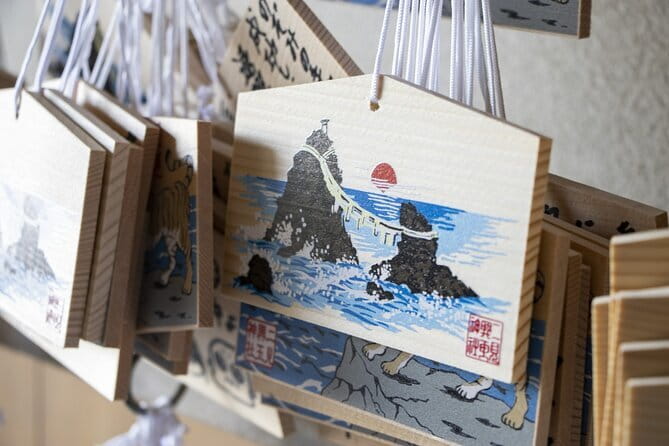
- Meoto Iwa combines scenery and religion, with the famous wedded rocks beside Futami-Okitama Shrine.
- The group is limited to 14 people, a useful size for questions and close contact with your guide.
- Transport during the tour is included, but you must reach Nagoya Station yourself and buy your own lunch.
- The guide language is your choice, with English, Spanish, French, or Chinese available.
Why Ise makes a strong day trip from Nagoya
Nagoya is an excellent base for exploring central Japan, but its city attractions do not show every side of the region. Ise brings you to wooded shrine grounds, traditional streets, and a rugged stretch of coast in one carefully arranged day.
The trip starts at 9:00 a.m. at Nagoya Station and returns there at the end. That simple round trip matters. You do not need to work out separate rail connections, local buses, or the order of the sights, and the driving time between stops is built into the roughly nine-hour schedule.
Ise is especially appealing if you want more than a quick photo stop at a shrine. The guide gives you cultural background and explains how to act in a Shinto setting. That can make a major difference in Japan, where small gestures and quiet respect matter more than grand displays.
The tour is also small enough to feel personal without being a private excursion. With no more than 14 people, you should have a reasonable chance of hearing explanations clearly and speaking with the guide. One guide praised in the supplied feedback was Shoko-san, who used quizzes, humor, and clear answers to keep the day lively. She may not lead every departure, but her approach shows the kind of guiding style this experience aims for.
Other places of worship worth the walk in Nagoya:
- Kyoto: Tea Ceremony Ju-An at Jotokuji Temple
★ 4.9 · 3,207 reviews - Tokyo: Meiji Shrine, Asakusa, Skytree Bus Tour and Cruise
★ 4.7 · 1,986 reviews - Tokyo: Asakusa Walking Tour with Sensoji Temple Visit
★ 4.8 · 1,583 reviews
Entering Ise-Jingu through the cypress groves
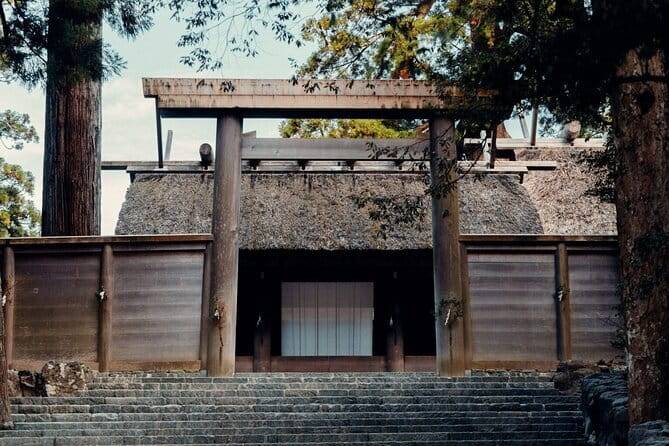
Your first main stop is Ise Shrine Geku, part of the Ise-Jingu shrine complex. You have about 90 minutes here, and admission is included.
The setting does much of the work. Rather than presenting the shrine as a single building in a crowded urban square, the visit leads you through broad grounds and tall cypress trees. The natural setting helps explain why Ise has such a strong spiritual reputation. You are not simply checking off a religious site. You are walking through a place where trees, paths, buildings, and ritual all belong together.
Your guide explains Shintoism, the history of the shrine, and the proper actions to take during the visit. That instruction is valuable if you have never visited a Shinto shrine before. You can concentrate on what you are seeing instead of worrying about accidentally behaving badly.
Ninety minutes is a sensible amount of time. It is long enough for a guided walk and some quiet looking around, but it does not ask you to spend half a day at one site. The pace may feel calm, particularly if the weather is wet. One account of the tour described light rain adding mist and atmosphere around the shrine rather than spoiling the visit.
You should still expect a walking-focused stop. The grounds are expansive, and the experience depends on moving through them rather than remaining in one place. Comfortable shoes and protection from rain or sun are practical choices, though the supplied information does not specify any special equipment.
The key value here is interpretation. Without a guide, you might notice the trees and architecture but miss the meaning behind the rituals. With a guide, the visit becomes a lesson in how Shinto connects sacred places with daily conduct and the natural world.
Two hours at Okage Yokocho for food and browsing
After the shrine, the tour moves to Okage Yokocho, a traditional-style street area near Ise-Jingu. Your guide first shows you around, then you get free time for lunch and shopping. Admission is free, and this stop lasts about two hours.
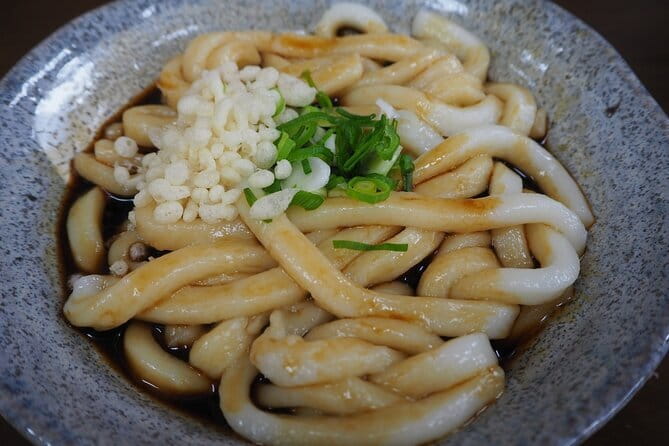
This is the most flexible part of the day. You can choose where and what to eat instead of being assigned a fixed meal. The street has restaurants serving local dishes, along with craft beer and souvenir shops. Since lunch is not included, you should budget for it separately and use the free time according to your own appetite.
I like this arrangement more than a rushed group lunch. Food is part of understanding a place, and two hours gives you room to compare options, eat at a comfortable pace, and browse without watching the clock every few minutes. It also gives your feet a break after the shrine visit.
The trade-off is that the food cost and choice are yours. The tour price does not cover lunch, and no specific restaurant or meal is promised. If you want a very particular dish, you may need to make your own choice quickly after the guide’s orientation.
Okage Yokocho also keeps the day from feeling like a string of formal religious sites. You get a more everyday side of Ise: food, small purchases, and a chance to wander. The local dishes and craft beer add a regional flavor, while the shops offer an easy place to find gifts.
Do not treat the two hours as dead time. This is where you can slow down and decide what interests you. If you want cultural explanations at every moment, the shrine section will be stronger. If you value a relaxed meal and the freedom to browse, Okage Yokocho may become one of the day’s most useful stops.
Meoto Iwa and the sea at Futami-Okitama Shrine
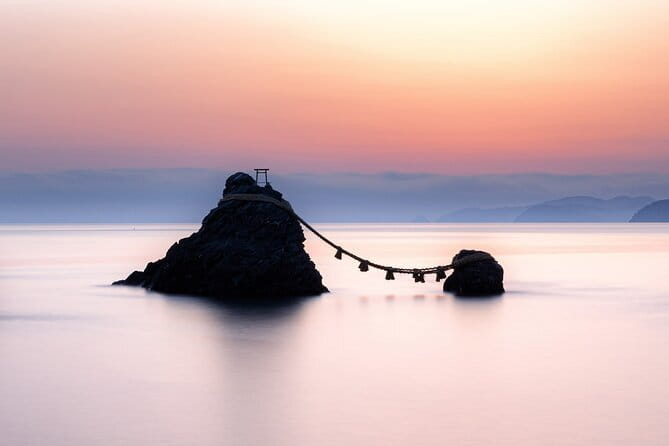
The final stop is Meoto Iwa, the pair of rocks known as the wedded rocks, beside Futami-Okitama Shrine. You have about 45 minutes here, admission is included, and the tour provides an omikuji, or lucky fortune, at Futami-Okitama Shrine.
This stop changes the visual rhythm of the trip. Ise-Jingu surrounds you with trees and enclosed shrine paths. Meoto Iwa opens the view toward the coast, with the rocks offshore and the sea forming the backdrop. It is a compact visit, but the setting gives you a strong final image.
The rocks are also another important Shinto site, so the visit is not only about taking pictures. Your guide can connect the site to the religious ideas introduced earlier at Ise-Jingu. The omikuji adds a small participatory element, letting you receive a fortune rather than simply observe the shrine.
The 45-minute allocation should be enough for the shrine, the rocks, and photographs. It is not a long coastal walk, and you should not expect extended time by the water. The appeal is a focused stop with a clear subject.
Light and weather will affect the view. The itinerary notes that you may catch the silhouette of the rocks, suggesting that timing and conditions can shape the photographs. Even without a dramatic sunset or perfect sky, the paired rocks and shrine setting offer a distinctive finish to the day.
If you enjoy scenic photography, keep your camera ready. If you prefer long stretches of unstructured time, this part may feel brief. The tour favors variety over lingering, taking you back to Nagoya after one concentrated coastal visit.
Same base, a different sort of day:
- From Nagoya: Gujo, Hida Takayama, and Shirakawa-go Day Tour
★ 4.4 · 398 reviews - Ghibli Park 1-Day Bus Tour from Nagoya
★ 4.5 · 277 reviews - From Nagoya: Hida Takayama & Shirakawa-go Tour w/Opt. Lunch
★ 4.5 · 256 reviews - Hiking the Historic Nakasendo Trail [1 Day Tour from Nagoya]
★ 5.0 · 104 reviews
What the $210.87 price really covers
At $210.87 per person, this is not a budget day trip. The value comes from the services bundled around the sights: a guide in your chosen language, transport during the day, admission fees, and the omikuji at Futami-Okitama Shrine.
The price also buys time and simplicity. You do not need to plan the route from Nagoya to Ise, coordinate local transport between the shrine and coast, or work out how to return after a full day. For you, that can be worth more than the difference between this tour and a self-guided outing.
Still, the price does not cover everything. Lunch is extra, and you must make your own way to and from Nagoya Station. Accommodation is not included, though that is unlikely to matter to someone booking a day trip from the city.
I would compare this cost against your priorities. If you are comfortable navigating Japanese rail and local transport, a self-guided visit could cost less. You would also control your timing. But you would need to research the shrine customs, manage connections, and arrange the route yourself.
If your time in Nagoya is limited, the organized format is easier to justify. You see three distinct parts of the Ise area in one day, with an experienced guide helping you understand the religious sites. The small group improves the value compared with a large coach tour, where explanations can be harder to hear and questions less practical.
The nine-hour schedule and group size
The tour begins at 9:00 a.m. at Nagoya Station and ends back at the same meeting point. The full experience lasts about nine hours, including the travel between destinations and activities.
That is a long day, but the schedule has a sensible shape. You get a substantial shrine visit, a generous meal and shopping period, then a shorter coastal stop. The variety helps break up the driving and walking.
The maximum group size is 14. I would consider that one of the tour’s strongest practical features. It is not a private trip, but it is far smaller than a standard coach excursion. You are more likely to hear cultural explanations and receive an answer when you ask something specific.
The guide and driver are separate roles, and prompt, kind service was specifically praised in the supplied feedback. That matters on a day with several moving parts. Delays at the start or between stops could quickly reduce your free time, so dependable timing is important.
Because transport to the meeting point is not included, allow enough time to reach Nagoya Station before 9:00 a.m. The meeting point is listed at 1-chōme-1-4 Meieki, Nakamura Ward, Nagoya. After the tour, you return there rather than ending at another part of the city.
Who will get the most from this Ise trip
I would recommend this tour if you want a well-organized introduction to Ise and prefer having cultural context at the shrines. It suits first-time visitors to Japan, people staying in Nagoya, and anyone who would rather spend one full day seeing the region than build the route alone.
It is also a good fit for people who enjoy variety. You get sacred woodland, a traditional food and shopping street, and a coastal shrine with unusual rock formations. No single stop carries the whole day.
The tour may be less suitable if your main goal is a long, slow visit at one shrine or a full day beside the sea. The schedule gives you a useful sample of Ise, but it does not provide unlimited time at any one location.
You should also be comfortable paying separately for lunch and reaching Nagoya Station independently. Those details are easy to manage, but they should be part of your budget and morning plan.
The experience is accessible to most people according to the supplied information, and it is near public transportation. Still, the day includes walking around expansive shrine grounds and moving between several sites, so you should judge the pace against your own comfort.
Should you book this Ise day trip?
Book it if you want Ise-Jingu with explanation, not just a quick look, and you value transport, a small group, and a return to Nagoya without planning the route yourself. The combination of shrine, food street, and coast gives you a strong sense of the area in one day.
Skip it if you are focused mainly on keeping costs low, want to choose every departure and meal yourself, or would rather spend several hours at one site. At $210.87, the tour is paying for guidance and convenience, not just entry tickets.
For most visitors with one spare day in Nagoya, I see the appeal. The guide-led shrine visit carries the cultural weight, Okage Yokocho supplies breathing room, and Meoto Iwa provides a memorable coastal finish. Just arrive at Nagoya Station ready for a full day, bring extra money for lunch, and keep your expectations focused on a well-paced introduction rather than an exhaustive exploration of Ise.
FAQ
How long does the Ise tour from Nagoya last?
The tour lasts approximately nine hours, including travel time between Nagoya, Ise-Jingu, Okage Yokocho, and Meoto Iwa.
What time does the tour start?
The tour starts at 9:00 a.m.
Where does the tour meet?
The meeting point is Nagoya Station at 1-chōme-1-4 Meieki, Nakamura Ward, Nagoya, Aichi 450-0002, Japan.
Where does the tour end?
The activity ends back at the Nagoya Station meeting point.
How many people can join the tour?
The tour has a maximum of 14 participants.
Which languages are available for the guide?
You can choose an English, Spanish, French, or Chinese-speaking guide.
Is lunch included?
No. Lunch is not included, but you have about two hours at Okage Yokocho for lunch and free time.
Are entry fees included?
Yes. Entry fees at all tour locations are included.
Is transport during the tour included?
Yes. Transportation during the tour is included. Transportation to and from Nagoya Station before and after the tour is not included.
What is included at Futami-Okitama Shrine?
An omikuji, or lucky fortune, at Futami-Okitama Shrine is included.
Just added in Nagoya
- Nagoya Endoji Food and Cultural Tour★ 5.0 · 12 reviews
- Nagoya Street Food Walking Tour of Osu★ 5.0 · 28 reviews
- Walking Small-Group Nagoya City Tour★ 5.0 · 13 reviews
- Private Full-day Nagoya City Tour★ 5.0 · 22 reviews
- Sumo Tournament Experience in Nagoya★ 5.0 · 12 reviews
- Specialties of Nagoya Food Tour★ 5.0 · 12 reviews
- Nagoya: 2026 Hida Takayama Shirakawa-go Light-up Winter Tour★ 3.5 · 16 reviews
- Pub Crawl in Nagoya★ 5.0 · 15 reviews
Temple & Shrine Tours, compared.

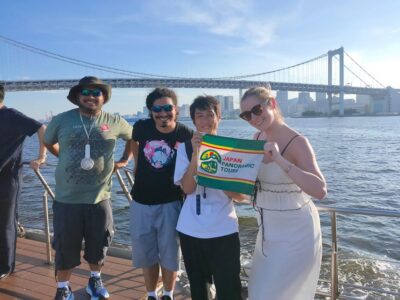
Meiji Shrine, Asakusa, Skytree Bus Tour and Cruise
Read our review →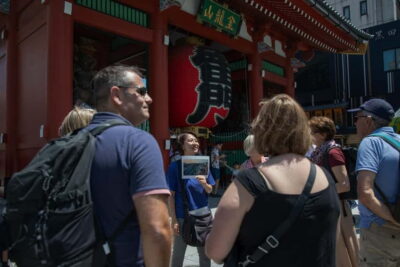
Asakusa Walking Tour with Sensoji Temple Visit
Read our review →
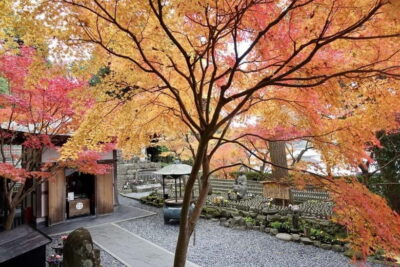
Kamakura & Enoshima Day Trip including Temple Tickets
Read our review →
Nikko Toshogu Shrine and Kegon Waterfall Tour
Read our review →
Tokyo Panoramic 1 Day: Meiji Shrine, Asakusa, Odaiba and SKYTREE®
Read our review →
1-Day Snow Monkeys, Zenko-ji Temple & Sake in Nagano
Read our review →Browse the lists this tour appears in