
Reviewed · HIROSHIMA & MIYAJIMA DAY TRIPS
Hiroshima; Hiroshima Peace Memorial Museum and Castle Tour
Hiroshima’s story is too important to rush past with a map and a few labels. This three-hour walking tour pairs the Peace Memorial Museum and Park with the Atomic Bomb Dome, the former hypocenter, and Hiroshima Castle, giving you a guide to connect the places and explain what you are seeing. I especially like the museum entry included in the $67 price and the chance to visit lesser-seen atomic bomb survivors, such as a school, bank, or hospital, when your guide has time.
I also like the human scale of the experience. Guides including Maria, Ihsan, Mehak, Bilal, and Ali have been praised for adjusting their explanations to families, answering difficult questions, and suggesting places to eat afterward. The main caution is that the castle ticket costs extra, and three hours is a tight window for a museum, park, dome, and castle. The tour details also conflict on wheelchair access, so confirm this before booking if mobility is a concern.
Key points to know before booking
- The museum is the emotional center: You receive a ticket and spend about an hour seeing exhibits about the atomic bombing and its aftermath.
- The guide adds meaning outdoors: Peace Park’s cenotaphs, monuments, and symbols make more sense with someone explaining their purpose.
- The Atomic Bomb Dome and hypocenter are included: These short stops put the bombing into a physical, specific place.
- You may see overlooked surviving buildings: Guides have taken visitors to a bank, school, hospital, and other sites linked to daily life in 1945.
- Hiroshima Castle changes the subject: Samurai armor, swords, and helmets provide a look at the city’s earlier history.
- Budget for the castle: The museum ticket, walking tour, guide, and traditional Hiroshima snacks are included, but castle admission is not.
Why a guide matters at the Peace Memorial Museum
The Hiroshima Peace Memorial Museum is not a casual sightseeing stop. Its exhibits show the destruction caused by the atomic bomb and the effect on ordinary people, families, workers, and children. Some displays are shocking and graphic, so you should be ready for a serious hour.
A guide helps you approach the museum with context rather than simply moving from one exhibit to the next. The tour gives you about an hour inside, with time to look at displays yourself while the guide explains selected material and answers questions. That balance matters. You are not forced to listen every second, but you are not left to work out the story alone.
Maria has been praised for giving people time to read and for checking on how they were handling the exhibits. That is a useful quality here. A good guide needs to explain the facts without turning the museum into a lecture, and also recognize when a quiet pause is better than another detail.
The tour focuses on the bombing, its consequences, and the ideas behind Hiroshima’s peace message. You can ask about the events leading to the attack, the immediate aftermath, Japan during World War II, and the city’s recovery. The exact balance depends on your guide and your interests.
If you prefer to explore every room slowly, one hour may feel short. The optional audio guide is not included, although your live guide provides commentary. I would treat the organized visit as an introduction rather than a complete museum study. If the subject is central to your trip, return later for more time.
Other long days west of Hiroshima:
- Peaceful Hiroshima & Miyajima UNESCO 1 Day Bus Tour
★ 5.0 · 5,309 reviews - Hiroshima: Hiroshima and Miyajima UNESCO Sites 1-Day Tour
★ 4.9 · 2,330 reviews - Hiroshima / Miyajima Full-day Private Tour with Government Licensed Guide
★ 5.0 · 1,298 reviews
Reading Peace Memorial Park beyond the photographs
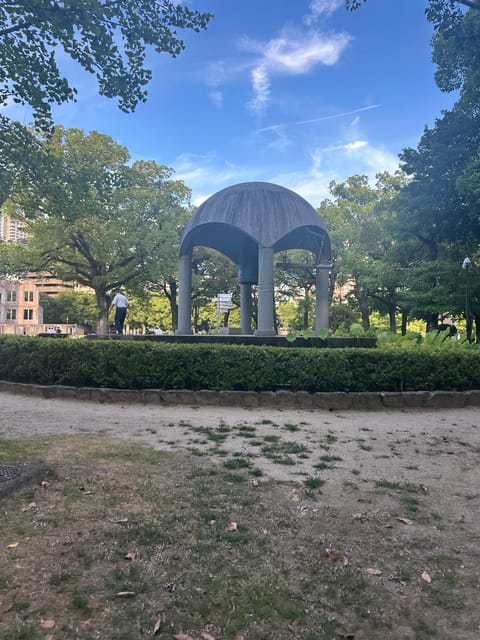
After the museum, the tour continues through Peace Memorial Park for about an hour. This is where the history moves from indoor displays to the city itself. You see memorials, monuments, and the open spaces built to remember the dead and express a hope for peace.
The guide explains the meaning behind the memorial monument and the thoughts connected to the park. That makes a real difference. Without context, you might see a series of solemn structures. With context, you begin to understand why the park is arranged as it is and how Hiroshima presents its message to the world.
This section also gives you room to ask broader questions. You can talk about World War II, the bombing, the people affected, and Hiroshima’s recovery. Several guides have been praised for adjusting the pace when a group wanted to read more carefully or discuss a particular subject.
Bring comfortable shoes. The tour is on foot, and the museum and park require standing and walking between points. The walking is not presented as strenuous, but the subject can make the hour feel full in another way. You may want water and a little quiet time afterward.
The included traditional Hiroshima snacks are a pleasant small touch, though they do not replace a meal. Food and drinks beyond that are your responsibility. Ask your guide for restaurant ideas, as guides such as Maria have offered suggestions for local food and ways to use the rest of the day.
The Atomic Bomb Dome and the former hypocenter
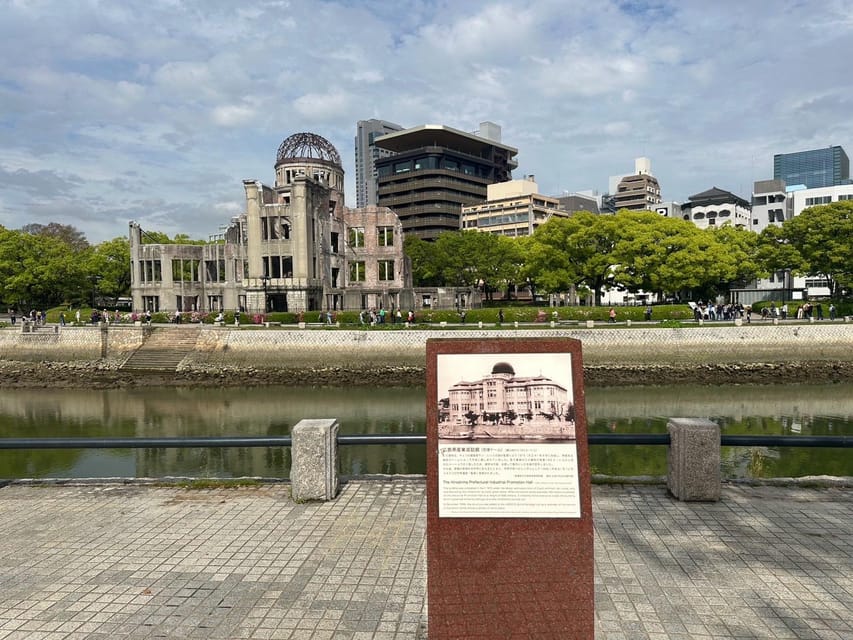
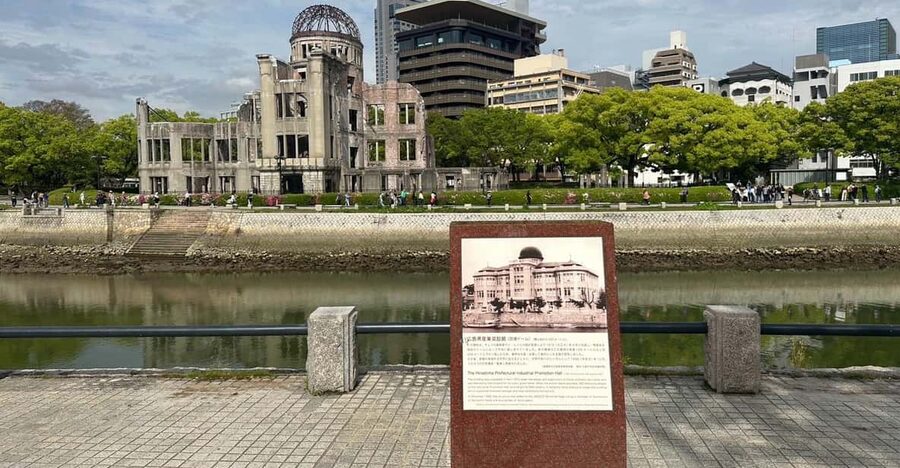
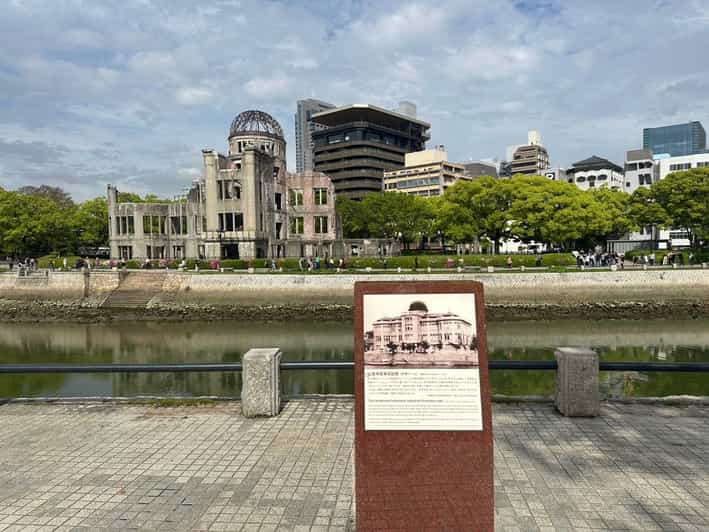
The Atomic Bomb Dome receives about ten minutes, including a guided visit and time for photographs. That may sound brief, but the stop is powerful because the damaged building remains a direct physical reminder of the blast.
Your guide explains the building’s place in Hiroshima’s story and points out what you are seeing. This is not a long museum visit. It is a focused outdoor stop, useful for connecting the museum’s displays with a real structure that survived the bombing.
The tour also explores the hypocenter, the point near which the atomic bomb detonated. The exact amount of time spent there can vary within the schedule, but the purpose is clear: you are not only hearing about an event in the abstract. You are walking through the area where it happened.
Some guides add stops at remaining atomic bomb buildings. Past tours have included a bank where only one employee survived, a school that was almost destroyed, and a hospital linked to the bombing. These places can add an important layer because they show how the disaster affected ordinary work, education, and medical care.
Ask your guide about these sites at the beginning. The published route highlights the main memorial locations, while the additional stops depend on time, interests, and the guide’s local knowledge. If you care about daily life in Hiroshima before and after the bombing, this is one of the tour’s most useful features.
Walking from the memorial area to Hiroshima Castle
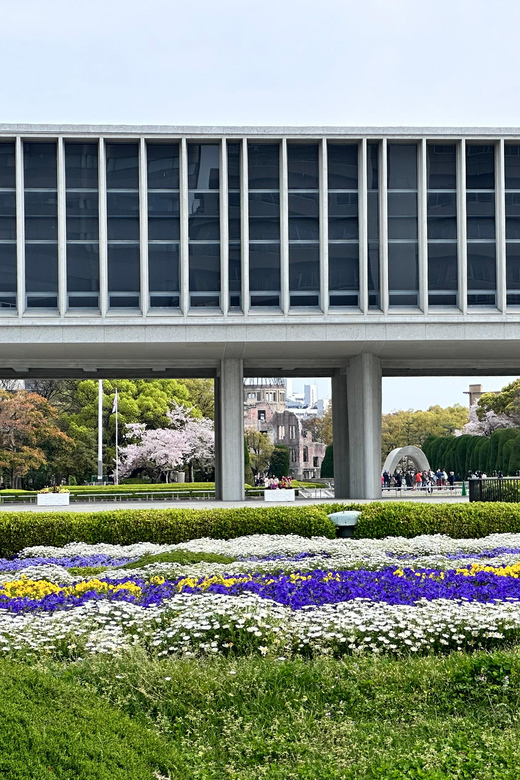
The route includes about ten minutes on foot before the castle portion. The tour then gives you roughly 40 minutes at Hiroshima Castle, with time for a guided visit, sightseeing, and photographs.
Hiroshima Castle changes the subject from wartime memory to the city’s older culture. You may see samurai displays, swords, helmets, and material connected with the lives of the people who served and lived within the castle world. It gives the tour a broader frame: Hiroshima is not only a place defined by 1945.
The castle is also the least consistent part of the experience. Some visitors have found it a useful historical contrast, while one detailed assessment found the castle interior less interesting than the memorial sites. I would not book this tour mainly for the castle. Think of it as a compact final chapter after the more significant Peace Park and museum visit.
Admission to the castle is not included in the $67 price. Check the current ticket cost when you book, and remember that the listed price also excludes your food and drinks. The museum ticket is included, which makes the package easier to compare with arranging the main visit yourself.
The itinerary also mentions Hiroshima Gokoku Shrine. The supplied schedule gives the castle 40 minutes but does not assign a separate time to the shrine, so you should ask your guide how it fits into your departure time. Do not assume that every stop receives a full guided visit.
Other castles reached from Hiroshima:
- Japanesel Archery Experience HIROSHIMA CASTLE SHARAKU
★ 5.0 · 387 reviews - Osaka Castle: Museum and Tower Entry Ticket
★ 4.5 · 2,380 reviews - Tokyo Castle & Imperial PalaceーShogun Walking Tour
★ 4.7 · 1,068 reviews - Kyoto: Nijo-jo Castle and Ninomaru Palace Guided Tour
★ 4.7 · 1,020 reviews
The strongest part of the experience: guide quality
The guides are the main reason to choose this tour instead of visiting the sites alone. Maria has been especially praised for her clear English, patience, local suggestions, and ability to tailor the route. Ihsan has been noted for keeping people engaged and adjusting the explanation to the group. Mehak has been described as warm and energetic, while Bilal has been praised for careful, respectful explanations of difficult history.
The tour is offered in English, Hindi, Malay, and Urdu. The quality of communication matters at the museum, where a small misunderstanding can change the meaning of an exhibit. A live guide also lets you stop and ask about details that an audio recording may not cover.
Families can benefit from this flexibility. One guide adjusted the material for children aged 16, 13, and 8, while another helped a student discuss the history at an appropriate level. That does not make the museum light or easy, but it can help parents decide how much detail to share and when to pause.
The tour can also work well for a private group. Many detailed accounts describe guides changing the route, adding less visited locations, or spending extra time when a group needed it. However, the advertised duration remains three hours, so you should treat extra time as a possible courtesy, not something included in the contract.
If your guide is Maria, Ihsan, Mehak, Bilal, Ali, or another member of the team, expect the exact tone and route to vary. The common thread is the chance to ask questions and connect the major sites rather than simply collect photographs.
Is $67 a fair price?
At $67 per person, this is a reasonable price if you want a guide through the museum and memorial area. The museum ticket is included, along with a walking tour, traditional Hiroshima snacks, and live commentary. You are paying mainly for interpretation and saved planning time, not transport or a long list of admissions.
The value is strongest for a first visit. You receive a structured route through the places that matter most, and a guide can explain the memorials, hypocenter, and surviving buildings in the right order. You also avoid the common problem of leaving the museum with powerful images but no clear sense of how the different sites fit together.
The value is weaker if you already know Hiroshima well or want to spend half a day inside the museum alone. The one-hour museum visit is useful but limited, and the castle ticket adds to the total. You may prefer to buy the museum ticket yourself, take your time, and arrange the castle separately.
The price also does not cover meals or drinks. The included snacks are best viewed as a local sample, not lunch. If your schedule allows, use the guide’s food suggestions after the tour.
Practical details for a smoother visit
The meeting point is the taxi stand near the Peace Memorial Museum, listed at 1-2 Nakajimacho. Arrive ready to walk, since the route links the museum, park, Atomic Bomb Dome, and castle mostly on foot.
Wear comfortable clothes and shoes. The tour lasts three hours, and you will spend time both inside and outdoors. A small amount of flexibility helps because people often need longer to read museum panels or take a quiet pause after difficult exhibits.
The activity offers free cancellation up to 24 hours in advance and allows you to reserve now and pay later. Starting times depend on availability, so check the schedule that suits your day.
There is a contradiction in the accessibility information. The activity description says it is wheelchair accessible, while the restrictions say it is not suitable for wheelchair users. Because the route includes walking between several sites and the castle ticket is separate, contact the operator before booking if you use a wheelchair or need a step-free route.
The experience is not suitable for people over 95 according to the supplied conditions. More important for most people is the emotional content. The museum includes disturbing images and accounts, so ask about the exhibits beforehand if you or someone in your group may find them too upsetting.
Who should book this Hiroshima tour?
I would choose this tour if you have one day in Hiroshima, want a clear introduction, and prefer asking a person rather than following an audio device. It suits first-time visitors, families with older children, and anyone who wants the memorial sites explained with care.
It is also a good choice if you want more than the standard route. Ask about the former bank, school, hospital, and other bombed buildings. Those places can show the effect on daily life in a way that a monument alone cannot.
I would hesitate if your main goal is a slow, detailed museum visit or a full castle tour. The schedule moves quickly, and the castle is a short closing stop with admission extra. In that case, visit the museum independently and allow more time.
For most people, the best plan is to book the tour early in your Hiroshima stay. Let the guide give you the historical framework, then return to the museum or park later if you want quiet time. The result is a more thoughtful visit without asking a three-hour tour to do everything.
FAQ
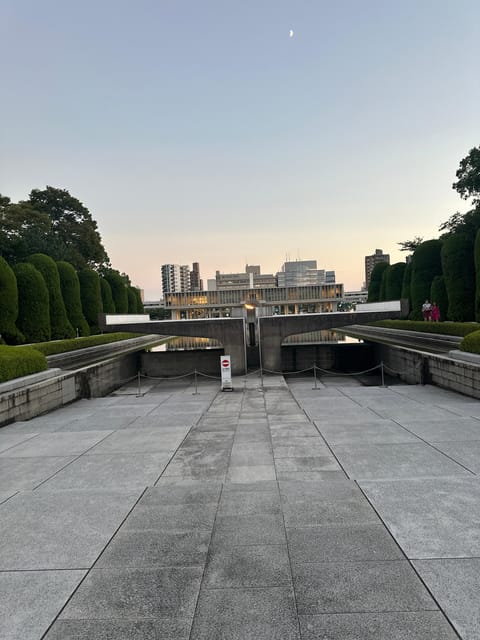
How long does the Hiroshima Peace Memorial Museum and Castle Tour last?
The tour lasts three hours. The planned visits include about one hour at the museum, one hour in Peace Memorial Park, ten minutes at the Atomic Bomb Dome, a ten-minute walk, and about 40 minutes at Hiroshima Castle.
What does the $67 price include?
The price includes the walking tour, Peace Memorial Museum admission, a tour guide, and traditional Hiroshima snacks.
Is Hiroshima Castle admission included?
No. Castle tickets are not included in the listed price. Food and drinks are also separate.
Is the Peace Memorial Museum audio guide included?
No. The optional museum audio guide costs extra. The tour does include live guide commentary in English, Hindi, Malay, or Urdu.
Where does the tour meet?
The meeting point is the taxi stand near the Peace Memorial Museum, at 1-2 Nakajimacho.
Is the tour available in English?
Yes. The listed guide languages are English, Hindi, Malay, and Urdu.
Is the tour suitable for wheelchair users?
The information provided is inconsistent. One section says the activity is wheelchair accessible, while another says it is not suitable for wheelchair users. Contact Fukuhara Tours before booking to confirm the route and access arrangements.
More museums in Hiroshima
- Hiroshima: Atomic Bomb Dome and Peace Memorial Museum 3 hours
★ 5.0 · 20 reviews - Hiroshima: Tour of Atomic Bomb Dome & Peace Memorial Museum
★ 5.0 · 20 reviews - Tokyo: teamLab Planets TOKYO Digital Art Museum Entry Ticket
★ 4.6 · 9,779 reviews - Tokyo: Samurai Ninja Museum Guided tour and Experience
★ 4.6 · 1,010 reviews
Just added in Hiroshima
- Iya Valley BROMPTON Slow Cycling Tour★ 5.0 · 28 reviews
- Iya Valley All Must-Sees Private Chauffeur Full-day Tour with a Driver★ 5.0 · 20 reviews
- Shore Excursion from Hiroshima Port : Private Tour in Hiroshima★ 5.0 · 17 reviews
- Hiroshima & Miyajima All-Inclusive Tour w/Licensed guide Pancho★ 5.0 · 54 reviews
- Okunoshima Rabbit Island Cycling Tour with Local Guide★ 4.5 · 17 reviews
- The Peace Memorial to Miyajima : Icons of Peace and Beauty★ 4.5 · 31 reviews
- Private Full Day Hiroshima Tour★ 4.5 · 29 reviews
- Hiroshima Saijo Sake Tasting Tour with visit to 7 Breweries★ 5.0 · 104 reviews
Hiroshima & Miyajima Day Trips, compared.
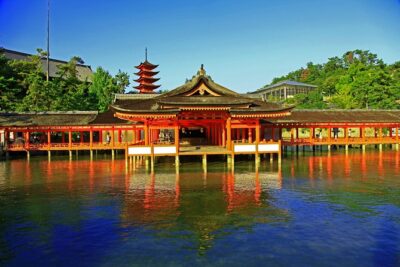
Peaceful Hiroshima & Miyajima UNESCO 1 Day Bus Tour
Read our review →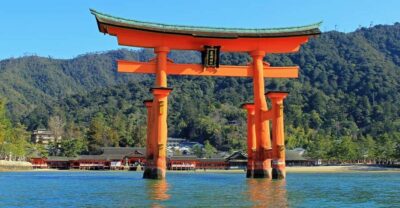
Hiroshima and Miyajima UNESCO Sites 1-Day Tour
Read our review →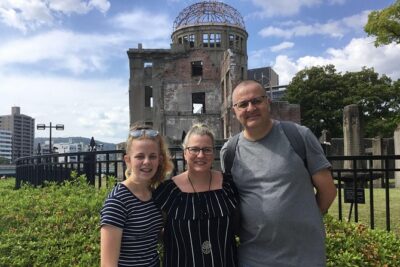
Hiroshima / Miyajima Full-day Private Tour with Government Licensed Guide
Read our review →
Osaka/Kyoto: Hiroshima Miyajima Bus Tour & Shinkansen Ticket
Read our review →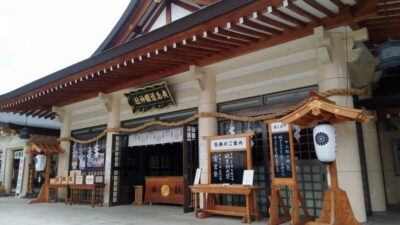
Hiroshima Historical Walking Tour – Why A-Bomb was Dropped
Read our review →
Hiroshima Peace (Heiwa) Walking Tour at World Heritage Sites
Read our review →
Hiroshima in a Nutshell: Morning Bike Adventure
Read our review →
Hiroshima City 4hr Private Walking Tour with Licensed Guide
Read our review →Browse the lists this tour appears in