
Reviewed · TOURS IN OSAKA
Osaka Nighttime tour
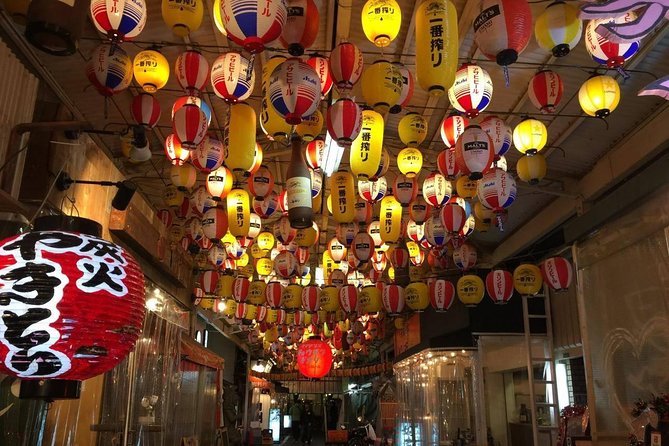
Tenma is the star here. This Osaka night tour takes you through a food district where dinner means moving from one small restaurant to the next, with a local guide explaining what lands on your plate. You’ll try okonomiyaki, kushikatsu, drinks, and several cuts of wagyu beef that you grill yourself.
I like two things right away: the small maximum group of eight, which gives the evening a friendly feel, and the chance to eat in three local restaurants rather than one place built only for visitors. Guides named Kaori, Mayura Kai, and Akiko have led these evenings, and their help with ordering and food choices is a major part of the experience.
The main concern is price. At $198 per person, this is a serious spend for a three-hour food walk, and the non-refundable booking policy gives you little room if your plans change. You also need to reach the meeting point yourself and should not book if you have a serious food allergy.
Key points at a glance
- Tenma after dark: Explore one of Osaka’s most food-focused districts with a local guide.
- Four food stages: Start with traditional street-vendor food, then visit restaurants for okonomiyaki, kushikatsu, and wagyu yakiniku.
- Three restaurant meals: The main evening includes food and drinks at three different local establishments.
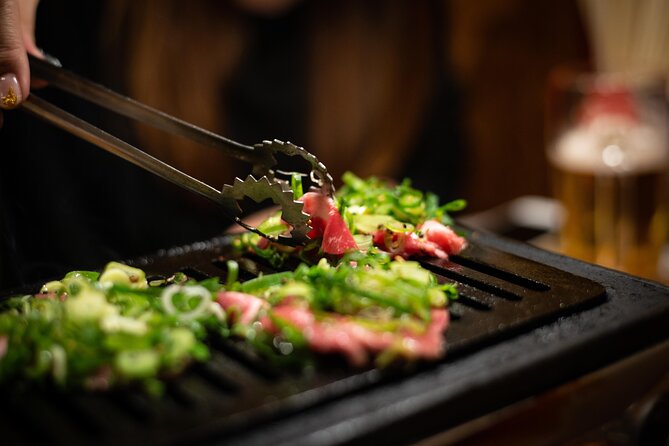
- Wagyu grilling: Cook different cuts of beef yourself and pair them with a Japanese cocktail.
- Small group size: The maximum is eight people, a useful limit for tight restaurant spaces.
- Plan carefully: Transportation is not included, and the experience cannot be refunded or changed after booking.
Why Tenma makes a strong setting for an Osaka food night
Osaka has a proud food culture, and Tenma gives you a practical way to sample it without trying to decode every menu on your own. The tour stays around Tenjinbashi, beginning near Shichifukujin Temma Station and ending back at the same meeting point.
That return to the starting point matters. You do not need to arrange a second meeting location in an unfamiliar part of the city, and the evening has a clear shape from beginning to end. You still need to handle your own transportation to and from the station, since hotel pickup and drop-off are not included.
The setting also gives the evening a local rhythm. Instead of spending the whole night in one large dining room, you move through several food stops. That variety is useful if you want to understand how different Osaka favorites fit together: quick food from a street vendor, a cozy restaurant meal, fried kushikatsu with drinks, and a more indulgent wagyu stop.
Your guide is important here. The food itself is available elsewhere, but a guide can explain ingredients, eating customs, and the place each dish holds in Osaka’s food culture. Mayura Kai has a background as a chef, according to the supplied information, and has also included a supermarket visit on some evenings. That extra stop is not promised in the tour plan, so treat it as a possible bonus rather than part of the contract.
Other experiences people book in Osaka:
- Osaka Go Karting Tour with Funny Costume
★ 5.0 · 2,658 reviews - Osaka Castle: Museum and Tower Entry Ticket
★ 4.5 · 2,380 reviews - Osaka: Shinsekai Food Tour with 13-15 Dishes at 5 Eateries
★ 4.8 · 2,204 reviews
Stop one: traditional food along Tenjinbashi
The evening starts with about 30 minutes of traditional vendor food on a local street. This is a short opening stop, but it helps set the tone. You get an early taste of Osaka’s casual eating culture before sitting down for the longer restaurant portions.
The plan does not name the exact vendor dishes. That is worth keeping in mind if you are booking because of one specific snack. The food may also change depending on the schedule, so you should expect a general introduction to local street food rather than a guaranteed menu.
I like this first stop because it keeps the tour from becoming a string of formal restaurant meals. Street food gives you a quick look at how Osaka eats on the move, and the guide can help you understand what you are trying. Since the stop lasts only half an hour, it should not take over the evening or leave you waiting for the main meals.
Stop two: okonomiyaki in a cozy restaurant
Next comes about 30 minutes of Osaka-style okonomiyaki in a small, cozy restaurant. Okonomiyaki is often described as a savory pancake, but that simple label misses the fun of it. The dish is built around a batter and other ingredients, then finished with toppings and sauce.
This is a good place for your guide to explain the dish and help with the ordering process. The available information does not promise a particular filling, so you should not assume you will receive a certain meat, seafood, or vegetarian version. If you have strong food preferences, tell the operator before booking and discuss what can be arranged.
Thirty minutes is not a long restaurant visit. Think of it as a tasting stop rather than a leisurely dinner. That pace is helpful because you still have two more restaurant visits ahead, but it also means you should arrive ready to eat rather than expecting long pauses between courses.
Stop three: kushikatsu and drinks
The third stop lasts about an hour and focuses on kushikatsu, one of Osaka’s classic foods. These are skewered ingredients coated and fried, usually eaten as casual restaurant food. The tour includes drinks here, and the overall package includes various types of beverages.
This is likely the most relaxed restaurant stop because it has the longest planned time before the final wagyu meal. You can use it to ask your guide about the ingredients, sauces, and local dining habits. A guide is especially useful when a menu includes several unfamiliar skewers or when you want to try something you might not choose on your own.
The tradeoff is that drinks can make a food tour feel heavier as the night progresses. The experience includes various beverages, but the supplied details do not state the number of drinks, alcohol options, or choices for non-drinkers. If you do not drink alcohol, ask about alternatives before you commit. Do not assume every beverage included will suit your preference.
Same base, a different sort of day:
- Osaka Food Tour: 13 Dishes at 5 Local Eateries
★ 5.0 · 2,149 reviews - Hungry Osaka Street Food Tour:15 Tastings & 3 Drinks with a Local
★ 5.0 · 1,727 reviews - Osaka: teamLab Botanical Garden Entry Ticket
★ 4.5 · 1,710 reviews - Osaka: Tea Ceremony Experience
★ 4.9 · 1,426 reviews
Stop four: wagyu yakiniku and a Japanese cocktail
The final stop is the tour’s biggest draw for many people: wagyu beef cooked at a yakiniku restaurant. You will try different parts of the beef, grill the pieces yourself, and pair the meal with a refreshing Japanese cocktail.
This format gives you more control than a prepared beef course. You can watch each piece cook and eat it at your preferred level, though the tour information does not specify the exact cuts or cooking guidance. The guide’s presence can help you understand what you are eating and how the meal is meant to be enjoyed.
The wagyu stop lasts about an hour, so it serves as a proper finale rather than a rushed sample. It also helps explain the $198 price, since premium beef can push up the cost of a food experience. Still, you should weigh that against the full package. The price covers food and various drinks across the evening, but not your transport to or from Tenma.
Restaurant choices may change according to the schedule. That flexibility can help the operator manage restaurant availability, but it means you are paying for the style of experience rather than a fixed list of venues. If a particular restaurant or exact wagyu cut matters to you, this is not the right tour to book on that basis.
What the $198 price really buys you
At $198 per person, this is not a budget food walk. You are paying for a guided evening with several courses, drinks, three restaurant visits, premium beef, and the convenience of having someone lead you through Tenma’s food scene.
The strongest value comes if you would otherwise struggle to choose restaurants or understand Japanese menus. Your guide can help with ordering, explain ingredients, and introduce you to foods you might skip on your own. The small group limit also matters in restaurant spaces where a large tour would feel clumsy.
The value is weaker if you already know Osaka well, speak enough Japanese to order comfortably, or mainly want one specific dish. You could likely spend less by choosing your own restaurants, but you would lose the organized route and the guide’s local context.
I would also treat the amount of food as part of the price calculation. This is not just a tasting of one or two items. You start with street food, continue with okonomiyaki, eat kushikatsu with drinks, and finish with wagyu. Come hungry, but do not assume every dish will be large or that the menu will stay identical from one date to the next.
The guides can shape the whole evening
The supplied guide names include Kaori, Mayura Kai, and Akiko. The descriptions of these guides point to a warm, flexible hosting style, with attention to food preferences and explanations of ingredients and Osaka food culture.
Mayura Kai is described as a former chef, which is especially useful on a tour built around several cooking styles. Kaori has led evenings at three restaurants near Temma Station, and Akiko has been praised for food suggestions that encouraged diners to try dishes they might not have selected themselves.
You should not assume you will receive a specific guide. Names are useful because they show the type of hosting available, not because they guarantee who will lead your date. The strongest reports also describe help with dietary preferences, including a private arrangement for one group, but the standard tour warns against booking if you have a serious food allergy.
That warning deserves attention. Japanese sauces, marinades, frying oils, and shared cooking surfaces can contain ingredients that are hard to identify. If you have a serious allergy, this is not an experience to book casually. Contact the operator before booking and get a clear answer about what can be accommodated.
Group size, timing, and comfort
The tour lasts about three hours and ten minutes. The schedule gives 30 minutes to the street food stop, 30 minutes to okonomiyaki, one hour to kushikatsu, and one hour to wagyu yakiniku.
The maximum group size is eight. That is small enough for direct conversation with the guide and easier movement between restaurants. It also fits the character of the evening better than a large bus group would. You are visiting local restaurants, not a theater built for tour groups.
The pace is steady. You will eat at four stages and change locations, so wear comfortable shoes and avoid planning a major meal immediately before the meeting time. The provided information does not give a detailed walking distance, so I would not assume the route is effortless for everyone. The meeting point is near public transportation, which makes reaching it simpler, but transport itself is not part of the tour.
The activity ends back at the meeting point. That is convenient for continuing your evening or returning to your accommodation, though you need to arrange that final journey yourself.
Who should book this Osaka night tour?
I would recommend it most strongly to first-time visitors who want an organized introduction to Osaka food. You will get several well-known local dishes in one night, along with help choosing and understanding them.
It also suits couples and small groups who value conversation with a guide. The eight-person limit keeps the evening more personal, and the different guides have shown an ability to adapt suggestions to food preferences when arrangements are made in advance.
This is a good fit if you enjoy trying unfamiliar food and want a mix of casual and premium dining. It is less suitable if you prefer a fixed menu, need strict allergy control, dislike alcohol-centered dining, or want to keep spending low.
Families may need to consider the pace and food choices carefully. The data says most people can participate, but it does not give a child price, child menu, or age policy. Ask the operator before booking with children.
Booking details worth knowing before you pay
You receive confirmation when booking, and the experience uses a mobile ticket. It is booked an average of 23 days in advance, so popular dates may require planning rather than a last-minute decision.
The cancellation rule is strict: the experience is non-refundable and cannot be changed for any reason. If you are still building your Osaka schedule, wait until your date is firm before paying. A travel plan that shifts by one day will not qualify for a refund or amendment.
Food venues may change depending on the schedule. That is normal for a restaurant-based evening, but it means you should judge the tour by its food plan, guide service, and neighborhood rather than by expecting a guaranteed restaurant name.
Should you book it?
Book this tour if you want a lively, food-first evening in Tenma and value a guide who can make local dishes easier to understand. The combination of street food, okonomiyaki, kushikatsu, drinks, and wagyu yakiniku gives you a broad taste of Osaka in just over three hours.
Skip it if $198 feels too high for dinner, if you require firm allergy guarantees, or if you need flexible cancellation. For everyone else, the small group, three restaurant visits, and final wagyu grilling make this a strong choice for a first Osaka visit, provided you arrive hungry and plan your transportation carefully.
FAQ
Where does the Osaka nighttime tour begin?
It begins at Shichifukujin Temma Station, at 4-chōme-12-1 Tenjinbashi, Kita Ward, Osaka, 530-0041, Japan.
Where does the tour end?
The activity ends back at the meeting point.
How long does the experience last?
The tour lasts approximately three hours and ten minutes.
How many people can join the tour?
The maximum group size is eight travelers.
What food is included?
The tour includes traditional street-vendor food, okonomiyaki, kushikatsu, wagyu beef, and various types of food and drinks.
Are drinks included?
Yes. Various types of drinks are included, including a Japanese cocktail with the wagyu stop.
Is transportation included?
No. Hotel pickup, hotel drop-off, and transportation to and from the attractions are not included.
Can people with serious food allergies join?
The experience is not recommended for people with serious food allergies.
Can I cancel or change the booking?
No. The experience is non-refundable and cannot be changed for any reason.
Just added in Osaka
- Osaka Temple Cool Foot Bath & Matcha Experience〈45min〉★ 4.9 · 82 reviews
- Osaka: Mind & Spirit Balance Temple Reiki Healing★ 5.0 · 41 reviews
- Full Day Kyoto Tour : Bamboo Forest, Golden Temple, Fushimi Inari★ 5.0 · 84 reviews
- Osaka: Minoh, Katsuoji Temple, & Minoh Falls Full-day Tour★ 4.9 · 172 reviews
- Ramen and Gyoza Cooking Class in Osaka★ 5.0 · 202 reviews
- OSAKA NIGHT FUSION Japanese Taiko Kabuki Samurai Dance Show★ 4.8 · 155 reviews
- Osaka: A Modern Samurai, Kabuki, Taiko, & Dance Show★ 4.5 · 66 reviews
- Osaka: Samurai Training Experience KENDO in Osaka★ 5.0 · 111 reviews
Tours in Osaka, compared.

Osaka Food Tour: 13 Dishes at 5 Local Eateries
Read our review →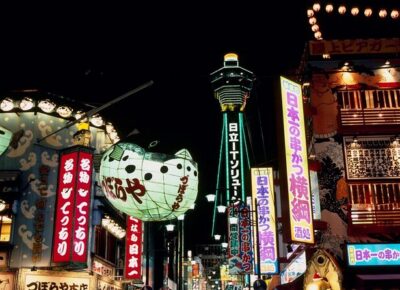
Hungry Osaka Street Food Tour:15 Tastings & 3 Drinks with a Local
Read our review →
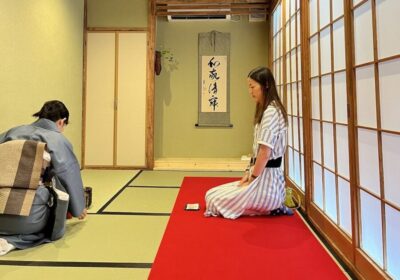
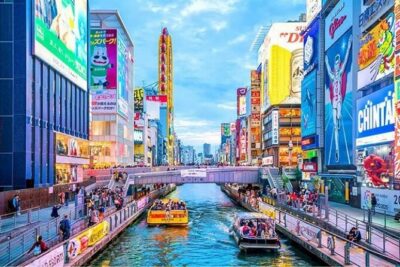
Hotspots & Hidden Gems Walking Tour Private or Group
Read our review →Browse the lists this tour appears in