
Reviewed · HIROSHIMA & MIYAJIMA DAY TRIPS
HIROSHIMA ORIZURU TOWER Admission Ticket
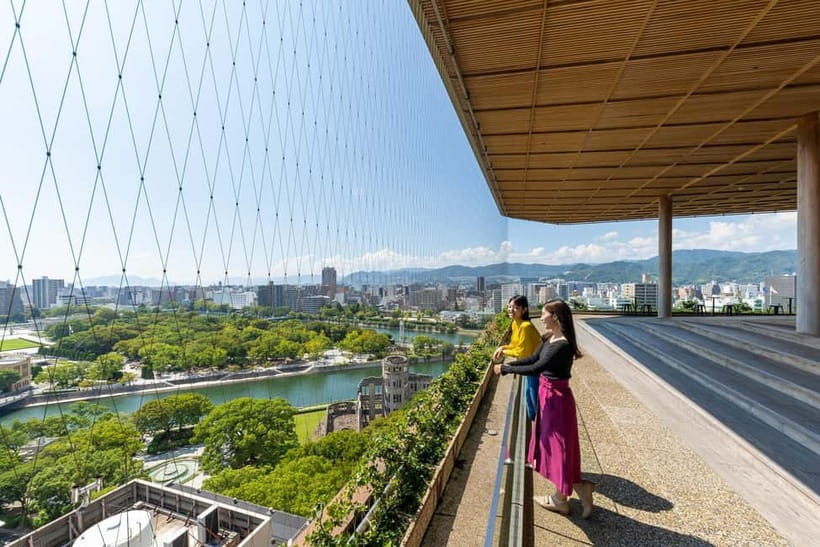
Hiroshima Orizuru Tower gives you two very different ways to understand the city: look outward from HIROSHIMA HILLS, then take part in a quiet paper-crane ritual tied to peace. The rooftop view reaches from Peace Memorial Park toward Miyajima, while the indoor exhibits keep the visit more than a quick photo stop.
I like the clear pairing of big city views and hands-on origami. I also like that your folded crane becomes part of the Orizuru Wall rather than ending up as a disposable activity. The main drawback is simple: if you want a long museum visit, there may not be enough to hold your attention for hours. One French visitor found the views and origami activity pleasant but felt there was not a great deal else to see.
Key points to know before you go
- The rooftop gives you a two-site view: Look across Peace Memorial Park toward the distant shores of Miyajima, connecting two of Hiroshima’s best-known places from one platform.
- Your ticket includes the Orizuru Wall: The origami crane you fold can be added to a shared peace display.
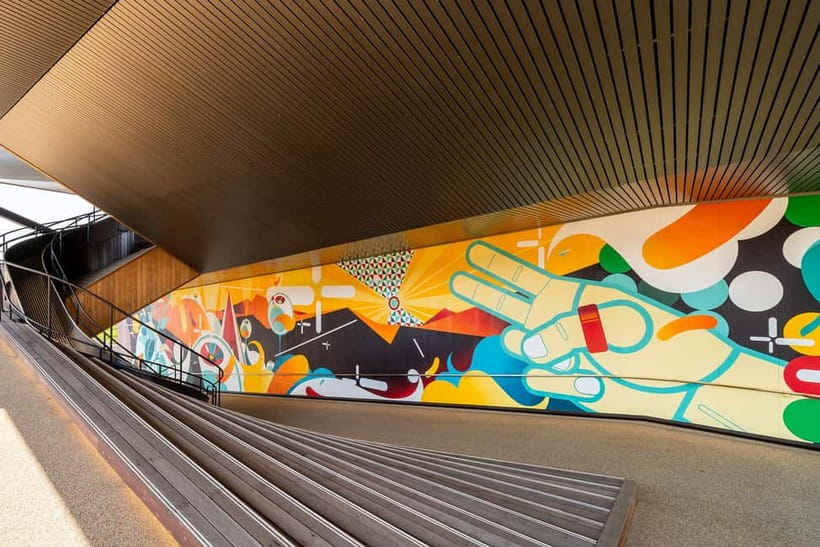
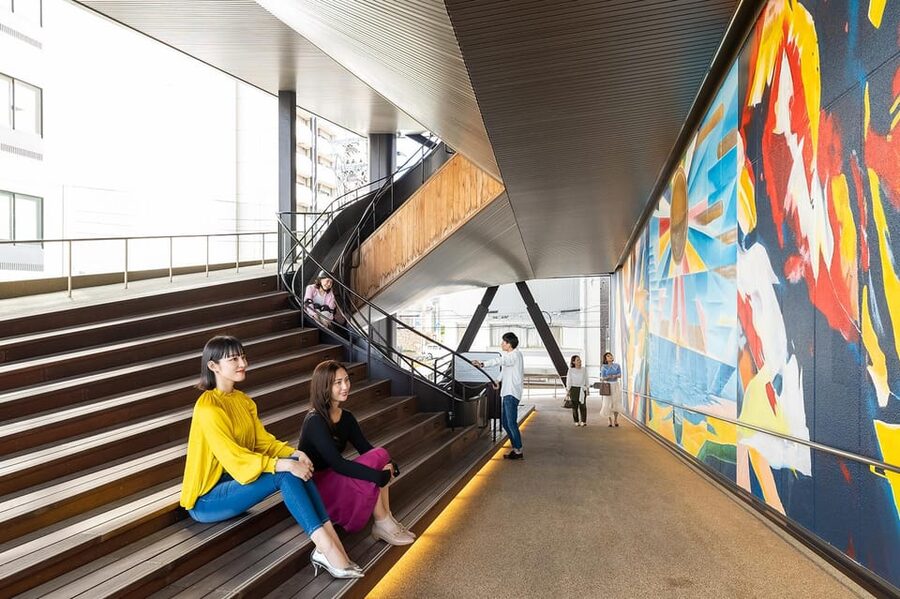
- The spiral slope is part of the experience: Walk the SPIRAL SLOPE Sampo while viewing the 2045 Nine Hopes wall art project.
- The $14 price suits a short cultural stop: It is reasonable if you value the rooftop and crane activity, but less convincing if you expect a full museum.
- Local food extends the visit: The café focuses on handmade drinks made mainly with local fruit, and the shop sells Hiroshima specialty products.
- The visit is easy to fit into one day: Show your QR code at the first-floor information counter and exchange it for a voucher.
Start with Hiroshima from above
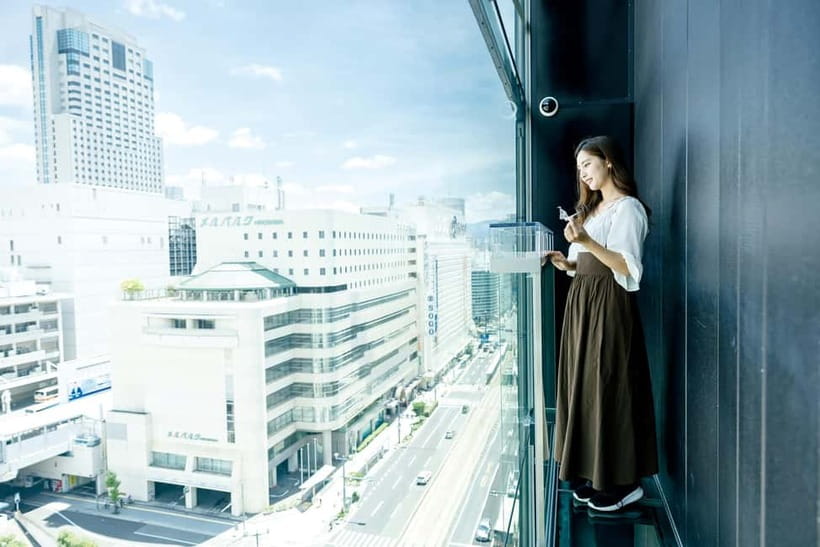
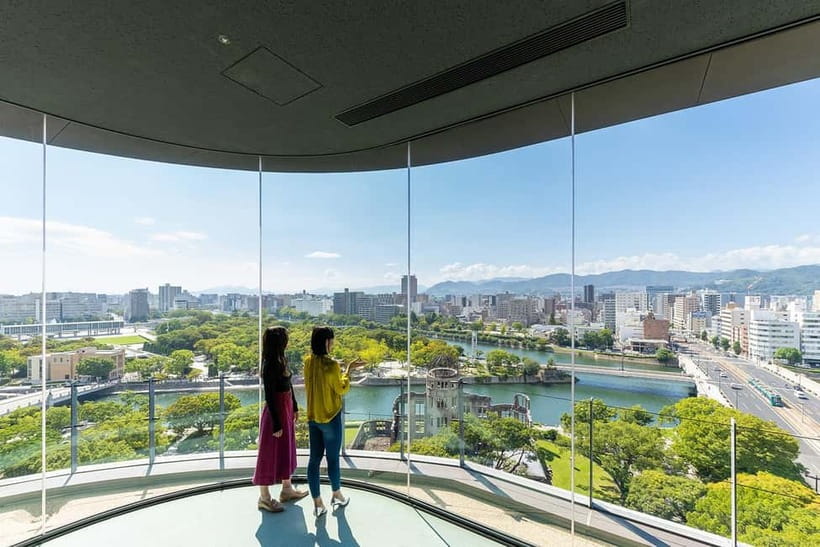
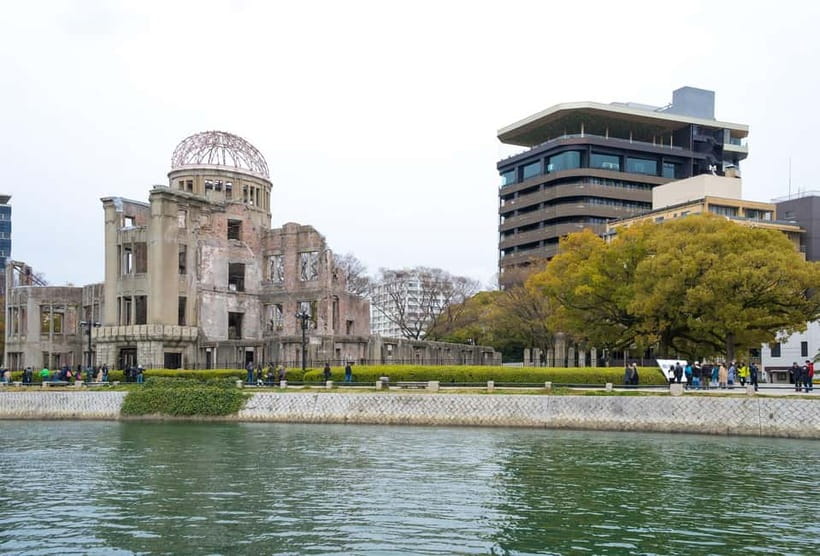
The best reason to enter Hiroshima Orizuru Tower is the view. From the HIROSHIMA HILLS observatory, you can look over Peace Memorial Park and out toward Miyajima, giving you a useful sense of how the city’s major sights relate to one another.
This is not just a high perch for taking pictures. The view helps you place Hiroshima in its setting. The Peace Memorial Park is close by, while the distant shore of Miyajima adds a wider horizon and a reminder that Hiroshima is both a major historical city and a place of water, hills, and open space.
I would make the rooftop your first stop. It gives you a quick orientation before you spend time with the indoor displays. The building opened in 2016, so its design feels modern beside the historic Atomic Bomb Dome. That contrast is part of the appeal. You are not entering an old monument, but a newer building designed to look at Hiroshima through peace, memory, art, and local culture.
The view was the most highly praised part of the experience. A German visitor described the building and its outlook as excellent, while an American visitor called the experience mindblowing. Those strong reactions make sense if you arrive on a clear day and want a broad look at central Hiroshima.
Still, keep your expectations in check. The tower is not a replacement for the Peace Memorial Museum, and the observatory alone may not justify a long visit. A French visitor described it as a good way to get an overview of the city from above, which is a fair way to think about it. You are paying for a viewpoint with added cultural activities, not a full day of exhibitions.
Other long days west of Hiroshima:
- Peaceful Hiroshima & Miyajima UNESCO 1 Day Bus Tour
★ 5.0 · 5,309 reviews - Hiroshima: Hiroshima and Miyajima UNESCO Sites 1-Day Tour
★ 4.9 · 2,330 reviews - Hiroshima / Miyajima Full-day Private Tour with Government Licensed Guide
★ 5.0 · 1,298 reviews
Fold a crane at Orizuru Square
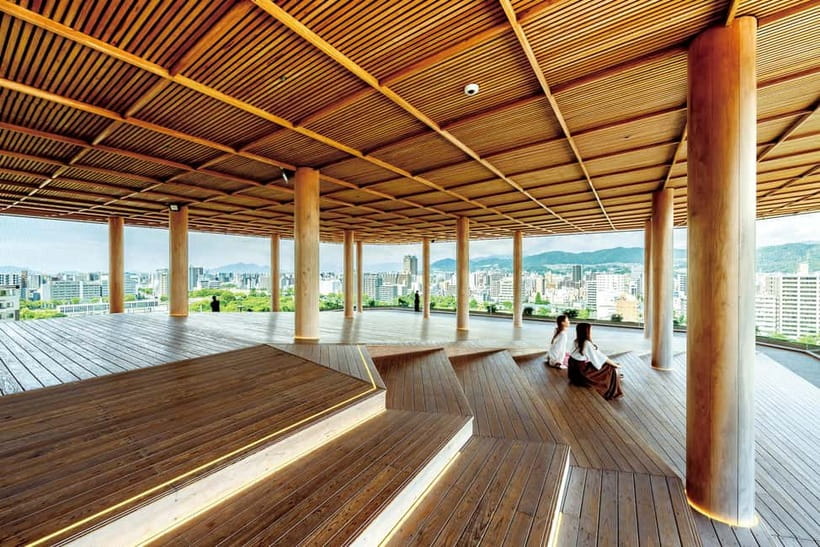
After the view, Orizuru Square gives you the most personal part of the visit. Here, you can fold an origami crane, or orizuru, using a tradition closely tied to Hiroshima and the idea of peace.
The activity is simple, but its meaning is not. You are not merely making a paper decoration to carry home. You can place your crane in the Orizuru Wall, where individual acts become part of a much larger shared display. That gives the $14 admission a purpose beyond sightseeing.
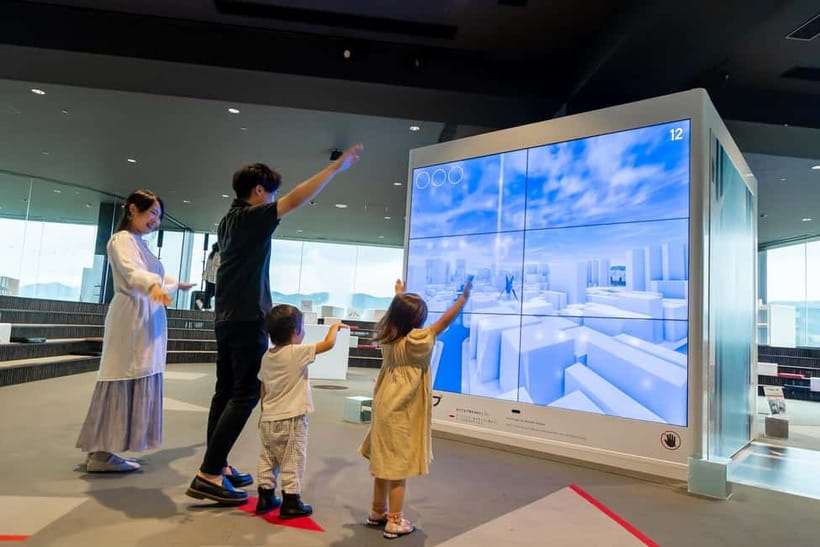
If you have never folded an origami crane, this can be a gentle introduction to the craft. If you already know how, the value comes from the setting and the final destination of your work. The tower connects the activity to digital content focused on the orizuru, so the crane is presented as a symbol rather than an isolated craft project.
I especially like this part for families and for anyone who wants an activity that slows the pace of a Hiroshima visit. The paper folding asks you to pay attention for a few minutes. After walking through Peace Memorial Park or visiting the Atomic Bomb Dome, that quieter rhythm can be welcome.
The activity is also a good choice if you want to participate without needing a long explanation or a scheduled guide. No guide name or guided presentation is specified, so you should think of this as an independent visit with interactive elements. The supplied information does not promise instruction in a particular language, so do not book it expecting a multilingual guided tour.
Add your crane to the Orizuru Wall
The Orizuru Wall is where the activity gains its strongest emotional link to Hiroshima. You fold your crane and contribute it to a display made from similar acts by people from around the world.
That shared wall changes the meaning of the paper. A single crane is small and fragile. Thousands of cranes together create a visible message of hope. You do not need to make a speech or join a formal ceremony. The action is quiet, direct, and easy to understand.
This part also gives the tower a connection to the city’s peace message without trying to recreate the solemn atmosphere of the memorial sites. The Atomic Bomb Dome and Peace Memorial Park ask for reflection through preserved places and formal memorials. The Orizuru Wall offers a more active response: you make something, then add it to a collective display.
You should allow enough time to fold carefully rather than rush through the process. The supplied information does not give a set time for the activity, so your visit can remain flexible. If you are visiting with children, this is likely to be the part that keeps them involved. If you are alone, it still offers a clear reason to pause instead of simply walking from one viewpoint to the next.
Walk the Sampo spiral slope
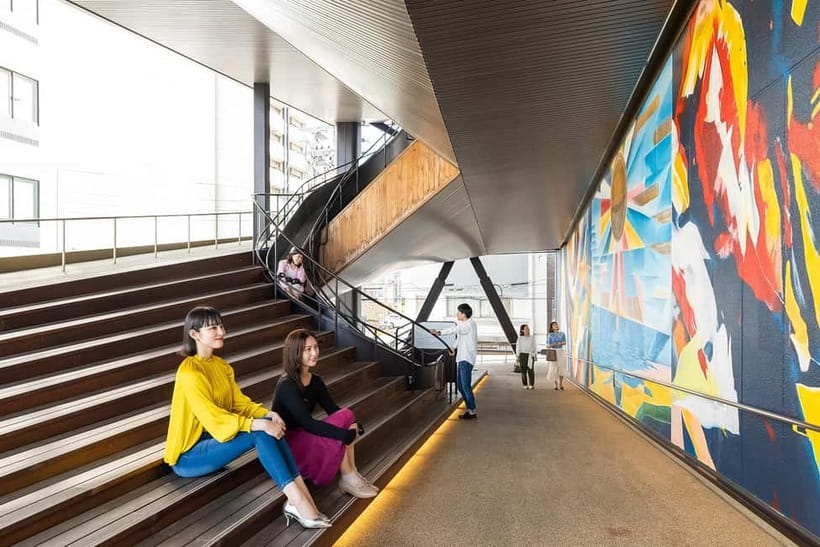
The SPIRAL SLOPE Sampo links the building’s different elements through a gradual walk. Along the route, you can see the WALL ART PROJECT 2045 NINE HOPES.
The title points toward the centennial of the end of the war, and the project features hopes from artists connected to Hiroshima. That future-facing idea gives the tower a different tone from a traditional historical site. You are asked to think not only about what happened, but also about what kind of future Hiroshima might help create.
I like the slope because it makes the journey through the building part of the attraction. You are not simply moving between a ticket desk, an observatory, and a shop. The route itself carries artwork and ideas. It also gives you a change of pace after the rooftop and origami activity.
The project may appeal most to you if you enjoy public art and visual storytelling. It may appeal less if you are looking for a detailed historical explanation. The available information does not describe the individual artists, the number of works, or the amount of written interpretation, so I would not treat this as a substitute for a formal art exhibition.
Think of the 2045 Nine Hopes project as a short artistic walk inside a sightseeing attraction. It adds thought and texture to the visit, but the tower’s main strengths remain the view and the crane activity.
Same base, a different sort of day:
- Hiroshima Historical Walking Tour – Why A-Bomb was Dropped
★ 4.8 · 893 reviews - Hiroshima Peace (Heiwa) Walking Tour at World Heritage Sites
★ 5.0 · 872 reviews - Hiroshima in a Nutshell: Morning Bike Adventure
★ 5.0 · 524 reviews - Hiroshima City 4hr Private Walking Tour with Licensed Guide
★ 5.0 · 437 reviews
Compare the $14 ticket with your plans
At $14 per person, the admission is fairly easy to justify if you want three things in one stop: a city view, an origami activity, and a place to see Hiroshima-themed art.
The price is strongest when you use the whole visit. Go to the rooftop, fold a crane, add it to the wall, walk the spiral slope, and browse the shop. If you only ride up for a photograph and leave, the cost feels less attractive.
The ticket is valid for one day, and the activity information says you should check availability for starting times. That gives you room to fit the tower around the Peace Memorial Park, Atomic Bomb Dome, and other central Hiroshima sights. You do not need to treat it as a separate all-day outing.
The rating of 4.6 from 75 ratings points to a reliably positive experience, with the view receiving the clearest praise. At the same time, the lower rating and direct comment from France are useful. The visit is enjoyable, but the number of things to see is limited. That is not a flaw if you want a compact attraction. It matters if you prefer a museum with many rooms and a long sequence of displays.
I would book it when the forecast promises a clear view or when your itinerary needs a short indoor activity near the memorial area. I would be more cautious on a poor-weather day if the rooftop is your main reason for going, since the supplied details do not explain how much of the view remains available in bad conditions.
Taste Hiroshima at the café
The café gives you a reason to stay after the main visit. Its stated approach is seasonal food and peace of mind, with handmade, healthy drinks made mainly from local fruit.
That focus makes the café more interesting than a generic refreshment counter. You can use it as a small introduction to Hiroshima’s local tastes, especially if you prefer a drink or light stop rather than a full restaurant meal. The information provided does not list individual menu items, so you should not arrive expecting a particular fruit, dessert, or regional dish.
The café is also practical after the rooftop and spiral slope. A short pause can make the whole experience feel less hurried. If you are moving through Hiroshima on foot, it gives you a place to rest without leaving the attraction.
Do not make the café your sole reason for buying admission. The ticket includes the observatory and Orizuru Wall posting, but the available details do not say that food or drinks are included. Think of the café as an optional extra that rounds out the visit.
Browse Hiroshima specialties in the permanent shop
The permanent shop focuses on Hiroshima specialty products, making it a useful final stop if you want a souvenir connected to the city.
The shop matters because the tower’s theme is not limited to a view from above. The local products bring the experience back down to everyday Hiroshima. You can browse after seeing the memorial sites, folding a crane, and looking across the city from the rooftop.
The information does not specify which products are sold, their prices, or whether particular items can be shipped. I would browse with an open mind rather than promise yourself a specific souvenir. If you want something edible or locally made, the shop may be worth a few minutes even if you do not spend anything.
Plan the entrance without wasting time

At the entrance, show your QR code at the information counter on the first floor and exchange it for a voucher. Keep the code ready so the process is quick.
The meeting point is at 34.3956868, 132.4547167. The attraction is in Hiroshima in Japan’s Chugoku Region, near the city’s major peace sites. The available information does not provide a full route from the station or detailed public transport instructions, so use the coordinates when planning your approach.
The ticket is valid for one day. The activity is wheelchair accessible, which is important if you need step-free access. The information does not describe every route detail inside the building, so you may want to confirm any specific mobility needs before arrival.
Free cancellation is available until 24 hours before the activity for a full refund. You can also reserve now and pay later, which is useful if you are arranging a Hiroshima itinerary before your weather and timing are settled.
No named guide is provided, and the experience is presented as admission to the tower rather than a guided tour. Plan to explore the observatory, art route, origami area, café, and shop at your own pace.
Who will enjoy this tower most
I would recommend Hiroshima Orizuru Tower to you if you want a compact attraction with a clear purpose. It works especially well for:
- Families who want a hands-on activity after visiting memorial sites
- First-time visitors who want a quick view across central Hiroshima
- People interested in origami, peace symbols, and public art
- Anyone with a spare part of a day rather than a full day to fill
- Visitors who enjoy pairing a viewpoint with a café and local shopping
I would hesitate if your priority is a large museum, a guided historical explanation, or a long list of exhibits. The tower offers several connected elements, but each one is fairly focused. The strongest parts are the rooftop, the crane folding, and the shared wall.
You should also consider the weather. The rooftop outlook toward Peace Memorial Park and Miyajima is a major reason to go, so visibility can affect the value. On a clear day, the tower gives you a useful visual frame for Hiroshima. On a gray day, the indoor activities still remain, but the visit may feel shorter.
Is the Hiroshima Orizuru Tower ticket worth booking?
Book it if you want a thoughtful one to two-part stop near Hiroshima’s peace sites, especially if a rooftop view and a hands-on origami activity appeal to you. The $14 price is reasonable when you use the observatory, Orizuru Wall, spiral slope, art project, shop, and café.
Skip it if you expect a full museum or need a long, guided lesson in Hiroshima’s past. The tower is best understood as a modern viewpoint and peace-themed cultural stop. Its strongest moment is the combination of looking across the city and then adding your own small crane to a shared wall.
FAQ
What does the Hiroshima Orizuru Tower ticket include?
The ticket includes admission to the observatory and the opportunity to post your folded paper crane on the Orizuru Wall.
How much does admission cost?
Admission costs $14 per person.
How long is the ticket valid?
The ticket is valid for one day. You should check availability for the available starting times.
Where do I exchange the QR code?
Show your QR code at the information counter on the first floor, where it will be exchanged for a voucher.
Is the experience wheelchair accessible?
Yes, the activity is listed as wheelchair accessible.
Can I cancel for a full refund?
Yes. You can cancel up to 24 hours in advance for a full refund. Reserve now and pay later is also available.
Just added in Hiroshima
- Iya Valley BROMPTON Slow Cycling Tour★ 5.0 · 28 reviews
- Iya Valley All Must-Sees Private Chauffeur Full-day Tour with a Driver★ 5.0 · 20 reviews
- Shore Excursion from Hiroshima Port : Private Tour in Hiroshima★ 5.0 · 17 reviews
- Hiroshima & Miyajima All-Inclusive Tour w/Licensed guide Pancho★ 5.0 · 54 reviews
- Okunoshima Rabbit Island Cycling Tour with Local Guide★ 4.5 · 17 reviews
- The Peace Memorial to Miyajima : Icons of Peace and Beauty★ 4.5 · 31 reviews
- Private Full Day Hiroshima Tour★ 4.5 · 29 reviews
- Hiroshima Saijo Sake Tasting Tour with visit to 7 Breweries★ 5.0 · 104 reviews
Hiroshima & Miyajima Day Trips, compared.
Peaceful Hiroshima & Miyajima UNESCO 1 Day Bus Tour
Read our review →
Hiroshima and Miyajima UNESCO Sites 1-Day Tour
Read our review →
Hiroshima / Miyajima Full-day Private Tour with Government Licensed Guide
Read our review →
Osaka/Kyoto: Hiroshima Miyajima Bus Tour & Shinkansen Ticket
Read our review →
Hiroshima Historical Walking Tour – Why A-Bomb was Dropped
Read our review →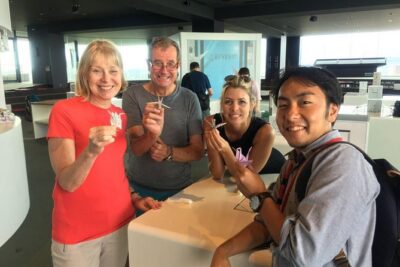
Hiroshima Peace (Heiwa) Walking Tour at World Heritage Sites
Read our review →
Hiroshima in a Nutshell: Morning Bike Adventure
Read our review →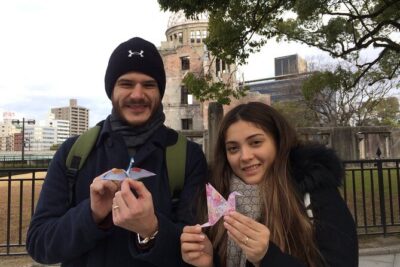
Hiroshima City 4hr Private Walking Tour with Licensed Guide
Read our review →Browse the lists this tour appears in