
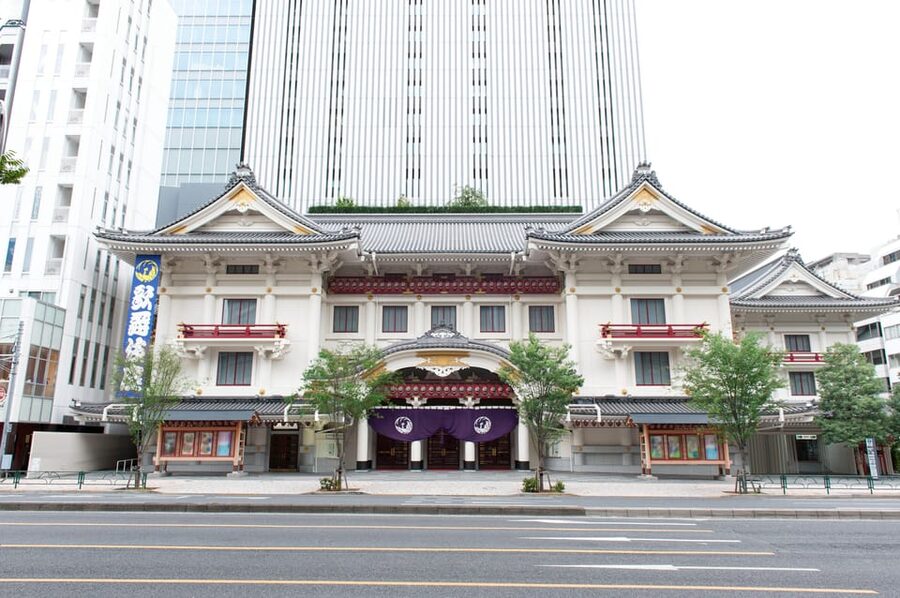
Reviewed · KABUKI & TRADITIONAL THEATRE
Tokyo: KABUKI Show at Kabukiza Theatre Admission Ticket
Kabuki is not a quick cultural photo stop. At Tokyo’s Kabukiza Theatre, you settle in for a full program of traditional drama, dance, live music, elaborate costumes, and highly stylized acting. The theater itself is part of the experience, and this is the only theater in the world devoted entirely to Kabuki. I especially like the English or simplified Chinese caption service and the fact that the program changes every month, so the performance feels tied to the Japanese calendar rather than packaged for tourists.
I also like the chance to visit the permanent interactive exhibition and browse Kabuki gifts below the theater. The main caution is time: a program can run about four to four and a half hours, with intervals, and the seats may feel tight during a long performance. If you prefer short, fast-moving shows, this may test your patience.
Key points before you book
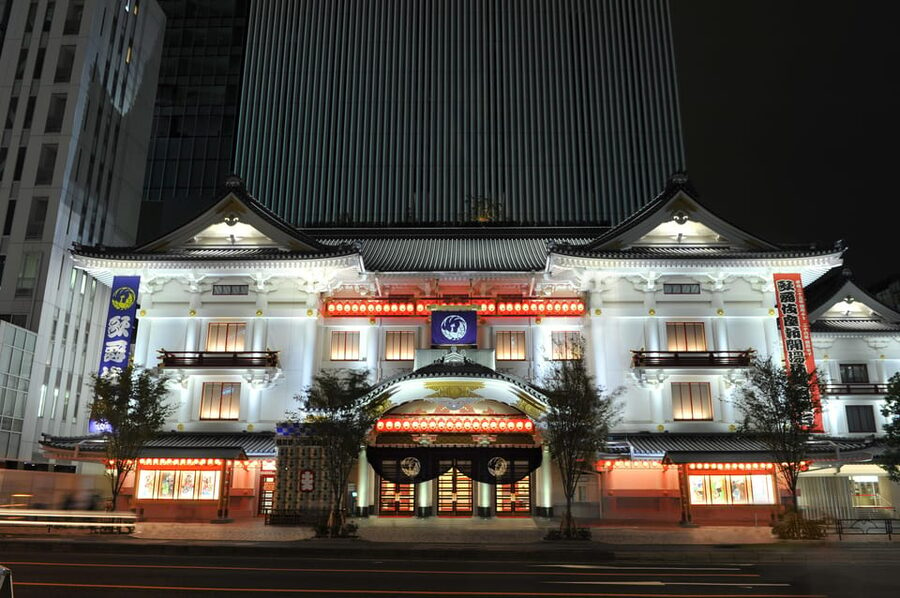
- Four-hour traditional theater program: Expect several separate plays, dances, or scenes rather than one simple story.
- Monthly changing performances: The exact acts, themes, and running time depend on the month you visit.
- English and simplified Chinese captions included: You can follow the story and dialogue without speaking Japanese.
- Physical ticket pickup required: Exchange your mobile or PDF voucher at the basement level 2 box office.
- Food and drink are part of the custom: Intermissions give you time to buy snacks or alcohol inside the theater.
- Ginza location: Kabukiza makes a convenient cultural stop before or after other plans in central Tokyo.
Why Kabukiza is worth your evening
Kabuki can look strange at first. The movement is deliberate, the makeup is bold, the voices are stylized, and the stories often come from periods of Japanese history that are unfamiliar to you. That is exactly why Kabukiza works so well as a cultural experience. You are not seeing a modern show dressed up in old costumes. You are seeing a long-established theatrical form presented in its own home.
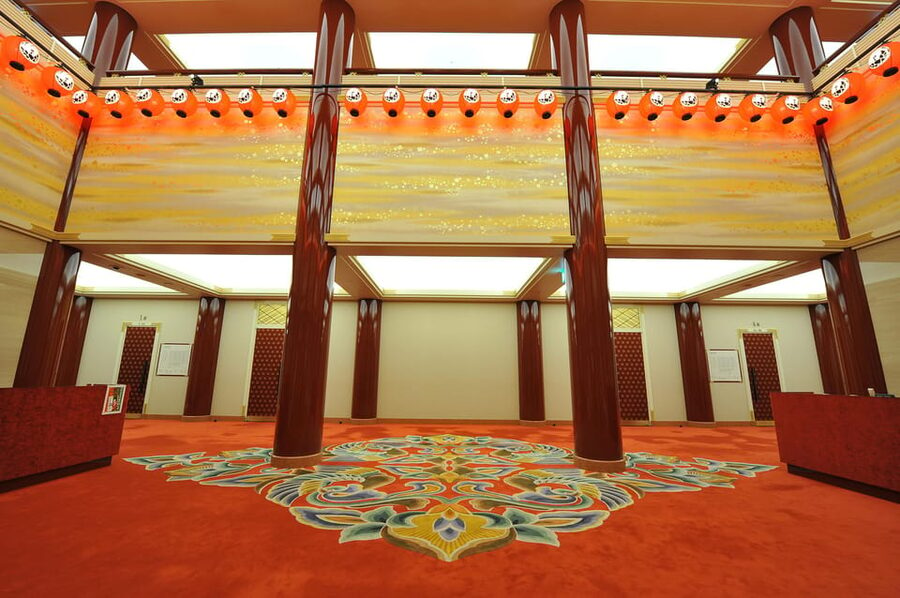
The building matters, too. Kabukiza is in Ginza, one of Tokyo’s best-known central districts, but inside the theater the mood shifts from shopping streets and bright signs to painted curtains, traditional stage design, musicians, and carefully controlled movement. The curtains and screens can be as memorable as the acting. The stage sets, costumes, and live music give you plenty to watch even when the plot is difficult to follow.
Kabuki is recognized by UNESCO as an important traditional art form. That does not mean you need a background in Japanese theater to enjoy it. You need curiosity, a willingness to watch slowly, and the right expectations. Think less of a conventional play and more of a blend of theater, dance, music, formal gesture, and visual storytelling.
Other performances in Tokyo:
- Tokyo: KABUKI, BUNRAKU, etc. presented by National Theatre
★ 4.6 · 135 reviews - OSAKA NIGHT FUSION Japanese Taiko Kabuki Samurai Dance Show
★ 4.8 · 155 reviews - Osaka: A Modern Samurai, Kabuki, Taiko, & Dance Show
★ 4.5 · 66 reviews
The program changes every month
There is no permanent Kabuki show with the same scenes every night. Kabukiza presents a new program each month, usually divided into a matinee and an evening performance. That makes checking the official Kabuki Web program before booking essential.
A February matinee, for example, may include O-Edo Miyage, a modern Kabuki piece, along with Tonbi Yakko, a dance, a domestic play set in front of the Saruwakaza Theatre, and Tsumoru Koi Yuki no Seki no To, another dance. The evening program may turn to historical drama from The Chronicle of the Battle of Ichinotani, followed by The Fox Praying for Rain and Tanjirō’s Love Triangle.
In March, the matinee may focus on The Return of the Evil Lady-in-Waiting Iwafuji, presented across three acts. The evening program can combine a spring dance with Three Thieves Named Kichisa. These examples show why you should not book based only on the word Kabuki. One month may give you more historical drama, another more dance, and another a mix of domestic and modern pieces.
This variety is a strength, but it creates one possible mismatch. If you have your heart set on a particular story or style, check the monthly schedule first. The exact order, titles, running time, and number of sections can change.
What four hours at the theater feels like
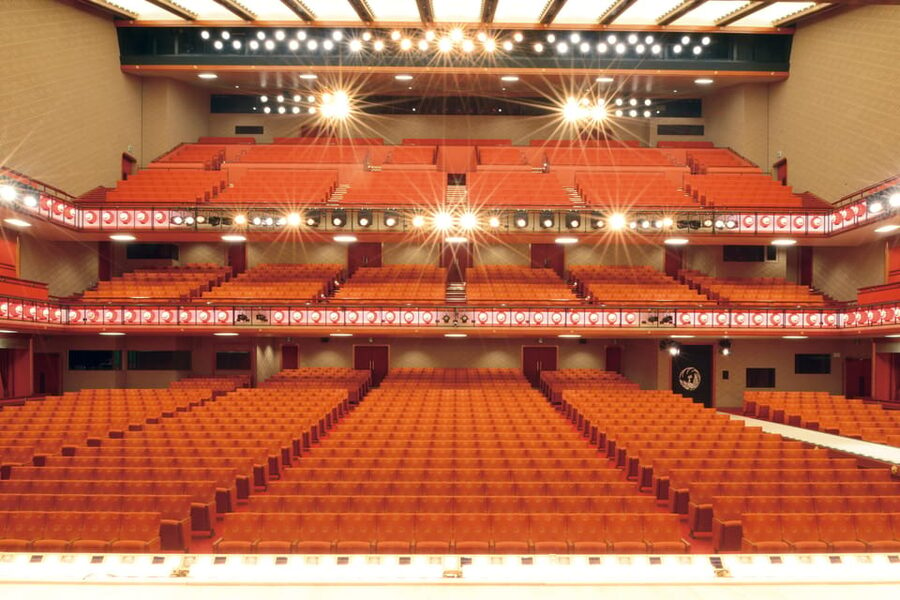
The stated duration is four hours, but the actual programs provided for February and March run a little longer. The listed matinees last roughly four hours and eight to twenty-one minutes, while the evening shows run about three hours and fifty-one minutes to four hours and thirty-two minutes. Allow extra time for ticket pickup, finding your seat, and leaving the theater.
A performance may contain several different pieces rather than one continuous plot. This is important. You might watch a historical play, then a dance, then a modern Kabuki work, with each section using its own characters, mood, costumes, and style. The change of subject helps keep the long program varied.
Intermissions are built into the experience. Depending on the program, there may be several breaks, including intervals of around 30 minutes. You can stretch your legs, visit the facilities, buy food, or simply reset before the next piece. One practical lesson is to plan for the full evening rather than treating the breaks as wasted time.
You may bring food and drinks into the theater, and snacks and alcohol are available for purchase inside. This is useful because a long Kabuki program works better when you treat it as an occasion, not as a show you squeeze between dinner and another reservation. If you have a tight schedule afterward, choose your plans carefully.
Captions make traditional stories easier to follow
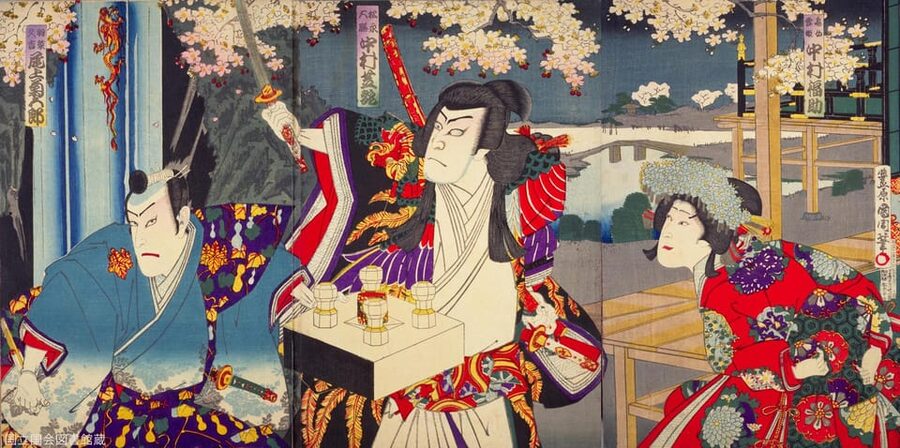
The included English or simplified Chinese caption service is one of the most useful parts of this ticket. Kabuki often uses formal language, historical references, and stories with complicated relationships. Even if you understand a little Japanese, the caption device can help you keep track of the action.
The captions are not a replacement for watching the stage. You will need to move your attention between the screen and the actors, especially during fast exchanges or highly visual dance sections. One practical concern is that the device may not signal every change in the text, so you may need to glance down regularly rather than wait for an alert.
Still, the captions make a major difference. They help explain the plot, identify characters, and give you enough context to appreciate gestures and reactions that might otherwise seem mysterious. The service is available in English or simplified Chinese, not as a Japanese audio guide substitution. If you are booking from within Japan, the caption service remains part of this plan even if you decide not to use it, and it cannot be exchanged for a refund or a Japanese earphone guide.
Same base, a different sort of day:
- Mt Fuji and Hakone 1-Day Bus Tour Return by Bullet Train
★ 5.0 · 26,383 reviews - 1-Day Tokyo Bus Tour
★ 5.0 · 14,250 reviews - Tokyo: TOKYO SKYTREE® Admission ticket
★ 4.5 · 11,192 reviews - Tokyo: teamLab Planets TOKYO Digital Art Museum Entry Ticket
★ 4.6 · 9,779 reviews
Drama, dance, music, and visual detail
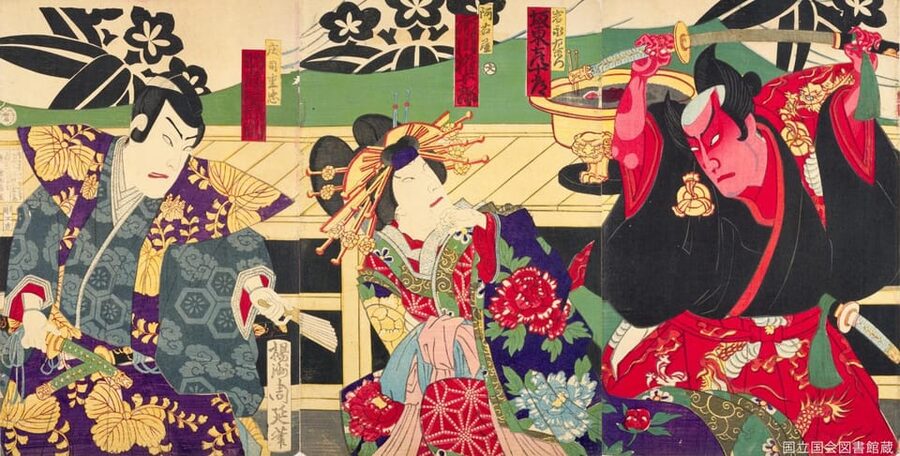
Kabuki is best understood as a group of related arts rather than a single acting style. The drama may include formal speeches, emotional confrontations, family conflicts, revenge, romance, or historical events. The dance pieces can be more abstract and place greater emphasis on posture, costume, rhythm, and controlled movement.
Live music gives the performance its pulse. Shamisen music and other traditional sounds help establish mood and support the action, sometimes quietly and sometimes with force. The music is not background decoration. It is part of the storytelling language.
The costumes deserve close attention. Their colors, patterns, and weight help define a character and create visual impact when the actor moves. Makeup and facial expression also matter, which is why seat location can affect your experience. From farther back, you gain a wider view of the stage, but fine expressions may be harder to see. One practical choice is to prioritize a closer seat if facial acting matters greatly to you.
The stage design is another reason not to spend the entire show reading captions. Screens, curtains, entrances, and set changes create a visual rhythm. Even when you lose the thread of the story, you can still follow the emotional tone through movement, sound, and design.
Arriving at Kabukiza in Ginza
The theater is at Ginza 4-12-15, Chuo-ku, Tokyo. Your reservation voucher is not the admission ticket. You must exchange the PDF or mobile GYG Voucher for a physical ticket at the venue box office on the day of the performance.
The box office is on basement level 2 and is listed as open from 10:00 a.m. to 6:00 p.m. If you arrive after 6:00 p.m., go directly to the theater entrance. For a morning or afternoon show, allow plenty of time to locate the basement counter, collect the ticket, and reach your seat.
The doors open 30 minutes before the performance begins. That half hour is useful. You can settle in, inspect the auditorium, read the program, and work out the caption service before the curtain rises. Do not plan to arrive at the last minute, especially if you are unfamiliar with the building.
The Ginza setting makes this easy to pair with other central Tokyo plans. You can visit the Kabuki-related shopping center before or after the show, though opening hours and closing times may affect your timing. One useful warning: if you hope to shop for souvenirs after an evening performance, check the store hours first, since the shopping area may be closed when you leave.
Food, seating, and comfort

Kabuki audiences commonly treat the intervals as part of the outing. Food and drinks are available in the theater, and you may bring something with you. This is not merely a suggestion for hungry people. A four-hour program is much easier when you have planned for a snack and do not need to rush away during a break.
The seats may feel old-fashioned and somewhat tight. If you need extra comfort, consider bringing a small cushion. You should also think carefully about your tolerance for sitting through a long formal performance. The breaks help, but this is still a substantial block of time.
Seat selection is not available through this GYG reservation. You cannot choose your exact location in advance. That matters if you are particularly concerned about viewing facial expressions, reading captions, or sitting near an aisle. The performance remains worthwhile from different parts of the theater, but your seat can shape how much detail you catch.
Children under four are not suitable for this activity. For older children, the length and formal style are more important considerations than age alone. A child who enjoys music, costumes, and visual storytelling may find it fascinating. A child who needs constant action may struggle.
Is the 106 dollar price good value?
At $106 per person, this is not a casual budget attraction. The value depends on what you want from your time in Tokyo.
The price includes the show ticket and the English or simplified Chinese caption service. You are also paying for a performance in a theater dedicated exclusively to Kabuki, with professional performers, live music, elaborate staging, and a changing monthly program. If you want an authentic full-length Kabuki experience rather than a brief demonstration, the price is easier to justify.
The long running time also affects the calculation. Four hours of theater is a substantial part of your day or evening, and the program gives you several different forms of Kabuki rather than one short sample. On the other hand, you may not enjoy every section equally. Dance pieces can feel slower if you prefer plot-driven drama, and historical stories may require patience even with captions.
I would book this for someone who wants one serious traditional Japanese arts experience during a Tokyo visit. I would hesitate if you are mainly looking for a short introduction, a low-cost activity, or a flexible evening. In that case, the price and length may feel heavy.
The exhibition and Kabuki shopping center
Before or after the show, you can visit the permanent interactive exhibition, which introduces the history and workings of Kabuki. This is especially useful if you are new to the art form. A little context can make the formal gestures, stage conventions, and costumes easier to appreciate.
The shopping center on basement level 2 sells Kabuki-related gifts and souvenirs. It gives you a chance to take home something connected to the performance rather than a generic Tokyo keepsake. Plan your visit around opening times, however. The shopping area may not remain open after a late performance.
You should also remember that the ticket box office and shopping center are not the same thing as admission. The important first task is collecting your physical ticket at the box office. After that, you can decide how much time to spend shopping or viewing the exhibition.
Who will enjoy Kabukiza most?
I recommend this experience to you if you enjoy theater, classical arts, traditional music, costume design, or cultural history. It is also a strong choice if you want to see a Japanese art form in a dedicated working theater rather than at a general sightseeing venue.
You do not need to understand Japanese, thanks to the captions. You do need to accept that Kabuki communicates through convention and repetition. The acting may seem broad, the pacing may be deliberate, and the stories may not unfold like a modern film.
This is less suitable if you dislike long performances, formal theater, or sitting in older-style seats. It may also frustrate you if you want to pick your exact seat or leave early without missing an important section. The program is divided into separate pieces, but the full ticket is designed for the complete performance.
Practical booking advice
Check the official Kabuki Web schedule before you reserve. Programs change monthly, and tickets for the following month begin on the 14th of each month. Confirm whether the matinee or evening program better suits your Tokyo plans, then allow time for the full running period.
On the day, bring your mobile or PDF voucher, but do not go straight to the entrance expecting to use it as the ticket. Exchange it at the basement level 2 box office. Arrive before the theater doors open if you want time to orient yourself, and remember that doors open 30 minutes before the show.
If you are booking from within Japan, note that this plan includes the English or simplified Chinese caption service. You cannot receive a refund for not using it or swap it for a Japanese earphone guide. Free cancellation is available up to two days in advance, which gives you some flexibility if your Tokyo schedule changes.
Should you book the Kabukiza show?
Book it if you want a substantial, authentic Kabuki experience with live music, elaborate costumes, changing monthly programs, and caption support. The setting, stagecraft, and variety of drama and dance make this much more than a quick tourist performance.
Skip it if you want a short show, modern pacing, or complete control over your seat. At $106, the commitment is real, and four hours is a long time in any theater. For the right audience, though, Kabukiza offers a rare chance to spend an evening with one of Japan’s enduring performing arts in the building made for it.
FAQ
How long does the Kabukiza performance last?
The activity is listed as four hours. Actual programs can run slightly longer, with examples ranging from about three hours and fifty minutes to four hours and thirty-two minutes, including intervals.
Are English captions available?
Yes. The ticket includes an English or simplified Chinese caption service. The caption device helps you follow the story and dialogue during the performance.
Can I choose my seat?
No. Seats cannot be specified through the GYG reservation.
Where do I collect my ticket?
Collect your physical ticket at the Kabukiza Theatre box office on basement level 2. Present your PDF or mobile GYG Voucher. The voucher itself cannot be used to enter the theater.
When does the box office open?
The box office is listed as open from 10:00 a.m. to 6:00 p.m. If you arrive after 6:00 p.m., proceed directly to the theater entrance.
Can I bring food and drinks?
Yes. You may bring food and drinks, and snacks and alcohol are also available for purchase inside the theater. Intermissions provide time to eat and take a break.
Are young children allowed?
Children under four years old are not suitable for this activity.
Just added in Tokyo
- Wagyu & Sake Pairing in Shinjuku – Steak, Shabu-Shabu & More★ 5.0 · 112 reviews
- Small-Group Wagyu Beef and 7 Japanese Dishes Tokyo Cooking Class★ 5.0 · 190 reviews
- Nikko: Edo Wonderland Edomura Cultural Theme Park Ticket★ 4.3 · 205 reviews
- 《MEMBERS-ONLY-BAR-HOPPING》Discover Your Special Whiskey in Tokyo!★ 5.0 · 29 reviews
- Japanese Whisky Hunting《HIGH-QUALITY-ONLY》Rare Tasting Class★ 5.0 · 20 reviews
- Luxury Tokyo Sake, Cocktail, Whisky and Pairing Tour★ 5.0 · 18 reviews
- From Tokyo: Private Tour to Fuji/Hakone – Onsen, Art, Nature★ 5.0 · 116 reviews
- Tokyo: KABUKI, BUNRAKU, etc. presented by National Theatre★ 4.6 · 135 reviews
Kabuki & Traditional Theatre, compared.
OSAKA NIGHT FUSION Japanese Taiko Kabuki Samurai Dance Show
Read our review →
KABUKI, BUNRAKU, etc. presented by National Theatre
Read our review →
Browse the lists this tour appears in