
Reviewed · BAR HOPPING & NIGHT TOURS
Tokyo After 5: Authentic Japanese Food & Drink Night Tour
Tokyo After 5 is built around the sort of food stops you may not find on your own: a department-store wagashi tasting, sizzling monjayaki in Tsukishima, and grilled skewers in a small Yurakucho drinking alley. Cooking your own monjayaki is the most distinctive part, and the included subway rides make the evening easier to manage.
I like the small maximum group of eight, which keeps the guide close at crowded stations and cramped restaurants. I also like the chance to try food with a local guide who can explain menus, customs, and unfamiliar ingredients. The main caution is value: some departures visit only two eating establishments, with the wagashi coming from a food hall rather than a third restaurant.
Key points to know before booking
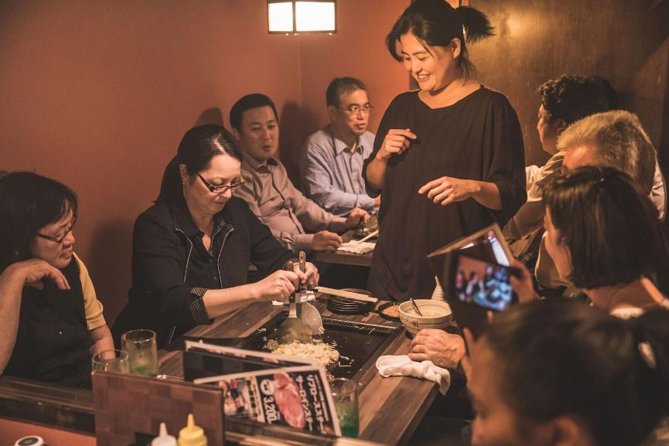
- Monjayaki is the evening’s signature food: You cook this soft Tokyo pancake on a table grill in Tsukishima.
- The route crosses three distinct areas: Meet at Mitsukoshi Ginza, ride the subway to Monja Street, then finish near Yurakucho.
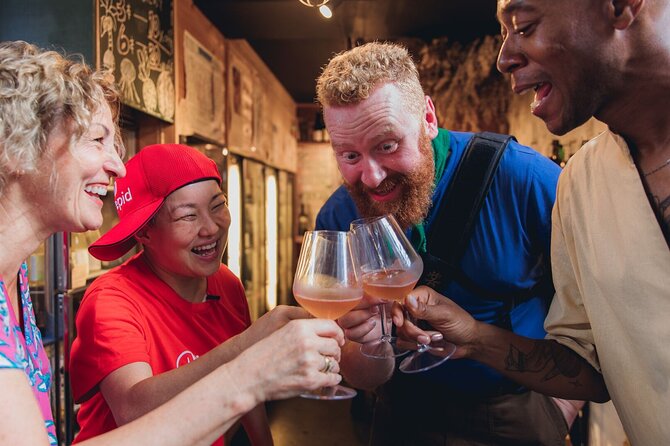
- Two drinks are included: Choose from options such as sake, beer, or a soft drink, depending on age and availability.
- The group is capped at eight: That helps with subway transfers and small local eateries.
- Food choices are not flexible: Vegetarian, vegan, and gluten-free diets cannot be accommodated.
- Expect a food sampler, not a full dinner: Portions can feel modest, so arrive hungry but not expecting a long multi-course meal.
Starting beneath the Mitsukoshi Lion in Ginza
The tour begins at 5 pm in front of the famous Lion statue outside Mitsukoshi Ginza, at 4-6-16 Ginza. This is a clear meeting point in a central part of Tokyo, but you need to arrive early. The tour starts on time, and the opening stop is brief.
Ginza is Tokyo’s polished shopping district, known for department stores, bright signs, and high-end shops. That setting gives the first part of the evening a more formal feel than the small bars that come later. Your guide may point out Itoya, the famous stationery store, during a short walk through the neighborhood.
This opening stroll is useful if you are new to Tokyo. It helps you get your bearings and gives you a quick look at a district you might otherwise only cross on the way to dinner. Still, it is not a substantial food stop. The focus at this stage is on orientation and a small wagashi tasting.
Other bar hopping tours in Tokyo people book:
- Tokyo Bar Hopping Tour in Shinjuku (All-You-Can-Drink + Dinner)
★ 5.0 · 3,587 reviews - Best of Shinjuku: Izakaya Food Tour (4 Stops, 14+ Tastings)
★ 5.0 · 1,863 reviews - Tokyo: Shinjuku Local Bar and Izakaya Guided Walking Tour
★ 4.9 · 1,794 reviews
Wagashi at a department store, not a full restaurant stop
Wagashi are traditional Japanese sweets, often made with ingredients such as rice, beans, or seasonal flavors. On this tour, the sweets are bought from the Mitsukoshi food department and shared with the group. They offer a gentle introduction to Japanese food culture, especially if you are new to unfamiliar textures and flavors.
Do not picture a sit-down dessert course. The wagashi portion is small, and one account describes it as more like a gift from the food store than a full tasting stop. That difference matters because the experience is promoted around three eateries, while some departures appear to include only two actual restaurants or bars.
I would treat the wagashi as a pleasant extra rather than count it as dinner. If you expect a restaurant at every stop, you may feel shortchanged. If you see it as a quick taste while walking through Ginza, it fits the evening better.
Tsukishima Monja Street and the sizzling main event
The most memorable part of the route is the subway ride to Tsukishima Monja Street. This downtown area is closely linked with monjayaki, a Tokyo specialty that resembles a very loose, soft pancake cooked on a hot metal plate.
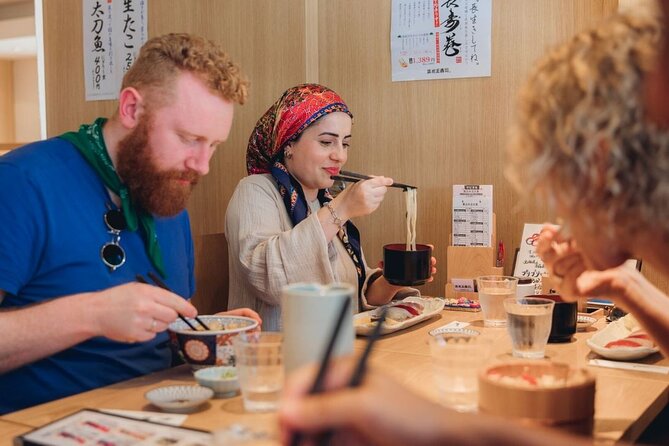
Monjayaki is not like a firm Western pancake. The ingredients are spread around the grill, mixed with a seasoned batter, and cooked until ready to eat with a small spatula. Cabbage is common, and the serving may include seafood such as shrimp or mussels. The texture is soft and slightly messy, which is part of the fun.
Your guide and the chef help explain how to cook it. You may get to work the grill yourself, listen to the mixture sizzle, and scrape up small bites as it cooks. This hands-on element gives the stop more character than simply receiving a prepared dish.
The food can be a surprise. One group found the monjayaki perfectly acceptable but quite modest, with cabbage and a few pieces of seafood. Another found the cooking process itself to be the highlight. I would come ready for a local specialty, not a large serving of meat or a polished restaurant meal.
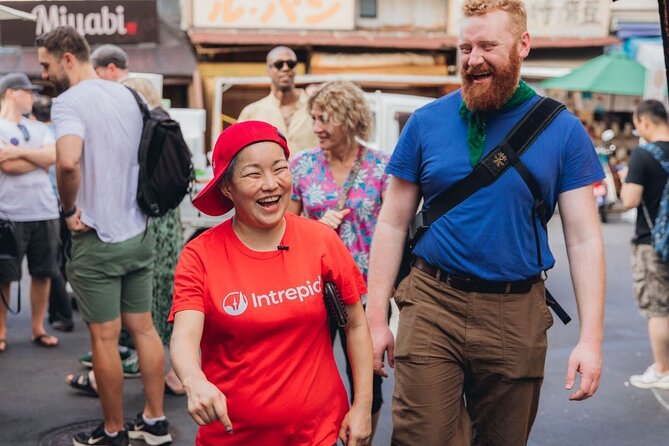
The guide’s role matters here. A good guide can explain why monjayaki is associated with Tokyo and help you understand what you are eating. Yuko has been singled out for explaining the food well and making the subway transfers easy. Guides such as Mizuki and Yuki have also been praised for their clear explanations and friendly manner.
The quality of the evening can vary with the guide. Some visitors have found the English difficult to follow or felt that too little cultural explanation was offered. For a food tour, that is a real weakness, since the context is nearly as important as the tasting.
Subway transfers and the walking between stops
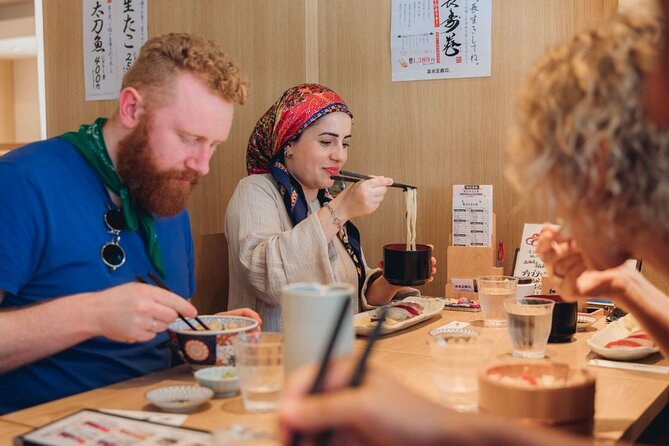
Two subway tickets are included, which is a practical benefit. Tokyo’s subway system is efficient but can be confusing, especially when you are moving through large stations with several lines and exits. Your guide handles the route, so you can concentrate on staying with the group and getting to the next food stop.
The evening includes a moderate amount of walking, and some people have found the pace brisk. Expect stairs, station corridors, street crossings, and walks between the subway and restaurants. Comfortable shoes are essential.
The route is not ideal for anyone who wants to sit for most of the night. One departure included a long walk before the first substantial food, and another was described as involving high-speed walking. The small group helps, but the guide may still need to keep everyone moving on schedule.
If you have limited mobility, ask before booking. The tour is near public transportation, and most people can participate, but the supplied information does not promise step-free access. The mention of stairs is worth taking seriously.
Other nights out in Tokyo:
- Shibuya Meltdown Nightlife Tour: All-You-Can-Drink Bar Hopping
★ 5.0 · 1,058 reviews - Tokyo: Pub Crawl and Bar Tour
★ 4.5 · 951 reviews - Tokyo: Shinjuku Local Bar & Izakaya Crawl Tour
★ 5.0 · 890 reviews - Tokyo: Shinjuku Bar Hopping with All-You-Can-Drink & Dinner
★ 4.9 · 440 reviews
Yurakucho Yakitori Alley after dark
The evening finishes at Yurakucho Sanchoku Inshokugai, also known as Yurakucho Farm to Table Dining Alley. This is the most atmospheric setting on the route. Small drinking places sit close together beneath the railway area, and office workers come by after work for grilled food and drinks.
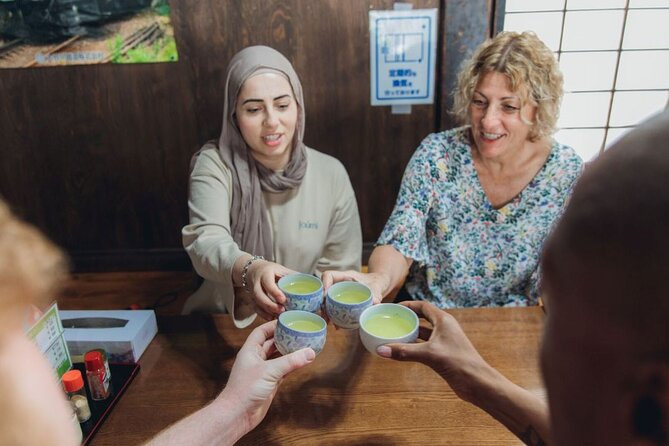
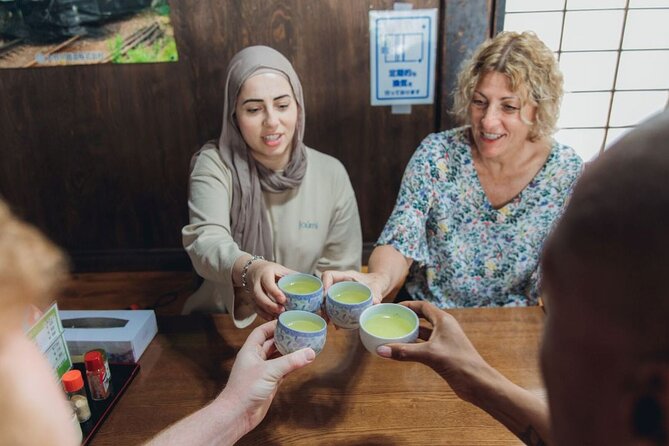
Here you can expect yakitori, the familiar Japanese dish of meat grilled on skewers. The pieces are coated with a tare sauce, and each place may use its own version. Two drinks are included during the tour, with sake, beer, or a soft drink among the possible choices. The distinctive sake pour described by one participant uses a small wooden box and an overflowing glass, making the drink itself part of the experience.
The food may include less familiar cuts. One person expected standard chicken skewers but received chicken cartilage instead. That is not necessarily a problem if you like trying local specialties, but it is useful to know before you arrive. If you prefer familiar cuts and mild flavors, ask the guide what is being served.
The yakitori stop has also produced mixed impressions about doneness and portion size. Some found the skewers excellent, while another felt the meat was undercooked. This is a small local-style venue, not a controlled restaurant experience with a broad menu.
That informality is also the point. You get a glimpse of after-work Tokyo in a compact neighborhood bar, with beer or sake and a plate of grilled food. The contrast with department-store Ginza is what gives the route its shape.
You can remain at the bar after the official tour ends if you want to continue the evening. The tour also finishes near Ginza Station, so you can make your own plans afterward without needing to find your way back from a distant suburb.
What the $122.33 price really buys
At $122.33 per person, this is not a cheap way to eat in Tokyo. You are paying for the guide, the small group, two subway tickets, two drinks, and access to local places that can be intimidating if you do not speak Japanese.
The food portions are the key question. This is a tasting walk, not an extensive dinner. You receive wagashi, monjayaki, yakitori, and small dishes or samples, but some people have still felt hungry by the end. Additional drinks cost extra.
I think the price is easiest to justify if you value guidance more than quantity. A strong English-speaking guide can explain how to use the grill, translate menus, introduce food customs, and lead you through Ginza, Tsukishima, and Yurakucho without the usual station confusion.
The price is harder to defend if you mainly want a large meal. You could spend much less on monjayaki and yakitori independently, although you would lose the structure, translation, and social side of the evening.
The tour is often booked about 52 days in advance, so popular dates may fill early. That is useful to know if your Tokyo schedule is fixed, but I would first decide if the food style suits you. Booking early does not solve the central question of whether you want small portions and unfamiliar cuts.
The guide can make or break the evening
The best reports of this experience focus on the guide. Yuko is noted for handling the underground system smoothly and explaining the food. Mizuki has been described as courteous and good company, while Yuki helped make the local dishes easier to understand. Shoehi has also been praised for a fun evening and good food.
Those details show what the tour can be at its best: a friendly introduction to Tokyo food customs, with someone translating the menu and helping you enter places you might pass by on your own.
But the range of guide experiences is wide. Some people have found the guide’s English too limited, or felt that the commentary about Tokyo and the food was thin. The group may also need to watch out for one another at crowded stations if the guide walks ahead too quickly.
This is not a criticism of every guide. It is a reminder that a walking food tour depends heavily on the person leading it. If cultural explanation is your main reason for booking, be realistic about that variation.
Who will enjoy this food walk most
I would recommend it to a first-time visitor who wants a structured first evening in Tokyo. The route gives you a taste of three neighborhoods, two subway rides, a local grill experience, and a lively final stop without requiring you to research restaurants in advance.
It also suits adventurous eaters. Monjayaki is soft and unusual, and the yakitori may include parts of the chicken you have not tried. The tour gives you a safe way to sample these foods with help nearby.
It is less suitable for strict vegetarians, vegans, or anyone avoiding gluten. The tour cannot provide those dietary options. It may also disappoint people seeking a large dinner, a slow restaurant crawl, or a highly polished explanation at every stop.
The minimum age is 12. Guests under 20 receive non-alcoholic drinks, since the legal drinking age in Tokyo is 20. Families with teenagers can still take part, but adults should understand that the drink experience will differ by age.
Practical tips for a smoother evening
Arrive at the Mitsukoshi Lion before 5 pm. The meeting point is in front of the statue facing Chuo Street, and the tour does not wait indefinitely.
Wear shoes that handle stairs and several city walks. You may be moving through subway stations, walking between neighborhoods, and standing or sitting in compact eating places.
Eat a light snack before starting if you need a full meal. Arriving hungry is sensible, but arriving extremely hungry may make the small early tasting feel frustrating.
Keep an open mind about texture and cuts. Monjayaki is not a firm pancake, and yakitori may include cartilage or other less familiar pieces. Ask the guide what is on the plate before taking a bite.
Use the guide’s recommendations for the rest of your stay. The experience includes suggestions about what to see, do, and eat in Tokyo, which can add value beyond the three-and-a-half-hour route.
The tour offers free cancellation up to 24 hours before the start time. Changes or cancellations inside that window are not accepted, and poor weather may lead to a different date or a full refund.
Should you book Tokyo After 5?
Book this tour if you want an easy, social introduction to Tokyo food and do not mind modest portions, subway travel, and a few surprises on the plate. The monjayaki cooking stop and the Yurakucho alley are the strongest reasons to go.
Skip it if you need vegetarian, vegan, or gluten-free food, or if you expect three full restaurant visits. The experience can be excellent with a guide such as Yuko, Yuki, or Mizuki, but the uneven reports about commentary and the occasional two-venue format mean you should book for the atmosphere and access, not a guaranteed feast.
FAQ
Where does the tour begin?
It begins in front of the Lion statue outside Mitsukoshi Ginza at 4-6-16 Ginza, Chuo City, Tokyo.
What time does the tour start?
The tour starts after 5 pm, with the meeting time set for 5 pm.
Where does the tour finish?
It finishes near Ginza Station at 4-1-2 Ginza, Chuo City, Tokyo.
How long does the tour last?
The experience lasts about three hours and 30 minutes.
How many people can join?
The maximum group size is eight people.
What food is included?
The included foods are wagashi, monjayaki, and yakitori, along with small local dishes or samples.
How many drinks are included?
Two local drinks are included. Options may include sake, beer, or a soft drink.
Are subway fares included?
Yes. Two subway tickets are included.
Can vegetarians, vegans, or people avoiding gluten join?
The tour does not offer vegetarian, vegan, or gluten-free options.
Can children join the tour?
The minimum age is 12. People under 20 are served non-alcoholic drinks because the legal drinking age in Tokyo is 20.
Just added in Tokyo
- Nikko: Edo Wonderland Edomura Cultural Theme Park Ticket★ 4.3 · 205 reviews
- 《MEMBERS-ONLY-BAR-HOPPING》Discover Your Special Whiskey in Tokyo!★ 5.0 · 29 reviews
- Japanese Whisky Hunting《HIGH-QUALITY-ONLY》Rare Tasting Class★ 5.0 · 20 reviews
- Luxury Tokyo Sake, Cocktail, Whisky and Pairing Tour★ 5.0 · 18 reviews
- Wagyu & Sake Pairing in Shinjuku – Steak, Shabu-Shabu & More★ 5.0 · 112 reviews
- Small-Group Wagyu Beef and 7 Japanese Dishes Tokyo Cooking Class★ 5.0 · 190 reviews
- From Tokyo: Private Tour to Fuji/Hakone – Onsen, Art, Nature★ 5.0 · 116 reviews
- Tokyo: KABUKI Show at Kabukiza Theatre Admission Ticket★ 4.8 · 152 reviews
Bar Hopping & Night Tours, compared.
Tokyo Bar Hopping Tour in Shinjuku (All-You-Can-Drink + Dinner)
Read our review →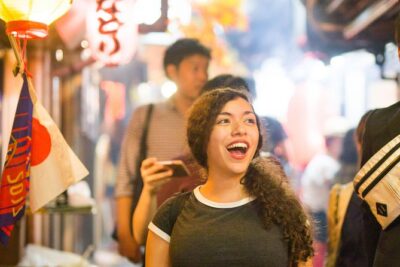
Best of Shinjuku: Izakaya Food Tour (4 Stops, 14+ Tastings)
Read our review →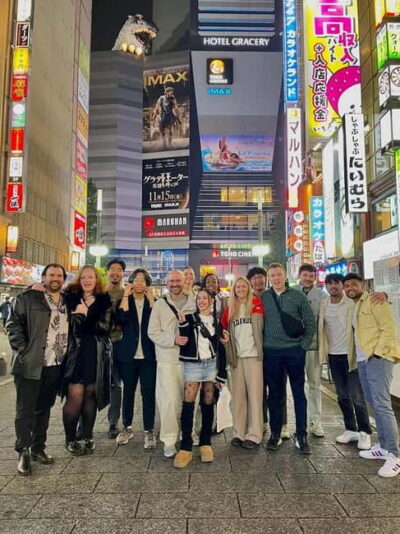
Shinjuku Local Bar and Izakaya Guided Walking Tour
Read our review →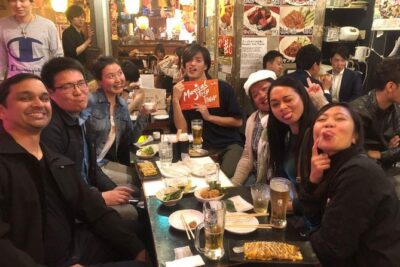
Shibuya Meltdown Nightlife Tour: All-You-Can-Drink Bar Hopping
Read our review →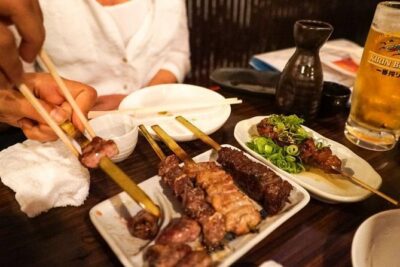
Osaka Bar Hopping Night Walking Tour in Namba (3 bars, 6 tastes)
Read our review →

Browse the lists this tour appears in