
Reviewed · SAKE TASTING
Kobe: 3-Hour Sake Breweries Tour with Special Tasting
Nada Gogo is where Kobe’s sake story becomes easy to understand: you walk between working brewery sites, compare old and modern methods, then taste the results. The best part is the three-brewery format, since no single producer can show you the full range of this famous sake district.
I like the clear connection between craft and flavor, especially when the guide explains how rice polishing affects quality. I also like the personal touch from guides such as Chiyuki, Kaito, Max, Atsuko, and Naoke, who have taught visitors Japanese sayings, local history, and the finer points of tasting. The main drawback is simple: this is a walking tour, and summer heat can make three hours tiring.
Key points to know before booking
- Three breweries in three hours: See different approaches to sake production instead of spending the whole tour at one large facility.
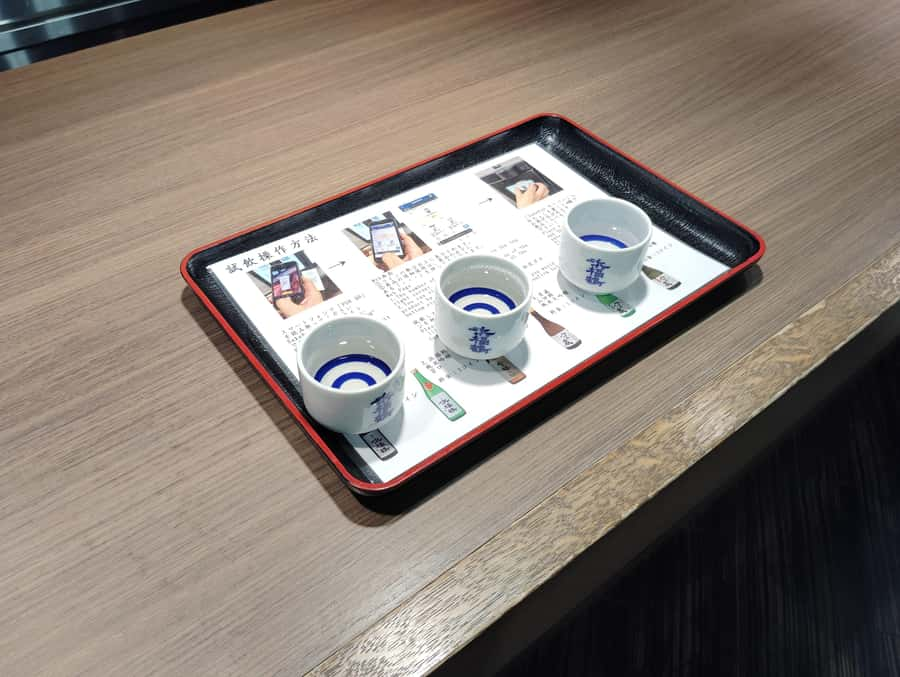
- Tastings are central: The price includes up to 1,000 yen per brewery toward tasting fees, giving you a chance to compare several sake styles.
- Nada Gogo has both old and new: You learn about traditional tools and methods as well as present-day brewing.
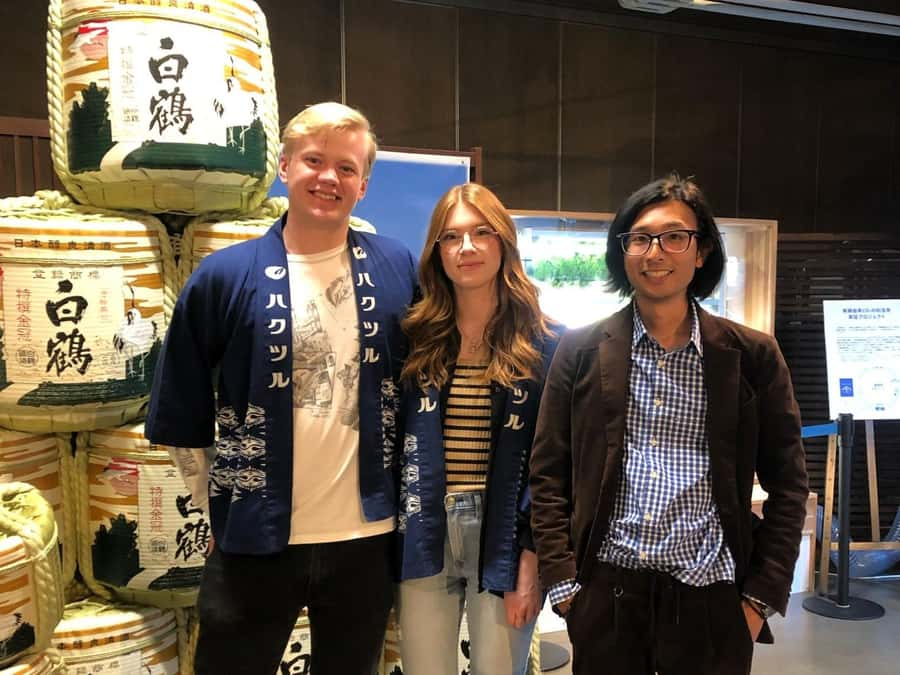
- Guides add real value: Chiyuki, Kaito, Max, Atsuko, and Naoke have all led tours praised for clear explanations, humor, and kindness.
- Expect to walk outdoors: The route connects breweries in the Nada Gogo area, so wear comfortable shoes and plan for weather.
- Meet at Uozaki Station: The guide waits in front of the Hanshin Uozaki Station ticket gate with a yellow DeepExperience sign.
Why Nada Gogo is a smart place to learn about sake
Sake can seem mysterious when you first encounter it. Bottles often carry unfamiliar labels, tasting terms vary, and the difference between one style and another is not always obvious. Nada Gogo gives you a useful setting because brewing is not an isolated restaurant activity here. It is tied to the identity of the district.
The tour takes place in Kobe, on Honshu, in one of Japan’s best-known sake-producing areas. You are not just sampling drinks in a bar. You are seeing the places where rice, water, yeast, time, and careful technique come together.
That context matters. Once you learn what happens during rice polishing and fermentation, a tasting becomes more than a series of small pours. You can begin to notice why one sake seems light and clean, while another tastes fuller, sweeter, or more layered.
The three-hour length is well judged for an introduction. You get enough time to see several producers and ask questions, but the schedule is not an all-day commitment. It also makes a useful half-day addition to a Kobe itinerary, particularly if you want something tied to local food and culture rather than another standard sightseeing stop.
Other tasting rooms and breweries in Kobe:
- KOBE Sake Tasting Tour at Breweries (tasting fee included)
★ 5.0 · 154 reviews - Kobe: Guided Sake Breweries Tour with Tastings
★ 5.0 · 55 reviews - Sake Brewery and Japanese Life Experience Tour in Kobe
★ 5.0 · 39 reviews
Meeting your guide at Hanshin Uozaki Station
Your starting point is in front of the Hanshin Uozaki Station ticket gate. Look for a yellow sign with the DeepExperience logo. This is worth noting because a busy station can be an awkward place to meet a guide, especially if you are arriving from another part of Kobe.
The activity ends back at the same meeting point. That makes the tour easier to fit around other plans, since you are not left at an unfamiliar brewery or expected to work out a separate return route.
The tour is offered in English and Japanese. Guides have included Chiyuki, Kaito, Max, Atsuko, and Naoke. You should not assume a particular guide will lead your departure, but the range of names gives you a sense of the experience: this is a person-led tour, not simply a self-guided walk with tasting tickets.
That distinction matters. Brewery displays can show you tools and production notes, but a guide can explain what you are looking at, translate unfamiliar terms, and adjust the amount of detail to your interest. Chiyuki, for example, has explained both traditional and current production, while Kaito has used small note cards to teach Japanese sayings and historical points.
The first brewery: getting the basic sake process straight
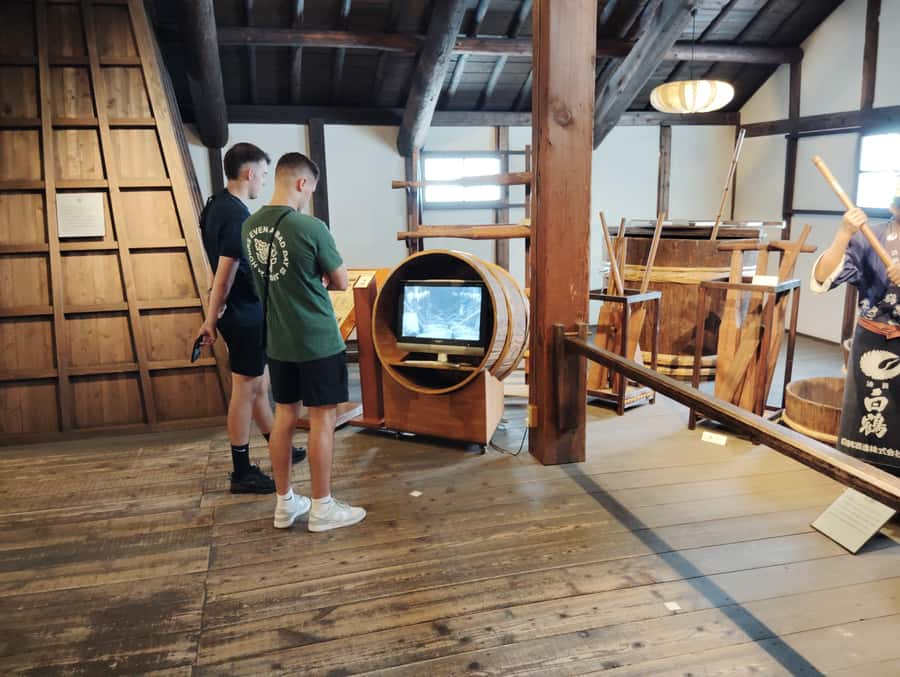
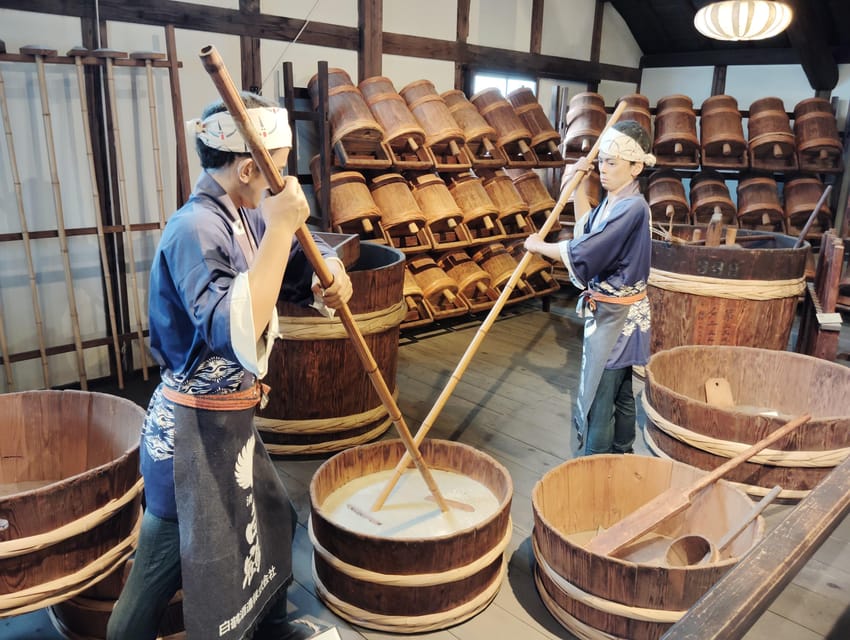
The first stop gives you the foundation you need for the rest of the tour. You learn how rice is selected, polished, prepared, and fermented. The guide can then point out how earlier brewing methods differ from the systems used today.
Rice polishing is one of the most useful subjects to hear about before tasting. The outer part of a rice grain contains elements that can affect the final drink, so the amount polished away helps shape the sake’s character and quality. You do not need to memorize technical classifications to benefit from this lesson. You simply gain a practical way to connect production choices with what reaches your glass.
The old methods are part of the appeal. Traditional facilities and equipment help show how much physical care once went into each stage of brewing. Modern systems, meanwhile, show how producers maintain control and consistency while continuing a long local practice.
Do not expect every brewery to operate like a fully active factory during your visit. The supplied details describe traditional facilities, modern methods, and artisans at work in at least some settings, but exact working conditions can vary. The value is in seeing how the process is presented and explained, not in expecting a full production show at every stop.
Comparing three producers instead of tasting one brand
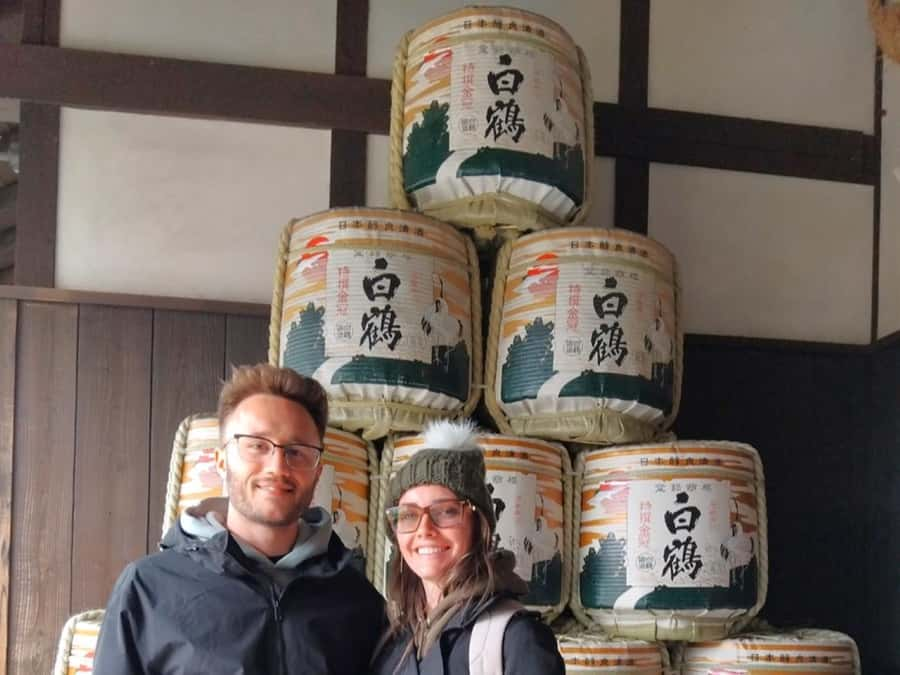
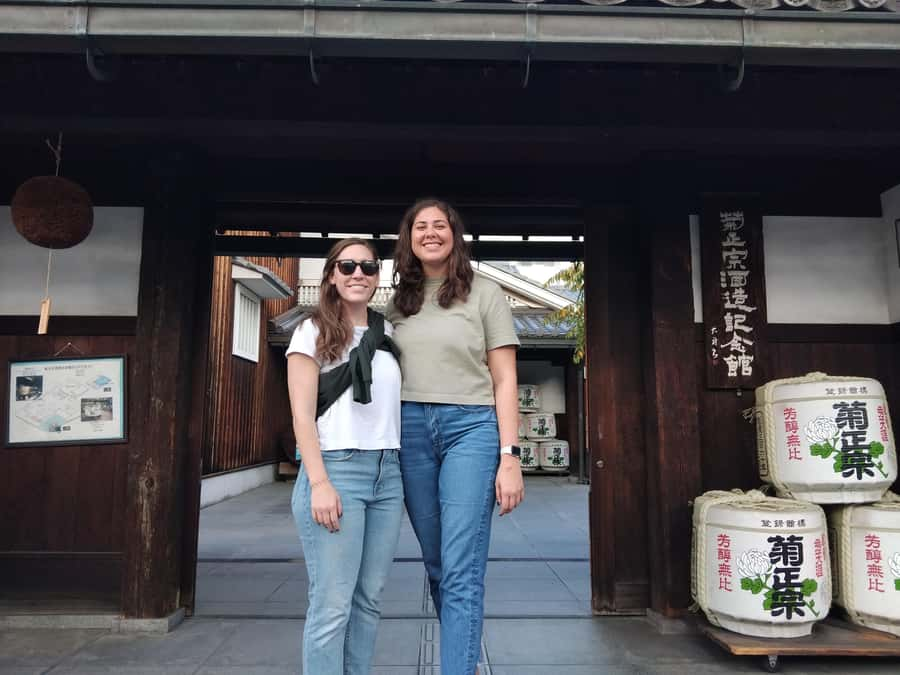
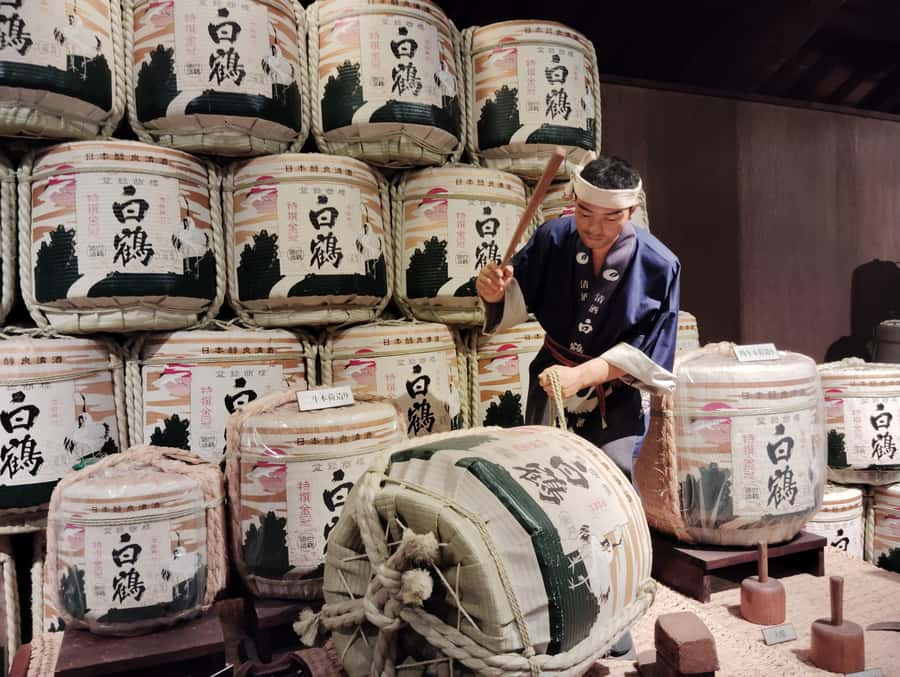
The tour’s strongest feature is the contrast between three breweries. Stops have included Hakutsuru, Kikumasamune, and Hamafukutsuru, with one account specifically praising the chance to visit both a large Hakutsuru brewery and smaller local producers whose sake may not be easy to find in shops.
That contrast gives you a better sense of Nada Gogo than a single-brand visit. A major producer can show how sake is made on a larger scale, while a smaller brewery can offer a more local feel and products with a narrower distribution.
At Kikumasamune, Hamafukutsuru, and Hakutsuru, the focus may differ from one stop to the next. One location might put more attention on historic tools, another on production technology, and another on tasting or retail. The exact order is not specified, so you should treat the three names as examples of the breweries visited rather than a guaranteed sequence.
This variety is also why a guide earns the fee. Without help, you might notice that the buildings or bottles look different, but miss the reasons behind those differences. A good guide connects each stop to the larger story of Nada Gogo and keeps the walk moving at a sensible pace.
Same base, a different sort of day:
- Kobe Highlights & Hidden Gems: Private & Custom Tour with a Guide
★ 4.5 · 70 reviews - Kobe 4hr Private Tour with Government-Licensed Guide
★ 5.0 · 59 reviews - Nijigen No Mori:Naruto & Boruto Theme Park Entry Ticket
★ 4.5 · 53 reviews - Kobe: Port Tower Admission Ticket
★ 4.4 · 52 reviews
What the sake tasting is really like
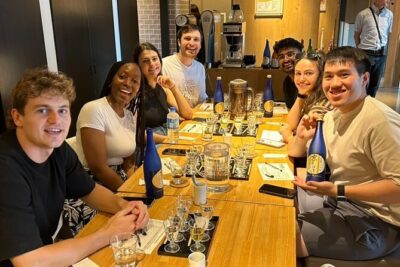
Tasting is included at each brewery, with up to 1,000 yen per brewery covered for tasting fees. Over three stops, that gives you a useful allowance to sample a broad selection rather than paying separately for every small pour.
The tastings are meant for comparison. You may try different styles and see how the same basic drink can vary in aroma, sweetness, weight, and finish. The point is not simply to consume as much as possible. It is to pay attention to how rice polishing, fermentation, and brewery choices affect the result.
This is where the earlier explanations pay off. After hearing about the production process, you can ask better questions. Is this bottle made with more highly polished rice? Why does this one taste drier? What makes a local product different from a widely distributed brand?
The guide can also help if sake vocabulary is new to you. Several guides have been praised for explaining technical points in an approachable way, with just enough detail to keep the tasting interesting rather than turning it into a lecture.
You should pace yourself. The tour includes tastings at three breweries, and the walking continues between them. Treat the samples as a learning tool, drink responsibly, and remember that the tour lasts three hours.
A walking route, not a bus tour
This experience is built around walking between breweries. That is a strength if you want to feel the shape of the sake district and see how the stops relate to one another. It is less appealing if you hoped to sit indoors for the whole afternoon.
Weather matters. One group walked in temperatures of 37 degrees Celsius and found the route physically demanding, even though the guide kept morale high and bought ice cream to help with the heat. That is a useful warning for summer visits. Comfortable shoes, water, a hat, and light clothing will make a real difference.
The route can also be more enjoyable in cooler weather, when the walk itself is less of a challenge. Since the activity is only three hours, you are not committing to a full day on foot, but you should still plan for outdoor movement.
The pace has been described as brisk but manageable. The guide needs to keep three brewery visits on schedule, so this is not a slow, unstructured stroll. If you have mobility concerns, contact the provider before booking, since the supplied information does not give route or accessibility details.
The human side of the experience
The strongest pattern among the guide comments is not just subject knowledge. It is the way the guides adapt to the people in front of them.
Kaito has used note cards and shared Japanese expressions alongside sake history. Chiyuki has been praised for keeping the tour well paced, explaining production clearly, and adding information about the surrounding area. Max has focused on the history of sake in a friendly way. Atsuko kept the mood light during a difficult hot-weather walk, and Naoke was described as kind and able to explain points in another way when needed.
One especially thoughtful detail came from Kaito, who gave medicine to a participant whose daughter was ill and could not attend. You should not book this tour expecting personal gifts or special favors, but the story reflects the kind of attentive, human guiding that can make a small cultural tour feel less mechanical.
The tour can also work well for mixed-interest groups. A 22-year-old son joined one family, while other participants came mainly for Japanese culture and food. You do not need to be a sake specialist. Curiosity is enough.
Is $94 a fair price?
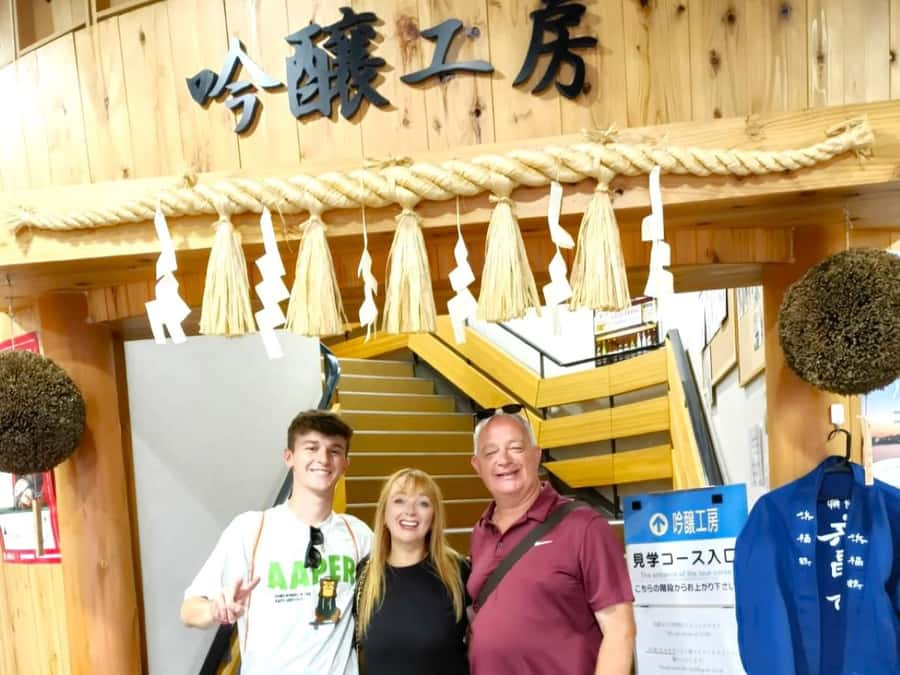
At $94 per person, this is not the cheapest way to sample sake. You could buy bottles or tasting pours on your own for less, depending on where you go. The price makes more sense when you count the guide, the visit to three breweries, the interpretation in English or Japanese, and the tasting allowance of up to 1,000 yen per brewery.
The real value is the comparison. A self-guided visit might give you one producer and a few labels, but it would be harder to understand why the drinks differ or how the local industry developed. Here, you get a connected explanation across three stops.
The price is especially reasonable if you are already interested in Japanese food, fermentation, or craft production. It is less compelling if you dislike alcohol, do not want to walk outdoors, or prefer a quick tasting with little explanation.
You can reserve now and pay later, which helps if your Kobe schedule is still shifting. Cancellation is allowed up to 24 hours before the activity for a full refund. Those terms are useful, but the more important decision is whether the format suits you: three breweries, tastings, walking, and a guide-led lesson in sake.
Who should book this Nada Gogo tour?
I would choose this tour if you want to understand sake rather than simply drink it. It suits first-time tasters, food-focused visitors, and anyone who wants a local activity with a clear connection to Kobe’s identity.
It is also a good choice for couples, families with adult children, and small groups with mixed levels of interest. A strong guide can explain the basics without making experienced drinkers feel ignored, while the three-brewery format gives enthusiasts enough variety to stay engaged.
I would think twice if you need a seated activity, dislike walking in heat, or want guaranteed access to a specific brewery or guide. The names of the stops and the guide may vary, and the experience depends partly on weather and the day’s operating conditions.
FAQ
Where does the sake brewery tour begin?
Meet your guide in front of the Hanshin Uozaki Station ticket gate. The guide will hold a yellow sign with the DeepExperience logo.
Where does the tour end?
The activity ends back at the same meeting point at Hanshin Uozaki Station.
How long does the tour last?
The tour lasts three hours.
Which languages are available?
The experience is offered in English and Japanese.
Are tasting fees included?
Up to 1,000 yen per brewery is included for tasting fees. Since the tour visits three breweries, this allowance may apply at each stop.
Can I cancel for a full refund?
Yes. You can cancel up to 24 hours in advance for a full refund. You can also reserve and pay later.
Should you book it?
Book this tour if you want a clear, guided introduction to Nada Gogo and prefer comparing three breweries over visiting one on your own. The combination of production lessons, local history, tastings, and personal guidance gives the $94 price a fair case.
Go prepared to walk, especially in warm weather, and do not expect a quiet seated tasting from start to finish. If you arrive with comfortable shoes and an open mind, this is one of the better ways to connect the sake in your glass with the people, places, and methods behind it.
Just added in Kobe
- Exploring Nada Sake Breweries Kobe Private Tour with Government-Licensed Guide★ 5.0 · 17 reviews
- Cruise Stop-Over: Private Custom Day trip to Kyoto from Kobe Port★ 4.5 · 12 reviews
- Next-Generation Local Guide: Private Kobe Tour★ 5.0 · 39 reviews
- Private Shore Excursion Kobe Port – Best of Kobe with a local★ 5.0 · 19 reviews
- Sake Brewery and Japanese Life Experience Tour in Kobe★ 5.0 · 39 reviews
- Shore excursion: Full Day Private Kyoto Tour From Osaka/Kobe Port★ 4.5 · 36 reviews
- Kobe : Private Custom Tour (Excursion to Osaka / Kyoto possible)★ 4.5 · 12 reviews
- Kyoto Full Day Tour from Kobe with Licensed Guide and Vehicle★ 4.5 · 19 reviews
Sake Tasting, compared.
Kyoto Night Foodie Tour in Gion (9+ dishes + 6 Sake tastings)
Read our review →
1-Day Snow Monkeys, Zenko-ji Temple & Sake in Nagano
Read our review →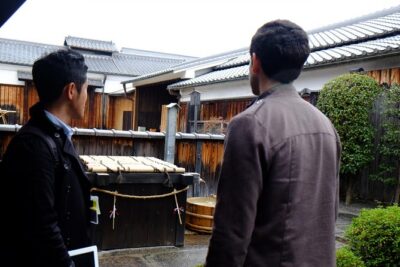
3-Hour Kyoto Insider Sake Brewery Tour with Tastings & Pairings
Read our review →
Arashiyama Bamboo, Temple, Monkeys, or Secret Sake Brewery
Read our review →
Insider Sake Brewery Tour with Sake and Food Pairing
Read our review →
1.5-Hour Kyoto Insider Sake Experience with 7 Tastings & Pairings
Read our review →Browse the lists this tour appears in