
Reviewed · SAKE TASTING
Kyoto: Beyond the Insider Sake Tasting Experience
Kyoto’s Beyond the Insider Sake Tasting puts ten unusual sakes in front of you, including bottles made with ancient brewing methods, special microorganisms, and local wood. These are not simply ten versions of the same drink. Each shows how much the brewing process can change sake’s flavor.
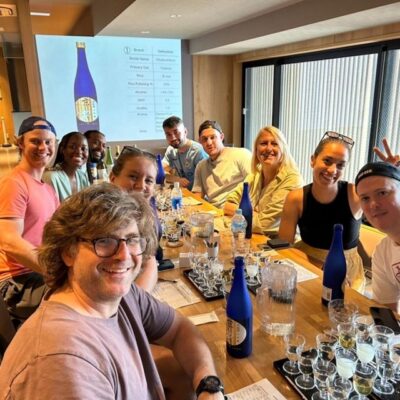
I like the private tasting room and the clear teaching approach. You get a certified sake sommelier in an English-language setting, plus tasting notes to help you keep track. The session also works for beginners, so you do not need to know the difference between sake categories before arriving.
The main drawback is that food pairing is not included, which limits the tasting to the drinks themselves. You must also arrive on time: more than ten minutes late means cancellation, with no refund. Anyone arriving by car or bicycle will not be served alcohol.
Key points worth knowing
- Ten uncommon sake varieties: Taste bottles rarely found outside Japan, with each selection linked to a different brewing idea.
- Ancient and modern methods: Compare sake made with older techniques alongside newer approaches involving microorganisms.
- Local wood in the brew: One style uses regional wood to create a flavor tied to its place of production.
- Private tasting room: The dedicated setting keeps the session focused and avoids the noise of a busy bar.
- Certified English-speaking guide: Your sommelier explains ingredients, production, and sake categories in a way beginners can follow.
- Strict arrival and drinking rules: Arrive early, do not cycle or drive, and remember that Japan’s legal drinking age is 20.
What makes this Kyoto sake session different

Many sake tastings introduce the basic categories and give you a broad first look at Japan’s national drink. This session goes a step further. Its purpose is to show how makers create very different results by changing the method, ingredients, or relationship with local materials.
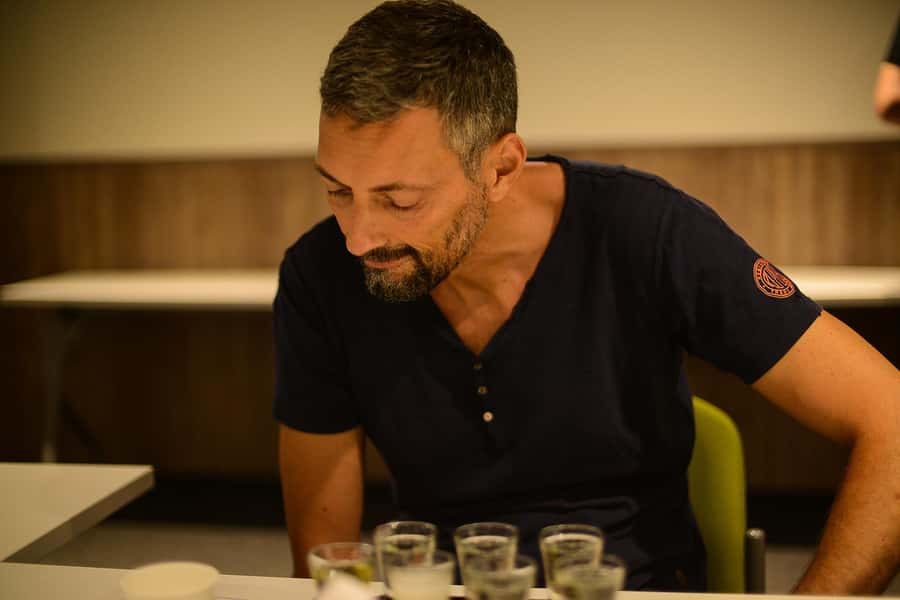
You will taste ten varieties selected by a sake sommelier. The point is not just to count ten pours. It is to notice the range of flavors that can come from rice, water, yeast, microorganisms, wood, aging methods, and production choices.
That makes this a good second step for someone who has already taken a basic sake course. It also works as a first lesson because the session still covers the essentials. You are not expected to arrive with a working knowledge of sake.
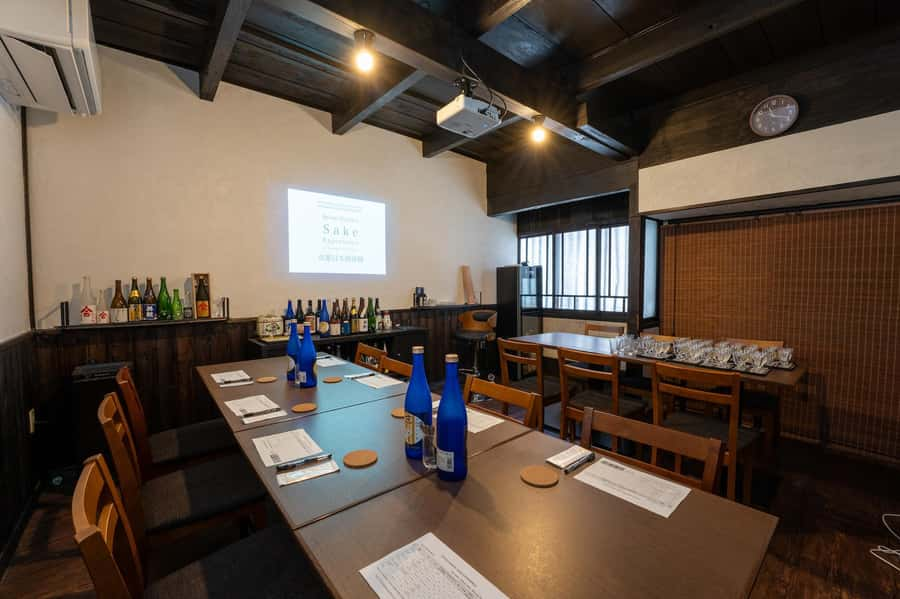
The experience is held in a dedicated private tasting room. That matters more than it may sound. Sake has small differences that can be hard to notice in a loud restaurant or crowded bar. A quieter room gives you a better chance to listen, compare, and ask questions.
Other tasting rooms and breweries in Kyoto:
- Kyoto Night Foodie Tour in Gion (9+ dishes + 6 Sake tastings)
★ 5.0 · 1,762 reviews - 3-Hour Kyoto Insider Sake Brewery Tour with Tastings & Pairings
★ 5.0 · 917 reviews - Arashiyama Bamboo, Temple, Monkeys, or Secret Sake Brewery
★ 4.8 · 886 reviews
Starting with sake’s basic building blocks
The session includes an explanation of important ingredients and the basic production process. This gives you a frame for everything that follows.
You will also learn about sake categories. The supplied information does not specify the exact order of the presentation, so you should think of this as a guided tasting class rather than a fixed sightseeing itinerary. There are no brewery visits or transport stops included. The main event is the explanation and comparison of the ten pours.
For a beginner, this opening section keeps the tasting from becoming a blur of unfamiliar Japanese names. You can learn what makes one sake dry or fragrant, and then listen for those traits in the glass. For an experienced drinker, the basic section may feel familiar, but it sets up the unusual styles that follow.
I appreciate this approach because sake labels can be confusing even after you have tasted a few bottles. A short explanation of production helps you understand why two drinks made from the same broad ingredient can taste so different.
Tasting ancient brewing methods
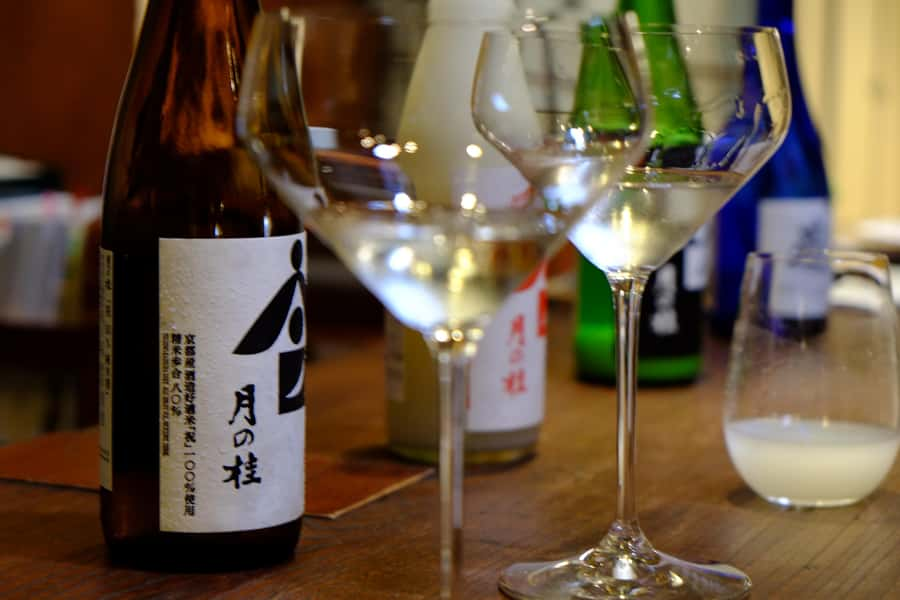
One of the most interesting parts is the chance to taste sake made with methods different from modern production. The precise historical techniques and bottle names are not provided, so I would not book this expecting a formal history lesson on a particular brewery.
What you can expect is a direct taste of older ideas in sake making. That gives the session a useful purpose: you are not only hearing that sake has changed over time, you are sampling the results.
This style of tasting suits curious drinkers who want more than the standard polished sake often found on export shelves. It may also appeal to experienced drinkers who have already formed strong preferences. An unusual method can challenge the idea that you know what all sake will taste like.
The practical benefit is comparison. One unfamiliar bottle on its own can be hard to judge. Ten selections, explained by a sommelier, give you a better sense of how production choices affect the final drink.
Meeting sake made with microorganisms and local wood
The session also introduces a newer type of sake that uses the characteristics of microorganisms. This is one of the clearest signs that the tasting is about experimentation as much as tradition.
The phrase can sound technical, but the value is simple: you get to taste how living organisms can shape a beverage. Your guide can connect the production method with what you notice in the glass, making the science useful rather than abstract.
Another selection uses local wood during brewing and has a flavor linked to its region. That gives you a sense of place without adding a separate sightseeing stop. You are tasting a local material as part of the sake itself.
This is an especially good feature for visitors who want a connection to Kyoto and Japan beyond famous temples and standard food tours. The local wood does not turn the session into a regional tour, but it adds a physical link between the drink and its origin.
The exact flavors will depend on the ten bottles selected for your session. You should expect differences, not a set menu that is identical every time. The important promise is the range of production ideas, not one particular brand.
Same base, a different sort of day:
- PERFECT KYOTO 1-Day Bus Tour
★ 5.0 · 13,518 reviews - Kyoto: Fushimi Inari, Kinkakuji, Bamboo Grove 1 Day Bus Tour
★ 4.8 · 4,316 reviews - Kyoto: Tea Ceremony in a Traditional Tea House in Kiyomizu
★ 4.9 · 3,519 reviews - Kyoto Geisha Walking Tour: Gion District & Hidden Gems
★ 4.7 · 3,273 reviews
How the sommelier-led teaching works
Your guide is a certified sake sommelier, and the activity is offered in English. That combination is important if you want more than a series of unconnected samples.
A good tasting guide does three jobs. First, the guide explains what you are drinking. Second, the guide gives you a way to compare it with the next sample. Third, the guide helps you put your own reaction into words, even if your sake vocabulary is limited.
The supplied comments highlight the guide’s clear explanations, friendly manner, and broad range of sake. That matches the design of the experience: the teaching is a major part of the value, not a brief introduction before the drinks arrive.
I would still keep your expectations realistic. The guide’s name is not provided, and the experience details do not promise a particular instructor. You are booking the certified sommelier format rather than a named personality.
You receive a tasting note as part of the session. Use it during the tasting rather than leaving it in your bag. Writing down which styles you prefer can help later when you visit a sake shop or order sake with dinner.
Why the private room matters
A dedicated private tasting room creates a more focused setting than a normal bar. You can pay attention to the explanation, examine the differences between pours, and ask questions without competing with general restaurant noise.
It also gives the session a classroom feel. That will appeal to you if you enjoy learning through comparison and discussion. If you prefer a loose night out with food, music, and casual drinking, this may feel more structured than you want.
The private room does not mean the activity includes a private vehicle, hotel pickup, or special sightseeing access. Transportation to and from attractions is not included, and the activity ends back at the meeting point.
Plan your route before you go. The ten-minute late rule is strict, and the booking is canceled if you arrive more than ten minutes after the start time. I would allow extra time for finding the meeting point, especially if you are coming from another part of Kyoto.
Ten pours, but no food pairing
The tasting includes ten kinds of sake selected by the sommelier. That is a substantial range for a $66 per person activity, particularly because the focus is on unusual styles rather than a quick sample of three or four familiar bottles.
There is no food pairing. This is the clearest limitation for anyone hoping to match sake with Kyoto cuisine. You will need to arrange food separately, either before or after the session.
The lack of food has one advantage: you can concentrate on the sake itself. A meal can be enjoyable, but strong flavors may distract from subtle differences between bottles. If your main goal is to learn about brewing methods, the drink-only format keeps the subject clear.
I would plan a separate meal rather than treating this as dinner. That also gives you a chance to apply what you learned by ordering a sake with food later in the evening.
The ten samples may feel generous, but pace yourself. The experience is educational, not a race to finish every pour. If you are new to sake, take notes and pay attention to how your preferences change as the styles become less familiar.
Is $66 per person good value?
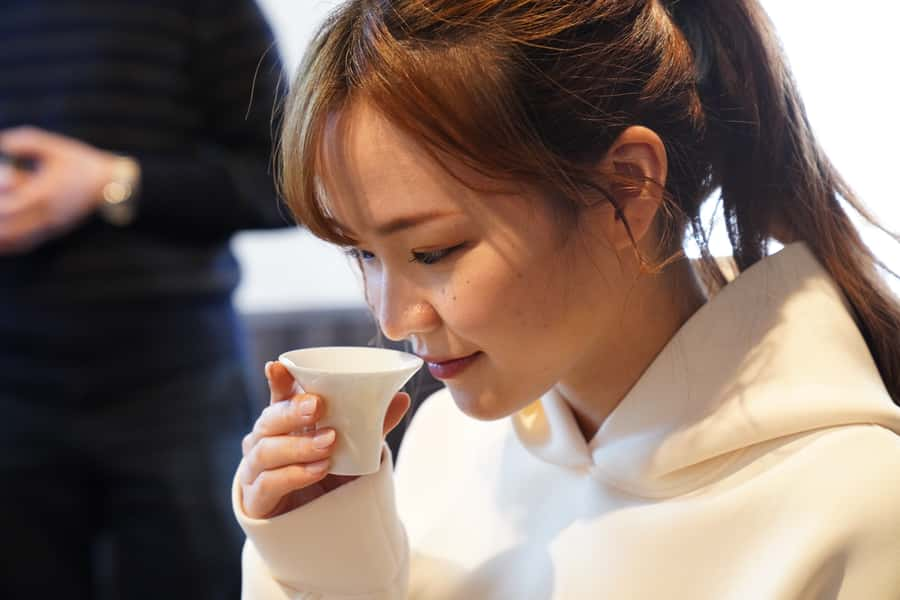
At $66 per person, the price is fair for a specialist tasting with ten selections, a certified sommelier, a private room, and tasting notes. You are paying for access to unusual sake and for an expert explanation that would be difficult to recreate by ordering random bottles on your own.
The value is strongest if you care about the production process. Ancient methods, microorganism-based brewing, and local wood are specific subjects, not general sightseeing filler. You are getting a focused lesson in how sake can be made.
The value is weaker if you mainly want a cheap evening of drinks. Food is not included, transportation is not included, and the session is built around learning. Someone looking for a lively dinner or a broad Kyoto night tour should compare other options.
I also see good value for a visitor who has taken the basic sake experience. The advanced focus gives you a reason to return instead of repeating an introductory lesson. Several strong comments point to the beginner course as a useful starting place before taking this more unusual session.
Who should book this experience?

I would recommend it to you if you fit one of these descriptions:
- You are new to sake but want a proper introduction rather than a casual drink at a restaurant.
- You already enjoy sake and want bottles that are not commonly sold overseas.
- You are curious about traditional production and newer brewing experiments.
- You value a private, quiet setting with time for questions.
- You want an English-language guide who can explain both basic categories and unusual techniques.
- You are planning a separate meal and do not need the tasting to include food.
I would be more cautious if you dislike structured tastings, do not want to take notes, or expect a brewery tour. This is a seated tasting and explanation in Kyoto, not a transport-based excursion.
It is also not suitable for children under three, pregnant women, or people under 19 according to the supplied restrictions. Japan’s legal drinking age is 20, and anyone under 20 will receive only non-alcoholic drinks. Anyone arriving by car or bicycle will also receive no alcohol, with no refund if that prevents participation.
Practical planning for your Kyoto visit
The activity starts and ends at the Kyoto Insider Sake Experience meeting point. There is no hotel pickup or drop-off, so you need to make your own way there and back.
Book only for people who will actually attend. Unreserved companions, including children and non-drinkers, are not allowed to join. That rule matters if you are traveling with a mixed-age group or someone who plans to skip the alcohol.
Arrive early. The ten-minute cancellation rule leaves little room for getting lost, finding a station exit, or stopping for a photo. I would treat the start time as a firm appointment rather than a flexible meeting window.
The experience is conducted in English. If you want a tasting that explains the drink as well as serves it, that removes a common problem in overseas sake sampling, where you may get a glass but little context.
Cancellation is allowed up to seven days in advance for a full refund. That is useful if your Kyoto schedule is still changing, but it also means you should avoid booking this as a last-minute placeholder.
Should you book Beyond the Insider Sake Tasting?
Book it if you want to understand why sake tastes different, not simply drink a few popular bottles. The ten selections, private room, certified sommelier, and unusual production methods make this a focused and worthwhile choice for serious curiosity.
If you are a complete beginner, you can still enjoy it because the basics are included. If possible, take the basic sake course first, then use this session as the next step. That will make the ancient methods, microorganisms, and local wood easier to place.
Skip it if you need food included, want transportation, or prefer a relaxed bar night. For the right drinker, though, $66 buys more than ten samples. It buys a clear explanation of sake’s range, plus a chance to taste styles you are unlikely to find at home.
FAQ
How many kinds of sake are included?
The experience includes 10 kinds of sake selected by a certified sake sommelier.
Is this suitable for someone new to sake?
Yes. The session covers the basics of sake production and sake categories, so you do not need previous sake experience.
What unusual sake styles are included?
The tasting may include sake made with ancient methods, a newer type that uses the characteristics of microorganisms, and sake made using local wood.
Is the guide certified?
Yes. The guide is a certified sake sommelier.
Is the experience offered in English?
Yes. English is the listed language for the experience.
Is food included?
No. Food pairing is not included.
Does transportation come with the booking?
No. Transportation to and from attractions, as well as hotel pickup and drop-off, is not included.
Can people under 20 drink sake?
No. Japan’s legal drinking age is 20. Customers under 20 will be served only non-alcoholic drinks.
What happens if I arrive more than 10 minutes late?
Your booking will be canceled if you are more than 10 minutes late.
Can I attend if I arrive by car or bicycle?
You may attend, but alcohol will not be served for safety and legal reasons. Non-alcoholic drinks are available, and there is no refund if you cannot take part in the sake tasting.
Just added in Kyoto
- Private Cooking Class Udon in Kyoto Japan★ 5.0 · 23 reviews
- Your Private Vacation Photography Session In Kyoto★ 5.0 · 110 reviews
- Kyoto: Zen Meditation at a Private Temple with a Monk★ 5.0 · 25 reviews
- Private Pewter Sake Cup Experience with a Kyoto Artisan★ 5.0 · 31 reviews
- Kyoto Wagashi(Japanese sweets) Cooking Class near Fushimiinari★ 5.0 · 60 reviews
- Kyoto:Family-Friendly Kimono & Yukata Experience at WARGO★ 5.0 · 147 reviews
- Private Guided Traditional Buddhist Cooking in Japan★ 5.0 · 16 reviews
- Kyoto: Gion Geisha District & Sake-in-Hand Walking Tour★ 5.0 · 37 reviews
Sake Tasting, compared.
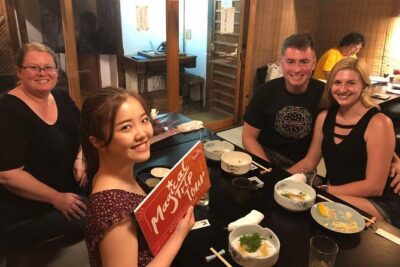
Kyoto Night Foodie Tour in Gion (9+ dishes + 6 Sake tastings)
Read our review →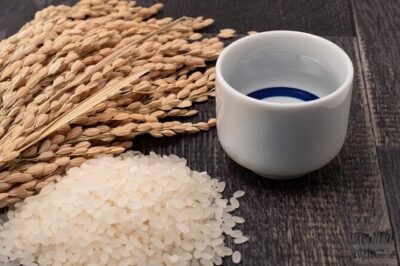
1-Day Snow Monkeys, Zenko-ji Temple & Sake in Nagano
Read our review →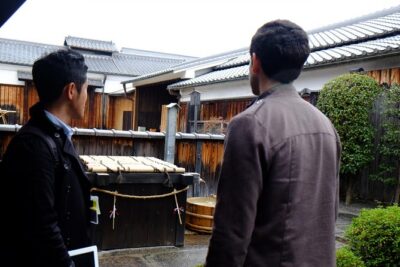
3-Hour Kyoto Insider Sake Brewery Tour with Tastings & Pairings
Read our review →
Arashiyama Bamboo, Temple, Monkeys, or Secret Sake Brewery
Read our review →
Insider Sake Brewery Tour with Sake and Food Pairing
Read our review →
1.5-Hour Kyoto Insider Sake Experience with 7 Tastings & Pairings
Read our review →Browse the lists this tour appears in