
Reviewed · CYCLING TOURS
Kyoto: Early Bird E-Bike Tour with Lunch
Kyoto’s famous shrines are much easier to appreciate before the tour buses arrive. This early-morning e-bike ride gets you to Fushimi Inari while the torii gates are still relatively calm, then links the city’s eastern sights by bike instead of making you depend on crowded trains and long walks.
I like the small group of eight and the thoughtful food stops. A local café break gives the morning a human touch, while lunch lets you sit down before the final ride through Gion. The main consideration is simple: seven hours on a bike is a long day, even with electric assistance, and this tour is not suitable if you cannot ride comfortably or have back problems.
Key points at a glance
- Fushimi Inari before the crowds: Start with Kyoto’s most famous torii gates at a time when the shrine is generally calmer.
- One ride, many districts: Cover Fushimi, the Kamo River, northern Higashiyama, Gion, and central Kyoto without changing trains.
- Coffee and a proper lunch: The included food stops make this more than a sightseeing sprint.
- Electric bikes matter: The motor helps with Kyoto’s longer distances and uphill sections, but you still need basic cycling ability.
- Small-group guiding: With no more than eight participants, it is easier to ask questions and adjust the pace.
- A full seven-hour day: You see a great deal, but you should arrive rested and dressed for changing weather.
Why an early e-bike start works in Kyoto
Kyoto’s major sights are spread across the city. Fushimi Inari is in the southeast, Ginkakuji and the Path of Philosophy are in the east, and Gion sits between the temple districts and the city center. On foot, connecting these places takes much of a day. By public transport, you often need a mix of trains, buses, and walking.
The bicycle solves that problem neatly. You move through ordinary streets, along the Kamo River, beside the Shirakawa Canal, and between major temples. You also get a better sense of how Kyoto’s neighborhoods fit together. The electric motor is useful because the route includes longer stretches and some uphill riding. One guide-led account specifically recommends choosing an e-bike because of the climbs.
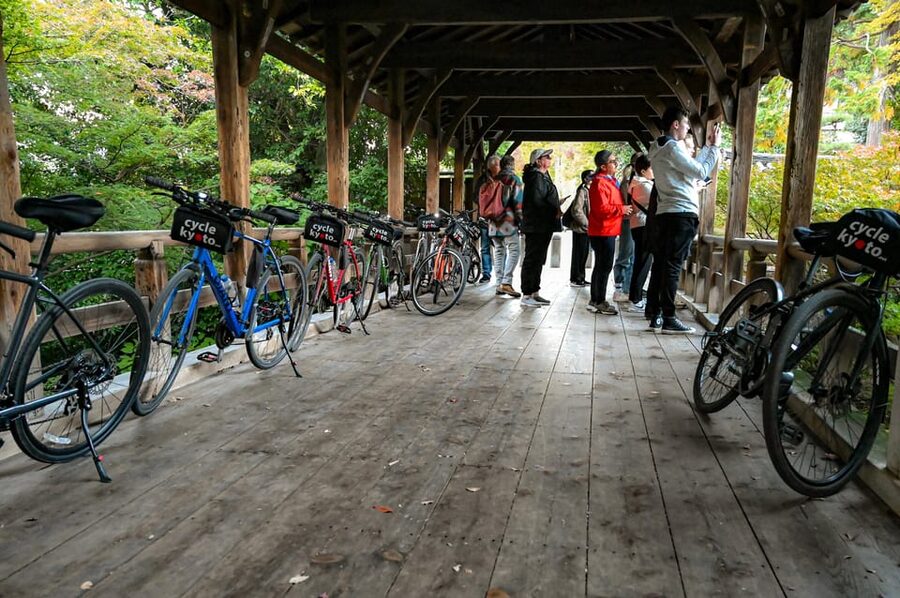
The group meets at Cycle Kyoto near JR Kyoto Station. From the station, walk past Avanti, cross at the traffic lights, pass the Daily Yamazaki convenience store, and take the next left. Arrive 15 minutes early so you have time for the safety briefing and bike setup rather than beginning the day in a rush.
The tour is conducted in English. Guides named Julian, Indra, Karl, and Carl have led this experience, and the strongest praise centers on their enthusiasm, clear explanations, and willingness to allow extra time for photos or a coffee break. Your guide will make the day, so it is worth asking questions as you ride.
Other cycling tours in Kyoto people book:
- Bike Tour Exploring North Kyoto plus Lunch
★ 5.0 · 1,087 reviews - Arashiyama Bamboo Forest & Hidden Gems Bike Tour (Early Bird)
★ 5.0 · 613 reviews - 5 Top Highlights of Kyoto Full Day Bike Tour (E-bike option)
★ 5.0 · 511 reviews
Fushimi Inari before the morning rush
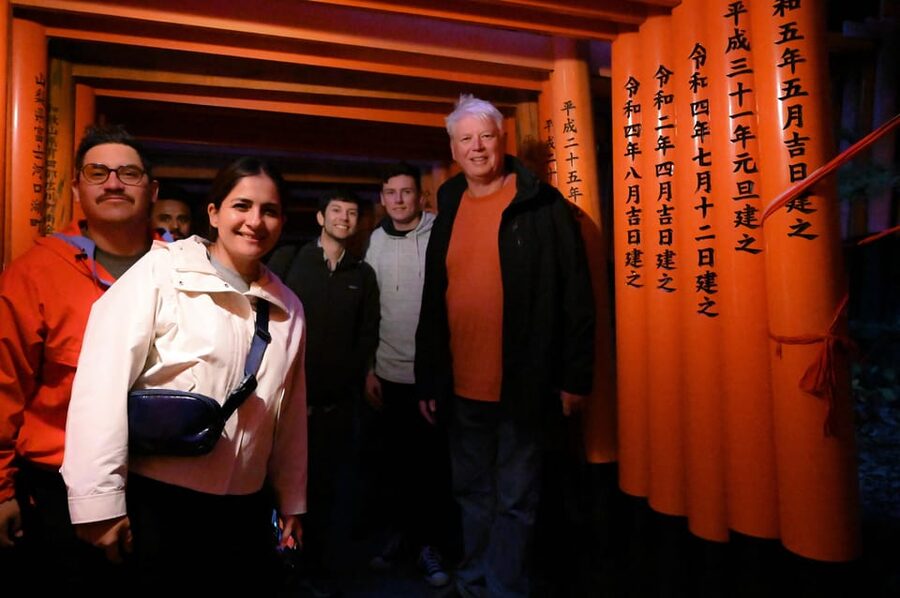
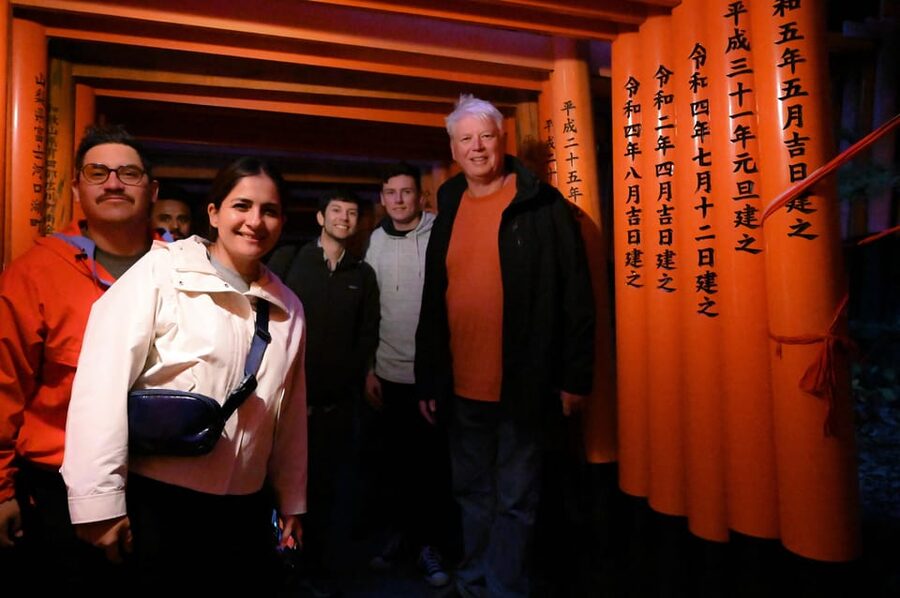
The first major stop is Fushimi Inari Taisha, with about 45 minutes for a guided visit. Its long rows of orange torii gates are among Kyoto’s most recognizable sights, but the setting is more than a photo backdrop. The gates climb through wooded slopes behind the main shrine, creating a strong sense of movement and repetition.
Starting here is one of the smartest choices on the route. Fushimi Inari becomes much harder to enjoy once large numbers of people arrive. An early start gives you a better chance to see the shrine at a quieter pace and take photographs without constantly stopping for passing groups.
Forty-five minutes is enough to understand the shrine and walk through part of the torii-lined route, but it is not enough to explore every upper trail. That is not a fault if your goal is to see several parts of Kyoto in one day. If Fushimi Inari is your top priority, you may prefer a separate visit with more time.
The tour then continues toward Tofukuji Temple. The supplied schedule names Tofukuji as part of the morning route, though the detailed stop timings do not give it a separate long visit. Think of it as an important temple area along the way rather than a full, unhurried temple tour.
The Kamo River and a local coffee stop
The route next reaches the Kamo River for about 40 minutes. This is a welcome change after the crowds and religious buildings of Fushimi. The river corridor gives you open views and a more relaxed cycling rhythm, with the city spread out on either side.
The river ride also helps you understand Kyoto as a living city, not just a collection of monuments. You pass through the spaces where residents walk, cycle, and take a break. Your guide can point out details that are easy to miss from a train or bus.
After the river, you stop at a local café for about 20 minutes. The coffee is included, and this pause matters more than it may seem. A full morning of cycling and sightseeing is easier when you have a warm drink and a chance to reset.
The café is one of the tour’s personal touches. It is described as one of the guide’s favorite local haunts, so the stop feels less like a standard refueling break and more like a small look at the guide’s Kyoto. Do not expect a long café session. Twenty minutes is enough for coffee, conversation, and a short rest before the next temple district.
Ginkakuji and the Path of Philosophy
Ginkakuji, the Silver Pavilion, receives about an hour of guided attention. The temple is UNESCO-listed and is one of Kyoto’s key eastern sights. Its name can create the wrong expectation: the pavilion is not covered in silver. The appeal lies in the restrained architecture, carefully arranged gardens, and calm setting.
An hour gives your guide room to explain the grounds rather than simply point out the main building. You can look at the gardens, take photographs, and hear how the temple fits into Kyoto’s cultural story. The tour format is especially helpful here because the guide can explain what you are seeing without forcing you to rely on signs or a phone.
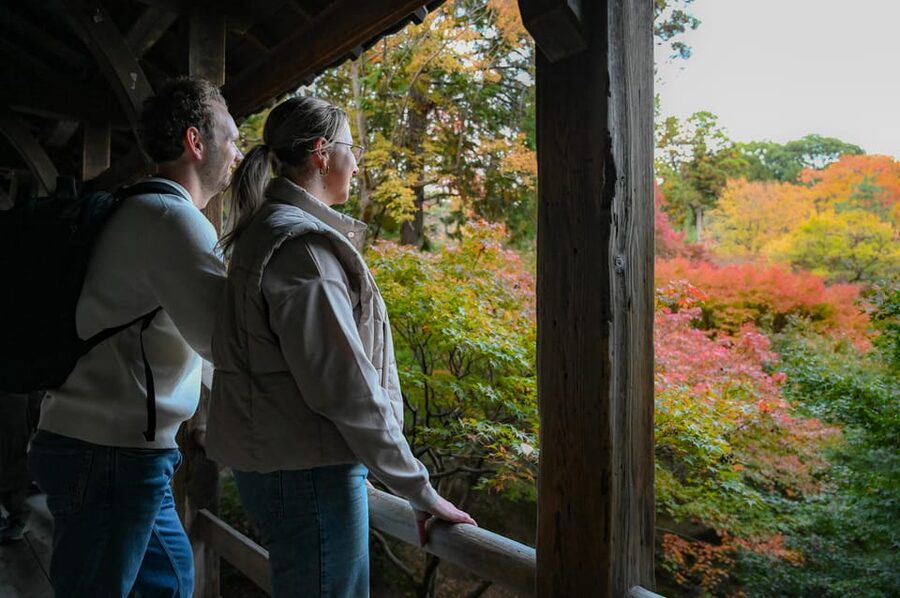
After Ginkakuji, you roll slowly down the Path of Philosophy. This route follows a canal and is known for its peaceful setting and seasonal beauty. The name sounds grand, but the appeal is straightforward: it is a pleasant way to move between sights, with water, trees, and small streets replacing busy traffic.
The schedule includes another 15-minute visit in this part of the route. The exact focus can depend on the guide and the group, so use it as a short pause for photographs or a closer look at the surroundings.
You should keep your expectations realistic. The Path of Philosophy is not a private lane, and conditions can vary with the season and time of day. You are still riding in a working city. The benefit is that the bicycle lets you move through the area at a gentle speed without turning the route into a long walk.
Other rides on two wheels around Kyoto:
- E-Bike Tours of the highlights of Kyoto!!!
★ 5.0 · 291 reviews - Afternoon Kyoto Bike Tour: Bamboo Forest, Monkeys & Hidden Spots
★ 5.0 · 283 reviews - South Kyoto in a Nutshell: Gentle Backstreet Bike Tour!
★ 5.0 · 225 reviews - Pedal Adventure Kyoto’s iconic landmarks on an e-bike tour
★ 5.0 · 189 reviews
Nanzenji, Heian Shrine, and the red-brick aqueduct
Nanzenji follows, with about 35 minutes for a guided visit. The temple grounds include traditional gardens, ornate religious buildings, and a striking red-brick aqueduct. That mix is one of the most interesting contrasts in Kyoto. You get formal Japanese temple design beside an industrial-era structure that still fits naturally into the setting.
The aqueduct is especially useful for photographs and for understanding how Kyoto’s religious spaces can share room with practical city infrastructure. Nanzenji is not just one building. It is a broad temple complex, and the shorter visit gives you a well-chosen introduction rather than time to inspect every corner.
The route also includes about 30 minutes at Heian Shrine. Its large entrance gate and spacious grounds provide a different scale from Ginkakuji and Nanzenji. After several enclosed temple spaces, the open shrine grounds offer a visual change and a chance to stretch your legs.
Because this is a packed day, the stops are selective. You will not have unlimited time at every site, and the guide may adjust the pace based on the group. That flexibility can be useful. One account of the ride describes the guide changing the timing according to what the group wanted to see and how long people wished to stay.
Lunch before the final ride
A sit-down lunch at a local restaurant lasts about 40 minutes and is included in the price. This is an important feature, not a minor extra. By this point, you have been cycling and sightseeing since the morning, and a proper meal is more useful than a quick snack eaten beside a temple.
The supplied information does not specify the exact restaurant or menu, so you should not book this expecting a particular dish. What you can count on is a seated lunch stop rather than having to organize food on your own during a tightly timed day.
The break also gives you a chance to talk with the guide and the other riders. Small groups work well at lunch because it is easier to ask about Japanese food, Kyoto neighborhoods, or anything you noticed during the morning. Extra drinks and snacks are not included, so bring some spending money if you want more than the provided meal and coffee.
Gion and the Shirakawa Canal
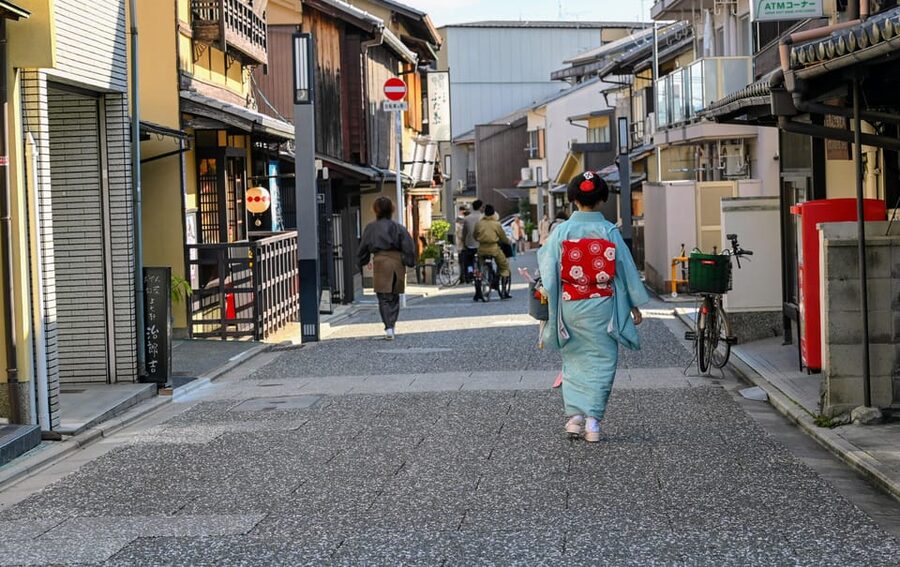
The final part of the route heads south along the Shirakawa Canal and through Gion. This is one of the prettiest urban sections of the ride, with traditional streets, narrow waterways, and old-style façades. The canal route offers a quieter counterpoint to the city’s larger roads.
Gion is often reduced to a search for geisha, but the district is better understood as a historic entertainment quarter with traditional architecture and carefully kept streets. Your guide can add context and help you look beyond the most obvious photographs.
The guided Gion section lasts about 50 minutes. That is enough time to see several streets and absorb the atmosphere without turning the visit into a long walking tour. You should ride respectfully here. Keep noise down, follow your guide’s instructions, and do not block narrow lanes for photographs.
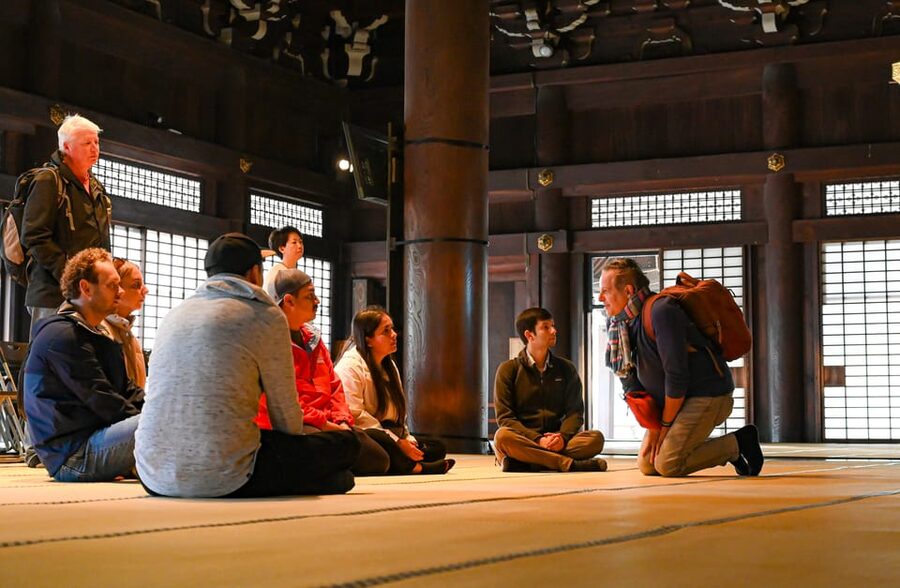
The group then reaches Higashi Honganji Temple, with about 50 minutes for a guided visit. This brings the day back toward central Kyoto and gives you one final major religious site before returning to Cycle Kyoto. The temple provides a strong closing point because it feels different from the hillside and canal-side temples visited earlier.
After Higashi Honganji, you cycle back to the starting point. The full day lasts about seven hours, so expect to finish with a good overview of Kyoto rather than a quick half-day outing.
What the $135 price includes
At $135 per person, this is not the cheapest way to see Kyoto. The value depends on how much structure and coverage you want. The fee includes the e-bike, helmet, English-speaking guide, morning coffee, sit-down lunch, and water.
If you tried to connect these sights independently, you would still pay for transport, food, and possibly bike rental. You would also spend time working out the order of the stops and navigating between districts. The tour’s main value is the combination of transport and interpretation. You cover a wide area while someone else handles the route and explains what you are seeing.
The small group adds value too. A maximum of eight people is more manageable than a large coach group, and it gives the guide a better chance to answer questions or make a brief adjustment for photos. Several guides have been praised for making the day feel flexible rather than rigid.
The price is less attractive if you dislike cycling, prefer long unhurried visits at one or two temples, or already know Kyoto well. You are paying for breadth, guidance, and convenience. If your ideal day means sitting quietly in one garden for hours, choose a slower walking tour instead.
Fitness, clothing, and practical details
You do not need to be an athlete, but you do need to ride a bike confidently. The electric motor reduces effort, yet it does not remove the need to balance, steer, stop, and stay alert on city streets. The route is long enough that comfortable shoes and clothing are essential.
Bring warm clothing if the morning is cool, plus a hat and sunscreen for sun protection. Gloves can make the ride more comfortable, particularly in colder weather. Carry water even though water is included, since the day includes several hours outside.
A camera is worth bringing, especially for Fushimi Inari, the Path of Philosophy, Nanzenji’s aqueduct, Heian Shrine, Gion, and the Shirakawa Canal. Smoking, alcohol, and drugs are not allowed during the activity.
The tour is not suitable for pregnant women, people with back problems, or people who cannot ride a bike. Hotel pickup and drop-off are not included, so plan your route to and from the Cycle Kyoto meeting point near JR Kyoto Station.
Free cancellation is available up to 24 hours before the start for a full refund, and you can reserve now while paying later. Check the available start time when booking, since the early departure is part of what makes the Fushimi Inari visit work well.
Who should book this Kyoto bike tour?
I would choose this tour if you have one full day in Kyoto and want to see several major sights without spending the day figuring out buses and train connections. It is also a good first-day option because the route introduces you to different parts of the city, from Fushimi and the Kamo River to Higashiyama, Gion, and central Kyoto.
It suits active adults, couples, solo visitors, and small groups who enjoy learning while moving. The guides named Julian, Indra, Karl, and Carl have been praised for friendly energy, useful explanations, and a willingness to stop for photographs or answer questions.
I would think twice if you have limited cycling experience, significant back trouble, or a strong preference for slow temple visits. Seven hours is a serious commitment, even with an e-bike, and the day includes many stops. You will see a lot, but you will not have unlimited time at each place.
Should you book it?
Book this Kyoto e-bike tour if you want wide coverage, early access, local food stops, and live English guidance in one day. The early visit to Fushimi Inari is the biggest practical advantage, while the coffee, lunch, and small group keep the long route manageable.
Skip it if you cannot comfortably cycle or if your priority is spending half a day in one temple garden. For an active first look at Kyoto, though, the $135 fee is reasonable because it combines transport, a full day of guiding, meals, and a route that would be awkward to organize on your own.
FAQ
Where does the Kyoto e-bike tour meet?
The meeting point is Cycle Kyoto near JR Kyoto Station. Walk past Avanti, cross at the traffic lights, pass the Daily Yamazaki convenience store, and take the next left.
How early should I arrive?
Arrive 15 minutes before the tour starts for the safety briefing and orientation.
How long does the tour last?
The activity lasts about seven hours, including the guided visits, coffee break, lunch, and cycling time.
Is the tour conducted in English?
Yes. The live tour guide speaks English.
How many people are in the group?
The group is limited to eight participants.
Is an e-bike included?
Yes. The price includes an e-bike rental and helmet. An e-bike is useful because the route includes longer distances and uphill sections.
Are coffee and lunch included?
Yes. Morning coffee, a sit-down lunch, and water are included. Snacks and extra drinks are not included.
Who should not take this tour?
The tour is not suitable for pregnant women, people with back problems, or people who cannot ride a bike. You should also wear comfortable shoes and clothing suitable for cycling.
Just added in Kyoto
- Private Cooking Class Udon in Kyoto Japan★ 5.0 · 23 reviews
- Your Private Vacation Photography Session In Kyoto★ 5.0 · 110 reviews
- Kyoto: Zen Meditation at a Private Temple with a Monk★ 5.0 · 25 reviews
- Private Pewter Sake Cup Experience with a Kyoto Artisan★ 5.0 · 31 reviews
- Kyoto Wagashi(Japanese sweets) Cooking Class near Fushimiinari★ 5.0 · 60 reviews
- Kyoto:Family-Friendly Kimono & Yukata Experience at WARGO★ 5.0 · 147 reviews
- Private Guided Traditional Buddhist Cooking in Japan★ 5.0 · 16 reviews
- Kyoto: Gion Geisha District & Sake-in-Hand Walking Tour★ 5.0 · 37 reviews
Cycling Tours, compared.
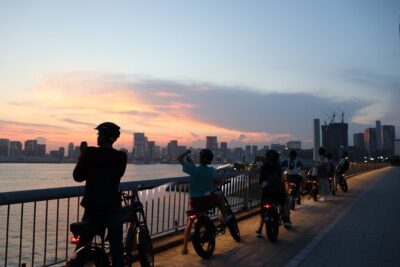
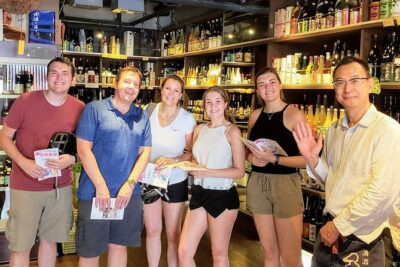
3h Tokyo E-Bike Tour: Hidden Gems, and Local Life with guide
Read our review →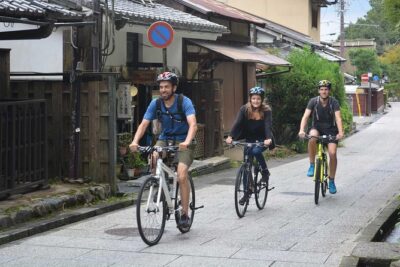
Arashiyama Bamboo Forest & Hidden Gems Bike Tour (Early Bird)
Read our review →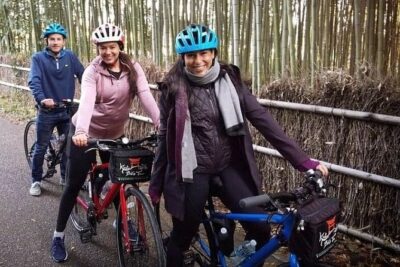
5 Top Highlights of Kyoto Full Day Bike Tour (E-bike option)
Read our review →
Hiroshima 2hr Peace Cycling Tour with Local Guide
Read our review →Browse the lists this tour appears in