
Reviewed · SAKE TASTING
Advanced Kyoto Insider Sake Tasting Experience
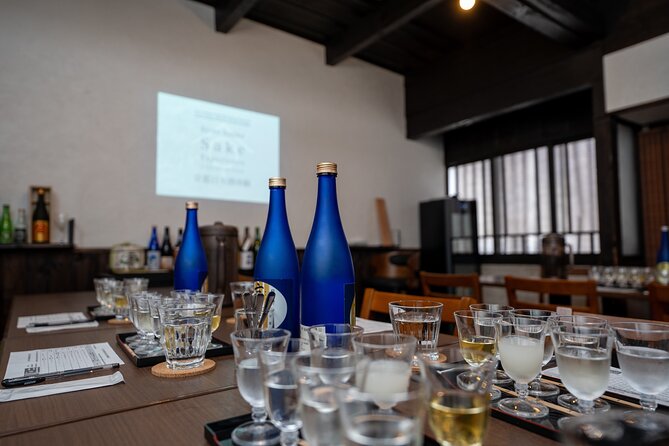
Kyoto’s sake tradition gets a creative twist here. Instead of working through a standard flight of familiar bottles, you compare 10 distinctive sakes made with unusual methods, powerful fermentation, and even local wood that can change a brew’s character.
I like the clear comparison between brewing choices, and I like the hands-on lesson in reading real sake labels used in restaurants. The main drawback is simple: snacks are not included, so you should eat lunch or brunch first.
Key points to know before booking
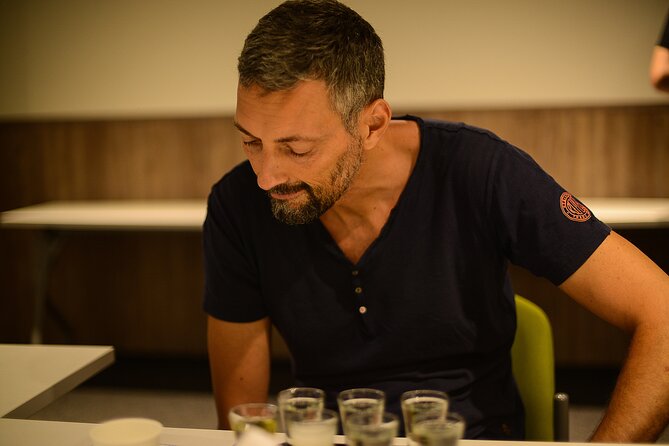
- Ten sakes, one focused comparison: The tasting is built around contrast, not just sampling.
- Ancient and modern methods: You may taste sake shaped by old brewing practices and newer approaches to fermentation.
- Local wood changes the flavor: Some bottles show how regional materials can affect aroma and taste.
- A certified sake expert leads the class: Expect instruction on styles, production, and flavor structure.
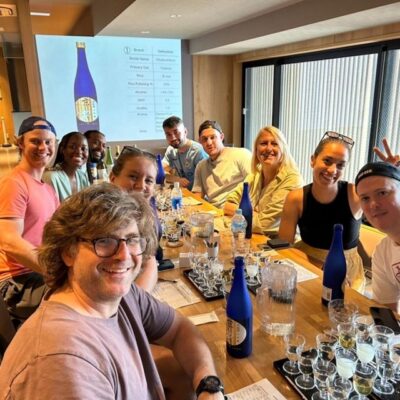
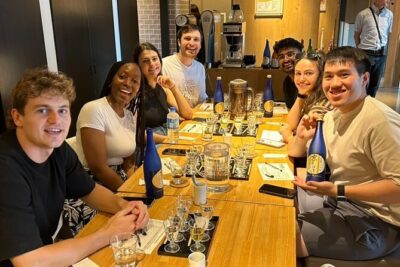
- Small group setting: The tasting room accepts a maximum of 12 people.
- Plan your meal and transport: Food is not included, and alcohol is not served to anyone arriving by car or bicycle.
Why this Kyoto sake class is different
Many sake tastings introduce the basic categories, explain polished rice, and pour a few examples. This experience takes a more pointed approach. You taste sake made according to different ideas about fermentation, ingredients, and brewing traditions, then compare what those choices do in the glass.
That matters because sake can seem simple when you only try one bottle at a time. Side by side, the differences become easier to notice. A sake made with an older method may show a different texture or aroma from one built around a newer fermentation technique. A brew exposed to local wood can take on a character that would not appear in a conventional stainless-steel process.
I like this format for anyone who wants to understand why sake tastes the way it does. You are not only told that one bottle is dry or fruity. You are shown how production decisions can create those results.
The class still covers the basics, so you do not need advanced sake knowledge before arriving. But the pace and subject matter suit a curious drinker who wants more than a quick introduction. If you already order nihonshu at restaurants, this gives you a better way to compare bottles and choose with confidence.
Other tasting rooms and breweries in Kyoto:
- Kyoto Night Foodie Tour in Gion (9+ dishes + 6 Sake tastings)
★ 5.0 · 1,762 reviews - 3-Hour Kyoto Insider Sake Brewery Tour with Tastings & Pairings
★ 5.0 · 917 reviews - Arashiyama Bamboo, Temple, Monkeys, or Secret Sake Brewery
★ 4.8 · 886 reviews
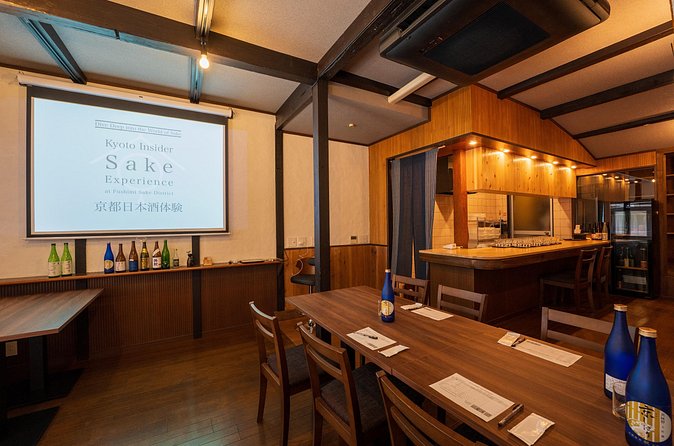
Starting in Fushimi at the dedicated tasting room
The activity begins at Kyoto Insider Sake Experience, at 271-1 Kurumamachi in Fushimi Ward. The tasting ends at the same location, and the meeting point is near public transportation.
Fushimi is one of Kyoto’s best-known sake areas, so the setting fits the subject. The supplied information does not promise a brewery visit or a walking tour of the district, though. You should think of this as a seated, expert-led tasting in a dedicated room, not as a broad sightseeing tour.
The group limit of 12 is useful here. Sake tasting works better when you can hear the explanation, compare notes, and ask a question without shouting across a large room. A smaller class also gives the expert more room to explain a bottle or return to a flavor you found confusing.
Your confirmation arrives at booking, and the experience uses a mobile ticket. Arrive ready to take part in the tasting rather than expecting walk-in access. People without reservations, including children and non-drinkers, are not allowed to join.
The opening lesson: sake basics with a more serious purpose
The class begins with a foundation in sake production and categories. You learn the basic language needed to follow the tasting, then use that language as the bottles become more unusual.
This is a smart order. Without a little background, words about brewing methods and flavor structure can become a blur. With the foundation in place, you can pay attention to the differences instead of simply deciding which pour you like best.
The instruction includes sake styles, brewing methods, and the parts of flavor that help you evaluate a bottle. This is especially useful if restaurant menus leave you staring at a list of names, polishing grades, and serving temperatures without a clear way to choose.
The class is described as advanced, but beginners can still join. If you are new to sake, expect some concepts to move faster than in a basic tasting. The upside is that you get a fuller picture from the start, rather than having to book another class later to move beyond introductory material.
Ten pours selected for contrast
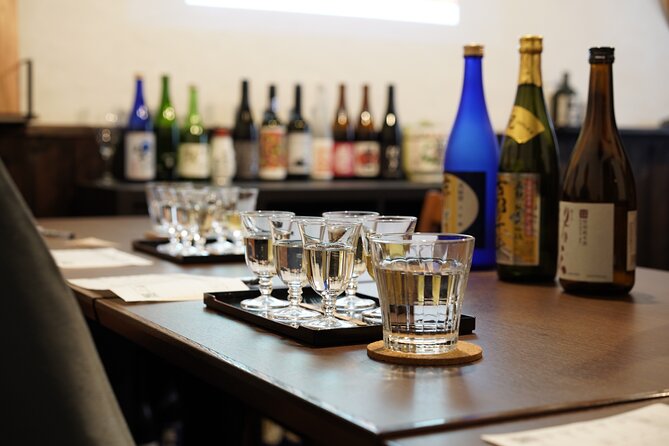
The main tasting includes 10 carefully selected sakes. The point is not to race through 10 small glasses. It is to compare how a change in method, ingredient, or brewing philosophy can alter the final drink.
You will likely be encouraged to look at each pour in relation to the others. One may seem cleaner, another more textured, another more marked by fermentation. The provided details do not list the exact brands or sequence, so you should not expect a fixed bottle menu that can be guaranteed in advance.
That flexibility can be an advantage. The class is built around distinctive sake, not a routine lineup that only checks off familiar labels. It also means the tasting can focus on bottles that make a clear teaching point.
I find the comparison format more useful than a simple best-of flight. A favorite bottle is pleasant, but understanding why you prefer it helps when you are choosing sake later in Kyoto or at home. Pay attention to your own reactions. You may find that the sake you admire most is not the one you would have chosen from a label alone.
Same base, a different sort of day:
- PERFECT KYOTO 1-Day Bus Tour
★ 5.0 · 13,518 reviews - Kyoto: Fushimi Inari, Kinkakuji, Bamboo Grove 1 Day Bus Tour
★ 4.8 · 4,316 reviews - Kyoto: Tea Ceremony in a Traditional Tea House in Kiyomizu
★ 4.9 · 3,519 reviews - Kyoto Geisha Walking Tour: Gion District & Hidden Gems
★ 4.7 · 3,273 reviews
Ancient methods and the power of fermentation
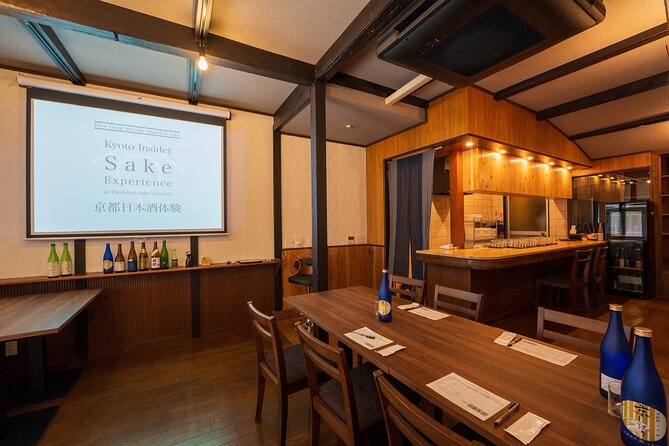
One of the most interesting themes is the use of ancient brewing methods. These are presented alongside newer fermentation techniques, giving you a direct way to compare old and experimental approaches.
Fermentation is not just a technical step tucked away in a brewery. It is central to the sake’s smell, texture, and balance. Small changes in how microorganisms work can produce a drink that feels completely different, even when the basic ingredients are familiar.
The experience highlights the role of microorganisms rather than treating brewing as a fixed recipe. That makes the lesson useful for serious beginners. You begin to see sake as a living process shaped by timing, temperature, materials, and the brewer’s choices.
The class does not ask you to become a brewer in two hours. It gives you enough context to notice patterns. If you enjoy food and drink experiences that explain process rather than simply offering samples, this is one of the strongest parts of the session.
Local wood and regional character
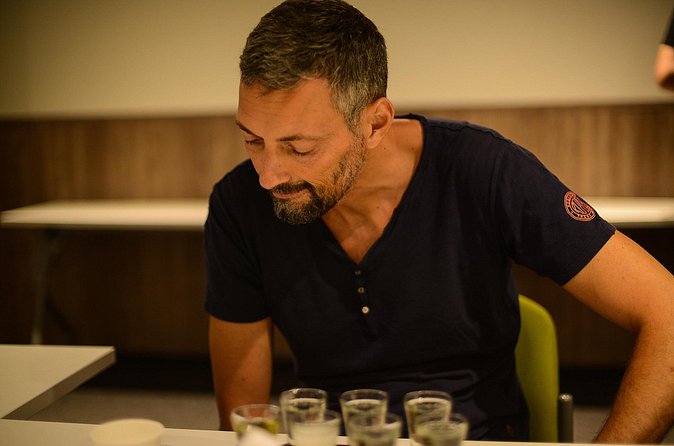
The use of local wood adds another unusual angle. Some sake in the tasting is made with local wood, allowing you to consider how a regional material can affect the character of the drink.
This is valuable because it connects sake to place in a concrete way. You are not only hearing that a bottle comes from Japan. You are tasting how a material associated with a particular area can influence what ends up in the glass.
Do not expect every pour to taste dramatically different just because wood is involved. The experience is about noticing distinctions, and your own palate may pick up some changes more readily than others. That is part of the point. A good tasting teaches you how to pay attention without insisting that every person detect the same thing.
The wood-focused bottles also help break the idea that sake has one standard flavor. Depending on ingredients and technique, sake can be crisp, layered, earthy, fragrant, dry, or textural. This class uses unusual examples to make that range easier to understand.
Reading real sake labels before ordering dinner
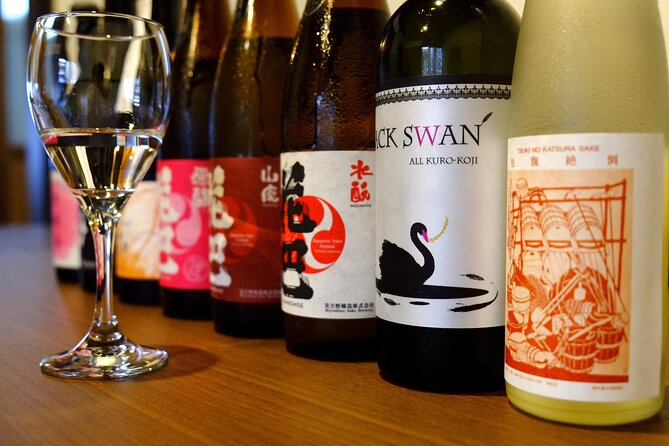
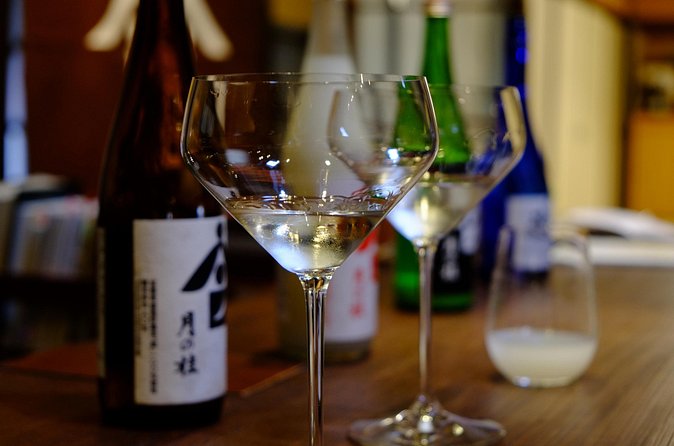
The hands-on label lesson may be the most practical part of the experience. You work with real sake bottles and labels used in restaurants, learning how to read the information that can guide a purchase.
Sake labels can be intimidating because they combine Japanese terms, production details, grades, and names that may not mean much to a first-time buyer. A lesson that connects those details to the flavor in your glass gives the information a purpose.
I like this because it travels well beyond the tasting room. You can use the same skill at a Kyoto restaurant, at a specialty shop, or when looking through a sake list back home. Instead of choosing only by price or bottle design, you have a better chance of matching a bottle to your taste.
The class also includes tasting notes and reference materials. Keep them if you want to revisit the terms later. Ten pours can be a lot to remember, and written notes help separate the bottles after the session ends.
Eat first and plan your way home
The experience does not include food or snacks. You should have lunch or brunch before arriving, especially since the tasting includes 10 sakes over about two hours.
Eating beforehand is not just a comfort tip. It helps you pay attention to the instruction and compare the drinks more clearly. A hungry palate and an empty stomach are not good partners for a tasting built around detail.
Alcohol is not served to anyone who arrives by car or bicycle. Non-alcoholic drinks are available, but there is no refund if you are unable to take part in the sake tasting for that reason. Use public transportation or arrange another way to get there and back.
The legal drinking age in Japan is 20. Anyone under 20 receives only non-alcoholic drinks, and the age rule applies even when the person is part of a larger group. Children and non-drinkers also cannot join without a reservation, so do not book this as a casual add-on for a mixed family outing.
The booking information says the activity requires good weather and may be canceled in poor conditions. If that happens, you are offered another date or a full refund. That policy is worth noting even though the tasting itself takes place indoors.
What the $74.64 price buys you
At $74.64 per person, this is not a budget drink stop. The value depends on what you want from sake.
If you only want to sample a few local pours, the price may feel high. You are paying for 10 sakes, but also for the comparison, the expert explanation, the label lesson, tasting notes, and use of a dedicated room. A casual bar visit can offer drinks for less, but it will not necessarily show you how brewing methods and materials shape them.
The small group helps justify the cost. With a maximum of 12 people, the session is designed for instruction rather than a crowded standing tasting. The class also earns its price for anyone planning to buy sake during the rest of a Japan trip. A better grasp of labels and styles can help you avoid bottles that do not suit your taste.
I would book it early if the schedule matters. It is booked, on average, 11 days in advance, which suggests you should not leave it until the last day of a short Kyoto stay. Free cancellation is available up to 24 hours before the start time. Inside that window, the payment is not refunded, and changes are not accepted.
Who will enjoy this most
This is a good choice for:
- Someone who already drinks sake and wants a more precise way to compare it.
- A curious beginner who likes learning how food and drink are made.
- A couple or small group looking for a focused Kyoto activity rather than a broad sightseeing tour.
- Anyone who wants practical help reading restaurant sake labels.
- A visitor who values unusual production methods over a standard tasting flight.
It is less suitable if you want a brewery tour, a meal pairing, or a quick introductory drink. It is also a poor fit if you do not drink alcohol, are under 20, or plan to arrive by car or bicycle.
My take: book it for comparison, not just consumption
I would book this experience if sake is part of what you want to understand in Kyoto, not merely something you want to sip. The strongest feature is the side-by-side look at ancient methods, fermentation choices, and local wood. Those details give the tasting a clear purpose.
You should eat first, use public transportation, and set aside the full two hours. If you do, you get a small, focused class with 10 distinctive pours and skills you can use at your next restaurant.
Skip it if you want snacks, a brewery visit, or a relaxed drink with no instruction. For everyone else, the format offers a thoughtful way to move from liking sake to knowing why you like it.
FAQ
Where does the sake tasting take place?
It takes place at Kyoto Insider Sake Experience, 271-1 Kurumamachi, Fushimi Ward, Kyoto, 612-8365, Japan.
How long does the experience last?
The tasting lasts approximately two hours.
How many sakes will I taste?
You will taste 10 carefully selected sakes chosen for comparison.
Is the experience suitable for beginners?
Yes. Curious beginners can join, although the class is designed especially for people who want to move beyond basic sake information.
What does the class teach?
It covers sake styles, brewing methods, flavor structure, production choices, and how to read real sake bottles and labels used in restaurants.
Are food or snacks included?
No. Snacks and food pairings are not included, so you should eat lunch or brunch before the tasting.
What is the minimum drinking age?
The legal drinking age in Japan is 20. People under 20 receive only non-alcoholic drinks.
Can I arrive by car or bicycle?
You can arrive, but alcohol will not be served to anyone arriving by car or bicycle. Non-alcoholic drinks are available, and no refund is provided if you cannot take part in the sake tasting.
How large is the group?
The activity has a maximum of 12 travelers.
What is the cancellation policy?
You can cancel at least 24 hours before the start time for a full refund. Cancellations or changes made less than 24 hours before the experience are not refunded or accepted. If poor weather or an insufficient number of bookings causes a cancellation, you are offered another date or a full refund.
Just added in Kyoto
- Kyoto: Zen Meditation at a Private Temple with a Monk★ 5.0 · 25 reviews
- Private Cooking Class Udon in Kyoto Japan★ 5.0 · 23 reviews
- Your Private Vacation Photography Session In Kyoto★ 5.0 · 110 reviews
- Private Pewter Sake Cup Experience with a Kyoto Artisan★ 5.0 · 31 reviews
- Kyoto Wagashi(Japanese sweets) Cooking Class near Fushimiinari★ 5.0 · 60 reviews
- Kyoto:Family-Friendly Kimono & Yukata Experience at WARGO★ 5.0 · 147 reviews
- Private Guided Traditional Buddhist Cooking in Japan★ 5.0 · 16 reviews
- Kyoto: Gion Geisha District & Sake-in-Hand Walking Tour★ 5.0 · 37 reviews
Sake Tasting, compared.
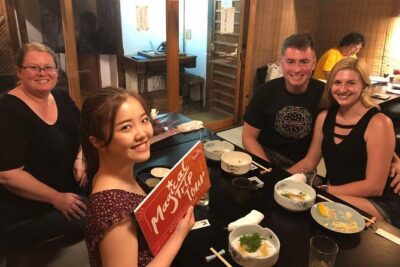
Kyoto Night Foodie Tour in Gion (9+ dishes + 6 Sake tastings)
Read our review →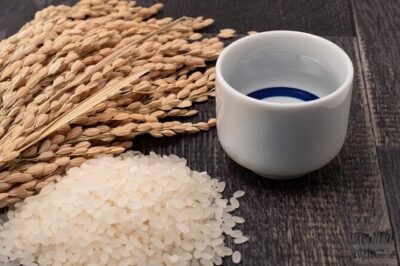
1-Day Snow Monkeys, Zenko-ji Temple & Sake in Nagano
Read our review →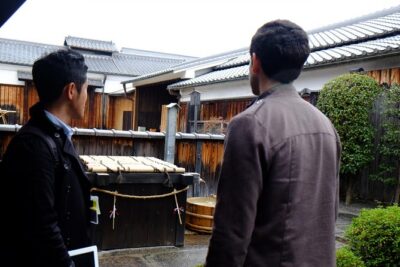
3-Hour Kyoto Insider Sake Brewery Tour with Tastings & Pairings
Read our review →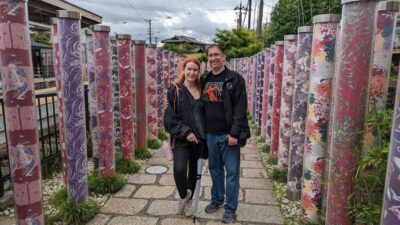
Arashiyama Bamboo, Temple, Monkeys, or Secret Sake Brewery
Read our review →
Insider Sake Brewery Tour with Sake and Food Pairing
Read our review →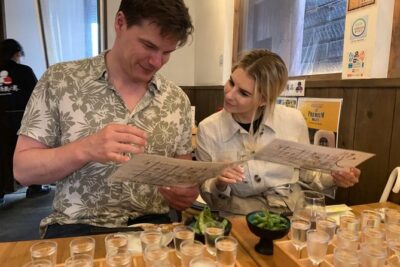
1.5-Hour Kyoto Insider Sake Experience with 7 Tastings & Pairings
Read our review →Browse the lists this tour appears in