
Reviewed · HIROSHIMA & MIYAJIMA DAY TRIPS
All-inclusive Hiroshima Nighttime Food and Cultural Immersion
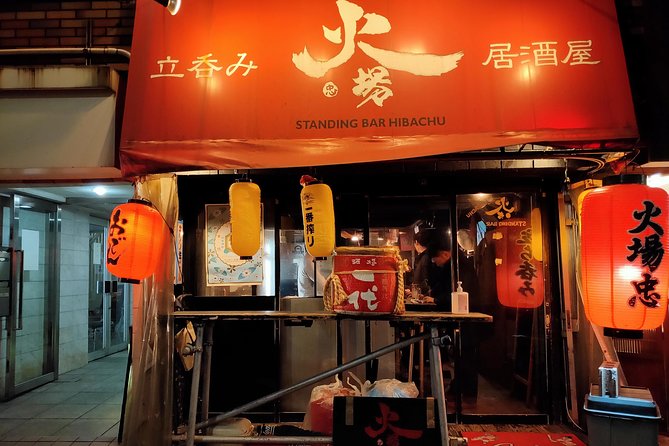
Hiroshima’s best evening food experience may be found in the small places you would walk past without a Japanese speaker. This three-hour private outing takes you through Hon Dori Shotengai and into three local standing bars or casual restaurants, with food and a drink at each stop.
I like two things right away: your guide chooses the dishes, so you can try food beyond the usual tourist menu, and the included drinks make the evening feel like dinner with a well-connected local friend. Guides such as Ken, Kensuke, Alex, Trevor, and Kevin are praised for their warm conversation and help with ordering.
The main catch is simple: standing and eating is part of the plan. One reviewer found this unclear, and the experience may feel more like a bar crawl with food than a formal culinary tour. The food is plentiful, but quality can vary from stop to stop.
Key points to know before booking
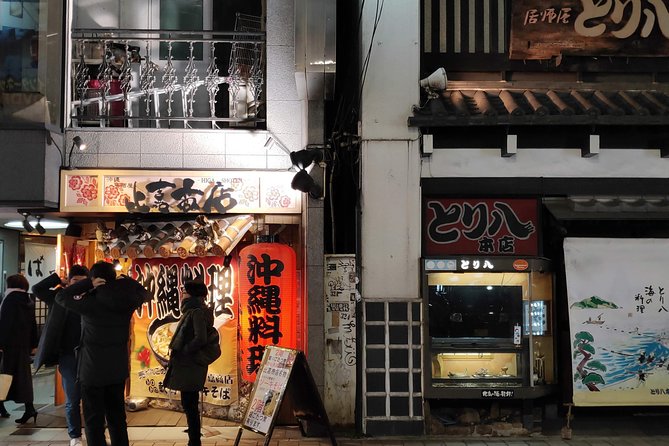
- Three local stops in about three hours: You visit three different food and drink venues rather than settling into one restaurant.
- Food and three drinks included: Choose alcoholic or non-alcoholic drinks, with enough food to make a full dinner.
- Hon Dori Shotengai as your base: The shopping arcade helps you reach neighborhood bars and other evening spots.
- A guide handles the tricky parts: Guides help find the venues, order dishes, explain customs, and translate when local conversation begins.
- Private activity for your group: Only your own party participates, although group discounts are available.
- Good for adventurous eaters: Dietary needs can be accommodated if you tell the guide in advance, and all participants must be at least 13.
Why this Hiroshima evening works so well
The real service here is not simply serving you three dishes. It is helping you cross the small cultural gap between seeing a Japanese restaurant and feeling able to enter it.
Many casual Hiroshima eateries are compact. Menus may be brief, handwritten, or hard to understand. Some places are designed for quick drinks and small plates, not for visitors who need a long explanation before ordering. A local guide gives you a way in.
That matters most at the end of the evening, when the group may reach a small bar filled with friendly local customers. One guide, Trevor, acted as translator so his group could speak with people at the bar. That kind of moment is difficult to arrange by yourself, even if you already know your way around Japan.
I also like the movement between venues. Three stops give you a better sense of how Hiroshima locals eat and drink after work than one carefully chosen restaurant would. You might begin with a food stall or standing bar, move on to another casual place, then finish in a cozy neighborhood bar.
The experience is social, but not forced. Guides are described as asking questions, telling stories, and making room for conversation. If you are traveling alone, with a partner, or with a family group, that personal attention can make the evening easier and more relaxed.
Other long days west of Hiroshima:
- Peaceful Hiroshima & Miyajima UNESCO 1 Day Bus Tour
★ 5.0 · 5,309 reviews - Hiroshima: Hiroshima and Miyajima UNESCO Sites 1-Day Tour
★ 4.9 · 2,330 reviews - Hiroshima / Miyajima Full-day Private Tour with Government Licensed Guide
★ 5.0 · 1,298 reviews
Starting at Tiffany’s near Hon Dori Shotengai
The meeting point is in front of Tiffany’s at 5-3 Shintenchi, Naka Ward. The start time is 6:30 pm, and the activity returns to this same meeting point at the end.
Hon Dori Shotengai is a useful place to begin because it puts you in central Hiroshima’s evening flow. You are not being driven from one isolated restaurant to another. Instead, you walk through a shopping district and use it to reach several local venues.
Your guide also points out places that are not directly about food. These may show how people spend their evenings, giving you a little more context than a simple list of dishes. The walking helps connect the meal to the city around it.
You should arrive ready to walk between nearby stops and to spend at least part of the night on your feet. The meeting point is near public transportation, but the tour itself is built around walking through the district.
Stop one: getting past the first doorway
The first stop sets the tone. Instead of asking you to choose a restaurant from a long list of unfamiliar names, your guide selects the place and helps arrange the order.
That takes away much of the guesswork. You can focus on tasting and watching how the room works. A standing bar is often quick and informal, with people dropping in for a drink and a few plates rather than settling in for a long, quiet meal.
The food may include local favorites, fried dishes, soup, egg, squid, sushi, or other items selected by the guide. Exact dishes are not fixed, which is part of the appeal and also something to keep in mind. You are not booking a set menu with every course listed in advance.
If you want to try foods you would not choose on your own, this is a strong format. One guest discovered dishes such as gansu and red eyes, while another particularly enjoyed Hiroshima okonomiyaki. The point is variety, not a single signature dish.
Stop two: more food without one oversized meal
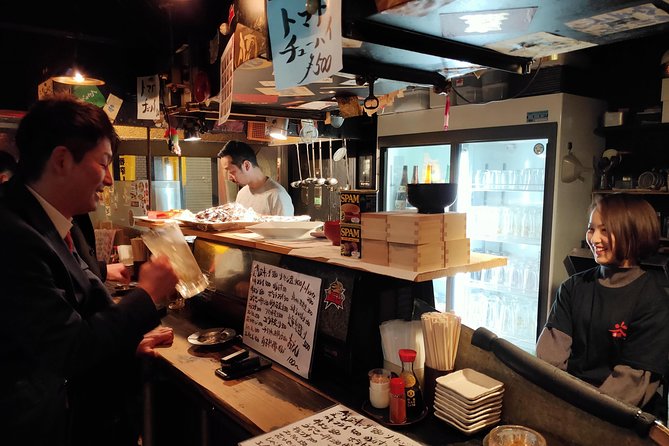
The second venue gives the evening its best rhythm. You have already tried one place, but you are not yet full from one large portion. Instead, you can sample another style of food and another sort of room.
Some groups describe eating enough across the three stops to equal several meals, though the portions are spread out. That means you should avoid arriving after a very large dinner. Come hungry, but not empty.
The included drinks are important to the value of the tour. At each stop, you receive one alcoholic or non-alcoholic drink, for three drinks in total. Depending on your preference, that may mean beer, sake, or another local option, while non-drinkers can choose without losing the basic structure of the outing.
The drink plan also makes the experience feel social. You are not simply checking off dishes. You are sitting or standing with your group, listening to your guide, and seeing how a casual night out works.
Still, the food quality is not guaranteed to be identical at every venue. One strongly negative experience described two of the three stops as disappointing and felt the night focused too heavily on alcohol. That is worth taking seriously. This is a guide-led local evening, not a premium tasting menu.
Same base, a different sort of day:
- Hiroshima Historical Walking Tour – Why A-Bomb was Dropped
★ 4.8 · 893 reviews - Hiroshima Peace (Heiwa) Walking Tour at World Heritage Sites
★ 5.0 · 872 reviews - Hiroshima in a Nutshell: Morning Bike Adventure
★ 5.0 · 524 reviews - Hiroshima City 4hr Private Walking Tour with Licensed Guide
★ 5.0 · 437 reviews
Stop three: the most personal part of the night
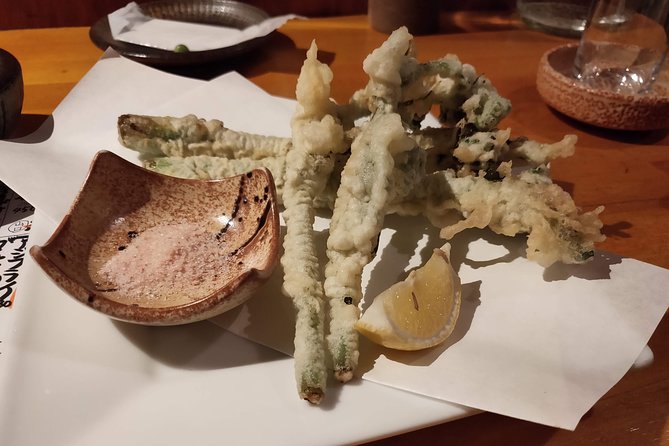
The third stop often has the greatest cultural value because the group has had time to settle in. By then, you know your guide, have tried several foods, and may be more comfortable asking questions.
This is also where local interaction can become part of the experience. Guides such as Alex, Trevor, and Kensuke are praised for speaking with each person in the group and helping create conversation with people at the venues.
The best version of this final stop is not about a famous dish. It is about being in a small place that you would probably not locate or enter alone. You may find yourself learning how locals order, how long they stay, and how food fits into an ordinary evening in Hiroshima.
The setup is especially useful for visitors who want more than restaurant recommendations. A guide can explain what you are eating, why it is served that way, and which customs matter. Trevor was praised for explaining food and local manners, while Kensuke helped a participant with an allergy without removing the fun from the evening.
What guides add to the experience
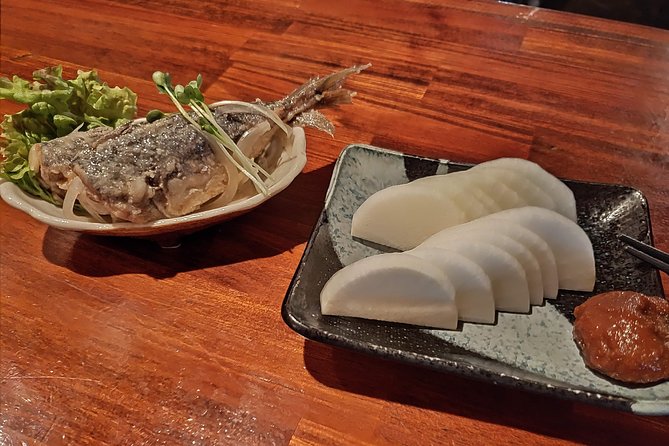
The guides are the strongest part of this activity. Names that appear in the operation include Ken, Kensuke, Alex, Trevor, Kevin, and Alexander, so your guide may vary by date.
Ken is described as friendly, relaxed, and good at bringing groups together. Kensuke is praised for paying close attention to dietary needs and for asking thoughtful questions. Alex is often described as personable and well organized, with a talent for choosing small places that are not obvious to visitors.
Trevor is noted for explaining food and customs, while Kevin is described as an easygoing local ambassador. The shared strength is not a lecture filled with dates and facts. It is the practical help that makes unfamiliar restaurants feel manageable.
You should expect conversation rather than a formal history tour. The guide can tell you about Hiroshima, food, customs, and local life, but the heart of the outing is eating, walking, and talking.
Food, drinks, and dietary needs
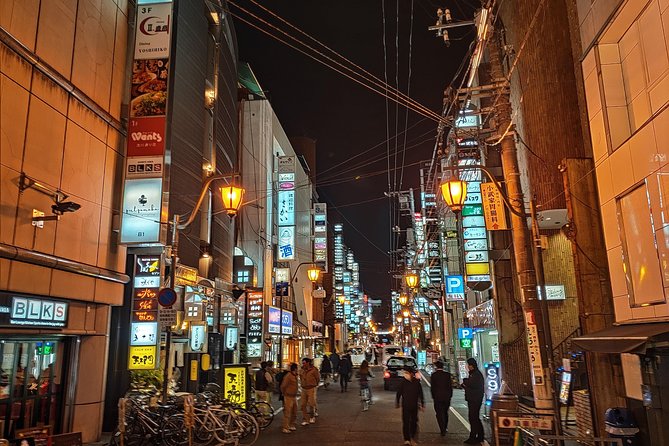
Three foods and three drinks are included. The food is presented across the stops, so you receive a range of tastes instead of one fixed dinner.
The selection can include seafood, fried foods, soup, egg dishes, sushi, okonomiyaki, and other local choices. Since the guide chooses the venues and dishes, the exact menu changes. That keeps the evening flexible, but it also means you should not book this if you need a fully specified menu before departure.
Dietary requirements can be accommodated when you tell the guide. One participant with an allergy received careful attention without missing out on the main experience.
Still, communication matters. Provide your requirements when booking and remind the guide at the start. The tour may suit people with different food preferences because the group visits several venues, but the supplied information does not promise a particular religious, medical, or vegetarian menu.
The minimum drinking age in Japan is 20. Participants who are not drinking can choose non-alcoholic beverages, and you do not need to drink alcohol to take part.
Is $119 a fair price?
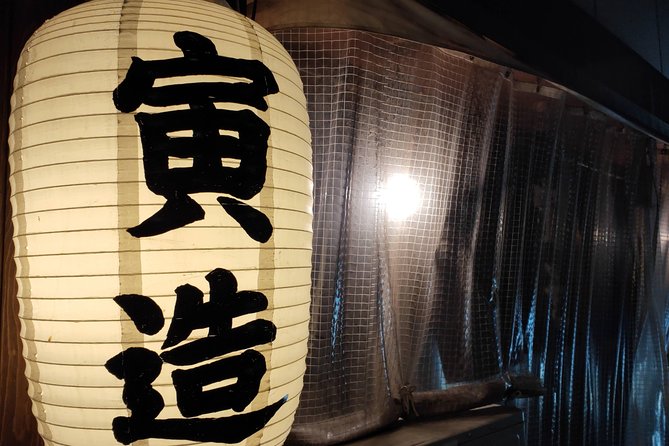
At $119 per person, this is not the cheapest way to eat in Hiroshima. You could spend less by choosing one casual restaurant and ordering on your own.
The value comes from combining dinner, three drinks, a guide, translation, local restaurant selection, and the confidence to enter small venues. If you would otherwise stick to a familiar chain or a restaurant aimed at visitors, the price may be reasonable.
It is also useful for a first night in Hiroshima. You get a meal while learning where people go out, what dishes to notice, and how the city feels after dark. Several people found it a good introduction to the city, particularly because the guide removed the stress of choosing and ordering.
I would not choose it for a quiet gourmet meal or for the lowest possible food budget. A single poor venue can affect your sense of value, and one participant felt the food did not justify the cost. The experience is better understood as a guided evening of local eating than as a high-end food ranking.
Group size, age, and comfort
This is a private activity, so only your group participates. That is a useful feature for families, couples, and friends who want the guide’s attention without being merged into a large tour.
The private format also helps with food choices. One small group found it easier to agree on dishes because there were fewer competing dietary preferences. A multigenerational family also found the evening workable, including teenage participants and grandparents.
All participants must be at least 13 years old. The drinking age in Japan is 20, so younger members can join but should select non-alcoholic drinks.
Comfort is the larger issue. At least some of the venues are standing bars, and you may stand while eating. The operator generally includes at least one seated stop, but this is not presented as a guarantee for every group or every night.
If you need regular seating, have mobility concerns, or dislike compact bars, ask before booking. The tour is near public transportation, but that does not change the standing nature of some stops.
Who should book this Hiroshima food tour?
I would choose this experience if you want help finding small local restaurants, enjoy trying dishes without knowing exactly what will arrive, and like the social side of a night out.
It suits:
- First-time visitors who want an easy introduction to Hiroshima after dark
- Couples looking for a guided dinner with conversation
- Solo visitors who want company and help entering local bars
- Families with participants aged 13 and older
- Food lovers who value variety over a fixed menu
- Visitors who want a guide to translate and explain customs
I would think twice if you want a polished restaurant meal, guaranteed seating, a precise menu, or a strictly alcohol-free culinary program. Non-alcoholic drinks are available, but the atmosphere still includes bars and drinking.
Booking and cancellation details
Confirmation is provided at booking, and the tour starts at 6:30 pm. It lasts about three hours and finishes back at the meeting point.
Free cancellation is available if you cancel at least 24 hours before the local start time. Cancellations or changes made inside that window are not accepted for a refund.
Should you book it?
Book this tour if the idea of entering three small Hiroshima eateries with a local guide sounds more appealing than choosing one restaurant from a phone screen. The strongest reasons are the guide’s help, the range of food, the included drinks, and the chance to speak with local people.
Go in with the right expectations. This is not a controlled tasting menu, and standing at a bar is part of the fun for some people and a real drawback for others. If you want an easy, sociable first evening with plenty of food and a guide who can open doors you might otherwise miss, the $119 cost can make sense.
FAQ
Where does the Hiroshima food tour start?
It starts in front of Tiffany’s at 5-3 Shintenchi, Naka Ward, Hiroshima, 730-0034, Japan.
What time does the activity begin?
The start time is 6:30 pm.
How long does the experience last?
Plan for about three hours.
Where does the tour end?
The activity ends back at the meeting point.
How many food stops are included?
The tour visits three different standing bars or casual food venues around Hon Dori Shotengai.
Are food and drinks included?
Yes. Three foods and three alcoholic or non-alcoholic drinks are included during the evening.
Can I choose non-alcoholic drinks?
Yes. You can choose alcoholic or non-alcoholic drinks.
What is the minimum age?
All participants must be at least 13 years old. The minimum drinking age in Japan is 20.
Can dietary requirements be accommodated?
Yes, dietary requirements can be accommodated when you tell the guide in advance.
Just added in Hiroshima
- Iya Valley BROMPTON Slow Cycling Tour★ 5.0 · 28 reviews
- Iya Valley All Must-Sees Private Chauffeur Full-day Tour with a Driver★ 5.0 · 20 reviews
- Shore Excursion from Hiroshima Port : Private Tour in Hiroshima★ 5.0 · 17 reviews
- Hiroshima & Miyajima All-Inclusive Tour w/Licensed guide Pancho★ 5.0 · 54 reviews
- Okunoshima Rabbit Island Cycling Tour with Local Guide★ 4.5 · 17 reviews
- The Peace Memorial to Miyajima : Icons of Peace and Beauty★ 4.5 · 31 reviews
- Private Full Day Hiroshima Tour★ 4.5 · 29 reviews
- Hiroshima Saijo Sake Tasting Tour with visit to 7 Breweries★ 5.0 · 104 reviews
Hiroshima & Miyajima Day Trips, compared.
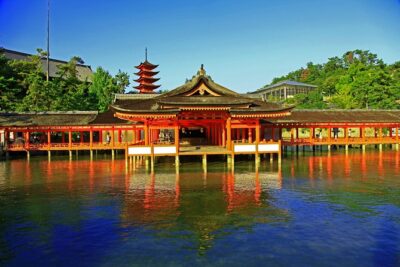
Peaceful Hiroshima & Miyajima UNESCO 1 Day Bus Tour
Read our review →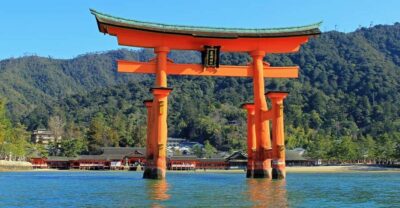
Hiroshima and Miyajima UNESCO Sites 1-Day Tour
Read our review →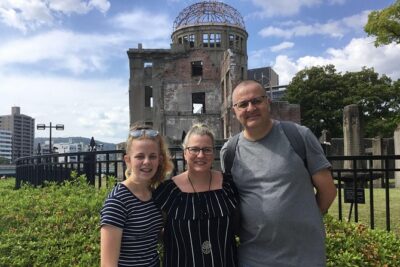
Hiroshima / Miyajima Full-day Private Tour with Government Licensed Guide
Read our review →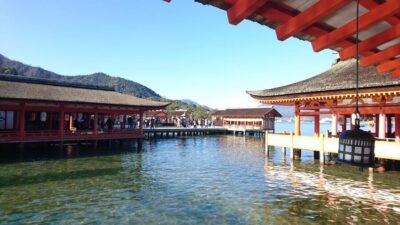
Osaka/Kyoto: Hiroshima Miyajima Bus Tour & Shinkansen Ticket
Read our review →
Hiroshima Historical Walking Tour – Why A-Bomb was Dropped
Read our review →
Hiroshima Peace (Heiwa) Walking Tour at World Heritage Sites
Read our review →
Hiroshima in a Nutshell: Morning Bike Adventure
Read our review →
Hiroshima City 4hr Private Walking Tour with Licensed Guide
Read our review →Browse the lists this tour appears in