
Reviewed · FOOD TOURS
Eat, Drink & Cycle: Osaka Foodie Bike Tour
South Osaka makes a fine food tour by bicycle. You cover more ground than on foot, pedal through neighborhoods many visitors miss, and stop for dishes such as oden, wagyu beef, sushi, and kushikatsu. The route also includes Shitennoji, one of Japan’s oldest temples, and time in Tsuruhashi Market.
I like the small group of up to seven, which gives guides such as Erik, Mako, Peter, and Matt room to answer questions and adjust the pace. I also like the mix of food and sightseeing: you get local bites, a market visit, and cultural stops instead of spending three hours at restaurant tables.
The main caution is value. At $99.49 per person, this is not a cheap way to eat in Osaka, and the exact food stops can change. Also, the published meeting information gives both a Tenma address and a Tsutenkaku meeting point, with start times of 9:30 and 10:30, so confirm those details before setting out.
Key points at a glance
- Tsuruhashi Market gets real time: Plan on roughly 40 to 60 minutes to browse stalls, meet local vendors, and sample market snacks.
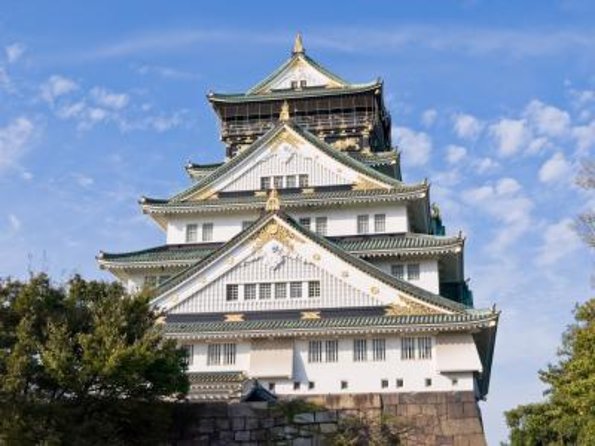
- The route mixes famous sights with everyday Osaka: You may visit Shitennoji, Korea Town, Osaka Castle, or the Japanese Mint area, depending on the day’s route.
- Food is served across several stops: Tastings may include oden, tofu, doteyaki, wagyu, sushi, Japanese sweets, noodles, onigiri, and kushikatsu.
- Cycling is generally manageable: Osaka is mostly flat, though you still need moderate fitness and confidence riding in city streets.
- Small groups make the guide matter: Hosts including Mako, Peter, Matt, Erik, and Maiko have been praised for clear English, local knowledge, humor, and useful restaurant advice.
- The cost includes the basics: Your bicycle, helmet, bottled water, guide, and food at three or four eateries are included. Alcohol is not.
Why a bike works so well for Osaka food
Osaka is often explored by rail and on foot, but a bicycle changes the scale of the city. You can move between South Osaka neighborhoods without waiting for a train, while still traveling slowly enough to notice shopfronts, side streets, temples, and market life.
The ride is not presented as an athletic challenge. The route is described as fairly easy, and several riders found Osaka mostly flat and comfortable for cycling. Still, you should have moderate physical fitness. You will be on a bike for much of the three-and-a-half-hour outing, with repeated stops to eat and listen.
This format also helps with Osaka’s famous appetite. You are not simply taken from one large meal to another. The tastings are spread across the route, so the food breaks up the riding and the riding gives you time to work up an appetite again.
Other food tours in Osaka people book:
- Osaka: Shinsekai Food Tour with 13-15 Dishes at 5 Eateries
★ 4.8 · 2,204 reviews - Osaka Food Tour: 13 Dishes at 5 Local Eateries
★ 5.0 · 2,149 reviews - Hungry Osaka Street Food Tour:15 Tastings & 3 Drinks with a Local
★ 5.0 · 1,727 reviews
Starting under Tsutenkaku and fitting your bike
The detailed route begins beneath the Tsutenkaku tower in the Shinsekai neighborhood. This is an apt place to start. The area is strongly associated with Osaka’s old-school entertainment culture and casual food scene, so you begin with the feel of local South Osaka rather than a generic city-center meeting point.
You then walk or ride a short distance to the bike storage facility for a fitting. A bicycle and safety helmet are included, and the equipment has been described as solid and well maintained. Different bike sizes are available, and at least one older couple arranged e-bikes because they were unsure about the terrain.
I would ask about an e-bike when booking if you prefer extra help, but do not assume one is guaranteed. Riders under 140 centimeters cannot take part, and the outing is not recommended for children aged 12 and under. The group limit of seven is a real advantage here because a guide can spend more time checking that everyone is comfortable.
One practical point needs attention: the supplied meeting details conflict. One section gives a Tenma address, 1-chōme-10-7 Tenma, while the route description says to meet under Tsutenkaku. The start time is also shown as both 9:30 a.m. and 10:30 a.m. Confirm the exact location and time directly after booking. Do not rely on a search result or an old message.
Shinsekai snacks: oden, tofu, and doteyaki
The first food stop is in Shinsekai. Depending on the group’s tastes and the day’s choices, you may begin with oden, tofu, or doteyaki.
These are useful introductions to Osaka food because they show a side of Japanese cooking that is less obvious than sushi. Oden is a comforting dish of ingredients simmered in broth. Tofu can be simple but carefully prepared, while doteyaki brings a stronger, more savory flavor. Your guide explains what you are eating and how it fits into local food culture.
The group’s preferences matter here. If you have dietary restrictions, strong dislikes, or food allergies, tell the guide before eating. The available information does not promise substitutions, vegetarian meals, or allergy accommodations, so you should not assume that every tasting can be changed.
Shitennoji gives the ride some history
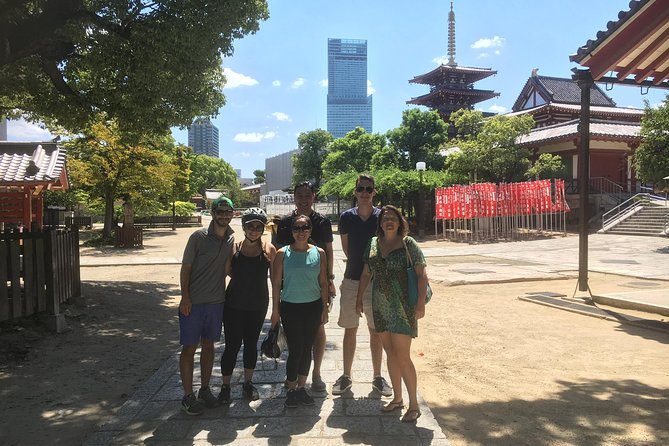
After the first bite, you ride toward Shitennoji, described as one of Japan’s oldest temples. The stop is short, with time for photographs and an explanation of the surrounding area.
This is a smart pause in the itinerary. A food crawl can become a blur of snacks, especially when the dishes keep arriving. Shitennoji gives you a cultural marker and a chance to slow down before returning to the bicycle.
The route includes a slope as you ride away from the temple. The overall ride is considered easy, but easy does not mean effortless for every rider. If you rarely cycle, have mobility concerns, or are visiting during hot weather, ask about an e-bike and the route before the tour begins.
More eating your way round Osaka:
- Osaka Local Foodie Walking Tour in Dotonbori and Shinsekai
★ 5.0 · 985 reviews - Hungry Osaka Street Food Tour: 15 Dishes & 3 Drinks
★ 4.9 · 694 reviews - Osaka: Guided Food Tour with 12 Dishes at 4 Local Eateries
★ 5.0 · 533 reviews - Absolute Osaka Food Tour
★ 5.0 · 309 reviews
Tsuruhashi Market is the main neighborhood stop
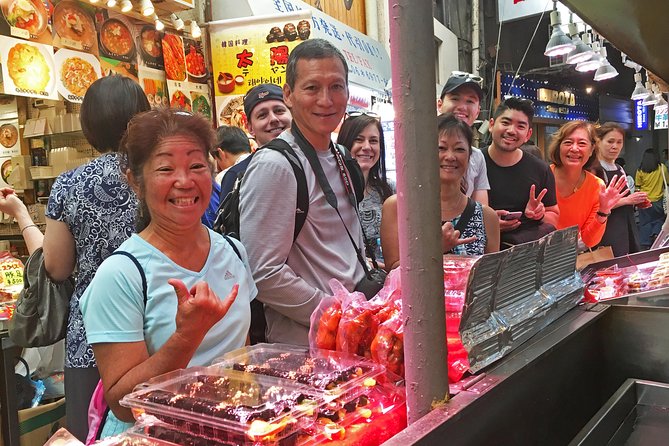
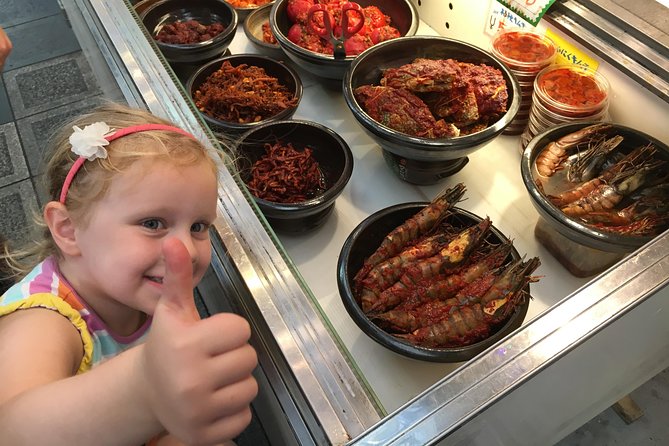
The longest stop is Tsuruhashi Market, where you spend about 40 to 60 minutes. This is the part of the tour that most clearly delivers the local-neighborhood experience.
You have time to look around rather than simply grab a snack and leave. The guide introduces you to stall holders and helps you sample a range of market foods. Tsuruhashi is also associated with Osaka’s Korean community, and some routes include Korea Town and Korean dishes alongside Japanese specialties.
This stop is valuable because markets can be hard to read on your own. A stall may have no English menu, and you may not know which item is ready to eat or how it should be handled. A local guide makes the choices less intimidating and adds context to food that you might otherwise walk past.
Expect some variation. The exact samples depend on the group and the day, and one account of the tour had fewer food locations than expected. If you picture a nonstop procession through many stalls, set that expectation aside. This is a guided market visit with tastings, not an unlimited eating pass.
Wagyu, sushi, and kushikatsu finish the food route
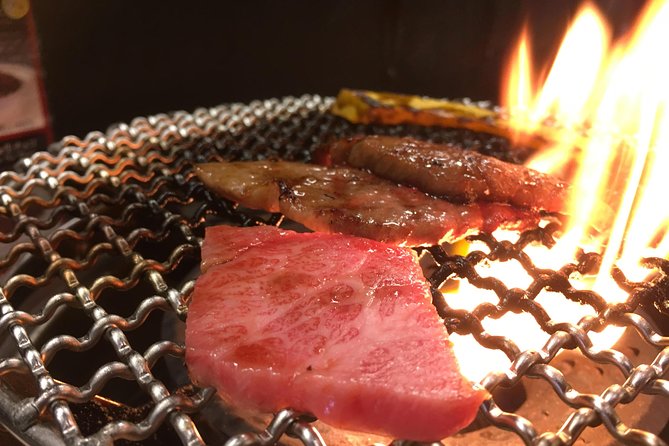
After Tsuruhashi, the tour includes a sit-down wagyu beef tasting. This changes the pace again. You have moved from street food and market browsing to a more focused sample of grilled beef.
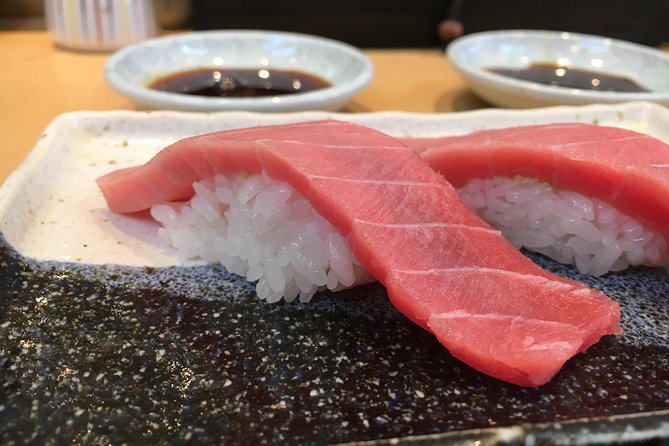
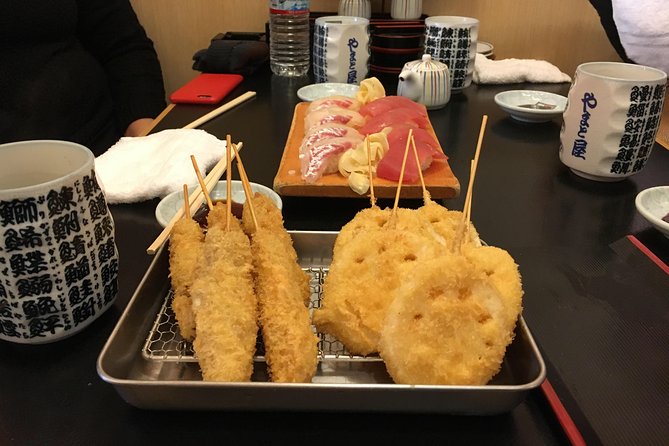
The final food stop is described as a local sushi shop. Your guide recommends a set of nigiri, and kushikatsu skewers are delivered from next door. Kushikatsu, breaded and fried skewers, is closely tied to Osaka’s casual dining culture and makes a fitting finish to a route that has covered several kinds of food.
The overall food list can extend beyond these core stops. Accounts of the outing include Japanese pastries, pancakes, noodles, rice dishes, onigiri, Japanese sweets, Korean food, and sticky rice candy balls. That does not mean every group receives every item. Food choices and stops can vary, so treat those dishes as possible examples rather than a fixed menu.
You should be comfortably hungry but not arrive starving. The tour includes lunch and snacks at three or four eateries, and several people found themselves full by the end. Alcohol is not included, and the focus is on tasting rather than drinking.
Tower Knives adds a hands-on break
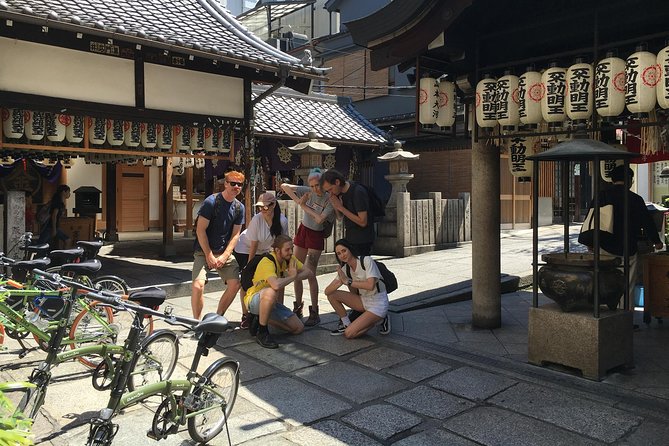
Between the food stops, the route includes Tower Knives, where you can try your hand with Osaka-made knives. This is more than a photo stop. It adds a small hands-on activity and connects the city’s food culture with the tools used to prepare it.
The stop will appeal to cooks and anyone interested in Japanese craftsmanship. It also gives your stomach a break. After market snacks and wagyu, a short activity is welcome before the final sushi and kushikatsu stop.
The route then returns to the base, about a two-minute ride from the last food stop. You return the bicycle and finish at the meeting point, with the rest of the afternoon free.
What the guides add to the day
The guide can make or break a small food tour. This experience uses English-speaking local hosts, and named guides have included Erik or Eric, Mako, Peter, Matt, Mayco or Maiko, Akira, Yuki, and Danyk.
The strongest part of the guiding is the combination of food explanations and practical Osaka advice. Guides have recommended restaurants for later meals, suggested dishes beyond sushi, explained local history, and pointed out places visitors might not find on their own. Some have also taken photographs during the outing.
That personal input is one reason to take the tour early in your stay. You can use the guide’s restaurant suggestions for the rest of your visit instead of making every meal choice from a phone screen.
The guides have also shown flexibility. On a hot day, one guide adjusted the route to use more shade. On a rainy day, the guide still kept the ride going with food, stories, and sightseeing. Poor weather can cancel the outing, though, and you should bring a poncho if rain is in the forecast.
Is $99.49 a fair price?
At $99.49, this experience costs more than simply buying snacks at Osaka’s markets. If you measure the price only by the amount of food, you may find it expensive. One person expected more market stalls and felt that two food locations did not justify the cost.
The better comparison is a half-day guided experience. Your price covers the bicycle, helmet, bottled water, an English-speaking guide, multiple food stops, and the work of organizing a route through several neighborhoods. You are also paying for help ordering food, explanations at the sights, and recommendations you can use later.
The value is strongest if you want structure and local guidance. It is weaker if you are already comfortable cycling in Osaka, know where you want to eat, or prefer to spend $100 on several independent meals.
The small group helps the calculation. With a maximum of seven people, this is not a large bus-style food outing. You get more access to the guide and a better chance to ask about dishes, neighborhoods, and restaurants.
Who should book this Osaka bike tour?
I would choose this for a first or second day in Osaka if you want a quick orientation with food built in. It is especially useful for people who want to cover several neighborhoods without spending the morning changing trains.
Food lovers will appreciate the range, from traditional Japanese dishes to Korean-influenced food and Osaka staples. Curious eaters will get more from it than someone looking only for familiar meals. The guide may encourage you to try items you would not order on your own.
Cyclists who ride casually should find the pace manageable, provided they meet the fitness requirement. You do not need to be a serious cyclist, but you should be comfortable riding for several hours and sharing city streets.
I would hesitate if you dislike group schedules, need a guaranteed menu, or want a long, unhurried visit at every market stall. I would also check the meeting details carefully if your plans depend on a precise start time or location.
Should you book it?
Book this tour if you want a compact introduction to Osaka through food, neighborhoods, and easy cycling. The best reasons are the small group, the range of tastings, the Tsuruhashi market stop, and the chance to ask a local guide for restaurant advice.
Skip it if $99.49 feels high for several snacks, or if you would rather explore markets independently. Before paying, confirm the starting point and time, ask about e-bike availability if needed, and share food restrictions with the operator.
For the right person, this is a practical first look at Osaka: enough riding to see more than one district, enough food to replace lunch, and enough local guidance to shape the rest of your stay.
FAQ
How long does the Osaka foodie bike tour last?
The experience lasts approximately three hours and 30 minutes.
What food is included?
Food tastings may include oden, tofu, doteyaki, market snacks, wagyu beef, nigiri sushi, kushikatsu, and other local dishes. The exact choices can vary by group and day.
Is lunch included?
Yes. The tour includes lunch or snacks at three or four different eateries.
Are bicycles and helmets provided?
Yes. Bicycle use and a safety helmet are included in the price.
Is bottled water included?
Yes. Bottled water is provided.
Is alcohol included?
No. Alcoholic drinks are not included.
How large is the group?
The maximum group size is seven people.
Can children join the tour?
The activity is not recommended for children aged 12 and under. Riders must also be at least 140 centimeters tall.
Do I need to be fit to take part?
You should have a moderate level of physical fitness and be comfortable cycling for the duration of the experience.
Where does the tour start and finish?
The activity ends back at the meeting point. The supplied details list both a Tenma address and a meeting location under Tsutenkaku, so confirm the exact starting point and time after booking.
More cycling tours elsewhere in Japan
- 5-Hour Osaka Bike Tour to the Neighborhood of Osaka Castle
★ 5.0 · 319 reviews - Osaka E-Bike Tour with a Local Guide
★ 5.0 · 219 reviews - Bike Tour Exploring North Kyoto plus Lunch
★ 5.0 · 1,087 reviews - Tokyo Great Cycling Tour
★ 5.0 · 811 reviews
Just added in Osaka
- Osaka Temple Cool Foot Bath & Matcha Experience〈45min〉★ 4.9 · 82 reviews
- Osaka: Mind & Spirit Balance Temple Reiki Healing★ 5.0 · 41 reviews
- Full Day Kyoto Tour : Bamboo Forest, Golden Temple, Fushimi Inari★ 5.0 · 84 reviews
- Osaka: Minoh, Katsuoji Temple, & Minoh Falls Full-day Tour★ 4.9 · 172 reviews
- Ramen and Gyoza Cooking Class in Osaka★ 5.0 · 202 reviews
- OSAKA NIGHT FUSION Japanese Taiko Kabuki Samurai Dance Show★ 4.8 · 155 reviews
- Osaka: A Modern Samurai, Kabuki, Taiko, & Dance Show★ 4.5 · 66 reviews
- Osaka: Samurai Training Experience KENDO in Osaka★ 5.0 · 111 reviews
Food Tours, compared.
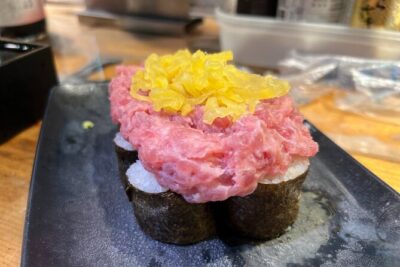
Shinjuku Food Tour (13 Dishes at 4 Local Eateries)
Read our review →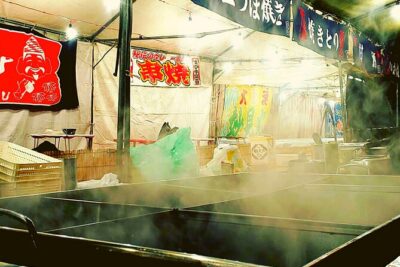
Osaka Food Tour: 13 Dishes at 5 Local Eateries
Read our review →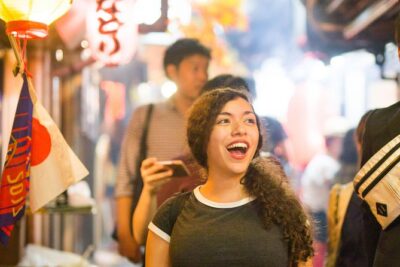
Best of Shinjuku: Izakaya Food Tour (4 Stops, 14+ Tastings)
Read our review →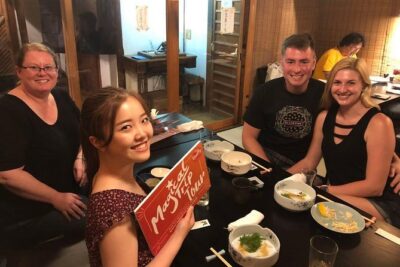
Kyoto Night Foodie Tour in Gion (9+ dishes + 6 Sake tastings)
Read our review →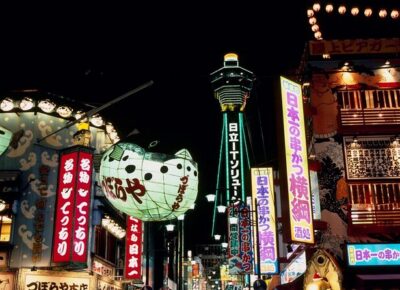
Hungry Osaka Street Food Tour:15 Tastings & 3 Drinks with a Local
Read our review →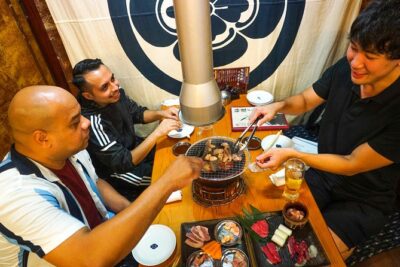
Tokyo Night Foodie Tour in Shinjuku – Seasonal Sushi, Wagyu Beef
Read our review →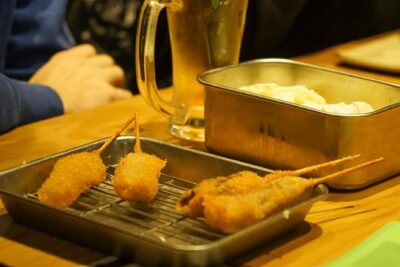
Osaka Local Foodie Walking Tour in Dotonbori and Shinsekai
Read our review →
Eat and Drink Like a Local: Tokyo Ueno Food Tour-Taverns&Ramen
Read our review →Browse the lists this tour appears in