
Reviewed · HAKONE DAY TRIPS
Hakone Hachiri: Old Tokaido Highway Hiking Tour
Hakone Hachiri is a chance to understand Japan’s old travel routes with your feet, not through a train window. You follow pieces of the Old Tokaido Highway, the difficult mountain road once used between Edo, now Tokyo, and Kyoto, while a certified mountain guide explains the history, plants, and terrain around you.
I like the 400-year-old Amasake Tea House, and I like that the tour uses buses and shared taxis to skip the hardest sections instead of pretending the full 32-kilometer Hachiri route is an easy stroll. The main drawback is the long day on foot: expect about five to six hours of walking, with slippery or uneven sections in places.
Key points to know before booking
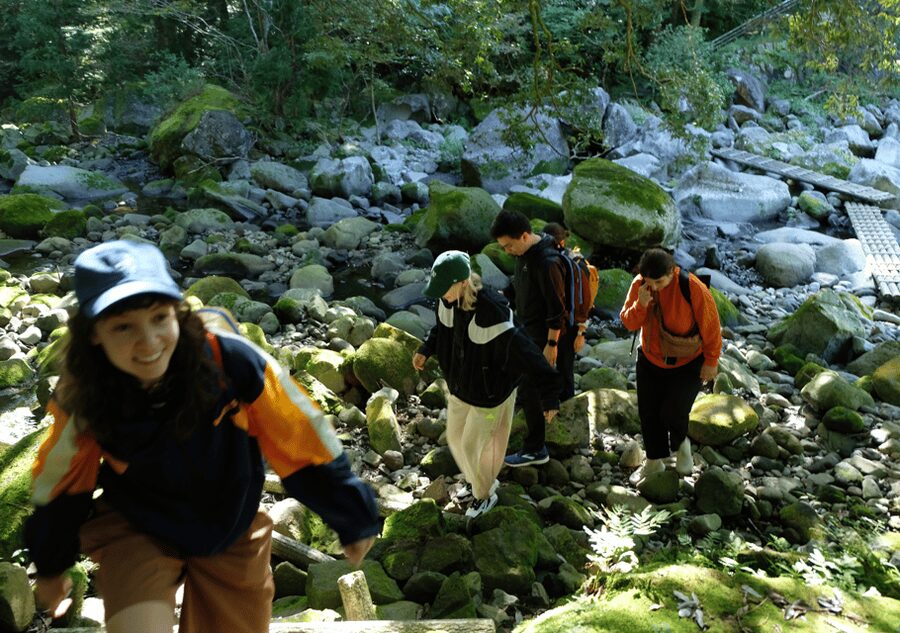
- Walk through Edo-period Japan: Follow old cobbles, cedar trees, a checkpoint, and surviving sections of the Tokaido route.
- Amasake at a 400-year-old teahouse: Stop at the traditional Amasake Tea House in Hatajuku for a local drink and snacks.
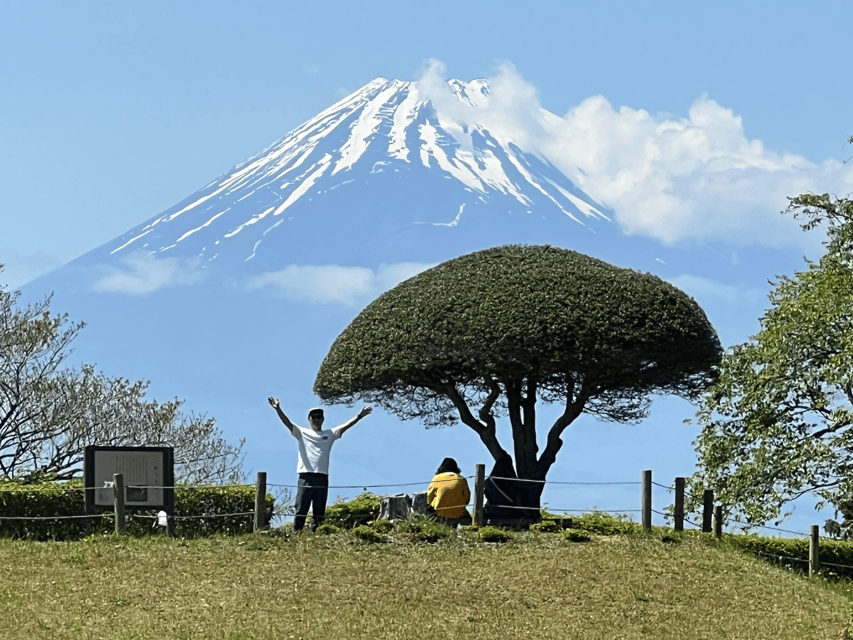
- Mt Fuji depends on the weather: Lake Ashi and higher sections offer excellent viewpoints when clouds cooperate.
- Beginner-friendly, but not effortless: The route covers about 8 kilometers, with forest paths, stones, roots, and some steeper sections.
- Small-group guiding: Groups are limited to six, and Aki, also referred to as Akihiro, is the guide named in the tour information.
- Finish in Mishima: The tour ends near Mishima Station, with the option to continue by train or return toward Hakone.
Why Hakone Hachiri is more than a pleasant walk
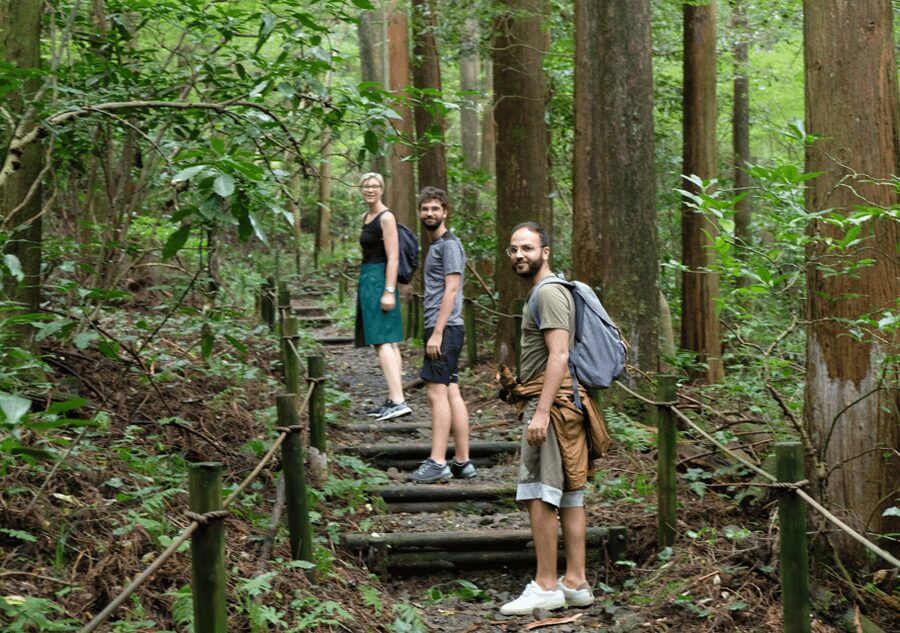
Many Hakone outings are built around a lake cruise, a shrine photograph, or a cable-car ride. This one asks you to move through the area at walking speed. That changes what you notice.
You see how steep the mountains really are, where travelers once needed rest, and why Hakone was such a serious obstacle on the road between eastern and western Japan. The name Hachiri means eight ri, or roughly 32 kilometers by the modern measure given for the route. You do not walk all of it. Instead, the tour covers selected sections and uses public transport to avoid the most demanding parts.
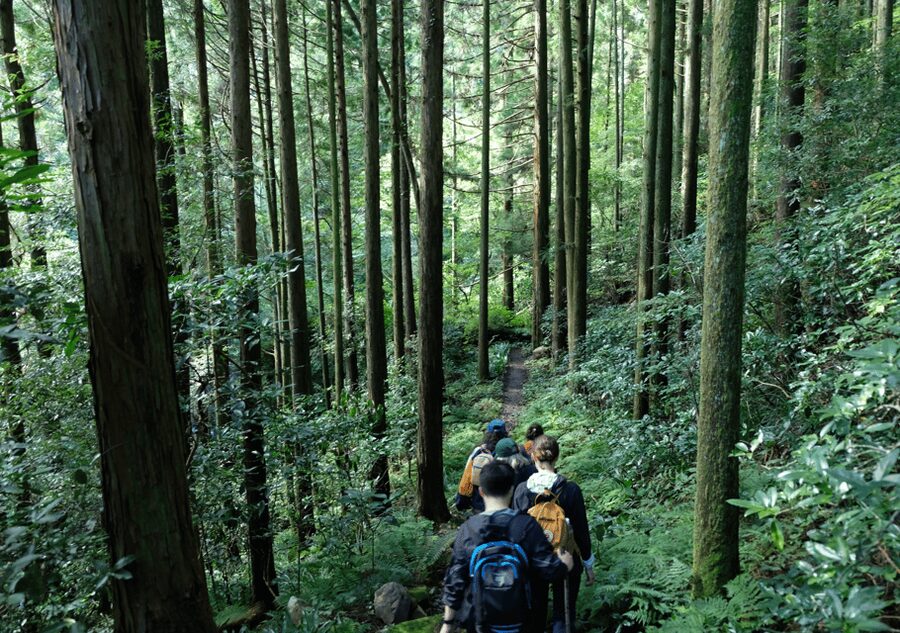
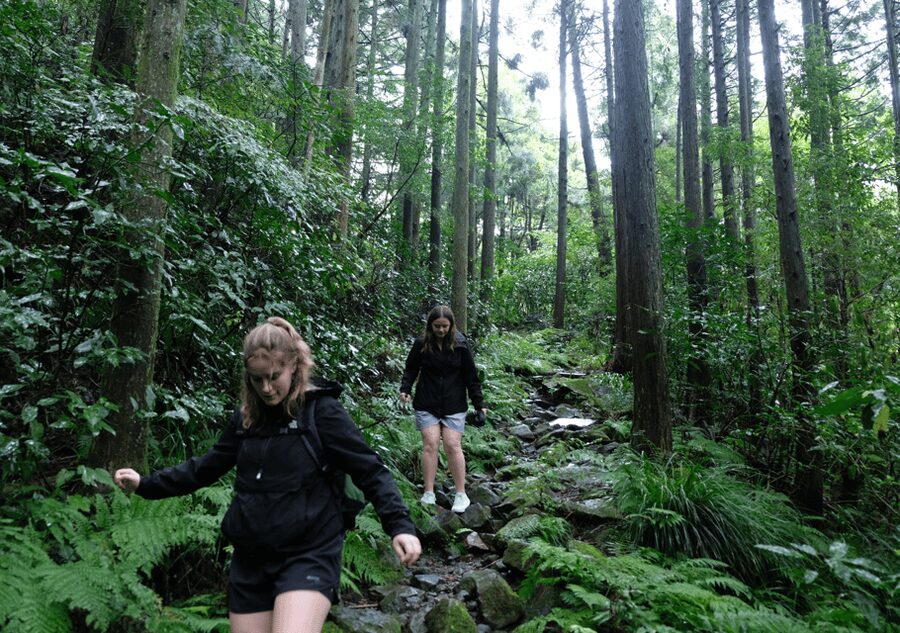
That is a sensible choice. You get the feel of the route without turning the day into an endurance test. The walk is designed for beginners, but beginner-friendly does not mean flat or paved throughout. Expect cobbled sections, tree roots, stones, forest paths, and occasional slippery footing.
I especially like the balance between historical sites and ordinary nature. The route includes Lake Ashi and Mt Fuji, but also streams, old trees, a riverside walk, and quiet stretches where the main attraction is simply the path beneath your feet. The guide adds useful context about geography, native trees, wildlife, and the way the route functioned during the Edo period.
Other hot-spring days out of Hakone:
- Hakone 6 hour Private Tour with Government-Licensed Guide
★ 5.0 · 218 reviews - Custom Private Tour in Hakone with a Certified Local Guide
★ 5.0 · 91 reviews - Hakone 8 hour Private Tour with Government-Licensed Guide
★ 5.0 · 63 reviews
Starting at Hakone-Yumoto and climbing toward Hatajuku
Meet your guide at the ticket gate of Hakone-Yumoto Station. The day begins with a shared taxi ride of about 15 minutes to the trailhead, near the Sukumo River. This short transfer matters because it places you closer to the walking section and saves time on roads that are not part of the historic route.
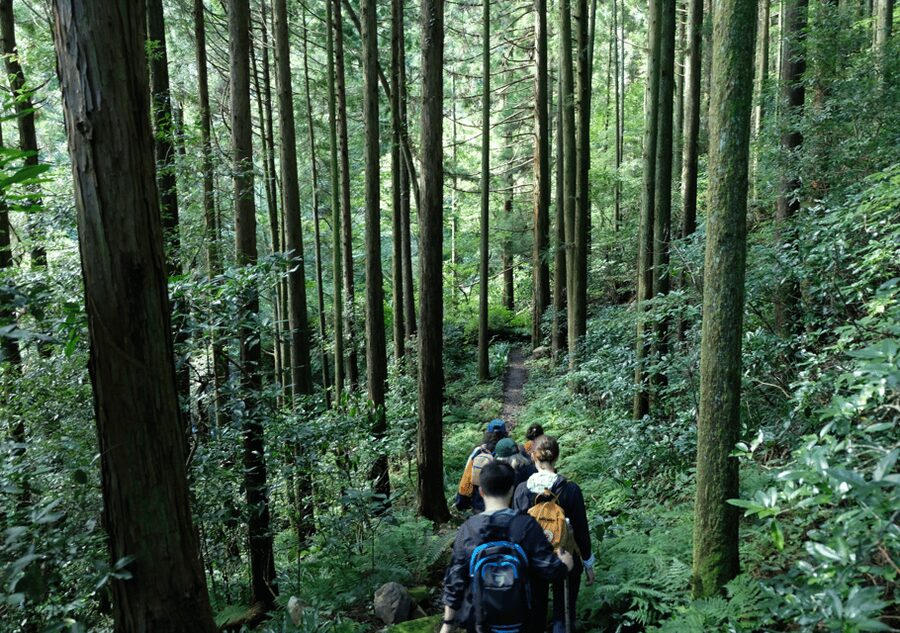
The first hiking section lasts about an hour. You walk through wooded terrain toward Hatajuku, a traditional area connected with the old Tokaido route. The pace is intended to suit a mixed group, and the small maximum of six people gives the guide room to adjust the rhythm.
This is also where a good guide makes a real difference. Aki is described as flexible with pace and plans, including slowing down for older members of a group or changing the route when weather conditions require it. He also pays attention to tricky footing, which is useful on wet stones and roots.
You will want proper shoes from the start. Comfortable walking shoes may work in dry conditions, but hiking shoes are the safer choice. A sun hat is also recommended, and you should be ready to carry what you need for several hours outside.
Hatajuku and the Amasake Tea House
Hatajuku gives the day an early pause before the route reaches Lake Ashi. The itinerary allows about 30 minutes here for a visit, browsing, or passing through the area before a short bus ride to the Amasake Tea House.
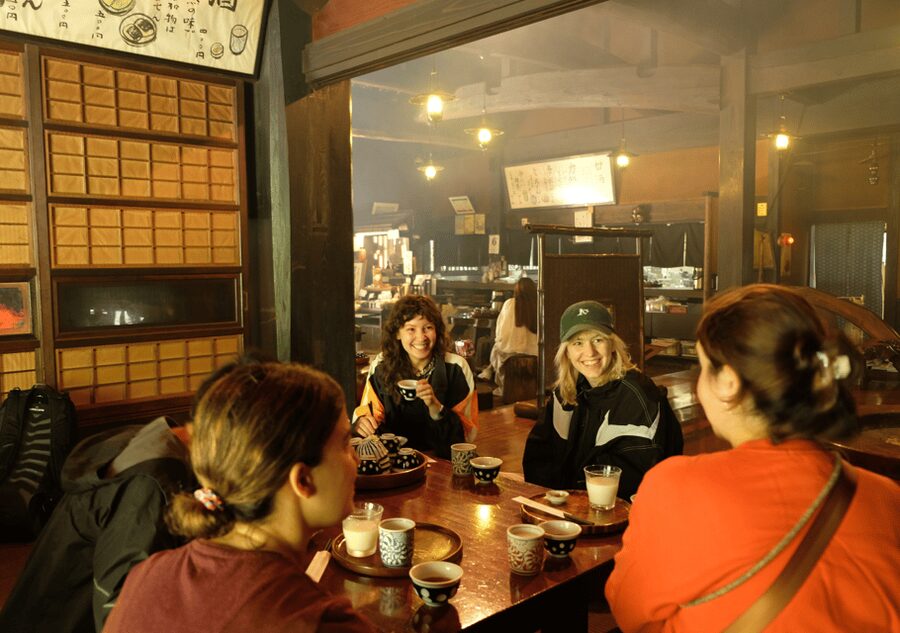
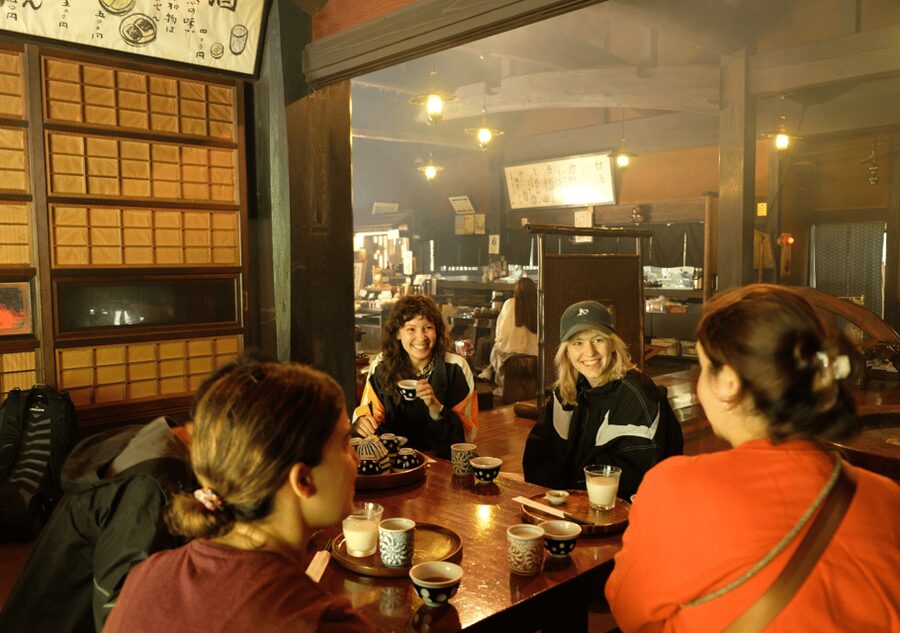
The teahouse is one of the tour’s strongest details. It has around 400 years of history and serves amasake, a traditional sweet drink made from fermented rice. You also receive local snacks, making this more than a quick photo stop.
The stop helps you understand the practical side of old mountain travel. A warm or energizing drink at a roadside teahouse makes sense when you have already been walking uphill, and the setting connects the modern outing with the old road under your feet.
Do not expect a long meal here. The stop is listed at about 30 minutes, so you get a taste of the place rather than a full culinary visit. Lunch comes later, and food and drinks are not included in the tour price.
Cobbled Tokaido stones and Lake Ashi
After the teahouse, you walk for about 45 minutes along cobbles from the old Tokaido Highway. This is one of the most memorable parts of the route because the surface itself tells the story. You are not simply hearing about historic travel. You are stepping over the same kind of difficult ground that made the Hakone section famous.
Cobbles can be tiring, especially if you are used to smooth city pavements. Watch your footing and keep your pace steady. The route is manageable for people who enjoy regular walking, but it is not suitable for people with mobility impairments.
The path leads toward Lake Ashi, where you have time for photographs and a short walk. On a clear day, this is where the classic Hakone view comes together: the lake, Mt Fuji, and the red torii gate associated with Hakone Shrine.
Mt Fuji is never guaranteed. Clouds, mist, and seasonal weather can block the mountain, so I would book this for the forest and history first, with Fuji views as an excellent bonus. The tour does, however, offer several angles on the mountain rather than relying on one fixed lookout.
More walking routes from Hakone:
- Hike Hakone Hachiri
★ 5.0 · 48 reviews - Hike Japan Heritage Hakone Hachiri with certified mountain guide
★ 5.0 · 46 reviews - Traverse Outer Rim of Hakone Caldera and Enjoy Onsen Hiking Tour
★ 5.0 · 30 reviews - Hike Japan Heritage Hakone Hachiri (Half Day)
★ 5.0 · 18 reviews
Cedar Avenue and the Hakone Checkpoint
Near the eastern end of the Old Tokaido Road Ancient Cedar Avenue, you walk beneath trees that are more than 400 years old. The cedar avenue gives the route a strong sense of age without needing a museum display. The trees also provide shade, which is welcome during warmer months.
The walk here is relatively short in the itinerary, about 15 minutes, followed by a visit or pass through the Hakone Checkpoint. This gate once controlled movement through the Hakone section under the Edo government.
The checkpoint gives the day’s history a clear focus. Edo-period authorities monitored traffic between regions, and Hakone was an important control point because the mountains narrowed the route. You can better understand why people, goods, and official travelers could not simply pass through without inspection.
Lunch follows near Lake Ashi, with about 45 minutes set aside at a local restaurant. Lunch is not included, so bring money for the meal. The exact restaurant and menu are not specified, which allows the guide to work with the day’s conditions and the group’s pace, but you should not expect a prepaid dining experience.
Crossing Hakone Pass and visiting Yamanaka Castle Ruins
After lunch, you take a bus for roughly 15 minutes to get beyond Hakone Pass. This is an important part of the design. The full Hachiri route includes steep mountain sections, and the bus allows you to save energy for the most rewarding walking and historic sites.
The day then includes a 45-minute secret stop for photographs, a short walk, and views before another bus ride of about 30 minutes. The exact location is not fixed in the supplied details, so treat it as a flexible scenic stop rather than a named headline attraction.
Yamanaka Castle Ruins add another layer to the route. The remains connect the mountains to Japan’s military past, while the open setting can provide more views across the surrounding area. The timing and final destination can change according to pace and preference. Some groups continue toward Mishima, while others return to the Lake Ashi area.
That flexibility is useful, but it also means the final part of the tour is not identical for every group. If visiting Mishima Taisha and walking beside Genbe River is important to you, tell the guide early and ask how the day’s conditions affect the plan.
Mishima Taisha and Genbe River
When the route continues to Mishima, the first major stop is Mishima Taisha Shrine. You have about 30 minutes for photographs, sightseeing, and a walk through the shrine grounds.
Mishima Taisha gives the tour a strong ending point because it shifts the focus from mountain travel to a major place of worship in the city. After hours of forest, stone, and old roads, the shrine provides a different view of how Japanese history and daily life connect.
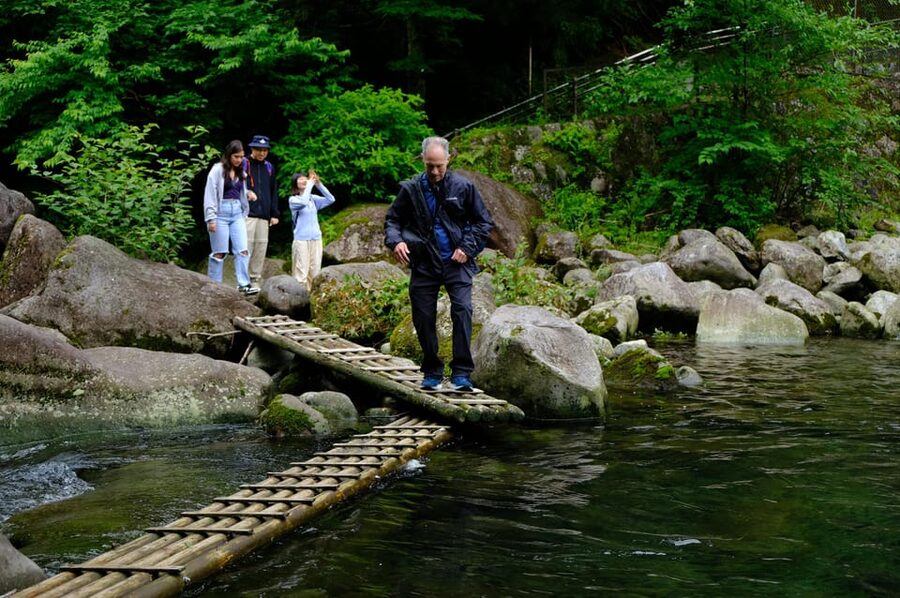
From there, you walk for about 15 minutes to Genbe River, also written as Genbei or Genbe River in some English references. The riverside section lasts around 30 minutes and offers a calm final walk before reaching Mishima Station.
The tour is scheduled to finish at Mishima Station at around 4:00 p.m. This is convenient if you are continuing by train, but check your onward plans carefully. A Shinkansen ride between Mishima and Odawara is not included and costs less than 3,000 yen according to the tour details. The ride takes about 15 minutes.
What the $167 price includes, and what it does not
At $167 per person, this is not a cheap self-guided walk. You are paying for a full day, a nationally certified mountain guide, route interpretation, group coordination, and first-aid training at the wilderness advanced level.
The small-group limit of six improves the value. A guide can adjust the pace, help on awkward sections, answer questions about plants and history, and change plans when rain or low visibility affects the route. That personal attention is much harder to get on a large coach excursion.
Transportation is the main extra cost to remember. The taxi and buses between sites are not included, and neither is lunch or other food and drink. You should budget for those separately. The tour also does not include hotel pickup or drop-off.
I see the price as reasonable if you want a guided historical walk and would otherwise struggle to connect the separate Hakone and Mishima sites on your own. If you only want a short Lake Ashi visit and a Fuji photograph, this is more time and money than you need.
Who will enjoy this hike most
This tour suits you if you like history best when you can see it in the ground, trees, roads, and buildings around you. It is also a good choice if you want a day away from Japan’s large cities without giving up cultural explanation.
The route works well for beginners who are comfortable walking for much of a day. You do not need to be an experienced mountain hiker, but you should be prepared for five to six hours of walking, about 8 kilometers overall, and uneven surfaces.
I would think twice if you have mobility limitations, dislike cobbles, or want a predictable sightseeing schedule with very little walking. The guide can adjust the pace, but no guide can turn an old mountain path into a level pavement.
Weather affects the experience in two ways. Rain can make stones and roots slippery, while clouds can hide Mt Fuji. The tour has enough historical and natural interest to remain worthwhile in poor visibility, but the postcard views are conditional.
Guide style and group atmosphere
The guide is central to this experience. Aki, also called Akihiro in the tour material, is described as an English and Japanese speaking guide who combines local history with information about plants and wildlife. He is also known for taking photographs during the day and helping people through difficult sections.
The maximum group size is six. That keeps the outing quieter and makes it easier to ask questions without turning the day into a lecture. It also lets the guide respond when one person wants to slow down, focus on trees, or change plans because of weather.
Communication before the tour is described as clear, which is useful because the meeting point, transport costs, footwear, and final destination all matter. You should still arrive ready to walk from Hakone-Yumoto Station and not assume hotel pickup.
Practical advice for a smoother day
Wear hiking shoes with good grip. The itinerary includes cobbles, forest paths, roots, and stones, and one account describes steep sections with slippery footing. Comfortable casual shoes may be enough for some people, but hiking footwear gives you a safer margin.
Carry sun protection and be prepared for changing temperatures. The higher section near the pass can feel colder, while the lower parts may be warmer. A small water supply is sensible, though the tour does not specify what is provided.
Bring money for bus or taxi transport and lunch. These costs are outside the $167 tour price. If you plan to continue by Shinkansen from Mishima or Odawara, keep that ticket cost separate as well.
Allow flexibility after the tour. The stated finish is around 4:00 p.m., but the final route can depend on pace, weather, and group preference. Mishima Station is the planned finish when the full southern route is taken.
Free cancellation is available up to 24 hours before the start for a full refund, and you can reserve now and pay later. The activity lasts about seven hours, although the highlights describe it as an eight-hour experience, so check the start time and exact end time when booking.
Should you book Hakone Hachiri?
Book this tour if you want to connect Edo-period history, mountain walking, Lake Ashi, and local food in one day. The old road, ancient cedars, checkpoint, teahouse, and castle ruins give you far more context than a quick scenic stop.
It is especially good for a first visit to Japan if you want a quieter day outside the big cities. Aki’s flexible guiding style is useful for mixed abilities and changing weather, while the bus sections keep the route from becoming punishing.
Skip it if you want guaranteed Mt Fuji views, included meals, hotel transport, or a short and easy outing. For everyone else who enjoys a steady walk and wants to understand why Hakone mattered, the $167 cost can be justified by the guide, small group, and unusual route.
FAQ
How long does the Hakone Hachiri tour last?
The activity is listed as lasting about seven hours, with an approximate finish at 4:00 p.m. The highlights also describe it as an eight-hour tour, so check the exact schedule for your chosen date.
How far will I walk?
You will walk about 8 kilometers in total and spend roughly five to six hours walking during the day.
Is the hike suitable for beginners?
Yes. The route is described as suitable for beginners and uses buses to skip the steepest parts of the 32-kilometer Hachiri route. You still need to manage cobbles, roots, stones, and some steeper or slippery sections.
Where does the tour start?
Meet the guide at the ticket gate of Hakone-Yumoto Station.
Where does the tour finish?
The full route finishes at Mishima Station. Depending on the group’s pace and preferences, the tour may instead return to the Lake Ashi area.
Is Mt Fuji guaranteed to be visible?
No. You may see Mt Fuji from different points along the route if weather conditions are clear, but clouds or mist can block the view.
Is lunch included?
No. Lunch at a local restaurant is not included, and food and drinks are listed as additional costs.
Are transportation costs included?
No. Transportation between sites, including local buses and shared taxis, is not included. Hotel pickup and drop-off are also not provided.
What should I bring?
Bring comfortable shoes or hiking shoes and a sun hat. Hiking shoes are the safer option because parts of the route include cobbles, roots, stones, and potentially slippery ground.
Just added in Hakone
- Traverse Outer Rim of Hakone Caldera and Enjoy Onsen Hiking Tour★ 5.0 · 30 reviews
- Private Hakone Half-day Car Tour with Hotel Pickup – Local Guide★ 5.0 · 48 reviews
- Hike Hakone Hachiri★ 5.0 · 48 reviews
- Hike Japan Heritage Hakone Hachiri (Half Day)★ 5.0 · 18 reviews
- Hike Japan Heritage Hakone Hachiri with certified mountain guide★ 5.0 · 46 reviews
- Easygoing Nature Walk in Hakone Tour★ 5.0 · 15 reviews
- Odawara: Guided Ninja & Samurai Tour of Odawara Castle★ 5.0 · 25 reviews
- Odawara: Odawara Castle Tenshukaku Entrance Ticket★ 4.2 · 30 reviews
Hakone Day Trips, compared.
Mt Fuji and Hakone 1-Day Bus Tour Return by Bullet Train
Read our review →
Mt Fuji & Hakone Cruise, Drum Show Bullet Train 1 Day from Tokyo
Read our review →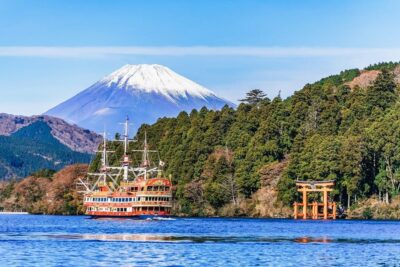
Tokyo Mt Fuji 5th St & Hakone Cruise Bus Tour w/Bullet Train
Read our review →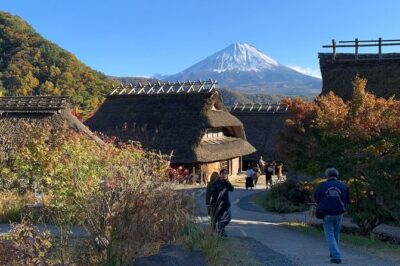
Private Tour to Mt. Fuji and Hakone (Fully Licenced Operator)
Read our review →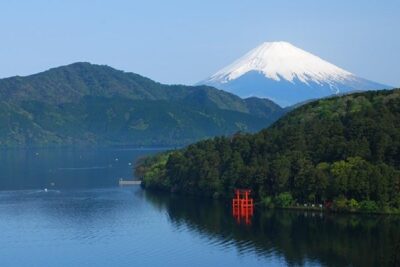
Mt Fuji & Hakone Cruise, Drum Show Bus 1 Day from Tokyo
Read our review →
Mt. Fuji, Kamakura, Big Buddha, & Lake Ashi Day Trip
Read our review →
Mt. Fuji & Hakone Private Day Tour with English-Speaking Driver
Read our review →
Hakone Fuji Day Tour w/ Cruise, Cable Car, Volcano
Read our review →Browse the lists this tour appears in