
Reviewed · HIROSHIMA & MIYAJIMA DAY TRIPS
Hiroshima:Guided Virtual Tour/PEACE PARK TOUR VR
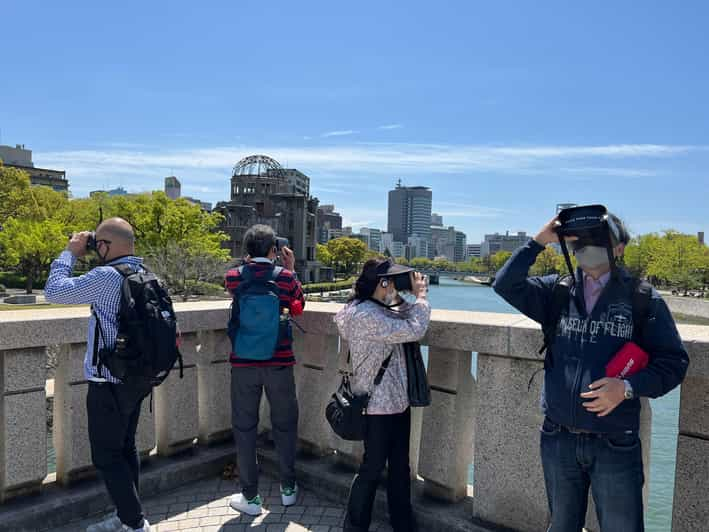
The most striking part of this Hiroshima tour is the way VR scenes connect directly to the places beneath your feet. You walk through Peace Park, stop at key sites, and then see those same locations as they looked before the atomic bombing, immediately afterward, and during the city’s recovery. The experience is built from survivor testimonies and period photographs, so the technology serves the story rather than replacing it.
I like the small group size of six, which gives you room to ask questions. I also like the local guides. Yoko Shimada, Kazuko, and Hiroshi have each been praised for explaining the subject with care, and Hiroshi has shared personal connections from his family and community. The main consideration is emotional weight. This is a serious memorial experience, not a light sightseeing stop, and bad weather can shorten the outdoor portion.
Key points to know before booking
- VR at four Peace Park locations: The headset is used during fieldwork at the Rest House, Atomic Bomb Dome, Aioi Bridge, and Motoyasu Bridge.
- Survivor-based storytelling: The VR material draws on Hibakusha testimonies and photographs from Hiroshima before and after August 6, 1945.
- Local English-speaking guides: Guides including Yoko, Kazuko, and Hiroshi lead discussion and answer questions.
- Six-person limit: The small group makes conversation easier than on a large coach tour.
- An 80-minute walk: Expect about 70 minutes of guided stops and walking, plus transitions and discussion.
- Rain or shine: Heavy rain may reduce the outdoor fieldwork and move a five-minute VR presentation indoors at the Rest House.
Seeing Hiroshima through changing time
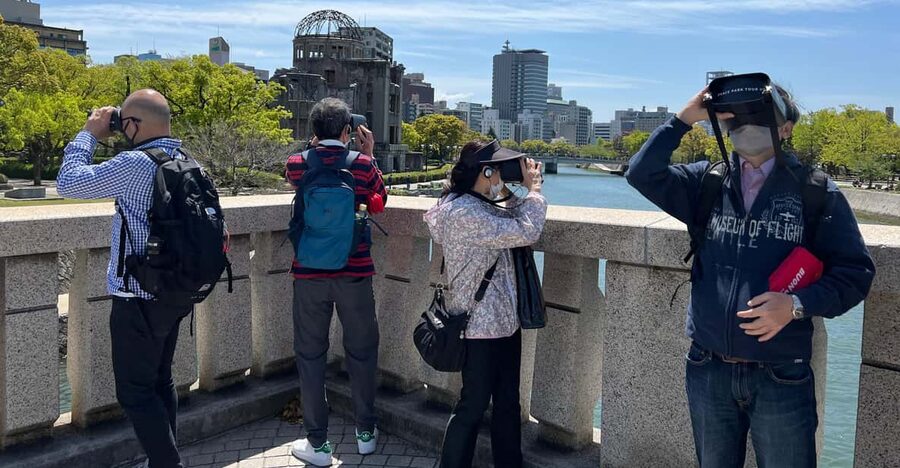
Many Hiroshima tours explain what happened. This one asks you to look at the same ground in several different moments.
At one point, you see a peaceful city before the bombing. Then the scene changes to the burnt plain of August 6. Later, you see the city beginning to recover. That sequence gives you a clearer sense of loss than a single photograph or museum label can provide. You are not only learning where the bomb exploded. You are seeing what disappeared, and what slowly returned.
The subject is handled through survivor accounts, including the experience of Eizo Nomura, a Hibakusha who was inside a building about 170 meters from the hypocenter. The VR presentation follows the impact on his surroundings and helps connect a personal account with the wider destruction of the city.
I find this approach useful because the Peace Park can be difficult to take in all at once. The memorials, rivers, bridges, and open paths are quiet today. The VR gives that calm setting a before-and-after frame without turning the visit into a spectacle.
Other long days west of Hiroshima:
- Peaceful Hiroshima & Miyajima UNESCO 1 Day Bus Tour
★ 5.0 · 5,309 reviews - Hiroshima: Hiroshima and Miyajima UNESCO Sites 1-Day Tour
★ 4.9 · 2,330 reviews - Hiroshima / Miyajima Full-day Private Tour with Government Licensed Guide
★ 5.0 · 1,298 reviews
Starting at the Peace Park Rest House
Your guide waits at the tourist information counter on the first floor of the Hiroshima City Peace Memorial Park Rest House. Arrive at least five minutes early. The meeting point is specific, and arriving with just a few minutes to spare gives you time to find the counter without rushing.
The Rest House is also the tour’s beginning and ending point. The first guided section lasts about 20 minutes and includes walking and sightseeing around the building and nearby Peace Park area. This opening helps you get oriented before the route reaches the most recognizable memorial sites.
The Rest House also matters because it is tied to Hiroshima’s wartime history and survival. The supplied information does not give a full presentation of the building itself, so you should think of this stop mainly as the meeting point and the base for the experience. If heavy rain affects the tour, a shortened five-minute VR presentation may take place here after the outdoor fieldwork.
Leave large luggage elsewhere. The Rest House cannot store bags, and the tour operator asks you to manage your own belongings. That is a small but important point if you are coming directly from a train station or hotel.
The Atomic Bomb Dome: a direct link to the past
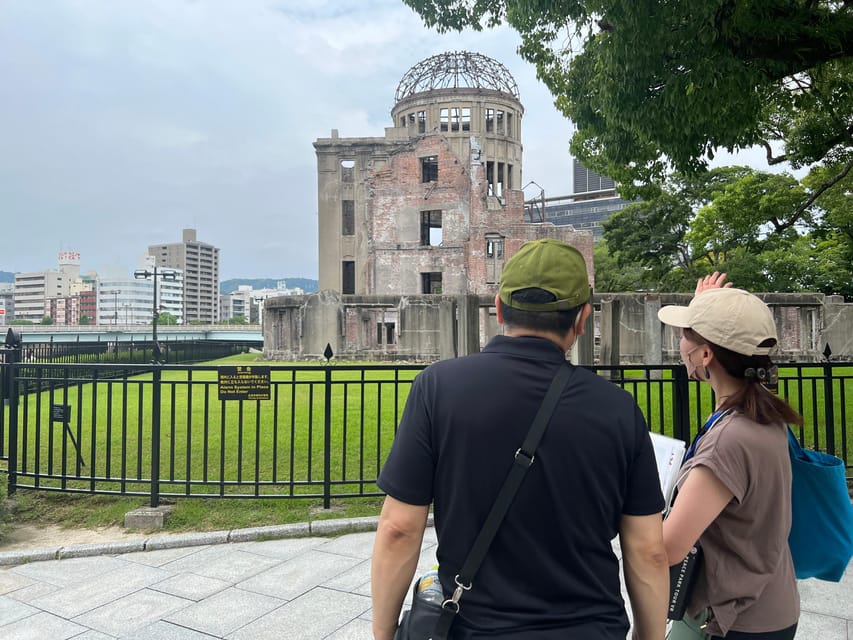
The walk to the Atomic Bomb Dome takes about 20 minutes and includes guided sightseeing. This is the visual center of most first visits to Hiroshima, but the VR changes how you read the building.
Today, the Dome is a preserved shell near the river. Through the headset, you can see the surrounding city before the bombing and compare it with the destruction that followed. The contrast is powerful because the present-day structure is already familiar from photographs. Seeing the area as a living part of Hiroshima before August 6 gives the ruins more human context.
This portion may be especially useful if you have visited the Dome on your own and found it hard to connect the surviving walls with the city that once surrounded them. The guide fills in that connection through explanation and conversation.
You should also expect the subject matter to be upsetting. The tour does not soften the destruction, and the purpose is not entertainment. The VR is a tool for understanding, but the story remains about real people, real deaths, and the long effects of the bombing.
Aioi Bridge and the shape of the bombing
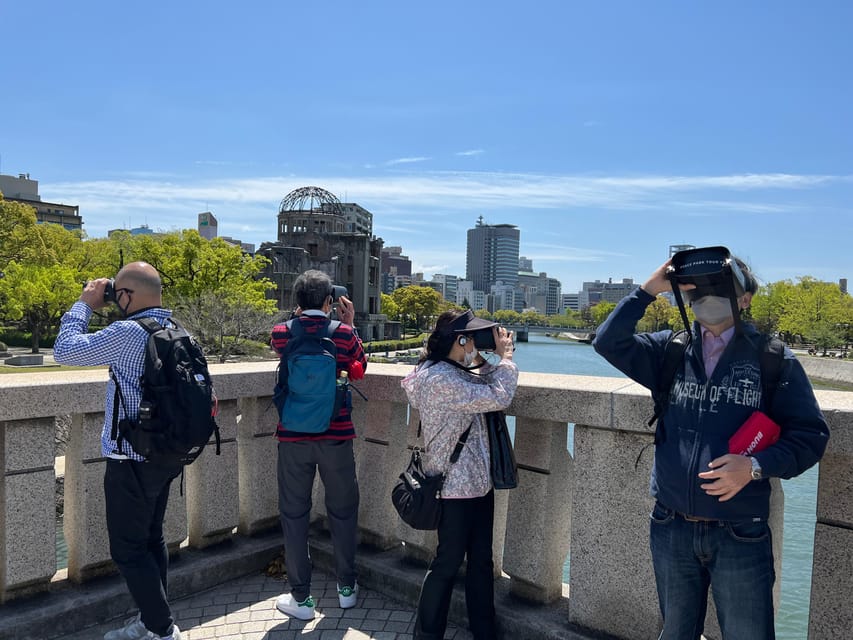
The next stop is Aioi Bridge, also called T-Bridge, reached through another guided walking section of about 15 minutes. The bridge is important to understanding the bombing because of its distinctive shape and its place near the target area.
Here, the experience shifts from a famous surviving structure to the setting around the blast. The headset can show the city before the attack and the empty, damaged area afterward. Looking from the bridge toward the park and river gives the VR scenes a physical reference. You are not watching an unrelated historical film. You are standing near the places being shown.
The bridge stop also gives your guide a chance to explain details and respond to questions. That conversation is one of the tour’s stronger features. Kazuko, for example, has used the story of Eizo Nomura to help explain how the bombing affected individuals and the surrounding community. A guide can pause when a question comes up, which is harder to do with a museum audio track.
The route is not long, but you will be outdoors and on foot. Comfortable shoes are sensible, especially in warm or wet weather. The information provided does not specify accessibility arrangements, so you should ask the operator directly if you need particular mobility support.
Same base, a different sort of day:
- Hiroshima Historical Walking Tour – Why A-Bomb was Dropped
★ 4.8 · 893 reviews - Hiroshima Peace (Heiwa) Walking Tour at World Heritage Sites
★ 5.0 · 872 reviews - Hiroshima in a Nutshell: Morning Bike Adventure
★ 5.0 · 524 reviews - Hiroshima City 4hr Private Walking Tour with Licensed Guide
★ 5.0 · 437 reviews
Motoyasu Bridge and the return to the Rest House
The final field stop is Motoyasu Bridge, another 15-minute guided section of walking and sightseeing. Like Aioi Bridge, it brings the history into the river setting that shapes Peace Park.
By this point, you have seen the city in three broad stages: before the bombing, immediately after it, and during recovery. Motoyasu Bridge helps complete that arc before you return to the Rest House. The route is compact enough to fit into an 80-minute experience, yet it covers several places that would otherwise feel separate.
The guide-led discussion is important here. At the end, the group talks about what each person thought of the experience. That closing conversation gives you a moment to process the material rather than simply removing the headset and walking away.
The route back to the Rest House also keeps the tour practical. You finish where you started, which makes it easy to continue to the Peace Memorial Museum, explore more of the park, or head to your next activity. The tour itself does not include food, drinks, or transportation to the meeting point.
Why the local guide matters
The VR is memorable, but I would not book this experience for the headset alone. The guide is the part that turns a visual reconstruction into a thoughtful visit.
The available guides have different ways of adding context. Yoko Shimada has been praised for being warm, clear, and willing to answer every question. Kazuko has linked the VR material to Eizo Nomura’s account, giving the experience a human focus. Hiroshi has brought family and community experiences into his explanations, offering a personal connection beyond dates and facts.
That does not mean every session will feel exactly the same. The guide assigned to your date may vary, and the conversation will depend on the group. Still, the format gives you a live English-speaking guide, not just recorded narration. An English audio guide is also included, but the main value is the chance to ask for clarification and talk through difficult points.
The small group limit helps. Six people is small enough for questions without making the outing feel like a private tour. It is not private, so you may share the session with other participants, but the group size should keep the discussion manageable.
The price: what $32 buys you
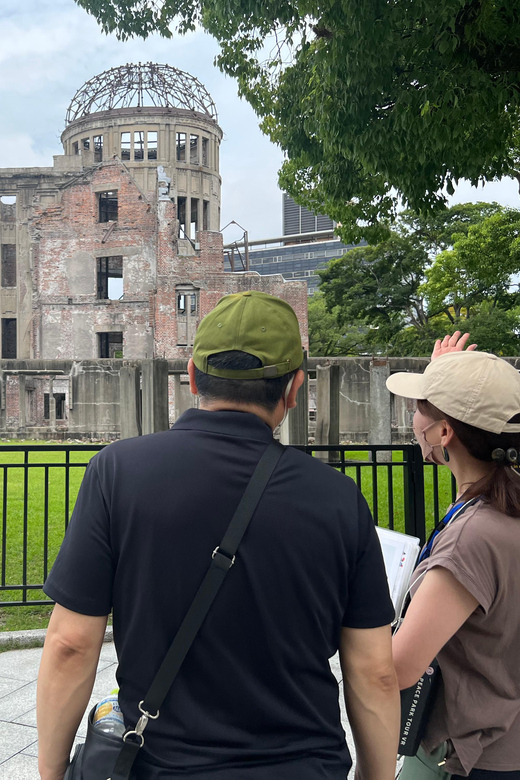
At $32 per person, this is priced above a simple self-guided walk through the park. You are paying for the VR goggles, an English-speaking guide, the guided route, and the time spent discussing what you have seen.
I think the price is reasonable if you want help making sense of the memorial sites. A self-guided visit costs less, but it leaves you to connect the buildings, bridges, testimonies, and historical sequence on your own. Here, the headset provides visual context and the guide provides interpretation.
The value is strongest for a first visit to Hiroshima, for people who prefer learning through images, and for anyone who wants a focused experience before visiting more museums or memorials. It is less compelling if you already know the park well, dislike VR headsets, or want a long historical lecture. The total duration is only 80 minutes, so this is a concentrated introduction rather than a full-day examination of Hiroshima’s wartime history.
You also avoid the cost of renting equipment separately because the VR goggles are included. Transportation to the Rest House, food, and drinks are not included, so budget for those separately.
Weather, timing, and the practical details
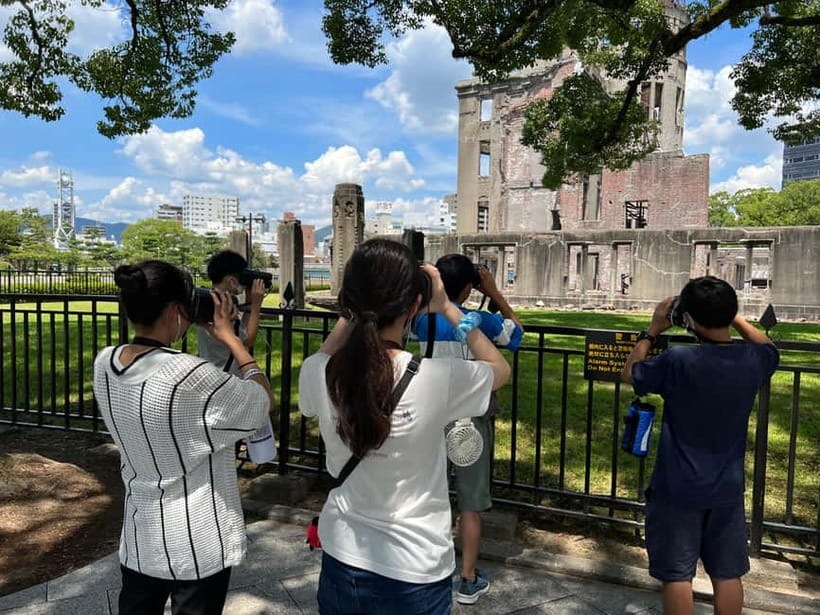
The tour runs rain or shine. That is useful for planning, but it also means the quality of the outdoor portion depends on conditions. In heavy rain, the fieldwork may be shortened and replaced with a five-minute VR session inside the Rest House after the group has been outside.
Contact the operator if you are running late. If you have not arrived 10 minutes after the scheduled start, you may not be allowed to join. The tour can also be shortened if there is a delay, so this is not an activity to schedule with a tight connection afterward.
Free cancellation is available up to 24 hours before the start time, and you can reserve now and pay later. Those policies help if your Hiroshima plans are still moving, but they do not change the need to arrive on time.
The experience is offered in English and lasts 80 minutes. Check the available starting times when booking, since the exact schedule is not fixed in the information provided.
Who will get the most from this tour?
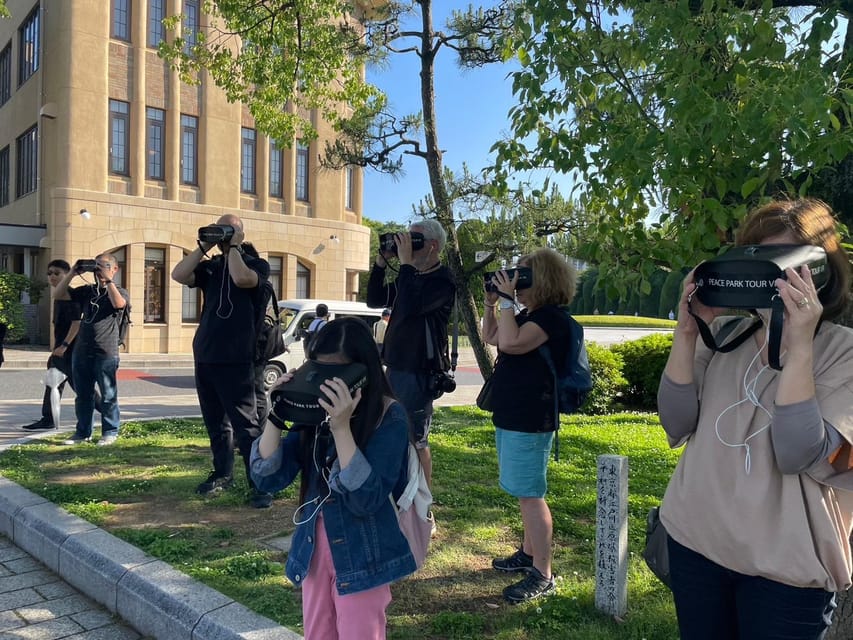
I would choose this for a first-time visitor who wants the Peace Park to make emotional and geographic sense. The VR provides a visual bridge between the peaceful park you see now and the city that existed before the bombing.
It also suits families with older children and teenagers, provided they are ready for difficult subject matter. The headset may hold attention better than a long lecture, while the guide can explain questions in plain English. The tour is also a good fit for visitors who want a short activity that leaves time for the Peace Memorial Museum or other Hiroshima sights.
You may want a different format if you prefer to move at your own pace. The route follows a set schedule, and the group must stay together. It is also not ideal if you are looking for a cheerful sightseeing experience. The topic is sorrowful, and the right preparation matters.
Some people may feel uncomfortable with VR for a subject as serious as the atomic bombing. That is a fair concern. In this case, the headset is based on survivor testimonies and historical photographs, and it is used at the actual sites. Even so, you should choose this experience only if you are willing to engage with the subject directly.
Should you book the Peace Park VR tour?
Book it if you want a short, guided visit that combines real places with carefully framed historical images. The strongest reasons are the local English-speaking guide, the six-person limit, and the way the VR connects Hiroshima before the bombing with the devastation and recovery that followed.
I would especially recommend it before or alongside a visit to the Peace Memorial Museum. The VR gives you a sense of place, while the museum can provide more objects, documents, and detail. Together, they create a fuller visit.
Skip it if you want a private tour, a purely self-guided walk, or an activity with little emotional strain. For most visitors seeking a respectful introduction to Hiroshima Peace Park, $32 is a fair price for the equipment, the guide, and the chance to discuss what you have seen while standing in the places themselves.
FAQ
Where does the Hiroshima VR tour begin?
The tour begins at the tourist information counter on the first floor of the Hiroshima City Peace Memorial Park Rest House.
How long does the experience last?
The experience lasts 80 minutes. The route includes about 20 minutes at the Peace Park Rest House, 20 minutes at the Atomic Bomb Dome, 15 minutes at Aioi Bridge, and 15 minutes at Motoyasu Bridge, along with transitions and discussion.
What language is the tour offered in?
The live tour guide speaks English. An English audio guide is also included.
What is included in the price?
The price includes rental of the VR goggles and the English-speaking guide. Transportation to the meeting point, food, and drinks are not included.
What happens if it rains?
The tour takes place rain or shine. If it is raining heavily, the outdoor fieldwork may be shortened, followed by a five-minute VR presentation at the Rest House.
How many people can join the tour?
The tour is limited to six participants, but it is not private. You may share the experience with other customers.
Just added in Hiroshima
- Iya Valley BROMPTON Slow Cycling Tour★ 5.0 · 28 reviews
- Iya Valley All Must-Sees Private Chauffeur Full-day Tour with a Driver★ 5.0 · 20 reviews
- Shore Excursion from Hiroshima Port : Private Tour in Hiroshima★ 5.0 · 17 reviews
- Hiroshima & Miyajima All-Inclusive Tour w/Licensed guide Pancho★ 5.0 · 54 reviews
- Okunoshima Rabbit Island Cycling Tour with Local Guide★ 4.5 · 17 reviews
- The Peace Memorial to Miyajima : Icons of Peace and Beauty★ 4.5 · 31 reviews
- Private Full Day Hiroshima Tour★ 4.5 · 29 reviews
- Hiroshima Saijo Sake Tasting Tour with visit to 7 Breweries★ 5.0 · 104 reviews
Hiroshima & Miyajima Day Trips, compared.
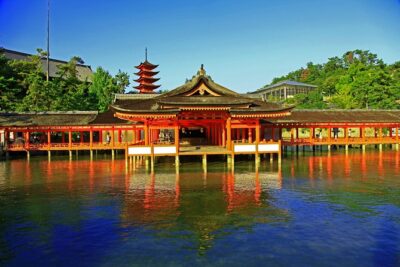
Peaceful Hiroshima & Miyajima UNESCO 1 Day Bus Tour
Read our review →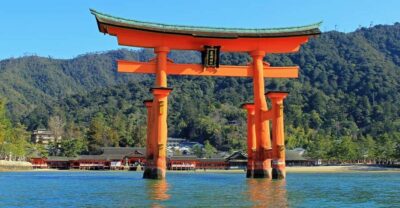
Hiroshima and Miyajima UNESCO Sites 1-Day Tour
Read our review →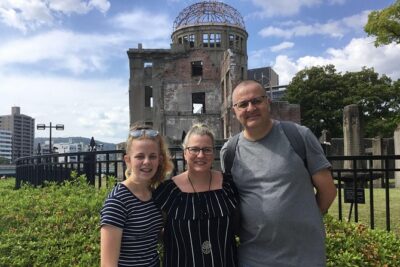
Hiroshima / Miyajima Full-day Private Tour with Government Licensed Guide
Read our review →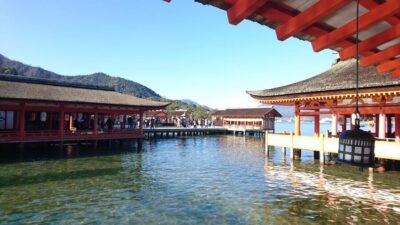
Osaka/Kyoto: Hiroshima Miyajima Bus Tour & Shinkansen Ticket
Read our review →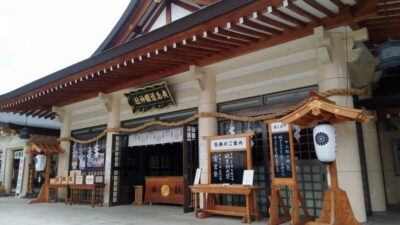
Hiroshima Historical Walking Tour – Why A-Bomb was Dropped
Read our review →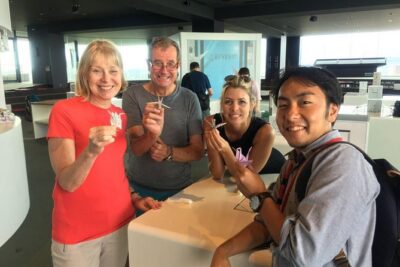
Hiroshima Peace (Heiwa) Walking Tour at World Heritage Sites
Read our review →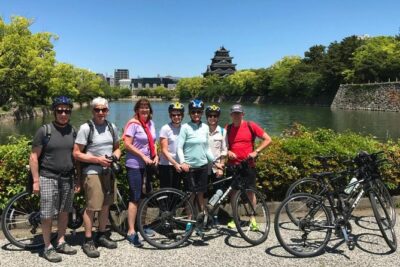
Hiroshima in a Nutshell: Morning Bike Adventure
Read our review →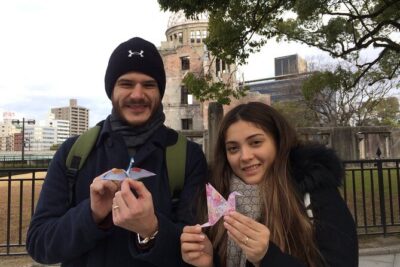
Hiroshima City 4hr Private Walking Tour with Licensed Guide
Read our review →Browse the lists this tour appears in