
Reviewed · HIROSHIMA & MIYAJIMA DAY TRIPS
Hiroshima: Miyajima Peace Memorial Icons of Peace and Beauty
Hiroshima’s most moving sights and Miyajima’s famous floating shrine make an unlikely but powerful pair. In the morning, you face the human cost of war at the Peace Memorial Park and Museum. By afternoon, a ferry carries you to an island of Shinto architecture, forested hills, sweets, crafts, and sea views.
I like two things especially. First, the guide handles the tram, ferry, and shrine tickets, which lets you focus on what you are seeing instead of studying route maps. Second, the day has a thoughtful emotional shape, moving from Hiroshima’s difficult past to Miyajima’s calm beauty. Guides such as Ken, Kensuke, Minori, and Alex are noted for clear explanations and personal attention.
The tradeoff is time. Eight hours covers a lot, but the Peace Memorial Museum and Miyajima both deserve longer visits. You will walk plenty, and the schedule may feel brisk during busy seasons or when ferry and entry lines build.
Key Points to Know Before Booking
- Two major destinations in one day: Pair Hiroshima’s Peace Memorial sites with Miyajima and Itsukushima Shrine.
- Public transport is part of the experience: The tour uses local tram service and a ferry, with fares included.
- A serious morning, a lighter afternoon: Expect quiet reflection in Hiroshima, followed by food, shops, architecture, and island scenery.
- Guide quality matters here: Ken and Kensuke are especially praised for history, timing, photos, restaurant advice, and friendly conversation.
- Lunch is your responsibility: The meal stop lasts about 45 minutes, but the cost is not included.
- Solo booking has a condition: If at least two people do not book, you may be offered another date, a ¥16,000 solo supplement, or a full refund.
Starting Beside Hiroshima’s Peace Memorial Park
You meet at the 7-Eleven directly outside Peace Memorial Park. This is a sensible starting point because you begin near the first sights rather than spending part of the morning crossing the city.
The tour opens in the park for about 30 minutes. Its lawns, paths, and water give you room to pause, but the setting is not simply scenic. The park asks you to hold two ideas at once: the horror of August 6, 1945, and Hiroshima’s continuing call for peace.
Your guide provides the context that can be hard to assemble on your own. Ken, who leads many of the departures, is praised for explaining events clearly and answering questions with care. One useful part of his approach is the attention to different perspectives surrounding the bombing, rather than reducing the subject to a few dates and photographs.
Other long days west of Hiroshima:
- Peaceful Hiroshima & Miyajima UNESCO 1 Day Bus Tour
★ 5.0 · 5,309 reviews - Hiroshima: Hiroshima and Miyajima UNESCO Sites 1-Day Tour
★ 4.9 · 2,330 reviews - Hiroshima / Miyajima Full-day Private Tour with Government Licensed Guide
★ 5.0 · 1,298 reviews
The Atomic Bomb Dome and the Shape of Memory
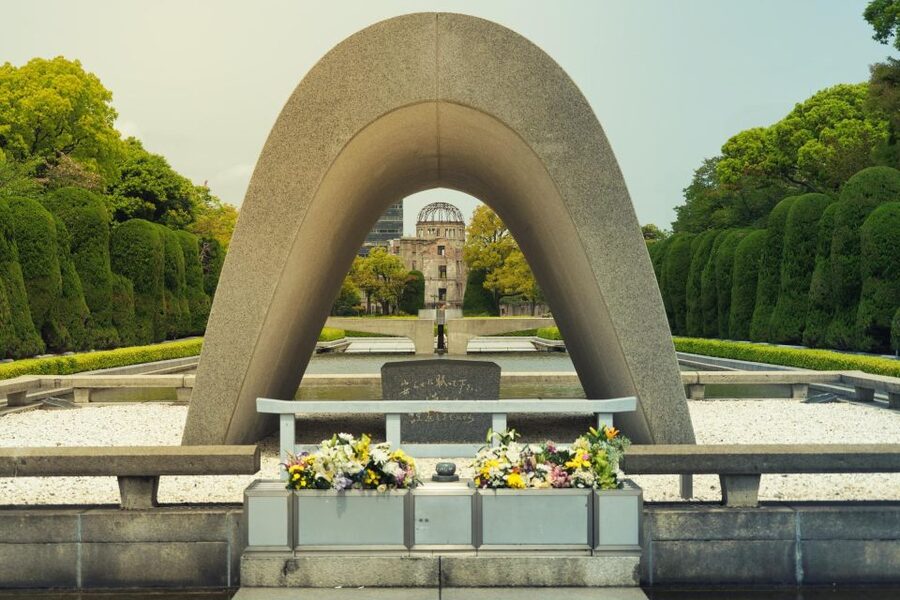
The Atomic Bomb Dome is one of Hiroshima’s most recognizable sights. Its damaged structure remains beside the river as a direct physical reminder of the destruction. The building is a UNESCO World Heritage Site, but its importance is not only architectural. You see the shell of a building that survived the blast near its center while much of the surrounding city was destroyed.
The stop lasts about 30 minutes, enough for your guide to explain the site and give you time to look closely. This is a place where photography feels appropriate only when balanced with attention. Your guide can help you understand what you are seeing without turning the visit into a quick photo stop.
The park also includes the Cenotaph for the A-bomb Victims, the Children’s Peace Monument with its paper cranes, and the Flame of Peace. The paper cranes bring a human scale to the park, while the flame represents the hope that nuclear weapons will no longer be used.
One Hour Inside the Hiroshima Peace Memorial Museum
The museum is the emotional center of the morning. You have about an hour inside, with exhibits focused on the atomic bombing of Hiroshima and the effects on ordinary people. The displays can be difficult, and the experience calls for quiet attention rather than rushing from one object to the next.
An hour gives you a meaningful introduction, but it is not enough to read every display in detail. If the museum is especially busy, you may need to choose what matters most to you. One departure was described as slightly rushed in the museum and on Miyajima, so keep your expectations realistic.
I value the museum’s place in this tour because the guide gives you a framework before you enter, then the exhibits make the history personal. Afterward, the group moves through the park with a clearer sense of why each memorial matters. The morning is serious, but it is handled with respect rather than drama.
Tram, Ferry, and the Crossing to Miyajima
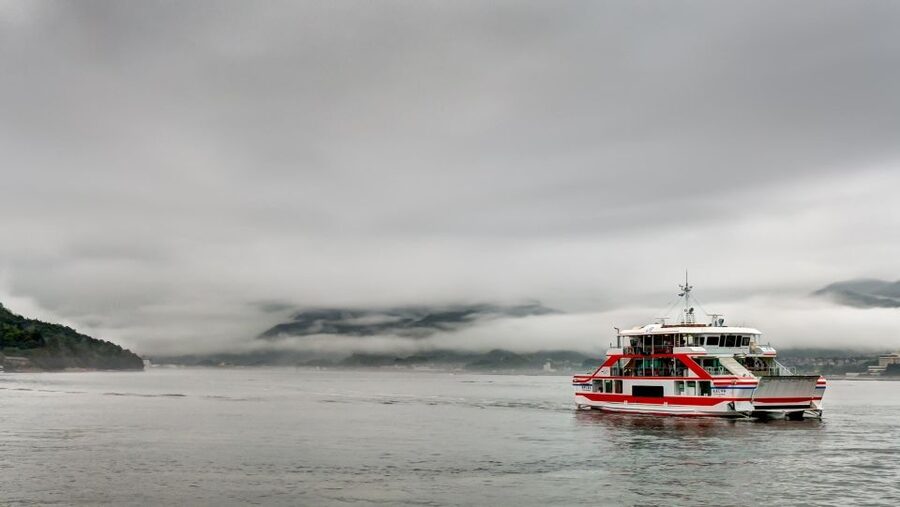
After Hiroshima’s memorial sites, the tone changes as you travel toward Miyajima. The tour uses public transport, including the tram and a boat ride, and the fares are included. The ferry crossing is part of the pleasure of the day, giving you a short break after the museum and a gradual approach to the island.
Public transport has a practical benefit. Hiroshima and Miyajima are easy to connect in theory, but first-time visitors still need to work out tickets, platforms, schedules, and the correct ferry. Your guide manages those details and keeps the group moving. Several guests appreciated that Ken collected tickets and reduced waiting time.
The ferry section is listed as about an hour in the schedule, though actual transport timing can vary. You should be ready to walk between stops and remain with the group so you do not miss the next departure.
Same base, a different sort of day:
- Hiroshima Historical Walking Tour – Why A-Bomb was Dropped
★ 4.8 · 893 reviews - Hiroshima Peace (Heiwa) Walking Tour at World Heritage Sites
★ 5.0 · 872 reviews - Hiroshima in a Nutshell: Morning Bike Adventure
★ 5.0 · 524 reviews - Hiroshima City 4hr Private Walking Tour with Licensed Guide
★ 5.0 · 437 reviews
Itsukushima Shrine at the Edge of the Inland Sea
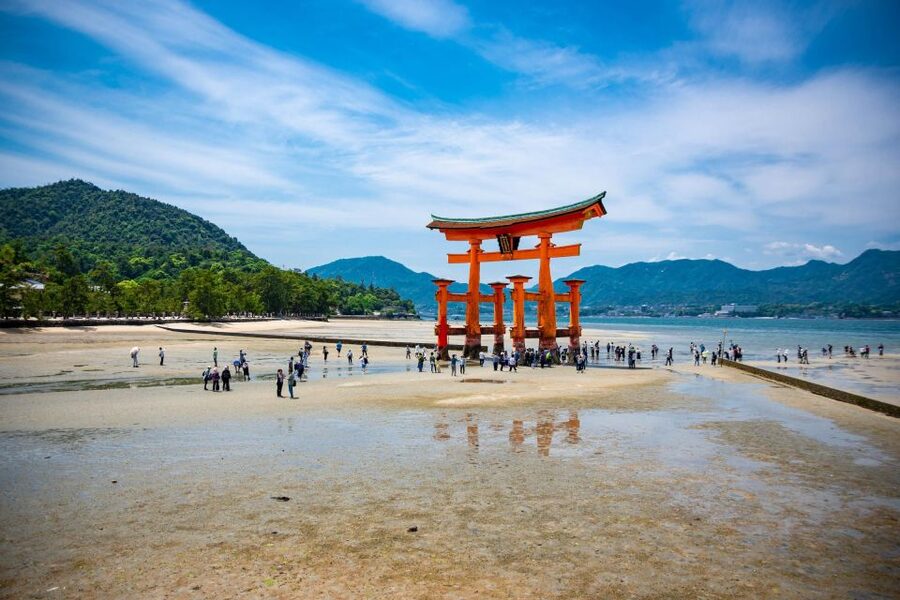
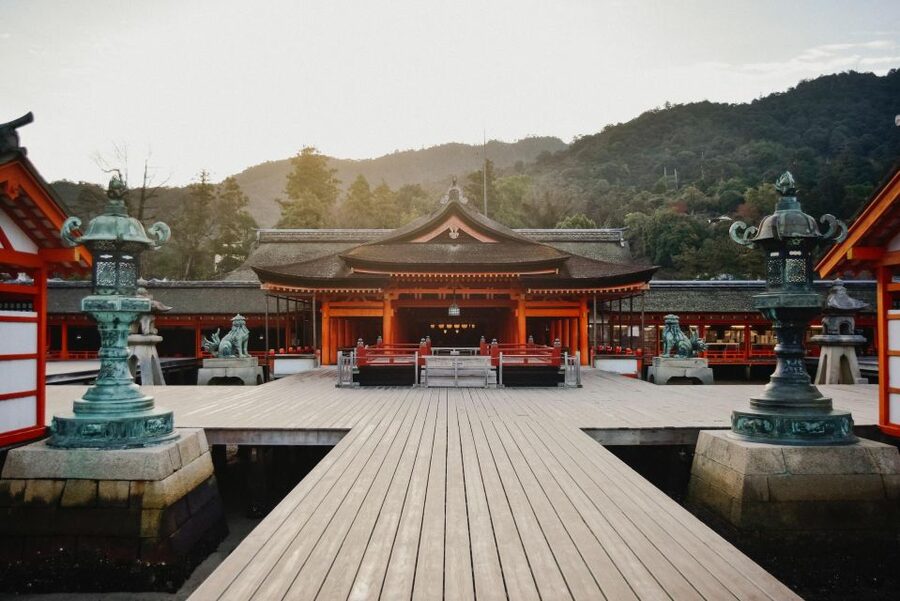
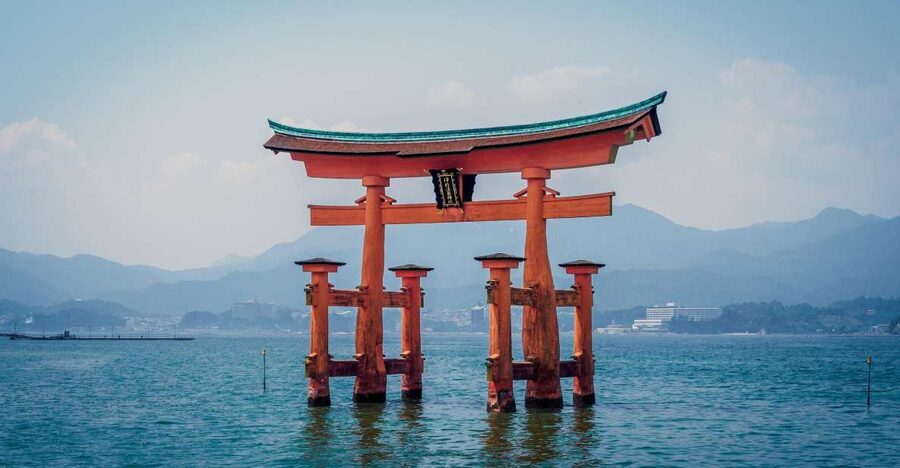
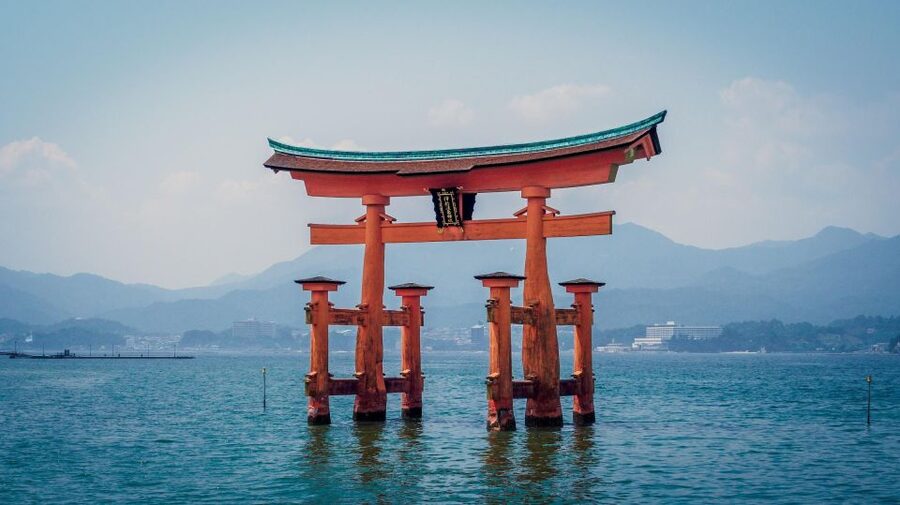
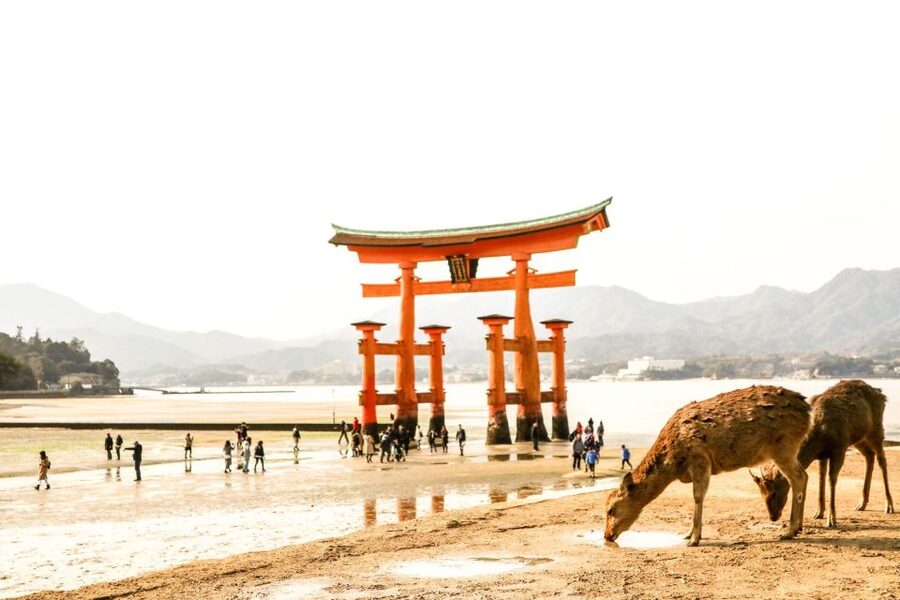
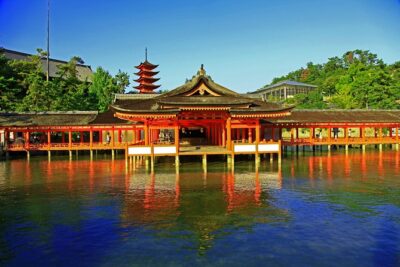
Miyajima’s main attraction is Itsukushima Shrine, built at the edge of the Seto Inland Sea. At high tide, its red structures appear to float above the water. This effect is the reason many people put Miyajima high on their Japan itinerary, but the shrine is more than a single famous view.
Your guide explains the Shinto setting, the purpose of the shrine, and the way its buildings relate to the sea. The visit lasts about 45 minutes. That is enough to appreciate the architecture and hear the main background, but busy periods may limit how long you linger at the most popular viewpoints.
Crowds are a real consideration, especially during peak season. Ken is praised for planning around busy areas and keeping the group from wasting time in lines. Still, no guide can remove every queue, and you should expect other people at one of Japan’s best-known sights.
The professional photo option is worth considering if photographs are important to you. Guide-photographers can take pictures at both the Peace Memorial Park and Miyajima, framing the day’s quiet and scenic moments. This is an optional feature, so check the booking details and price before you commit.
Senjokaku Pavilion and Miyajima’s Traditional Side
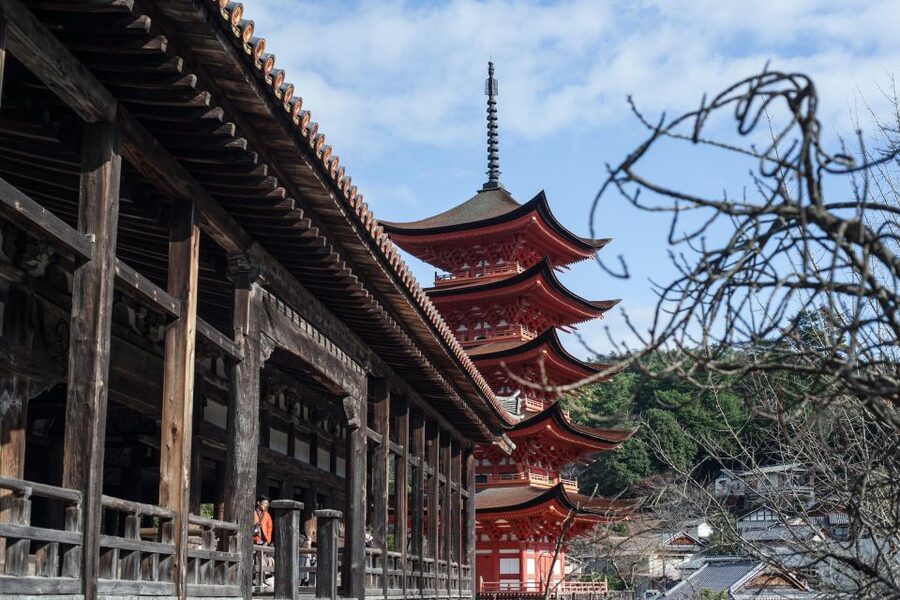
The next major stop is Senjokaku Pavilion, also called the Pavilion of Heavenly Spirits. Its broad wooden interior and tatami areas offer a calmer view of Japanese architecture than the shrine’s busy waterfront.
The pavilion is associated with Toyotomi Hideyoshi and is known for its open, unfinished character. The supplied tour information focuses on its wooden design and traditional interiors, which are the details you will explore with the guide. The visit lasts about 45 minutes.
From here, you begin to see Miyajima as more than a shrine with a famous torii gate. The island includes religious buildings, wooded slopes, quiet paths, shops, and food stalls. If you are interested in architecture, this section adds useful variety to the day.
Lunch, Momiji Manju, and One Hour to Wander
Lunch is scheduled for about 45 minutes, but you pay for your own meal. This gives you some choice, and guides can point you toward local specialties. Eel is one dish that has been recommended during the tour, and Miyajima is also known for Momiji Manju, a maple-leaf-shaped cake filled with sweet or savory ingredients.
Your free time lasts about an hour. Use it carefully. You can browse tea houses, look at handmade goods, sample snacks, and visit small boutiques. The streets near the shrine can be crowded, so do not wander too far if you want time to return to the ferry meeting point.
The island is a good place to buy modest souvenirs rather than generic airport gifts. Handicrafts and local sweets connect more directly to Miyajima. If you collect stamps, tell your guide early. One guide took special care to point out stamp locations, an easy detail to miss while keeping up with a group.
The schedule also includes a walk through the nature and hills behind the shrine. You should wear comfortable shoes. The tour involves repeated walking, stairs, transit connections, and standing, and one guest specifically noted that anyone with mobility concerns should prepare for the amount of walking.
What the Guides Add to the Day
The guide is the main reason to choose this experience instead of arranging the same route alone. Hiroshima’s public transport is manageable, and you could visit both destinations independently, but you would need to organize the connections, entry tickets, timing, and background information yourself.
Ken, also referred to as Kensuke, receives the strongest praise in the supplied material. His useful habits include contacting people before the tour, explaining weather conditions, keeping the group on schedule, helping with photographs, and offering restaurant suggestions. He is also described as making an effort to speak with each person, which matters on a full-day small-group outing.
Minori is praised for kindness and clear explanations, while Alex is described as respectful and well informed. The guides speak English or Spanish, depending on the departure. Small groups and private options are available, so the feel of the day can vary.
A good guide also helps with cultural questions that are easy to miss. You can ask about Shinto practice, Japanese food, everyday life, and local customs instead of only listening to prepared facts. Several people valued the chance to speak with a Japanese guide about life in Japan as well as Hiroshima.
Is $163 Good Value for Eight Hours?
At $163 per person, this is not the cheapest way to see Hiroshima and Miyajima. The value depends on how much help you want with transport and interpretation.
The price includes the guide, tram and ferry fares, entry fees for the Peace Memorial sites and Itsukushima Shrine, and free time for personal exploration. Lunch is not included. When you add public transport, shrine admission, and the value of an eight-hour private or small-group service, the price becomes easier to justify, especially for a first visit.
I would consider it good value if you have limited time in Hiroshima, want historical context, or dislike managing several connections in one day. If you enjoy building your own route, reading museum material at your own pace, and spending longer at one site, independent travel may suit you better.
The biggest value is not simply convenience. It is the connection between the morning and afternoon. The guide helps you understand why Hiroshima’s memorial sites matter, then leads you to Miyajima’s religious and cultural sights without making you solve the logistics yourself.
Who Should Book This Hiroshima and Miyajima Tour?
This tour suits first-time visitors, couples, families with older children, and anyone with only one full day in Hiroshima. It is also a strong choice if you want both historical sites and traditional scenery rather than spending the entire day in a museum or shrine district.
It suits you less if you need a slow pace, extensive museum reading time, or a long lunch. The day is carefully timed, but it is still a full itinerary. You should be comfortable walking for much of the day and using public transport.
The emotional weight of Hiroshima also matters. The Peace Memorial Museum is not a light sightseeing stop. You will see material that may be upsetting. The reward is a more serious understanding of the city and its message of peace, followed by the beauty and calmer rhythm of Miyajima.
Cancellation is flexible up to 24 hours before departure, and you can reserve now and pay later. If you are booking alone, confirm the minimum group condition: if two people do not book, the operator may offer another date, request a ¥16,000 solo supplement, or issue a full refund.
Should You Book It?
Book this tour if you want Hiroshima’s major memorials and Miyajima in one organized day, with a guide who can explain the past, handle tickets, and keep the transport moving. The combination is powerful, and the shift from the Peace Memorial Park to the sea-facing shrine gives the day real balance.
Skip it if you want to explore at a very slow pace or prefer to spend several hours in the museum alone. For most first-time visitors with limited time, though, the $163 price is reasonable for the coordination, included fares and admissions, and personal guidance. Wear good shoes, bring patience for the museum, and save room for Momiji Manju.
FAQ
How long does the Hiroshima and Miyajima tour last?
The tour lasts eight hours, beginning near Peace Memorial Park and ending at Hiroshima Station.
Where is the meeting point?
Meet at the 7-Eleven directly outside Hiroshima’s Peace Memorial Park, listed as the 7-Eleven Hiroshima Motoyasubashi East Store.
What languages are available?
Live guides are available in English and Spanish.
Are transport fares included?
Yes. Tram and ferry fares are included in the tour price.
Is lunch included?
No. Lunch is not included, although about 45 minutes is set aside for a meal on Miyajima.
What should I bring?
Bring comfortable shoes. The day includes walking through Peace Memorial Park, Miyajima’s streets, shrine areas, and paths near the island’s hills.
What happens if I book alone and the minimum group size is not reached?
You may be offered an alternate date, asked to pay a ¥16,000 solo supplement, or given a full refund.
Just added in Hiroshima
- Day Trip to Hiroshima & Miyajima with Itsukushima Shrine★ 4.6 · 124 reviews
- Hiroshima: Best of Hiroshima Guided Bike Tour★ 4.9 · 89 reviews
- Hiroshima & Miyajima 6.5h Guided Tour – Dome, Park & Shrine★ 4.9 · 83 reviews
- Hiroshima 3hr Peace Cycling Tour with Local Guide★ 5.0 · 131 reviews
- Hiroshima: Food and Culture Guided Walking Tour with Dinner★ 4.9 · 212 reviews
- Hiroshima Local guided Hiking Tour&Open-air Tea Ceremony★ 5.0 · 213 reviews
- Hiroshima & Miyajima: Full-Day Private Tour & Licensed Guide★ 4.8 · 252 reviews
- Hiroshima: History of Hiroshima Group Walking Tour★ 4.8 · 266 reviews
Hiroshima & Miyajima Day Trips, compared.
Peaceful Hiroshima & Miyajima UNESCO 1 Day Bus Tour
Read our review →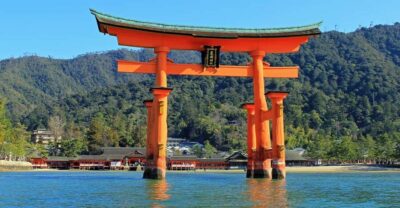
Hiroshima and Miyajima UNESCO Sites 1-Day Tour
Read our review →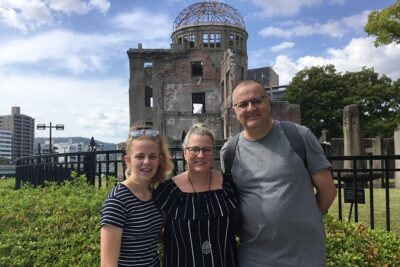
Hiroshima / Miyajima Full-day Private Tour with Government Licensed Guide
Read our review →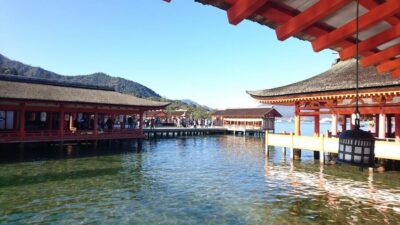
Osaka/Kyoto: Hiroshima Miyajima Bus Tour & Shinkansen Ticket
Read our review →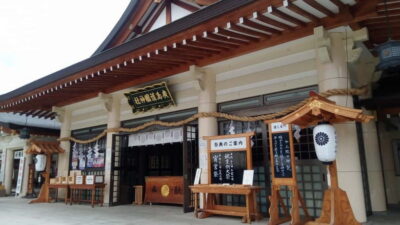
Hiroshima Historical Walking Tour – Why A-Bomb was Dropped
Read our review →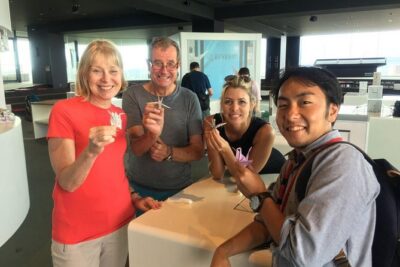
Hiroshima Peace (Heiwa) Walking Tour at World Heritage Sites
Read our review →
Hiroshima in a Nutshell: Morning Bike Adventure
Read our review →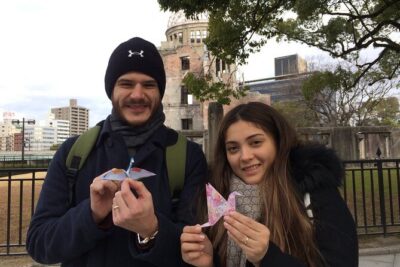
Hiroshima City 4hr Private Walking Tour with Licensed Guide
Read our review →Browse the lists this tour appears in