
Reviewed · HIROSHIMA & MIYAJIMA DAY TRIPS
Hiroshima Peace Memorial Park: A Guided Tour
Hiroshima Peace Memorial Park is not a sightseeing stop you simply tick off. The Atomic Bomb Dome gives the tour its stark opening: a damaged building beside the river, still tied to the morning of August 6, 1945. From there, the walk moves through memorials that place human stories beside the larger story of war and nuclear weapons.
I like the small group of up to 10 people, which makes it easier to hear and ask questions. I also like the careful pace reported by guests, with Sheraz Alvi giving useful explanations and allowing time to take in each site. The main drawback is that two hours is short for a place this serious, and the museum portion is scheduled for only about 10 minutes of guided touring.
- The Atomic Bomb Dome begins the tour: You meet at one of Hiroshima’s most powerful and recognizable memorials.
- Sheraz Alvi leads in English: His approach includes historical explanation, questions, and attention to the group.
- Several less obvious memorials are included: The Korean Atomic Bomb Victims Memorial and Memorial Tower area add important perspectives.
- The route ends at the Gates of Peace: This gives the walk a clear finish rather than leaving you to find your way around.
- The pace is gentle but walking-based: Comfortable shoes and water matter, especially in warm weather.
- At $19, the tour offers a low-cost introduction: It is best value if you want structure and context before spending more time on your own.
Starting beside the Atomic Bomb Dome
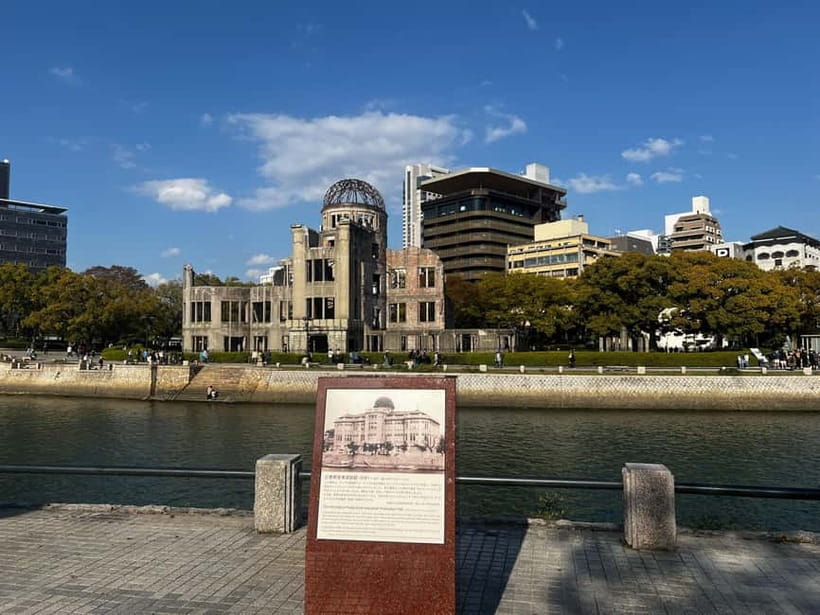
The tour begins at the Atomic Bomb Dome, at the meeting point near 34.395483, 132.453592. This matters because you do not begin with a long walk from a station or a vague meeting area. You start at the site that frames the whole visit.
The Dome was formerly an exhibition building, and its exposed structure became one of the few buildings left near the blast center. Your guide explains its significance during a 20-minute stop, giving you a useful foundation before the route moves to other memorials.
The first minutes can feel quiet and heavy. That is appropriate here. This is not a tour built around quick photo stops or cheerful commentary. Photography is allowed, but you should expect the guide to set a respectful tone and explain why the building remains important.
I would arrive a little early. The meeting point is specific, but the park contains many paths and memorials, and a few extra minutes can keep the start calm. If you need help finding the group, the provider says the guide will be at the Atomic Bomb Dome.
Clock Tower and Bell of Peace
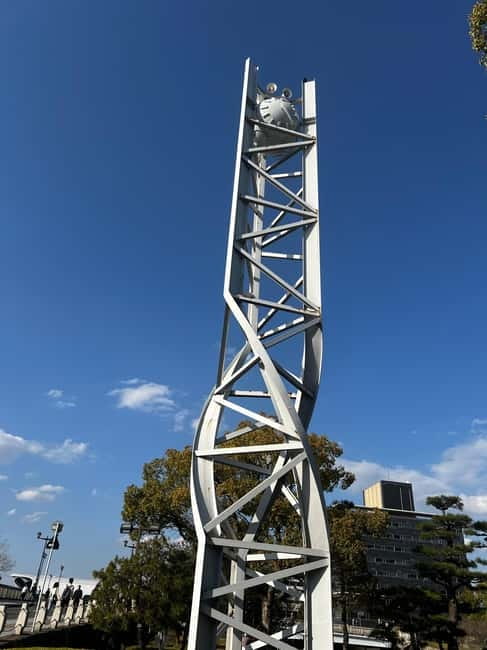
The Clock Tower of Peace follows the Dome, with about 10 minutes for a guided look. This stop helps shift your attention from one famous ruin to the park’s wider network of memorials. It is a brief visit, so expect an explanation and orientation rather than a long historical talk.
Next comes the Bell of Peace. Bells and sound appear often in Hiroshima’s memorial spaces, and this stop gives the walk a more reflective rhythm. The visit is again listed at 10 minutes, which is enough to understand its purpose and pause, but not enough for a long independent exploration.
This is one reason the small group helps. With up to 10 people, the guide can keep everyone together without making each stop feel rushed by crowd management. The tradeoff is that the tour keeps moving. If you want to study every inscription, take many photographs, or sit quietly at each site, you will need extra time after the tour.
Other long days west of Hiroshima:
- Peaceful Hiroshima & Miyajima UNESCO 1 Day Bus Tour
★ 5.0 · 5,309 reviews - Hiroshima: Hiroshima and Miyajima UNESCO Sites 1-Day Tour
★ 4.9 · 2,330 reviews - Hiroshima / Miyajima Full-day Private Tour with Government Licensed Guide
★ 5.0 · 1,298 reviews
The Korean Atomic Bomb Victims Memorial
The Korean Atomic Bomb Victims Memorial adds a viewpoint that can be missed on a quick visit to the park. It recognizes Korean people who were in Hiroshima when the bomb fell, and it broadens the story beyond a single national experience.
The supplied route gives this stop 10 minutes. That is a useful amount of time for context, but you should listen closely and ask questions while you are there. This memorial is especially valuable if you want the tour to address the wider human cost of the bombing and the different communities affected by it.
The inclusion of this site is one of the tour’s practical strengths. You are not only taken to the best-known landmarks. You are also shown memorials that may be harder to place on a first visit without a guide.
Children’s Peace Monument and the human cost of war
The Children’s Peace Monument is dedicated to children affected by the bombing. Its story brings the subject closer to individual lives, rather than leaving it as a matter of dates, military decisions, and statistics.
The stop lasts about 10 minutes. You can expect an explanation of the monument’s meaning, followed by time to look and reflect. The park’s memorials often work best when you have a guide to explain the reason behind each one, then a moment to absorb it without a constant stream of facts.
This is a solemn part of the walk, and the tour is not designed for very young children. Children under 6 are not considered suitable for the activity. Older children may find the subject difficult, so parents should decide based on maturity and comfort with war history.
Hiroshima National Peace Memorial Hall
The Hiroshima National Peace Memorial Hall gives the tour another way to approach the people who died and the families who endured the aftermath. The scheduled guided visit is about 20 minutes, making it one of the longer stops before the main museum segment.
I like the balance here. The tour does not rely only on the Atomic Bomb Dome, which can become a single-image version of Hiroshima. It also leads you through remembrance spaces built to record names, lives, and personal suffering.
Your guide, Sheraz Alvi, is described as attentive and interested in the people in his group. That can matter on a subject like this. A good guide needs to explain difficult events clearly without turning the visit into a lecture that ignores the mood of the place. The available feedback points to an easy pace, useful introductions, and time to take in what you have heard.
Same base, a different sort of day:
- Hiroshima Historical Walking Tour – Why A-Bomb was Dropped
★ 4.8 · 893 reviews - Hiroshima Peace (Heiwa) Walking Tour at World Heritage Sites
★ 5.0 · 872 reviews - Hiroshima in a Nutshell: Morning Bike Adventure
★ 5.0 · 524 reviews - Hiroshima City 4hr Private Walking Tour with Licensed Guide
★ 5.0 · 437 reviews
Cenotaph, Peace Flame, and the central memorial area
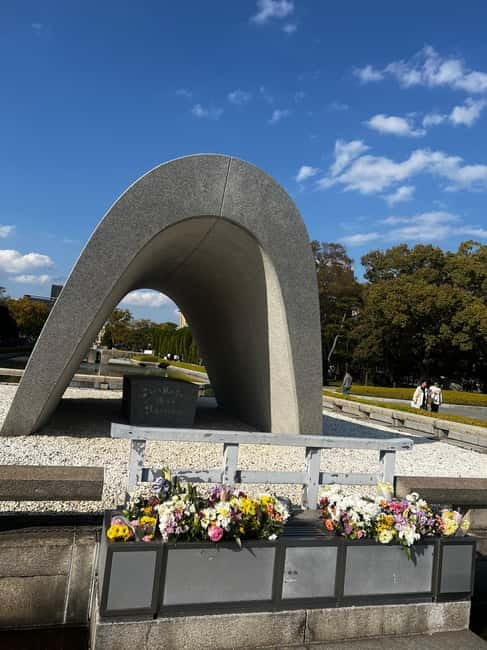
The Hiroshima Victims Memorial Cenotaph is one of the central points of the park. It honors those who died as a result of the bombing, and the surrounding space invites a quiet pause.
The itinerary lists about 10 minutes here. That is enough for an explanation and a short period of reflection, though you may want to return later if you prefer a longer visit. The tour format gives you the story and orientation first, while an independent return lets you set your own pace.
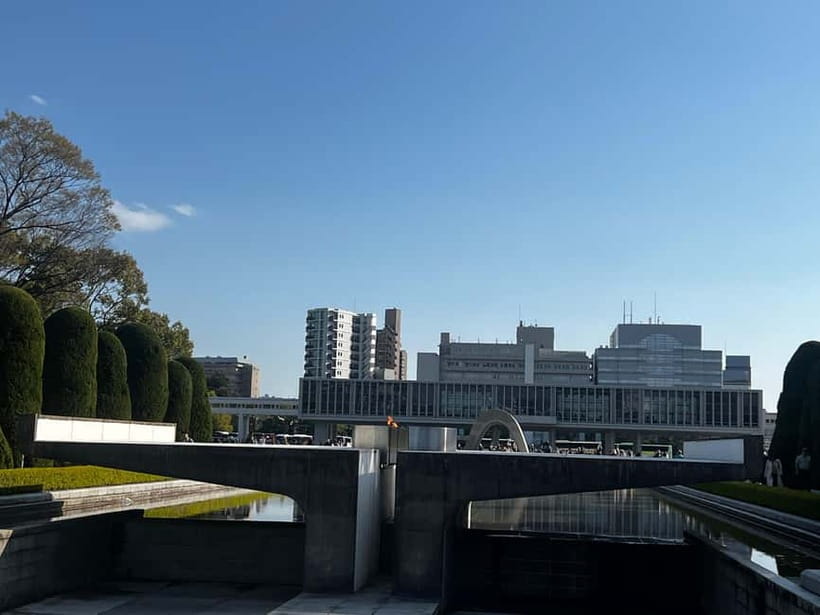
The Peace Flame adds another layer to the central memorial area. It represents the hope for a world without nuclear weapons and is intended to remain lit until nuclear weapons are no longer a threat. The tour presents it as a symbol of hope, but the setting keeps that hope tied to the reality of what happened.
These stops are close in meaning, yet they are not repetitive. The Cenotaph focuses on the victims, while the flame points toward a future shaped by the lessons of the past. A guide can help you notice that difference.
A short visit to the Peace Memorial Museum
The Peace Memorial Museum is the most information-heavy part of a Hiroshima visit. It covers the events of August 6, 1945, the immediate destruction, and the effects on survivors and families.
Here, the scheduled guided portion is about 10 minutes. That is the biggest limitation of the experience. Ten minutes can introduce the museum and direct you toward what matters, but it is not enough to see the collection at a careful pace.
I would treat the guided visit as an introduction, not a full museum session. If you have time, return after the two-hour walk and allow extra time on your own. The tour can help you understand the park first, then the museum can give you a longer, quieter period with the exhibits.
Photography is allowed on the tour, but museum rules can vary by area and display. Follow any signs and staff instructions. Food is not allowed as part of the activity, so have water with you and plan meals outside the memorial sites.
Prayer Fountain and Gates of Peace
The Prayer Fountain follows the museum. This memorial is connected to the suffering of people who needed water after the bombing, making it a small but powerful stop. The scheduled visit is about 10 minutes.
The tour finishes at the Gates of Peace, also with about 10 minutes of guided time. Ending here gives the route a sense of closure. You have moved from the preserved building at the Dome through memorials for children, Korean victims, and all those who died, then toward a public expression of peace.
The finish is useful for planning the rest of your day. You are not returned to the start, so check your map before booking other activities. The route is contained within the park, but you should still allow time to leave the memorial area and continue elsewhere in Hiroshima.
What the two-hour pace feels like
The route includes many stops, most lasting 10 minutes, with longer periods at the Atomic Bomb Dome and Hiroshima National Peace Memorial Hall. That makes the experience a structured introduction rather than a slow, private meditation at every memorial.
The pace has received strong praise for being easy and well judged. I can see why. Hiroshima is emotionally demanding, and a guide who talks without pause would make the experience tiring. Sheraz’s style, as described in the available feedback, includes explanations followed by time to absorb them. He also asks questions and takes an interest in the people in the group.
You should still expect steady walking through the park. Wear comfortable shoes and bring water. The activity is wheelchair accessible, but the walk remains a park route, so anyone with mobility concerns should consider their own comfort with the amount of movement involved.
People with heart problems are advised not to join. The activity is also not suitable for children under 6. Those limits are worth taking seriously, since the tour involves walking and emotionally serious subject matter.
Guide style and group size
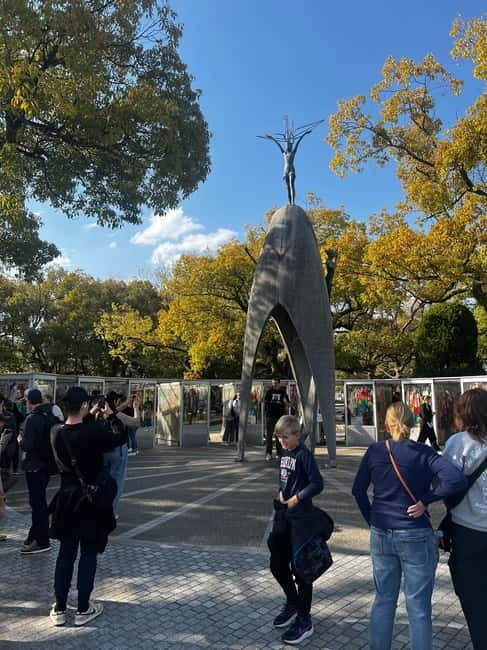
The guide is Sheraz Alvi, also referred to as Shera in guest feedback. His strongest points are clear explanation, a friendly manner, good directions to the starting point, and an ability to keep the group involved without overwhelming it.
The group is limited to 10 participants. That is small enough for questions and personal interaction, but it is not a private tour. You may still share the walk with several other people, and the pace will need to suit the group as a whole.
The English-language format is useful if you want historical background while walking. You can ask questions as the tour goes, though the short schedule means complicated subjects may receive a concise answer. The guide’s role is most valuable in helping you connect the sites, not in replacing the museum or your own reading.
Is $19 good value?
At $19 per person, this is a modest price for a two-hour guided walk through Hiroshima Peace Memorial Park. The value comes from the route and interpretation. You see the major sites, learn why they matter, and are shown memorials you might otherwise pass without understanding.
The price is less compelling if you only want a quick look at the Atomic Bomb Dome and a few photographs. You can walk through parts of the park independently, and the museum visit itself needs more than the 10-minute guided segment if you want a full museum experience.
For a first visit, I think the price works well. The guide provides an organized path, historical background, and a human approach to a place that can be hard to process alone. I would pair the tour with extra museum time afterward, if your schedule allows.
Free cancellation is available up to 24 hours before the activity, and you can reserve now and pay later. Those terms help if your Hiroshima plans are still changing.
Who should book this Hiroshima walk?
I would recommend it to first-time visitors who want context, a clear route, and an English-speaking guide. It also suits anyone who worries about missing smaller memorials, since the walk includes the Korean Atomic Bomb Victims Memorial, Prayer Fountain, Bell of Peace, and other sites beyond the Dome and museum.
It is a good fit if you prefer a small group and an easy pace. The experience also works well as an introduction before spending more time alone in the museum or returning to the park’s memorials.
I would hesitate if you want a long museum visit built into the tour, a private guide, or a very slow schedule with extended quiet at every stop. The route covers a lot in two hours, so you need to be ready to keep moving.
Should you book it?
Book this tour if you want a respectful, well-organized introduction to Hiroshima’s memorial park at a low price. Sheraz Alvi’s clear explanations, personal attention, and steady pacing are the main reasons to choose a guide rather than simply walking around alone.
Just plan for the museum to be a brief guided stop, not the full visit. Wear comfortable shoes, carry water, and leave room in your day to return to the Peace Memorial Museum or sit quietly in the park afterward. For most first-time visitors, that combination gives you both structure and time for your own reflection.
FAQ
How long is the Hiroshima Peace Memorial Park tour?
The tour lasts two hours.
Where does the tour begin?
The meeting point is the Atomic Bomb Dome at coordinates 34.395483, 132.453592.
Where does the tour finish?
The tour finishes at the Gates of Peace.
What language is the tour offered in?
The live tour guide speaks English.
Is the tour wheelchair accessible?
Yes, the activity is listed as wheelchair accessible.
What should I bring?
Bring comfortable shoes, water, and a camera. Food is not allowed.
Can I cancel the booking?
Yes. You can cancel up to 24 hours in advance for a full refund. You can also reserve now and pay later.
Just added in Hiroshima
- Iya Valley BROMPTON Slow Cycling Tour★ 5.0 · 28 reviews
- Iya Valley All Must-Sees Private Chauffeur Full-day Tour with a Driver★ 5.0 · 20 reviews
- Shore Excursion from Hiroshima Port : Private Tour in Hiroshima★ 5.0 · 17 reviews
- Hiroshima & Miyajima All-Inclusive Tour w/Licensed guide Pancho★ 5.0 · 54 reviews
- Okunoshima Rabbit Island Cycling Tour with Local Guide★ 4.5 · 17 reviews
- The Peace Memorial to Miyajima : Icons of Peace and Beauty★ 4.5 · 31 reviews
- Private Full Day Hiroshima Tour★ 4.5 · 29 reviews
- Hiroshima Saijo Sake Tasting Tour with visit to 7 Breweries★ 5.0 · 104 reviews
Hiroshima & Miyajima Day Trips, compared.
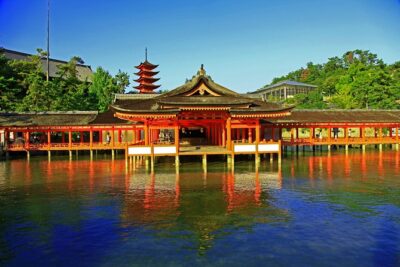
Peaceful Hiroshima & Miyajima UNESCO 1 Day Bus Tour
Read our review →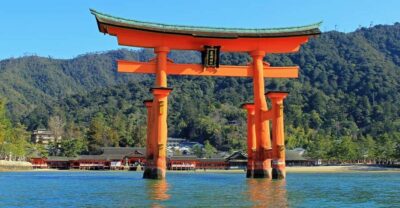
Hiroshima and Miyajima UNESCO Sites 1-Day Tour
Read our review →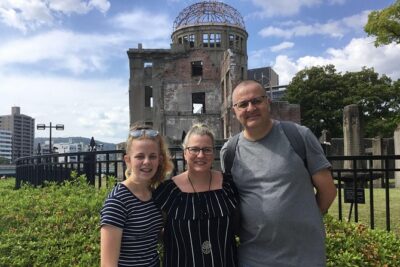
Hiroshima / Miyajima Full-day Private Tour with Government Licensed Guide
Read our review →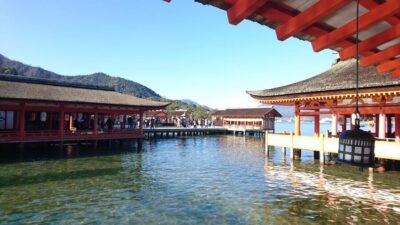
Osaka/Kyoto: Hiroshima Miyajima Bus Tour & Shinkansen Ticket
Read our review →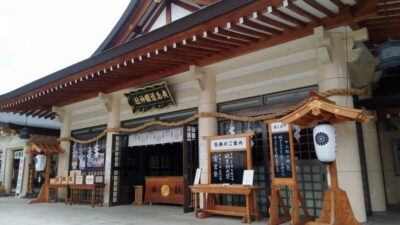
Hiroshima Historical Walking Tour – Why A-Bomb was Dropped
Read our review →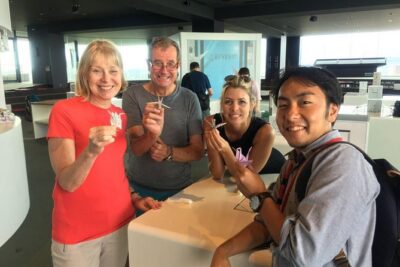
Hiroshima Peace (Heiwa) Walking Tour at World Heritage Sites
Read our review →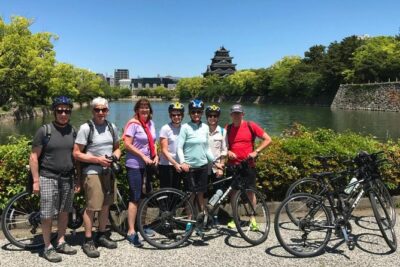
Hiroshima in a Nutshell: Morning Bike Adventure
Read our review →
Hiroshima City 4hr Private Walking Tour with Licensed Guide
Read our review →Browse the lists this tour appears in