
Reviewed · TOURS IN KAMAKURA
Kamakura and Enoshima: Private Guided Day Tour with Vehicle
Kamakura’s 13.35-meter Great Buddha is the star here, but the best reason to book this outing is that it joins Kamakura’s temples and shrines with Enoshima’s coastal paths in one long day. You get a private car, hotel pickup, and an English-speaking guide instead of piecing the route together by train and on foot.
I like the flexibility, especially for families or groups of friends. I also like the mix of famous sights and smaller details: Hase-dera’s gardens, Enoshima’s caves, street food on Komachi Dori, and the chance to look toward Mount Fuji from the Sea Candle. The main caution is reliability. Several recent bookings reported serious no-show problems, while others praised the driver-guides and smooth planning, so confirm your pickup carefully before departure.
Key points to know before booking
- A full coastal day: You visit Kamakura and Enoshima in about 10 hours, with Tokyo hotel pickup and drop-off.
- Private transport for up to six: The $483 group price works best when shared by a full group, bringing the cost to about $80.50 per person before admissions.
- A strong temple and shrine lineup: The route includes the Great Buddha, Hase-dera, Tsurugaoka Hachimangu, and Hokokuji Bamboo Forest.
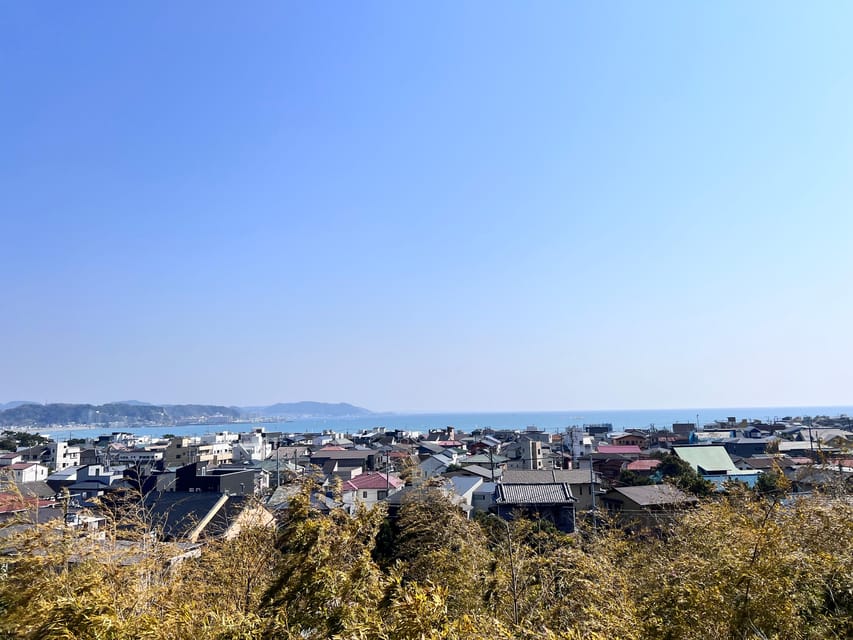
- Enoshima brings the scenery: The island combines shrine paths, caves, regional food, and the Sea Candle’s high viewpoint.
- The schedule can bend: You can tailor the day to your interests, though the long list of stops means you should discuss priorities in advance.
- Check the pickup details: Most feedback praised guides such as Taka and the comfortable vehicle, but a few recent bookings reported missed pickups and unreachable phone numbers.
Why this private day works well from Tokyo
Kamakura and Enoshima are close enough to visit from Tokyo, but they are not a quick hop between two neighboring attractions. You are combining temple grounds, shrine approaches, shopping streets, an island, caves, and a lighthouse viewpoint. A private vehicle makes that combination far easier than managing every connection yourself.
The price is $483 for up to six people, not per person. With six people, that is about $80.50 each before entrance fees. For two people, the cost is much harder to justify unless you place a high value on hotel pickup, private transport, and a flexible guide. The package includes the vehicle, English-speaking guide, parking, bottled water, and hotel pickup and drop-off.
You should still budget for the listed admission fees: 300 yen for Kotoku-in, 400 yen for Hase-dera, and 400 yen for Hokokuji. Lunch is not included. The guide can suggest local restaurants serving seafood or traditional Japanese food, so keep room in the budget for that meal.
The day is private, which gives you a say in the pace. You can ask for more time at a temple, less shopping, or extra attention to customs and traditions. At the same time, there are many named stops packed into 10 hours. Talk with the guide early about what matters most. Trying to give every stop equal time could leave you rushing.
Other experiences people book in Kamakura:
- Tokyo: Kamakura & Enoshima Day Trip including Temple Tickets
★ 4.5 · 1,375 reviews - From Tokyo: Kamakura & Enoshima 1-Day Bus Tour
★ 4.5 · 189 reviews - Kamakura Historical Walking Tour with the Great Buddha
★ 5.0 · 129 reviews
The Great Buddha at Kotoku-in
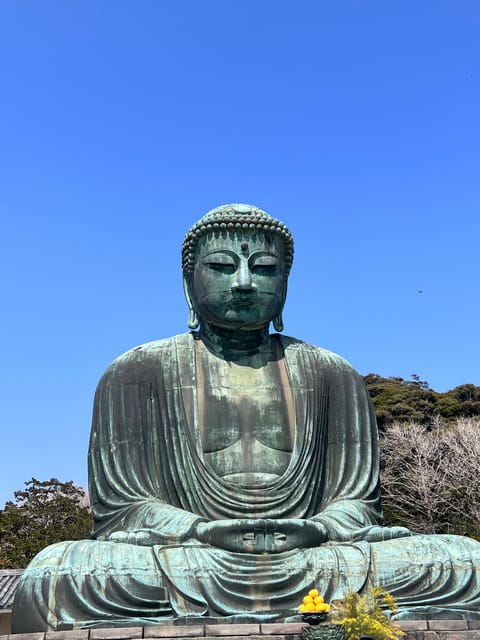
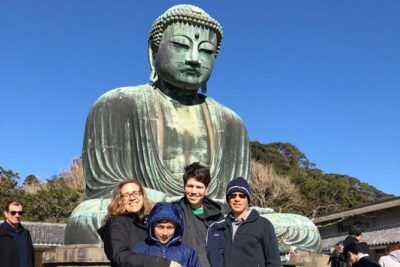
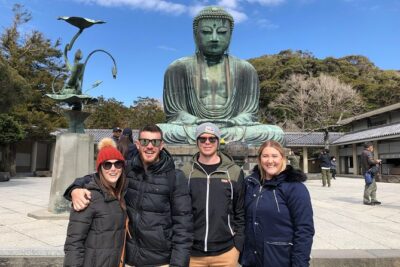
The first major stop is Kotoku-in, home of Kamakura’s famous bronze Buddha. At 13.35 meters, the statue is large enough to command the grounds without needing a long visit. The planned guided time is about 30 minutes, which is enough for the main view, photographs, and an explanation of why this image is such a strong symbol of Kamakura.
This is a good opening stop because it gives you an immediate sense of the city’s religious importance. You are not just looking at a large statue. You are seeing an image that has become one of Japan’s most recognizable sights.
The entrance fee is 300 yen. Since the visit is relatively short, comfortable shoes still matter because this day involves repeated walking at several sites. Bring a camera, but also give yourself a few quiet minutes to look without framing every moment through a screen.
Hase-dera, gardens, and the coast
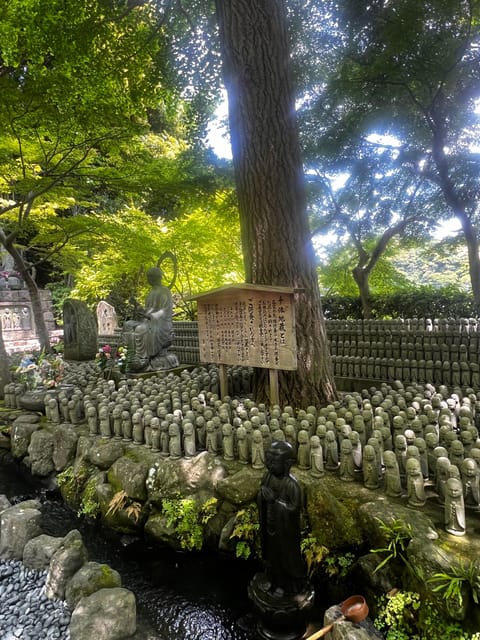
Hase-dera follows with about an hour of guided sightseeing and walking. The temple is known for its gardens and views toward the coastline, giving you a change of pace after the open setting of the Great Buddha.
The temple also houses a large wooden statue of Kannon, the goddess of mercy. Your guide can add context about Japanese customs and religious traditions, which is useful here because temple spaces can be easy to admire without understanding what you are seeing.
Hase-dera costs 400 yen. The grounds are not simply a single hall and a quick photograph. You should expect paths, gardens, views, and time spent moving through the site. Wear shoes that are comfortable for walking and bring sunscreen, particularly if the day is bright.
Spring can be especially appealing in Kamakura, when cherry blossoms add color around the city’s religious sites. The tradeoff is that seasonal beauty can make the most famous places feel more crowded, and your time at each stop remains limited.
Enoshima’s shrine paths and island views
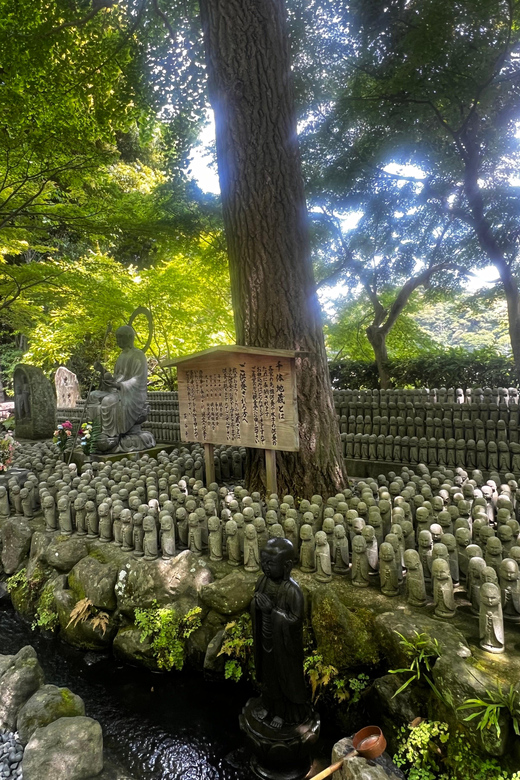
The tour then moves to Enoshima, where you have about two hours of guided sightseeing followed by an hour of free time for shopping and regional food. This is the most varied part of the day. Instead of moving from one enclosed religious site to another, you are walking along coastal paths and exploring an island tied to both nature and mythology.
Enoshima Shrine is the central cultural stop. The shrine complex gives your guide a chance to explain local traditions, while the island setting adds sea air and wide views. You should expect walking on paths and around the island rather than a vehicle-based sightseeing stop.
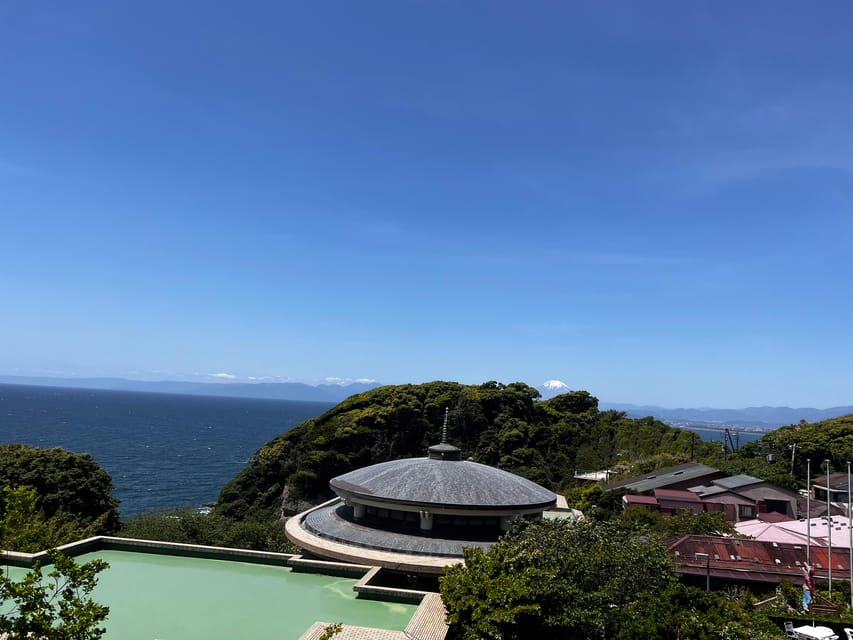
The Enoshima Sea Candle is the main viewpoint. Climb to the top for panoramic views, with Mount Fuji visible on clear days. That last phrase matters. Fuji is weather-dependent, so treat the view as a bonus rather than a promise. Even without Fuji, the high viewpoint gives you a broader look over the coast.
The caves add another layer to the visit. They connect the island’s natural features with its mythology and offer a cooler, more enclosed contrast to the shrine paths and sea views. The supplied details do not give a separate admission fee for the Sea Candle or caves, so ask the guide what is covered on the day.
Enoshima also provides the best chance to slow down. Use the free hour for local food and shopping instead of trying to force in another sight. The day already contains plenty of formal attractions. A snack or seafood meal gives you a more ordinary connection with the island.
Same base, a different sort of day:
- Kamakura Private Tour: Temples, Nature, and the Great Buddha
★ 5.0 · 121 reviews - Kamakura Walking Tour – The City of Shogun
★ 5.0 · 100 reviews - Kamakura 4hr Private Trip with Government-Licensed Guide
★ 5.0 · 58 reviews - When Emperors Reigned and Shoguns Ruled
★ 5.0 · 43 reviews
Komachi Dori and the taste of Kamakura
Komachi Dori brings a different mood. This shopping street is scheduled for about an hour, with time for street food, shopping, and guided orientation. It is a practical stop for anyone who wants edible souvenirs or a quick taste of local specialties.
I would not treat this as a quiet historical lane. It is a shopping street, so the appeal is movement, snacks, and browsing rather than solitude. Your guide can point you toward regional food and explain what you are buying, which is helpful if Japanese menus and food displays are unfamiliar.
An hour is enough to sample a few things and look around, but not enough for a slow, extensive shopping session. If your group cares more about temples than purchases, say so. The private format makes that conversation possible.
Tsurugaoka Hachimangu and spring blossoms
Tsurugaoka Hachimangu is described as Kamakura’s most important Shinto shrine. The stop includes about an hour of guided walking and photographs. It is one of the day’s strongest places for learning how Shinto worship differs from the Buddhist settings at Kotoku-in and Hase-dera.
The shrine’s approach and grounds give the visit a formal sense of arrival. In spring, cherry blossoms make this especially attractive. You can expect a classic Kamakura scene: shrine architecture, broad paths, seasonal trees, and visitors paying their respects.
This is a place where a guide adds real value. A quick solo visit might leave you with photographs but little understanding of how to behave at a Shinto shrine. Your guide can explain customs and traditions, including the respectful way to move through the grounds and observe worship.
Hokokuji Bamboo Forest and tea
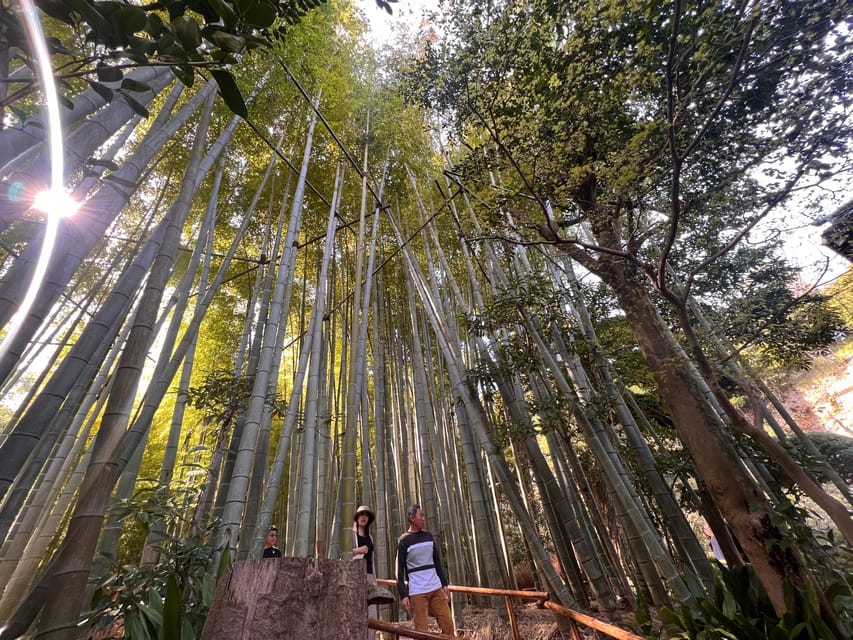
Hokokuji is listed as the final major sightseeing stop, with about an hour for photographs, a guided visit, and a tea ceremony. The bamboo forest offers a quieter visual break after the island and shopping street.
The tea ceremony is an important detail. This is not only a photo stop among bamboo. It gives you a chance to sit, slow down, and experience a traditional Japanese ritual. The listed entrance fee is 400 yen.
There is one practical warning here: the full schedule is ambitious, and one booking specifically missed the bamboo forest. That can happen when an earlier stop takes longer than planned, so mention Hokokuji at the start if it is a priority. If you must choose between extra shopping time and the bamboo forest, make that decision before the day gets away from you.
What the guide and vehicle add
The vehicle is not just a luxury item. It changes the shape of the day. You are not figuring out each train connection, carrying bags between stops, or trying to coordinate a group on crowded public transport. Hotel pickup and drop-off also make the excursion easier after a 10-hour outing.
A personal guide can connect the sites instead of treating them as separate photo opportunities. The guide is expected to explain Japanese culture, customs, and the background of each place. The strongest feedback names Taka as a particularly good guide, while other bookings praised friendly driver-guides, clear explanations, helpful recommendations, and a comfortable vehicle.
The private format also helps if your group has mixed interests. One person can spend longer at a shrine, another can focus on food, and the guide can adjust the balance. The tour is wheelchair accessible according to the supplied information, but the exact ease of every temple path, cave, and island route is not explained. Ask about the specific stops you need before booking.
The important reliability concern
I would take the pickup arrangements seriously. The overall rating is 3.9 from 17 ratings, with many strong scores for the guide, vehicle, planning, and explanations. But several recent bookings reported that the driver did not arrive, the phone number could not be reached, and a rescheduled pickup also failed.
That is a major concern for a private day tour, especially when you are paying for a full group and setting aside an entire day. After booking, confirm the pickup time, hotel address, driver contact, and emergency contact in writing. Save the provider details before the morning of departure rather than relying on a phone number at the last minute.
This issue does not erase the positive experiences. It does mean you should not book casually. The experience is strongest when the guide arrives as planned, and the mixed reliability record deserves more attention than the small differences between temple stops.
Who should book this Kamakura and Enoshima tour
I would recommend it most strongly for a group of four to six people that wants a private day outside Tokyo. Shared across six, the price becomes more reasonable, and the vehicle removes much of the stress of covering two destinations.
It also suits families who want hotel pickup and a guide who can adjust the pace. Couples may prefer a train-based visit if they are comfortable planning independently and want to spend longer at fewer sites.
Book this if you want a broad first look at Kamakura and Enoshima, with temples, shrines, food, coastal views, caves, and a bamboo forest in one day. Do not book it expecting a slow, contemplative visit at every stop. The value comes from coverage and convenience.
Free cancellation is available up to 24 hours in advance for a full refund, and you can reserve now and pay later. Those terms help if your Tokyo plans are still shifting, but they do not replace the need to confirm the pickup.
FAQ
How long does the Kamakura and Enoshima tour last?
The tour lasts 10 hours, including pickup from and return to Tokyo.
Is hotel pickup and drop-off included?
Yes. Pickup and drop-off at your Tokyo hotel are included.
How many people can join the private tour?
The private vehicle and group booking are for up to six people.
What language does the guide speak?
The tour includes a live English-speaking guide.
Is transportation included?
Yes. A private vehicle is included, along with parking fees and bottled water.
What entrance fees are not included?
Admission to Kotoku-in is 300 yen, Hase-dera is 400 yen, and Hokokuji is 400 yen. These fees are not included in the tour price.
Is lunch included?
No. Lunch is not listed as included. The guide can recommend local restaurants serving fresh seafood or traditional Japanese cuisine.
Can I visit Mount Fuji during the tour?
You can see Mount Fuji from the top of the Enoshima Sea Candle on clear days. The view depends on visibility.
Is the tour wheelchair accessible?
The activity is identified as wheelchair accessible. Since the route includes temples, island paths, caves, and the bamboo forest, ask about the specific access needs of your group.
Can the itinerary be changed?
Yes. The itinerary can be tailored to your interests. Discuss your priorities with the guide, especially if you want to make sure you visit Hokokuji or spend extra time at Enoshima.
Should you book it?
Book this private tour if you are traveling with a group, want a guide to explain Japanese customs, and prefer a car over managing a complicated day by train. The combination of the Great Buddha, Hase-dera, Enoshima, Komachi Dori, Tsurugaoka Hachimangu, and Hokokuji gives you a broad and satisfying introduction to the area.
I would be more cautious as a solo traveler or couple, since the group price is less attractive when divided between fewer people. I would also confirm the pickup in writing because the no-show reports are too serious to ignore. If that check is handled and your priorities are clear, this is a convenient way to see two of Japan’s best-known coastal destinations in one well-filled day.
Just added in Kamakura
- First time in Kamakura? Enjoy a Tour of All Must-sees!★ 5.0 · 15 reviews
- Your Own HANKO Name Seal Activity in Kamakura.★ 5.0 · 24 reviews
- When Emperors Reigned and Shoguns Ruled★ 5.0 · 43 reviews
- Buddha, Bamboo & Zen – Bespoke Kamakura Private Walking Tours★ 5.0 · 25 reviews
- Kamakura 4hr Private Trip with Government-Licensed Guide★ 5.0 · 58 reviews
- Kamakura Walking Tour – The City of Shogun★ 5.0 · 100 reviews
- Kamakura Bamboo Forest and Great Buddha Private Tour★ 5.0 · 12 reviews
- Exciting Kamakura – One Day Tour from Tokyo★ 5.0 · 40 reviews
Tours in Kamakura, compared.
Kamakura & Enoshima Day Trip including Temple Tickets
Read our review →
Kamakura Historical Walking Tour with the Great Buddha
Read our review →
Kamakura Private Tour: Temples, Nature, and the Great Buddha
Read our review →
Kamakura 4hr Private Trip with Government-Licensed Guide
Read our review →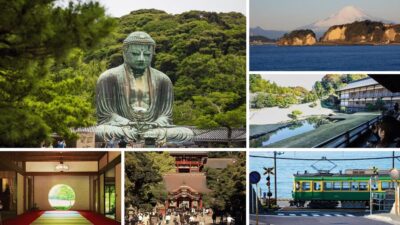
Kamakura Full Day Tour with a Local Expert Guide
Read our review →
Browse the lists this tour appears in