
Reviewed · TEMPLE & SHRINE TOURS
Kamakura Private Tour: Temples, Nature, and the Great Buddha
Kamakura’s best moments come when the city gives way to forest. This private walk takes you from quiet Zen grounds and mountain paths to the Great Buddha, Hasedera Temple, and the broad view at Yuigahama Beach. I like the way it joins major sights with smaller shrines instead of treating Kamakura as a quick Great Buddha photo stop. I also like the personal format. Guides such as Yu, Yumi, Teiko, and Noriko have adjusted routes, explained Buddhist and Shinto customs, helped with trains, and found lunch spots when time allowed.
The catch is the word walking. You cover at least 5 kilometers, including a mountain pass with uphill and uneven sections. Hot, humid weather can slow the route, and rain may replace the trail with buses and streets. If you want an easy sightseeing loop, this is not it. If you want Kamakura’s wooded side and can manage a proper half-day walk, the $98.44 per-person price is reasonable for a private guide and three included admissions.
Key points to know before you book
- The route links seven very different stops: Zen temple, forest trail, two shrines, the Great Buddha, Hasedera Temple, and Yuigahama Beach.
- The private format matters: Your guide can adjust the pace, explain customs in detail, and change the route for heat, rain, or mobility needs.
- Expect a mountain walk, not a flat town stroll: At least 5 km is involved, and comfortable walking shoes are essential.
- Three entrance fees are included: Jochiji, Kotoku-in, and Hasedera are covered in the quoted price.
- Kita-Kamakura is the starting point: The tour ends at Hase Station, with guides often accompanying you toward Kamakura Station afterward.
- The guide makes the difference: Yu, Yumi, Teiko, Noriko, Naho, Yoko, and others have been praised for clear explanations, kindness, and practical help.
Why this route shows you more than the Great Buddha
Kamakura is easy to visit from Tokyo, but it is not one compact sight. Its temples and shrines are spread between the hills, railway stations, old streets, and coast. You can piece the day together yourself, but the mountain paths are not always easy to follow in English, and the religious details can pass you by.
This tour gives the day a sensible shape. You begin in the northern hills at Kita-Kamakura, walk through wooded temple country, cross the Daibutsu Hiking Course, then finish among Kamakura’s famous southern sights. The final move to the beach gives the route a pleasant change of mood.
Because this is a private activity, you are not tied to a large group’s pace. Guides have slowed down for heat, taken extra care with children, changed plans for rain, and suggested alternatives for older family members. That flexibility is one of the clearest reasons to choose this experience over a standard group outing.
Other places of worship worth the walk in Japan:
- Kyoto: Tea Ceremony Ju-An at Jotokuji Temple
★ 4.9 · 3,207 reviews - Tokyo: Meiji Shrine, Asakusa, Skytree Bus Tour and Cruise
★ 4.7 · 1,986 reviews - Tokyo: Asakusa Walking Tour with Sensoji Temple Visit
★ 4.8 · 1,583 reviews
Jochiji Temple starts the morning quietly
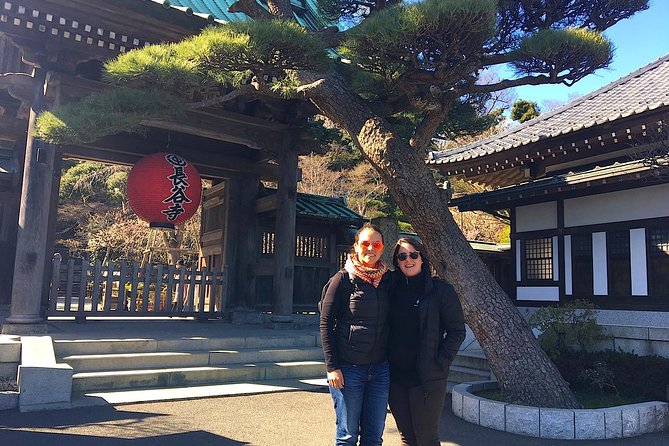
Jochiji is a good first stop because it eases you into Kamakura. Built in 1281 by Hojo Tokiyori to honor his young son, this Zen temple sits among trees and feels far removed from the busy streets closer to the coast.
You have about 25 minutes here, with admission included. Expect a short stroll through the temple grounds rather than a long museum-style visit. Your guide can explain the Zen setting, the Kamakura Shogunate, and the role of temples in Japanese religious life.
I like this beginning because it gives you context before the famous statue appears. The Great Buddha is impressive on its own, but the quieter first stop helps you see Kamakura as a center of temples and spiritual practice, not simply a day-trip attraction.
The Kamakura trail is the real physical test
From Jochiji, the route turns toward the hills. The walking portion lasts about 40 minutes in the listed schedule, followed by further mountain paths toward the shrines. In total, you should plan for at least 5 kilometers on foot.
This is not a technical climb, but it is more demanding than a city walk. You may encounter uphill stretches, uneven ground, and a mountain pass. Wear shoes with a firm sole and bring water. The route is much more pleasant when you are not worrying about slippery sandals or tired feet.
The reward is a side of Kamakura that trains and buses cannot provide. Trees replace buildings, and the trail gives the day a natural pause between temple visits. I would be especially happy to have a guide here because the route connects several places that can be difficult to link without local direction.
Weather matters a great deal. One outing had to be modified during persistent rain, with buses and trains replacing some of the trail. On a very hot day, guides have added breaks and covered fewer locations. That is a sensible trade. A private tour should not push you through a mountain route simply to follow a printed schedule.
Zeniarai Benten adds a ritual to the walk

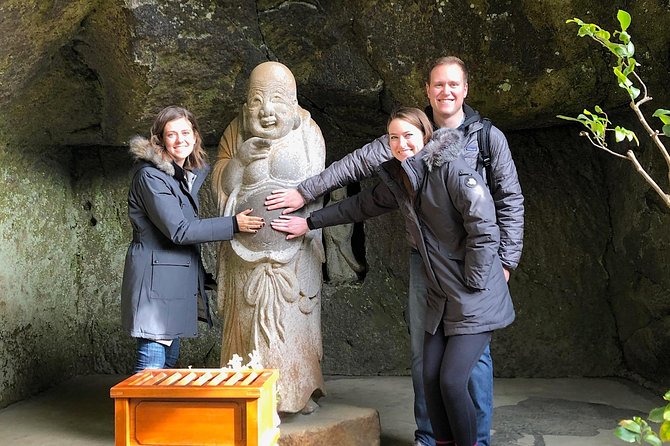
The Daibutsu Hiking Course leads to Zeniarai Benten Ugafuku Shrine, reached through a mysterious opening in the hillside framed by a torii gate. The entrance itself gives the shrine a memorable sense of arrival.
You have about 25 minutes here. The shrine is associated with the practice of washing money, a ritual that gives you something active to do rather than simply look at another building. Your guide can explain the custom and show you how to behave respectfully at the site.
This is one of the tour’s more unusual stops. It is less instantly familiar than the Great Buddha, but it gives you a better feel for local religious traditions. Bring a small amount of cash if you want to take part in the money-washing ritual, though the tour price does not include food, drinks, or personal expenses.
Same base, a different sort of day:
- Mt Fuji and Hakone 1-Day Bus Tour Return by Bullet Train
★ 5.0 · 26,383 reviews - 1-Day Tokyo Bus Tour
★ 5.0 · 14,250 reviews - PERFECT KYOTO 1-Day Bus Tour
★ 5.0 · 13,518 reviews - Tokyo: TOKYO SKYTREE® Admission ticket
★ 4.5 · 11,192 reviews
Sasuke Inari Shrine keeps the route off the main road
Sasuke Inari Shrine comes next, with roughly 20 minutes set aside. Its story is tied to Minamoto Yoritomo, Kamakura’s first shogun, who was said to have received battle advice in a dream from a white fox associated with Inari.
The fox connection is the detail that makes this stop memorable. It also helps your guide explain how legends, political power, and religious practice have overlapped in Kamakura for centuries.
Sasuke Inari is a good example of what you gain from a guide who knows the area beyond the headline attractions. You might pass through Kamakura and never understand why a shrine is connected with foxes, dreams, or the shogunate. With a guide, the place has a story rather than just a collection of gates and buildings.
The Great Buddha is the route’s big visual moment
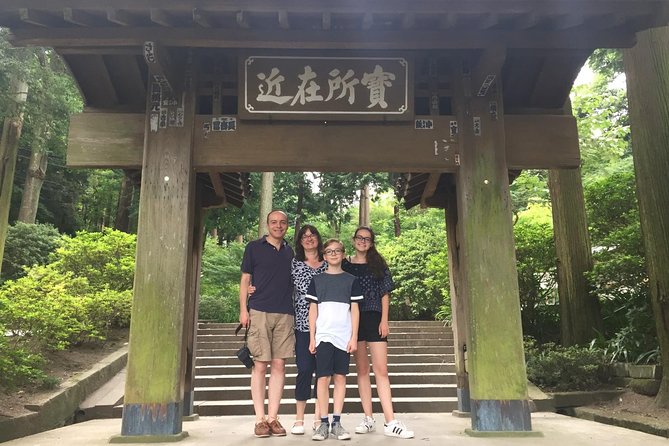
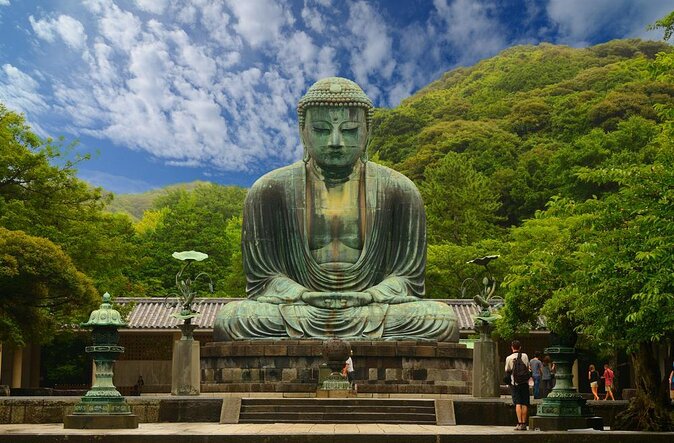
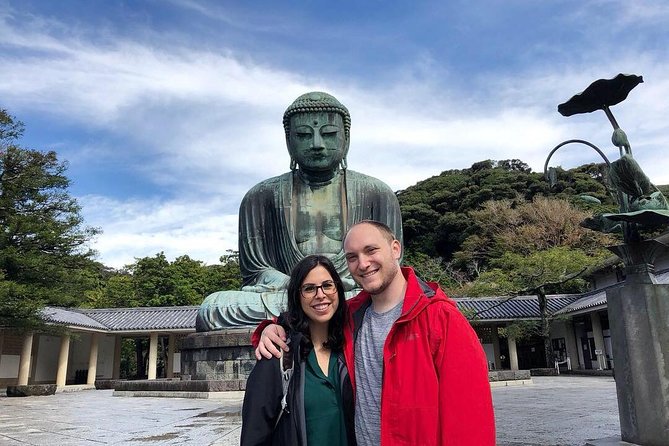
At Kotoku-in, the Great Buddha of Kamakura finally delivers the sight many people came to see. The bronze statue is 13.35 meters tall and weighs about 121 tons. Construction of the statue in its present bronze form dates to 1252.
You have about 20 minutes at the site, and admission is included. This is a busier stop than the forest shrines, so the atmosphere changes quickly. Give yourself time to take in the scale before reaching for your camera. The statue has the calm, steady presence that makes it more than a quick landmark photo.
The scheduled time is enough for the main visit, but it is not generous if you want a long, unhurried exploration. The tour continues to Hasedera, so you should not expect an open-ended stay here.
The experience is also dependent on your walking energy. By this point, you have already crossed the hills. If your group includes young children, an older relative, or someone nursing an injury, tell the guide early. A past outing had to use a taxi after a participant hurt a knee, and part of the planned route was missed. Private guiding gives you room to adapt, but it cannot remove the distances between the sights.
Hasedera combines gardens, slopes, and ocean views
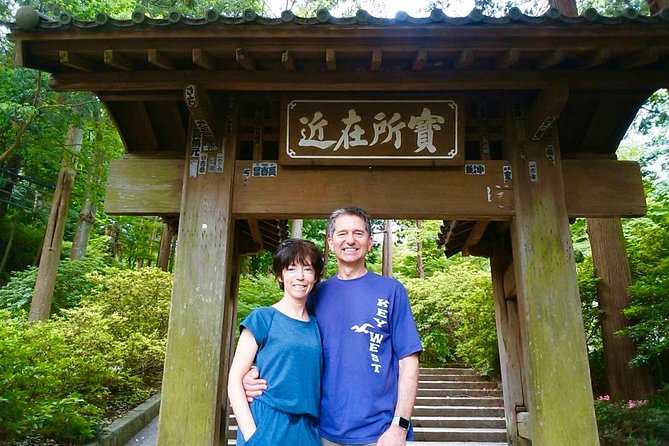
Hasedera is given about 30 minutes and is included in the admission price. The temple sits partway up Mount Kamakura, which gives it one of the route’s best views over the ocean and Yuigahama Beach.
This stop changes the rhythm again. After the quiet forest and the monumental Buddha, you get temple grounds with gardens, slopes, and a broad coastal outlook. In June and July, hydrangeas add seasonal color to the grounds, making that period particularly appealing for visitors who enjoy flowers.
The climb within the temple area still matters. Hasedera is not a flat final stop, so tired legs may notice it. The view, however, gives you a reason to keep going. A good guide will help you understand the temple’s Buddhist importance while also pointing out the practical features of the setting.
I would not rush this part. The Great Buddha is the obvious symbol of Kamakura, but Hasedera may be the more satisfying visit for anyone who likes gardens, views, and a calmer pace.
Yuigahama Beach finishes the day by the sea
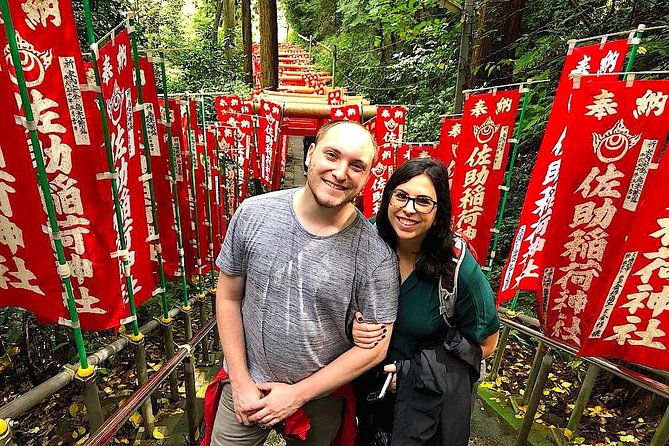
The final stop is Yuigahama Beach, with about 15 minutes to relax and look south across the water. Because the beach faces south, the ocean view can be especially pleasant when the light is clear.
This is not a beach day. The time is short, and food and drinks are not included. Instead, the shore works as a simple finish after the temples and hills. In summer, an open-air market called Umi-no-ie operates along the beach, adding more activity to the waterfront.
The tour ends at Hase Station. Guides often accompany you toward Kamakura Station, which is useful if you are still finding your way around or want advice on what to do next. You can continue exploring, shop, eat, or take the train back toward Tokyo.
What your guide adds to the experience
The strongest part of this tour is not simply getting from one stop to another. It is the explanation along the way. Guides have taught visitors how to behave at temples and shrines, explained differences between Buddhism and Shinto, and put Kamakura’s religious sites into the setting of Japanese history.
The guide roster changes, but several names appear repeatedly in the tour’s feedback: Yu, Yumi, Teiko, Noriko, Yoko, Naho, Naho, Takami, and others. Yu has been praised for adjusting the day for families and helping after an accident. Yumi has been described as good with children and clear about the history of each stop. Teiko has provided detailed explanations and a warm, considerate pace. Noriko has adjusted plans for weather and even arranged a tea ceremony during a longer outing.
You should treat these examples as signs of what the private format can allow, not a guarantee that you will receive a particular guide unless the operator confirms it. The important point is the level of personal attention. Guides have taken photos, helped with train directions, accompanied people back to stations, and recommended or reserved lunch places when the schedule allowed.
Lunch is not included, and it is not guaranteed as part of the five-hour route. Some groups have eaten with their guide at local restaurants, but you should budget separately and ask about timing if lunch matters to you.
Price, pace, and what is included
At $98.44 per person, the tour is best value for two or more people who want a private guide. A minimum of two people is required, so a solo booking is not available under the stated conditions.
The price includes an English-speaking guide, taxes and fees, photos of the tour participants, and admission to Jochiji, Kotoku-in, and Hasedera. Those inclusions reduce the small costs and planning tasks that can add up during a self-guided day.
Transportation is not included. You meet at Kita-Kamakura Station, and the tour ends at Hase Station. Hotel pickup is available for an extra 8,000 yen per person. Private taxis, cars, buses, trains, meals, and drinks are also outside the base price.
The listed duration is about five hours, though it can be extended for 1,000 yen per person per half hour, paid in cash. That option could help if your group wants a slower pace, more time at a temple, or a meal, but confirm the details before setting your budget.
Who will enjoy this Kamakura walk most
I would recommend this tour to you if you want a blend of temples, local religious customs, forest walking, and coastal views. It suits families who value a flexible guide, couples who prefer a private outing, and first-time visitors who do not want to sort out the mountain route alone.
It also works well for people who want more than the standard Kamakura checklist. The Great Buddha and Hasedera are the headline stops, but Jochiji, Zeniarai Benten, Sasuke Inari, and the trails provide the character.
I would hesitate to book it for anyone with limited walking ability unless the operator agrees to a modified route in advance. The tour requires moderate fitness, includes a mountain pass, and may become uncomfortable in hot or wet weather. Older adults can still enjoy it, but the group should discuss the hills and the 5 km minimum before booking.
Free cancellation is available up to 24 hours before the start time for a full refund. If poor weather causes the operator to cancel, you are offered another date or a full refund. Changes or cancellations inside 24 hours are not accepted for a refund.
Should you book this private Kamakura tour?
Book it if you want Kamakura explained as a living religious and coastal town, not just a statue beside a railway line. The private setup, included admissions, and guide support make the price sensible for a small group, especially if you value local context and route flexibility.
Skip it if you want a flat, relaxed outing or only need the Great Buddha. You can see the famous sights with less walking on your own. But if you bring proper shoes, allow for weather, and welcome a few hills, this route gives you a fuller and more memorable half-day in Kamakura.
FAQ
How long does the Kamakura private tour last?
The tour lasts approximately five hours. It can be extended for 1,000 yen per person for each additional half hour, payable in cash.
Where does the tour begin?
The meeting point is Kita-Kamakura Station in Yamanouchi, Kamakura.
Where does the tour finish?
The scheduled end point is Hase Station. The guide usually accompanies the group toward Kamakura Station afterward.
Is this a private tour?
Yes. Only your own group participates in the activity.
How much walking is involved?
You will walk at least 5 kilometers, including a mountain pass. The tour requires a moderate level of physical fitness.
What should I wear?
Wear shoes that are comfortable and easy to walk in. The route includes hiking trails, uphill sections, and uneven ground.
Are temple entrance fees included?
Yes. Admission to Jochiji Temple, Kotoku-in and the Great Buddha, and Hasedera Temple is included.
Is hotel pickup available?
Yes. Hotel pickup can be arranged for an additional 8,000 yen per person. It is not included in the base price.
Are food and drinks included?
No. Food and drinks are not included. Some guides may help arrange or recommend lunch, but you should pay separately.
What happens if the weather is poor?
The experience requires good weather. If the operator cancels because of poor weather, you can choose another date or receive a full refund.
Just added in Japan
- 1 Day Tour: Snow Monkeys & Snow Fun in Shiga Kogen★ 5.0 · 52 reviews
- From Matsumoto/Nagano: Nakasendo Trail Walking Tour★ 4.9 · 33 reviews
- Private Fukuoka Tour with a Local, Highlights & Hidden Gems 100% Personalised★ 5.0 · 143 reviews
- Nagasaki Half-Day Private Tour with Government-Licensed Guide★ 5.0 · 53 reviews
- Best of Himeji Castle: 3hr Tour with Licensed Guide★ 5.0 · 186 reviews
- Hakone 8 hour Private Tour with Government-Licensed Guide★ 5.0 · 63 reviews
- [Otaru & Yoichi] Let’s go to Otaru Canal, Sakaimachi Street, Music Box Hall, and Yoichi Nikka Whiskey by private car (arriving and departing from Sapporo)★ 5.0 · 21 reviews
- Daikoku & Tokyo Private JDM Tour by 700HP R34 GT-R★ 4.9 · 101 reviews
Temple & Shrine Tours, compared.
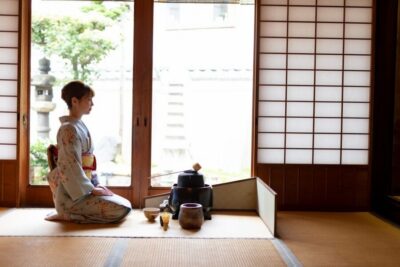
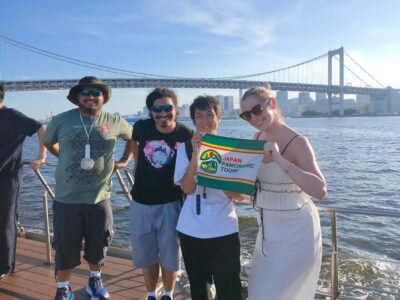
Meiji Shrine, Asakusa, Skytree Bus Tour and Cruise
Read our review →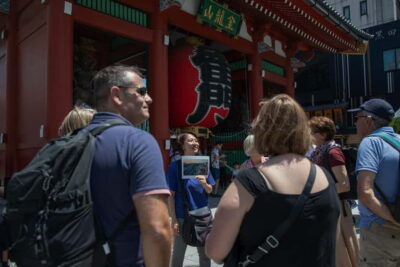
Asakusa Walking Tour with Sensoji Temple Visit
Read our review →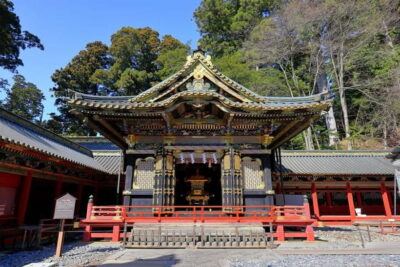
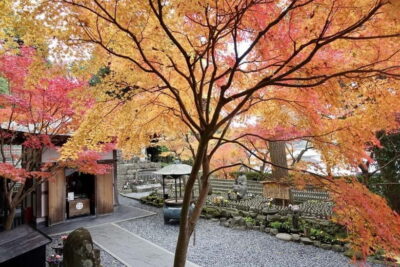
Kamakura & Enoshima Day Trip including Temple Tickets
Read our review →
Nikko Toshogu Shrine and Kegon Waterfall Tour
Read our review →
Tokyo Panoramic 1 Day: Meiji Shrine, Asakusa, Odaiba and SKYTREE®
Read our review →
1-Day Snow Monkeys, Zenko-ji Temple & Sake in Nagano
Read our review →Browse the lists this tour appears in