
Reviewed · TOURS IN KAMAKURA
Kamakura Tours Half Day or Full Day Tours with a local guide.
Kamakura’s best sights are spread across a compact but busy coastal town, and this private tour gives you a local guide to connect them. You’ll see the Great Buddha, Hase-dera, Tsurugaoka Hachimangu, and the food stalls and shops of Komachi Street without spending the day puzzling over train routes.
I like two things right away: the guide manages public transport and the tour is private, so your group can ask questions and adjust the pace. I also like the mix of grand sights and everyday Kamakura, from Buddhist statues to local snacks and handmade souvenirs. The guide can point you toward lunch, too.
The main consideration is time and energy. This is an approximately eight-hour walking tour, not a vehicle tour, and lunch and kimono rental cost extra. If you want a slow temple visit with long pauses, the schedule may feel full.
Key points to know before booking
- A private day with a local guide: Only your group participates, with a guide fee included.
- Four major Kamakura stops: The route covers the Great Buddha, Hase-dera, Komachi Street, and Tsurugaoka Hachimangu.
- Public transport, not a private car: Your guide handles the train and walking connections, but private transportation is not included.
- Jack is one named guide: One detailed account praises Jack’s English and his command of local history and culture.
- Lunch and kimono rental are optional extras: Your guide can recommend a local restaurant, and you can arrange a kimono or yukata rental during the tour.
- Strong satisfaction record: The experience has a five-star rating from 12 reviews, with 100 percent recommending it.
Why a guide helps in Kamakura
Kamakura is easy to reach but not always easy to organize. Its temples, shrine, shopping street, and train stops are spread through town, so a day can slip away if you spend too much time deciding where to go next.
This tour uses walking and public transportation. That matters because the experience is built around seeing several parts of Kamakura rather than staying in one temple district. Your guide handles the route, explains what you are seeing, and helps you make practical choices along the way.
I like this approach more than a vehicle-only sightseeing trip. You get a better sense of the town between stops, and you are not sealed away from the streets. The tradeoff is simple: you need a moderate level of fitness, and comfortable shoes are a smart choice.
The tour is private, which gives it a personal feel. You can ask about Buddhist images, shrine customs, local food, or the meaning of a particular building without worrying about holding up a large group. Jack is specifically named as a guide, and his English and ability to connect Kamakura’s past with its culture are highlighted in the available feedback.
The schedule is listed at about eight hours. The experience may be sold as a half-day or full-day option, so check the exact version and timing when you book. The detailed route supplied here is a full-day plan.
Other experiences people book in Kamakura:
- Tokyo: Kamakura & Enoshima Day Trip including Temple Tickets
★ 4.5 · 1,375 reviews - From Tokyo: Kamakura & Enoshima 1-Day Bus Tour
★ 4.5 · 189 reviews - Kamakura Historical Walking Tour with the Great Buddha
★ 5.0 · 129 reviews
Starting at Kamakura Station
You meet at Kamakura Station, at 1-chome-1-15 Onarimachi. This is a useful starting point because the station puts you near the town’s main sightseeing routes and the approach to Komachi Street.
Your guide will help organize the day from there. Since this is not a private vehicle tour, you should expect public transport and walking between the main areas. That is efficient in Kamakura, but it also means the pace depends partly on train timing, crowds, and how long you spend at each stop.
The tour ends back at the meeting point. That makes the plan convenient if you have onward travel from Kamakura or want to continue exploring nearby after the tour, though the supplied details do not promise a later drop-off elsewhere.
The Great Buddha at Kotoku-in
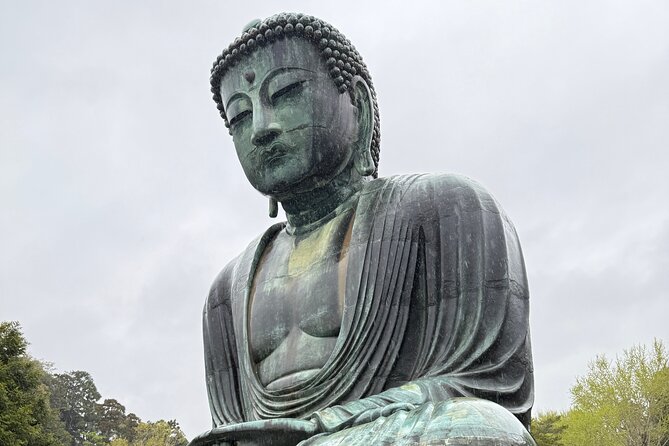
The first major stop is Kotoku-in, home of the Great Buddha of Kamakura. You get about 45 minutes here, with admission included.
This bronze statue is the image most people associate with Kamakura. The scale is the point, but your guide adds context that a quick photo stop cannot provide. You can ask about the statue’s Buddhist meaning and the place it holds in Kamakura’s story.
The stop also leaves room for local snacks and drinks near the temple. You can browse Great Buddha souvenirs, which gives the visit a more relaxed feel than a strict monument inspection. If you like a small shopping pause between cultural sites, this is useful.
Forty-five minutes is enough for a focused visit, but not for lingering at length. You will want to listen, see the statue, take photos, and perhaps shop without treating this as an extended temple stay. If the Great Buddha is your top priority, tell your guide early that you prefer more time here.
The entrance fee is included, so you do not need to budget separately for the stated admission. Bottled water is also supplied during hot summer days, though you cannot choose a soda or alcoholic drink instead.
Hase-dera and its Buddhist figures
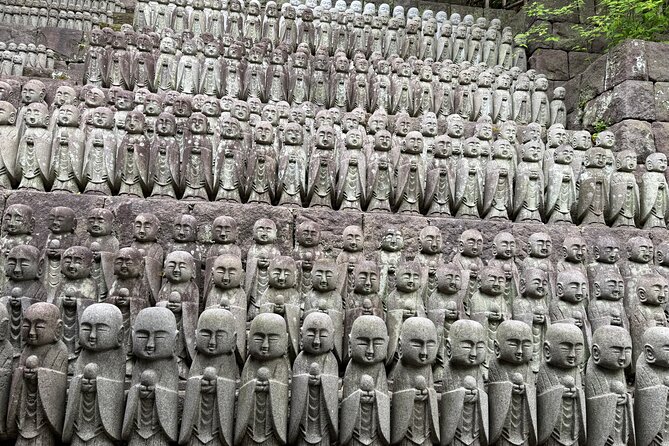
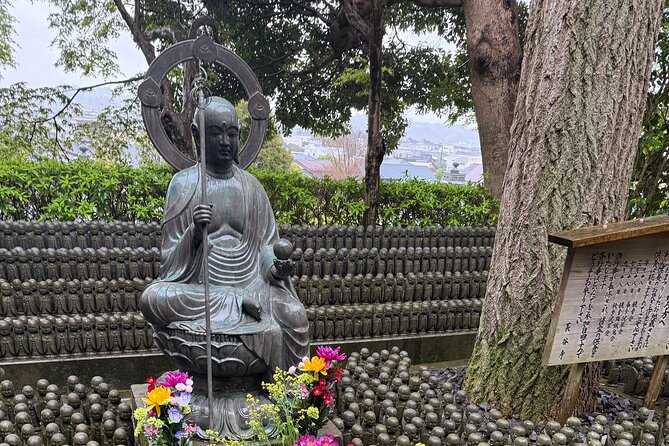
Next comes Hase-dera, with about 45 minutes set aside and admission included. The visit focuses on the Buddhist goddess Kannon and the Jizo statues found at the temple.
That focus makes the stop more than a garden photo opportunity. Your guide can explain the religious figures and help you understand what you are looking at, which is especially helpful if Japanese Buddhist imagery is new to you.
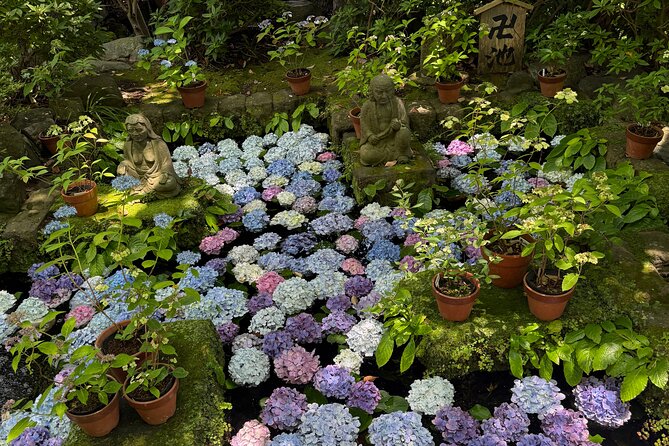
Hase-dera is also known for its gardens and bay views, both listed as highlights of the experience. They give the stop a change of mood after the monumental Great Buddha. You move from one famous object to a temple setting where views, statues, and quiet spaces share the attention.
Again, 45 minutes is a reasonable introduction, but it is not an open-ended visit. The schedule favors seeing several important sites in one day. If you prefer to sit in a garden, study every statue, or take your time with photographs, ask whether the route can be adjusted.
Same base, a different sort of day:
- Kamakura Private Tour: Temples, Nature, and the Great Buddha
★ 5.0 · 121 reviews - Kamakura Walking Tour – The City of Shogun
★ 5.0 · 100 reviews - Kamakura 4hr Private Trip with Government-Licensed Guide
★ 5.0 · 58 reviews - When Emperors Reigned and Shoguns Ruled
★ 5.0 · 43 reviews
Eating and shopping along Komachi Street
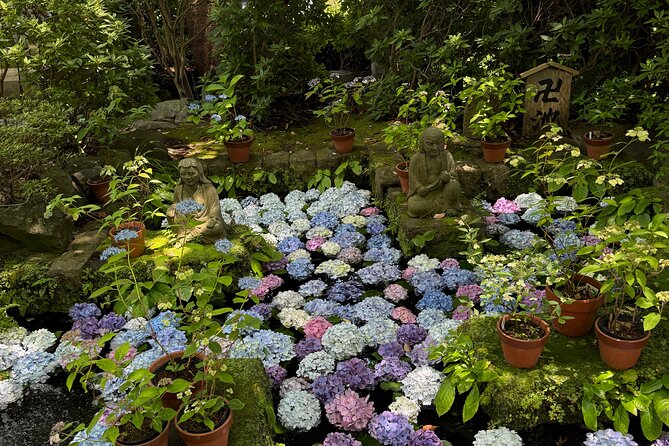
The longest scheduled stop is Komachi Street, with about 90 minutes for walking, eating, drinking, and shopping. There is no separate admission charge.
This is where the tour shifts from temples and shrines to daily life. You can try food and drinks associated with Kamakura, browse handmade goods, and look for souvenirs made in the town. The street is one of Kamakura’s busiest shopping areas, so it offers a livelier contrast to the temple grounds.
I see this as one of the tour’s most practical features. A guide can help you make sense of the choices when you have limited time, and can point out items that are specific to Kamakura rather than generic Japan souvenirs. The supplied details do not name particular foods or shops, so you should treat the selection as flexible rather than expecting a fixed tasting menu.
Lunch is not included. Your guide can take you to a local restaurant, and the guide may join if invited, but you pay for your own meal. That arrangement gives you control over both budget and food choices. It also means the final price depends partly on what you order.
Ninety minutes is enough for a meal and some browsing, though the street may feel crowded at popular times. If shopping matters to you, keep an eye on the clock. It is easy to use the whole stop on food and leave little time for souvenirs.
Tsurugaoka Hachimangu, Kamakura’s spiritual center
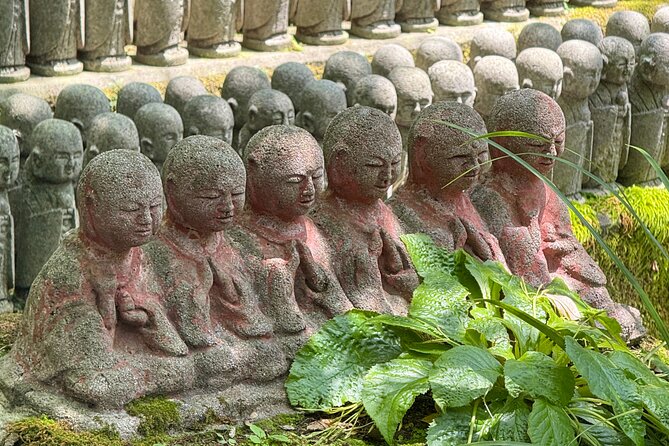
The tour then visits Tsurugaoka Hachimangu, one of Japan’s oldest shrines. You get about 45 minutes, with no separate admission fee listed.
This is the key Shinto stop on a route that also includes major Buddhist sites. Your guide explains the shrine’s cultural importance and helps you notice the details that make it more than a scenic approach and a large building.
The shrine is described as Kamakura’s spiritual heart, and that role gives the day a useful sense of place. You have already seen the Great Buddha and learned about Kannon and Jizo at Hase-dera. Here, you encounter another side of Japanese religious life.
Forty-five minutes works well for an overview and questions. As with the other stops, it may not satisfy you if you want a long, quiet visit. The benefit is variety: the tour does not ask you to spend the entire day on one type of sight.
Optional kimono or yukata rental
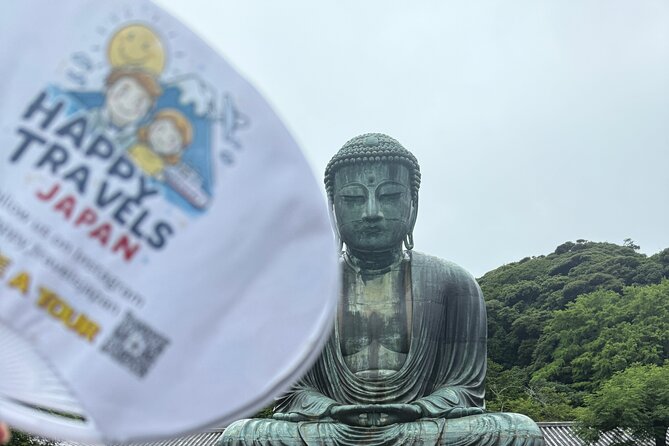
The final listed stop is Kamakura Imakoji, where you can rent a kimono or yukata for about one hour. The rental fee is not included.
This is an optional way to make photographs and memories more personal. It can be a fun addition if dressing in traditional clothing is part of your Japan plans, especially after visiting temples and a shrine. Your guide can help fit it into the day and then drop you off according to the arrangement you choose.
The practical point is cost and time. You pay separately for the rental, and one hour is allocated to this part of the experience. Ask for the current rental price and exactly what is included before committing. If you are more interested in temples than photos, you can skip this option.
The supplied details say the guide will drop you off and that you can choose a customized arrangement, but they do not specify every possible drop-off location. Confirm the details when booking.
What the $70 price covers
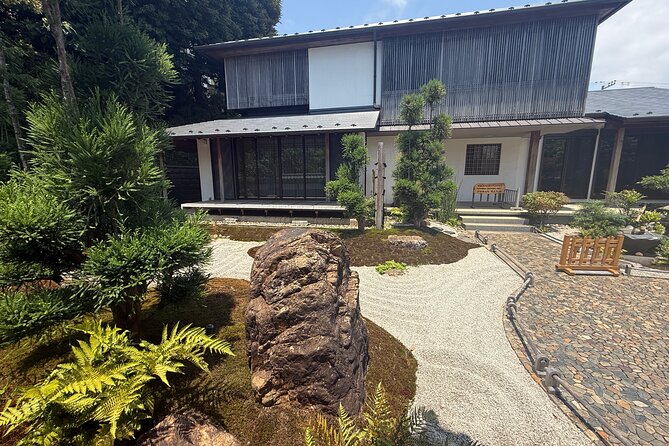
At $70 per person, the value depends on how much help you want with Kamakura’s route and cultural context. The tour fee includes the guide and entrance fees to the shrines and temples listed in the program. For a private eight-hour experience, that is a fair starting price, especially if you are splitting the guide’s attention with no other group.
You still need to budget for local transportation, lunch, and any kimono rental. Private transportation is not included, and this is not a car tour. Bottled water is provided on hot summer days, but the drink is limited to water.
The price makes the most sense for people who would otherwise spend time working out trains, directions, and admission details. If you are comfortable planning Kamakura yourself and want only a short visit to the Great Buddha, a self-guided day may cost less. If you want one person to connect the sites and answer questions, the guide fee adds real convenience.
Group discounts are available, though the supplied information does not give the discount amount. Ask for the exact rate if you are booking for several people.
Who will enjoy this tour most
I would choose this experience for a first visit to Kamakura, especially if you want the main sights in one organized day. It also suits families or small groups that prefer a private guide rather than a fixed large-group schedule.
It is a good match if you value explanation as much as photographs. The route covers Buddhist and Shinto sites, local shopping, food, and an optional traditional outfit, so you get several sides of the town.
You should think twice if you want a quiet, slow temple day or dislike walking and public transportation. The route is active, the day is long, and the stops have set time blocks. It is also less suitable if you need every cost included upfront, since lunch, transportation, and kimono rental are separate.
The tour requires moderate physical fitness. Service animals are allowed, and the meeting point is near public transportation. Confirmation is issued when you book.
Weather, cancellation, and planning details
The experience requires good weather. If poor weather cancels the tour, you can choose another date or receive a full refund. A minimum number of participants is also required, and if that condition causes cancellation, you are offered another date or experience, or a full refund.
You can cancel for a full refund up to 24 hours before the start time. Cancellations or changes inside 24 hours are not refunded or accepted. The cut-off follows Kamakura local time.
For planning, I would wear shoes suited to a full day on foot, carry a little spending money for food and souvenirs, and decide in advance if a kimono rental interests you. Since lunch is not included, tell your guide early if you have a particular budget or food preference.
Should you book this Kamakura tour?
Book it if you want Kamakura’s main sights connected by a private local guide, with transport handled as you walk between temples, shrines, shopping streets, and the optional kimono stop. The included admissions and private format help justify the $70 price, while Jack’s praised English and cultural explanations are a useful sign for English-speaking visitors.
Skip it if you want to explore at your own pace, avoid a full day of walking, or prefer a private car. The best reason to book is not simply the Great Buddha. It is having one person turn a spread-out day into a clear route with context, local food advice, and room for questions.
FAQ
How long does the Kamakura tour last?
The detailed experience lasts approximately eight hours. It may be offered as a half-day or full-day tour, so confirm the exact version and timing when booking.
Where does the tour start and end?
The tour starts at Kamakura Station, at 1-chome-1-15 Onarimachi, Kamakura, Kanagawa 248-0012. It ends back at the meeting point.
Is this a private tour?
Yes. Only your group participates in the private activity.
Is private transportation included?
No. This is not a vehicle tour. The experience combines walking with public transportation, managed by your guide.
Are temple and shrine admission fees included?
Yes. Entrance fees to the shrines and temples included in the route are covered.
Is lunch included?
No. Your guide can recommend or take you to a local restaurant, but you pay for lunch. The guide may join if you invite the guide.
Is kimono rental included?
No. Kimono or yukata rental is optional and costs extra. The rental can be arranged during the tour, with about one hour allocated for it.
What is the cancellation policy?
You receive a full refund if you cancel at least 24 hours before the start time. Cancellations or changes within 24 hours are not accepted or refunded. If poor weather or an insufficient minimum number of participants cancels the tour, you are offered another date or a full refund.
Just added in Kamakura
- First time in Kamakura? Enjoy a Tour of All Must-sees!★ 5.0 · 15 reviews
- When Emperors Reigned and Shoguns Ruled★ 5.0 · 43 reviews
- Your Own HANKO Name Seal Activity in Kamakura.★ 5.0 · 24 reviews
- Buddha, Bamboo & Zen – Bespoke Kamakura Private Walking Tours★ 5.0 · 25 reviews
- Kamakura 4hr Private Trip with Government-Licensed Guide★ 5.0 · 58 reviews
- Kamakura Walking Tour – The City of Shogun★ 5.0 · 100 reviews
- Kamakura Bamboo Forest and Great Buddha Private Tour★ 5.0 · 12 reviews
- Exciting Kamakura – One Day Tour from Tokyo★ 5.0 · 40 reviews
Tours in Kamakura, compared.
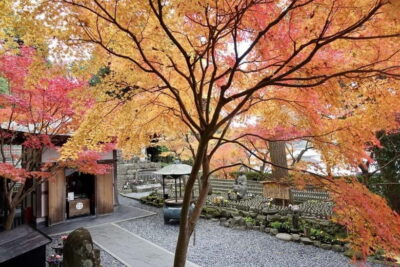
Kamakura & Enoshima Day Trip including Temple Tickets
Read our review →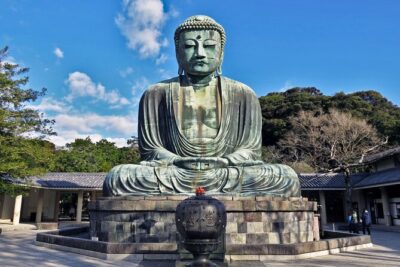
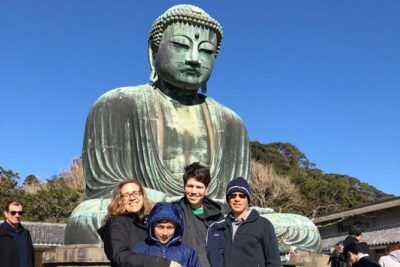
Kamakura Historical Walking Tour with the Great Buddha
Read our review →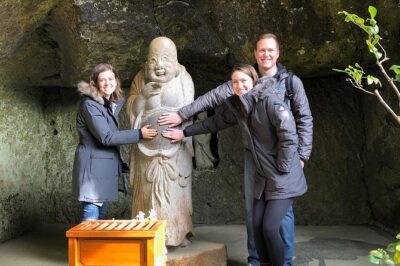
Kamakura Private Tour: Temples, Nature, and the Great Buddha
Read our review →
Kamakura 4hr Private Trip with Government-Licensed Guide
Read our review →
Kamakura Full Day Tour with a Local Expert Guide
Read our review →
Browse the lists this tour appears in