
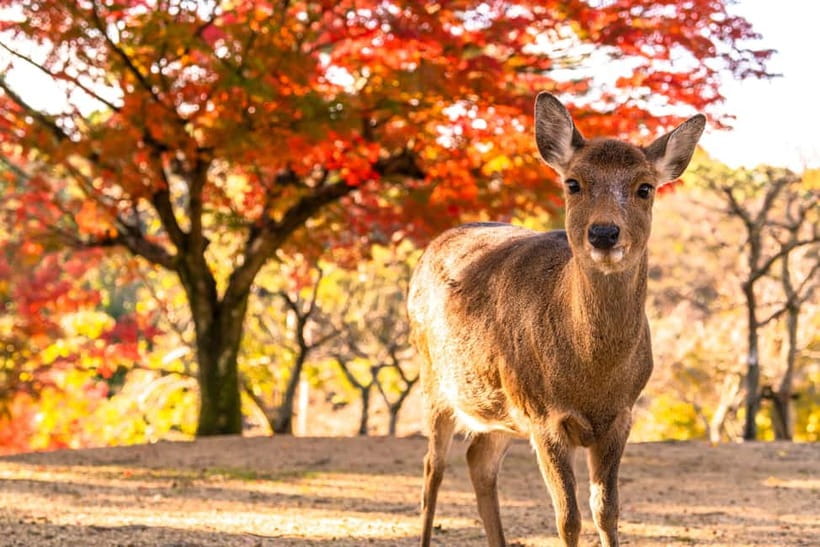
Reviewed · ARASHIYAMA & BAMBOO GROVE TOURS
Kyoto/Osaka: Kinkakuji, Bamboo Forest, and Nara Deer Park
Kyoto’s gold-leaf Kinkaku-ji, Arashiyama’s towering bamboo, and Nara’s free-roaming deer make a fine first look at western Japan. This $69 day trip bundles the long rides, several admissions, and an English-speaking guide into one tidy route.
I like the wide range of sights: quiet bamboo paths, a polished temple garden, and the Great Buddha all appear in one day. I also like the practical coach transport, especially if you do not want to puzzle out several train and bus connections.
The tradeoff is time. You cover a lot of ground, but some stops can feel hurried, and Nara Park is easy to get lost in when the group gathers for the ride home. Keep your meeting instructions and guide’s contact details close.
Key points to know before booking
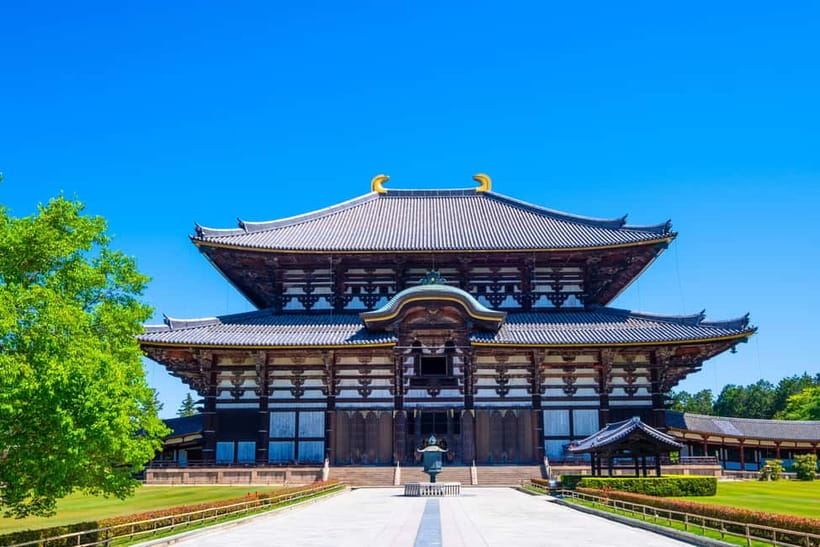
- Three major sights in one day: Arashiyama, Kinkaku-ji, and Nara Park form a busy but sensible western Japan route.
- The bamboo grove is beautiful but crowded: Go for the atmosphere and tall green corridor, not solitude.
- Lunch and admissions depend on your option: Check exactly what your booking includes before paying.
- Nara’s deer are wild animals: Feed them only the special shika-senbei rice crackers.
- The guide makes a real difference: Eiko, Yuki, Jewel, Maki, Satoshi, and others have been praised for clear directions and cultural explanations, but guide assignments vary.
- The schedule rewards early organization: Arrive well before the listed meeting time and listen carefully to the return instructions.
Three famous sights, one long day

This is a sightseeing sampler rather than a slow cultural outing. You leave from Kyoto Station’s Hachijo Exit Tourist Bus Parking at 9:05 a.m., or from Osaka’s OCAT Building at 8:50 a.m., then spend the day moving between Kyoto and Nara.
That structure is useful if your Japan trip is short. You can see three headline attractions without arranging separate train tickets, local buses, temple admissions, and return routes. The coach also gives you a place to rest between stops, with air conditioning and Wi-Fi listed as part of the transport.
The drawback is built into the plan. Arashiyama, Kinkaku-ji, and Nara are not next door to one another, and road traffic or weather can change the timing. You should expect a well-organized day with set meeting points, not the freedom to linger until sunset.
The tour ends back at the departure meeting point. If you start in Osaka, the return logistics may be easier for your plans, but check the exact option before booking. Meeting points can vary by selection.
Other mornings on the western edge of Japan:
- Kyoto: Fushimi Inari, Kinkakuji, Bamboo Grove 1 Day Bus Tour
★ 4.8 · 4,316 reviews - Osaka/Kyoto:Kinkakuji,Arashiyama,FushimiInariShrine,NaraPark
★ 4.1 · 1,596 reviews - Kyoto/Osaka: Nara, Fushimi Inari Taisha, Arashiyama Bus Tour
★ 4.7 · 1,275 reviews
Arashiyama’s bamboo grove and the Katsura River
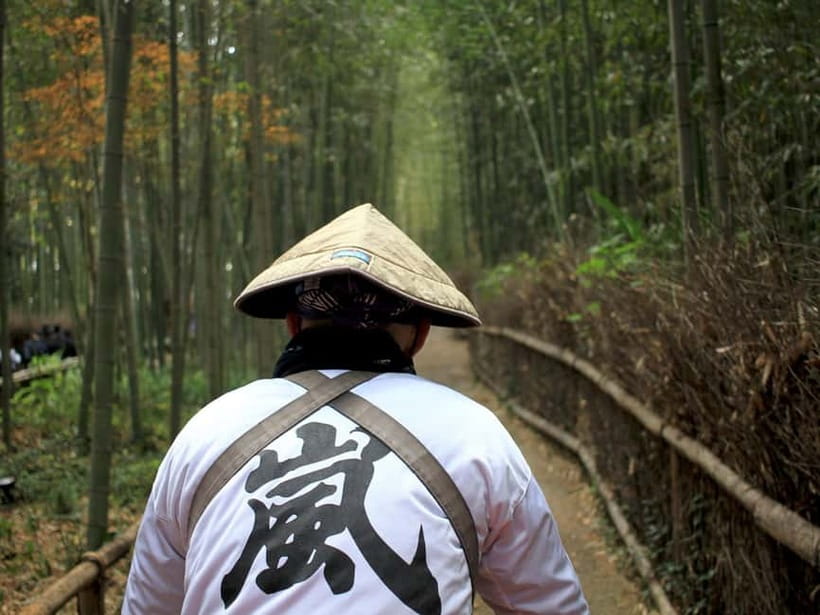
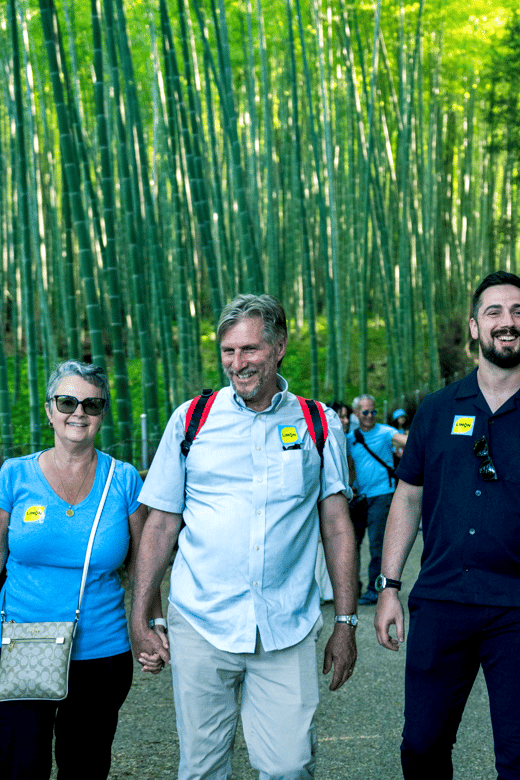
Arashiyama supplies the day’s most atmospheric walk. The Sagano Bamboo Forest is a narrow path lined with tall bamboo, where the leaves shift and click above you. The sound is one of the main pleasures here, though you will share the path with many other people.
The grove has been a nature-viewing destination since the Heian Period, a useful reminder that this is not simply a modern photo stop. Still, keep expectations realistic. The bamboo path can be crowded, and the best moments may be brief gaps when you can pause without blocking the flow.
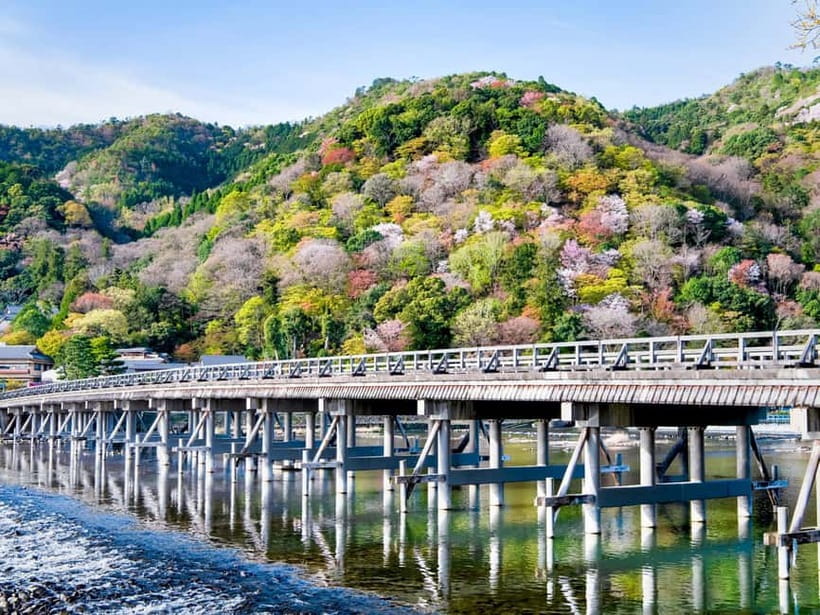
The wider Arashiyama area gives you more than the grove itself. You can see the Togetsukyo, or Moon-Crossing Bridge, along the Katsura River. The river view gives the stop some breathing room after the tight bamboo lane and makes a good contrast for your photos.
The schedule includes time to explore Arashiyama after lunch. The meal is described as seasonal Kyoto specialties when lunch is selected, while several people specifically praised the buffet-style meal and its range of choices. The food option is not universally loved, though. One account found the dining room cramped and the food plain, while others found it filling and worthwhile.
My advice is simple: add lunch if convenience matters more than choosing your own restaurant. Skip it if you want control over what and where you eat. Halal and vegan lunches are not available, and vegetarian requests must be made directly to the provider at least three days ahead.
Kinkaku-ji, Kyoto’s Golden Pavilion
Kinkaku-ji is the visual centerpiece of the Kyoto portion. The upper floors of the pavilion are covered in gold leaf, and the building reflects in the pond in front of it. On a bright day, the effect is almost theatrical. On a gray day, the setting still works because the pond and garden frame the pavilion so carefully.
The temple you see today is a reconstruction, but its garden retains the original design associated with the 14th century. That matters because the garden is not just filler after the famous photograph. The path guides you around water, trees, and carefully arranged viewpoints, giving you a better sense of Japanese garden design than a quick look at the pavilion alone.
The visit generally includes admission only if you choose the appropriate option. Read the booking details closely, since lunch and entry tickets can vary by package. If Kinkaku-ji entry is not included, you will need to account for that separately.
Your time here may feel short. The route is easy to follow, but crowds can slow movement, and the most popular viewing point fills quickly. Guides such as Eiko, Yuki, and Maki have been praised for explaining local stories, customs, and sacred places, while others have found that some guides mainly gave directions and left visitors to explore on their own.
That difference is worth understanding. This is not a private tour with a guide beside you for every minute. You will usually receive an introduction, some context, and clear instructions, followed by free time. That works well if you like independent wandering but want help with the major details.
Nara Park and the deer
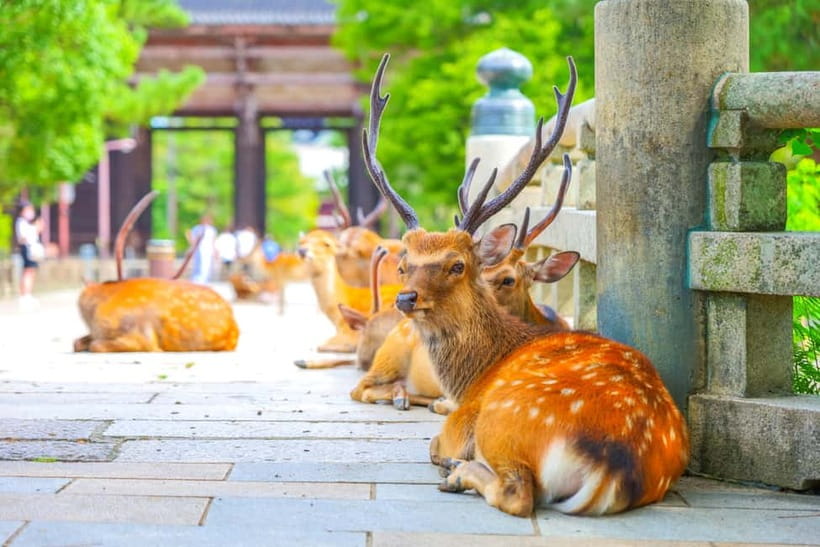
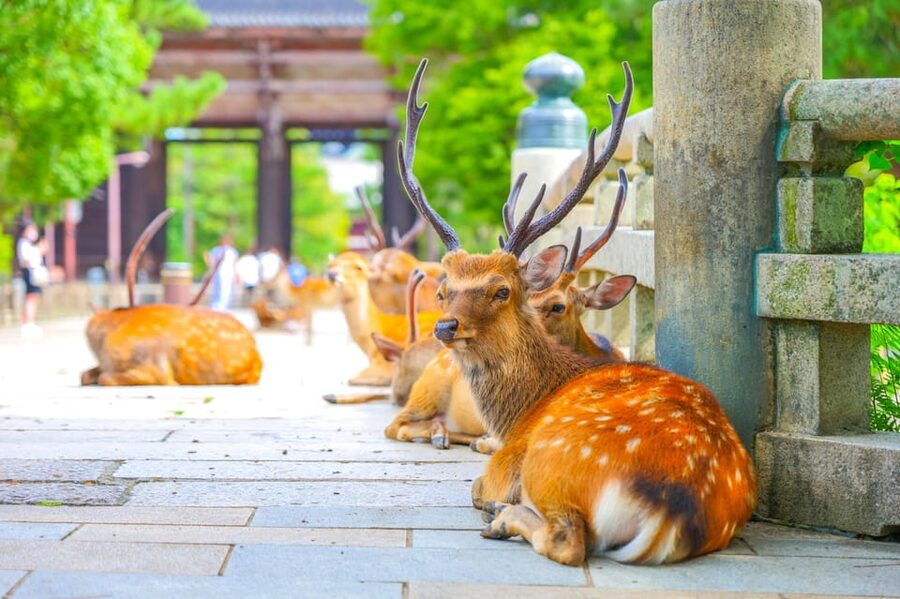
Nara changes the mood. Instead of a single temple view, you walk through a broad park where roughly 1,200 deer live freely. The animals are used to people and are famous for bowing when they expect food.
The food is shika-senbei, special rice crackers sold for feeding the deer. Do not give them anything else. Hold the crackers where the deer can see them, feed them promptly, and keep your hands open afterward so the animals understand the supply is finished.
The deer are charming, but they are not tame pets. They can crowd around you when they see crackers, so keep bags, maps, and loose food under control. If you have children with you, stay close while feeding them.
Timing matters here. The group has reported difficulty finding crackers late in the afternoon because the sellers had sold out. One guide, Eiko, managed to find crackers for the group around 4 p.m., but you should not count on that rescue. Buy them when you first see them if feeding the deer is important to you.
Nara Park can also be confusing at the final meeting time. Paths, temples, deer, and large crowds make it easy to lose sight of the group. Listen carefully when the guide explains where the bus will wait, and take a photo of the meeting point if allowed. Do not wander off without knowing the return time.
Other day trips out of Japan:
- World Heritage Kyoto & Nara Uji Authentic Matcha Experience
★ 5.0 · 1,573 reviews - Nara Half Day Trip Walking Tour (Private Option Available)
★ 5.0 · 937 reviews - Osaka/Kyoto: Arashiyama, Nara & Fushimi Inari Shrine w/Lunch
★ 4.4 · 754 reviews - Nara Early Morning Tour (Kyoto or Osaka Departure Available)
★ 5.0 · 676 reviews
Todai-ji and the Great Buddha
Inside Nara Park, Todai-ji provides the day’s biggest interior sight. The temple houses one of Japan’s three enormous Great Buddha statues, an image that is difficult to grasp from photographs alone. The scale of the hall and statue gives the Nara stop weight after the lighter fun of feeding deer.
Todai-ji entry is included only with the relevant option, so check your confirmation. Your group will have a set amount of time, and the guide may explain how to pray properly or point out details in the temple precinct. Several guides have been praised for offering cultural explanations during the ride and at each stop.
The temple visit is also where the schedule can feel tight. Nara has more to offer than the park and Todai-ji, but this tour is designed around the headline attractions. You will not have time to explore every lane, museum, or temple in the area.
That is not a flaw if you see this as an introduction. If you already know Nara well and want a slow day around its temple grounds, arrange your own visit instead.
What the guides add to the day
The English-speaking guide is one of the strongest reasons to book this experience rather than make the route yourself. Guides have included Eiko, Yuki, Jewel, Hama, Maki, Satoshi, Lydia, Winnie, and others, depending on the date and group.
The best guides do three useful jobs. They explain what you are looking at, keep the group moving, and tell you exactly where to meet again. Jewel was praised for helping everyone, taking photos, and caring for a visitor with an injured ankle. Hama was appreciated for clear timing and instructions, while Satoshi was noted for strong English and cultural background.
Guide quality can vary. Some people have found an accent difficult to follow, or felt that explanations were brief once they left the coach. If you need detailed historical discussion at every site, this may not satisfy you. If you want the main story, practical help, and a friendly escort through a complicated day, it is a better fit.
Take your own photos as well. Guides may help with pictures, but photo quality and availability will differ. The most important service is helping you avoid missing the bus, not producing a perfect portrait.
Coach comfort, meeting points, and pace
The air-conditioned coach is a major convenience. Kyoto and Nara are easy to reach by public transport, but combining Arashiyama, Kinkaku-ji, and Nara in one day means several transfers and careful timing. Here, you can sit down between sights and leave the navigation to the driver and guide.
The vehicle is listed with Wi-Fi, though you should still carry water and keep your phone charged. Wear comfortable shoes. You will walk on temple paths, through the bamboo area, and across Nara Park, with standing and regrouping throughout the day.
There is no hotel pickup or drop-off. Kyoto departure is at 9:05 a.m. from the Kyoto Station Hachijo Exit Tourist Bus Parking. Osaka departure is at 8:50 a.m. from the first floor of the OCAT Building. Give yourself extra time to find the correct area, particularly at Kyoto Station, where several bus facilities can look similar.
The tour is not designed for oversize luggage. Pets are not allowed, smoking is not allowed in the vehicle, and only foldable strollers can be stored under the bus. Children aged two and under travel free, but they do not receive a seat or meal and must sit on an adult’s lap.
Is the $69 price good value?

At $69 per person, this is a fair price for the amount of ground covered. The value improves if your selected package includes lunch, Kinkaku-ji entry, and Todai-ji entry, since you are also paying for an English guide, coach transportation, and the convenience of one coordinated route.
Check the exact package before comparing prices. Not every option includes the same meals or admissions, and that can change the real cost. You will also buy deer crackers separately if you want to feed the animals.
I see the greatest value for a first visit or a short stay. You get the classic images of Kyoto and Nara in one day, plus enough explanation to understand what you are seeing. The price is less attractive if you are comfortable using Japanese trains and buses, prefer local restaurants, and want an unhurried visit at each temple.
The flexible booking terms are useful for a changing itinerary: you can reserve and pay later, and cancellation is available up to 24 hours in advance for a full refund. Check the conditions attached to your specific booking before relying on them.
Who should book this day trip?
Book it if you want a high-impact first look at Kyoto and Nara without planning every connection. It suits couples, families with older children, solo visitors, and anyone staying in Osaka who wants an easy day outside the city.
It is especially useful for people who value clear instructions. The guide can explain local customs, show you where to go, and get the group back to the coach after each stop. The bus also saves energy for the sights themselves.
Think twice if you dislike group schedules. You may have to leave a beautiful spot just as you are settling in, and crowds can make the short free periods feel shorter. Independent visitors may prefer to spend one full day in Arashiyama and another in Nara.
Final call: a strong introduction, not a slow exploration
I would book this tour for a first western Japan visit when time is limited. The route gives you three memorable experiences: bamboo and river scenery in Arashiyama, the gleaming pavilion and garden at Kinkaku-ji, and deer plus the Great Buddha in Nara.
Choose your package carefully, arrive early, buy deer crackers before they sell out, and pay close attention to the final meeting point. If you can accept a brisk pace, the $69 cost buys useful transport, guidance, and a lot of sightseeing in one day.
FAQ
Where does the tour depart from?
Kyoto departures meet at the Kyoto Station Hachijo Exit Tourist Bus Parking at 9:05 a.m. Osaka departures meet at the OCAT Building first floor at 8:50 a.m. The exact meeting point can vary by option.
Is hotel pickup included?
No. Hotel pickup and drop-off are not included. You must reach the listed meeting point yourself.
Are lunch and temple admissions included?
They depend on the option you book. Lunch, Kinkaku-ji admission, and Todai-ji admission are listed as included only when the selected package contains them.
Can I request a vegetarian meal?
Yes, but you must contact the activity provider at least three days before the tour. Halal and vegan lunches are not available.
Can I bring a stroller or luggage?
Only foldable strollers are allowed, and they will be stored under the bus. Oversize luggage is not allowed.
What should I bring for the tour?
Bring comfortable shoes and water. If you plan to feed the deer, buy and use only the special shika-senbei crackers.
Just added in Japan
- 1 Day Tour: Snow Monkeys & Snow Fun in Shiga Kogen★ 5.0 · 52 reviews
- Fukuoka Your Way: 100% Customisable Private Tour with Local Guide★ 5.0 · 83 reviews
- Nagasaki Full-Day Private Tour with Government-Licensed Guide★ 5.0 · 66 reviews
- From Matsumoto/Nagano: Nakasendo Trail Walking Tour★ 4.9 · 33 reviews
- Private Fukuoka Tour with a Local, Highlights & Hidden Gems 100% Personalised★ 5.0 · 143 reviews
- Visit Gunkanjima Island (Battleship Island) in Nagasaki★ 4.0 · 32 reviews
- Best of Himeji Castle: 3hr Tour with Licensed Guide★ 5.0 · 186 reviews
- Hakone 8 hour Private Tour with Government-Licensed Guide★ 5.0 · 63 reviews
Arashiyama & Bamboo Grove Tours, compared.
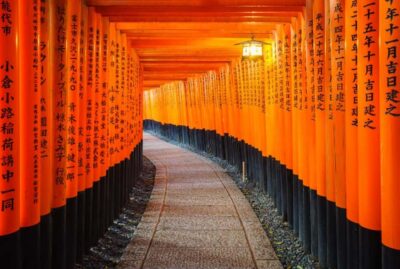
Osaka/Kyoto:Kinkakuji,Arashiyama,FushimiInariShrine,NaraPark
Read our review →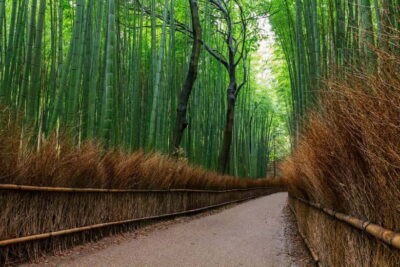
Kyoto/Osaka: Nara, Fushimi Inari Taisha, Arashiyama Bus Tour
Read our review →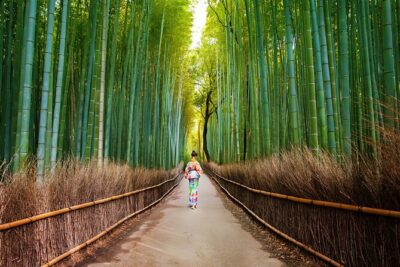
Kyoto Arashiyama Walking Tour: Bamboo, Monkeys, Gardens & Secrets
Read our review →
Arashiyama Bamboo, Temple, Monkeys, or Secret Sake Brewery
Read our review →
Arashiyama Bamboo Forest, Monkeys, Matcha & Temple Tour
Read our review →
Osaka/Kyoto: Arashiyama, Nara & Fushimi Inari Shrine w/Lunch
Read our review →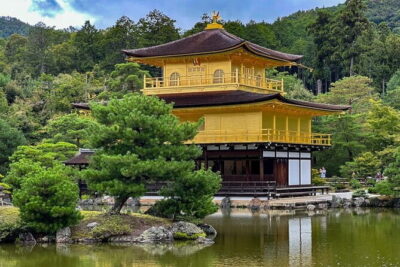
Nijo, Kinkaku-ji, Arashiyama, Kiyomizu & Fushimi Inari
Read our review →
Kyoto Ghost Tour: Dark Tales, Urban Legends, Bamboo Forest Night
Read our review →Browse the lists this tour appears in