
Reviewed · NARA & THE DEER PARK
Nara:Authentic Tea Ceremony(Max 5 ppl) -Master Matcha Making
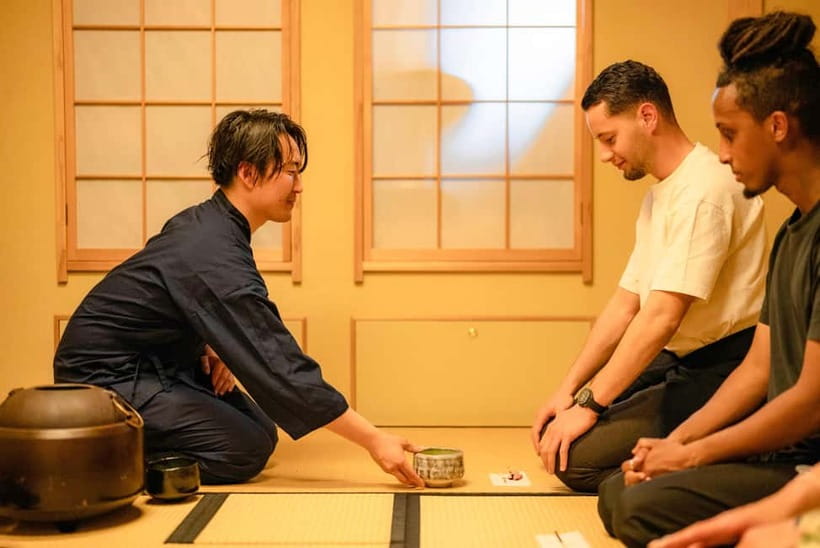
The best part of this Nara experience is the setting: a 120-year-old Japanese farmhouse where the quiet room, traditional tools, and careful movements make tea ceremony feel like a living custom rather than a staged show. You first watch the tea master, then whisk matcha yourself and receive useful corrections.
I especially like the small-group format, which leaves room for questions and personal guidance. I also like the chance to taste different single-origin teas from Nara before making your own cup. The main consideration is time: one hour gives you a fine introduction, but not a long formal ceremony with every possible ritual.
Key points to know before booking
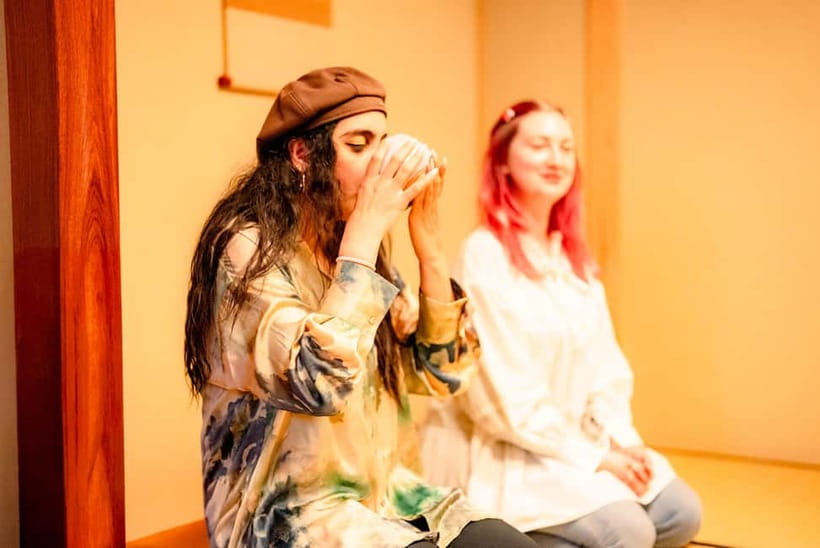
- A 120-year-old farmhouse: The traditional setting gives the lesson a calm, genuine sense of place.
- Hands-on matcha making: You whisk your own tea and receive tips on producing a smoother, creamier cup.
- Tea tasting from Nara: Comparing single-origin matcha helps you notice how teas differ in aroma and flavor.
- Friendly English-speaking hosts: Kurabi, Mike, Hasumi, Tate, and Mark are among the hosts named in the experience details and guest feedback.
- Seasonal wagashi included: Traditional Japanese sweets balance matcha’s strong, slightly bitter taste.
- One-hour introduction: The short format fits neatly into a day of exploring Nara, especially before or after the deer park.
Entering Nara’s old farmhouse for tea
A tea ceremony can be a grand, formal affair, but this one takes a more approachable route. You enter an old Japanese farmhouse and settle into a peaceful room where the tea master explains what is happening and why.
That setting matters. Tea ceremony is built around attention to small things: the placement of a bowl, the handling of a whisk, the way tea is served, and the quiet pause before drinking. In a modern café, you might learn how to make matcha. Here, you also get a sense of the customs around it.
Some bookings have been private sessions for one person or a family of four. The stated group limit is small, with space for up to six participants, and the experience is described as having a maximum of five people in its title. In practical terms, you should expect a personal class rather than a large demonstration.
The meeting and exact room arrangement can vary, so check the current booking details. One person had trouble finding the host and was contacted through WhatsApp before walking about 10 minutes to the guesthouse. That is a useful reminder to keep your phone available and allow a little time to locate the meeting point.
Other day trips out of Nara:
- World Heritage Kyoto & Nara Uji Authentic Matcha Experience
★ 5.0 · 1,573 reviews - Nara Half Day Trip Walking Tour (Private Option Available)
★ 5.0 · 937 reviews - Nara Early Morning Tour (Kyoto or Osaka Departure Available)
★ 5.0 · 676 reviews
What happens during the one-hour lesson
The hour has a sensible rhythm. First comes an introduction to the tea ceremony, its background, and the tools used. The tea master explains the purpose of the utensils and the order of the movements, so you are not simply copying gestures without context.
You will see the tea prepared and served before trying it yourself. This is helpful for first-timers. The ceremony has several small steps, and watching once makes the hands-on part less confusing.
The hosts also explain etiquette. You learn how the bowl is handled, how the tea is received, and how the ceremony creates a pause from ordinary daily activity. The formal points are presented in a friendly way, not as a test you might fail.
That tone is one of the experience’s strengths. Hosts including Mike, Hasumi, Tate, Mark, and Kurabi are described as warm, clear, and willing to answer questions. Several names appear because the experience may be led by different members of the hosting team, so you may not meet the same person shown in every description.
English and Japanese are offered. The English explanations have been praised as clear, which is important here because the value of the session lies as much in understanding the customs as in drinking the tea.
Tasting Nara matcha before making your own
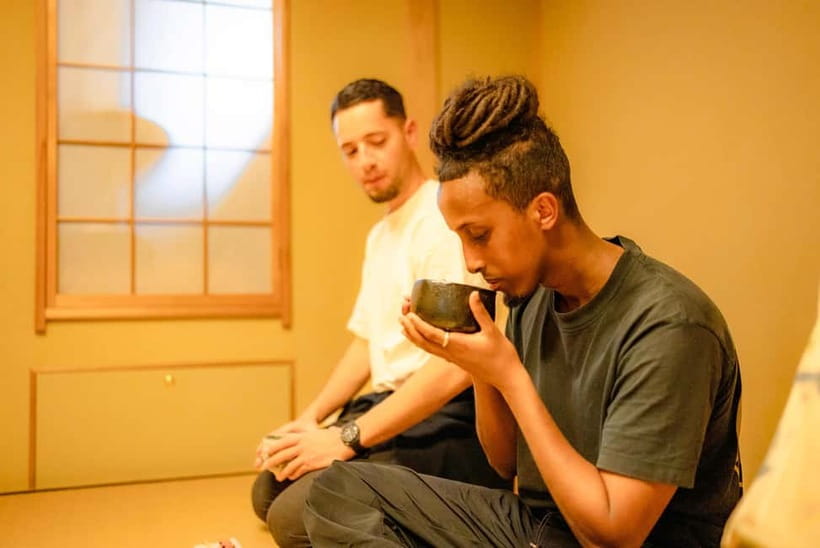
The tasting portion gives the lesson a useful local angle. You compare single-origin matcha from Nara and consider the differences in flavor and aroma. This is more helpful than being handed one cup and told that all matcha tastes the same.
Matcha can be grassy, creamy, sweet, or strongly bitter, depending on the tea and how it is prepared. You do not need an expert palate. The tea master gives you a way to pay attention, and tasting more than one style makes the comparison easier.
Some sessions have also included other teas, and one experience added matcha from Uji. That is not guaranteed as part of every booking, but it shows that the hosts may use the tasting to explain how Japanese teas differ by origin.
I like this part for a practical reason: it can help you decide what kind of matcha you enjoy later. Hosts have also offered advice about where to buy matcha and sake in Nara, though recommendations are an extra benefit rather than a formal part of the listed inclusions.
Whisking your own matcha
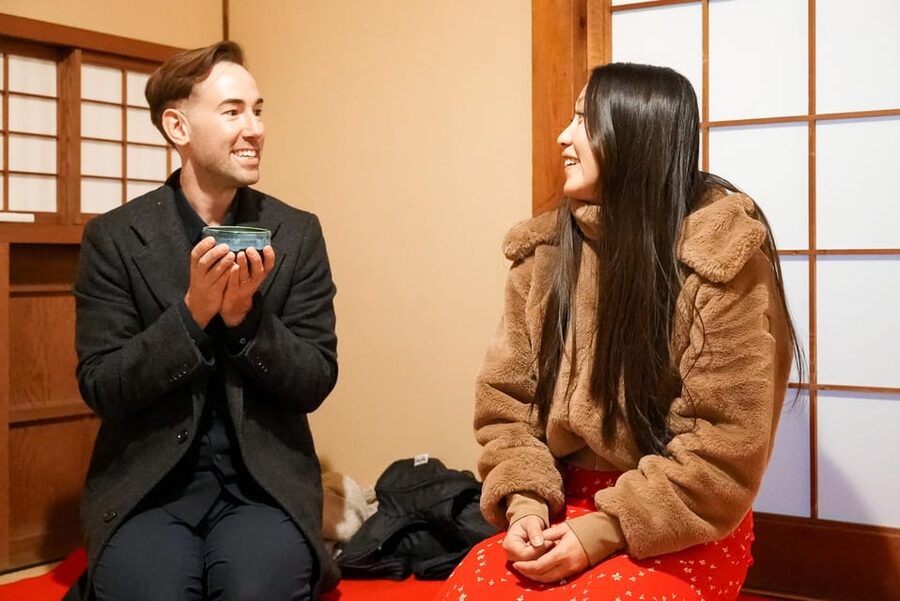
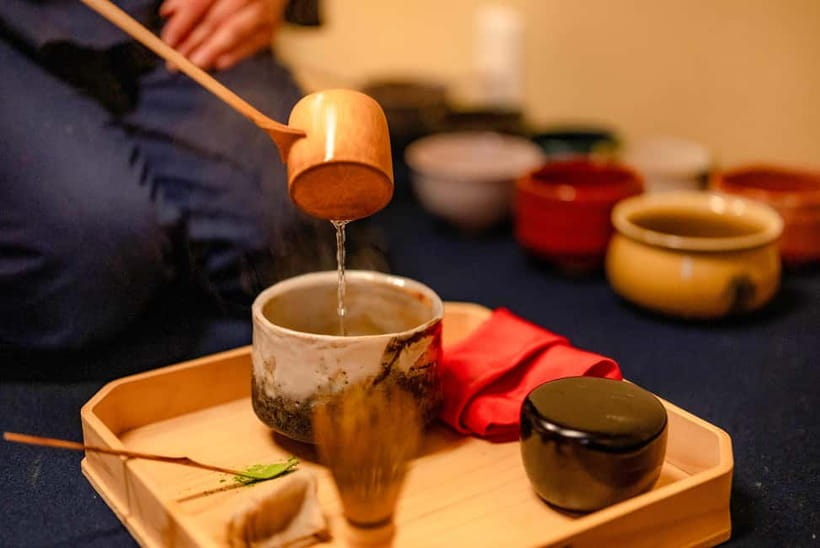
The hands-on preparation is the heart of the class. The master shows you how to use the bamboo whisk, then lets you make your own bowl of matcha.
Whisking looks simple until you try it. The goal is not to stir slowly in a circle. You need a quick, controlled movement that creates a fine layer of foam without splashing the tea. Your host watches your technique and offers personal feedback.
One particularly useful lesson from the experience is how to make matcha creamier. That kind of tip is more valuable than a quick photo opportunity because you can repeat it at home. You leave with an actual method, not just a memory of watching someone else prepare tea.
The experience is also forgiving. You can ask questions, try again, and compare your cup with the tea prepared by the master. The focus is on learning the movement and appreciating the process, not producing a perfect bowl on your first attempt.
For families and couples, this is likely the most enjoyable section. Everyone has a small task, and the activity is calm without being passive. Children old enough to follow careful instructions may enjoy the whisking, though the supplied information does not specify a minimum age.
Other tea rooms and ceremonies in Nara:
- Nara:5 Type of Tea Tasting & Mindful Tea Ceremony
★ 5.0 · 28 reviews - Kyoto: Tea Ceremony in a Traditional Tea House in Kiyomizu
★ 4.9 · 3,519 reviews - Kyoto: Tea Ceremony Ju-An at Jotokuji Temple
★ 4.9 · 3,207 reviews - Kyoto: 45-Minute Tea Ceremony Lesson Experience
★ 4.3 · 2,378 reviews
Wagashi and the balance of flavors
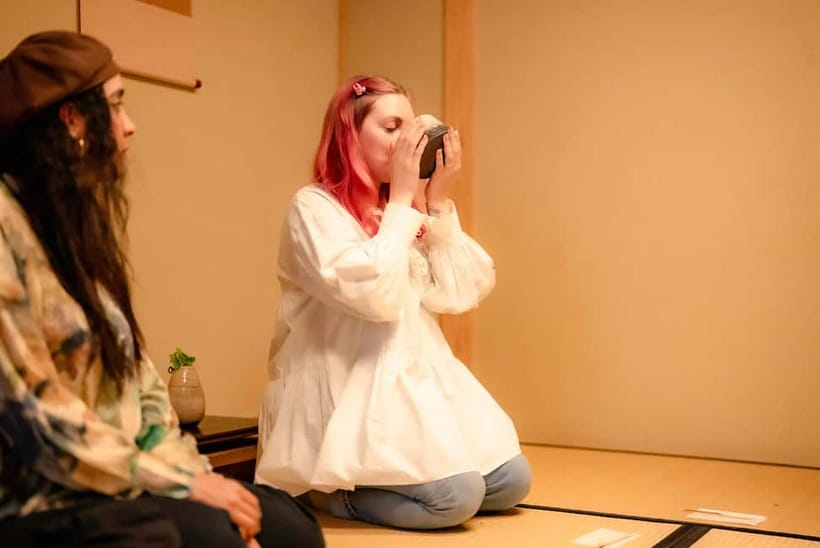
Seasonal wagashi, or traditional Japanese sweets, are served with the tea. These sweets are not just decoration. Their gentle sweetness softens matcha’s bitterness and prepares your palate for the next sip.
The exact wagashi changes with the season, so the sweet you receive is not fixed in the available information. Some hosts may also serve other tea or a handmade sweet, but you should treat those additions as possible extras rather than guaranteed items.
This small pairing helps you understand how tea ceremony works as a complete experience. It is not only about the beverage. The bowl, the sweet, the room, the tools, and the pace all work together.
Why the hosts make a difference
A tea lesson can become stiff if the instructor treats etiquette like a list of rules. Here, the strongest feature is the balance between formality and conversation.
Mike is repeatedly described as friendly, interactive, and generous with local advice. Kurabi has been praised for explaining each step and correcting whisking technique. Hasumi is noted for clear explanations of the process and its background. Tate has been credited with teaching both the ceremony and useful information about Kyoto. Mark is described as warm and easy to follow.
You should not assume a specific host unless your booking confirms one. Still, the range of comments points to a consistent teaching style: clear, personal, and relaxed enough for questions.
The local advice can add real value. Hosts have suggested restaurants, ramen shops, yakiniku, sake stores, matcha cafés, and less-visited sights in Nara, Kyoto, and Osaka. One host even helped with a restaurant reservation, while another helped a participant find the bus to Nara’s deer park.
That advice is not the main reason to book, but it can be useful if your Nara plans are still loose. Bring a note on your phone so you can save names and recommendations during the conversation.
What the $46 price delivers
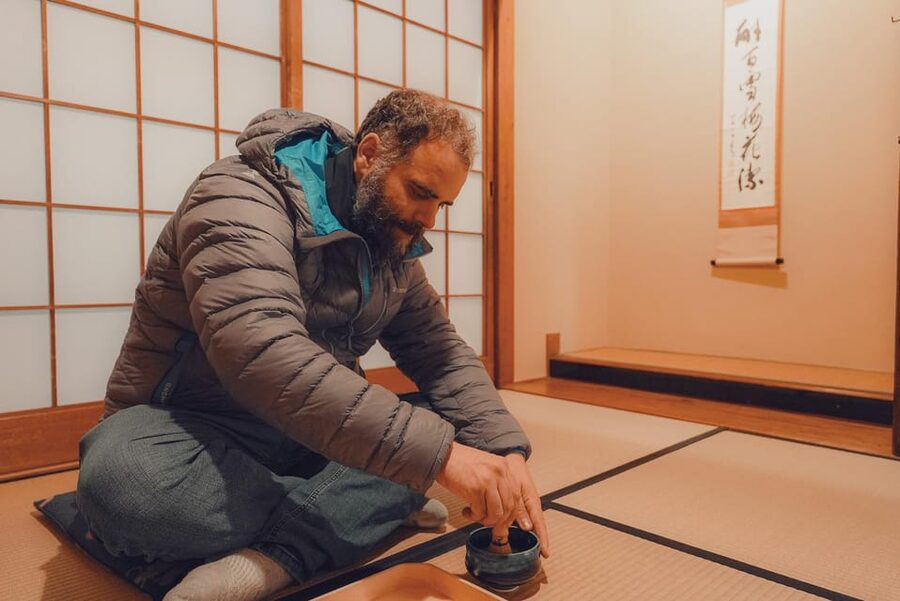
At $46 per person, this is not the cheapest way to drink matcha in Japan. You can buy a bowl at a café for much less. The difference is that this price covers instruction, tea tasting, the traditional setting, guided preparation, wagashi, and time with a tea master.
The value is strongest if you want to understand the ceremony rather than simply consume matcha. You get an explanation of the utensils, etiquette, and background, followed by practice with personal feedback. That makes the session closer to a private cultural lesson than a café visit.
It is also good value for a couple, family, or small group that wants an activity everyone can share. The one-hour length keeps the cost and time commitment manageable.
The value is weaker if you already know how to prepare matcha or want a long, highly formal tea ceremony. This is an introduction and workshop. It gives you the essentials, but the short schedule limits how much ceremony detail can fit into the hour.
Best time to fit it into your Nara day
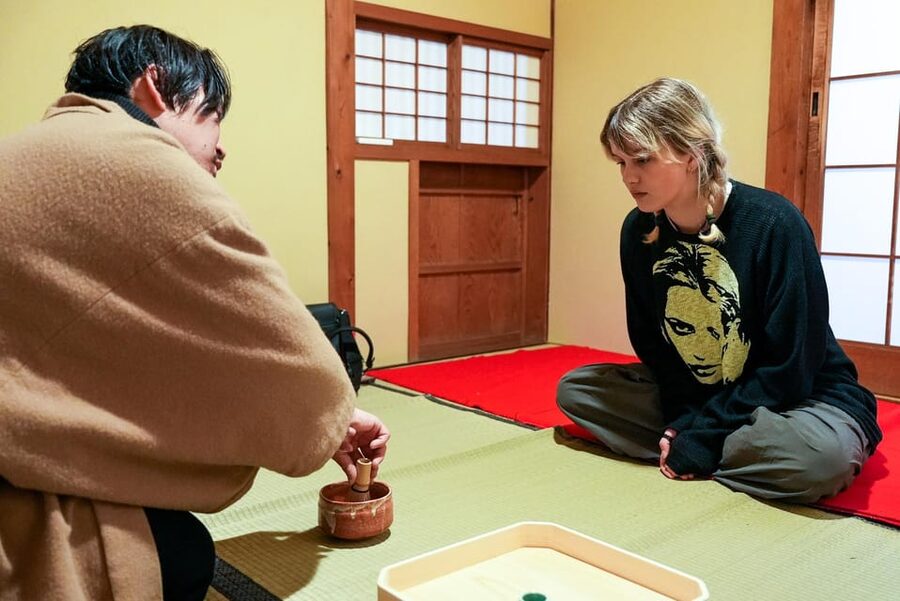
At one hour, the class is easy to place around other plans. It could be a gentle start before visiting Nara’s main sights, or a quiet break after walking through the older part of town.
A morning booking may suit you if you want a calm beginning to the day. One participant described it as a good way to start the morning. An afternoon session can work well after sightseeing, when you are ready to sit down and slow the pace.
The experience pairs naturally with Nara’s deer park, temples, and older streets, though the activity itself does not include transport or admission to those places. You will need to plan your own route to the meeting point and farmhouse.
Give yourself extra time if the location is unfamiliar. The old-house setting is part of the appeal, but it may not be as easy to identify as a large commercial venue. Keep the host’s contact details handy, especially if you are arriving by train or moving on to another attraction.
Who will enjoy this most
This is a strong pick for a first tea ceremony in Japan. You receive enough explanation to understand the ritual without needing prior knowledge, and the practical whisking session gives you something to do.
It also suits:
- Culture-focused visitors: You learn the reasons behind the movements, not just the order of the steps.
- Matcha fans: The tasting comparison and preparation tips add more depth than a standard café stop.
- Families and couples: The small format allows everyone to participate and ask questions.
- Visitors with limited time: One hour fits neatly into a busy Nara schedule.
- People seeking a quiet break: The farmhouse and measured pace offer a welcome pause after walking.
You may want another kind of activity if you dislike sitting still, have no interest in tea, or expect a full-day workshop. The ceremony is calm by design. The quiet is part of the experience, not a gap that needs filling.
Practical details before you reserve
The activity lasts one hour and costs $46 per person. Instruction is available in English and Japanese, and the group is limited to a small number of participants. The description gives a maximum of five in the title and up to six in the general group information, so check the exact capacity shown for your date.
The price includes one-on-one instruction from a tea master, guided preparation and serving of matcha, an overview of ceremony history and etiquette, practice with personalized feedback, and seasonal wagashi.
You can cancel up to 24 hours before the start time for a full refund. A reserve-now, pay-later option is also available, which helps if your Nara schedule may change.
The exact starting time depends on availability. Since some sessions may be private and others may include a few people, confirm the group arrangement if that matters to you.
Should you book the Nara tea ceremony?
I would book this if you want a personal, culturally focused activity rather than a quick cup of matcha. The old farmhouse, local tea tasting, friendly instruction, and chance to whisk your own tea give the hour real substance.
The best reason to reserve is the combination of place and participation. You are not only watching a ceremony. You learn the meaning of the tools, taste Nara tea, practice the technique, eat wagashi, and leave with a method you can use at home.
Skip it if your main goal is a long formal ceremony or if $46 feels too high for a tea-based activity. For most first-time visitors, though, the small scale and practical teaching make this a worthwhile addition to a Nara day.
FAQ
How long does the tea ceremony experience last?
The experience lasts one hour.
How much does the activity cost?
The price is $46 per person.
Where does the experience take place?
It takes place in a 120-year-old traditional Japanese farmhouse in Nara, on Honshu.
How many people can join?
The experience is offered in a small-group format. The title gives a maximum of five people, while the general activity information states that groups are limited to six participants. Check the capacity for your selected booking.
Is the tea ceremony taught in English?
Yes. The listed instruction languages are English and Japanese.
Will I prepare my own matcha?
Yes. The tea master demonstrates the technique, then guides you as you whisk your own matcha and offers personal feedback.
Does the activity include sweets?
Yes. Seasonal wagashi, traditional Japanese sweets, are included.
What will I learn besides making matcha?
You will receive an overview of tea ceremony history, etiquette, traditional utensils, and the process of preparing and serving matcha.
Can I cancel the booking?
Yes. You can cancel up to 24 hours in advance for a full refund. A reserve-now, pay-later option is also available.
Just added in Nara
- Nara:5 Type of Tea Tasting & Mindful Tea Ceremony★ 5.0 · 28 reviews
- Nara: Todai-ji y parque de Nara (Spanish Guide)★ 5.0 · 16 reviews
- Nara: Private Tour with Private Guide★ 4.8 · 66 reviews
- Nara: Essential Private Tour with Deer Park and Temples★ 5.0 · 24 reviews
- Nara: Private Walking Tour with a Local★ 4.3 · 36 reviews
- Nara: Bike Tour in Ancient Capital UNESCO World Heritage★ 5.0 · 43 reviews
- Nara Early Bird Tour (Kyoto Departure Option Available)★ 4.9 · 142 reviews
- Nara: City Highlights Shared Group or Private Bike Tour★ 4.9 · 34 reviews
Nara & the Deer Park, compared.
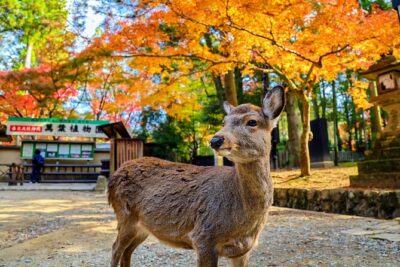
World Heritage Kyoto & Nara Uji Authentic Matcha Experience
Read our review →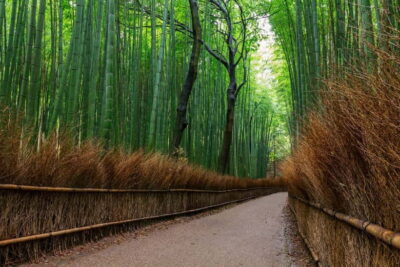
Kyoto/Osaka: Nara, Fushimi Inari Taisha, Arashiyama Bus Tour
Read our review →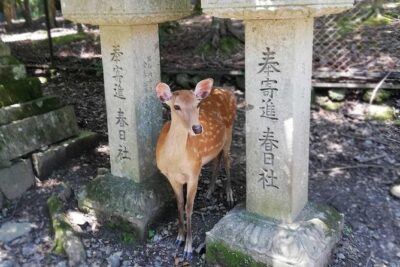
Nara Half Day Trip Walking Tour (Private Option Available)
Read our review →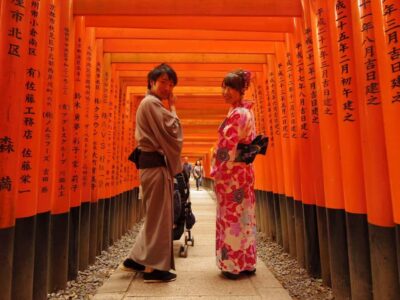
Osaka/Kyoto: Arashiyama, Nara & Fushimi Inari Shrine w/Lunch
Read our review →
Nara Early Morning Tour (Kyoto or Osaka Departure Available)
Read our review →

Full Day Guided Tour to Kyoto and Nara from Osaka by Van
Read our review →
Browse the lists this tour appears in