Reviewed · ARASHIYAMA & BAMBOO GROVE TOURS
Kyoto: Arashiyama Bamboo Forest, Monkeys, Matcha & Temple Tour
Arashiyama packs a lot into one Kyoto morning or afternoon: a UNESCO-listed Zen temple, the famous bamboo path, a mossy shrine, a matcha break, a historic bridge, and wild macaques on a hill above the city. This tour brings those pieces together in about four hours, so you can see the district without working out the route yourself.
I especially like the contrast between Tenryu-ji’s quiet gardens and the noisy, playful monkey park. I also like the small cultural touches, especially the Uji matcha stop and the explanation of Nonomiya Shrine. Guides including Tim, Amy, Nay, and Gabriele have been singled out for friendly pacing and useful local details.
The main caution is physical. Monkey Park requires an uphill walk, and the paths can be difficult in poor weather. The group can include up to 15 people, and one low-rated experience reported a late start and a guide whose explanations felt too scripted, so the quality may depend on the particular guide and group on your day.
Key points at a glance
- A full Arashiyama sampler: You visit five major sights in roughly four to four and a half hours.
- Tenryu-ji entry is included: You get time in one of Kyoto’s best-known Zen temple compounds and gardens.
- The monkey park is the workout: Reaching the macaques means climbing uphill, but the Kyoto views are a major payoff.
- Matcha adds a local pause: One Uji matcha drink is included, with some experiences also describing a matcha ice cream stop.
- Small-group format: The maximum group size is 15, which is more manageable than a large coach tour.
- A guide makes the difference: Tim, Amy, Nay, Gabriele, Sofia, Pedro, Shin, Maggie, Gabri, and Meg are among the guides praised for warmth, organization, and cultural explanations.
Why this Arashiyama route works
Arashiyama is easy to underestimate. On a map, the attractions look close together. In practice, the district has crowded paths, side lanes, temple grounds, a river crossing, and a steep climb to Monkey Park Iwatayama. A guided route saves you from stopping every few minutes to check directions.
The tour also gives you variety. You are not spending four hours looking at one shrine or walking through one grove. Instead, the day moves from Zen gardens to bamboo, from Shinto tradition to tea, and then from a broad river view to living wildlife. That mix is the best reason to choose it.
The timing is fairly brisk but not frantic. The listed stops add up to about three hours, leaving room for walking between them, the matcha break, explanations, photographs, and bathroom pauses. One four-hour experience included a group of 12 and made time for breaks along the way. Still, you should expect a walking tour, not a leisurely half-day of sitting.
The meeting point is Tully’s Coffee at Randen Arashiyama Station. That is practical if you are using the local railway, and the area is near public transportation. The tour ends back at the same meeting point, which makes it easier to continue exploring Arashiyama afterward.
Other tea ceremonies in Kyoto people book:
- Kyoto: Tea Ceremony in a Traditional Tea House in Kiyomizu
★ 4.9 · 3,519 reviews - Kyoto: Tea Ceremony Ju-An at Jotokuji Temple
★ 4.9 · 3,207 reviews - Kyoto: 45-Minute Tea Ceremony Lesson Experience
★ 4.3 · 2,378 reviews
Tenryu-ji begins the day on a calm note
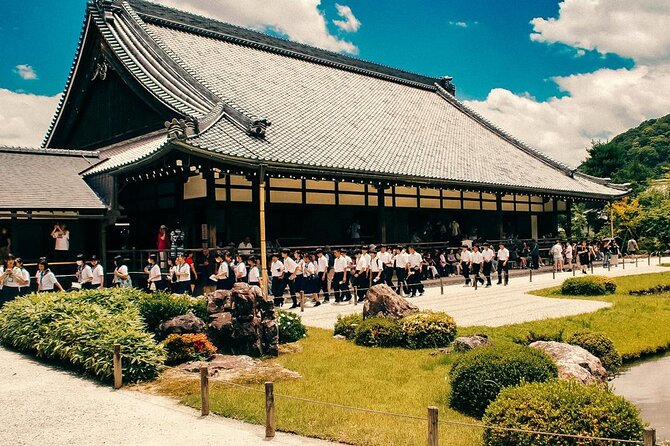
Tenryu-ji is the strongest cultural opening. This UNESCO World Heritage Site is one of Arashiyama’s major temples, and the tour includes the entry fee. You spend about 30 minutes seeing its gardens and temple setting, where water, stones, trees, and seasonal color create a carefully ordered view.
I like starting here because it gives the rest of the route a frame. The bamboo grove is beautiful, but without context it can become a quick photo stop. Tenryu-ji shows you the quieter side of the district first. The garden’s calm design helps explain why Arashiyama has long drawn people seeking scenery and reflection.
Thirty minutes is enough for an introduction, but not enough for an in-depth temple visit. If you want to study every garden detail or spend a long time inside the buildings, you may want to return on your own after the tour. The guide’s explanation is most useful for pointing out what to notice and giving the site cultural context.
Bring your camera, but give yourself time to look beyond the central pond. The reflections and seasonal changes are a major part of the appeal. The gardens are especially rewarding for anyone who likes design, not just grand architecture.
The Bamboo Forest is beautiful, busy, and brief
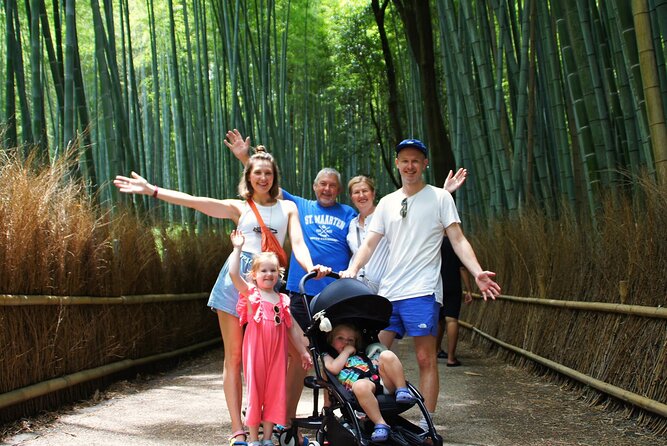
The Bamboo Forest receives about 30 minutes. Tall stalks rise on both sides of the path, filtering the light and creating one of Kyoto’s most recognizable scenes. The effect is genuinely unusual, especially when the bamboo sways overhead.
The practical truth is that this is a famous place, not a secret trail. The path can be crowded, and half an hour passes quickly. A guide helps you move through it efficiently, but cannot guarantee a quiet walk or an empty photograph.
I like the way this stop follows Tenryu-ji. The temple garden is controlled and formal; the bamboo path feels more enclosed and natural. That change keeps the route from becoming visually repetitive.
Treat the grove as a short atmospheric walk rather than a long woodland hike. Stay with the group, listen for the meeting instructions, and take your photos without blocking the path. If the bamboo is your top priority, ask the guide when you can pause for pictures.
Nonomiya Shrine brings the route back to local tradition
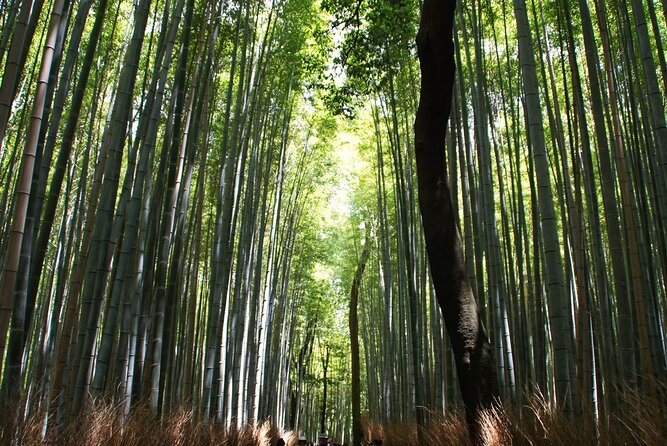
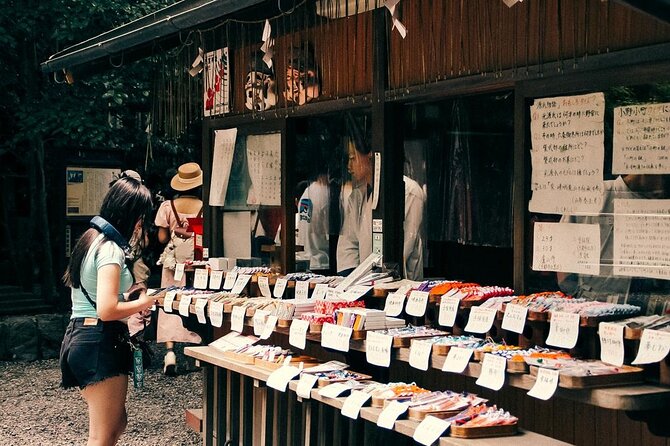
Nonomiya Shrine is a smaller stop, lasting about 15 minutes. It is associated with ancient purification rituals and sits among mossy woods near the bamboo area. Compared with Tenryu-ji, it is modest in scale, but that is part of its appeal.
This is where the route feels less like a checklist of famous sights. The shrine offers a quieter moment and a chance to understand a different side of Japanese religious practice. The guide can connect the site’s older traditions with customs that remain visible in Japan today.
Do not expect a long visit or a large complex. The value is in the setting and the story. Fifteen minutes is enough to see the shrine, hear its background, and take in the moss-covered surroundings before moving on.
Other temples and shrines in Kyoto people book:
- Arashiyama Bamboo, Temple, Monkeys, or Secret Sake Brewery
★ 4.8 · 886 reviews - Osaka/Kyoto: Arashiyama, Nara & Fushimi Inari Shrine w/Lunch
★ 4.4 · 754 reviews - Kyoto: Ninnaji Temple Entry Ticket
★ 4.2 · 650 reviews - Kyoto Zen Meditation & Garden Tour at a Zen Temple with Lunch
★ 5.0 · 441 reviews
Matcha makes a useful cultural pause
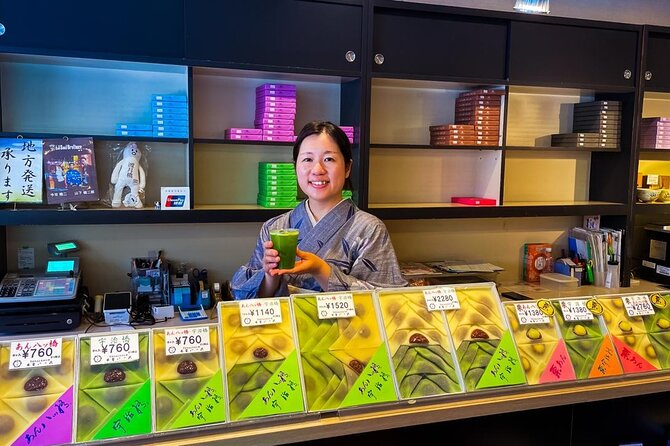
The included Uji matcha drink is a welcome break between sightseeing and the climb to Monkey Park. Matcha is more than a fashionable green drink in Kyoto. It gives the tour a small taste of the area’s tea culture and breaks up the walking.
The exact refreshment deserves a quick note. The inclusions specify one Uji matcha drink, while some experiences describe a matcha ice cream stop. I would not assume both are guaranteed. Check what is being served on your date if the tea or dessert is important to you.
This pause also helps with pacing. Four hours of walking can feel long, especially in warm weather. A seated or standing refreshment stop gives you a chance to regroup before the most demanding part of the route.
Togetsukyo Bridge offers the classic Arashiyama view
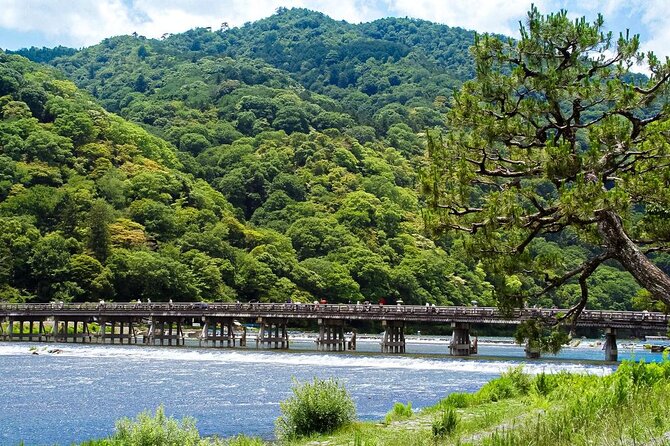
Togetsukyo Bridge is a short stop of about 10 minutes, but it is a useful one. The wooden bridge crosses the river with mountains around it, and its name, Moon Crossing Bridge, suits the graceful setting.
Ten minutes is enough for a crossing, a few photographs, and a brief explanation. It is not a long riverside visit. If you want to linger by the water, return after the tour ends at the nearby meeting point.
The bridge works well as a transition. After the enclosed bamboo grove and quiet shrine, you get open space and a wider view. It also gives you a sense of how Arashiyama’s natural setting shapes the district’s identity.
Monkey Park Iwatayama is the tour’s big payoff
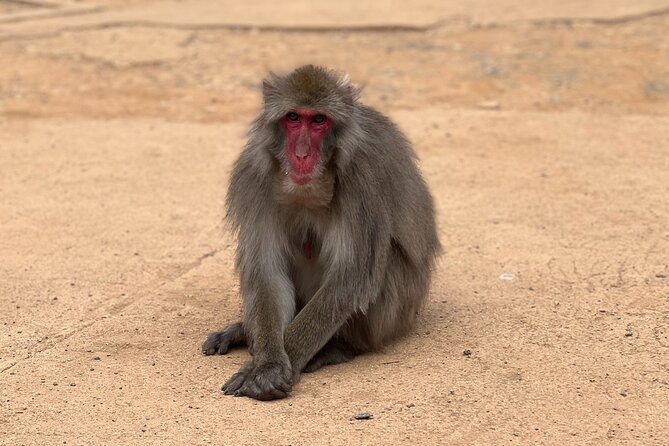
Monkey Park is the most memorable stop for many people, but it is also the part you need to prepare for. The route includes a short hike uphill, and the visit lasts about an hour. At the top, you meet Japanese macaques and look across Kyoto from the mountain.
The macaques are wild animals, so you should watch them rather than try to touch or approach them. The park has a feeding area, and one useful detail from the experience is that the monkeys generally did not approach people unless they were near that area. Keep a respectful distance and follow the guide’s instructions.
The views are a major reward. From the mountaintop, you can see Kyoto spread below with mountains in the distance. The combination of active monkeys and a high city view makes this more than a standard animal encounter.
The climb is the clear drawback. People in good walking condition should still wear comfortable shoes, but the route can be harder for anyone with limited mobility or recent health problems. One couple skipped the climb while friends continued, so it may be possible for some members of a group to opt out, but you should ask the guide rather than assume.
Wet conditions can make the uphill route tricky. Choose shoes with a secure sole, and do not treat this as a flat stroll. If the monkeys are your main reason for booking, be ready to spend real effort reaching them.
The guides shape the experience
The tour’s strongest praise centers on the guides. Tim is described as entertaining, friendly, and good at explaining the area. Amy is praised for adjusting the pace and bringing energy to the outing. Nay is noted for sharing many details about the sites and Japanese culture.
Gabriele receives especially strong praise for giving clear explanations, answering questions, allowing time for photos, and making sure the group stayed together. Sofia is described as attentive and informative, while Pedro and Shen are credited with explaining the history of the places visited.
Shin, Maggie, Gabri, and Meg are also named as helpful guides. That range matters because the tour is not just transportation between sights. Your guide is the person who explains Zen garden design, shrine customs, bamboo, macaques, and the meaning of the bridge.
There is one important balance point. A low-rated experience described a late start caused by people arriving late and found the explanations disorganized and scripted. That is not the dominant impression, but it is a reminder that a guided tour depends on the person leading it and on group discipline. Arrive on time and stay close to the group so the route keeps moving.
Is $53.06 a fair price?
At $53.06 per person, the value is solid if you want the main Arashiyama sights in one organized outing. The price includes a professional English-speaking guide, Tenryu-ji entry, Monkey Park entry, and one Uji matcha drink. You are paying for planning, explanations, and route management as much as for admission tickets.
The price makes less sense if you prefer to wander slowly or already know Arashiyama well. The Bamboo Forest, Nonomiya Shrine, Togetsukyo Bridge, and much of the surrounding district can be visited independently. The main added value here is the combination of sites and the guide’s local context.
For a first Kyoto visit, I think the package is reasonable. You get culture, nature, wildlife, and a scenic river crossing without booking several separate activities. The group limit of 15 is also preferable to a large sightseeing crowd, although the experience may still feel busy at the most famous spots.
Tips are optional and not included. Free cancellation is available up to 24 hours before the start time, while cancellations or changes made less than 24 hours before are not refunded or accepted.
Who should book this tour?
I would choose this tour if you want a structured introduction to Arashiyama and like mixing famous sights with a little walking adventure. It suits first-time visitors, couples, families with active older children, and anyone who wants cultural explanations rather than just a route map.
It is also a good fit if the monkey park is high on your list. The guide can help you reach it efficiently and explain how to behave around the macaques.
I would think twice if you have difficulty with uphill walking, prefer a slow temple visit, or dislike fixed group timing. You can still enjoy Arashiyama independently, and that may be the better choice if you want long stretches of quiet or more time at Tenryu-ji.
Should you book the Arashiyama tour?
Book it if you want the district’s main sights in a compact route and value a guide who can connect temples, shrines, tea, scenery, and wildlife. The best parts are the variety, the included admissions, the mountaintop view, and the chance to learn from guides such as Tim, Amy, Nay, or Gabriele.
Skip it if the uphill monkey walk would be a serious problem or if you want complete control over your pace. For most active visitors, though, this is a practical and well-priced way to see Arashiyama in half a day. Wear good shoes, arrive on time, and save energy for the climb.
FAQ
How long does the Kyoto Arashiyama tour last?
The tour lasts approximately four to four and a half hours.
What sights are included?
The route includes Arashiyama Bamboo Forest, Tenryu-ji Temple, Monkey Park Iwatayama, Togetsukyo Bridge, and Nonomiya Shrine.
Is Tenryu-ji Temple admission included?
Yes. Entry to Tenryu-ji Temple is included in the tour price.
Is Monkey Park Iwatayama admission included?
Yes. The entrance fee to Monkey Park Iwatayama is included.
Is a matcha drink included?
Yes. One Uji matcha drink is included. Some experiences also describe a matcha ice cream stop, so confirm the exact refreshment offered on your tour date.
Where does the tour start?
The meeting point is Tully’s Coffee at Randen Arashiyama Station Shop, at 20-2 Sagatenryuji Tsukurimichicho, Ukyo Ward, Kyoto.
Where does the tour finish?
The activity ends back at the meeting point.
How large is the group?
The maximum group size is 15 people.
Is the tour suitable for people with limited fitness?
Most people can participate, but the route includes considerable walking and an uphill hike to Monkey Park. The climb may be difficult for anyone who is not in good health, and wet weather can make it more challenging.
More tea ceremonies elsewhere in Japan
- Kyoto: Table-Style Tea Ceremony at a Kyo-Machiya
★ 4.9 · 1,211 reviews - Kimono Tea Ceremony at Kyoto Maikoya, NISHIKI
★ 5.0 · 911 reviews - Kyoto: Tea Museum Tickets and Matcha Grinding Experience
★ 4.9 · 739 reviews - Kyoto: Kimono Tea Ceremony at Orizuruya Gion
★ 4.9 · 618 reviews
More Arashiyama tours in Kyoto
- Kyoto: Fushimi Inari, Kinkakuji, Bamboo Grove 1 Day Bus Tour
★ 4.8 · 4,316 reviews - Osaka/Kyoto:Kinkakuji,Arashiyama,FushimiInariShrine,NaraPark
★ 4.1 · 1,596 reviews - Kyoto/Osaka: Nara, Fushimi Inari Taisha, Arashiyama Bus Tour
★ 4.7 · 1,275 reviews - Kyoto Arashiyama Walking Tour: Bamboo, Monkeys, Gardens & Secrets
★ 5.0 · 1,216 reviews
Just added in Kyoto
- Kyoto: Private Photoshoot Service★ 5.0 · 158 reviews
- Kyoto Rickshaw Tour★ 5.0 · 210 reviews
- Izakaya Style Cooking Class★ 5.0 · 219 reviews
- Kyoto: Traditional Concert at Townhouse or Bathhouse★ 4.9 · 224 reviews
- Ninja 2-hour Hands-on Lesson by Japanese master in Kyoto -Medium★ 5.0 · 218 reviews
- Kyoto: Arashiyama Bamboo, Temple, Matcha, Monkeys & secret spots★ 5.0 · 219 reviews
- The right way to know Kyoto★ 5.0 · 257 reviews
- Kyoto Geisha District Walking Tour in Gion★ 5.0 · 232 reviews
Arashiyama & Bamboo Grove Tours, compared.
Osaka/Kyoto:Kinkakuji,Arashiyama,FushimiInariShrine,NaraPark
Read our review →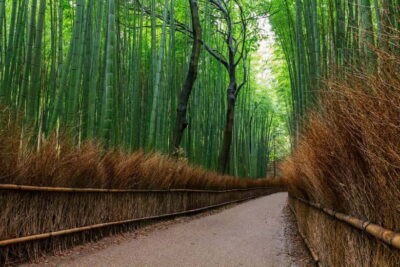
Kyoto/Osaka: Nara, Fushimi Inari Taisha, Arashiyama Bus Tour
Read our review →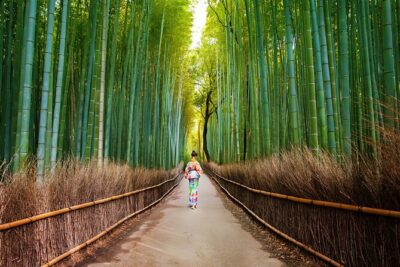
Kyoto Arashiyama Walking Tour: Bamboo, Monkeys, Gardens & Secrets
Read our review →
Arashiyama Bamboo, Temple, Monkeys, or Secret Sake Brewery
Read our review →
Osaka/Kyoto: Arashiyama, Nara & Fushimi Inari Shrine w/Lunch
Read our review →
Nijo, Kinkaku-ji, Arashiyama, Kiyomizu & Fushimi Inari
Read our review →
Kyoto Ghost Tour: Dark Tales, Urban Legends, Bamboo Forest Night
Read our review →