
Reviewed · NARA & THE DEER PARK
Kyoto and Nara Day Trip from Kyoto
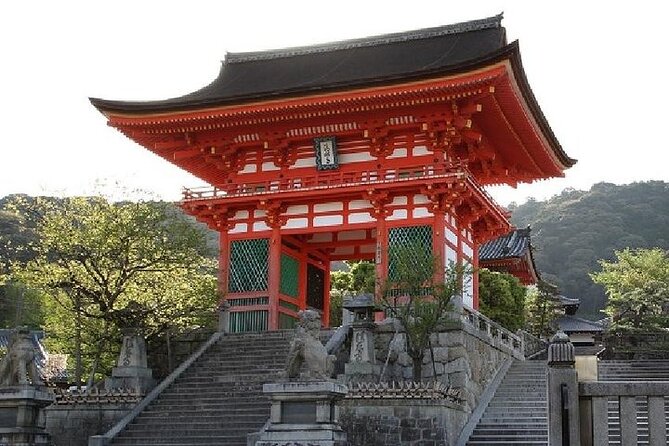
Kyoto’s temples and Nara’s deer make an excellent first look at old Japan, and this full-day route fits both cities into one long, well-organized outing. You will see the gold-covered Kinkaku-ji, walk through the former shogun’s castle, then face Todai-ji’s huge bronze Buddha before meeting Nara’s free-roaming deer.
I like the efficient mix of history and memorable sights, and I like having admission, a guide, and transport bundled together. Guides such as KC, Momo, Yuki, and Etsuko have been praised for clear English, humor, and keeping groups moving. The tradeoff is time: five major stops in 10 to 11 hours means you will see a lot, but you will not linger everywhere.
Key points to know before booking
- Nijo Castle and Kinkaku-ji come first: The Kyoto morning covers two of the city’s biggest sights, with admission included.
- Todai-ji is the grand finale: The Great Buddha Hall and Nara Park provide the day’s largest visual moments.
- The schedule is brisk: Expect roughly 40 to 70 minutes at each listed stop, plus driving time.
- Lunch is optional: Choose Western-style, Indian thali, or no lunch when booking. Meal changes are not accepted on the day.
- The group can reach 40 people: This is organized sightseeing, not a small private walk.
- You finish at Kyoto Station: The Kyoto start and end option returns around 6:30 p.m., with no hotel drop-off.
Why this Kyoto and Nara combination works
Kyoto and Nara are close enough to visit in one day, but planning both on your own takes effort. You must work out transport, admission, opening days, and the order of sights. This tour removes most of that puzzle and uses a comfortable, air-conditioned bus between the main stops.
The route also gives you two different views of Japan’s past. Kyoto brings imperial ceremony, shogun power, refined gardens, and polished temple architecture. Nara feels more open and spacious, with old religious buildings, forest paths, shrine lanterns, and deer wandering through the park.
I would treat this as an introduction rather than a deep visit to either city. You will cover many famous places, but the fixed schedule leaves limited time for quiet wandering, extra photographs, or browsing nearby streets.
The tour begins at 8:20 a.m. at the JTB Sunrise Tours Desk in the basement of Kyoto Avanti, beside Kyoto Station. Allow time to find the meeting point inside the building. One useful practical point: the meeting location is not simply a platform outside Kyoto Station, and it can be confusing if you do not know the station area.
The tour can include up to 40 people. Seats may not be assigned, so arrive on time and follow the guide’s instructions closely. Keeping to the schedule matters because the bus must move a full group between distant sights.
Other day trips out of Kyoto:
- Kyoto/Osaka: Nara, Fushimi Inari Taisha, Arashiyama Bus Tour
★ 4.7 · 1,275 reviews - Osaka/Kyoto: Arashiyama, Nara & Fushimi Inari Shrine w/Lunch
★ 4.4 · 754 reviews - Full Day Guided Tour to Kyoto and Nara from Osaka by Van
★ 5.0 · 420 reviews
Nijo Castle opens the morning with shogun power
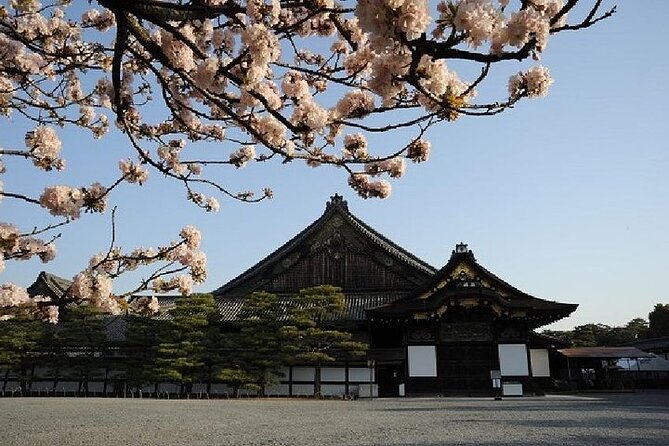
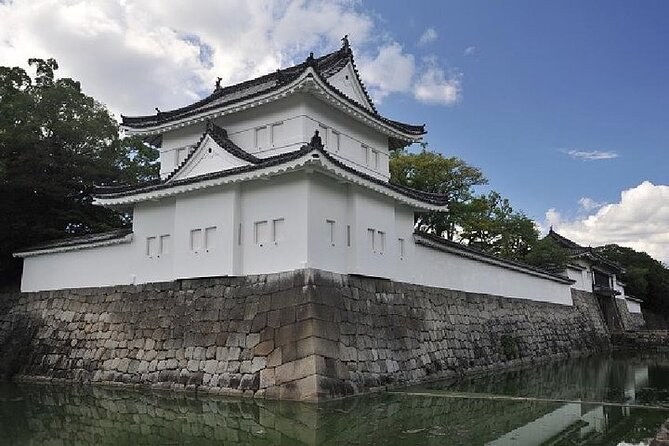
Nijo Castle was completed in 1626 as lodging for the Tokugawa shogun and as a protective presence near the Kyoto Imperial Palace. The first stop lasts about 50 minutes, and admission is included.
This is not a gloomy stone fortress. Its appeal comes from the contrast between the plain, guarded exterior and the elaborate interior. Expect carved decoration and formal rooms that show the authority of the Tokugawa government.
You will need to remove your shoes at Nijo Castle, so wear socks and shoes that are easy to take off and put back on. The visit involves walking, and the time limit means you should keep moving rather than stopping for long at every room.
Nijo Castle closes on certain Tuesdays in January, July, August, and December, as well as from December 26 through January 3. If it is closed, the visit is replaced by Ryoan-ji Temple. You do not receive a partial refund for that substitution, so check the likely date before booking if Nijo Castle is your main reason for joining.
Kinkaku-ji delivers the classic Kyoto photograph
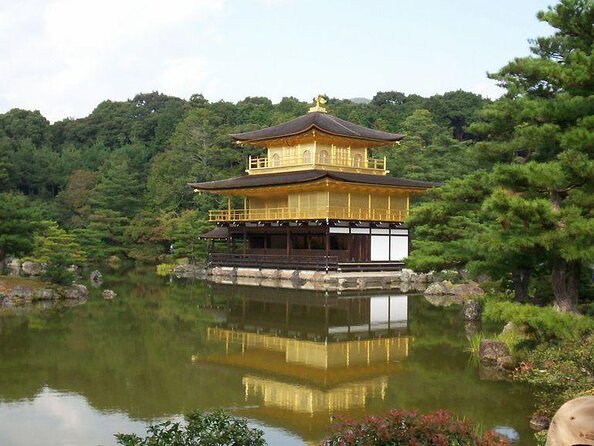
The next stop is Kinkaku-ji, often called the Golden Pavilion. The wooden three-story structure is covered in thin layers of gold leaf and sits beside a pond in a carefully arranged garden. You have about 45 minutes here, with admission included.
This is one of Kyoto’s most recognizable sights, and the setting explains why. The pavilion, water, trees, and surrounding garden are designed to be seen as one composition. Your best views will depend on the crowd and the time available, but you will have a clear chance to photograph the building and walk the main route.
The limitation is simple: Kinkaku-ji is popular, and 45 minutes is enough for the main view but not for a slow garden visit. I would keep your camera ready, listen for the meeting instructions, and avoid wandering too far from the marked route.
The tour places Kinkaku-ji early in the day, which is sensible. You can enjoy one of Kyoto’s biggest visual highlights before the longer drive south to Nara.
Kyoto Imperial Palace adds ceremony and scale
The Kyoto Imperial Palace visit lasts around 40 minutes. The palace served as the Emperor’s residence until about 150 years ago, and you will see the grounds and the Shishin-den, an important site for state ceremonies.
This stop gives useful context to the morning. Nijo Castle represents shogun rule, while the Imperial Palace points to the older imperial institution. Seeing both in one morning makes the political story of Kyoto easier to follow.
The palace grounds are spacious, so this is another stop where you should expect an overview rather than a leisurely exploration. The guide’s explanations matter here, especially if you want to understand how imperial and military power shaped Kyoto.
The palace closes to visitors on Mondays, the following day when Monday is a holiday, and on dates with an Imperial Household Agency event. When that happens, the tour visits Kitano Tenmangu Shrine instead. If the closure falls on the 25th, the replacement is Nishi Hongan-ji Temple. These changes are built into the operating plan, and no refund is offered for the alternative site.
Same base, a different sort of day:
- PERFECT KYOTO 1-Day Bus Tour
★ 5.0 · 13,518 reviews - Kyoto: Fushimi Inari, Kinkakuji, Bamboo Grove 1 Day Bus Tour
★ 4.8 · 4,316 reviews - Kyoto: Tea Ceremony in a Traditional Tea House in Kiyomizu
★ 4.9 · 3,519 reviews - Kyoto Geisha Walking Tour: Gion District & Hidden Gems
★ 4.7 · 3,273 reviews
Lunch choices can change the value of the day
Lunch depends on the option you select. You can book with a Western-style set menu, an Indian thali lunch, or choose no lunch.
The Western-style meal is not automatically suitable for every diet. A vegetarian request must be made at reservation time, and same-day changes are not accepted. Halal, gluten-free, and other meal requests are not available.
The Indian thali option includes three curries, vegetable pakora, yogurt, naan or roti, rice, salad, and one non-alcoholic drink. It is described as suitable for vegetarians. The Indian and Western meals are served in separate dining areas, and you cannot switch between them during the tour.
The no-lunch option may suit you if you prefer to choose your own food. In that case, you have free time to eat in the Kyoto Station area, but you should understand that lunch is not simply something you can add later during the day.
At $194.85 per person, the tour is not a budget outing. Its value comes from the number of admissions, the guide, the driver, and the convenience of moving between Kyoto and Nara without arranging several trains or buses. If you are traveling alone, visiting Japan for the first time, or have only one free day, that convenience can justify the price.
The drive to Nara gives the day a second chapter
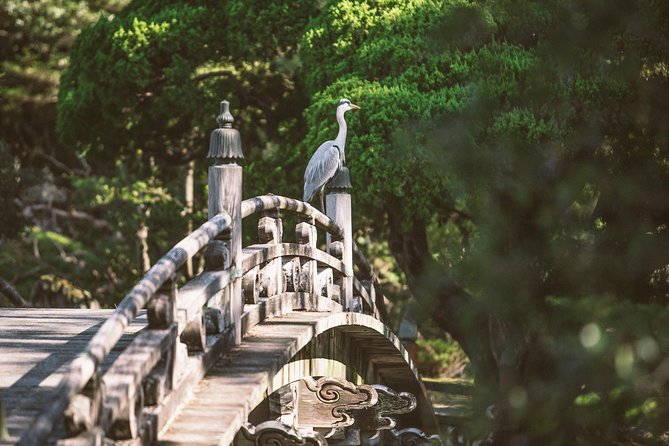
After the Kyoto sights, the bus heads south to Nara. The drive creates a useful change of pace, though road conditions and congestion can alter the exact order and arrival times.
This is where a good guide can make a long sightseeing day feel less mechanical. Guides including KC, Momo, Yuki, and Etsuko have been praised for clear English, humor, historical explanations, and attention to group needs. The strongest guide reports describe a person who answers questions, keeps people on schedule without being harsh, and helps with photographs or practical concerns.
Guide quality can vary from one departure to another, of course. Still, the format gives you a live explanation of Japanese history and religion instead of leaving you to decode each temple alone.
Todai-ji brings the biggest visual moment
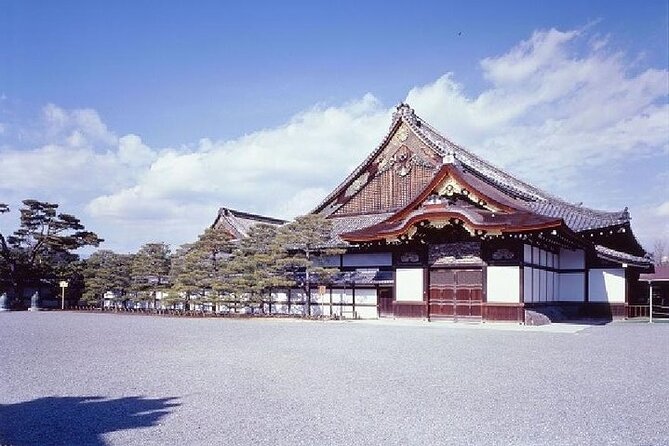
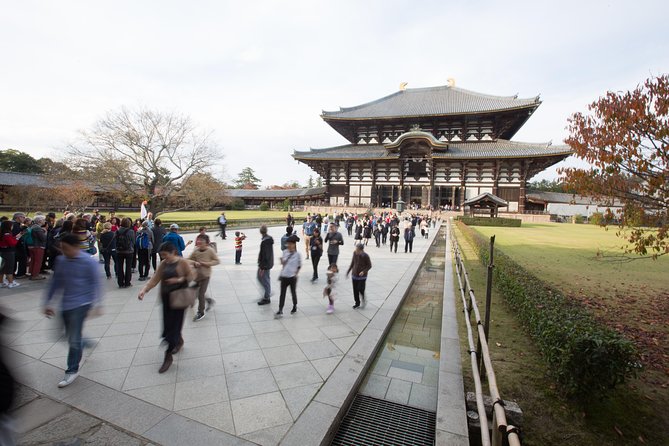
Todai-ji is scheduled for about 1 hour and 10 minutes. Its Great Buddha Hall is one of the world’s largest wooden structures, and the bronze Great Buddha inside is the main attraction.
The scale here is different from Kinkaku-ji. The Golden Pavilion rewards close attention to surface and setting. Todai-ji works through size: a vast wooden hall, a huge statue, and a religious complex tied closely to the Nara period.
Admission is included. You should expect a substantial amount of walking around the temple complex, and the visit comes after a full Kyoto morning. Comfortable shoes and sensible pacing will help.
Todai-ji is also the reason this route is more than a standard Kyoto highlights tour. You get to see how religious architecture developed in Nara before returning to the later imperial and shogun centers represented in Kyoto.
Kasuga Shrine brings lanterns and woodland atmosphere
Kasuga Grand Shrine receives about an hour. This Nara-period shrine is a World Heritage site and is known for more than 3,000 lanterns lining its grounds and interior areas. Nara’s deer are traditionally regarded as messengers of the shrine.
From January 2025, the tour is scheduled to include the Main Sanctuary special visit area. That addition gives the stop more substance than a quick look at the outer grounds. Events or operating conditions can prevent entry, however. If that happens, the visit changes to the Kasuga Taisha Museum or Todaiji Museum, with no refund.
Kasuga is a good counterpoint to Todai-ji. After the huge Buddha hall, the shrine offers a more detailed look at Shinto practice, lanterns, and the connection between sacred sites and the natural setting around them.
Nara Park finishes with deer, not another lecture
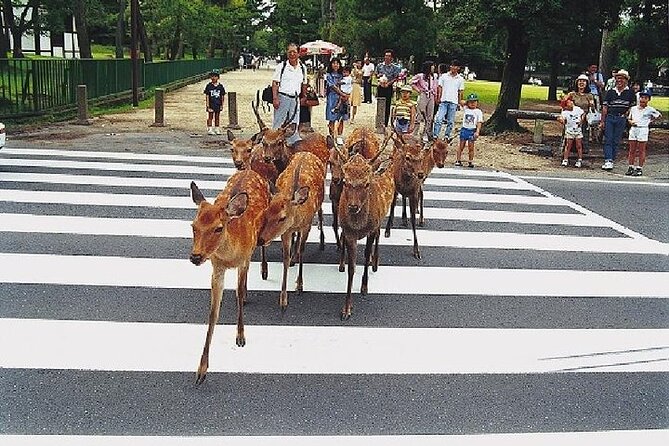
The day ends around Nara Park’s famous deer area. The deer roam freely, which makes this stop feel less formal than the castles, palaces, and temples.
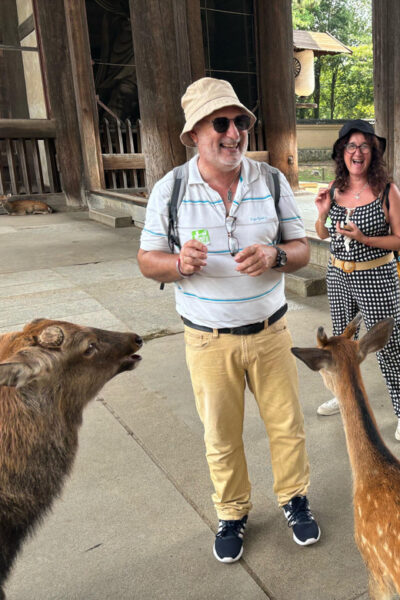
You will want to keep track of the group and the return time. The deer are appealing, but they are still animals, and one guide specifically warned that some can be aggressive. Keep food and belongings under control, follow the guide’s instructions, and do not assume every deer will be gentle.
The main complaint about the Nara portion is not the sights. It is the limited free time. Some people want longer to explore the park, watch the deer, or walk around Todai-ji without checking the clock. This tour cannot provide that freedom because it must return the whole group to Kyoto.
Walking, timing, and the final return
This is a physically active day. You will walk through castle interiors, palace grounds, temple compounds, shrine approaches, and park paths. One especially important detail is that the tour can involve a long walk between the bus and the final sightseeing area.
The schedule is also firm. Several stops allow less than an hour, while Todai-ji and Kasuga Shrine receive longer visits. You should be ready to return to the bus at the stated time, even if you still have a photograph or side path in mind.
The Kyoto start and end option finishes at Kyoto Station at about 6:30 p.m. There is no hotel drop-off, so you make your own way back afterward. This is convenient if you are staying near the station or using Kyoto’s rail connections, but less convenient if your hotel is far away.
The tour can be canceled for a full refund up to 24 hours before the start time. Changes or cancellations inside that window are not accepted.
Who should book this day trip
I would recommend it for a first visit to Kyoto and Nara, especially if you want the major landmarks explained in English and do not want to manage intercity transport yourself. It also suits solo visitors and families who value a clear plan.
It is less suitable if you want slow temple visits, independent meals, quiet photography, or several hours with the deer. You should also think twice if long walking days are difficult or if you need a tightly controlled diet.
Children up to age five may join free, but they do not receive a bus seat or lunch unless booked at the child rate. Anyone under 18 needs written parental permission, and anyone under 15 or not yet in middle school must be accompanied by a parent or guardian.
Should you book the Kyoto and Nara day trip?
Book it if your priority is coverage. In one day, you see a shogun’s castle, a gold pavilion, an imperial site, a major Nara shrine, the Great Buddha, and the deer park. That is a lot of Japan for one ticket.
Skip it if your ideal day has no fixed clock. The price is fair for the transport, admissions, guide, and range of sights, but the value drops if you resent group schedules or need special meal arrangements.
For most first-time visitors with one open day, I would choose it, preferably after checking the closure calendar and selecting lunch carefully. Arrive early at Kyoto Avanti, wear easy walking shoes, and think of the day as a well-packed introduction, not a complete visit to either city.
FAQ
How long does the Kyoto and Nara tour last?
The experience lasts approximately 10 to 11 hours. The Kyoto start and end option returns to Kyoto Station at around 6:30 p.m.
What time does the tour begin?
The scheduled start time is 8:20 a.m.
Where is the meeting point?
You meet at the JTB Sunrise Tours Desk in the basement of Kyoto Avanti, at 31 Higashikujō Nishisannōchō in Kyoto’s Minami Ward.
Where does the tour finish?
The tour finishes at Kyoto Station. Hotel drop-off is not provided.
Is lunch included?
Lunch is included only if you select a lunch option when booking. You can choose a Western-style set menu, an Indian thali lunch, or the no-lunch option.
Can I request a special meal?
Vegetarian requests are available for the Western-style lunch if made during booking. Halal, gluten-free, and other meal requests are not available.
What happens if Kyoto Imperial Palace is closed?
The tour visits Kitano Tenmangu Shrine instead. If the closure falls on the 25th, the replacement is Nishi Hongan-ji Temple.
What happens if Nijo Castle is closed?
The tour visits Ryoan-ji Temple instead. Nijo Castle closes on certain Tuesdays in January, July, August, and December, and from December 26 through January 3.
Is transportation included?
Yes. Transportation between the stops and admission fees are included. The vehicle is air-conditioned.
What is the cancellation policy?
You can cancel at least 24 hours before the start time for a full refund. Cancellations or changes made less than 24 hours before the start time are not accepted.
Just added in Kyoto
- Kyoto: Private Photoshoot Service★ 5.0 · 158 reviews
- Kyoto Rickshaw Tour★ 5.0 · 210 reviews
- Izakaya Style Cooking Class★ 5.0 · 219 reviews
- Kyoto: Traditional Concert at Townhouse or Bathhouse★ 4.9 · 224 reviews
- Ninja 2-hour Hands-on Lesson by Japanese master in Kyoto -Medium★ 5.0 · 218 reviews
- Kyoto: Arashiyama Bamboo, Temple, Matcha, Monkeys & secret spots★ 5.0 · 219 reviews
- Kyoto: Gion & Pontocho Food Tour with 13 Dishes★ 4.9 · 235 reviews
- Kyoto: Afternoon Japanese Izakaya Cooking Class★ 4.9 · 241 reviews
Nara & the Deer Park, compared.
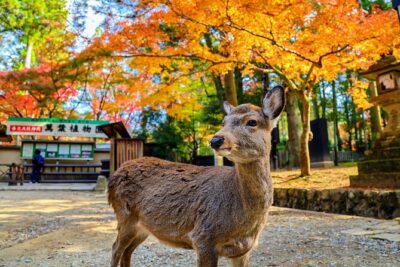
World Heritage Kyoto & Nara Uji Authentic Matcha Experience
Read our review →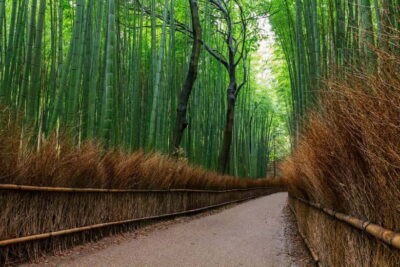
Kyoto/Osaka: Nara, Fushimi Inari Taisha, Arashiyama Bus Tour
Read our review →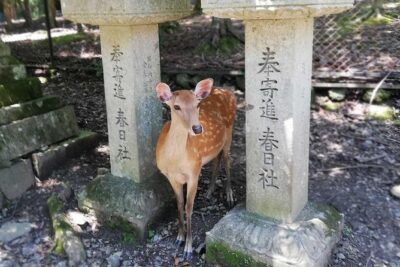
Nara Half Day Trip Walking Tour (Private Option Available)
Read our review →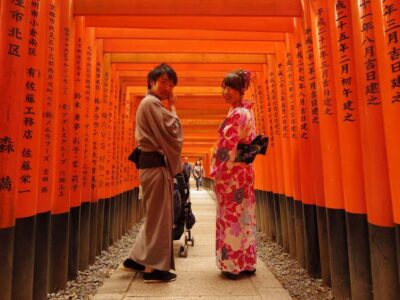
Osaka/Kyoto: Arashiyama, Nara & Fushimi Inari Shrine w/Lunch
Read our review →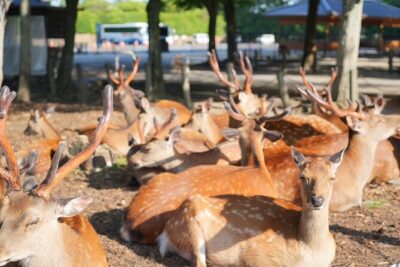
Nara Early Morning Tour (Kyoto or Osaka Departure Available)
Read our review →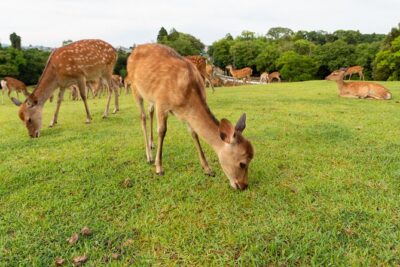
Full Day Guided Tour to Kyoto and Nara from Osaka by Van
Read our review →
Browse the lists this tour appears in